
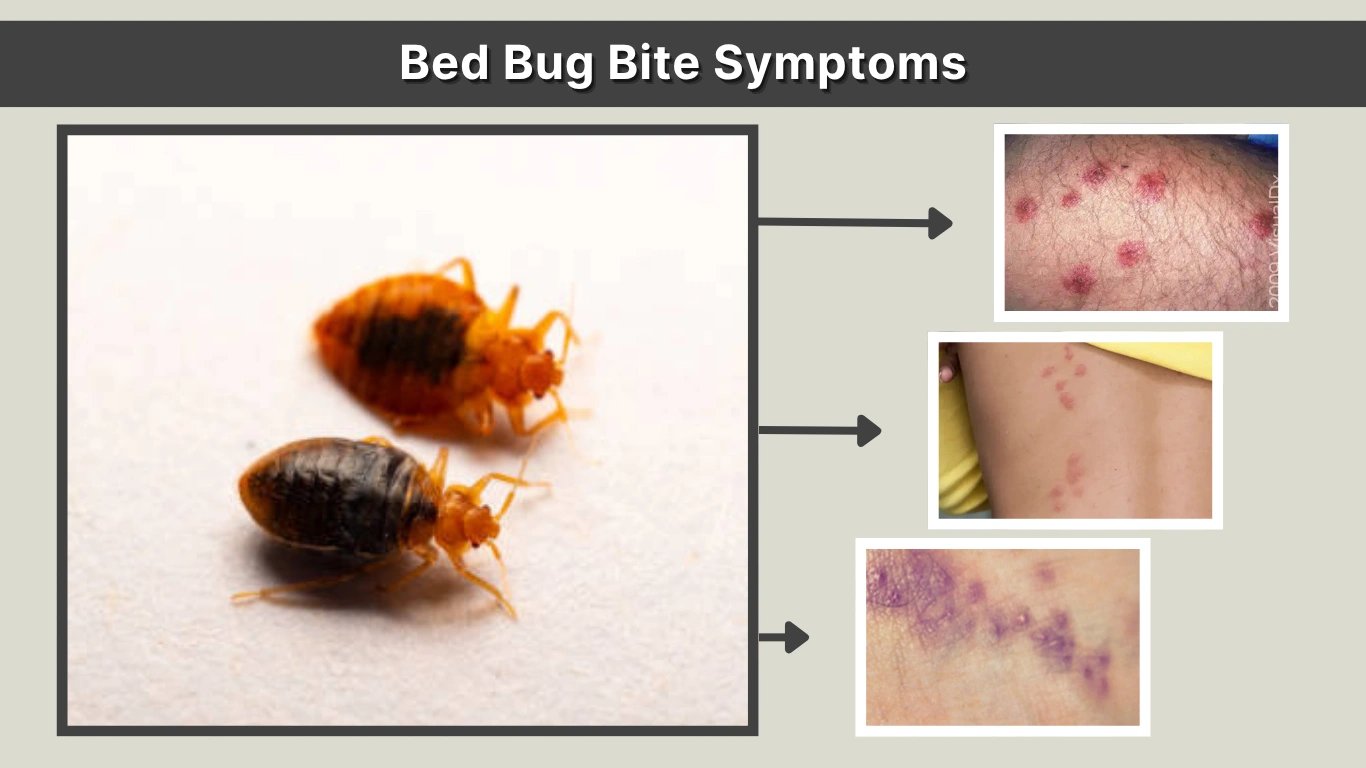
Bed bug bites can be uncomfortable and sometimes alarming, especially when they appear overnight. These tiny pests feed on blood while you sleep, leaving itchy welts that may take days to fully develop. Identifying bed bug bite symptoms early helps confirm an infestation, differentiate them from other insect bites, and start effective treatment before they worsen. This guide explores how bed bug bites look, feel, and change over time.
What Are Bed Bug Bites?
Bed bugs are small, reddish-brown insects that hide in bedding, furniture, and cracks during the day. They emerge at night to feed on human blood through painless bites. Their saliva contains anesthetic and anticoagulant substances that prevent detection during feeding.
Not everyone reacts the same way to bed bug bites. Some individuals develop immediate redness and itching, while others may not show any symptoms for several days. Common bite locations include arms, neck, legs, back, and shoulders, as these areas are often exposed during sleep. Clusters or lines of small, raised bumps are a clear indicator of bed bug activity.
Early Signs and Day 1 Bed Bug Bite Symptoms
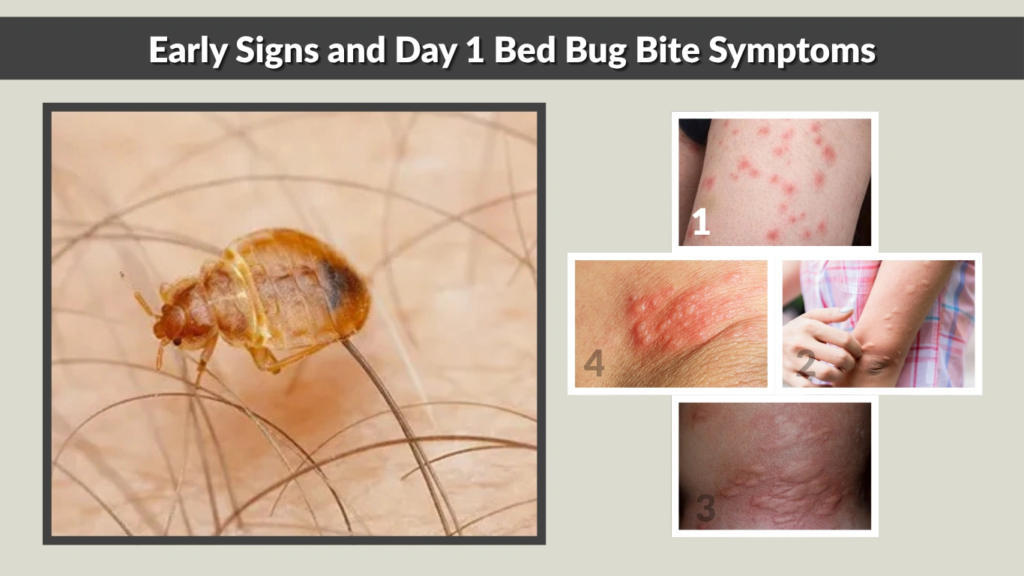
The first symptoms of bed bug bites usually appear within 12 to 24 hours after being bitten. For some, it may take up to three days to notice any reaction.
Day 1 Symptoms Include:
- Slight redness or pink bumps on the skin
- Itching that intensifies over a few hours
- Mild swelling or localized irritation
- Sometimes a burning sensation or tenderness
Bites often appear in straight lines or small clusters, reflecting the bug’s feeding pattern as it moves along the skin. Early identification at this stage can help prevent severe skin irritation and further bites by initiating prompt treatment.
Appearance and Key Characteristics
Bed bug bites typically resemble mosquito or flea bites but can be distinguished by their consistent pattern and persistence. They usually appear as:
- Small, raised red welts (2–5 mm in diameter)
- Grouped marks that form linear or zigzag lines
- Itchy and inflamed skin, especially after scratching
- Dark red or purplish center in some cases
Over the following days, the bumps may grow larger or merge into a rash. On sensitive skin, they may blister slightly or develop crusted scabs if scratched too hard. Unlike mosquito bites, which fade quickly, bed bug bites often last for one to two weeks without treatment.
Bed Bug Bite Symptoms vs. Mosquito Bites
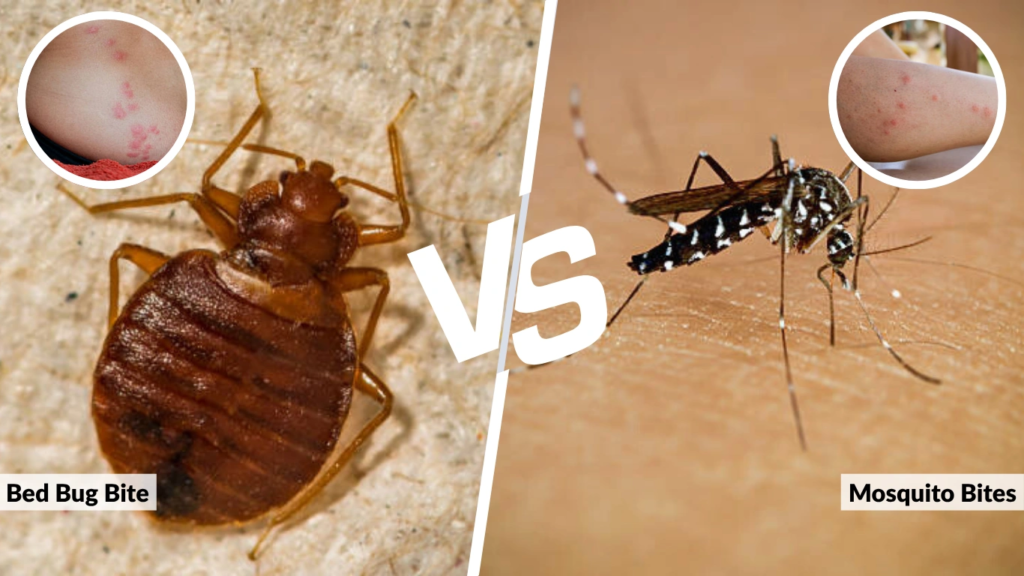
It’s common to confuse bed bug bites with mosquito bites, especially in warm climates. However, several visual and behavioral clues can help you tell them apart:
| Feature | Bed Bug Bites | Mosquito Bites |
| Pattern | Clusters or straight lines | Random individual bumps |
| Appearance Time | Delayed (hours to days) | Immediate |
| Color | Red or pink with darker center | Light pink to red |
| Itchiness | Persistent and intense | Temporary and mild |
| Common Areas | Arms, neck, back, and legs | Exposed skin like arms and ankles |
Bed bug bites also tend to appear after sleeping or resting, whereas mosquito bites can occur anytime outdoors.
Allergic Reactions to Bed Bug Bites
While most bed bug bites cause mild irritation, some individuals develop allergic reactions that require medical attention. Allergic symptoms usually appear within 24 hours and can include:
- Severe swelling or blistering around bite sites
- Red, inflamed patches spreading beyond the bite area
- Intense itching that disrupts sleep
- Hives or raised welts over large areas of skin
- In rare cases, fever or difficulty breathing
These reactions occur when the immune system responds strongly to bed bug saliva. Applying antihistamine creams or oral medications can help relieve itching and inflammation. If symptoms worsen, consult a dermatologist or healthcare provider for corticosteroid treatment or antibiotics.
Bed Bug Bite Symptoms on Different Skin Types
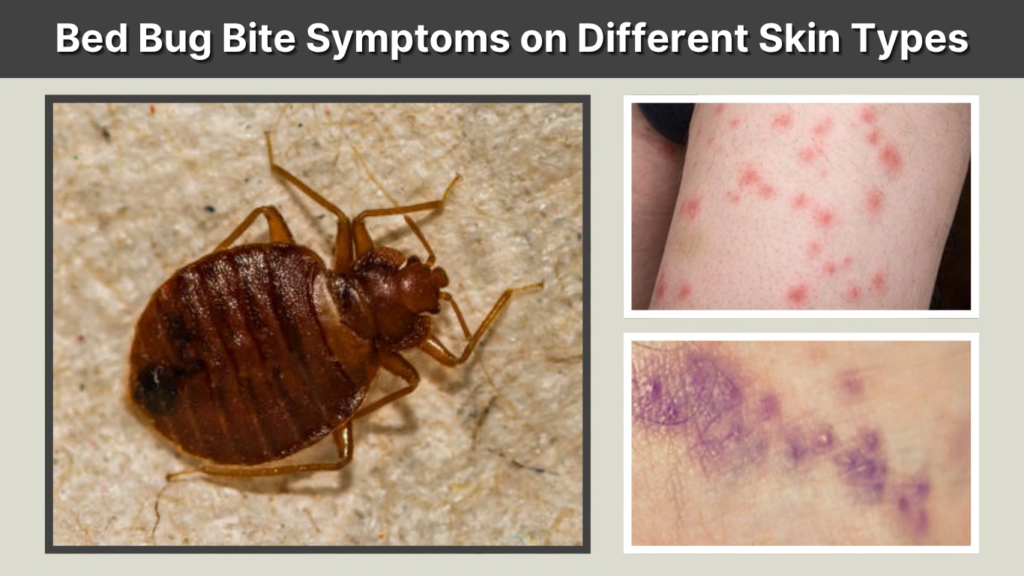
The appearance of bed bug bites varies with skin tone and sensitivity, but the discomfort remains similar.
On Light Skin
- Red or pink welts with visible inflammation
- Sometimes surrounded by lighter halos
- Easy to distinguish from surrounding skin
On Dark or Black Skin
- Bites appear as darker brown or purplish spots rather than bright red
- May leave hyperpigmentation marks during healing
- Itching and irritation levels remain the same
Since redness may not be prominent on darker skin, individuals might notice texture changes or persistent itching before visual symptoms appear.
Bed Bug Bite Symptoms Timeline
The progression of bed bug bite symptoms typically follows a consistent pattern:
- Day 1–2: Red bumps appear with mild itching or irritation.
- Day 3–5: Swelling increases, and itching becomes more intense.
- Day 6–10: Bumps start to flatten and fade in color, but marks may darken.
- Day 11–14: Itchiness subsides, and healing begins; older bites may still leave faint scars.
Factors like scratching, allergies, and individual skin sensitivity can prolong the healing process. People with stronger reactions may experience lingering marks for up to three weeks.
Bed Bug Bite Infection Symptoms
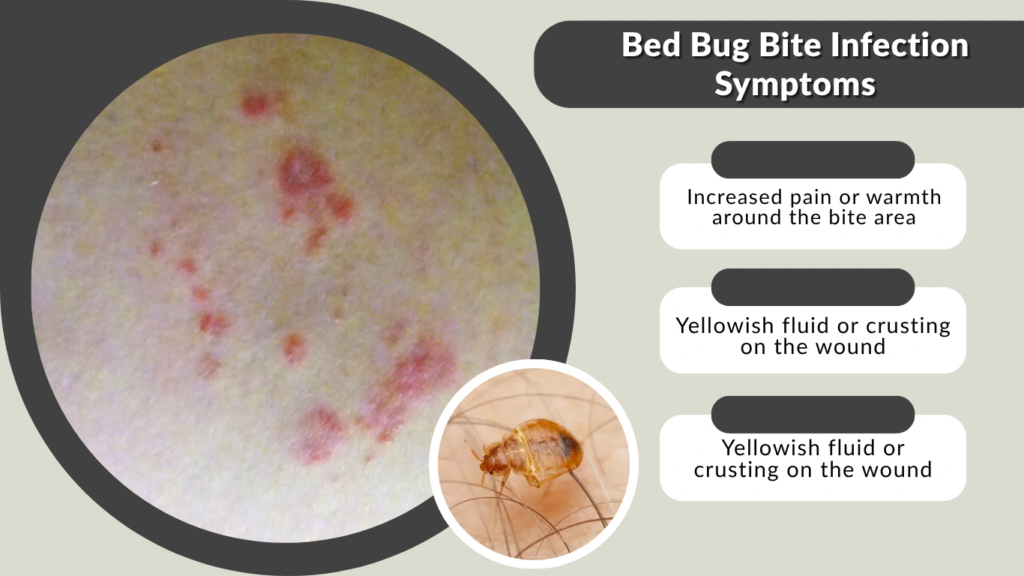
Scratching bed bug bites excessively can break the skin, allowing bacteria to enter and cause infections. Warning signs of infection include:
- Increased pain or warmth around the bite area
- Yellowish fluid or crusting on the wound
- Yellowish fluid or crusting on the wound
- Fever or fatigue in severe cases
Treat infected bites with topical antibiotic ointments, keep the area clean, and avoid scratching. If symptoms worsen, a doctor may prescribe oral antibiotics or stronger medications.
Bed Bug Bite Symptoms on Face and Body
Bed bugs prefer exposed skin, making the face, neck, hands, and arms common targets. Facial bites may cause noticeable swelling and discomfort, especially around the cheeks or forehead. In some cases, multiple bites create a rash-like appearance, which can affect confidence and sleep quality.
On other body areas such as the legs or back, the bites often appear in lines under clothing folds or blanket contact points. While these bites are not dangerous, scratching can lead to scarring or pigmentation changes if not treated promptly.
Bed Bug Bite Symptoms in Humans vs. Pets
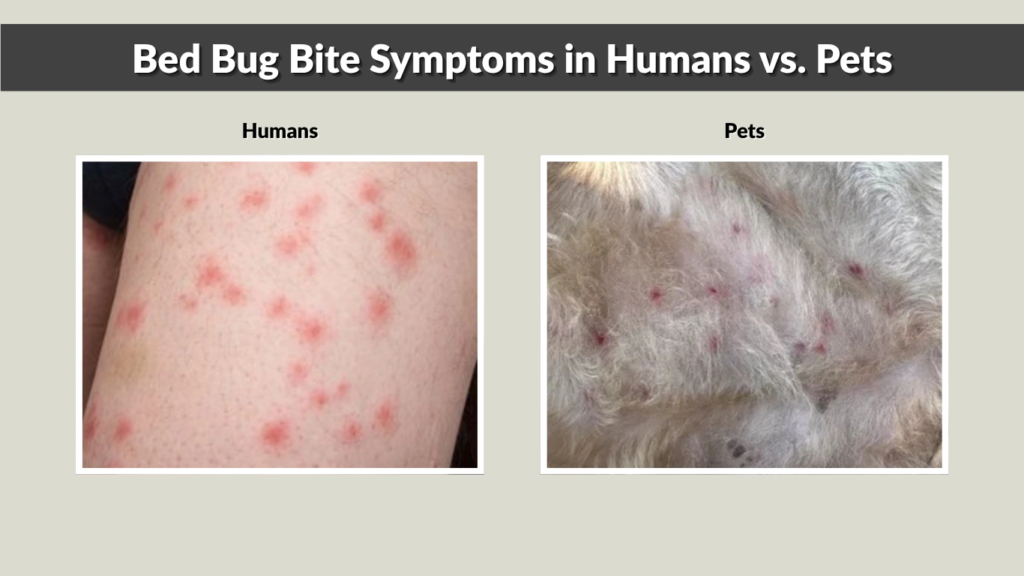
Although bed bugs prefer human hosts, they can bite pets if infestations are severe. The symptoms may differ slightly between humans and animals.
In Humans
- Clusters of small, red, itchy bumps
- Bites mainly on arms, neck, or legs
- Possible swelling or allergic response
- Irritation worsening at night or after scratching
In Pets (Dogs and Cats)
- Constant scratching or licking of certain areas
- Tiny red spots or scabs, often near the belly or legs
- Hair loss or irritated skin patches
- Restlessness and discomfort during sleep
To treat pets, wash their bedding in hot water and vacuum surrounding areas thoroughly. Always consult a veterinarian before using any sprays or insecticides near animals.
Bed Bug Bite Symptoms and Treatment

Treating bed bug bites focuses on reducing discomfort and preventing infection rather than eliminating the bugs themselves. Relief can be achieved through a mix of medical remedies and natural home treatments.
Medical and Over-the-Counter Treatments
- Hydrocortisone Cream: Reduces itching, redness, and swelling.
- Antihistamines: Oral or topical options like Benadryl relieve allergic reactions.
- Calamine Lotion: Soothes irritation and speeds healing.
- Antibiotic Creams: Used if scratching causes open sores or infections.
- Pain Relievers: Over-the-counter medications like ibuprofen or acetaminophen reduce inflammation.
Always wash the affected area with mild soap and water before applying medication. If symptoms persist beyond two weeks or infections spread, seek professional medical care.
Home Remedies for Bed Bug Bite Relief

- Aloe Vera Gel: Provides cooling relief and promotes healing.
- Cold Compress: Reduces swelling and soothes burning sensations.
- Oatmeal Baths: Relieve itching and inflammation naturally.
- Honey: Acts as an antibacterial barrier for open sores.
- Tea Tree or Lavender Oil: Mixed with carrier oil, these essential oils help reduce itching and swelling.
Avoid scratching, as it worsens inflammation and increases the risk of infection.
Bed Bug Bite Symptoms Duration
The duration of symptoms depends on individual sensitivity, bite severity, and skin type. Generally:
- Mild cases: Symptoms last 3–5 days.
- Moderate cases: Itching and redness persist for 1–2 weeks.
- Severe allergic reactions: Marks may linger for up to 3 weeks or more.
Healing can be accelerated by keeping the skin clean, moisturized, and protected. People with stronger immune reactions may develop hyperpigmentation or small scars, which fade gradually.
Bed Bug Bite Symptoms on Different Body Areas
Bed bugs do not discriminate when biting, but certain body parts are more commonly affected.
Face and Neck
These areas are most exposed during sleep. Bites often cause visible redness and swelling, sometimes resembling acne. Applying aloe vera or cold compresses can reduce puffiness and irritation.
Arms and Legs
Bites typically form in straight lines or small clusters. These areas are prone to scratching, so covering them lightly at night helps prevent irritation.
Back and Shoulders
Since these areas touch bedding directly, multiple bites often appear here. Using an anti-itch lotion or mild steroid cream provides relief.
Delayed or Secondary Bed Bug Bite Symptoms
Some people experience delayed reactions, where bites appear up to a week later. This delayed sensitivity occurs because the immune system reacts slowly to bed bug saliva.
In other cases, secondary infections develop due to scratching. Symptoms may include:
- Pus-filled blisters or scabs
- Spreading redness or tenderness
- Thickened skin or persistent pain
If such symptoms occur, medical evaluation is necessary. Doctors may prescribe antibiotics or corticosteroids for faster recovery.
Preventing Bed Bug Bite Recurrence
Treating the symptoms is only temporary if the infestation remains. Preventing future bites requires eliminating the source and taking preventive steps at home.
Steps for Prevention
- Inspect Bedding Regularly: Look for small blood stains, black spots, or shed eggshells.
- Vacuum Thoroughly: Focus on mattress seams, furniture joints, and wall cracks.
- Wash and Heat-Dry Fabrics: Use hot water and a high dryer setting to kill bed bugs and eggs.
- Use Mattress Encasements: Prevent bugs from hiding in your bed.
- Seal Cracks and Crevices: Block entry points where bugs can hide.
- Avoid Used Furniture: Bed bugs often hide in second-hand items.
Combining regular inspection and cleanliness greatly reduces reinfestation risks.
When to Seek Medical Help
Most bed bug bites heal naturally, but you should see a doctor if you experience:
- Widespread rashes or blistering
- Persistent fever or chills
- Difficulty breathing (possible severe allergy)
- Infected wounds that don’t improve after a few days
In rare cases, bed bug bites can trigger systemic allergic reactions or cause secondary skin infections, especially in individuals with weakened immune systems.
FAQs
How long after a bed bug bite do symptoms appear?
Symptoms often appear within 12 to 48 hours, though some people may not notice them for several days. Reactions depend on skin sensitivity and prior exposure to bed bug bites.
What are the first signs of bed bug bites on skin?
The first signs include small, red, itchy bumps that appear in lines or clusters. You may also notice mild swelling or a burning sensation at the bite sites, particularly after waking up.
How long do bed bug bite symptoms last?
Most bites heal within one to two weeks, but severe allergic reactions can persist longer. Keeping the skin clean and using hydrocortisone cream can speed recovery.
Can bed bug bites cause allergic reactions or nausea?
Yes. Some individuals experience allergic reactions such as hives, dizziness, or even mild nausea. In these cases, seek medical care and take antihistamines to relieve symptoms.
How can I tell if my bites are from bed bugs or mosquitoes?
Bed bug bites appear in clusters or lines, while mosquito bites are random. Bed bug bites also develop more slowly and remain itchy longer than mosquito bites, which usually fade in a few days.
