

Grey bees, with their soft coloring and gentle habits, are among nature’s most overlooked pollinators. Unlike the bright yellow-and-black bees most people imagine, grey bees display muted tones of silver, black, or white. These solitary bees often appear in early spring, quietly working to pollinate wildflowers, fruit trees, and garden plants. Their calm presence and vital ecological role make them fascinating creatures worthy of attention and protection.
What Are Grey Bees?
The term “grey bee” refers to several bee species that feature silvery or greyish tones rather than the classic bright stripes. Most belong to the Andrena (mining bee) or Melitta genus, both known for nesting underground. These bees are solitary, meaning each female builds and provisions her own nest rather than living in colonies like honey bees.
Their natural role as early pollinators makes them crucial to ecosystems. Emerging when few other insects are active, grey bees pollinate spring blossoms, helping fruit trees and native wildflowers reproduce. Despite their quiet demeanor, they’re among the first indicators of a healthy, thriving environment.
Physical Appearance and Identification

Grey bees are often mistaken for wasps or small bumblebees because of their subdued color. However, closer inspection reveals several key differences.
Color and Pattern
Grey bees usually have a black or dark brown body covered with pale grey or white hairs. Some, like the grey-banded mining bee (Andrena cineraria), show distinctive light grey bands across the abdomen. Others appear entirely dusky or silvery, such as the grey-backed mining bee (Andrena vaga).
Size and Shape
These bees are typically small to medium in size, ranging from 8 to 15 millimeters. They have compact, fuzzy bodies with short antennae and translucent wings. Their muted appearance helps them blend into their natural surroundings, offering camouflage from predators.
Behavioral Traits
Grey bees are calm and non-aggressive. They hover low over the ground in search of nesting spots and are most active in sunny weather. Unlike honey bees, they have no hive to defend, so they rarely sting or act territorial.
Common Species of Grey Bees

Several species fall under the “grey bee” category, each adapted to specific climates and regions.
- Grey-Backed Mining Bee (Andrena vaga) – Found across Europe, this species thrives in sandy soils and woodlands. It is one of the earliest spring pollinators.
- Grey-Banded Mining Bee (Andrena cineraria) – Recognized by its black body with two grey bands, this bee commonly nests in gardens and lawns across the UK.
- Grey-Patched Mining Bee (Andrena nitida) – A widespread species across northern Europe and parts of Asia, known for its subtle grey patches on the thorax.
- Mountain Grey Caucasian Bee (Apis mellifera caucasica) – A domesticated honey bee variety from the Caucasus Mountains, famous for its calm temperament and ability to work in cooler climates.
All of these species share similar nesting and feeding behaviors, emerging in spring to collect pollen from early blooms.
Habitats and Nesting Behavior

Grey bees prefer sandy or well-drained soils, often choosing open patches in lawns, gardens, or woodland edges. Each female bee digs a burrow around six to ten inches deep, with small side chambers for her eggs. She lines each chamber with pollen and nectar, forming a compact “pollen ball” to feed her larvae once they hatch.
Their nests appear as small mounds of loose soil with a pencil-sized entrance hole in the center. While dozens of bees might nest close together, they remain solitary — each burrow belongs to a single female. This clustering can make it look like a colony, but there is no shared hive or queen.
Are Grey Bees Dangerous?
Despite their occasional abundance, grey bees are entirely harmless. They are non-aggressive, focusing only on pollination and nesting. The females have stingers but use them rarely, only when directly handled. Males, which often hover over the ground during mating season, cannot sting at all.
Their short lifespan—typically only four to six weeks—means their presence is temporary. Once their nesting and pollination season ends, the bees disappear, leaving behind larvae that will emerge the following spring. Rather than being pests, they serve as natural allies in maintaining soil health and plant diversity.
Grey Bees in Different Regions

United Kingdom
In the UK, grey bees such as the Andrena cineraria are widespread in gardens and parks. They thrive in sunny areas and often nest in lawns or flowerbeds. Their activity peaks from March to May, coinciding with the bloom of fruit trees.
Arizona and North America
In arid regions like Arizona, small grey bees are frequently observed in desert gardens. These are likely mining or digger bee species adapted to hot, sandy environments. Their nesting habits are similar—burrows in dry soil, short flight seasons, and an essential role in pollinating native desert plants.
Regardless of geography, these bees contribute significantly to local pollination networks, particularly for wildflowers and fruit-bearing plants.
Pollination Role and Ecological Importance
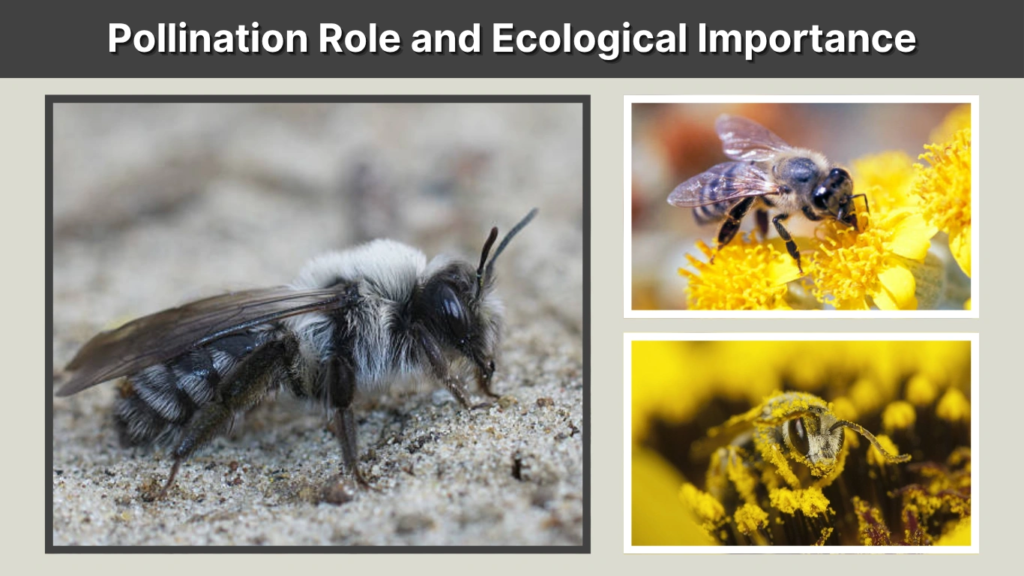
Grey bees are early risers in the pollination calendar. When temperatures are still cool, they emerge to visit flowers like crocus, willow, and dandelion. Their dense hair allows them to carry large amounts of pollen, making them efficient pollinators even in light wind or chilly weather.
Their underground nesting also benefits the soil by improving aeration and nutrient cycling. Each burrow contributes to the ecosystem’s health, balancing both plant and soil life. Protecting grey bees supports not only biodiversity but also food security, as they assist in the pollination of early fruit crops.
Grey Bee Products and Lifestyle Mentions
The idea of “grey bees” has also found its way into modern lifestyle and products, from skincare to home décor. These items often draw inspiration from bees’ natural purity and ecological symbolism.
Popular Grey Bee–Inspired Products
- Savannah Bee Earl Grey Lip Balm: A soothing product combining natural beeswax and bergamot fragrance, echoing the calm essence of grey bees.
- Burt’s Bees Midnight Grey Eyeliner: Eco-friendly cosmetics inspired by natural tones and sustainable packaging.
- Bee Balm Earl Grey: An herbal tea blend offering antioxidant benefits and a subtle citrus aroma.
- Bugaboo Bee Grey Melange Collection: A popular stroller line named for bees, featuring modern grey shades for minimalist design lovers.
- Bee & Willow Grey Gardens Décor: Elegant home furnishings and fabrics featuring delicate bee patterns and soft grey hues.
These items reflect how the bee’s image—particularly in neutral tones—has become associated with calmness, sophistication, and environmental consciousness.
Grey Bees in Music and Pop Culture
The connection between bees and creativity extends even to music. The Bee Gees, one of the most famous pop groups of all time, released early songs like “Battle of the Blue and Grey” in 1963. Although not about insects directly, the combination of “bee” and “grey” has appeared in pop culture repeatedly, symbolizing contrast—between chaos and calm, or industry and introspection.
In various forms of media, grey bees and their colors evoke subtle strength, making them recurring symbols in everything from fashion to environmental campaigns.
Conservation and Ecology
Like many other bee species, grey bees face challenges from habitat loss, pesticides, and climate change. Their nesting sites—bare patches of soil and open meadows—are often disrupted by urban development. Protecting these gentle pollinators is vital for maintaining biodiversity.
How to Support Grey Bees
- Avoid chemicals: Use natural fertilizers and eco-friendly pest control.
- Plant native flowers: Early bloomers like crocus, willow, and apple blossoms provide essential nectar sources.
- Leave small bare patches: Grey bees need dry soil for nesting.
- Educate others: Spread awareness about solitary bee conservation.
Preserving grey bees not only sustains local ecosystems but also ensures healthier gardens and food crops for future generations.
FAQs
What is a grey bee?
A grey bee is a solitary bee species, often part of the Andrena or Melitta genus, with soft grey or silver hair on its body. They’re early spring pollinators known for nesting in soil and helping plants bloom before most other insects become active.
Are grey bees aggressive?
No, grey bees are peaceful and rarely sting. Females sting only when directly handled, and males cannot sting at all. Their calm temperament makes them safe around homes and gardens.
Where are grey bees found?
Grey bees live across Europe, North America, and parts of Asia. They prefer sunny, sandy environments—lawns, meadows, or forest edges—where they can dig burrows easily.
What is Andrey Kurkov’s “Grey Bees” about?
It’s a novel that tells the story of a beekeeper living in Ukraine’s war zone. The bees symbolize peace, persistence, and the endurance of ordinary life despite conflict. The book’s quiet tone mirrors the steady rhythm of bee life.
How can I protect grey bees in my garden?
Avoid pesticides, plant native flowers, and keep a few bare soil areas for nesting. Providing early nectar sources like dandelions or crocuses can help grey bees thrive naturally each spring.
