

Potter wasps are solitary insects celebrated for their distinct mud-pot nests and silent role as garden protectors. Unlike social wasps that live in colonies, potter wasps operate independently—building, hunting, and reproducing without any help from a hive. Despite their small size and low profile, they serve a vital ecological purpose by controlling caterpillar populations.
But how long does a potter wasp actually live? In this article, we’ll explore the full lifespan of a potter wasp, including each stage of its development, factors that affect its longevity, and how its lifespan compares to other similar insects.
How Long Do Potter Wasps Live?

Potter wasps typically live for about 6 to 10 weeks from egg to adult death. The adult stage—once the wasp has emerged from the nest—usually lasts 3 to 8 weeks, depending on climate and food supply.
- Males tend to live shorter lives, often just a few days to a week after mating.
- Females live longer, spending their remaining time building nests, hunting prey, and laying eggs.
While this might seem short, every stage of their lifecycle is packed with activity essential to the survival of their species and the balance of the ecosystem.
Life Stages of a Potter Wasp

Egg Stage
The female wasp lays a single egg inside her freshly built pot-shaped mud nest, often along with a few paralyzed caterpillars for food. This stage lasts a few days.
Larval Stage
Once the egg hatches, the larva consumes the stored prey. This stage can last 1–2 weeks, depending on temperature and food quality.
Pupal Stage
After feeding, the larva spins a cocoon and enters the pupal stage. Here, it transforms into an adult. This stage may last another 1–2 weeks, sometimes longer in cooler environments.
Adult Stage
The adult potter wasp emerges, ready to mate, feed on nectar, and for females—build new nests. This active stage lasts up to 8 weeks in ideal conditions.
Factors That Influence Potter Wasp Lifespan
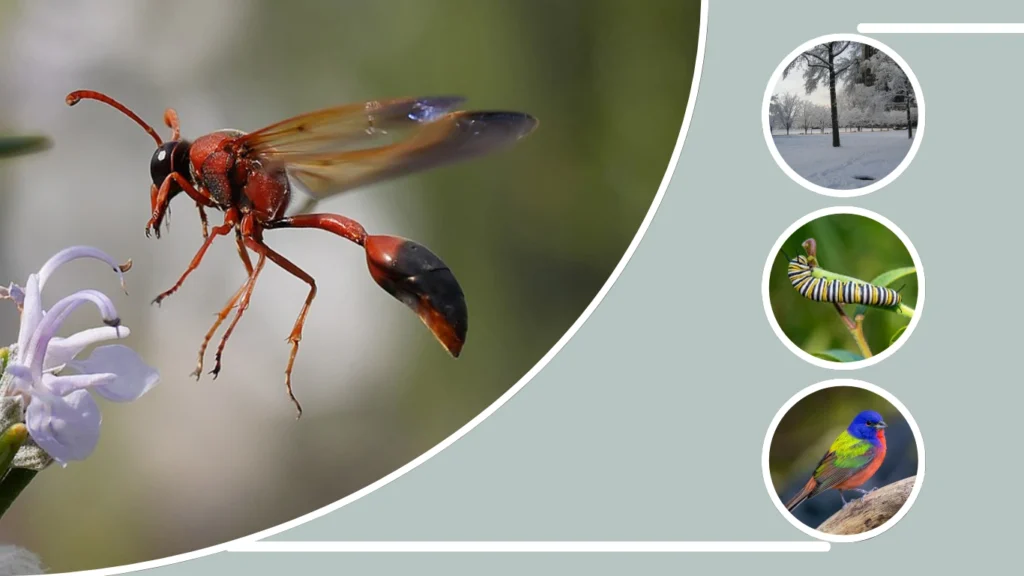
1. Climate and Environment
Warm temperatures accelerate development, while cooler climates slow it down. In colder regions, the entire cycle may pause until spring.
2. Food Availability
A steady supply of caterpillars and nectar-rich flowers ensures healthy larvae and energetic adults. Poor nutrition shortens their lifespan.
3. Predators and Threats
Potter wasps face threats from birds, parasitic wasps, spiders, and human nest removal. These can cut their lives even shorter.
Male vs Female Lifespan
- Males live short lives and die soon after mating.
- Females can live several weeks longer as they continue to build nests and lay eggs.
This difference is common among solitary wasps, where females carry the primary responsibility for reproduction and nest construction.
Do Potter Wasps Die After Stinging?
No. Unlike honey bees, potter wasps do not die after stinging. Their stinger is retractable and used repeatedly—primarily to paralyze prey for their young. They are not aggressive and will only sting in self-defense.
Comparison with Other Wasps

| Insect Type | Average Lifespan (Adult) | Notable Behavior |
| Potter Wasp | 3–8 weeks | Solitary, mud pot nest builder |
| Mud Dauber | 3–6 weeks | Solitary, tubular mud nests |
| Paper Wasp | 4–6 weeks (workers) | Social, builds paper nests |
| Honey Bee | 4–6 weeks (workers) | Social, dies after stinging |
Seasonal Patterns and Survival
In colder regions, some potter wasp species overwinter as pupae inside sealed nests and emerge the following spring. Others may die off completely, with only the eggs ensuring the next generation. In warmer climates, multiple generations can occur within a year.
FAQs About Potter Wasp Lifespan
How long do potter wasps live in the wild?
Most potter wasps live between 6 to 10 weeks in total, starting from egg to adult death. Once they emerge as adults, they typically survive for 3 to 8 weeks, depending on the species, climate, and access to food and shelter.
Can potter wasps live indoors?
Potter wasps may accidentally enter homes, sheds, or garages, especially when searching for nesting sites. However, they don’t thrive indoors due to lack of nectar and natural prey. Without these essential resources, their lifespan is often cut short.
Do all potter wasp species have the same lifespan?
No. While most species follow a similar lifecycle, lifespan can vary based on climate, species traits, and prey availability. For instance, tropical species may complete their development faster and may have multiple generations per year, while those in cooler regions may take longer or overwinter in the pupal stage.
What shortens their lifespan the most?
Potter wasps face multiple natural threats. Predators like birds, parasitoid insects, extreme weather, habitat loss, and lack of prey or flowers all reduce their lifespan. Human actions, such as nest removal or pesticide use, can also be major disruptors.
How long do potter wasp nests remain active?
Potter wasp nests are used only once per offspring. After the adult emerges, the nest is abandoned and doesn’t get reused. However, the dried mud structure can remain visible for several months, especially in sheltered areas, unless destroyed by weather or cleaning.
