
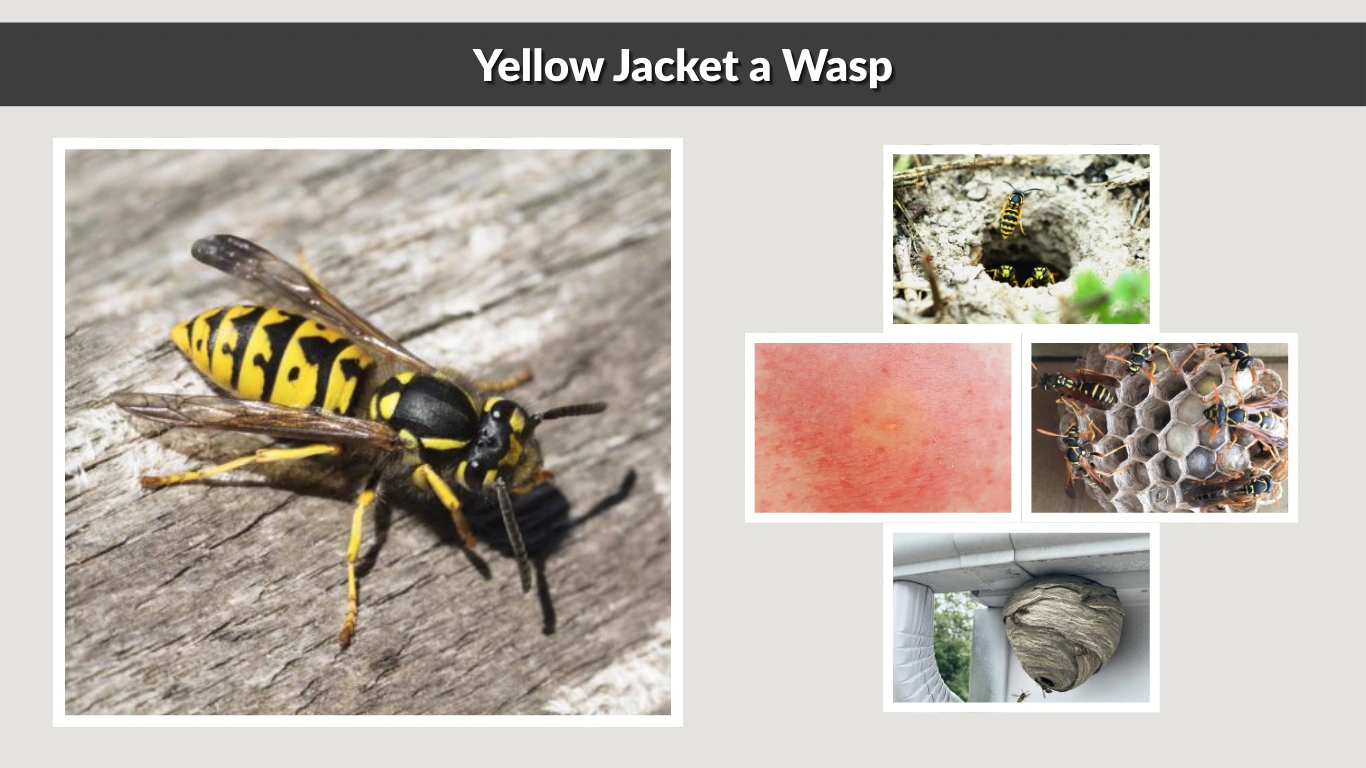
Yellow jackets are among the most recognized insects in North America, often spotted darting around gardens, garbage bins, and picnic tables. Their striking yellow and black pattern makes them easy to notice, but it also causes confusion — many people mistake them for bees or other wasps. The truth is, yellow jackets belong to a specific group within the wasp family, and understanding their behavior, appearance, and habits can help you stay safe and informed.
Is a Yellow Jacket a Wasp?
Yes, a yellow jacket is a type of wasp. They are classified under the genera Vespula and Dolichovespula, both of which belong to the wasp family Vespidae. Unlike bees, yellow jackets have smooth stingers that allow them to sting multiple times without dying. This makes them more aggressive when defending their nests, especially in late summer when resources are scarce.
They are social wasps, living in large colonies that can number from hundreds to thousands of individuals. Their role in nature includes pest control — they feed on other insects — but their close proximity to human activity can make encounters risky. Knowing that they are indeed wasps helps in understanding their behavior, control methods, and ecological importance.
What Does a Yellow Jacket Look Like?

Yellow jackets have bold yellow and black bands on their bodies, which is their most recognizable feature. Their bodies are smooth and shiny, with a narrow “waist” connecting the thorax and abdomen. Most worker yellow jackets measure about 0.5 inches (12–15 mm) in length, while queens can be larger, reaching up to 0.75 inches (19 mm).
One key difference from bees is the lack of hair. Bees have fuzzy bodies that help them collect pollen, whereas yellow jackets have a sleek appearance. Their wings are transparent and fold lengthwise when at rest. This combination of sharp coloration, narrow waist, and glossy exoskeleton makes them easy to distinguish once you know what to look for.
How to Tell the Difference Between a Yellow Jacket and a Bee
From a distance, bees and yellow jackets can look alike due to their yellow and black coloring, but their bodies and behavior tell a different story. Bees are generally rounder, hairier, and slower in flight. They also carry pollen baskets on their legs, which you will never see on a yellow jacket.
Yellow jackets, on the other hand, have a more elongated shape, a defined waist, and a faster, more aggressive flight pattern. Bees can sting only once — their barbed stinger stays in the skin — but yellow jackets can sting repeatedly. This is why yellow jacket encounters often result in multiple stings, making them more dangerous than bees.
Where Do Yellow Jackets Live?
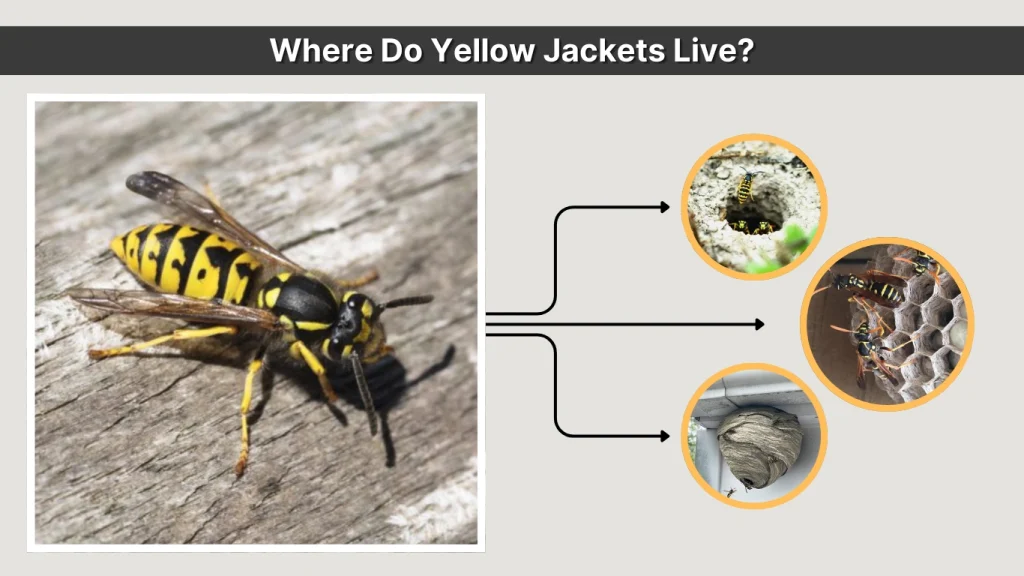
Yellow jackets prefer sheltered locations for their nests. Many species build underground nests in abandoned rodent burrows, while others choose shrubs, trees, attics, or wall cavities. The nests are made from a papery material created by chewing wood fibers mixed with saliva.
A single colony starts in spring when a fertilized queen emerges from winter hibernation and begins building the first cells. By late summer, nests can house thousands of individuals. Ground nests are particularly risky for humans because they can be stepped on accidentally, triggering an aggressive defense from the colony.
What Do Yellow Jackets Eat?
Yellow jackets are opportunistic feeders, consuming both plant and animal matter. Early in the season, they hunt insects like caterpillars, grasshoppers, flies, and spiders to feed developing larvae. They also drink nectar from flowers, contributing to some pollination.
Later in the summer, their diet shifts toward sugary foods — ripe fruit, spilled soda, and human leftovers become highly attractive. This change in diet is one reason they are more visible and bothersome during outdoor meals in late summer and early fall.
Are Yellow Jackets Dangerous?
Yes, yellow jackets can be dangerous to humans and pets. Their stings inject venom that causes pain, redness, and swelling. For most people, these symptoms are temporary, but those allergic to wasp venom can experience life-threatening anaphylaxis, which requires immediate medical treatment.
Their danger lies in both their aggression and their ability to sting repeatedly. A disturbed nest can release dozens of wasps that attack in unison. Multiple stings can overwhelm the body, even in people who are not allergic, making yellow jacket encounters something to avoid.
Why Are Yellow Jackets So Aggressive?
Yellow jackets become more aggressive as the season progresses, especially from late summer to early fall. During this time, natural food sources like nectar and insects start to dwindle, and the colony’s need for carbohydrates increases.
They also have strong nest defense instincts. Any perceived threat — even walking too close — can trigger a swarm attack. Unlike solitary wasps, which generally avoid confrontation, yellow jackets work together to drive away intruders, making them one of the most defensive wasp species.
Can Yellow Jackets Sting Multiple Times?
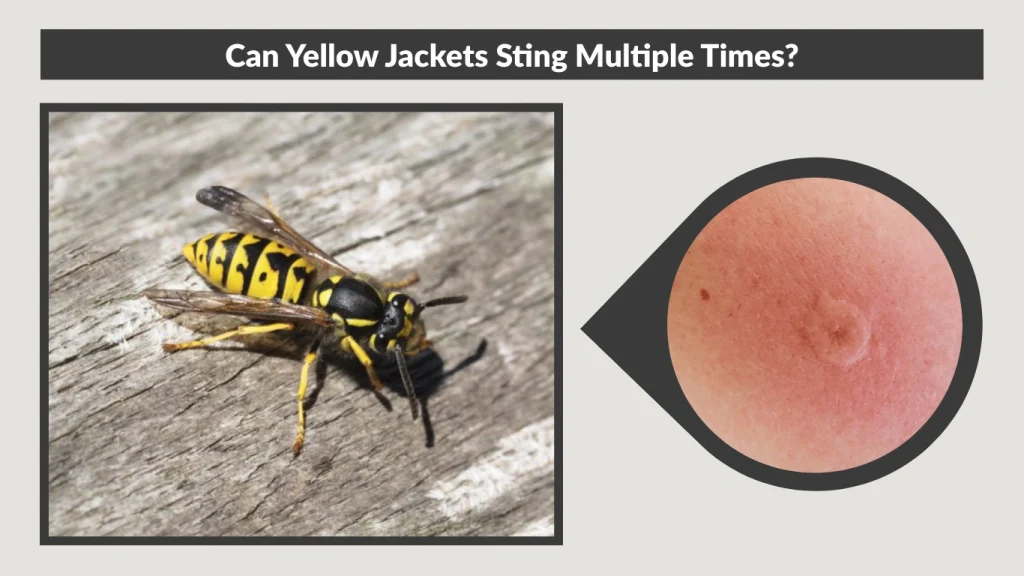
Yes, yellow jackets can sting as many times as they want. Their stingers are smooth, unlike the barbed stingers of honeybees, so they do not get stuck in the skin. This allows them to inject venom repeatedly, causing more pain and swelling.
This ability is part of what makes them so dangerous. When defending their nests, yellow jackets often sting multiple times in rapid succession, and multiple wasps can sting the same victim, increasing venom exposure.
What Should You Do If a Yellow Jacket Stings You?
First, get away from the area to prevent further stings. Wash the sting site with soap and water to remove venom residue. Applying a cold pack helps reduce swelling and pain. Over-the-counter antihistamines or hydrocortisone cream can ease itching.
If you develop hives, dizziness, trouble breathing, or swelling of the tongue or throat, seek emergency medical help immediately, as these are signs of a severe allergic reaction. Even if you are not allergic, multiple stings should be taken seriously, especially in children or the elderly.
How to Avoid Yellow Jacket Stings
Avoid wearing brightly colored clothes or strong perfumes when outdoors, as these can attract yellow jackets. Keep food and drinks covered during picnics, and dispose of trash promptly in sealed containers.
When gardening or mowing, be cautious in areas where you’ve seen wasps entering and exiting the ground. If you notice frequent yellow jacket activity, it’s best to locate and address the nest before it becomes a bigger problem.
How to Get Rid of a Yellow Jacket Nest Safely
Removing a yellow jacket nest can be extremely risky. Professional pest control services have the equipment and expertise to do it safely. Attempting removal on your own should only be done at night when wasps are less active.
Wear thick protective clothing, including gloves and a face shield. Use a wasp-specific insecticide and follow instructions carefully. Even at night, some wasps will be on guard, so move cautiously and be prepared to retreat if they become active.
Do Yellow Jackets Pollinate Like Bees?
While yellow jackets do feed on nectar and transfer some pollen between flowers, they are far less effective pollinators than bees. Their smooth bodies do not trap pollen as well, and their feeding habits are less focused on flowers.
Their ecological role is more centered on controlling insect populations. By hunting pests, they help balance ecosystems, making them beneficial in ways beyond pollination.
Do Yellow Jackets Die in the Winter?
Yes, most yellow jackets die off in winter. Only fertilized queens survive by hibernating in sheltered spots such as hollow logs, tree bark crevices, or attics. When spring arrives, these queens start new colonies from scratch.
In warmer climates, some nests may survive year-round, leading to unusually large and persistent colonies. This is one reason southern states sometimes see more yellow jacket activity in winter months.
Are Yellow Jackets Beneficial?
Despite their aggressive nature, yellow jackets provide important ecological benefits. They help control pest insects, which can protect crops and gardens. They also scavenge on carrion, aiding in natural decomposition processes.
However, their benefits are often overshadowed by the risks they pose when living close to humans. In residential areas, prevention and control are usually the best strategies for avoiding conflict.
What Attracts Yellow Jackets to Your Yard?
Yellow jackets are drawn to sweet smells, protein sources, and open food. Fruit trees, flower gardens, pet food bowls, and outdoor trash bins are common attractants. Even sugary drinks like soda can lure them in from a distance.
Reducing these attractants can significantly lower yellow jacket activity. Regular yard maintenance, sealing garbage bins, and harvesting ripe fruit promptly can make your property less appealing to them.
Can You Prevent Yellow Jackets from Nesting?
Yes, prevention is possible. Seal small holes in the ground, repair cracks in building exteriors, and check sheds or garages regularly for early nest construction. Removing a nest early in the season is much easier and safer than dealing with a mature colony.
Providing fewer nesting opportunities and removing food sources can make your property less inviting, reducing the likelihood of yellow jacket problems in the first place.
Final Thoughts
A yellow jacket is not only a wasp but one of the most aggressive members of the wasp family. While they play an important role in nature, their ability to sting multiple times and defend their nests fiercely makes them a hazard in close quarters with humans. By understanding their habits, identifying their nests early, and taking preventive steps, you can avoid dangerous encounters and keep your outdoor spaces safer.
