
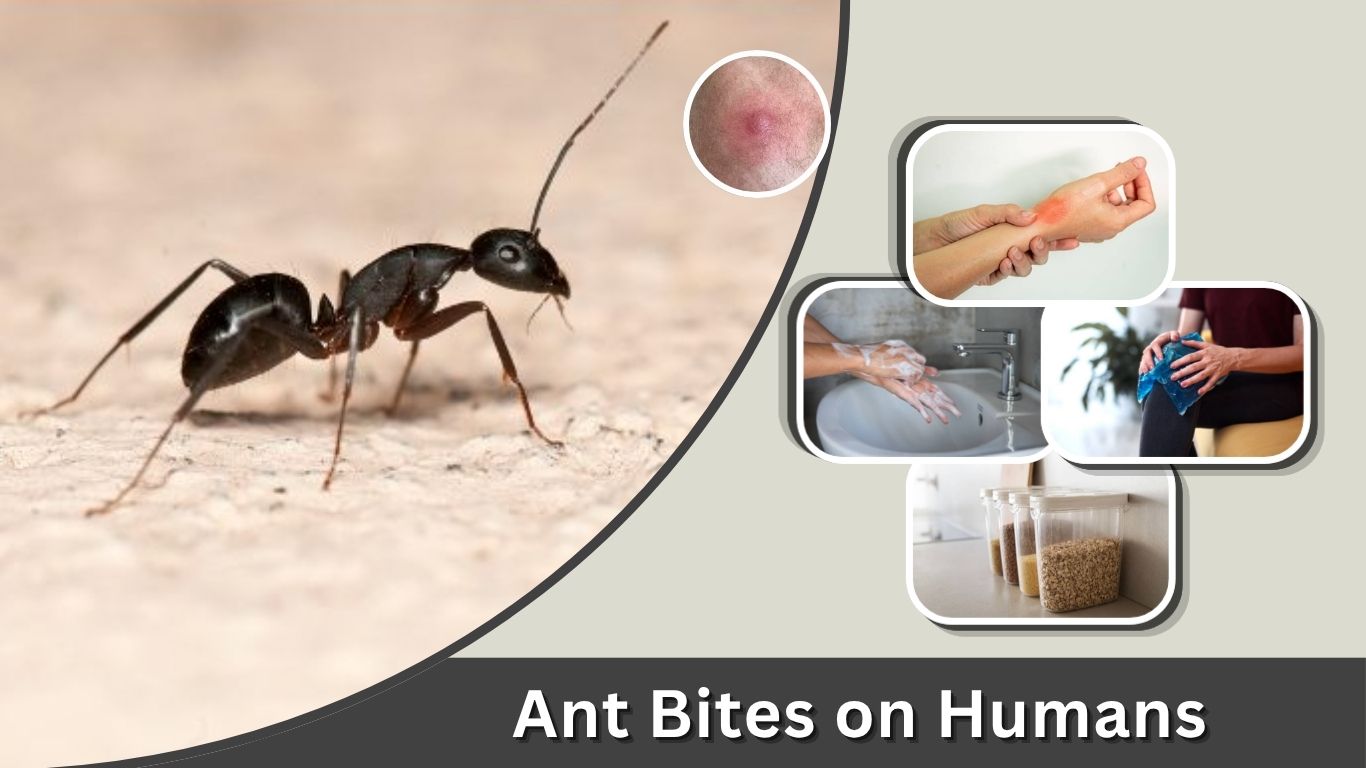
Ant bites on humans can cause anything from a tiny red bump to painful, itchy swelling, depending on the ant species and a person’s sensitivity. Some ants bite with their jaws, while others—especially fire ants—bite to grip the skin and then sting. Knowing what ant bites look like can help you distinguish them from flea, mosquito, or other insect bites. This guide explains common symptoms, appearance, treatment, different ant species, and when a reaction may require medical attention.
What Do Ant Bites Look Like on Humans?
Ant bites do not always look the same because different species defend themselves in different ways. A typical reaction is localized around the contact area and gradually improves. Fire ant stings can look quite different from minor bites caused by other household or outdoor ants, particularly because small fluid-filled pustules may develop afterward.
Common Signs of Ant Bites
Typical ant bite symptoms may include:
- Small red or pink bumps
- Itching around the affected area
- Mild burning or stinging
- Localized swelling
- Tenderness when touched
- A small central puncture point
- Multiple bumps when several ants attack
- White-topped pustules after some fire ant stings
The appearance can change during the first several hours. A fresh bite may begin as a raised red spot and become itchier or more swollen later.
Where Ant Bites Commonly Appear
Ant bites frequently occur on the feet, ankles, lower legs, hands, and arms because these areas are most likely to contact ants outdoors. Someone who accidentally steps on or sits near a nest can receive numerous bites or stings within seconds.
Pictures of ant bites on humans commonly show clusters of small red lesions rather than one isolated mark. However, appearance alone cannot reliably identify the exact ant species.
Symptoms of Ant Bites on Humans
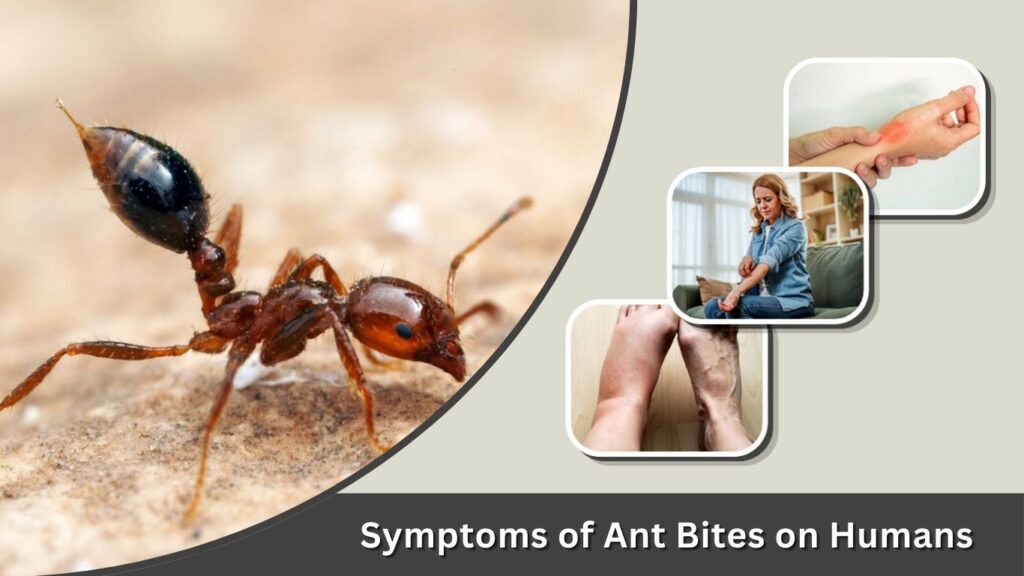
Most ant-related skin reactions remain limited to the bite or sting area. Itching and inflammation are caused by the body’s response to the injury and substances introduced during the encounter. Symptoms can begin almost immediately or develop gradually over several hours, depending on the species and individual reaction.
Mild and Common Symptoms
Most reactions involve:
- Redness
- Itching
- Mild pain
- Burning sensation
- Small areas of swelling
- Raised bumps
- Temporary skin irritation
Minor reactions generally improve with basic home care. Scratching should be avoided because broken skin can increase the risk of infection.
Signs of a More Serious Reaction
Seek urgent medical attention if symptoms include:
- Difficulty breathing
- Swelling of the lips, tongue, face, or throat
- Widespread hives
- Dizziness or fainting
- Rapidly worsening swelling
- Trouble swallowing
These symptoms may indicate a severe allergic reaction. Emergency treatment is especially important when breathing or circulation is affected.
Fire Ant Bites on Humans
Fire ants are responsible for some of the most recognizable ant-related skin injuries. Technically, fire ants usually bite the skin to hold themselves in place and then sting repeatedly. Their stings often cause immediate burning followed by redness and swelling. Within about a day, distinctive small white pustules may develop at the sting sites.
What Do Fire Ant Bites Look Like?
Fire ant stings commonly appear as:
- Red swollen bumps
- Intense initial burning
- Itching after the pain decreases
- Multiple closely grouped marks
- Small white or yellowish pustules
- Redness surrounding each lesion
The pustules should generally be left intact rather than deliberately popped. Breaking them can increase the chance of bacterial infection.
How Fire Ant Reactions Develop
Pain often begins immediately after a sting. A raised welt may appear soon afterward, followed by itching. Later, a sterile pustule can form where the sting occurred.
Some people develop larger local reactions with swelling extending several inches beyond the sting site. Although uncomfortable, localized swelling is different from a severe systemic allergic reaction involving breathing problems or widespread symptoms.
Different Types of Ant Bites
Not every ant encountered around a home causes the same reaction. Some species rarely bite people, while others can bite or sting when disturbed. Knowing the general behavior of common ants can make it easier to understand why certain skin reactions occur.
Carpenter Ant Bites on Humans
Carpenter ants have strong jaws and may bite when handled or threatened. A carpenter ant bite can cause brief pain, redness, and irritation. They do not sting in the same way fire ants do.
Carpenter ant bites are usually isolated events rather than large clusters unless someone directly disturbs a colony.
Black Ant and House Ant Bites
The term “black ant” can refer to many different species. Some can bite, but many common household ants rarely cause significant injury to humans.
Small house ants may occasionally produce minor pinching sensations or mild skin irritation. Identifying an ant only by color is difficult because many unrelated species can appear black or dark brown.
Red Ant and Sugar Ant Bites
“Red ant” and “sugar ant” are broad common names rather than precise identifications. Some red ants can sting or bite aggressively, while many ants called sugar ants present little risk to people.
Reaction severity therefore depends more on the actual species than its common nickname.
How to Treat Ant Bites on Humans
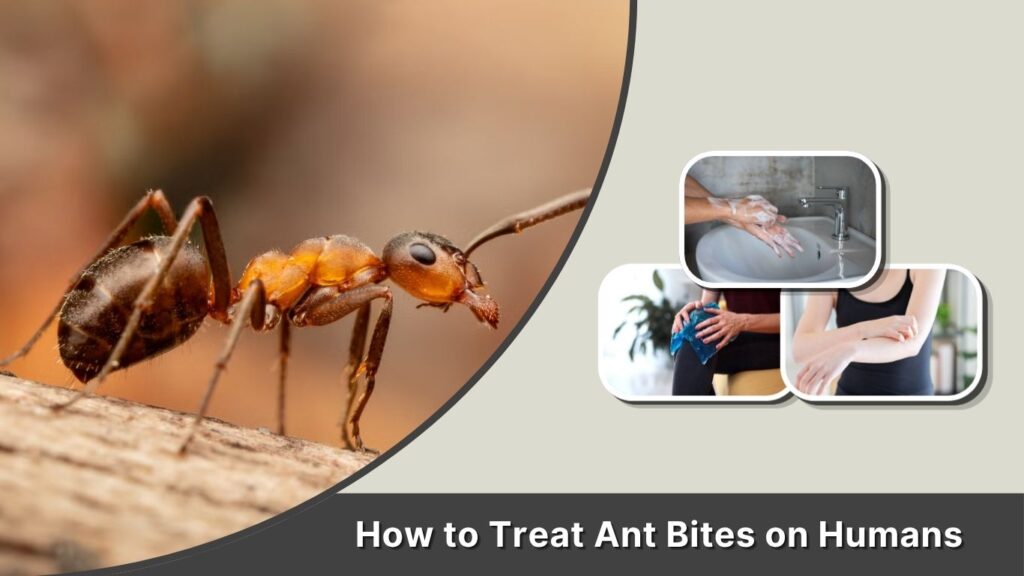
Most minor ant bites and stings can be managed at home. Early care focuses on cleaning the skin, reducing swelling, and controlling itching. Treatment may differ for someone with known severe insect allergies, so individuals who have previously received an emergency action plan should follow their clinician’s instructions.
Basic Ant Bite Treatment
For a mild reaction:
- Move away from the ants to prevent additional bites or stings.
- Wash the affected skin gently with soap and water.
- Apply a cold pack wrapped in cloth for about 10–15 minutes at a time.
- Avoid scratching the bites.
- Consider an appropriate over-the-counter anti-itch treatment if needed.
- Monitor the area for worsening redness, swelling, or infection.
Always follow medication labels and seek professional advice if you are unsure whether a product is appropriate.
What Not to Do
Do not aggressively scratch or squeeze ant bites. Fire ant pustules in particular should not be intentionally opened.
Avoid applying harsh chemicals, bleach, or other irritating home remedies to the skin. These treatments can cause additional irritation without improving the original bite.
Ant Bites vs. Other Insect Bites
Ant bites can resemble flea bites, mosquito bites, bed bug bites, and other insect reactions. Location, pattern, circumstances, and accompanying symptoms are usually more useful than appearance alone. If the insect was actually observed, identification becomes much easier.
Flea Bites vs. Ant Bites on Humans
Flea bites often appear as small itchy red bumps concentrated around the ankles and lower legs. They may occur in clusters or lines.
Ant bites can also occur around the ankles, particularly after outdoor exposure. Fire ant stings are more likely to produce burning pain followed by small pustules, which can help distinguish them from typical flea bites.
Why Pictures Are Not Always Enough
Images of ant bites on humans can be helpful for comparison, but several skin conditions look remarkably similar. Mosquito bites, folliculitis, allergic reactions, and other insect bites can mimic ant bites.
If a rash is spreading, extremely painful, infected-looking, or difficult to explain, a healthcare professional can provide a more reliable assessment.
Preventing Ant Bites Around the Home
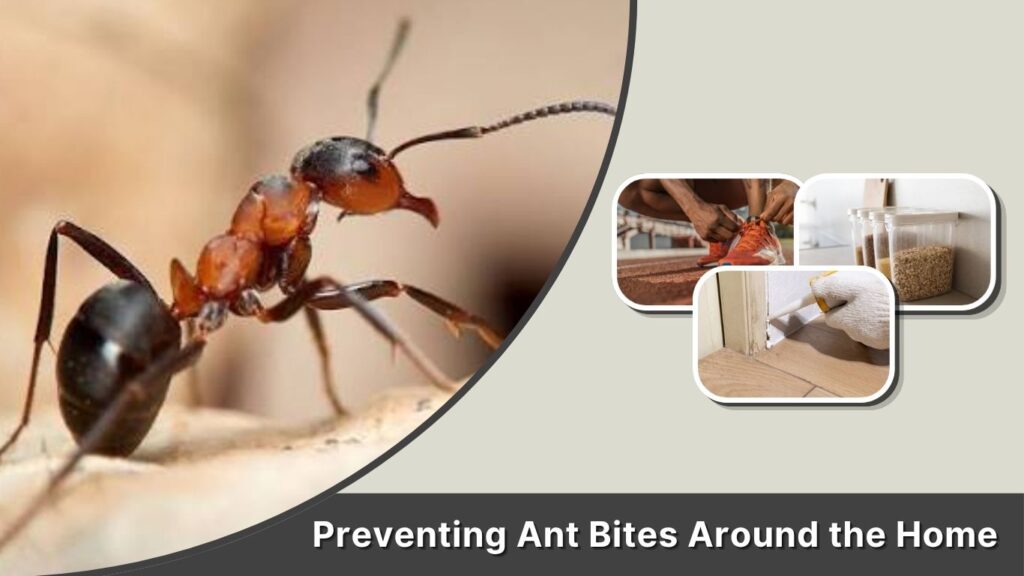
Preventing direct contact is usually easier than treating repeated bites. Outdoor colonies should be approached cautiously, particularly in regions where fire ants occur. Reducing food sources and addressing nests can also limit household ant activity and accidental contact.
Simple Prevention Tips
- Wear closed shoes when working outdoors.
- Avoid standing directly on ant mounds.
- Use gloves during gardening.
- Teach children not to disturb ant nests.
- Seal cracks around doors and windows.
- Clean food spills promptly.
- Store food in sealed containers.
- Manage outdoor colonies using appropriately labeled ant-control products.
Regularly checking lawns and frequently used outdoor areas can help identify colonies before accidental encounters occur.
FAQs
1. How long do ant bites last on humans?
Minor ant bites often improve within several days. Fire ant pustules and larger local reactions may take longer to disappear. Healing time depends on the species, number of stings, skin sensitivity, and whether the area has been scratched.
2. Are ant bites dangerous?
Most ant bites are uncomfortable rather than dangerous. However, some people can experience severe allergic reactions after ant stings. Breathing difficulty, throat swelling, faintness, or widespread hives require urgent medical attention.
3. Why do ant bites itch so much?
Itching occurs because the immune system reacts to substances associated with the bite or sting. This reaction triggers inflammation around the affected skin and may cause redness, swelling, and persistent itching.
4. Can ant bites become infected?
Yes. Infection can develop when irritated skin is scratched open and bacteria enter the wound. Increasing pain, warmth, spreading redness, drainage, or worsening swelling can be signs that medical evaluation is needed.
5. What do black ant bites look like on humans?
A black ant bite may appear as a small red, raised, mildly painful, or itchy bump. However, “black ant” describes many different species, so bite appearance varies. Color alone cannot reliably identify which ant caused the reaction.
