
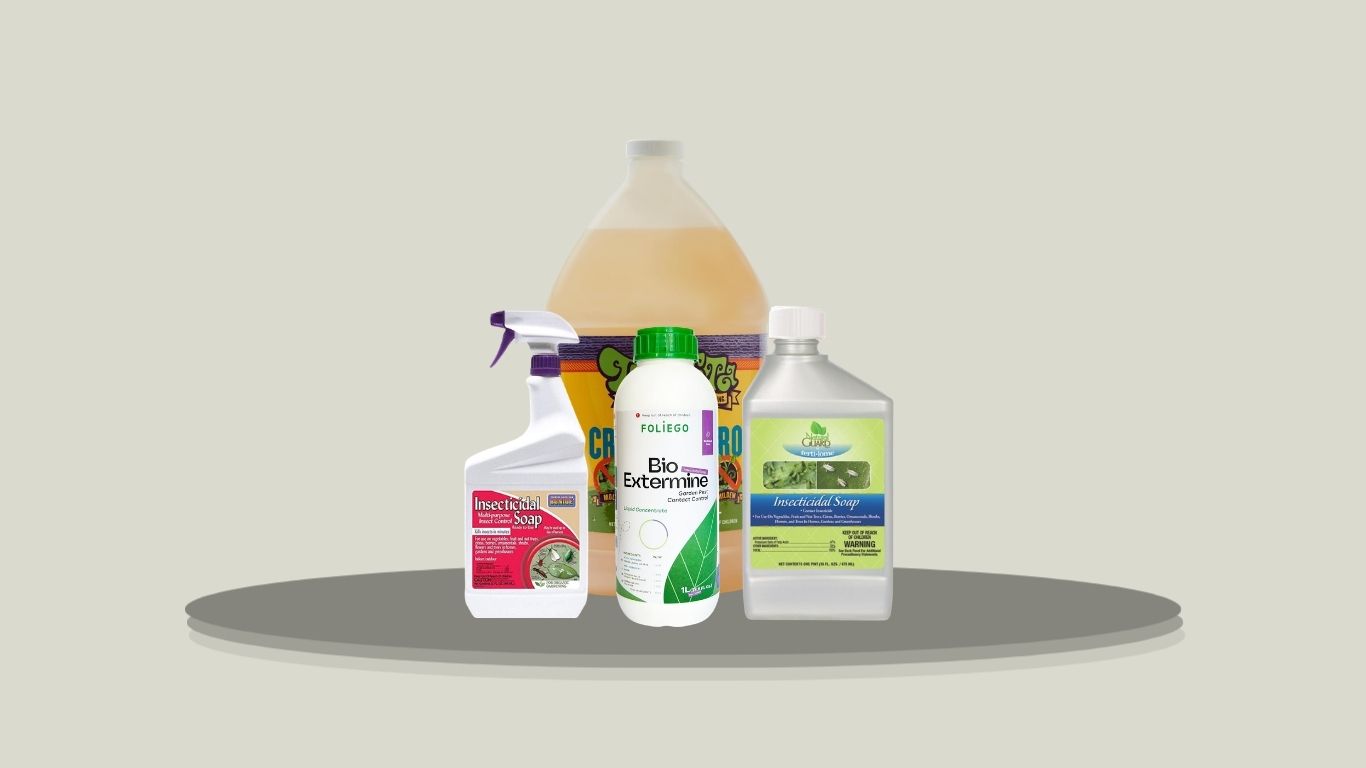
Stink bugs can damage vegetables, fruits, flowers, and ornamental plants by piercing plant tissues and feeding on sap. A suitable insecticidal product can help reduce infestations while protecting vulnerable plants during the growing season. The best insecticides for stink bugs should offer effective contact control, easy application, and compatibility with the plants you want to protect. In this guide, we review six useful insecticidal options, including soaps, botanical formulas, and spinosad-based treatments, to help you choose a practical solution for managing stink bugs outdoors.
1. Trifecta Crop Control Insecticidal Soap & Fungicide
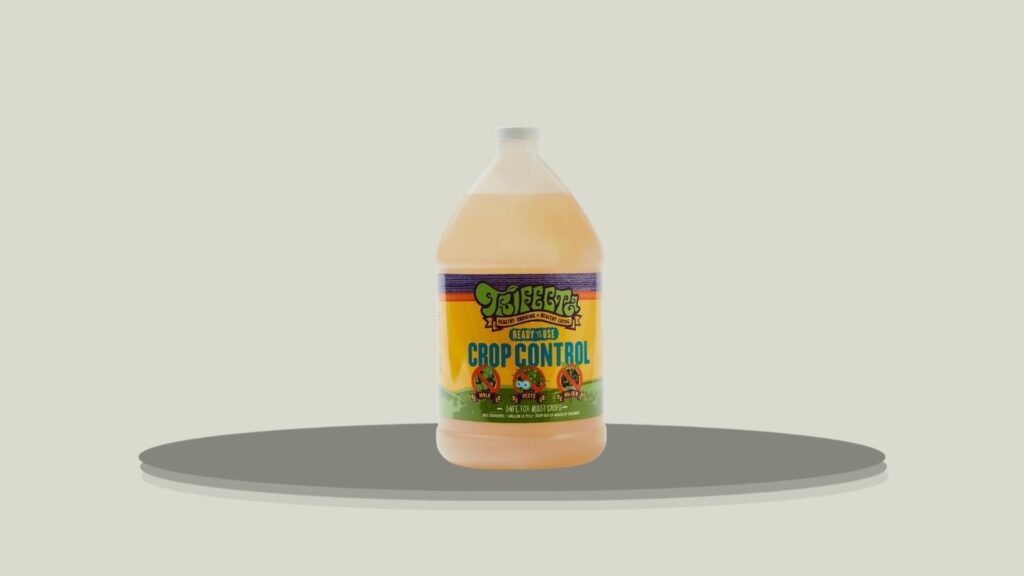
Trifecta Crop Control is a multi-purpose plant treatment designed for growers who want one product that can help manage common insect and plant-health problems. Its plant-focused formula makes it suitable for use in gardens, greenhouses, and ornamental growing areas where stink bugs may feed on leaves, stems, fruits, and vegetables. The combination of insecticidal and fungicidal functions also makes it appealing for gardeners who prefer a versatile treatment rather than keeping several separate products.
Key Features
- Multi-purpose insecticidal and fungicidal formula
- Designed for garden and plant applications
- Suitable for a variety of common plant pests
- Can be used as part of a regular pest-management routine
- Convenient for vegetables, ornamentals, and other plants
- Useful for targeted contact treatment
- Available in a ready-to-use plant-care format
Why It Is Best for Multi-Purpose Garden Protection
One of the strongest reasons to consider Trifecta Crop Control is versatility. Stink bugs are often only one part of a wider garden pest problem, especially during warm growing seasons. A multi-purpose treatment can simplify plant care by addressing several concerns with one product.
For stink bug management, thorough coverage is particularly important because these pests commonly rest and feed on foliage, stems, and fruiting areas. Applying the product according to label directions can help gardeners target the places where stink bugs are most active.
Application and Everyday Garden Performance
This type of treatment works best when it is used consistently as part of an integrated pest-management program. Inspect plants regularly and concentrate applications on affected areas rather than spraying unnecessarily.
Its multi-function design can also reduce the number of separate products stored in a shed or greenhouse. That makes it practical for gardeners managing multiple types of plants throughout the season.
Best For Gardeners Wanting One Versatile Treatment
Trifecta Crop Control is a strong fit for home gardeners who want a flexible plant-care product for pest and disease management. Its broad-purpose design makes it especially useful where stink bugs are appearing alongside other common garden problems.
2. Multi-Purpose Insecticidal Soap for Organic Gardening
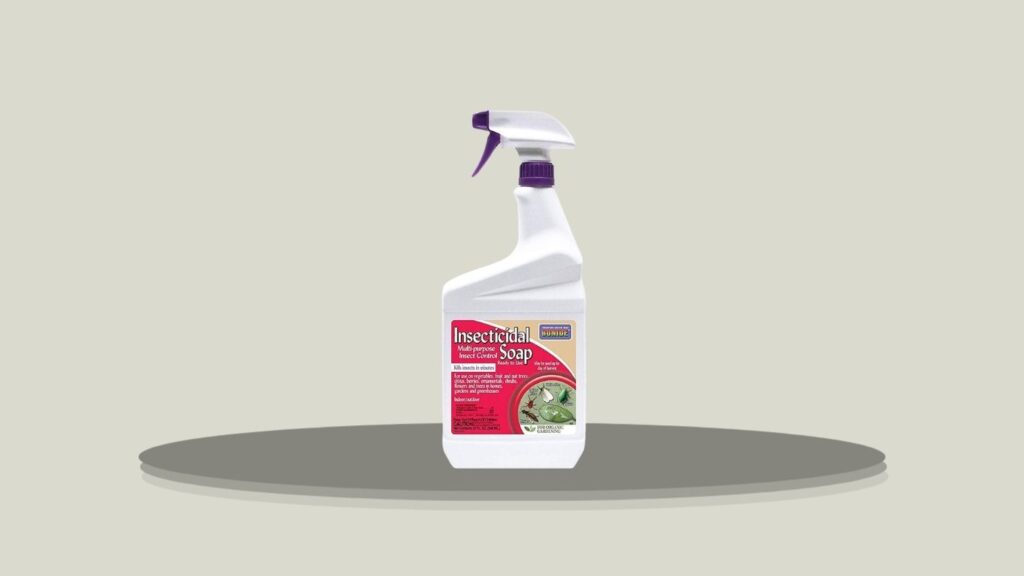
The Multi-Purpose Insecticidal Soap is designed for gardeners who prefer a straightforward contact-based approach to pest management. Insecticidal soaps are commonly used on vegetables, flowers, herbs, and ornamental plants because they can be applied directly to pest-affected foliage when permitted by the product label. For stink bug problems, this type of treatment is most useful when insects are visible and accessible on plant surfaces.
Key Features
- Multi-purpose insecticidal soap
- Designed for garden pest control
- Suitable for many ornamental and edible plants when label-approved
- Contact-style application
- Useful for targeted plant treatment
- Easy to include in routine garden maintenance
- Designed for outdoor growing environments
Why It Is Best for Targeted Plant Applications
This product is especially useful for gardeners who prefer to treat only the areas where insects are present. Stink bugs commonly gather on leaves, developing fruits, stems, and plant clusters, making a targeted spray approach practical.
Rather than applying a broad treatment across an entire property, insecticidal soap can be directed toward affected plants. This can make pest management more precise and reduce unnecessary application in unaffected areas.
Coverage and Practical Garden Use
Good coverage is one of the most important factors with contact-style pest treatments. Gardeners should inspect both upper and lower leaf surfaces, as well as stems and fruiting areas, and follow the product label carefully.
Repeat applications may sometimes be required depending on pest pressure and label instructions. Checking plants frequently helps identify new stink bug activity before populations become difficult to manage.
Best For Simple and Focused Pest Control
This Multi-Purpose Insecticidal Soap is a practical choice for gardeners who want a straightforward product for localized pest problems. Its easy application and plant-focused design make it suitable for routine monitoring and targeted treatment during stink bug season.
3. Trifecta Insecticidal Fungicide, Pesticide & Herbicide
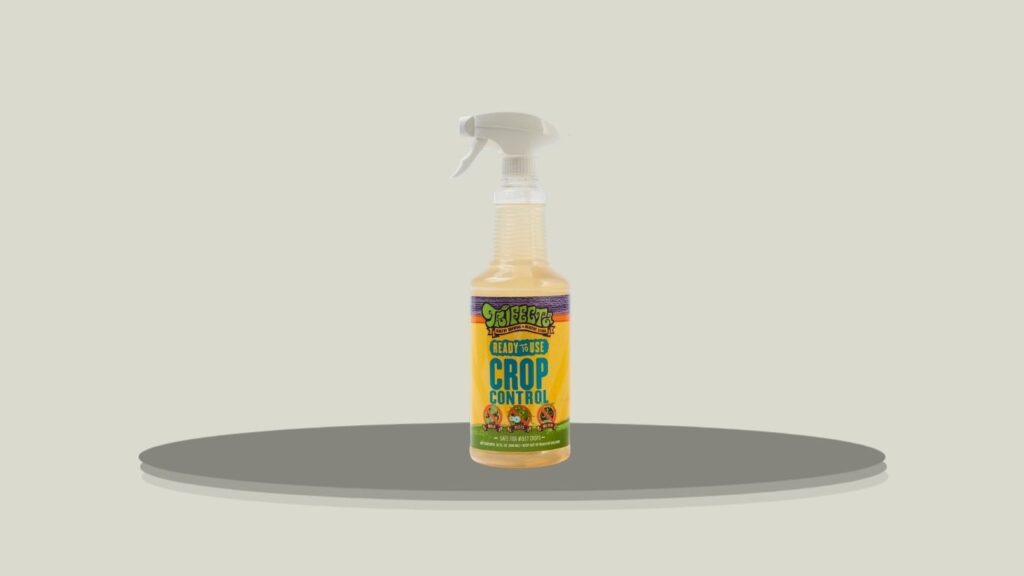
This Trifecta multi-purpose formula is designed for growers who want broad plant-care functionality from a single treatment. With insecticidal, fungicidal, and plant-management uses indicated in the product listing, it can be useful in gardens where pest pressure appears alongside other plant-care concerns. For stink bugs, its greatest advantage is the ability to incorporate pest treatment into a wider seasonal garden-management routine.
Key Features
- Multi-function plant-care formula
- Insecticidal and fungicidal applications
- Designed for garden and crop use
- Suitable for targeted pest management
- Useful for routine seasonal plant care
- Convenient for growers managing multiple problems
- Can be applied according to crop-specific label directions
Why It Is Best for Broader Garden Management
Gardeners rarely deal with just one issue at a time. Stink bugs may appear while plants are also experiencing fungal pressure, weed competition, or damage from other insects.
A multi-purpose product can make the overall maintenance routine easier to organize. Instead of switching between several unrelated treatments, growers can use one product where its labeled applications match their needs.
For stink bugs, regular plant inspection remains important. Treatments are generally most useful when pests are detected early and applications can be concentrated around feeding and resting areas.
Performance Through Consistent Application
The usefulness of a multi-purpose product depends heavily on following the label. Coverage, timing, plant compatibility, and application frequency can all affect results.
Gardeners should also avoid assuming that one spray will permanently solve an infestation. Stink bugs can move into a garden from surrounding vegetation, so continued monitoring is often necessary even after treatment.
Best For Growers Managing Several Plant Problems
This Trifecta formula is best suited to gardeners who prefer a flexible treatment capable of fitting into a broader plant-care program. Its versatility can be especially convenient in mixed gardens with vegetables, ornamentals, and other crops.
4. Foliego Bioextermine Insecticidal Soap Concentrate
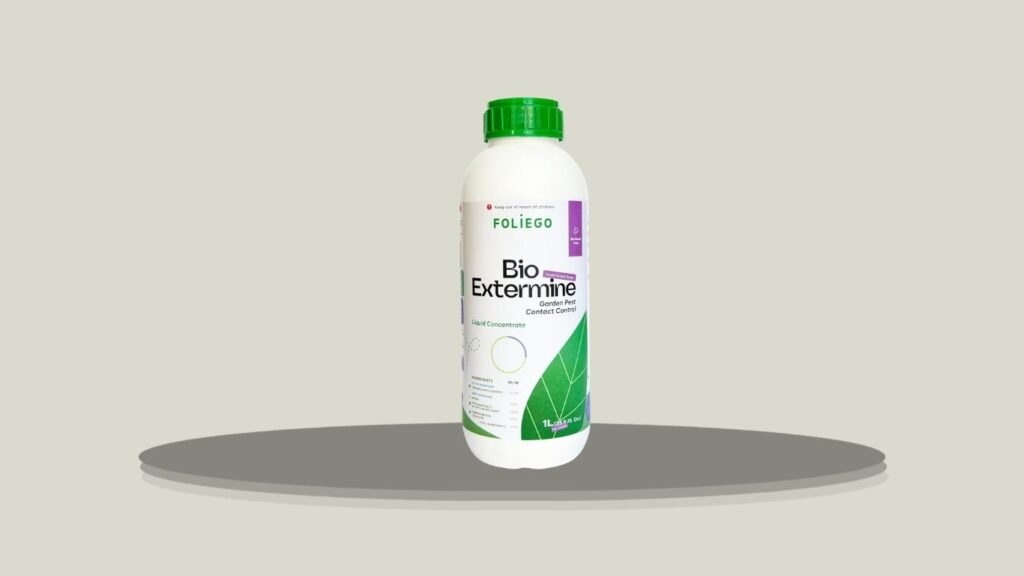
Foliego Bioextermine Insecticidal Soap Concentrate is designed for gardeners who want a concentrated product that can be mixed and applied as needed. Concentrates are particularly useful for people treating multiple plants or larger garden sections because the solution can be prepared according to the label for each application. For stink bugs, the product is most useful as a direct plant treatment in areas where pests are actively feeding or resting.
Key Features
- Concentrated insecticidal soap
- Designed for mixing before application
- Suitable for targeted garden pest control
- Useful for repeated seasonal treatments
- Practical for larger plant collections
- Contact-focused pest-management approach
- Compact concentrate format for storage
Why It Is Best for Larger Garden Areas
A concentrate can offer more flexibility than a small ready-to-use bottle, particularly when several garden beds or rows require treatment. Users can prepare the required amount rather than relying on multiple pre-mixed spray containers.
This becomes useful during stink bug season when pests may appear across vegetable beds, fruiting plants, and ornamentals at the same time.
Because stink bugs can hide among leaves and branches, careful application around affected plant areas is important. Good coverage improves the chance that visible insects will come into contact with the treatment.
Mixing, Coverage, and Routine Use
Concentrated products require careful measurement. The correct dilution rate should always come directly from the product label rather than being estimated.
Once mixed correctly, the spray can be applied to affected plants using a suitable garden sprayer. Regular inspection after treatment helps determine whether additional applications are needed.
Best For Gardeners Who Prefer Concentrated Formulas
Foliego Bioextermine is a practical option for users managing more than a few isolated plants. Its concentrated design makes it suitable for repeated use while giving gardeners control over how much solution they prepare for each pest-management session.
5. Natural Guard Concentrated Insecticidal Soap
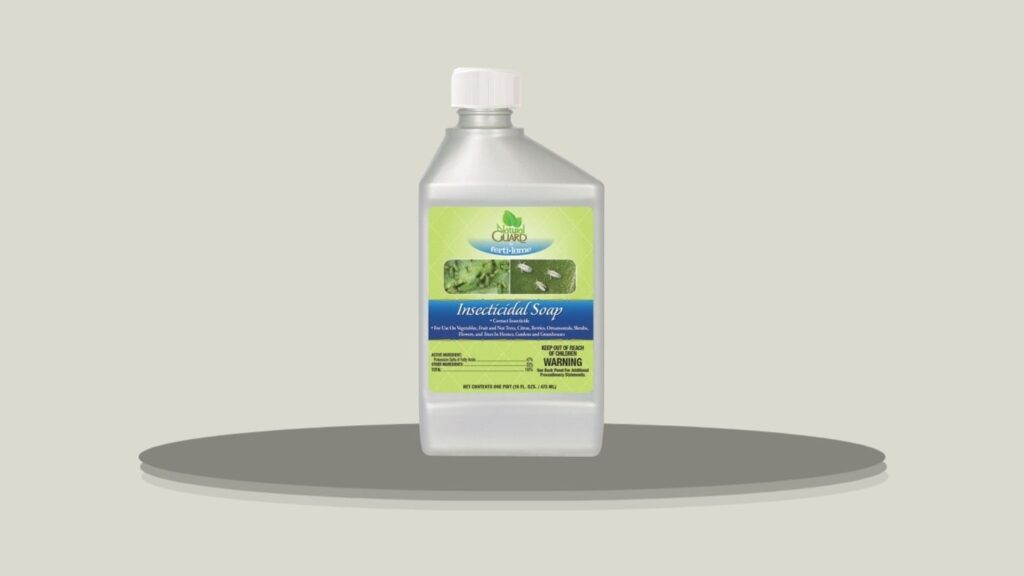
Natural Guard Concentrated Insecticidal Soap provides a plant-focused solution for gardeners who want a mixable treatment for common insect problems. Its concentrated format is convenient for seasonal use because gardeners can prepare fresh spray as needed. When stink bugs appear on vegetables, flowers, and ornamentals, a contact-oriented product such as this can be incorporated into a regular inspection and control routine.
Key Features
- Concentrated insecticidal soap formula
- Designed for garden applications
- Mixable for different treatment sessions
- Useful for vegetables and ornamentals when label-approved
- Suitable for targeted pest control
- Convenient for repeated applications
- Compact bottle for garden storage
Why It Is Best for Routine Seasonal Use
Stink bug activity often increases during particular parts of the growing season, meaning gardeners may need to treat plants more than once. A concentrated formula can be convenient because it allows users to prepare only the amount needed at a given time.
It can also work well for gardeners who regularly inspect plants and respond as soon as pest activity appears. Treating early generally makes pest management easier than waiting until large numbers accumulate.
Practical Application and Plant Coverage
The effectiveness of an insecticidal soap depends on proper application. Since these products generally rely on direct contact, users should pay attention to areas where stink bugs are visible.
Leaves, stems, fruit clusters, and sheltered areas between branches deserve particular attention. Follow label directions regarding dilution, temperature limitations, plant sensitivity, and repeat treatments.
Best For Regular Home Garden Maintenance
Natural Guard Concentrated Insecticidal Soap is well suited to gardeners who want a reusable seasonal treatment that fits into an ongoing pest-management routine. Its concentrate format and straightforward application make it especially convenient for medium-sized garden areas.
6. Ferti-Lome Spinosad Insecticide
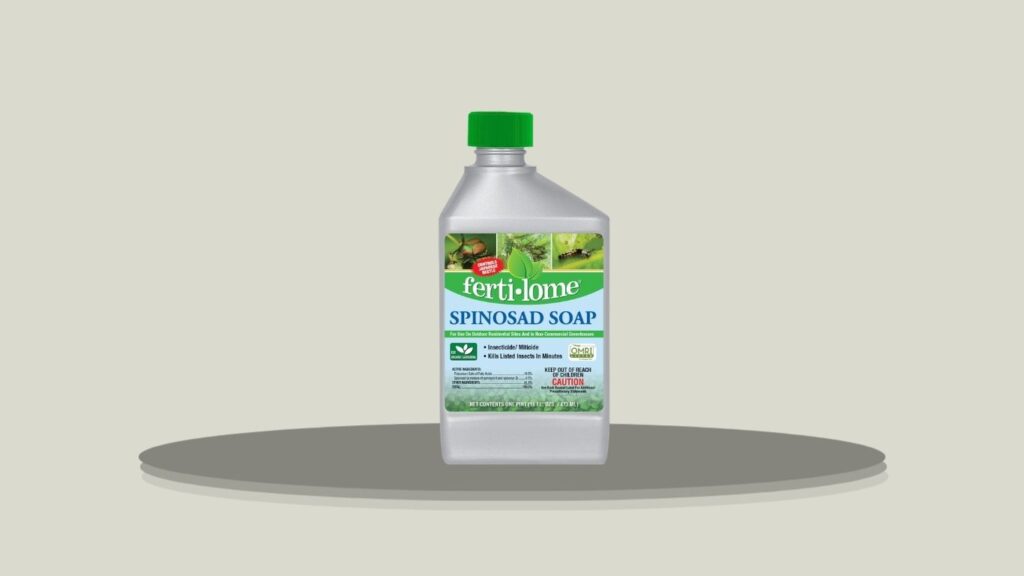
Ferti-Lome Spinosad Insecticide is a garden pest-control product designed for use against certain labeled insect pests. Spinosad-based treatments are commonly used in vegetable gardens, ornamental beds, and other growing areas when the target pest appears on the product label. For a stink bug-focused garden, this product should be considered carefully alongside its labeled pest list, making it most appropriate for gardeners who are also dealing with other chewing or plant-damaging insects.
Key Features
- Spinosad-based insecticide
- Designed for garden pest management
- Suitable for various labeled insect pests
- Useful around vegetables and ornamentals when permitted by label
- Concentrated format
- Can fit into broader integrated pest-management programs
- Intended for outdoor plant applications
Why It Is Best for Broader Insect Management
The main value of this product is that it can be useful in gardens where stink bugs are not the only pest concern. Vegetable beds often experience caterpillars, beetles, and other insects during the same growing period.
Rather than treating every problem in isolation, gardeners can choose products based on the specific insects listed on the label and rotate or combine management methods appropriately.
For stink bugs specifically, it is important to verify that the exact species and intended use are included on the current product label before application.
Performance and Responsible Application
Spinosad products should be applied exactly as directed, including restrictions related to crops, application intervals, and pollinators. Avoid unnecessary spraying and time applications carefully when flowering plants are present.
Combining treatment with hand removal, garden sanitation, row covers, and regular inspection can provide a more complete approach to pest management.
Best For Gardens With Multiple Insect Pests
Ferti-Lome Spinosad Insecticide makes the most sense for gardeners dealing with a broader range of labeled insect pests. Its concentrated format and established garden-use approach make it a useful addition to an integrated pest-control program when the label matches the insects being targeted.
FAQs
1. What Insecticide Works Best for Stink Bugs?
The best insecticide depends on where the stink bugs are found and which products are labeled for that use. Insecticidal soaps can be useful for direct contact on garden plants, while other labeled insecticides may provide broader pest control. Always check the product label before application.
2. Does Insecticidal Soap Kill Stink Bugs?
Insecticidal soap may help control stink bugs when it makes direct contact with them, especially younger stages. Because contact coverage is important, the spray should reach the insects directly and be applied according to label instructions.
3. Can I Spray Insecticide on Vegetables for Stink Bugs?
Yes, but only if the insecticide label specifically allows use on the vegetable crop you want to treat. Follow all dilution rates, pre-harvest intervals, application limits, and safety directions listed on the product label.
4. How Often Should I Spray for Stink Bugs?
Application frequency depends on the specific insecticide and level of pest activity. Some products may require repeat applications, while others have strict interval limits. Follow the label rather than applying more frequently than recommended, and inspect plants regularly between treatments.
5. What Is the Best Way to Control Stink Bugs in a Garden?
The most effective approach usually combines several methods. Remove visible stink bugs by hand or vacuum, keep weeds and plant debris under control, inspect crops frequently, use physical barriers where practical, and apply a properly labeled insecticide when pest pressure becomes significant.
