

Common wasps (Vespula vulgaris) are among the most widespread and recognizable insects, known for their yellow and black stripes and buzzing presence in warmer months. While they’re native to parts of Europe, these adaptable wasps have successfully spread across the globe.
In this article, we’ll explore seven countries where common wasps live in large numbers, examining their habits, impact, and how they interact with local environments and people.
United Kingdom
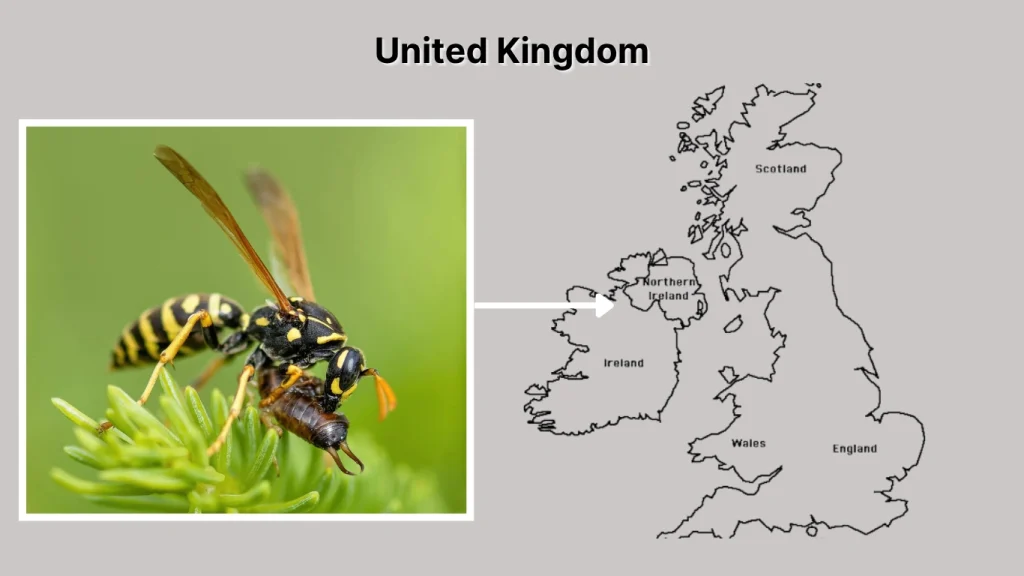
Common wasps are widely distributed throughout the United Kingdom, where the temperate climate and abundance of nesting sites make it an ideal environment. They are especially active during late spring and summer, often spotted in gardens, parks, and near homes.
Where They Nest
- Attics and roof spaces
- Underground burrows in gardens
- Wall cavities and garden sheds
Activity Timeline
These wasps typically become active in late spring, with peak activity during the warm months of July to September. As temperatures drop, most workers die off, and only the queens survive by hibernating.
Germany
Germany is a hotspot for both Vespula vulgaris and Vespula germanica, with their presence reported in cities, farmlands, and wooded areas. The structured environment and accessible food sources allow these wasps to flourish during the warmer months.
Interactions with People
German wasps often appear around:
- Outdoor dining areas
- Barbecue spots
- Fruit markets and compost bins
Management and Awareness
Although not considered endangered, local pest control agencies actively monitor wasp populations, especially during late summer. Public campaigns educate citizens on how to safely deal with nests and avoid aggressive encounters.
New Zealand

Although not native, common wasps have become invasive in New Zealand. Introduced accidentally, they’ve rapidly spread through forests, parks, and urban areas, causing ecological concerns due to competition with native wildlife.
Environmental Impact
- Compete with native birds and insects for nectar and prey
- Disrupt the food web in native forests, especially beech forests
Control Efforts
The Department of Conservation and local councils use baiting programs and nest removal strategies to control populations in sensitive ecological zones.
Australia
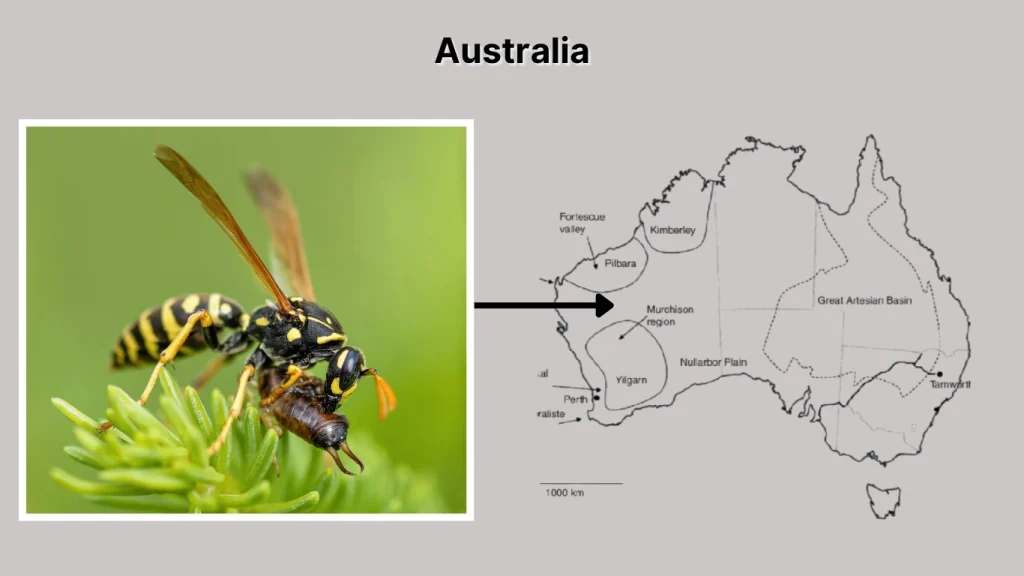
In southeastern Australia, especially Victoria and Tasmania, common wasps have established strong populations. They thrive in both suburban neighborhoods and forest edges, often disturbing outdoor human activities.
High-Activity Zones
- Urban backyards and rubbish bins
- National parks with abundant insect prey
- Garden structures and walls
Risk Management
Residents are warned during the warmer months to watch for nests. Some local councils issue alerts and offer guidance for safe nest removal.
United States

Common wasps are found mainly in the northern and temperate states of the U.S. While not as dominant as in Europe, they are still frequently encountered in residential areas and public parks.
Typical Habitats
- Under decks and roof eaves
- Wall voids in homes and sheds
- Near trash bins and food sources
Public Guidance
Health departments offer sting prevention tips, especially for allergic individuals. Nest removal is recommended only by professionals to avoid triggering aggressive defense behavior.
Canada

Canada’s temperate regions, especially in provinces like British Columbia, Ontario, and Quebec, provide a suitable climate for common wasps. They are frequently spotted in residential areas, forests, and near lakeside campsites during summer.
Habitat Preferences
- Forest edges and picnic areas
- Crawlspaces and attics
- Beneath decks and porches
Seasonal Activity
Common wasps become active from late May through September. Queens hibernate through the harsh winter, and new colonies form each spring.
France
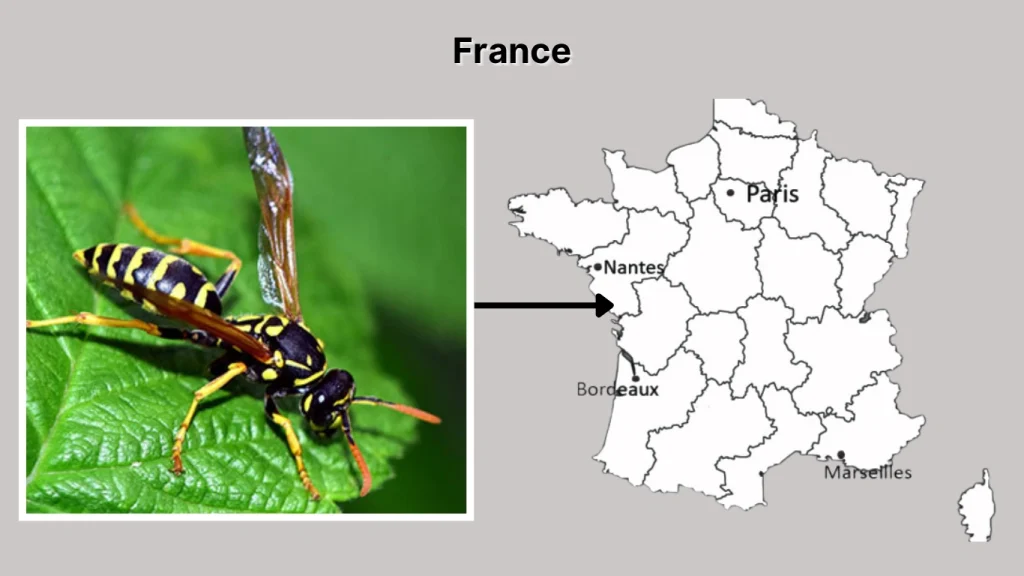
France has a high population of common wasps, especially in rural areas, vineyards, and urban gardens. The warm summers and agricultural landscapes offer plentiful nesting and feeding opportunities.
Where They’re Found
- Chimneys and lofts
- Vineyard trellises
- Urban parks and street cafes
Human Coexistence
While wasps are often seen as pests during late summer, France emphasizes coexistence. Awareness campaigns promote safe removal and discourage unnecessary extermination.
Austria
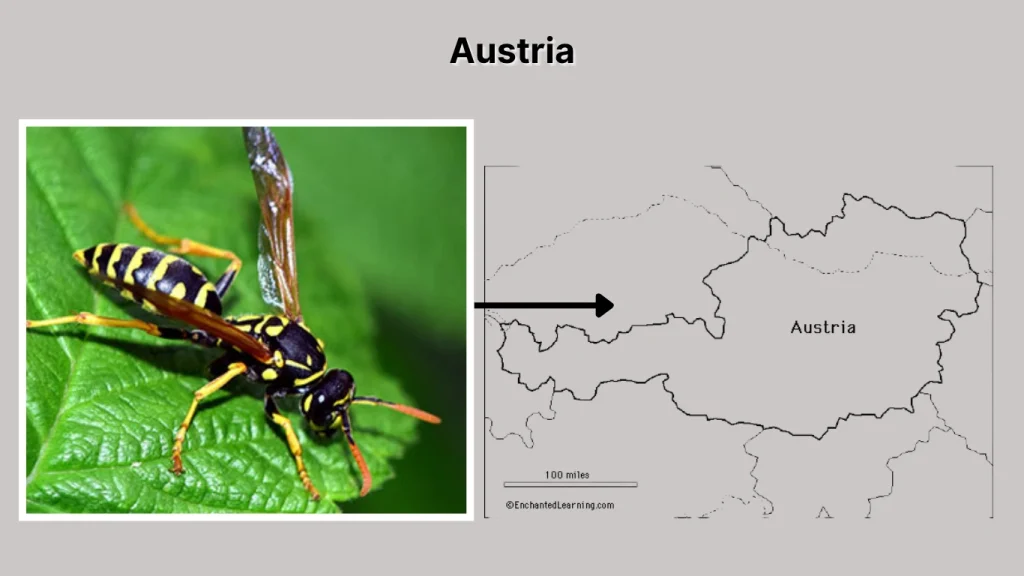
In Austria, common wasps are a typical summer insect, thriving in countryside settings, mountain villages, and even city parks. Their population increases with warm, dry weather.
Common Nesting Sites
- Wooden barns and sheds
- Tree hollows in alpine regions
- Near compost bins and garden waste
Public Measures
Local authorities advise residents to seal food waste, cover sweet drinks, and report large nests for safe removal.
Switzerland
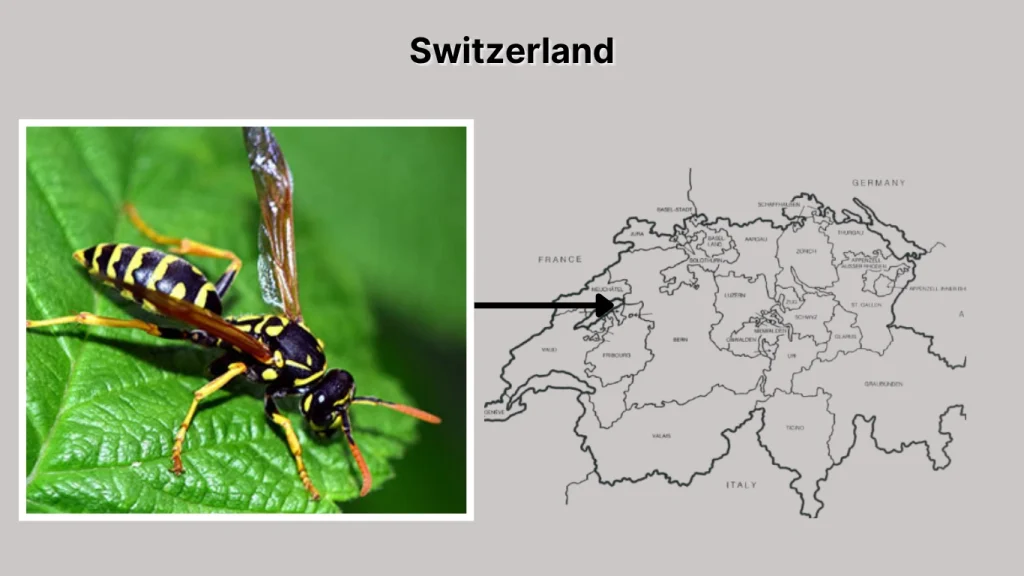
Switzerland offers an ideal environment for common wasps, particularly in the lowland regions. Despite their high presence, they’re often tolerated unless nests are close to homes or schools.
Spotted Locations
- Schoolyards and outdoor restaurants
- Farm buildings and garages
- Lakefronts and nature trails
Preventive Actions
While extermination is not encouraged, residents are advised to use natural repellents and maintain clean outdoor areas to reduce attraction.
Conclusion
Common wasps (Vespula vulgaris) are highly adaptable insects that have established themselves in a wide range of countries across the globe. From their native regions like the United Kingdom and Germany to invasive territories like New Zealand and Australia, these wasps thrive wherever they find food, shelter, and favorable temperatures. While they often clash with humans during summer, their role in ecosystems as predators and occasional pollinators should not be overlooked. Understanding where they live helps us better manage interactions while respecting their ecological value.
FAQs
1. Are common wasps found worldwide?
Common wasps are mainly found in temperate regions across Europe, North America, parts of Asia, and Oceania. They are not native to every country but have been introduced to several places like New Zealand and Australia where they’ve become established.
2. Which country has the highest population of common wasps?
The United Kingdom is among the countries with the densest common wasp populations, especially during summer months when colonies reach their peak.
3. Are common wasps invasive in some countries?
Yes. In countries like New Zealand and Australia, common wasps are considered invasive due to their harmful impact on native species and ecosystems.
4. Why do common wasps thrive in so many countries?
Their adaptability, generalist diet, and ability to nest in a variety of environments make them capable of surviving in diverse regions across the world.
5. Do all wasps found in these countries sting?
Most common wasps can sting and will do so if they feel threatened or their nest is disturbed. However, not all wasp species are aggressive, and stings typically happen as a defensive response.
