
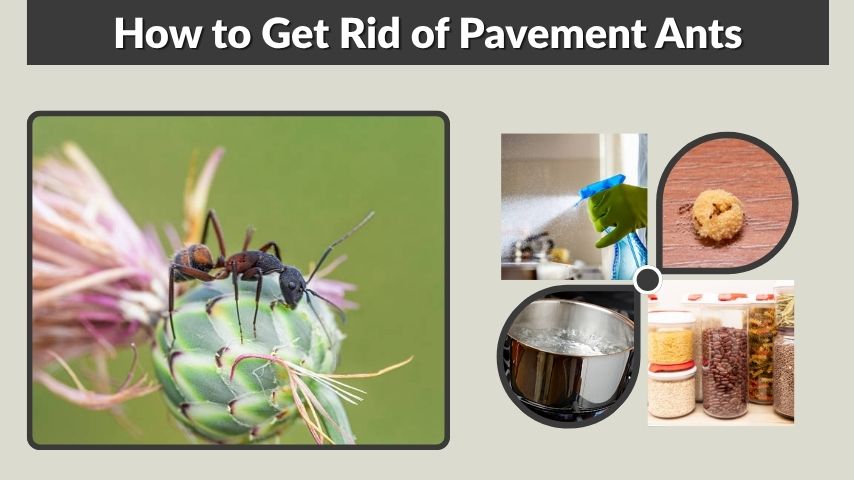
Pavement ants are small, stubborn pests that often nest under sidewalks, driveways, patios, and foundations. They usually enter homes searching for food, water, or shelter, especially through cracks and gaps near doors or windows. The best way to get rid of pavement ants is to identify where they are coming from, use the right bait, remove food sources, and seal entry points to prevent them from returning.
What Are Pavement Ants?
Pavement ants are tiny dark brown to black ants that commonly live beneath concrete, stone, bricks, and pavement. They get their name because they often build nests under paved areas and push small piles of soil or sand through cracks.
These ants are usually about 1/8 inch long. They are not as destructive as carpenter ants, and they do not eat wood like termites. However, they can become a serious nuisance when they form trails through kitchens, bathrooms, basements, patios, and garages.
Pavement ants are social insects that live in colonies. A colony may contain thousands of workers, one or more queens, eggs, larvae, and pupae. When workers find food, they leave a scent trail that helps other ants follow the same path. This is why a few ants in the kitchen can quickly become a long trail.
Why Pavement Ants Come Into Your House
Pavement ants usually enter homes because they have found food or moisture. They are especially attracted to crumbs, sugar, syrup, grease, meat, pet food, and trash. Kitchens are one of the most common places to find them, but they may also appear in bathrooms, laundry rooms, basements, and around windows.
Outdoor conditions can also push pavement ants inside. Heavy rain may flood their nests, while very dry weather may send them searching for water. In colder seasons, they may move closer to warmth, especially if a nest is near a foundation, basement slab, or heated structure.
Common entry points include:
- Cracks in the foundation
- Gaps under doors
- Spaces around windows
- Openings around pipes and wires
- Torn screens
- Garage door gaps
- Basement wall cracks
- Patio or slab edges near the house
To get rid of pavement ants effectively, you need to deal with both the ants you see and the colony you do not see.
Signs of a Pavement Ant Infestation
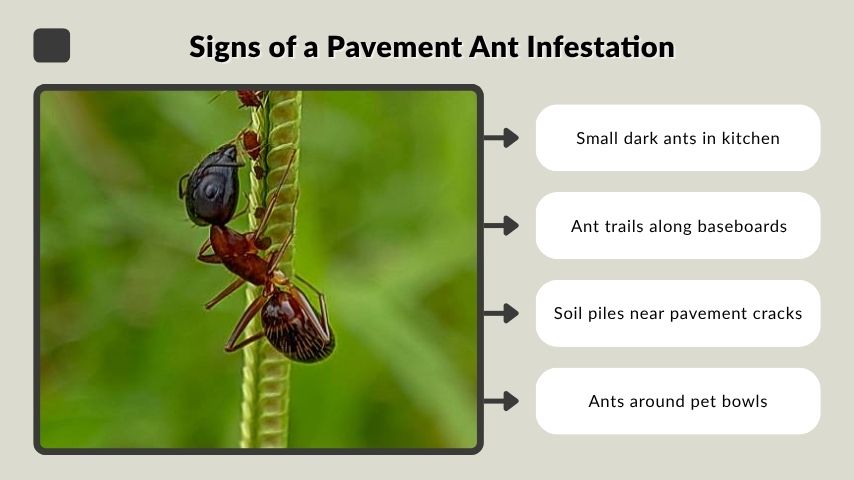
Pavement ants are usually easy to notice once they start foraging indoors. The most common sign is a trail of small dark ants moving between a food source and an entry point.
Outdoors, look for small piles of soil or sand near cracks in sidewalks, driveways, patios, or concrete slabs. These piles may appear after ants excavate soil from their underground nest.
| Sign | What It Usually Means |
|---|---|
| Small dark ants in kitchen | Workers are searching for food |
| Ant trails along baseboards | A scent trail has been established |
| Soil piles near pavement cracks | Outdoor nesting activity is nearby |
| Ants around pet bowls | Food source is attracting workers |
| Ants in basement or garage | Nest may be near the foundation or slab |
| Winged ants indoors | A mature colony may be nearby |
Seeing a few ants does not always mean a major infestation, but repeated activity usually means the colony has found a reliable source.
Best Way to Get Rid of Pavement Ants
The best way to get rid of pavement ants is to use ant bait, not just spray. Sprays may kill the ants you see, but they often fail to reach the colony. Bait works better because worker ants carry it back to the nest, where it can affect the queen, larvae, and other workers.
Step 1: Follow the Ant Trail
Before treating pavement ants, watch where they are traveling. Follow the trail from the food source back toward the entry point. This may lead you to a window, door, crack, pipe opening, or foundation gap.
Do not wipe the trail immediately if you plan to place bait. The trail helps ants find the bait and carry it back to the colony. Once baiting is complete and activity slows down, you can clean the trail with soap and water.
Step 2: Remove Food Sources
Pavement ants will keep coming back if food is easy to find. Clean the areas where ants are active and remove anything that might attract them.
Wipe counters, sweep floors, clean under appliances, and store food in sealed containers. Pay close attention to sticky spills, crumbs, grease, and pet food. Trash cans should be sealed and emptied regularly.
Pet food is a common reason ants keep returning. If possible, feed pets at specific times and remove leftover food instead of leaving bowls out all day.
Step 3: Use Ant Bait Correctly
Place ant bait near active trails, but not directly on top of the ants. The bait should be easy for workers to find. Common bait locations include under sinks, near baseboards, behind appliances, near entry points, and along outdoor trails.
Pavement ants may feed on both sweet and protein-based foods. If one bait does not work, try another type. Some colonies prefer sugar-based bait, while others may respond better to grease or protein-based bait.
Avoid spraying insecticide near bait stations. Sprays can repel or kill ants before they carry the bait back to the colony. This reduces the effectiveness of the treatment.
Step 4: Give the Bait Time to Work
Baiting does not always work overnight. You may see more ants at first because the bait is attracting workers. This is normal. The goal is not to kill only the visible ants but to get the bait into the nest.
Depending on colony size and bait type, it may take several days or longer to see major results. Keep bait available as long as ants are feeding. Replace dried-out or empty bait as needed.
How to Get Rid of Pavement Ants in the House
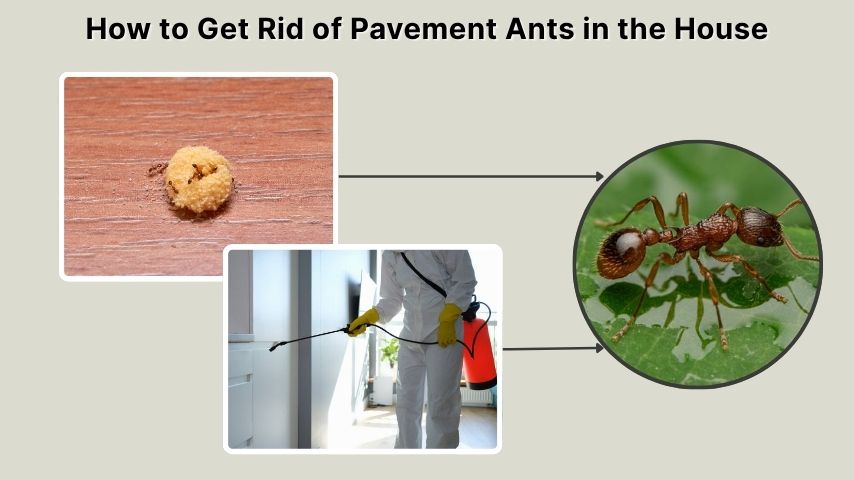
Indoor pavement ant control should focus on baiting, cleaning, and blocking entry points. Spraying visible ants may give quick relief, but it often does not solve the main problem.
Kitchen Treatment
The kitchen is one of the most common places for pavement ants because it offers food, water, and shelter. Start by cleaning all food residues. Check behind the stove, refrigerator, dishwasher, toaster, and trash can.
Place bait near ant trails but away from food preparation surfaces. Good locations include under cabinets, behind appliances, near baseboards, or close to the entry point.
Do not leave open sweets, fruit, baked goods, or greasy pans on counters. Even a small amount of residue can attract more ants.
Bathroom and Basement Treatment
Pavement ants may enter bathrooms and basements because of moisture. Check for leaking pipes, dripping faucets, condensation, and damp areas around sinks or tubs.
In basements, ants may come through cracks in the slab or foundation wall. Place bait near trails and seal cracks after activity decreases. If ants are coming from under a slab, the colony may be harder to reach and may require outdoor treatment as well.
Wall and Void Activity
If pavement ants are coming from inside walls, avoid sealing the opening too soon. Sealing them in may cause the colony to find a new route into another room. First, use bait near the activity area and monitor the trail.
If ants continue appearing from walls after baiting, the nest may be hidden indoors or under the slab. In that case, professional treatment may be needed.
How to Get Rid of Pavement Ants Outside
Outdoor control is important because many pavement ant problems begin outside. If you only treat indoors, the colony may keep sending workers inside.
Find Outdoor Nests
Look for small mounds of soil, sand, or debris near cracks in pavement. Check along sidewalks, driveways, patios, porch steps, foundation edges, garage slabs, and landscape stones.
You may also see ants trailing along concrete edges or foundation walls. Follow these trails to locate nesting areas or entry points.
Use Outdoor Ant Bait
Outdoor bait can be placed near trails, cracks, and nesting areas. The ants will collect the bait and take it back to the colony. This is usually more effective than spraying the surface.
Keep bait away from children, pets, and areas where it may wash away. Rain can reduce effectiveness, so outdoor bait may need to be replaced after wet weather.
Treat Cracks and Entry Points
After ant activity decreases, seal cracks and gaps around the home. Use caulk, weatherstripping, door sweeps, or appropriate exterior sealant.
Focus on:
- Foundation cracks
- Gaps around pipes
- Spaces under doors
- Window frame gaps
- Garage door edges
- Patio cracks near the house
- Utility line openings
Sealing helps prevent new ants from entering, but it works best after the colony has been reduced.
How to Get Rid of Pavement Ants Naturally
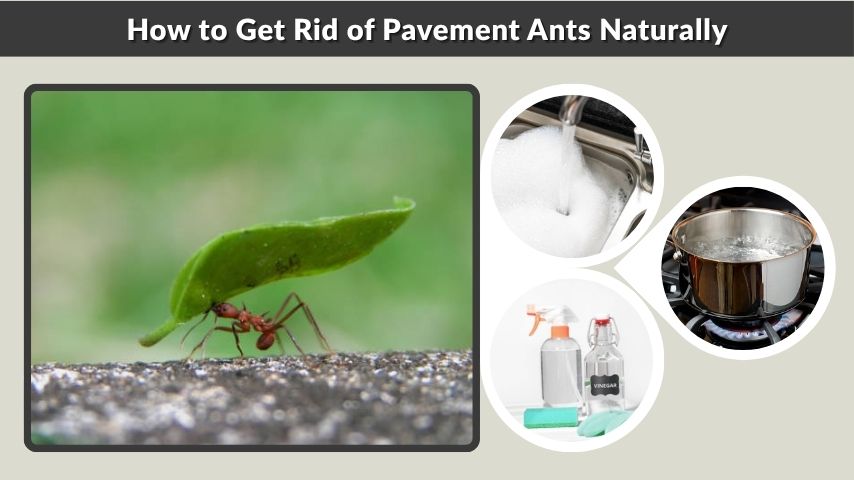
Natural methods may help reduce pavement ant activity, especially for minor problems. However, natural remedies may not eliminate a large colony by themselves.
Soap and Water
Soap and water can remove scent trails and kill ants on contact. Use it to clean counters, floors, and baseboards after baiting has started to work. Avoid cleaning away active trails too early if ants are still feeding on bait.
Vinegar Cleaning
A vinegar and water solution can help disrupt ant trails. It is useful for cleaning surfaces where ants have traveled. However, vinegar does not usually kill the colony, so it should be used as a supporting method rather than the main treatment.
Diatomaceous Earth
Food-grade diatomaceous earth may help in dry areas where ants travel. It works best when applied lightly in cracks, voids, or dry outdoor areas. It becomes less effective when wet, so it may not work well in damp locations.
Boiling Water
Pouring boiling water into an outdoor nest may kill some ants, but it often does not reach the whole colony. It can also damage plants, grass, or nearby surfaces. Use caution, especially around concrete cracks and landscaped areas.
Natural methods are best for prevention, trail disruption, and small infestations. For a persistent colony, baiting is usually more reliable.
How to Get Rid of Pavement Ants Outside Permanently
Getting rid of pavement ants outside permanently is difficult because new colonies can move in over time. However, you can greatly reduce the chance of repeat infestations by combining treatment with prevention.
Reduce Nesting Areas
Pavement ants prefer protected soil under hard surfaces. You cannot remove every sidewalk or patio, but you can reduce attractive conditions around the home.
Keep soil, mulch, and debris away from the foundation. Repair cracked pavement when possible. Move firewood, stones, and clutter away from exterior walls. Trim plants that touch the house and create hidden ant pathways.
Control Moisture
Moisture problems attract many pests, including ants. Make sure gutters drain properly and downspouts direct water away from the foundation. Fix leaking outdoor faucets and avoid overwatering near the house.
If ants are active around a pool, patio, or garden, check for damp cracks, spilled food, and standing water. Pavement ants around pools may be attracted to moisture and food crumbs from outdoor eating areas.
Maintain a Clean Perimeter
Outdoor food sources can keep colonies active near your home. Clean up after grilling, keep trash sealed, rinse recycling containers, and avoid leaving pet food outside.
If ants are nesting near patios or outdoor dining areas, sanitation is just as important outside as it is indoors.
DIY Pavement Ant Killer: What Works and What Does Not
Many homeowners try DIY sprays, powders, and home remedies. Some can help, but others only scatter the ants.
Spraying ants with household cleaners may kill workers on contact, but it does not destroy the colony. Repellent sprays may also cause ants to split into different trails, making the problem harder to track.
Bait is usually the most effective DIY option because it targets the colony. For best results, use bait patiently, keep competing food sources away, and avoid disturbing the trail too soon.
If the ants ignore one bait, switch bait types. Their food preference can change depending on colony needs. A colony feeding larvae may want protein, while foraging workers may prefer sugar.
Common Mistakes When Getting Rid of Pavement Ants
Pavement ants can be frustrating because they often return after short-term treatments. Avoiding common mistakes can make control more successful.
One major mistake is spraying visible ants before using bait. This kills only a small portion of the colony and may prevent workers from carrying bait back to the nest.
Another mistake is sealing entry points too early. If ants are nesting inside or under a slab, sealing one opening may cause them to appear somewhere else. Bait first, then seal once activity decreases.
Poor sanitation is another issue. If crumbs, grease, pet food, and trash remain available, ants may ignore bait or keep returning after treatment.
When to Call a Professional
You may need professional pest control if pavement ants keep returning despite baiting and cleaning. A professional can inspect the property, locate nests, identify entry points, and apply targeted treatments.
Consider calling a professional if:
- Ants keep appearing in multiple rooms
- You suspect a nest inside walls
- Ants are coming from under a slab
- Outdoor colonies are widespread
- DIY bait is not working
- You see winged ants indoors
- The infestation returns every season
Professional help is especially useful when the colony is hidden under concrete, inside a wall void, or near the foundation.
Prevention Tips to Keep Pavement Ants Away
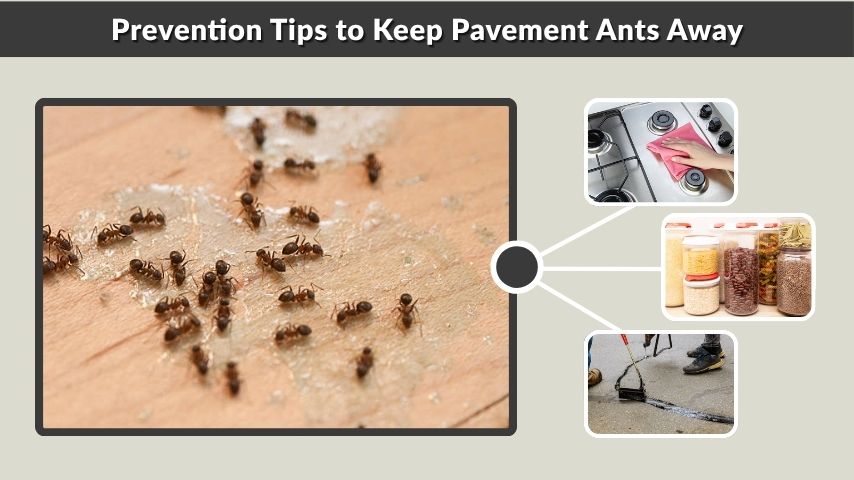
Once pavement ants are under control, prevention is the key to keeping them from coming back. Regular maintenance can reduce food, water, and nesting opportunities.
Clean kitchens daily, store pantry food in sealed containers, and wipe up spills quickly. Keep trash cans closed and remove garbage often. Seal cracks around foundations, doors, windows, pipes, and utility lines.
Outside, repair pavement cracks, reduce moisture near the foundation, and keep mulch from piling against exterior walls. Clean patios, grills, and outdoor eating areas after use.
Long-term pavement ant control is not about one quick treatment. It requires removing attractants, targeting the colony, sealing access points, and maintaining the home’s exterior.
FAQs
What is the fastest way to get rid of pavement ants?
The fastest way to reduce pavement ants is to clean food sources and place ant bait near active trails. Sprays may kill visible ants quickly, but bait is better for long-term control because workers carry it back to the colony.
How do you get rid of pavement ants in the house?
Use bait near ant trails, clean crumbs and grease, seal entry points, and fix moisture problems. Avoid spraying near bait because it can stop ants from carrying the bait back to the colony.
How do you get rid of pavement ants outside permanently?
Permanent control is difficult, but you can reduce repeat infestations by using outdoor bait, sealing cracks, repairing pavement gaps, controlling moisture, and keeping food waste away from patios, trash areas, and foundations.
Can you get rid of pavement ants naturally?
Natural methods like soap and water, vinegar cleaning, and diatomaceous earth can help reduce activity, but they may not eliminate a large colony. For persistent infestations, baiting is usually more effective.
Why do pavement ants keep coming back?
Pavement ants keep coming back when the colony is still active, food remains available, or entry points are not sealed. If only visible ants are killed, the nest can continue sending new workers indoors.
