
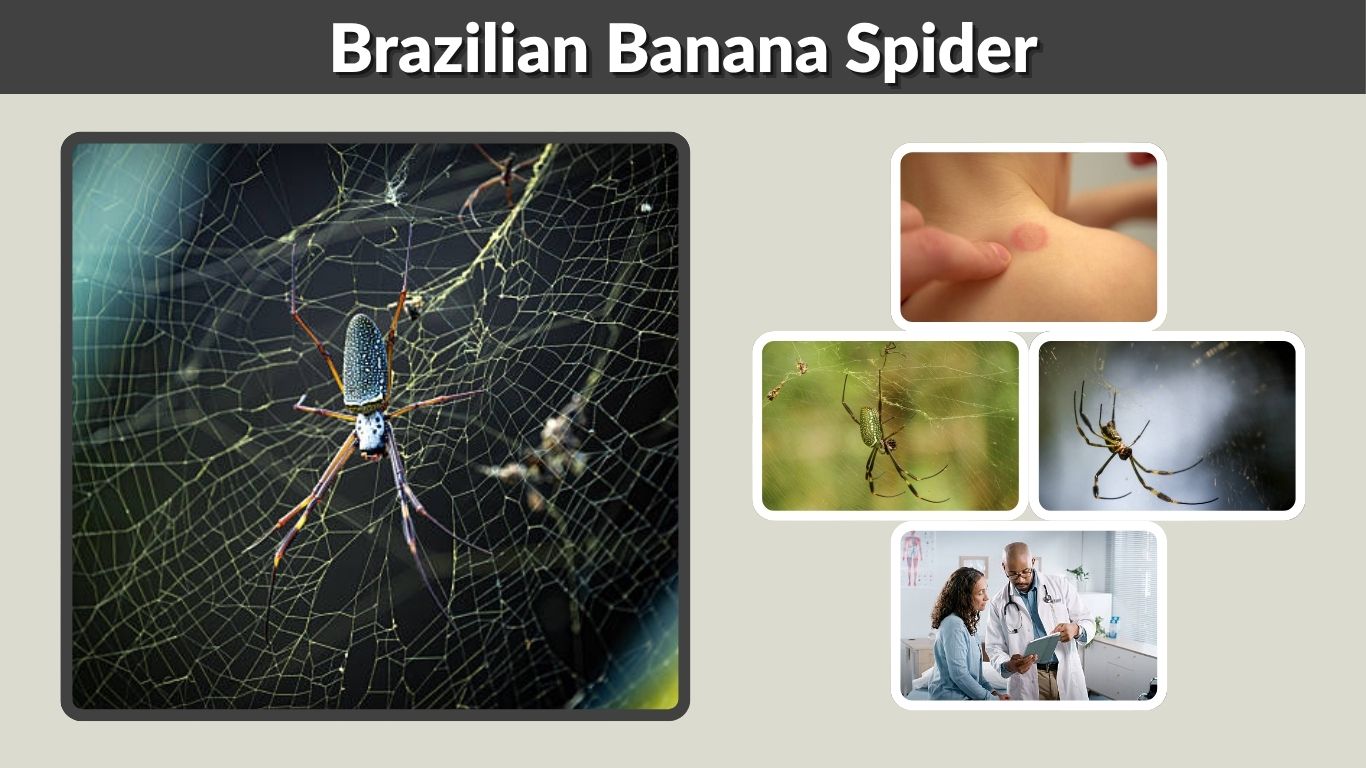
Stories about deadly spiders hiding in bananas often go viral, leaving many people worried about their safety. One name that frequently appears is the Brazilian wandering spider, sometimes called the “banana spider.” While these spiders are real and highly venomous, the idea that they are commonly found in bananas is often exaggerated. This guide explains what the Brazilian wandering spider is, whether it can actually be found in bananas, and how dangerous it really is based on facts rather than internet myths.
What Is the Brazilian Wandering Spider?
The Brazilian wandering spider is a group of highly venomous spiders belonging to the Phoneutria genus. They are native to Central and South America and are known for their active hunting behavior rather than building webs. These spiders are fast, defensive, and rely on venom to subdue prey. Their reputation comes largely from their potent venom and frequent mention in news stories and viral content.
Key Characteristics
- Scientific name: Phoneutria species
- Found in tropical regions of South and Central America
- Does not build webs; actively hunts prey
- Known for strong defensive posture
Why Is It Called a Banana Spider?
The term “banana spider” can be confusing because it is used for multiple spider species. The Brazilian wandering spider earned this nickname because it has occasionally been found in banana shipments. However, many harmless spiders are also called banana spiders, which leads to misunderstandings and unnecessary fear among consumers.
Naming Confusion Explained
- Nickname comes from rare banana shipment incidents
- Many unrelated spiders share the same name
- Most “banana spiders” are not dangerous
- Misidentification is very common
Can Brazilian Wandering Spiders Be Found in Bananas?
Although it is possible for these spiders to appear in banana shipments, such cases are extremely rare. Modern agricultural and shipping processes include inspections that significantly reduce the chance of spiders traveling with produce. Most bananas sold in supermarkets are carefully handled, making the likelihood of encountering one of these spiders very low.
Bananas are transported in controlled environments, and workers inspect them before distribution. While isolated incidents have been reported, they are not common enough to pose a real risk to everyday consumers. The idea of frequently finding spiders in bananas is largely driven by viral stories rather than widespread reality.
Real Cases of Spiders Found in Bananas
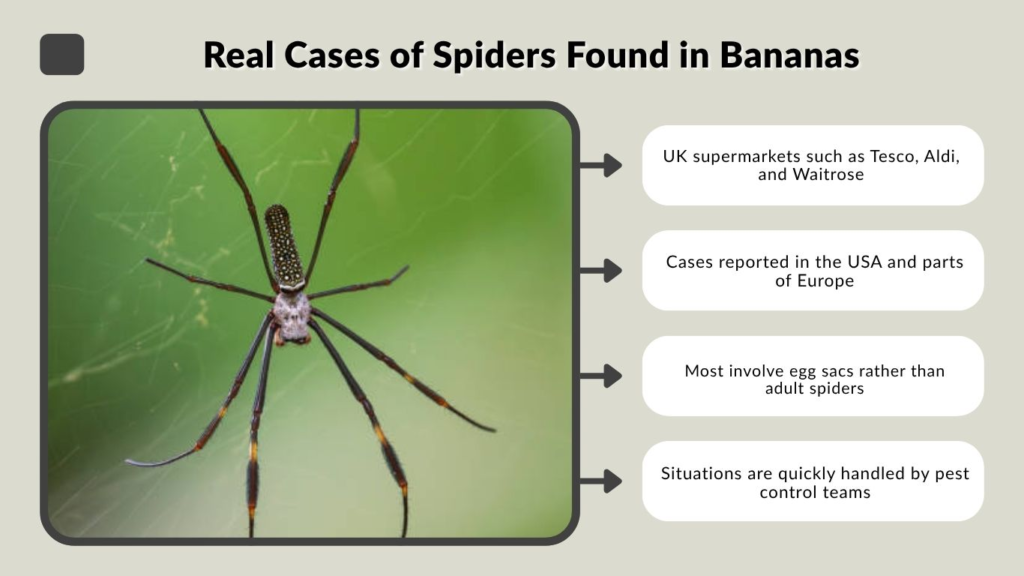
There have been occasional reports of spiders or egg sacs discovered in banana shipments, especially in countries that import bananas from tropical regions. These incidents often receive significant media attention, which can make them seem more common than they actually are.
Reported Incidents
- UK supermarkets such as Tesco, Aldi, and Waitrose
- Cases reported in the USA and parts of Europe
- Most involve egg sacs rather than adult spiders
- Situations are quickly handled by pest control teams
Do Brazilian Wandering Spiders Lay Eggs in Bananas?
Spiders do not specifically target bananas as a place to lay eggs, but egg sacs can sometimes attach to banana clusters during harvesting. This usually happens in natural environments where bananas grow close to the ground and provide temporary shelter.
Egg-Laying Behavior
- Egg sacs may stick to banana bunches
- Eggs hatch into small spiderlings
- More likely than finding a full-grown spider
- Rarely reaches consumers due to inspections
Brazilian Wandering Spider Bite
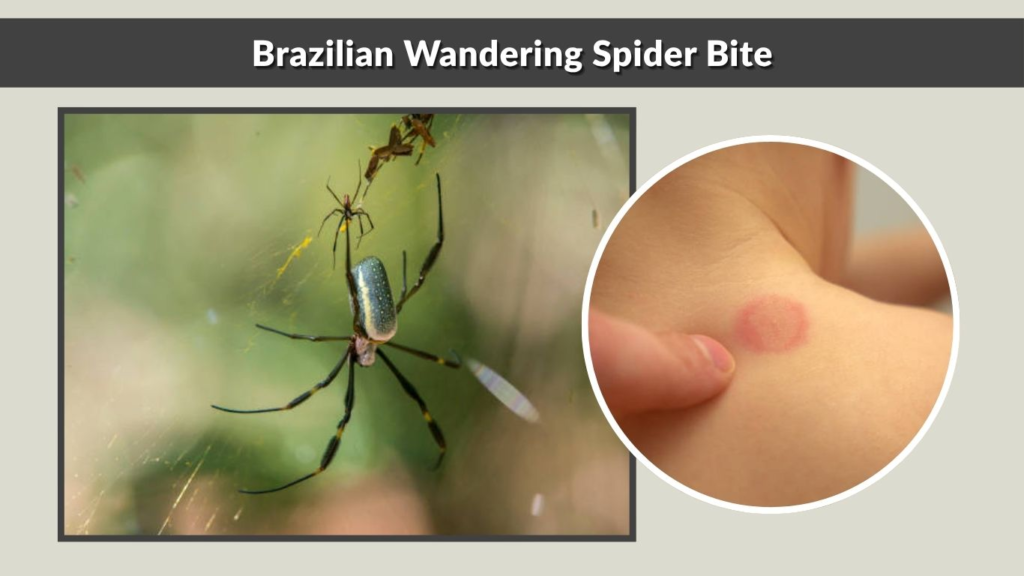
The bite of a Brazilian wandering spider is often described as painful and medically significant, but it is important to understand the real level of risk. While the venom is strong, severe outcomes are uncommon, especially when medical treatment is available.
Bite Symptoms
- Immediate and intense pain
- Sweating and increased heart rate
- Muscle discomfort or cramping
- Possible nausea in some cases
Severity and Treatment
- Most bites are not life-threatening
- Antivenom is available in affected regions
- Recovery is likely with proper care
- Fatal cases are extremely rare
The “Erectile Effect” – Fact or Myth?
One unusual claim associated with the Brazilian wandering spider is its effect on blood circulation. Some scientific studies have shown that the venom can influence blood flow, which has led to reports of prolonged erections in rare cases. However, this is not a benefit but a medical emergency that requires immediate attention.
This topic is often exaggerated online, turning a serious symptom into sensational content. In reality, such effects are rare and should be treated as part of the overall medical response to a spider bite rather than something unusual or desirable.
How Dangerous Is the Brazilian Wandering Spider?
The Brazilian wandering spider is often described as one of the most venomous spiders in the world, but real-world risk is often misunderstood. While its venom is potent, bites are usually defensive and occur only when the spider feels threatened. With modern medical care, serious outcomes are uncommon, and most people recover fully after treatment.
Key Risk Factors
- Highly venomous compared to most spiders
- Bites occur mainly when disturbed
- Not aggressive without provocation
- Medical treatment greatly reduces danger
Brazilian Wandering Spider vs Banana Spider
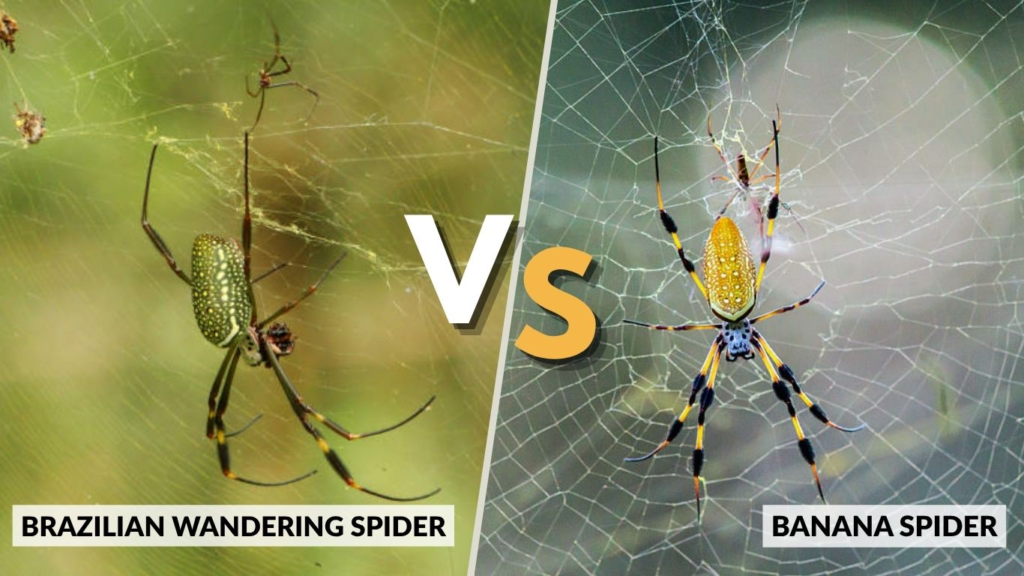
The term “banana spider” creates confusion because it refers to several different species. Many of these spiders are harmless and unrelated to the Brazilian wandering spider. Understanding the difference helps reduce unnecessary fear and prevents misidentification.
Main Differences
- Brazilian wandering spider (Phoneutria) is venomous
- Many “banana spiders” are harmless web-builders
- Appearance and behavior vary widely
- Misidentification is very common
What to Do If You Find a Spider in Bananas
If you ever notice a spider in a banana bunch, it is important to stay calm and avoid direct contact. Most spiders are harmless, but it is always best to treat unknown species with caution. Proper handling ensures safety without unnecessary panic.
Safety Steps
- Do not touch or provoke the spider
- Keep a safe distance
- Isolate the area if possible
- Contact pest control or local authorities
Are Bananas Safe to Eat?
Bananas remain one of the safest and most widely consumed fruits in the world. Modern supply chains include strict inspection, packaging, and transportation processes that significantly reduce the risk of contamination by insects or spiders. While rare incidents may occur, they are not common enough to pose a real threat to consumers.
Buying bananas from reputable stores further lowers any potential risk. Washing fruit before consumption is always a good practice, but there is no need to avoid bananas due to fear of spiders. For the vast majority of people, bananas are completely safe and pose no unusual danger.
FAQs
Can a Brazilian wandering spider really be inside a banana?
It is extremely unlikely. While spiders may hide in banana clusters during transport, finding one inside a banana itself is very rare and not something most people will ever encounter.
Are all banana spiders dangerous?
No, most spiders called “banana spiders” are harmless. The Brazilian wandering spider is a specific species known for its venom, but it is often confused with other non-dangerous spiders.
What happens if a Brazilian wandering spider bites you?
A bite can cause pain and other symptoms, but serious cases are uncommon. With medical treatment, most people recover without long-term effects.
Do supermarkets check bananas for spiders?
Yes, bananas go through inspection and handling processes before reaching stores. These steps make it very unlikely for spiders to be present in products sold to consumers.
Should I worry about spiders when buying bananas?
No, there is no practical reason to worry. The chances of encountering a dangerous spider in bananas are extremely low, and bananas are considered safe to eat worldwide.
