
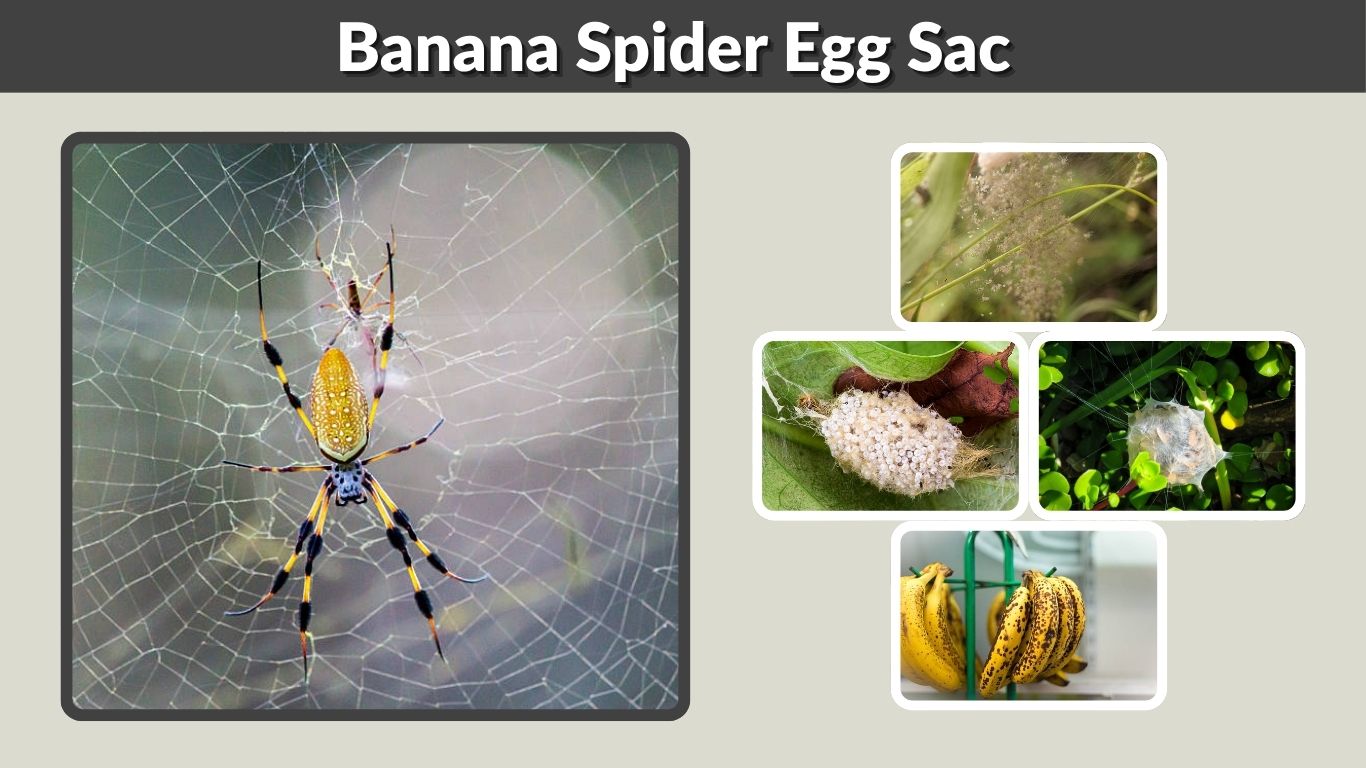
Banana spider egg sacs are often surrounded by fear and viral rumors—especially the idea that spider eggs hide inside bananas. This article breaks down the truth, helping you understand what banana spider eggs actually are, what they look like, and whether you should be concerned. By separating fact from fiction, you’ll be able to handle this topic calmly and safely.
What Is a Banana Spider?
This section explains what people mean by “banana spider” and why the name causes confusion.
Different Species Called Banana Spider
The term “banana spider” is not scientific. It commonly refers to:
- Golden orb-weaver spiders (large, web-building, mostly harmless)
- Brazilian wandering spiders (rare but more venomous)
- Huntsman spiders (fast-moving but generally not dangerous)
Where Banana Spiders Are Found
Banana spiders are mostly found in:
- Tropical and subtropical regions
- Rainforests and plantations
- Occasionally in shipping containers or produce exports
Are Banana Spiders Dangerous?
Most banana spiders are not dangerous to humans. While a few species have medically significant venom, encounters are extremely rare, especially through store-bought bananas.
What Does a Banana Spider Egg Sac Look Like?
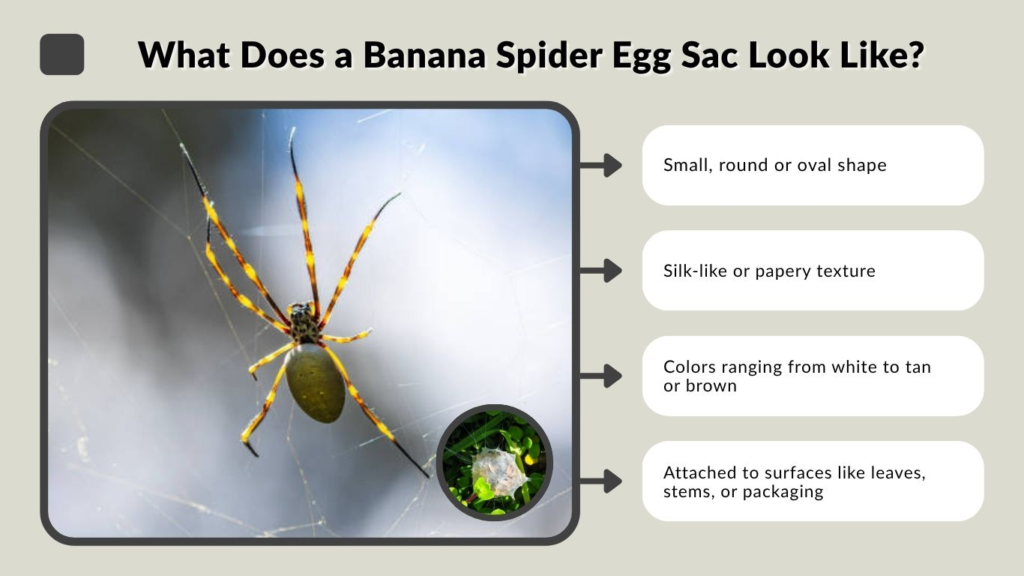
Understanding the appearance of an egg sac helps you identify it correctly and avoid confusion with normal banana features.
Key Features of an Egg Sac
A banana spider egg sac typically has the following characteristics:
- Small, round or oval shape
- Silk-like or papery texture
- Colors ranging from white to tan or brown
- Attached to surfaces like leaves, stems, or packaging
Where Egg Sacs Are Usually Found
Spider egg sacs are not laid inside bananas. Instead, they are found:
- On the outside of plants
- Under leaves or branches
- Occasionally on packaging during transport
Are There Really Spider Eggs in Bananas? (Myth vs Reality)
This section addresses one of the most searched concerns and explains why it’s largely a myth.
Why the Myth Exists
The idea of spider eggs in bananas became popular due to:
- Viral social media posts
- Misidentified banana spots
- Sensational news stories
Scientific Reality
In reality, bananas do not naturally contain spider eggs. Commercial bananas go through cleaning, inspection, and packaging processes that remove contaminants.
Rare Exceptions
There have been extremely rare cases where spiders or egg sacs were found on banana shipments. However, these are isolated incidents and not a common risk.
Banana Spider Egg Sac on Bananas: How Rare Is It?
To better understand the risk, it helps to look at how bananas are handled before reaching consumers.
Banana Supply Chain Safety
| Stage | What Happens | Impact on Spider Eggs |
| Harvesting | Bananas are cut and collected | Eggs likely removed |
| Washing | Fruit is cleaned thoroughly | Most contaminants gone |
| Inspection | Quality checks performed | Visible sacs removed |
| Packaging | Sealed and transported | Low survival chance |
Why Egg Sacs Rarely Survive
Egg sacs require stable environmental conditions like humidity and warmth. During shipping, changes in temperature and handling make survival unlikely.
Where Rare Cases Occur
In the rare instances where egg sacs are found, they are usually on:
- Outer packaging
- Banana stems
- Storage areas, not inside the fruit
How Many Eggs Are in a Banana Spider Egg Sac?
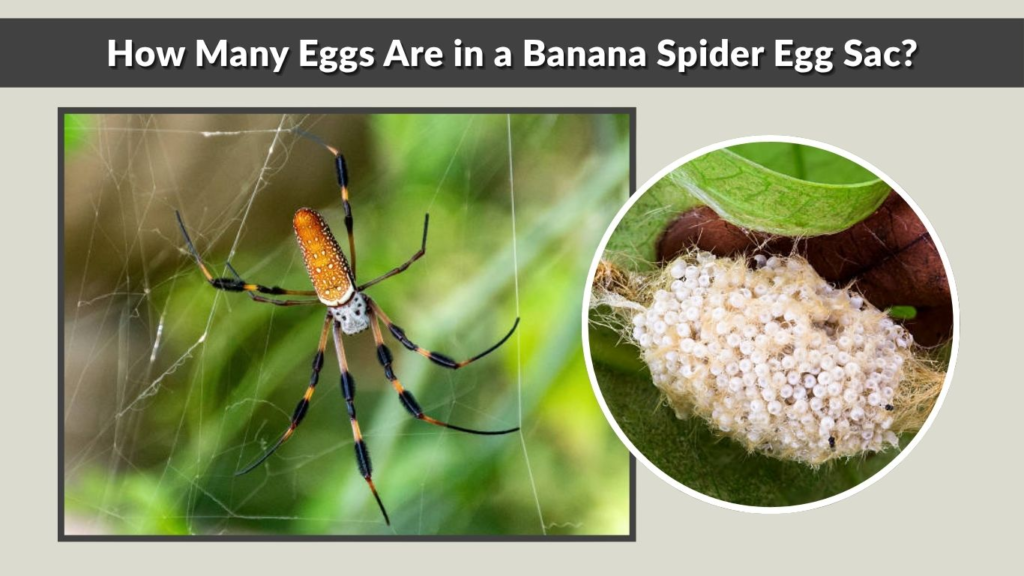
This section explains why egg sacs can look alarming even when they are harmless.
Typical Egg Count
Depending on the species, a banana spider egg sac can contain:
- Dozens to hundreds of eggs
- Sometimes over 500 in larger species
Why There Are So Many Eggs
Spiders lay many eggs because:
- Not all will survive
- Environmental risks are high
- Predators often destroy egg sacs
What Happens After Hatching
When eggs hatch:
- Spiderlings emerge together
- Many disperse quickly
- Only a small percentage reach adulthood
How Long Do Banana Spider Eggs Take to Hatch?
The hatching process depends on environmental conditions and species type.
Average Incubation Time
Most banana spider eggs hatch within 1 to 3 weeks. Warmer temperatures tend to speed up development, while cooler conditions slow it down.
Factors That Affect Hatching
Several factors influence how quickly eggs hatch:
- Temperature
- Humidity levels
- Protection from predators
What You Might Notice
If an egg sac is close to hatching, you may see slight movement or changes in color. However, this is extremely unlikely to occur on store-bought bananas.
What to Do If You Find Spider Eggs on Bananas
Finding something that looks like a spider egg sac can be unsettling, but there’s no need to panic. Acting calmly and following simple safety steps will help you handle the situation effectively while minimizing any potential risk.
Stay Calm and Avoid Direct Contact
If you notice a suspicious sac or webbing, avoid touching it with bare hands. Spider egg sacs are delicate but may contain live eggs. Use gloves or a tool if you need to move the item, and keep a safe distance.
Isolate and Dispose Safely
Place the bananas in a sealed plastic bag or container to prevent anything from escaping. You can dispose of them in an outdoor bin. If unsure, contacting local pest control can provide guidance for safe removal.
Are Banana Spider Eggs Dangerous or Poisonous?
Many people worry about the safety of spider eggs, especially when found near food. This section clarifies whether banana spider egg sacs pose any real danger and what risks, if any, are involved.
Are the Eggs Harmful?
Spider eggs themselves are not poisonous or harmful to humans. They are simply undeveloped spiders enclosed in a silk sac. The main concern, if any, would come from adult spiders, not the eggs.
Risk from Adult Spiders
In rare cases, if a venomous species is present, the adult spider could pose a risk. However, such situations are extremely uncommon in everyday environments, especially with commercially sold bananas.
Spider Eggs vs Banana Spots: How to Tell the Difference
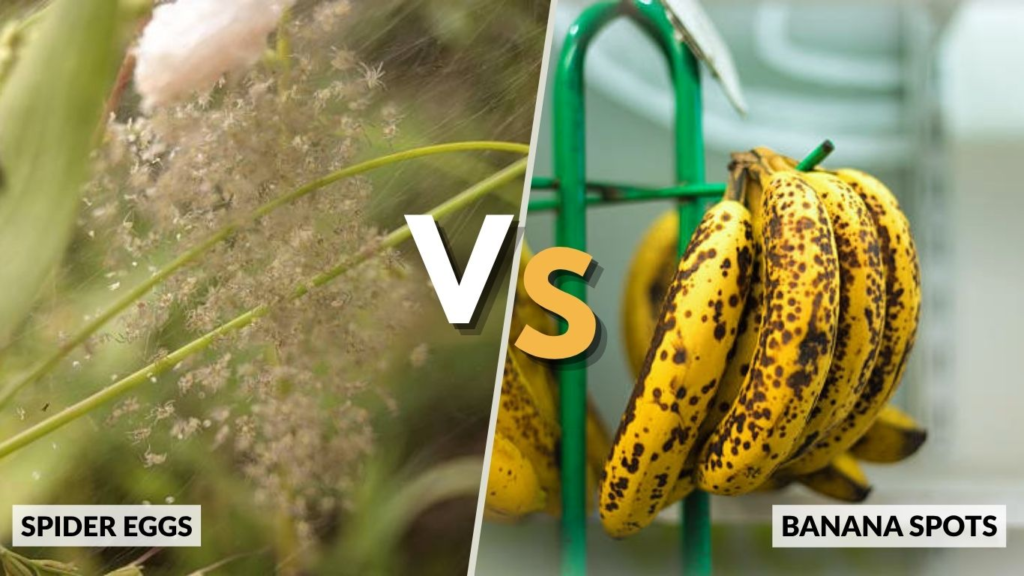
Many people confuse natural banana markings with spider eggs. Understanding the difference helps prevent unnecessary fear and ensures you don’t discard perfectly good fruit based on a simple misunderstanding.
What Are Banana Spots?
The brown or black spots on bananas are natural signs of ripening. They indicate sugar development and are completely safe to eat. These spots are part of the fruit itself, not something attached externally.
How Egg Sacs Differ Visually
Spider egg sacs are external and have a distinct texture. Unlike banana spots, they appear as raised, silk-like pouches attached to the surface. They can be gently removed, while banana spots cannot.
Can You Accidentally Eat Spider Eggs in Bananas?
This concern is common due to viral rumors, but the actual likelihood is extremely low. Modern food handling processes make it highly unlikely that spider eggs would remain on or inside bananas by the time you eat them.
How Likely Is It?
The chance of accidentally eating spider eggs in bananas is almost zero. Bananas are peeled before consumption, and egg sacs are external, not inside the fruit. Washing and handling further reduce any possibility.
What Happens If It Did Occur?
Even in the unlikely event of consuming spider eggs, they are generally harmless. The human digestive system would break them down, posing no health risk. There is no scientific evidence of harm from such incidents.
Prevention Tips: Avoiding Spider Eggs on Bananas
While the risk is already extremely low, taking a few simple precautions can give you extra peace of mind. These steps are easy to follow and help ensure your bananas are clean and safe to eat.
Simple Prevention Steps
- Inspect bananas before purchase for unusual webbing or sacs
- Wash bananas under running water before handling or eating
- Store bananas in a clean, dry place
- Buy from trusted grocery stores with quality control
FAQs
Do bananas naturally contain spider eggs?
Bananas do not naturally contain spider eggs. Spiders may occasionally lay eggs on the outside of plants, but commercial handling removes such risks. The idea mostly comes from myths and misunderstandings rather than real agricultural practices.
How can I identify a spider egg sac on fruit?
A spider egg sac appears as a small, silk-like pouch attached externally. It is usually round or oval and may look fuzzy or papery. Unlike fruit spots, it sits on the surface and can be physically separated.
Are Brazilian wandering spider eggs found on bananas?
There have been rare reports in the past, but such cases are extremely uncommon today. Strict inspection and transportation processes make it very unlikely for these spiders or their eggs to reach consumers through bananas.
Should I throw away bananas if I see something unusual?
If you notice something that resembles an egg sac or webbing, it’s safest to avoid handling it directly. You can discard the bananas or isolate them and seek advice from pest control for proper handling.
Are banana spider bites deadly?
Most banana spiders are harmless and pose little threat to humans. While a few species have stronger venom, serious bites are extremely rare. Encounters are uncommon, especially in everyday environments like homes or grocery stores.
