
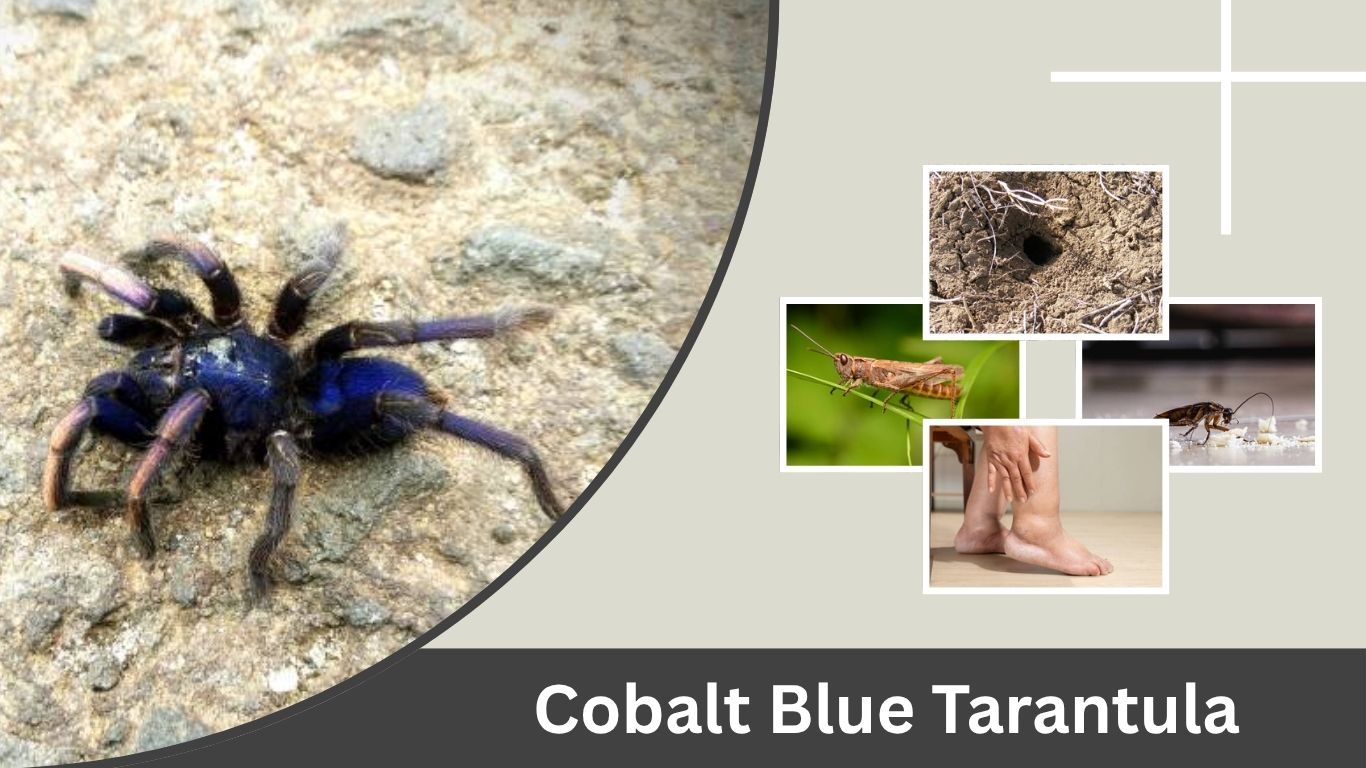
The cobalt blue tarantula (Cyriopagopus lividus) is one of the most visually striking spiders in the world, known for its deep metallic blue legs and secretive nature. Native to Southeast Asia, this Old World species attracts hobbyists because of its beauty, rarity, and fascinating behavior. However, it is not a beginner-friendly pet. This guide explores its characteristics, behavior, safety, and essential care requirements to help you understand whether this tarantula is the right choice.
What Is a Cobalt Blue Tarantula?
The cobalt blue tarantula is an Old World species found mainly in tropical regions of Thailand and Myanmar. Unlike many New World tarantulas, it lacks urticating hairs and relies on speed and venom for defense. It is a fossorial species, meaning it spends most of its life underground in deep burrows.
This tarantula is often called the “electric blue tarantula” because of its vivid coloration. The blue hue is not due to pigment but rather structural coloration that reflects light, making it appear even more intense under certain lighting conditions.
Key Identification Features
- Metallic cobalt-blue legs
- Dark gray to black body
- Medium size with a 4–6 inch leg span
- Strong burrowing adaptations
Cobalt Blue Tarantula Characteristics and Appearance
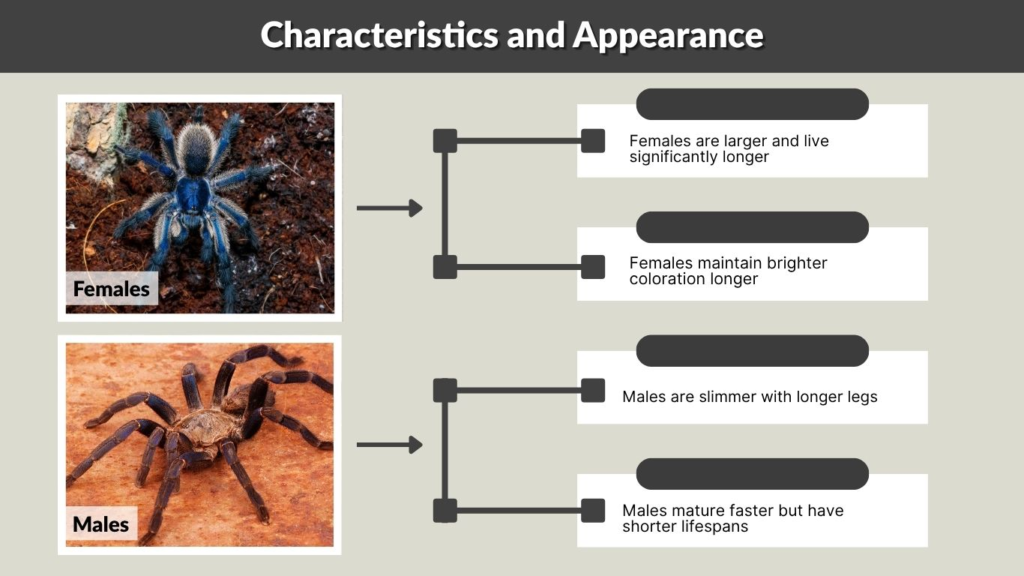
This species is admired primarily for its unique appearance, but its physical traits also support its survival in the wild. Its long legs are designed for rapid movement, while its body structure allows it to dig and maintain stable burrows in humid soil.
The coloration can sometimes show subtle variations, including hints of green or emerald tones on the carapace depending on lighting. Females tend to have a slightly fuller body, while males are slimmer and often develop longer legs as they mature.
Cobalt Blue Tarantula Natural Habitat and Behavior
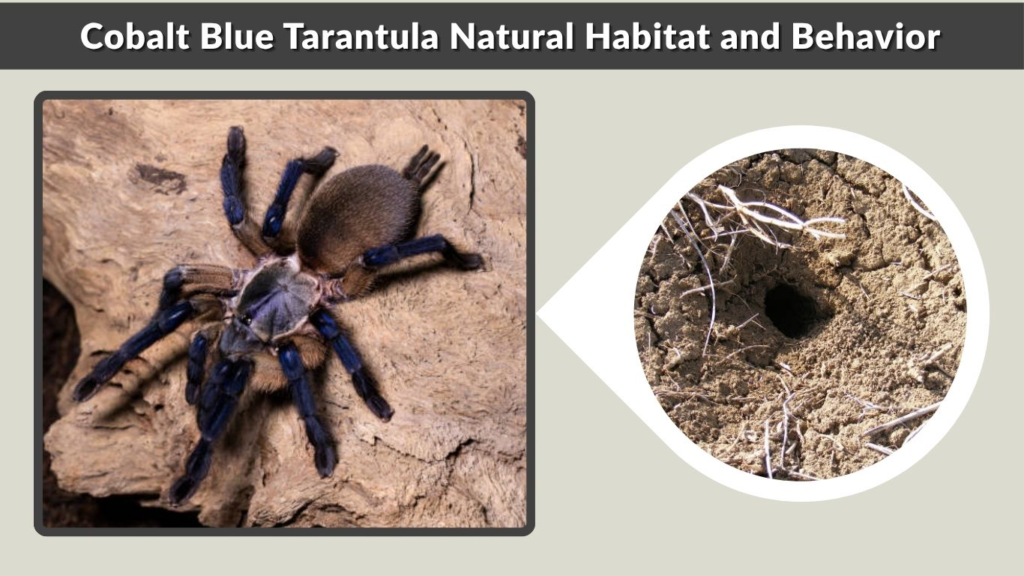
The cobalt blue tarantula thrives in warm, humid environments where it can dig extensive burrow systems. In the wild, it rarely comes out into the open, preferring to stay hidden during the day and hunt at night. This behavior is important to replicate in captivity for the spider’s well-being.
Its temperament is often misunderstood. While not aggressive in the sense of actively seeking confrontation, it is highly defensive and reacts quickly when disturbed. This makes it a display pet rather than one meant for interaction.
Where Do Cobalt Blue Tarantulas Live?
In nature, they inhabit tropical forests with loose soil that allows deep burrowing. These environments provide stable humidity levels and protection from predators.
Behavior and Temperament
- Extremely fast and reactive
- Defensive when threatened
- Prefers hiding over confrontation
- Not suitable for handling
Are Cobalt Blue Tarantulas Dangerous?
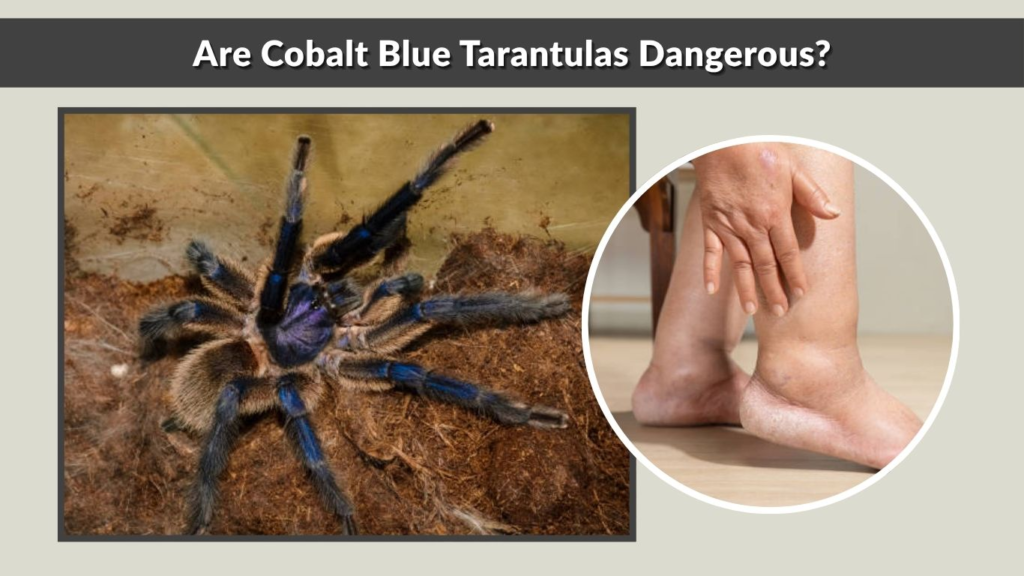
Understanding the risks associated with this species is essential before considering ownership. As an Old World tarantula, it lacks the defensive hairs found in New World species and instead relies on its venom and speed.
Its bite is considered medically significant but not life-threatening to healthy humans. However, the experience can be painful and should not be underestimated.
Venom and Bite Effects
- Immediate sharp pain at the bite site
- Swelling and localized inflammation
- Muscle cramps in some cases
- Symptoms may last several hours or longer
Can a Cobalt Blue Tarantula Kill You?
While their venom is potent compared to many other tarantulas, there are no confirmed cases of fatalities in humans. That said, allergic reactions or complications could occur, so caution is always necessary when dealing with this species.
Cobalt Blue Tarantula Care Guide
Proper care is crucial for maintaining the health and longevity of a cobalt blue tarantula. Their needs are specific, especially when it comes to enclosure design and environmental conditions. Replicating their natural habitat as closely as possible will reduce stress and encourage natural behaviors like burrowing.
Enclosure Setup
A suitable enclosure should provide enough depth for burrowing, as this is one of the species’ most important natural behaviors. Without this, the tarantula may become stressed or display abnormal behavior.
Essential Setup Elements
- Deep substrate (at least 4–6 inches)
- Secure enclosure with good ventilation
- Hiding spots like cork bark
- Slightly moist soil to maintain humidity
Temperature and Humidity
Maintaining the correct environment is key to their survival. These tarantulas prefer warm temperatures and high humidity levels similar to their native tropical habitats.
Environmental Requirements
- Temperature range between 75–85°F
- Humidity levels around 70–80%
- Consistent moisture without waterlogging
- Minimal disturbance to maintain stability
Cobalt Blue Tarantula Feeding and Diet
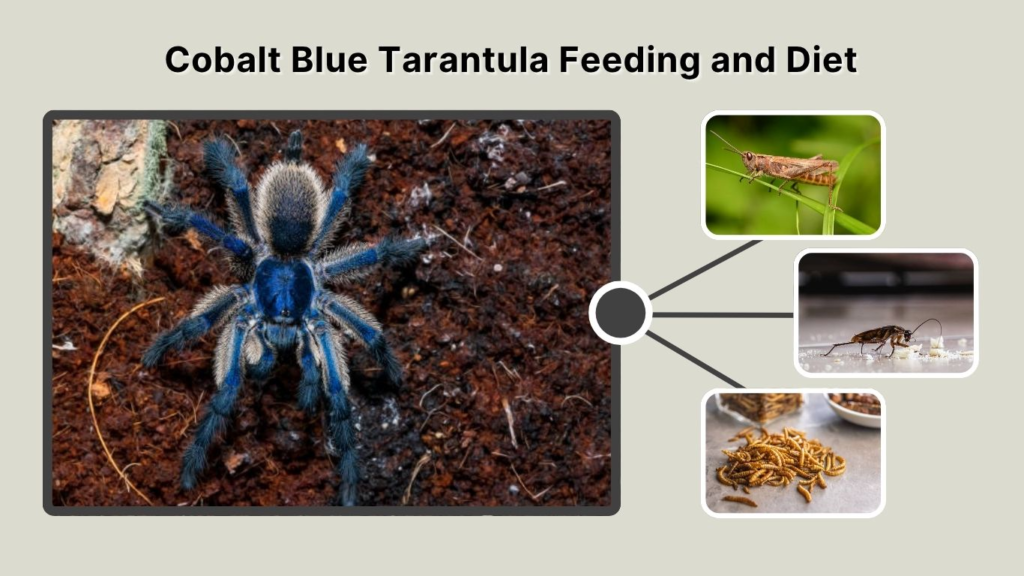
Feeding a cobalt blue tarantula is relatively simple, but consistency and appropriate prey size are important. These spiders are opportunistic hunters that rely on live prey. In captivity, their diet should mimic what they would naturally consume in the wild to ensure proper nutrition and growth.
They typically hunt from within their burrow, waiting for vibrations before striking quickly. Because of this behavior, prey should be introduced near the entrance of their hide rather than directly forced into contact.
What Do Cobalt Blue Tarantulas Eat?
- Crickets and roaches (staple diet)
- Mealworms and superworms (occasional treats)
- Locusts or grasshoppers (for larger individuals)
Feeding Schedule
- Spiderlings: feed 2–3 times per week
- Juveniles: feed every 5–7 days
- Adults: feed once per week
Cobalt Blue Tarantula Spiderling Care and Growth
Caring for a baby cobalt blue tarantula, often called a sling, requires extra attention to humidity and prey size. Spiderlings grow faster than adults and molt more frequently, which means their care routine must be adjusted accordingly.
At this stage, maintaining a slightly higher moisture level is beneficial, but the enclosure should never be overly wet. Providing small hiding spots helps reduce stress and encourages natural burrowing behavior early in life.
Spiderling Care Tips
- Use a smaller enclosure to retain humidity
- Offer pinhead crickets or tiny roaches
- Keep substrate slightly moist
- Avoid disturbing during molting
Cobalt Blue Tarantula Molting, Lifespan, and Size
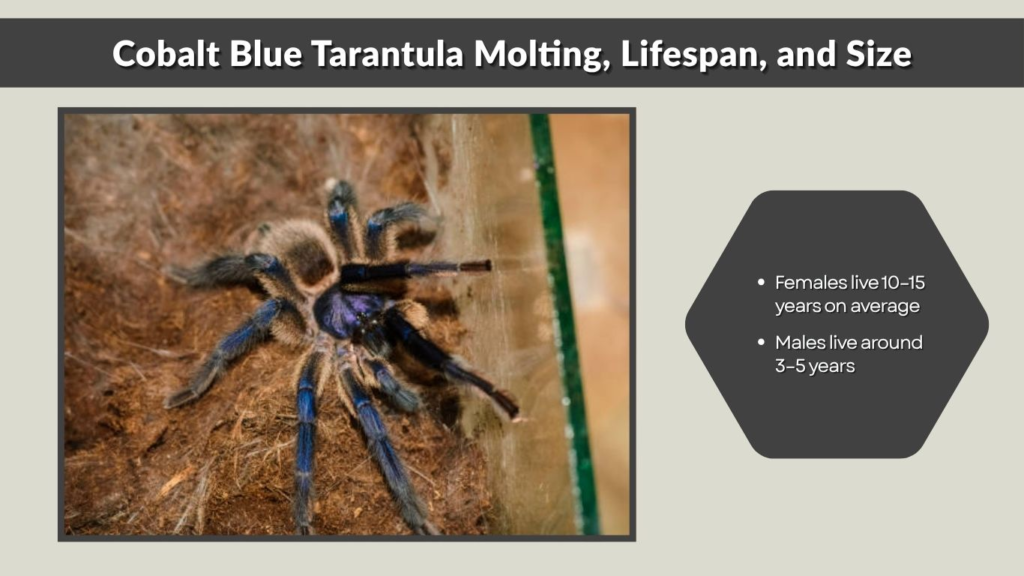
The life cycle of a cobalt blue tarantula includes several molting stages, where the spider sheds its exoskeleton to grow. During this time, the tarantula becomes vulnerable and should not be disturbed. Signs of molting include reduced appetite, sluggish movement, and a darker appearance.
Females generally live much longer than males, making them more desirable for long-term keepers. Growth rate depends on feeding frequency, temperature, and overall care quality.
Key Life Cycle Facts
- Females live 10–15 years on average
- Males live around 3–5 years
- Adult size reaches up to 6 inches
- Molting occurs more frequently in younger spiders
Cobalt Blue Tarantula Price and Buying Guide
The price of a cobalt blue tarantula varies depending on its age, sex, and availability. Spiderlings are more affordable, while adult females command higher prices due to their longer lifespan and breeding value.
Buying from a reputable breeder is essential to ensure the tarantula is healthy and ethically sourced. Avoid purchasing wild-caught specimens, as they are often stressed and may not adapt well to captivity.
Price Range
- Spiderlings: $30–$80
- Juveniles: $80–$150
- Adult females: $150–$300 or more
Where to Buy
- Specialized tarantula breeders
- Exotic pet stores
- Online arachnid marketplaces
Handling and Safety Considerations
Handling a cobalt blue tarantula is strongly discouraged due to its defensive nature and speed. Unlike more docile species, this tarantula is likely to react quickly if it feels threatened. Instead of handling, observation should be the primary way to enjoy this species.
Routine maintenance, such as cleaning or feeding, should be done using tools like long tweezers to minimize risk. Keeping the enclosure secure is also critical, as this species is fast and capable of escaping if given the opportunity.
FAQs
Are cobalt blue tarantulas aggressive?
Cobalt blue tarantulas are not aggressive in the sense of attacking without reason, but they are highly defensive. When disturbed, they may display threat postures or attempt to bite. Their speed makes them intimidating, which is why they are best suited for experienced keepers.
Are cobalt blue tarantulas venomous or poisonous?
They are venomous, not poisonous. This means they inject venom through a bite rather than being toxic to touch or eat. Their venom can cause pain, swelling, and discomfort, but it is not considered deadly to healthy humans.
What do cobalt blue tarantulas eat?
They primarily eat live insects such as crickets, roaches, and worms. Larger individuals can handle bigger prey, while spiderlings require very small insects. Feeding frequency depends on age and size, with younger spiders eating more often.
How much is a cobalt blue tarantula?
Prices vary widely based on age and sex. Spiderlings are relatively affordable, while adult females can be significantly more expensive due to their longer lifespan and breeding potential. Availability and location can also influence the cost.
Are cobalt blue tarantulas good pets for beginners?
No, they are not recommended for beginners. Their defensive temperament, speed, and specific care requirements make them more suitable for experienced tarantula keepers who understand how to manage Old World species safely.
