
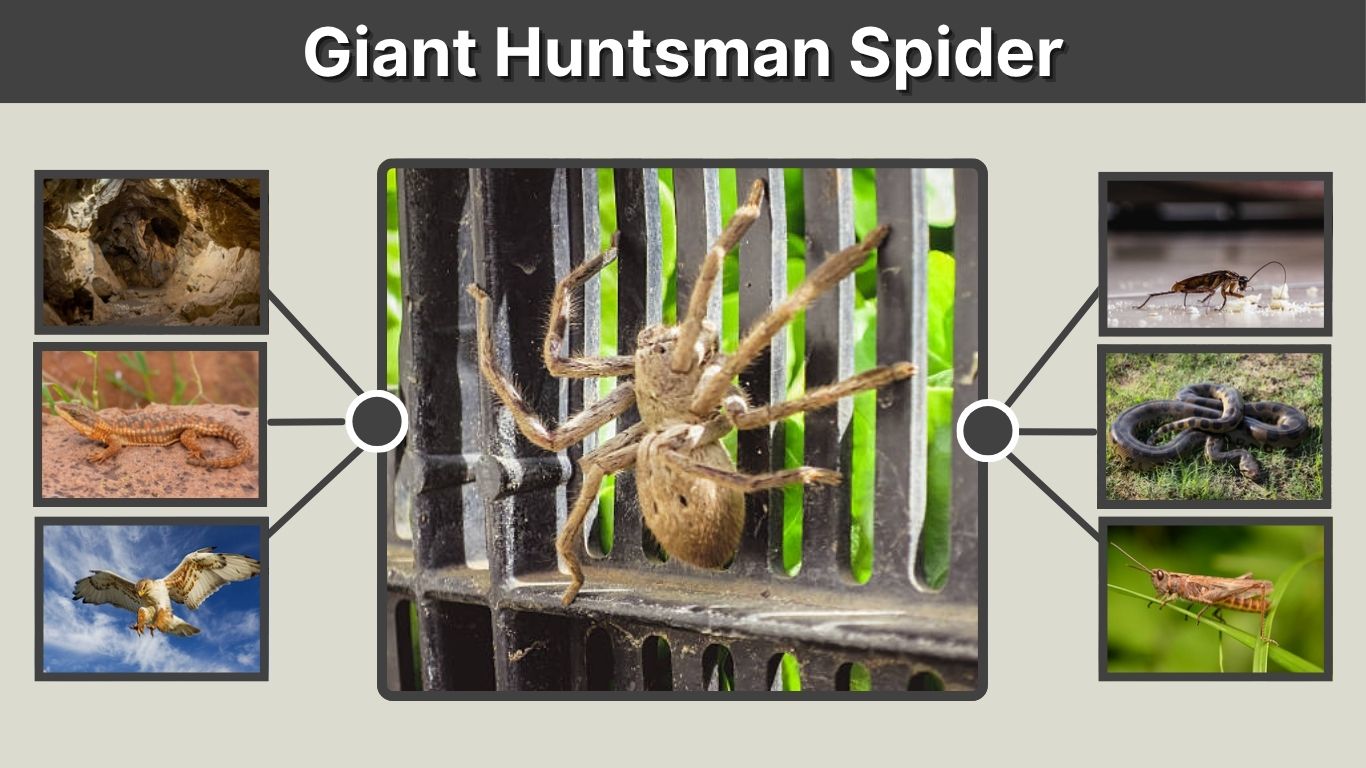
The giant huntsman spider is one of the most fascinating and largest spiders in the world, known especially for its incredible leg span and speed. Despite its intimidating appearance, it is not as dangerous as many people assume. Found mainly in caves and tropical regions, this spider has unique hunting abilities and behavior that set it apart from other species. In this guide, you will learn about its size, habitat, diet, and whether it poses any real threat to humans.
What Is the Giant Huntsman Spider?
The giant huntsman spider, scientifically known as Heteropoda maxima, belongs to the huntsman spider family. It is famous for its long legs and crab-like movement, which allows it to move quickly across surfaces.
Unlike web-building spiders, huntsman spiders actively hunt their prey. They rely on speed and stealth rather than traps. This species gained global attention after being discovered in Laos, where it was identified as the largest spider by leg span.
Giant Huntsman Spider Size and Appearance
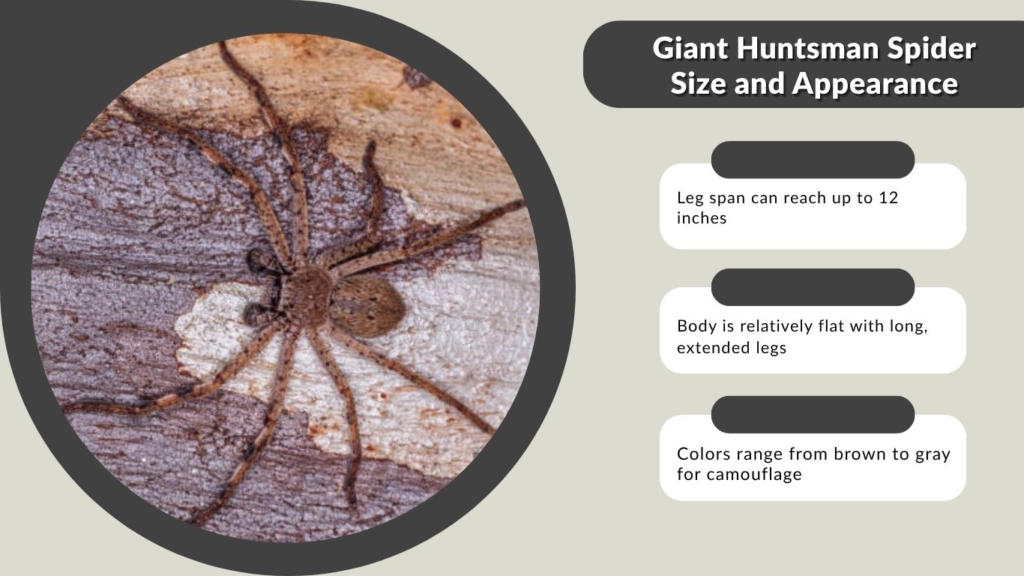
The size of the giant huntsman spider is its most striking feature. It holds the record for having the longest leg span of any spider in the world.
- Leg span can reach up to 12 inches (30 cm)
- Body is relatively flat with long, extended legs
- Colors range from brown to gray for camouflage
Its legs are positioned in a sideways, crab-like manner, allowing it to move rapidly in multiple directions. Compared to a human hand, a full-grown giant huntsman spider can stretch well beyond the width of an adult palm, making it appear extremely large and intimidating.
Is It the Biggest Spider in the World?
The giant huntsman spider is often called the biggest spider, but this depends on how size is measured. While it has the largest leg span, it is not the heaviest spider.
- Largest leg span: Giant huntsman spider
- Heaviest spider: Goliath birdeater
- Huntsman has a flatter, lighter body
This distinction is important because the Goliath birdeater looks bulkier, while the huntsman appears larger due to its long legs. Both are impressive in their own way and dominate different categories of size.
Where Does the Giant Huntsman Spider Live?
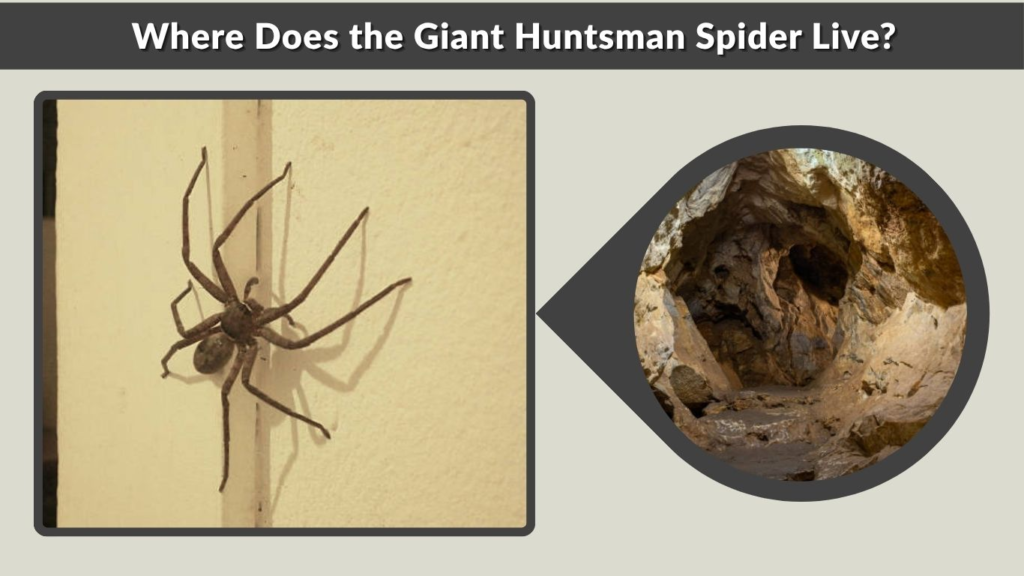
The giant huntsman spider is mainly found in Southeast Asia, especially in Laos. It prefers dark, humid environments where it can remain hidden during the day.
These spiders are often discovered in caves, where they adapt to low-light conditions. However, other huntsman species are commonly found in Australia and nearby regions. They can also appear in houses, cars, or walls, which often leads to surprising encounters with humans.
Their ability to adapt to different environments makes them highly successful predators in both wild and human-influenced areas.
Giant Huntsman Spider Diet and Hunting Behavior
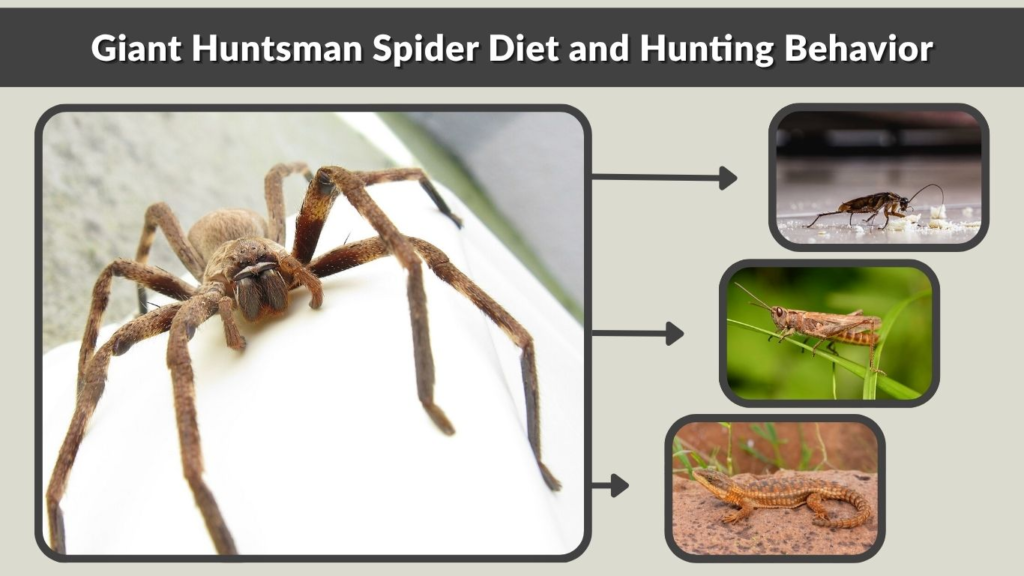
The giant huntsman spider is an active hunter that does not rely on webs to catch prey. Instead, it uses speed and precision to capture food.
- Eats insects such as cockroaches and crickets
- Can hunt small animals like lizards
- Uses ambush tactics rather than webs
It typically waits for prey to come within range before quickly attacking. Its long legs help it grab and hold prey efficiently, while its venom immobilizes the target. This hunting style makes it one of the fastest and most effective spiders in its environment.
Giant Huntsman Spider Bite and Venom
The bite of a giant huntsman spider can be alarming, but it is not considered dangerous to humans. Its venom is relatively mild and primarily used to subdue prey.
A bite may cause localized pain, redness, and swelling. In most cases, symptoms are short-lived and do not require serious medical treatment. The spider will usually avoid biting unless it feels threatened or cornered.
Overall, the giant huntsman spider is more likely to run away than attack, making it less dangerous than its appearance suggests.
Giant Huntsman Spider Lifespan and Growth
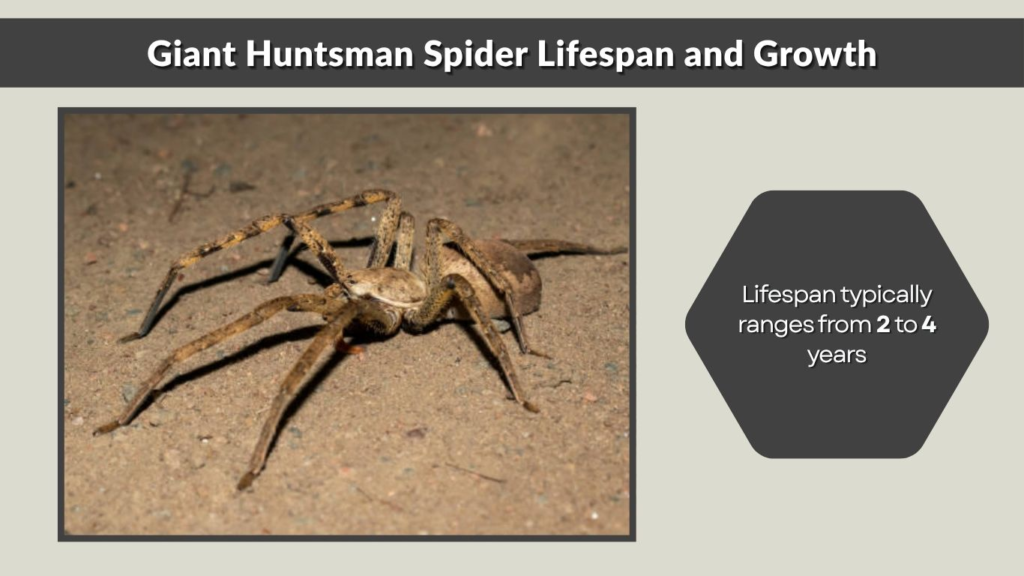
The lifespan of the giant huntsman spider is relatively shorter compared to large tarantulas. However, it grows quickly and reaches maturity faster due to its active lifestyle.
- Lifespan typically ranges from 2 to 4 years
- Growth occurs through molting stages
- Juveniles grow rapidly compared to many other spiders
Molting is essential for development. During this process, the spider sheds its outer layer and becomes temporarily vulnerable. After molting, it emerges larger and stronger, continuing its growth cycle.
Are Giant Huntsman Spiders Dangerous?
The giant huntsman spider may look frightening, but it is not considered dangerous to humans. It prefers to avoid confrontation and uses speed as its primary defense.
- Non-aggressive and avoids human contact
- Bites only when threatened or handled
- Relies on speed rather than attack
Most encounters happen when the spider accidentally enters homes or vehicles. In such cases, it will usually try to escape rather than engage. Its intimidating size often causes fear, but actual risk is minimal.
Giant Huntsman Spider Habitat and Behavior
Natural Habitat
The giant huntsman spider thrives in warm, humid environments. It is most commonly found in caves and forested areas where it can hide during the day and hunt at night.
These spiders prefer dark spaces that provide shelter and protection. In regions like Laos, they are often discovered deep inside cave systems where moisture levels are high.
Behavior in Human Areas
In some cases, huntsman spiders appear in houses, cars, or walls. This behavior is usually driven by the search for food or shelter rather than aggression.
They are known for their speed and ability to move quickly across surfaces, including walls and ceilings. This can make them seem more threatening than they actually are, especially during unexpected encounters.
Predators and Threats
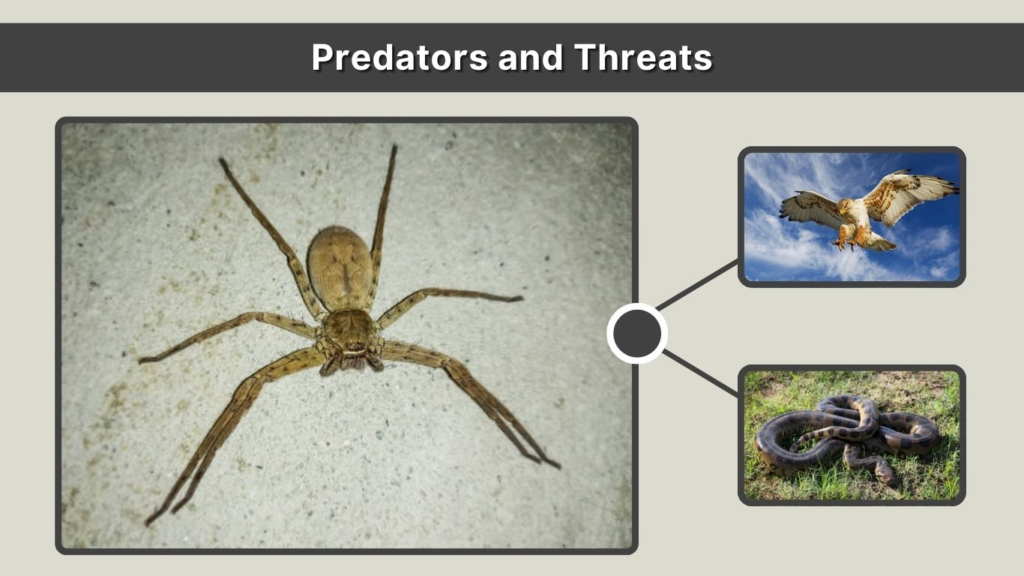
Even though the giant huntsman spider is large and fast, it still faces several natural threats in the wild.
- Birds that prey on large insects and spiders
- Reptiles such as lizards and snakes
- Humans through habitat destruction
Environmental changes, especially deforestation and habitat loss, pose the greatest long-term risk to their population.
Unique Facts About the Giant Huntsman Spider
The giant huntsman spider has several fascinating traits that make it stand out among other spider species. It is known for its incredible speed, which allows it to chase down prey rather than waiting in a web. Its sideways, crab-like movement gives it an advantage when navigating tight spaces.
Another interesting fact is that it does not build traditional webs for catching food. Instead, it uses silk mainly for egg sacs and shelter. Its ability to live in caves and low-light environments also makes it unique among large spiders.
FAQs
How big is the giant huntsman spider?
The giant huntsman spider can reach a leg span of up to 12 inches, making it the largest spider in the world by leg span. Its long legs give it a much larger appearance than most other spiders.
Can a giant huntsman spider kill you?
No, it cannot kill a human. Its venom is mild and not dangerous to people. A bite may cause pain and swelling, but serious complications are extremely rare.
Where is the giant huntsman spider found?
It is mainly found in Laos, especially in caves. Other huntsman species are also found in Australia and parts of Asia, often in warm and humid environments.
Does the giant huntsman spider build webs?
No, it does not use webs to catch prey. Instead, it actively hunts using speed and ambush tactics, making it different from many other spider species.
Is the giant huntsman spider dangerous to humans?
It is not considered dangerous. The spider avoids humans and will only bite if threatened. Most encounters are harmless, and the spider usually tries to escape.
