
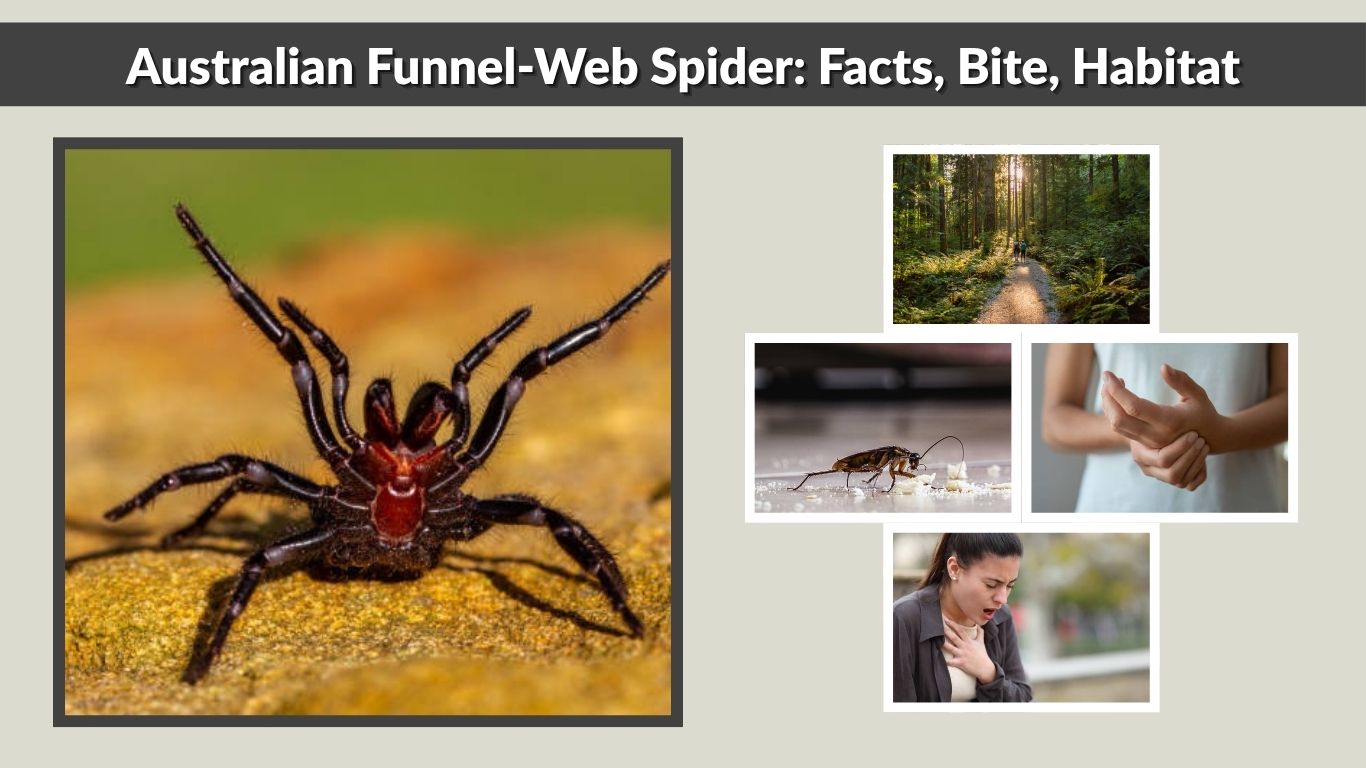
The Australian funnel-web spider is one of the most dangerous spiders in the world, known for its powerful venom and aggressive behavior. Found mainly in Australia, especially around Sydney, this spider has gained global attention due to its potentially life-threatening bite. Understanding its characteristics, habitat, and risks can help people stay safe and informed.
What Is the Australian Funnel-Web Spider?
The Australian funnel-web spider belongs to a group of spiders known for building funnel-shaped webs in moist environments. These spiders are part of the Atracidae family and are native to Australia.
They are especially feared because of their venom, which is highly toxic to humans. Unlike many other spiders, funnel-web spiders can show defensive aggression when threatened, raising their front legs and exposing their fangs.
The most well-known species is the Sydney funnel-web spider, often considered the most dangerous of them all.
Characteristics and Physical Features
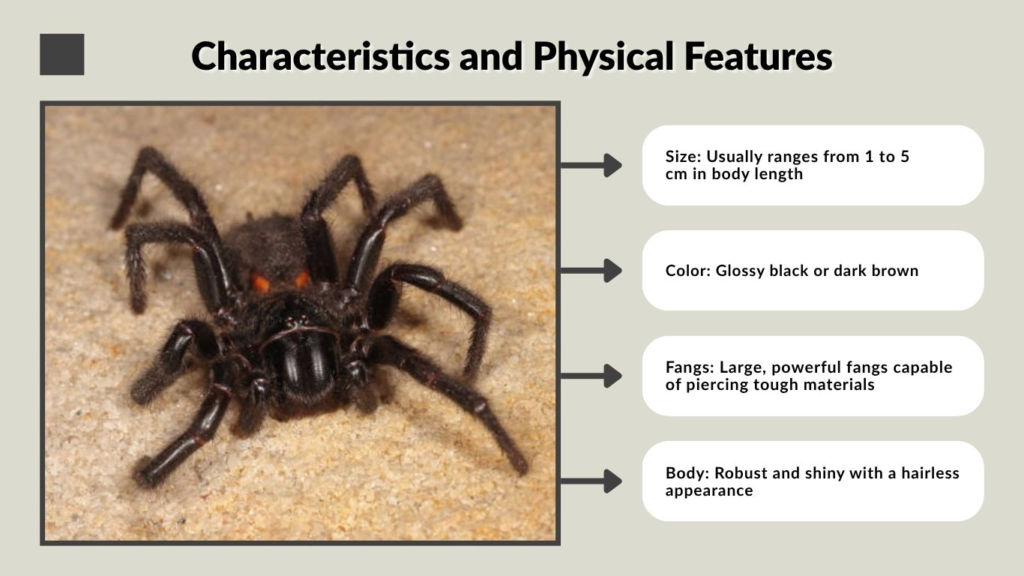
The Australian funnel-web spider has several distinct physical traits that make it easy to identify.
- Size: Usually ranges from 1 to 5 cm in body length
- Color: Glossy black or dark brown
- Fangs: Large, powerful fangs capable of piercing tough materials
- Body: Robust and shiny with a hairless appearance
One of the most notable features is its strong fangs, which point downward and can deliver deep bites. Males are generally more dangerous than females because their venom is more toxic.
Habitat and Distribution
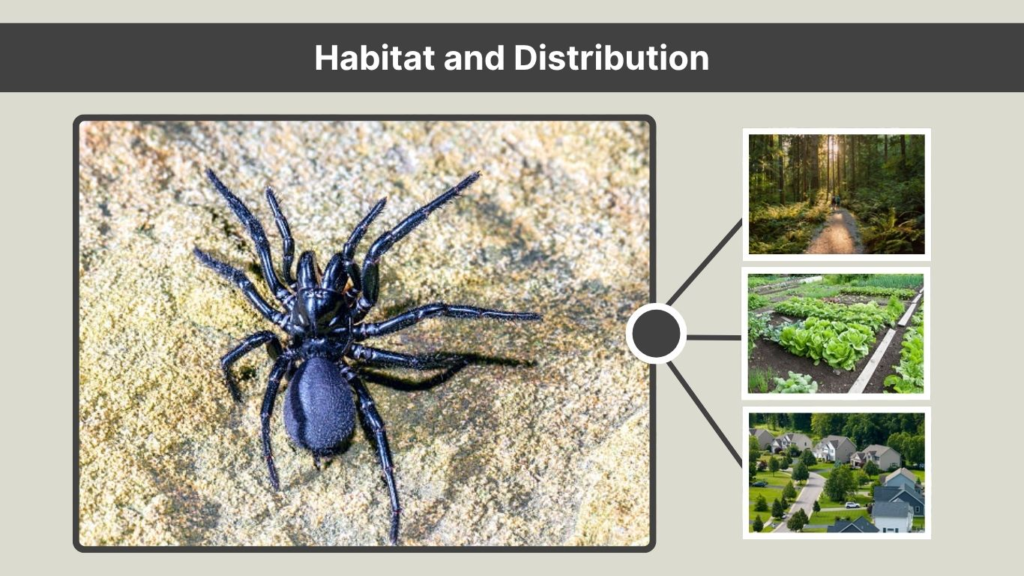
Funnel-web spiders are primarily found in eastern Australia. They thrive in environments that provide moisture and shelter.
- Forest areas
- Gardens and suburban regions
- Under rocks and logs
- Inside burrows in the soil
These spiders create silk-lined burrows with a funnel-shaped entrance. From this hidden spot, they wait for prey to pass by before attacking quickly.
During rainy or humid conditions, funnel-web spiders may wander into homes, increasing the chances of human encounters.
Diet and Predators
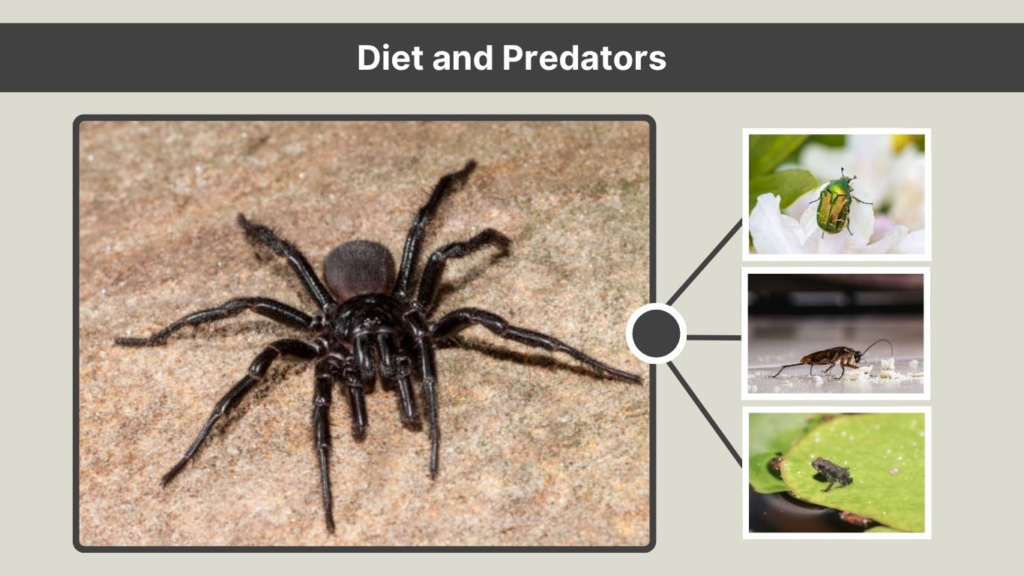
The Australian funnel-web spider is a carnivorous hunter that relies on ambush tactics.
- Eats insects such as beetles and cockroaches
- May consume small frogs or lizards
- Uses venom to immobilize prey quickly
Despite being dangerous, funnel-web spiders do have natural predators. Some birds, reptiles, and even certain mammals can prey on them. However, their venom makes them less vulnerable compared to other spider species.
Venom and How Dangerous It Is
The venom of the Australian funnel-web spider is extremely potent and affects the human nervous system. It contains toxins that can interfere with nerve signals, leading to serious symptoms.
What makes this spider especially dangerous is the speed at which symptoms can appear. In severe cases, effects can begin within minutes.
Before the development of antivenom, bites were often fatal. Today, with modern medical treatment, deaths are extremely rare, but the spider is still considered highly dangerous.
Funnel-Web Spider Bite
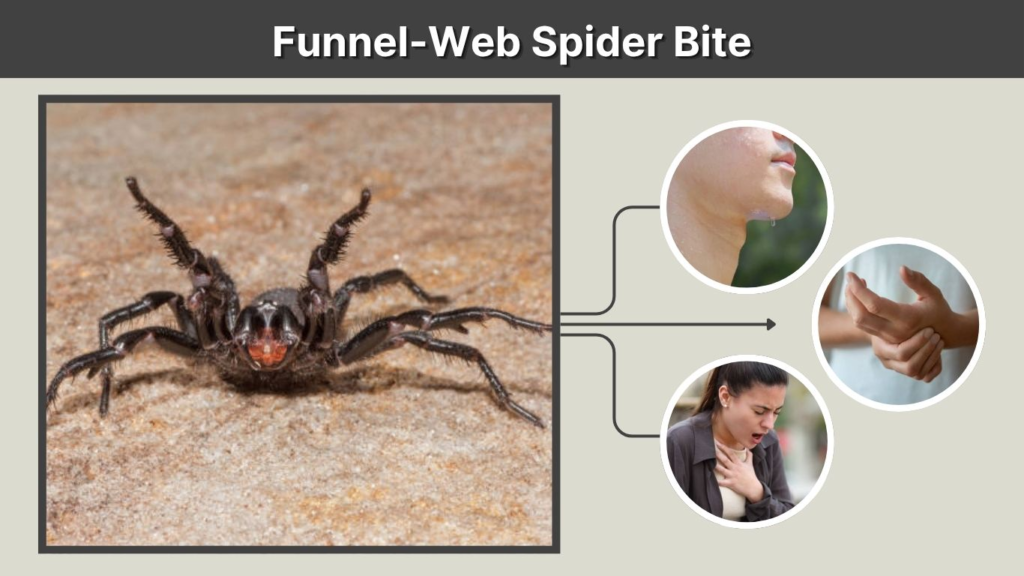
A bite from an Australian funnel-web spider is a medical emergency and requires immediate attention.
Common symptoms include:
- Severe pain at the bite site
- Sweating and salivation
- Muscle twitching
- Difficulty breathing
In more serious cases, the venom can cause rapid deterioration if untreated.
First Aid Steps
- Apply a pressure immobilization bandage
- Keep the affected person calm and still
- Seek emergency medical help immediately
Quick response is critical, as proper treatment can prevent serious complications.
Life Cycle and Lifespan
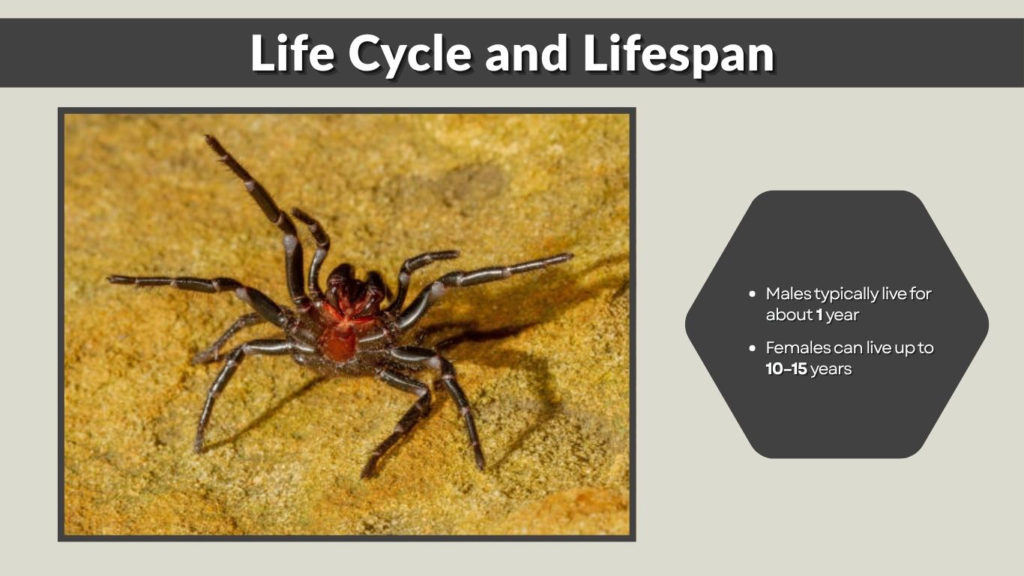
The life cycle of the Australian funnel-web spider follows a typical spider development pattern but includes some unique behaviors.
After mating, the female lays eggs in a protected silk sac inside her burrow. These egg sacs can contain dozens to over a hundred spiderlings. The young spiders hatch after a few weeks and remain in the burrow for a short period before dispersing.
As they grow, they go through multiple molting stages, shedding their exoskeleton to increase in size. This process continues until they reach maturity.
- Males typically live for about 1 year after reaching adulthood
- Females can live much longer, sometimes up to 10–15 years
Male spiders usually leave their burrows during mating season in search of females. This wandering behavior is when most human encounters occur.
Interesting Facts About Funnel-Web Spiders
The Australian funnel-web spider has several fascinating traits that make it both unique and feared.
- Highly aggressive defense: When threatened, it raises its front legs and displays its fangs
- Fast reaction time: It can strike quickly and may bite multiple times
- Venom potency: Its venom is considered among the most toxic of any spider
- Survival ability: It can survive underwater for hours by trapping air around its body
Another interesting fact is that male funnel-web spiders are more dangerous than females. Scientists believe this is due to differences in venom composition, which evolved for defense rather than hunting.
Safety Tips to Avoid Funnel-Web Spiders
Although dangerous, encounters with funnel-web spiders can often be avoided with simple precautions.
- Wear gloves when gardening or handling soil
- Shake out shoes and clothing before use
- Keep doors and windows sealed, especially during humid weather
- Avoid placing hands into holes or under rocks
If you live in areas where these spiders are common, staying alert and cautious can significantly reduce the risk of bites.
FAQs
How dangerous is the Australian funnel-web spider?
The Australian funnel-web spider is extremely dangerous due to its potent venom, which can affect the nervous system rapidly. However, with the availability of effective antivenom, fatalities are now very rare when medical treatment is received promptly.
Where are funnel-web spiders found?
They are mainly found in eastern Australia, particularly in New South Wales. They prefer moist environments such as forests, gardens, and burrows in the soil, where they can build their funnel-shaped webs and hunt effectively.
What should you do if bitten?
You should apply a pressure immobilization bandage, keep the person calm and still, and seek emergency medical help immediately. Quick action is essential to prevent the venom from spreading and causing severe symptoms.
What do funnel-web spiders eat?
Funnel-web spiders primarily feed on insects like beetles and cockroaches. They may also eat small animals such as frogs or lizards. They use their venom to quickly immobilize prey before consuming it.
