
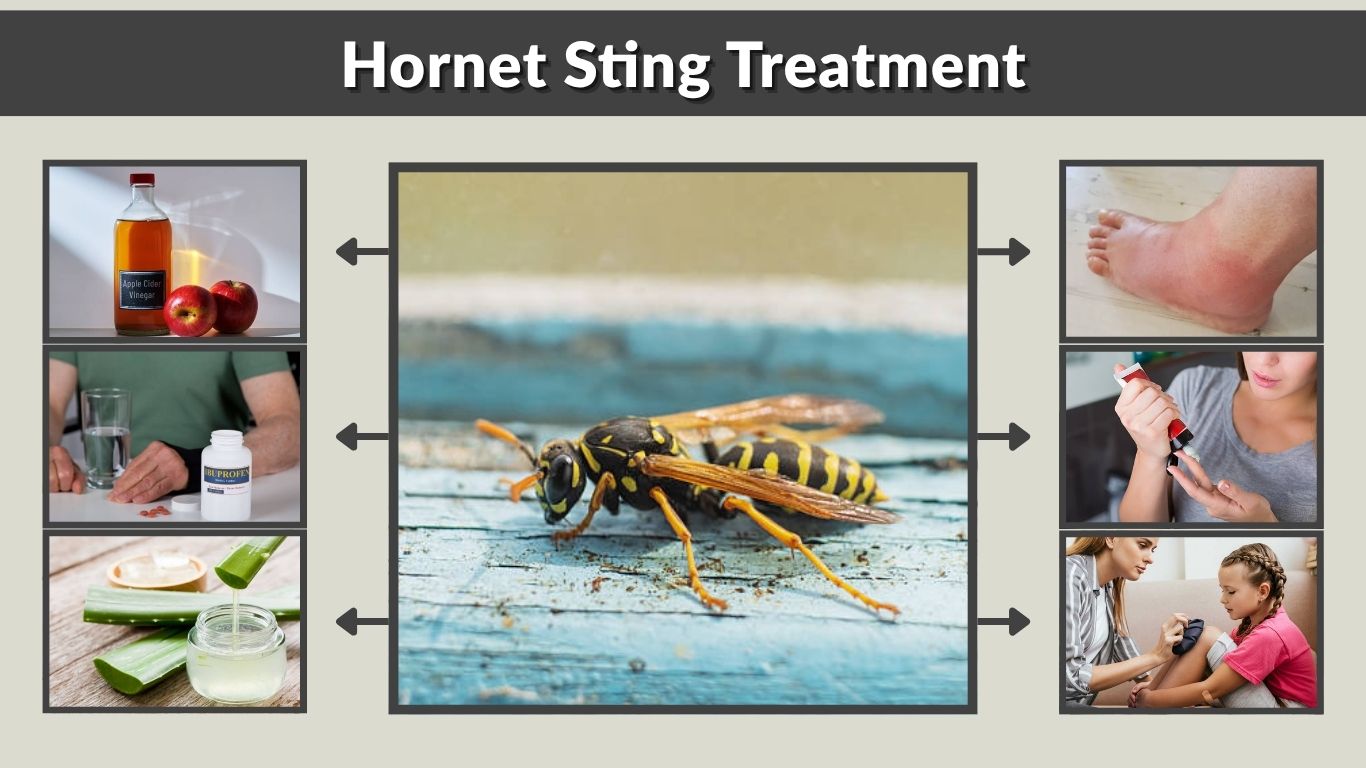
Hornet stings can be painful and alarming, especially if you are unsure how to respond quickly. While most stings cause mild symptoms like swelling and redness, some may lead to serious allergic reactions that need urgent care. Knowing how to treat a hornet sting properly can reduce discomfort, prevent complications, and speed up healing. This guide explains what happens after a sting, how to manage symptoms, and the best steps to take for fast and safe relief.
What Happens When a Hornet Stings
When a hornet stings, it injects venom into the skin through its stinger. This venom contains toxins that affect nerve endings, which is why the pain feels immediate and sharp. The body reacts by releasing chemicals like histamine, leading to redness, swelling, and itching.
Unlike bees, hornets do not lose their stinger, meaning they can sting multiple times. Their venom is also more potent, which often causes stronger reactions. The intensity of the reaction depends on factors like the location of the sting, the number of stings, and individual sensitivity.
Common Symptoms of a Hornet Sting
- Immediate sharp pain at the sting site
- Redness and noticeable swelling
- Itching or a burning sensation
- Warmth around the affected area
In most cases, these symptoms are mild and improve within a few hours. However, some people may experience more intense swelling or discomfort that lasts longer.
Step-by-Step Hornet Sting Treatment

- Move to a safe area away from hornets to avoid further stings
- Wash the affected area gently with soap and clean water
- Apply a cold compress or ice pack wrapped in cloth for 10–15 minutes
- Take over-the-counter pain relievers like ibuprofen if needed
- Use antihistamines or anti-itch creams to reduce irritation
Following these steps quickly can significantly reduce pain and prevent the swelling from worsening. Reapplying cold compresses throughout the day can also help control inflammation.
Home Remedies for Hornet Sting Relief
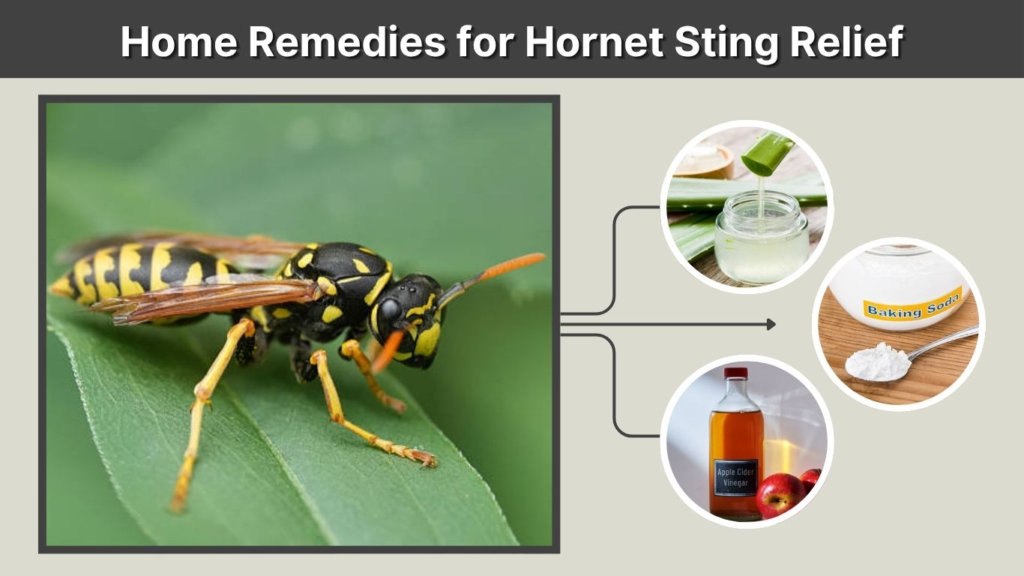
- Aloe vera gel to soothe the skin and reduce irritation
- Baking soda paste to help neutralize itching
- Honey for its natural anti-inflammatory effect
- Apple cider vinegar for mild soothing relief
These remedies are simple and can be applied directly to the sting site. While they may not replace medical treatments, they can provide additional comfort alongside basic first aid.
How Long Does a Hornet Sting Last
The duration of a hornet sting reaction varies from person to person. Typically, the sharp pain fades within a few hours, but swelling and redness may last for one to three days. In some cases, mild itching or sensitivity can continue for several days after the sting.
If the swelling continues to increase after 48 hours or becomes unusually painful, it may indicate a stronger reaction or possible infection. Monitoring the symptoms closely helps ensure that any complications are addressed early.
When to See a Doctor
- Severe or rapidly increasing swelling
- Difficulty breathing or swallowing
- Dizziness, weakness, or fainting
- Signs of infection such as pus or fever
These symptoms may indicate a serious allergic reaction or complication that requires immediate medical attention.
Allergic Reactions and Emergency Response
Signs of Anaphylaxis
In some cases, a hornet sting can trigger a severe allergic reaction known as anaphylaxis. This condition develops quickly and can be life-threatening if not treated immediately. Symptoms may include swelling of the face, lips, or throat, difficulty breathing, a rapid or weak pulse, nausea, and confusion. The skin may also show widespread hives or unusual paleness.
What to Do in an Emergency
If any signs of anaphylaxis appear, seek emergency medical help right away. Call local emergency services immediately. If the person has an epinephrine auto-injector, it should be used without delay. Keep the person lying down with their legs slightly elevated unless breathing becomes difficult. Do not wait to see if symptoms improve, as delays can increase risk.
Hornet Sting Treatment for Children
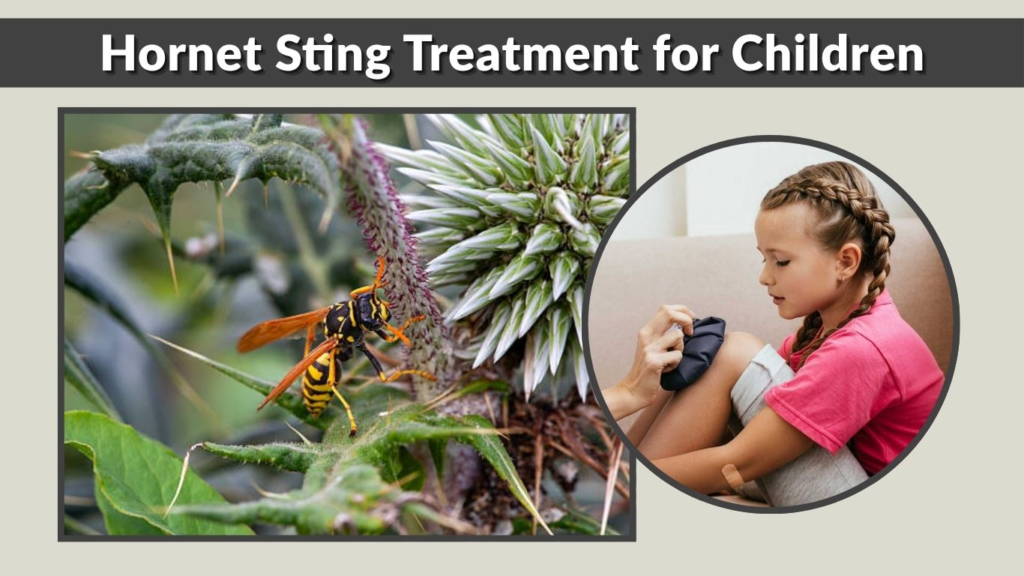
Children can be more sensitive to hornet stings, both physically and emotionally. They may experience more noticeable swelling or react with fear and distress. It is important to stay calm and reassure the child while treating the sting.
Clean the area gently and apply a cold compress to reduce pain and swelling. Use only child-safe medications, such as appropriate doses of antihistamines or pain relievers, and always follow dosage guidelines. Monitor the child closely for any unusual symptoms, especially breathing difficulty or excessive swelling. If anything seems severe or unusual, seek medical advice promptly.
What Not to Do After a Hornet Sting
- Do not scratch the sting area, as it can worsen irritation and increase infection risk
- Avoid applying heat, which can increase swelling and discomfort
- Do not ignore symptoms that continue to worsen over time
- Avoid wearing tight clothing over the affected area
Avoiding these common mistakes can help the sting heal faster and reduce complications.
FAQs
Does a hornet leave its stinger?
Hornets usually do not leave their stinger behind, which allows them to sting multiple times. This makes their stings more aggressive compared to bees, which typically leave the stinger embedded in the skin.
Can I treat a hornet sting at home?
Yes, most hornet stings can be treated at home using simple first aid steps such as cleaning the area, applying a cold compress, and using over-the-counter medications. However, medical attention is necessary if severe symptoms develop.
How painful is a hornet sting?
Hornet stings are known for causing sharp and intense pain due to their venom. The pain is immediate but usually decreases within a few hours, followed by mild swelling and itching.
What is the fastest way to reduce swelling?
The fastest way to reduce swelling is by applying a cold compress as soon as possible. Antihistamines can also help minimize the body’s allergic response and reduce inflammation effectively.
Can hornet stings be dangerous?
Hornet stings can be dangerous, especially for people with allergies or if multiple stings occur. Severe reactions like anaphylaxis require immediate medical attention and should never be ignored.
