
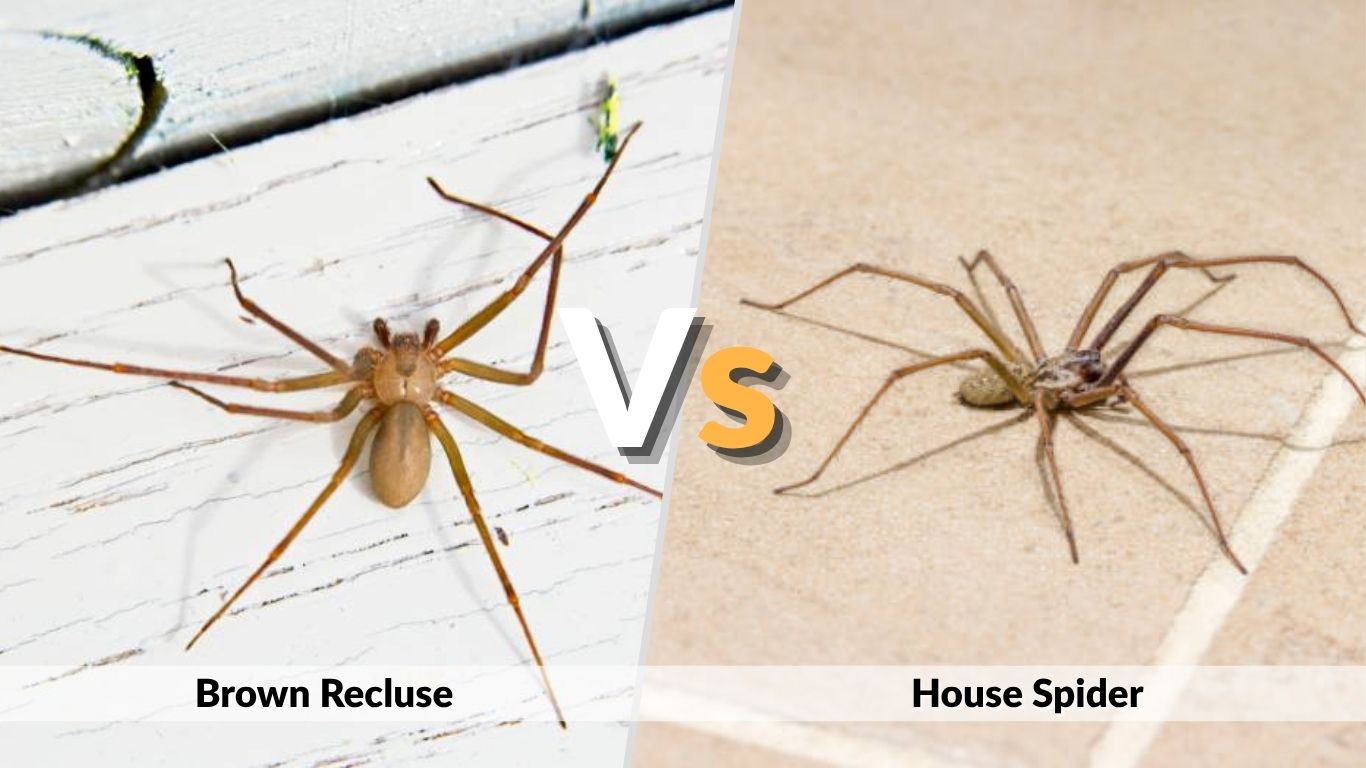
Brown recluse vs house spider is a common comparison because many people confuse these two spiders inside their homes. Both are brown in color and often found in indoor environments, which leads to frequent misidentification. However, they are very different in appearance, behavior, and risk level.
This confusion can cause unnecessary fear, especially since the brown recluse is known for its medically significant venom. In contrast, most house spiders are harmless and even beneficial, as they help control insect populations. Learning how to tell them apart is important for safety and peace of mind.
Brown Recluse vs House Spider (Quick Comparison)
| Feature | Brown Recluse | House Spider |
| Size | Small to medium | Small to medium |
| Color | Uniform light brown | Brown with patterns |
| Eyes | 6 eyes | 8 eyes |
| Venom | Medically significant | Harmless |
| Behavior | Shy, hides | Builds webs |
What Is a Brown Recluse Spider?
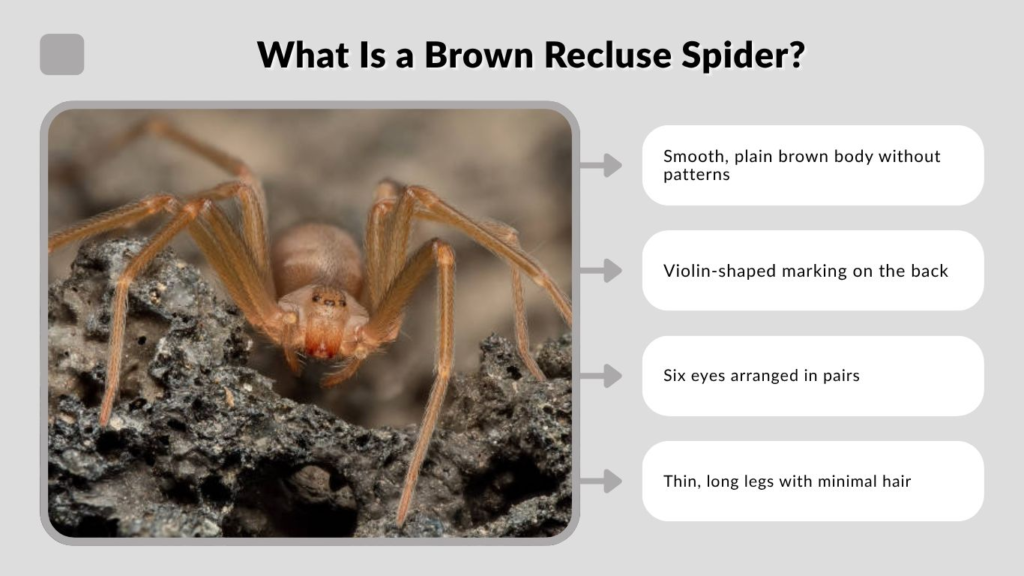
The brown recluse spider is one of the most well-known spiders due to its reputation and distinctive appearance. It is often identified by a violin-shaped marking on its back, which points toward its abdomen. Its body is smooth and lacks bold patterns or stripes.
Brown recluse spiders prefer quiet, undisturbed areas such as closets, basements, attics, and storage spaces. They are called “recluse” because they avoid human contact and tend to stay hidden. Most bites occur accidentally when the spider is pressed against the skin.
Key Characteristics of Brown Recluse
- Smooth, plain brown body without patterns
- Violin-shaped marking on the back
- Six eyes arranged in pairs
- Thin, long legs with minimal hair
What Is a House Spider?
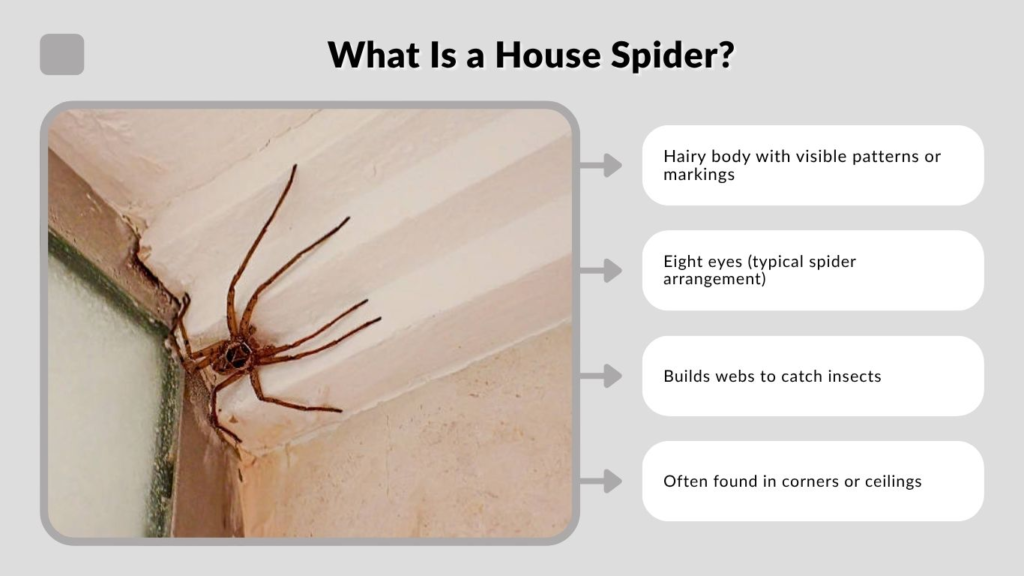
House spiders refer to a group of common spiders that live indoors. This includes species like the American house spider, southern house spider, and giant house spider. These spiders are harmless and are often found in corners, ceilings, and behind furniture.
Unlike brown recluse spiders, house spiders build webs to catch prey. Their appearance can vary depending on the species, but they usually have patterned bodies and a more textured, hairy look.
Key Characteristics of House Spider
- Hairy body with visible patterns or markings
- Eight eyes (typical spider arrangement)
- Builds webs to catch insects
- Often found in corners or ceilings
Main Differences Between Brown Recluse and House Spider
| Factor | Brown Recluse | House Spider |
| Body Texture | Smooth | Hairy |
| Markings | Violin shape | Patterns/stripes |
| Eye Count | 6 | 8 |
| Web Use | Rarely uses webs | Builds webs |
The easiest way to distinguish these spiders is by looking at their body and markings. Brown recluse spiders appear plain and smooth, while house spiders are usually patterned and slightly hairy. Web presence is another strong clue—house spiders rely on webs, while brown recluse spiders do not.
How to Identify Brown Recluse vs House Spider
Correct identification is essential, especially when dealing with a potential bite or spotting a spider indoors. Looking at multiple features together gives the most accurate result.
Visual Identification Checklist
- Look for a violin-shaped marking (brown recluse only)
- Count the eyes if possible: six vs eight
- Check body texture: smooth vs hairy
- Observe environment: hiding vs web-building
Common Misidentification Mistakes
One of the most common mistakes is confusing the southern house spider with the brown recluse. They can look similar in color, but the southern house spider is larger, hairier, and has more visible features.
People also mistake other harmless spiders for brown recluses simply because they are brown. This often leads to unnecessary concern, even though most indoor spiders are not dangerous.
Brown Recluse vs House Spider Size Comparison
When comparing size, both spiders can appear similar at first glance. However, house spiders, especially giant house spiders, can grow larger and have a more robust appearance.
Brown recluse spiders tend to look smaller and more delicate due to their thin legs and smooth bodies. Still, size alone is not a reliable identification factor, as both types can vary depending on age and species.
Species Comparison: House Spider Variations
Southern House Spider vs Brown Recluse
The southern house spider is one of the most commonly confused species. While it may resemble a brown recluse in color, it has a larger, hairier body and lacks the distinct violin marking. It is also harmless to humans.
American House Spider vs Brown Recluse
The American house spider is smaller and more patterned compared to the brown recluse. It builds messy webs in corners and is rarely seen moving around, unlike the more reclusive brown recluse.
Giant House Spider vs Brown Recluse
Giant house spiders are much larger and faster than brown recluse spiders. Their size alone usually makes them easy to distinguish. They are harmless despite their intimidating appearance.
Bite Comparison: Brown Recluse vs House Spider
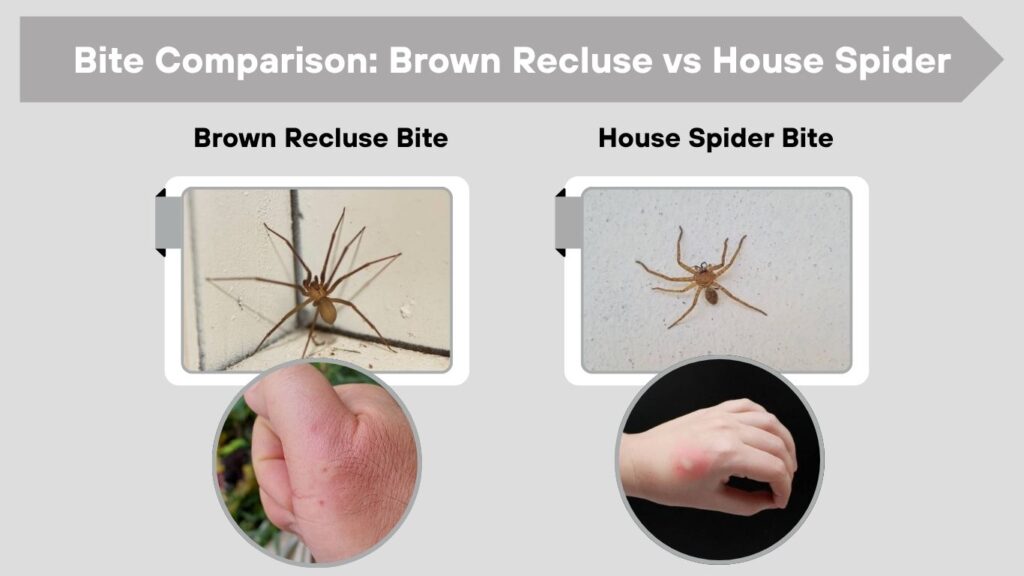
| Feature | Brown Recluse Bite | House Spider Bite |
| Pain Level | Mild at first, increases later | Mild, short-lived |
| Symptoms | Redness, blister, possible ulcer | Redness, slight swelling |
| Healing Time | Weeks (severe cases) | Few days |
| Danger Level | Potentially serious | Harmless |
Brown recluse bites are rare but can be medically significant. In many cases, the bite may not be painful at first but can worsen over time. Some bites may develop into blisters or ulcers, and in rare cases, tissue damage can occur.
House spider bites are uncommon and usually harmless. If they do bite, the reaction is mild and similar to a small insect bite. Symptoms typically include slight redness and irritation that goes away within a few days.
Which Spider Is More Dangerous?
Between the two, the brown recluse is more dangerous due to its venom. However, it is important to remember that bites are uncommon and usually occur only when the spider is disturbed or trapped.
House spiders are not considered dangerous to humans. They rarely bite and prefer to stay in their webs, avoiding contact with people. In fact, they are beneficial because they help reduce other insect populations inside the home.
Habitat and Behavior Differences
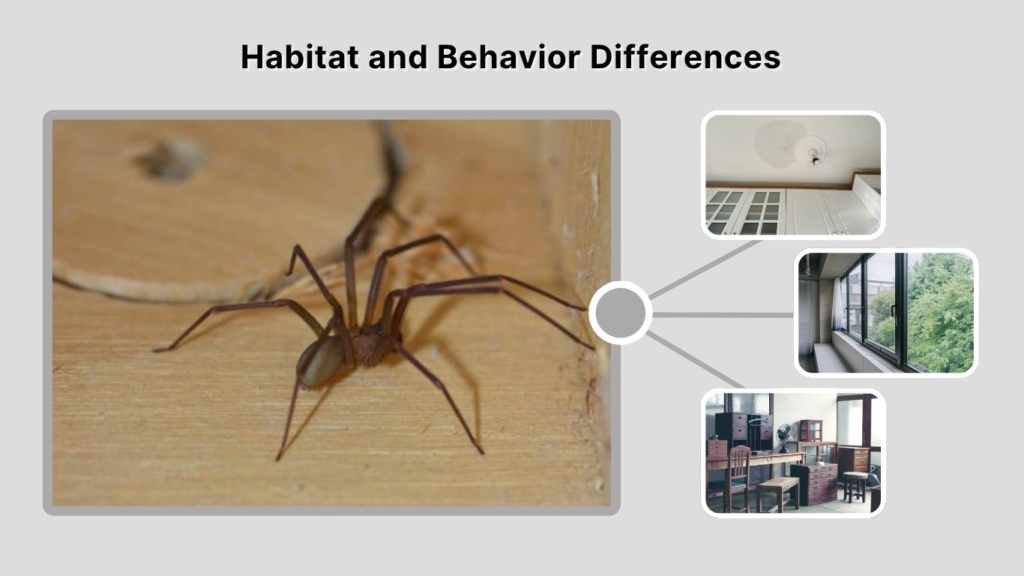
Where Brown Recluse Spiders Live
Brown recluse spiders prefer dark, quiet, and undisturbed areas. They are commonly found in basements, closets, attics, and storage boxes. They tend to hide in places where they are unlikely to be disturbed.
Where House Spiders Are Found
House spiders are commonly found in corners, ceilings, windows, and behind furniture. They build webs to catch insects and usually stay in one place rather than moving around frequently.
Hunting and Web Behavior
Brown recluse spiders do not rely heavily on webs to catch prey. Instead, they wander and hunt occasionally. House spiders, on the other hand, depend on their webs to trap insects and rarely leave them.
Brown Recluse vs House Spider: Who Would Win?
In a direct encounter, the outcome would depend on factors such as size and timing. Larger house spiders may have a physical advantage, especially species like the giant house spider.
However, the brown recluse has stronger venom. If it successfully bites, it could potentially harm the house spider. In reality, these spiders rarely interact, as they have different behaviors and habitats.
Prevention and Safety Tips
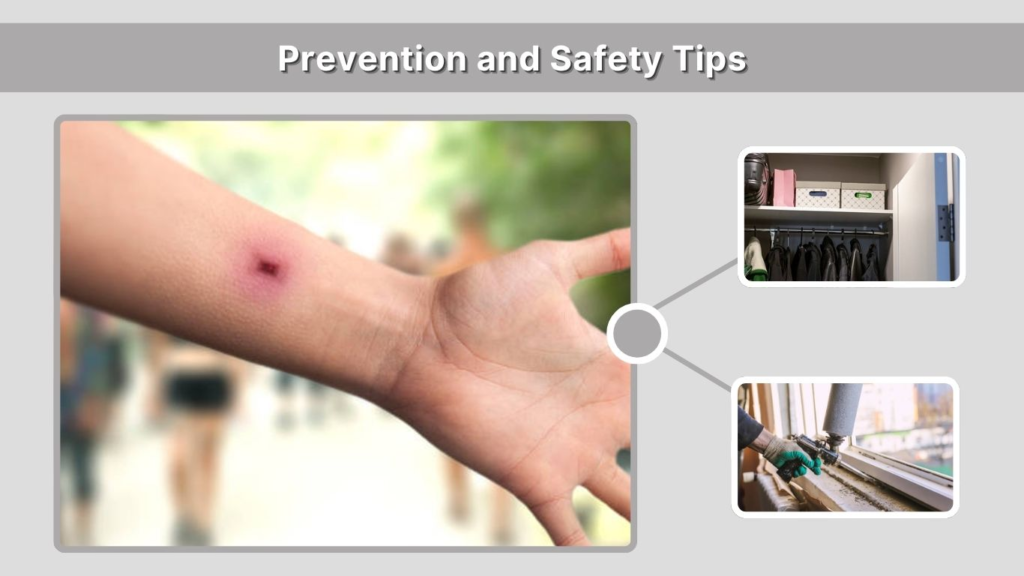
How to Avoid Spider Bites
- Keep storage areas clean and uncluttered
- Shake out clothes, shoes, and bedding
- Seal cracks and gaps in walls or windows
- Wear gloves when handling boxes or wood
What to Do If You See a Spider
If you encounter a spider indoors, avoid direct contact. Use a container to safely capture and release it outside if needed. If you are unsure about the species, it is best to keep a safe distance and observe rather than handle it.
FAQs
How can you tell a brown recluse from a house spider?
The main differences are in markings and body texture. Brown recluse spiders have a smooth body with a violin-shaped marking and six eyes, while house spiders are usually hairy, patterned, and have eight eyes. Web presence is also a clue—house spiders build webs, but brown recluse spiders do not rely on them.
Are house spiders dangerous like brown recluse?
No, house spiders are not dangerous. They rarely bite humans and do not have medically significant venom. Brown recluse spiders, while also not aggressive, can cause more serious reactions if they bite, which is why they are considered more dangerous.
Do house spiders bite humans?
House spiders can bite, but it is very rare. They prefer to avoid humans and stay in their webs. If a bite does occur, it is usually mild and causes only slight irritation, similar to a minor insect bite.
Where are brown recluse spiders commonly found?
Brown recluse spiders are typically found in dark, undisturbed indoor areas such as basements, closets, and storage spaces. They are more common in certain regions and are not found everywhere, which helps reduce the likelihood of encountering one.
Can a house spider be mistaken for a brown recluse?
Yes, especially species like the southern house spider. Their brown color can cause confusion, but differences in body texture, markings, and behavior usually make identification possible with closer inspection.
