
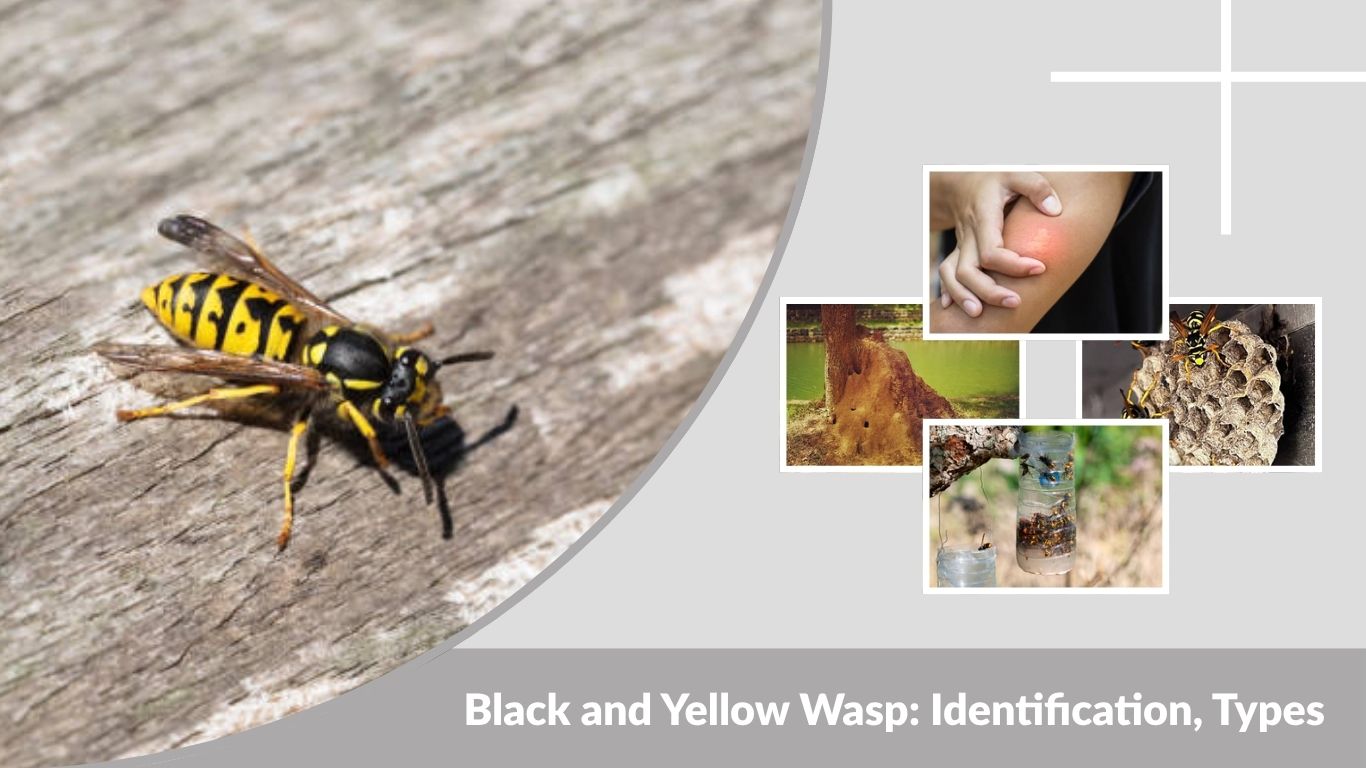
Black and yellow wasps are among the most recognizable flying insects, often seen buzzing around gardens, homes, and outdoor food areas. Their striking black-and-yellow striped bodies make them easy to spot, but also easy to confuse with bees. While they may look similar at first glance, wasps behave very differently and can be more aggressive in certain situations.
Understanding these insects is important not only for avoiding painful stings but also for appreciating their role in nature. Many people view wasps purely as pests, yet they contribute significantly to the ecosystem by controlling other insect populations and even assisting in pollination.
In this guide, we’ll explore what black and yellow wasps are, the different types you may encounter, how to identify them, and how to stay safe around them. By the end, you’ll have a clear understanding of whether these insects are a threat—or an unexpected ally.
What Is a Black and Yellow Wasp?
A black and yellow wasp is not a single species but a general term used to describe several types of wasps that share similar coloration. These insects typically belong to the Vespidae family, which includes well-known groups such as yellow jackets, paper wasps, and hornets.
What makes these wasps stand out is their bold color pattern—bright yellow combined with deep black markings. This distinctive appearance is not just for show; it serves an important biological purpose.
Unlike bees, black and yellow wasps usually have smooth, shiny bodies with very little hair. Their bodies are also more slender, with a narrow “waist” connecting the thorax and abdomen. This streamlined shape helps them move quickly and efficiently, especially when hunting prey.
These wasps are found in many parts of the world, including Asia, Europe, and North America. They adapt well to different environments, from forests and gardens to urban areas, which is why you often encounter them near homes.
Why Are They Black and Yellow?
The black and yellow coloration of these wasps is a classic example of warning coloration, also known as aposematism. This color pattern signals danger to potential predators, indicating that the insect can sting and should be avoided.
Over time, predators such as birds and small mammals learn to associate these colors with pain or danger. As a result, wasps benefit from reduced attacks, increasing their chances of survival.
Interestingly, this warning system is so effective that other harmless insects sometimes mimic the same color pattern to protect themselves—a phenomenon known as mimicry.
Common Types of Black and Yellow Wasps
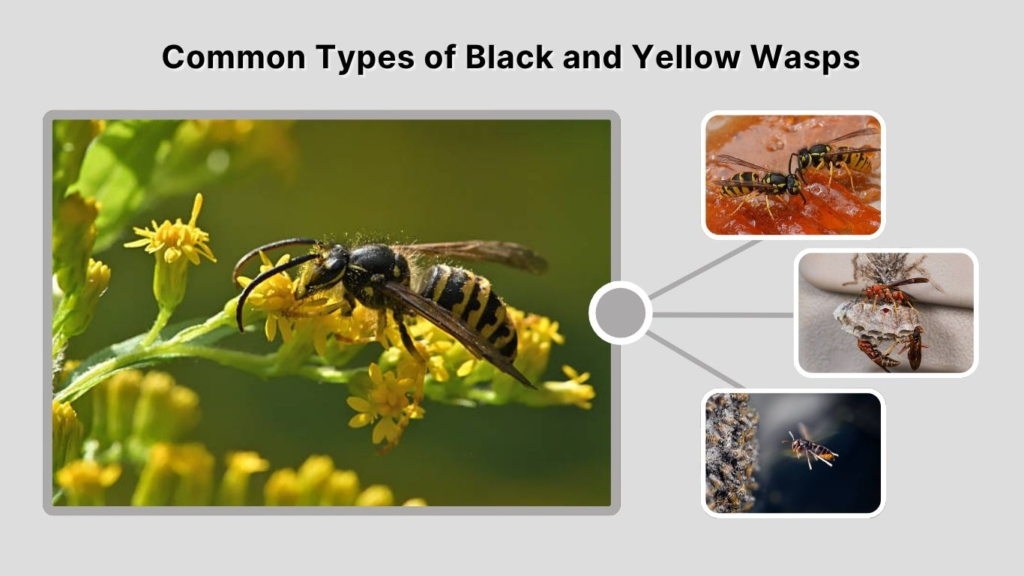
There are several types of black and yellow wasps, each with its own behavior, habitat, and level of aggressiveness. Understanding these differences can help you identify which type you are dealing with.
Yellow Jackets
Yellow jackets are perhaps the most well-known and commonly encountered black and yellow wasps. They are highly social insects that live in large colonies, often numbering thousands of individuals.
These wasps are known for their aggressive behavior, especially when their nests are disturbed. They are also strongly attracted to sugary foods, meat, and garbage, which is why they frequently appear at picnics and outdoor gatherings.
Yellow jackets often build their nests underground, in wall cavities, or in hidden spaces, making them difficult to detect until it’s too late.
Paper Wasps
Paper wasps are generally less aggressive than yellow jackets and are easier to identify due to their long legs and slender bodies. They build open, umbrella-shaped nests made from a paper-like material created by chewing wood fibers.
These nests are usually found hanging from eaves, tree branches, or ceilings. Unlike yellow jackets, paper wasps tend to be more docile and will only sting if they feel directly threatened.
They are also beneficial because they prey on garden pests such as caterpillars, helping to protect plants naturally.
Hornets
Hornets are a larger type of wasp and are known for their strong, defensive behavior. While not all hornets are strictly black and yellow, many species share similar markings.
They build large, enclosed nests that are often found in trees or high structures. Hornets can be more intimidating due to their size, but they usually attack only when their nest is disturbed.
Like other wasps, they play an important role in controlling insect populations.
Mud Daubers (Optional)
Mud daubers are a less aggressive type of wasp that can also display black and yellow coloration. Unlike social wasps, they are solitary and do not form colonies.
They build small nests out of mud, often on walls or sheltered surfaces. These wasps rarely sting humans and are generally considered harmless.
How to Identify a Black and Yellow Wasp
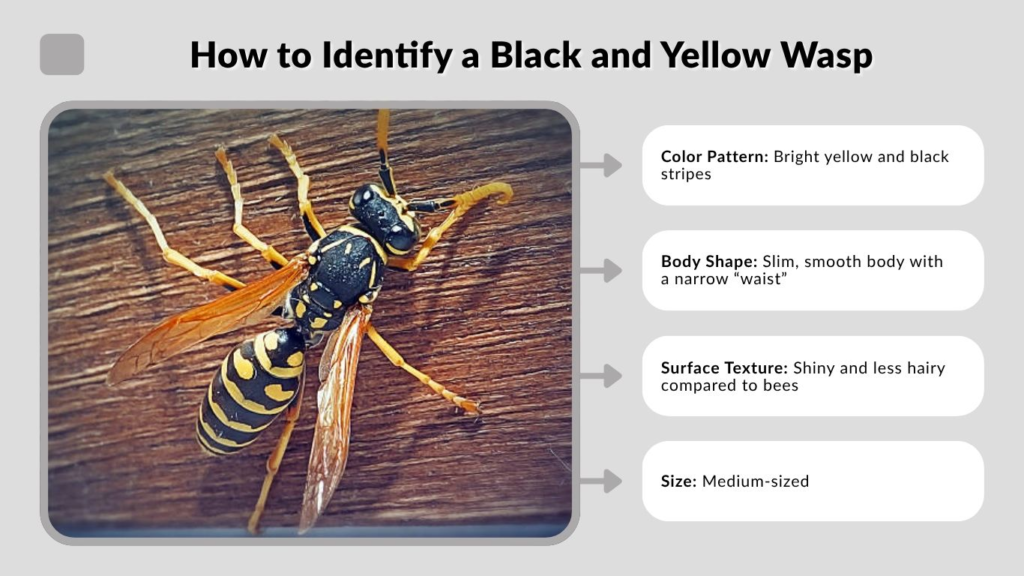
Identifying a black and yellow wasp is relatively easy once you know what features to look for. These insects have distinct physical traits and behaviors that set them apart from bees and other flying insects. Paying attention to their body shape, color pattern, and movement can help you quickly recognize them.
Quick Identification Checklist
- Color Pattern: Bright yellow and black stripes (warning coloration)
- Body Shape: Slim, smooth body with a narrow “waist”
- Surface Texture: Shiny and less hairy compared to bees
- Size: Medium-sized (varies by species, usually 10–25 mm)
- Wings: Transparent wings that fold lengthwise when at rest
- Legs: Long and often hang down during flight (common in paper wasps)
- Movement: Fast, active, and more aggressive flight behavior
- Stinger: Capable of stinging multiple times
Simple Tip
If the insect looks smooth, slender, and fast-moving, it’s likely a wasp. If it appears fuzzy and slow, it’s probably a bee.
Black and Yellow Wasp Habitat and Nesting Behavior
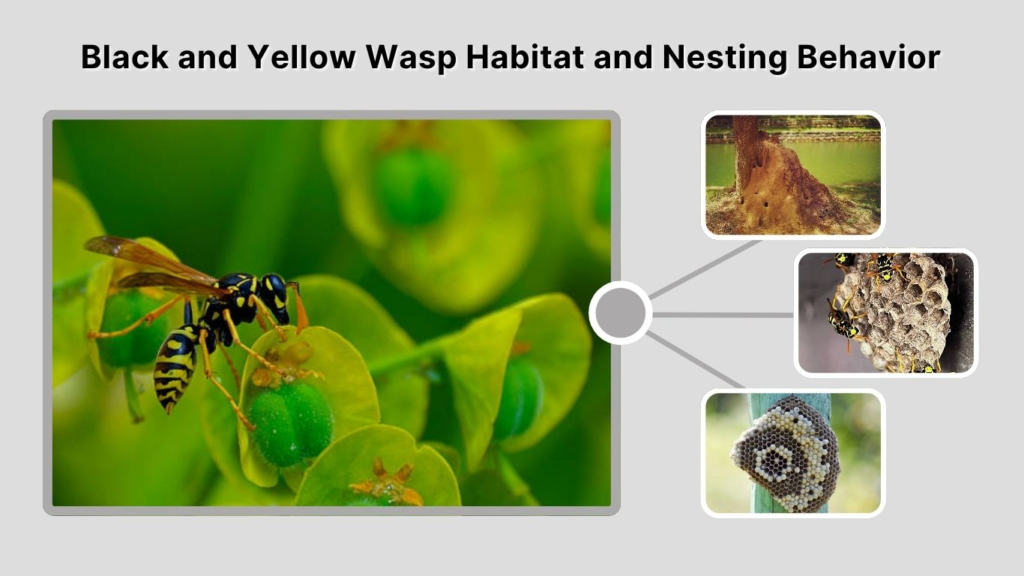
Black and yellow wasps are highly adaptable and can thrive in a variety of environments. You’ll commonly find them in gardens, forests, parks, and even densely populated urban areas.
Where Do They Live?
These wasps prefer locations where food is easily available. This includes areas near flowers, garbage bins, outdoor dining spaces, and water sources. Their ability to live close to humans often leads to frequent encounters.
Types of Nests
Different species build different types of nests:
- Underground nests: Common among yellow jackets, often hidden in soil or abandoned burrows
- Hanging paper nests: Built by paper wasps under roofs, branches, or ledges
- Enclosed aerial nests: Created by hornets, usually in trees or high structures
These nests are made from chewed wood fibers mixed with saliva, forming a paper-like material that is both strong and lightweight.
Seasonal Activity
Black and yellow wasps are most active during warmer months, especially in late summer when their colonies are at peak size. During this time, they are more likely to come into contact with humans.
As temperatures drop, most of the colony dies off, leaving only fertilized queens to survive and start new colonies the following year.
Black and Yellow Wasp Behavior and Aggression
Wasps are often labeled as aggressive insects, but their behavior is usually defensive rather than hostile. They become dangerous primarily when they feel threatened or when their nest is disturbed.
Certain triggers can increase their aggression, including sudden movements, strong smells (like perfumes or food), and vibrations near their nest. Yellow jackets, in particular, are known for being more aggressive compared to other species.
Do Black and Yellow Wasps Sting?
Yes, black and yellow wasps can sting, and unlike bees, they are capable of stinging multiple times. This is because their stinger is not barbed, allowing them to attack repeatedly.
Wasps use their sting both for defense and for hunting prey. A single sting can be painful, but multiple stings—especially from a swarm—can be dangerous.
Wasp Stings: Symptoms and Treatment
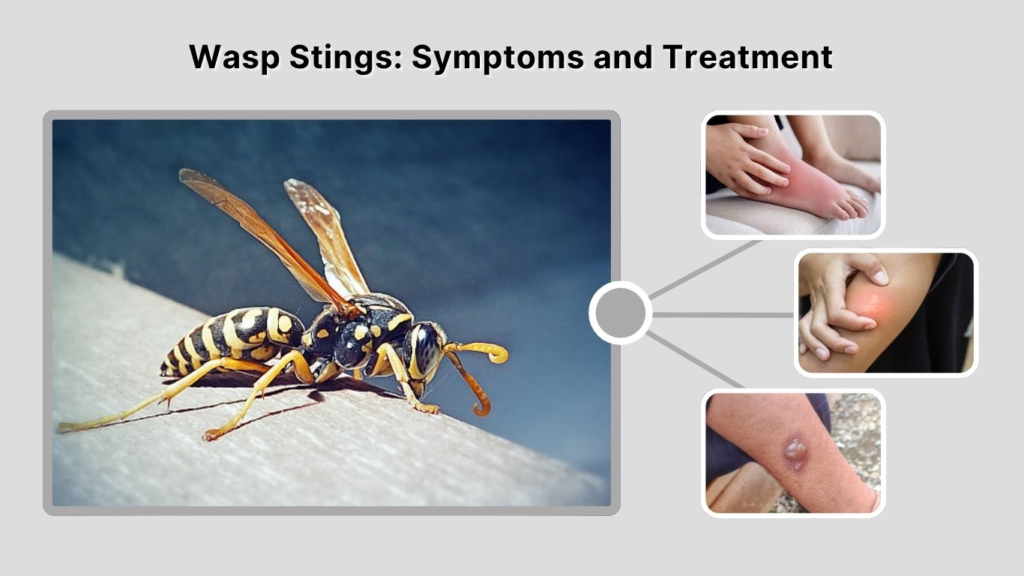
Getting stung by a wasp can be an unpleasant experience, but most stings are not life-threatening unless an allergic reaction occurs.
Common Symptoms
- Sharp, immediate pain
- Redness and swelling
- Itching or irritation around the sting site
These symptoms usually subside within a few hours to a couple of days.
First Aid Tips
If you are stung by a wasp, follow these steps:
- Clean the area with soap and water
- Apply a cold compress or ice pack to reduce swelling
- Take an antihistamine to relieve itching and discomfort
When to Seek Medical Help
Seek immediate medical attention if you experience:
- Difficulty breathing
- Swelling of the face or throat
- Dizziness or fainting
These could be signs of a severe allergic reaction (anaphylaxis), which requires urgent treatment.
Benefits of Black and Yellow Wasps
Despite their reputation, black and yellow wasps play a valuable role in the environment.
They are natural predators that feed on insects such as caterpillars, flies, and other pests. This helps control harmful insect populations and benefits agriculture and gardens.
Some wasps also contribute to pollination, although not as efficiently as bees. By visiting flowers in search of food, they help transfer pollen between plants.
Overall, wasps are an important part of the ecosystem and help maintain ecological balance.
How to Prevent and Control Wasps
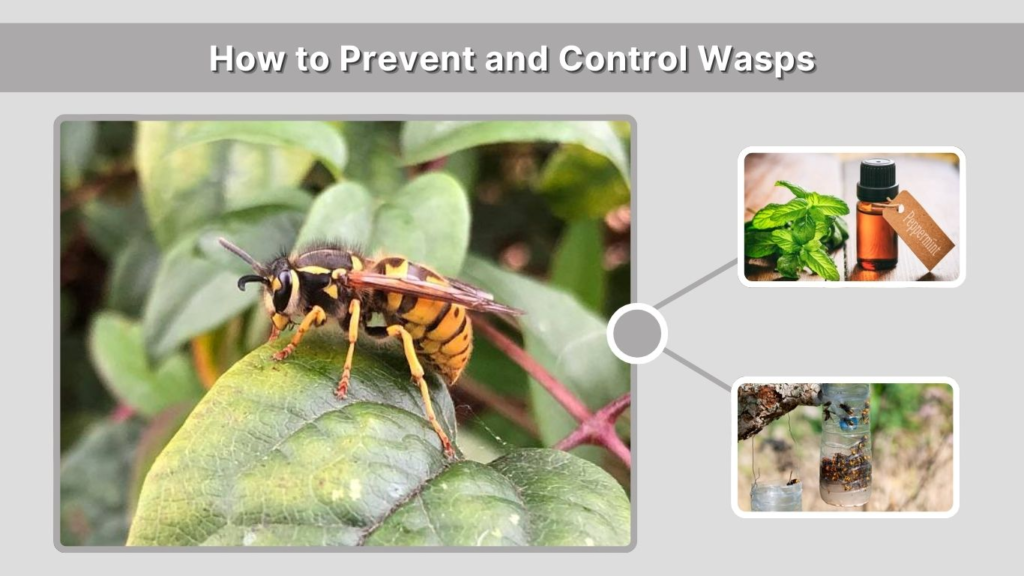
While it’s best to coexist with wasps when possible, there are steps you can take to reduce unwanted encounters.
Prevention Tips
- Keep food and drinks covered when outdoors
- Dispose of garbage properly and keep bins sealed
- Avoid wearing strong perfumes or bright floral patterns
- Seal cracks and openings around your home
Safe Removal Methods
- Use natural repellents like peppermint oil
- Set up wasp traps away from living areas
- Remove small nests early, if safe to do so
When to Call Professionals
If you discover a large nest or one located in a dangerous area (such as inside walls or near entrances), it’s best to contact pest control professionals. Attempting to remove large nests on your own can be risky.
Conclusion
Black and yellow wasps are fascinating yet often misunderstood insects. While they can pose a risk due to their ability to sting, they are not naturally aggressive and usually attack only when threatened.
By learning how to identify different types of wasps, understanding their behavior, and taking simple precautions, you can reduce the chances of negative encounters. At the same time, it’s important to recognize their role in controlling pests and supporting the ecosystem.
With the right knowledge, it’s possible to stay safe while coexisting with these important insects.
FAQs
What is the difference between a black and yellow wasp and a bee?
Wasps have smooth, shiny bodies and a narrow waist, while bees are fuzzy and rounder. Wasps are also more aggressive and can sting multiple times.
Are black and yellow wasps dangerous to humans?
They can be dangerous if provoked or if their nest is disturbed. Most stings are mild, but allergic reactions can be serious.
What attracts black and yellow wasps?
They are attracted to sugary foods, meat, garbage, strong scents, and bright colors, especially during warmer months.
Can black and yellow wasps sting more than once?
Yes, unlike bees, wasps can sting repeatedly because their stinger is not barbed.
Where do black and yellow wasps build their nests?
They build nests in various places, including underground, in trees, under roofs, or inside wall cavities, depending on the species.
