

Red dragonflies are among the most striking insects found around ponds, lakes, and slow-moving streams. Their bright red bodies, fast flight, and bold presence often spark curiosity, leading many people to wonder what they are, whether they are rare, and what they symbolize. Some see red dragonflies as spiritual signs, while others simply admire their beauty in nature. This guide explores what a red dragonfly is, how to identify one, where they live, and how they grow and behave.
What Is a Red Dragonfly?
A “red dragonfly” is not a single species. The term refers to many dragonfly species that develop red or red-orange coloring on their bodies, especially on the abdomen. This red coloration is most common in adult males, while females and younger individuals often appear yellow, brown, or dull orange before turning brighter with age.
Red dragonflies belong mainly to the skimmer family, which is one of the largest dragonfly families in the world. As they mature, pigments build up in their exoskeleton, creating shades that range from light coral and orange-red to deep scarlet. Because of this, people may see “different” red dragonflies in different places even though they all belong to separate species.
These insects are found on almost every continent except Antarctica. They are especially common in warm and temperate regions, where freshwater habitats are abundant. Their bold red color makes them easy to spot when they perch on reeds, fly over ponds, or patrol sunny shorelines.
Physical Appearance of Red Dragonflies
Red dragonflies are admired not only for their color but also for their elegant structure. Their appearance combines delicate wings with powerful flying muscles, allowing them to hover, glide, and dart with precision.
Body Color and Patterns
The most noticeable feature is the red abdomen, often called the “tail.” In some species, the entire body becomes bright red, while in others only certain segments glow red, leaving black or brown markings on the thorax. Some red dragonflies show red saddle-like patches, thin red rings, or dark stripes that contrast sharply with the bright body.
The shade of red can vary widely. Some species appear orange-red or brick-colored, while others look almost crimson. Sunlight often intensifies these colors, making mature males especially vivid during warm afternoons.
Wings, Eyes, and Size
Red dragonflies have two pairs of long, transparent wings held horizontally when resting. In some species, the wing bases may carry a faint amber or reddish tint. Their large compound eyes usually touch at the top of the head, giving them nearly 360-degree vision.
Size depends on the species. Some red dragonflies are small and delicate, while others are large, thick-bodied, and powerful fliers. Despite these differences, all share the same basic dragonfly form: long abdomen, strong thorax, and broad wings built for speed and control.
Red Dragonfly Identification Guide
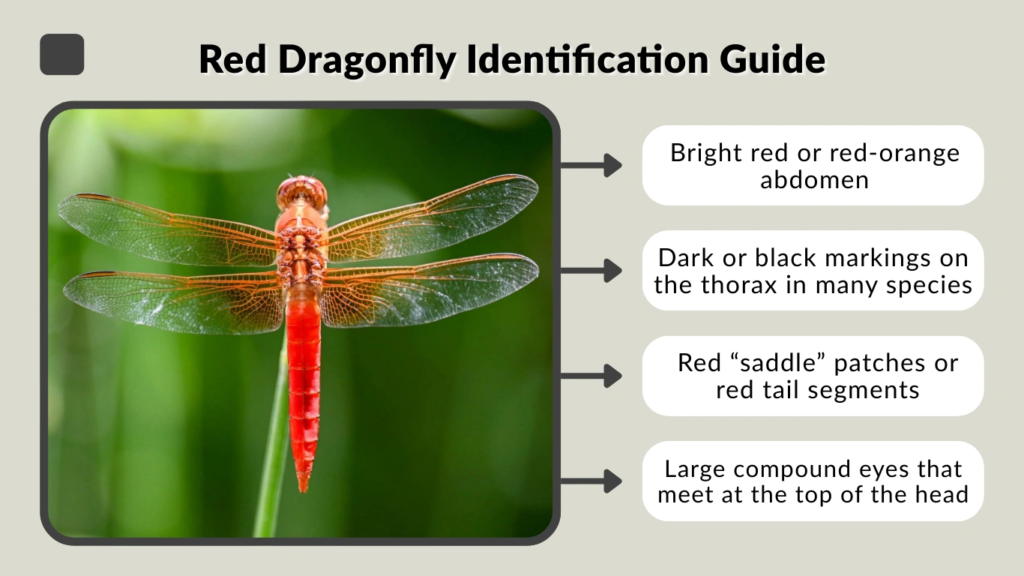
Being able to recognize a red dragonfly in the wild becomes easier once you know the common traits shared by most red species.
- Bright red or red-orange abdomen
- Transparent wings, sometimes lightly tinted near the base
- Dark or black markings on the thorax in many species
- Red “saddle” patches or red tail segments
- Large compound eyes that meet at the top of the head
- Strong, direct flight with frequent hovering
- Males usually brighter red than females
- Almost always seen near freshwater habitats
These features help distinguish red dragonflies from damselflies and from dragonflies that are blue, green, or brown.
Common Types of Red Dragonflies
Many well-known dragonfly species develop red coloration. Some are widespread and familiar, while others are more regional.
Red Saddlebags Dragonfly
The red saddlebags dragonfly is easy to recognize by the red patches near the base of its wings that look like small saddles. Its body is slimmer and often lighter in color than fully red species, but the wing markings make it stand out when flying over ponds and marshes.
Cardinal Meadowhawk and Flame Skimmer
Cardinal meadowhawks are deep red, compact dragonflies commonly seen perched on sticks and shoreline plants. Flame skimmers, by contrast, are larger and often appear fiery orange-red, with wide wings and powerful flight. Both are common in parts of North America and are among the brightest red dragonflies people encounter.
Other Red Dragonfly Species Worldwide
Red dragonflies are found across North America, including California, Texas, Florida, Michigan, and Washington. Similar red species also live in Europe and Asia, where scarlet and crimson dragonflies are common near rice fields, canals, and forest ponds.
Habitat and Distribution
Red dragonflies are closely tied to freshwater. They thrive around ponds, lakes, slow rivers, wetlands, ditches, and even man-made water features such as reservoirs and garden ponds. These environments support both the aquatic young and the flying adults.
They prefer sunny, open areas where they can hunt flying insects and patrol territories. Warm climates often support larger populations, but red dragonflies also appear in cooler regions during summer. Seasonal changes strongly influence their visibility, which is why many people only notice them during certain months of the year.
Life Cycle and Behavior of Red Dragonflies

Like all dragonflies, red dragonflies undergo a fascinating life cycle that is mostly spent underwater.
- Eggs are laid in or near freshwater
- Eggs hatch into aquatic nymphs
- Nymphs live underwater for months or even years
- They hunt small aquatic creatures as ambush predators
- When mature, they crawl out of the water to emerge
- Adults dry their wings before first flight
- Males often defend sunny territories near water
The adult stage is the shortest part of their life, yet it is when their bright red color and graceful flight make them most visible to people.
What Do Red Dragonflies Eat?
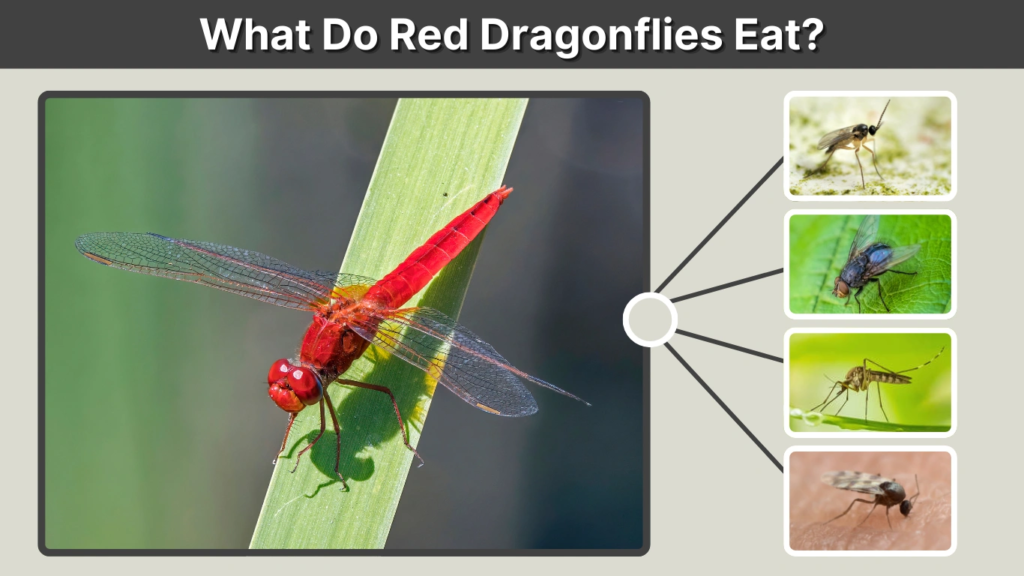
Red dragonflies are active aerial hunters. As adults, they spend much of the day flying back and forth over water and open ground, scanning for small insects. Their diet mainly includes mosquitoes, flies, gnats, moths, and other tiny flying pests. Using their powerful wings and excellent vision, they catch prey midair and eat it while flying or after returning to a perch.
In the nymph stage, red dragonflies are just as predatory. Living underwater, they feed on mosquito larvae, aquatic insects, small crustaceans, and sometimes even tiny tadpoles or fish fry. Because both young and adult dragonflies consume large numbers of pests, red dragonflies play an important role in keeping insect populations balanced.
Are Red Dragonflies Rare?
Many people believe red dragonflies are rare because they often appear suddenly and disappear just as quickly. In reality, most red dragonfly species are not rare at all. Their visibility depends on season, climate, and habitat quality. In many regions, red dragonflies are abundant during warm months but nearly absent in cooler seasons.
Some species are widespread and commonly seen, while others have more limited ranges and may only appear in specific environments. Habitat loss, water pollution, and climate change can affect local populations, making red dragonflies common in some areas and scarce in others. This variation is what creates the impression of rarity.
Are Red Dragonflies Dangerous to Humans?
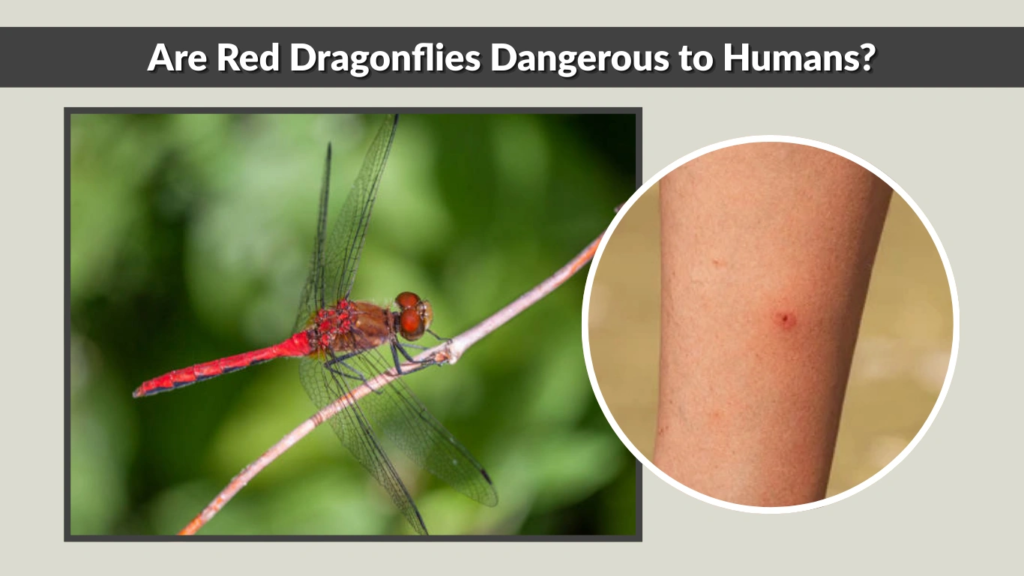
Red dragonflies are harmless insects. They do not sting, are not poisonous, and have no venom. Their reputation as dangerous insects comes mostly from myths and misunderstandings. Dragonflies may occasionally grab human skin if handled, but their tiny jaws are not capable of causing real injury.
In fact, red dragonflies are beneficial to people. By feeding on mosquitoes and agricultural pests, they help reduce insect populations that spread disease or damage crops. Seeing red dragonflies around a pond or garden is usually a sign of a healthy ecosystem.
Red Dragonfly Meaning and Symbolism
Across many cultures, dragonflies are associated with change, adaptability, and the hidden depths of life. The red dragonfly, because of its color, adds emotional and spiritual symbolism to these general meanings.
- Passion and emotional intensity
- Transformation and personal growth
- Strength, courage, and confidence
- Vitality and life-force energy
- Love and heart symbolism
- Spiritual awareness and mindfulness
- Good luck and positive change
These symbolic meanings are not scientific facts, but they reflect how people throughout history have interpreted the dragonfly’s sudden appearance, bright color, and short but brilliant adult life.
Spiritual Meaning of a Red Dragonfly
What It Means When You See a Red Dragonfly
Many spiritual traditions interpret seeing a red dragonfly as a message of emotional awakening or personal transformation. It may symbolize that a person is entering a new phase of life, letting go of old habits, or reconnecting with passion and inner strength. Because red is often associated with the heart, energy, and action, a red dragonfly sighting is sometimes viewed as encouragement to follow strong feelings or take meaningful steps forward.
Red Dragonfly Meaning in Different Cultures
In some Asian traditions, red dragonflies are connected with happiness, strength, and seasonal change. Native folklore often links dragonflies to movement between worlds, illusion, and spiritual insight. In modern spiritual beliefs, the red dragonfly frequently represents rebirth, emotional healing, and the courage to face transformation.
Red Dragonflies in Art, Tattoos, and Beliefs
Red dragonflies are popular in tattoos, jewelry, fabric designs, and decorative art. As tattoo symbols, they often represent transformation, freedom, resilience, love, or surviving difficult life changes. The red color adds themes of passion, vitality, and emotional depth.
In decorative arts, red dragonflies are used to symbolize beauty, motion, and positive energy. Their sleek form and bold color make them a favorite motif in lamps, paintings, and spiritual imagery, where they are seen as reminders of growth, balance, and renewal.
Red Dragonflies Compared to Other Colors
Dragonflies appear in many colors, including blue, green, yellow, black, and brown. While their behavior is generally similar, people often assign different symbolic meanings to each color. Blue dragonflies are commonly linked with calm and wisdom, green with nature and healing, and black with mystery. Red dragonflies, however, are most often associated with passion, energy, and strong emotional or spiritual shifts, making them stand out both visually and symbolically.
FAQs
What does a red dragonfly symbolize?
A red dragonfly often symbolizes passion, strength, transformation, and emotional energy. Many people associate it with personal growth, courage, and renewed motivation. Spiritually, it is sometimes seen as a sign of positive change, deeper awareness, or an invitation to reconnect with inner power.
Are red dragonflies rare?
Most red dragonflies are not rare, but they can seem uncommon because they are highly seasonal and depend on healthy freshwater habitats. Some species are widespread and abundant, while others are limited to certain regions, which affects how often people encounter them.
Are red dragonflies dangerous or poisonous?
Red dragonflies are harmless to humans. They do not sting, are not poisonous, and very rarely bite. Even if handled, they cannot cause injury. They are beneficial insects that help control mosquito and pest populations in natural environments.
What does it mean when you see a red dragonfly?
Spiritually, seeing a red dragonfly is often interpreted as a sign of emotional change, personal transformation, or renewed passion. Many people view it as encouragement to move forward, release old patterns, and embrace new stages of growth or awareness.
Are there different species of red dragonflies?
Yes. “Red dragonfly” describes many species, not just one. Examples include cardinal meadowhawks, flame skimmers, and red saddlebags. Each species varies in shade, size, markings, and geographic range, but all share red coloration at maturity.
