
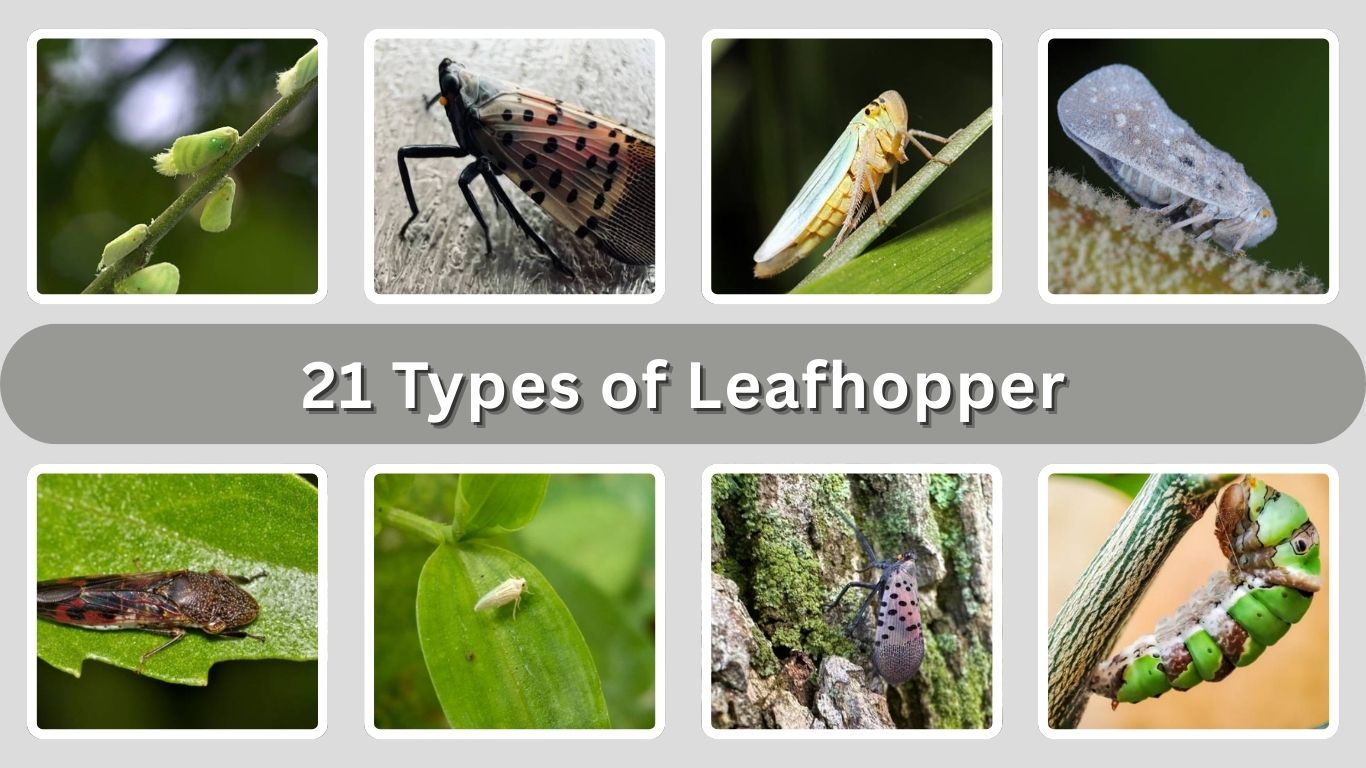
Leafhoppers are small, sap-feeding insects that can cause significant damage to crops and ornamental plants. Known for their jumping ability and quick movements, they feed by piercing plant tissues and extracting sap, often leading to discoloration, stunted growth, and disease transmission. With various species affecting different plants, managing leafhopper infestations is crucial to protect crop yield and plant health, making early detection and control important for gardeners and farmers alike.
1. Green Leafhopper
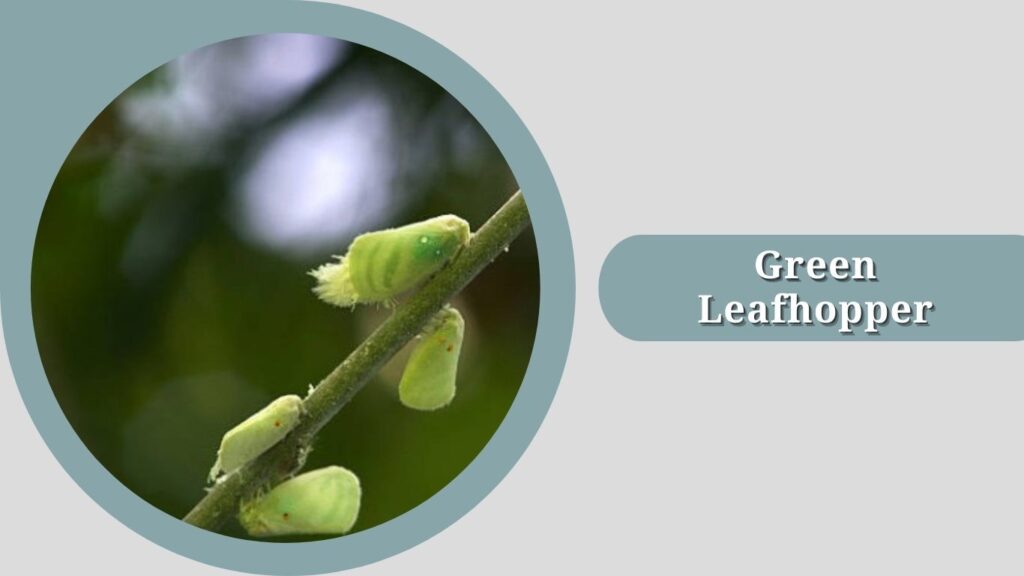
The Green Leafhopper is one of the most common and easily recognizable leafhopper species, widely known for its bright green coloration and active movement on plant surfaces. It is often found in agricultural fields, gardens, and grasslands, where it feeds on plant sap and may act as a vector for plant diseases.
Identification
- Small, slender body with a wedge-shaped appearance
- Bright green to yellow-green coloration
- Transparent or pale green wings held roof-like over the body
- Strong hind legs adapted for jumping
Habitat and Distribution
Green Leafhoppers are commonly found in warm and temperate regions. They inhabit crop fields, meadows, orchards, and areas with abundant vegetation.
Feeding Behavior
They feed by piercing plant tissues and sucking sap, which can lead to leaf discoloration, curling, or reduced plant vigor when populations are high.
Agricultural Importance
This leafhopper is considered a significant pest in some crops due to its feeding damage and its ability to transmit plant pathogens, especially in cereals and vegetables.
2. Brown Leafhopper
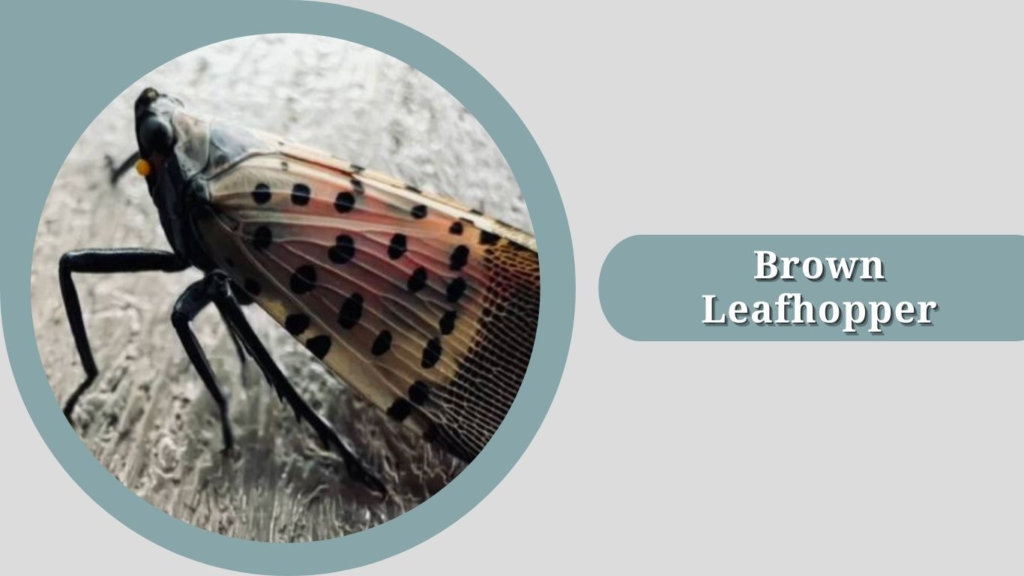
The Brown Leafhopper is a well-known agricultural pest, especially in cereal-growing regions. It is notorious for causing significant crop damage through heavy sap feeding and for transmitting plant diseases that can severely reduce yields.
Identification
- Medium-sized leafhopper with a slender body
- Brown to dark brown coloration
- Narrow wings folded neatly over the back
- Long hind legs adapted for quick jumping
Habitat and Distribution
Brown Leafhoppers are mainly found in tropical and subtropical regions. They are commonly associated with crop fields, particularly areas with dense plant growth and high humidity.
Feeding Behavior
They feed on plant sap at the base and stems, weakening plants and causing symptoms such as yellowing, wilting, and stunted growth.
Agricultural Importance
This species is considered a major pest in agriculture, as large infestations can lead to severe crop losses and plant death, making effective management essential.
3. Blue Leafhopper
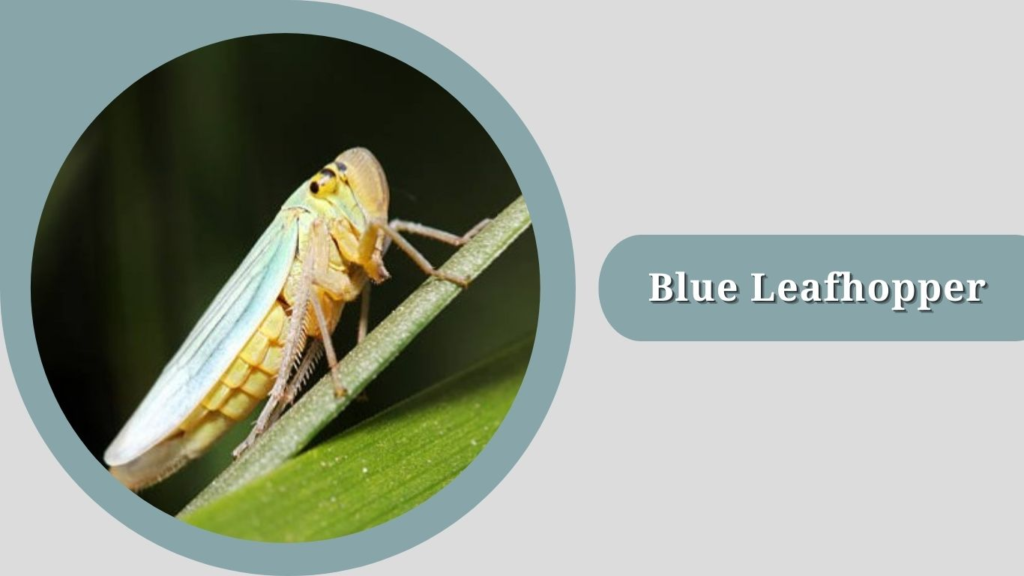
The Blue Leafhopper is a less common but visually distinctive leafhopper species, recognized for its bluish body tones. It is typically found on shrubs and small plants, where it feeds quietly but can still affect plant health when present in large numbers.
Identification
- Small to medium-sized body with a wedge-shaped form
- Blue to bluish-green coloration
- Smooth body surface with subtle markings
- Transparent wings held roof-like over the body
Habitat and Distribution
Blue Leafhoppers are usually found in gardens, grasslands, and natural vegetation zones, preferring areas with moderate humidity and diverse plant life.
Feeding Behavior
They pierce plant tissues and extract sap, which may cause light spotting, leaf curling, or reduced growth in affected plants.
Ecological Role
Although not always a serious pest, the Blue Leafhopper plays a role in the ecosystem as part of the food chain for birds, spiders, and predatory insects.
4. White Leafhopper
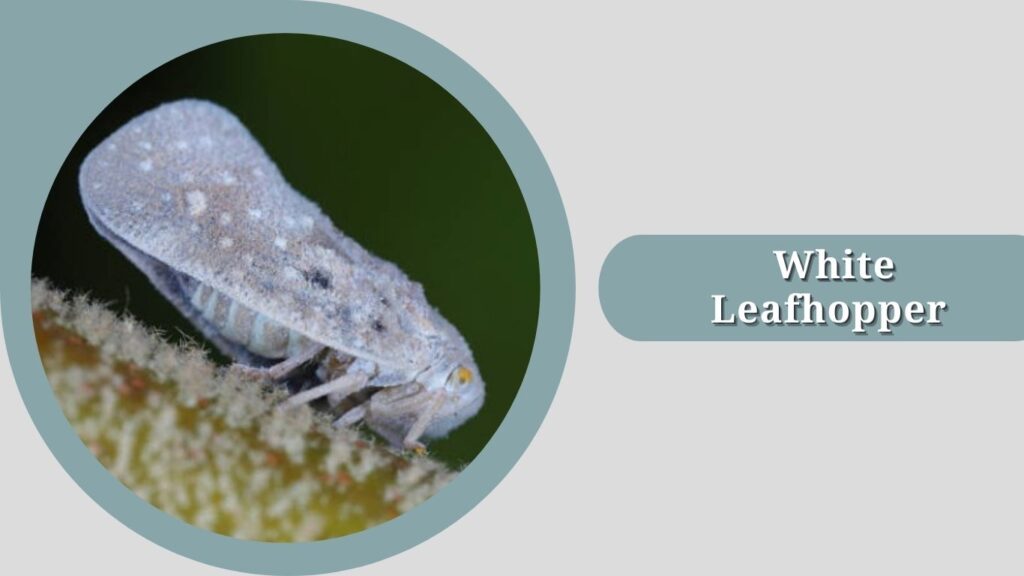
The White Leafhopper is a small, pale-colored species commonly observed on the undersides of leaves. Its light coloration helps it blend into foliage, making it less noticeable despite being widespread in many plant habitats.
Identification
- Small, slender, wedge-shaped body
- White to pale cream coloration
- Semi-transparent wings with fine veins
- Quick, short jumping movements when disturbed
Habitat and Distribution
White Leafhoppers are found in gardens, orchards, and agricultural fields, especially in areas with dense leaf cover and mild climates.
Feeding Behavior
They feed on plant sap from leaves, often causing tiny white or yellow speckles, known as stippling, on leaf surfaces.
Plant Impact
Heavy infestations can reduce photosynthesis and overall plant vigor, though damage is usually moderate compared to more destructive leafhopper species.
5. Glassy-winged Leafhopper
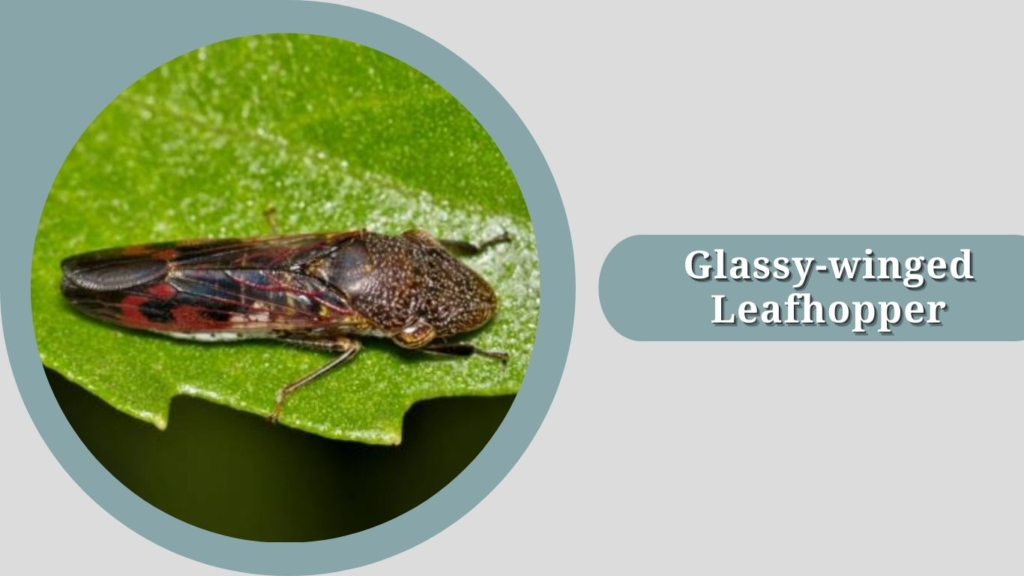
The Glassy-winged Leafhopper is a large and highly mobile species, best known for its clear, glass-like wings and strong flight ability. It is widely studied because of its role in spreading plant diseases and its adaptability to many host plants.
Identification
- Large, robust body compared to most leafhoppers
- Dark brown to black body coloration
- Distinctive transparent, glassy wings with visible veins
- Powerful hind legs and strong flying capability
Habitat and Distribution
This leafhopper is commonly found in orchards, vineyards, gardens, and natural landscapes, especially in warm regions with diverse vegetation.
Feeding Behavior
It feeds on xylem sap, requiring constant intake, which can stress plants and lead to visible symptoms such as leaf scorch.
Agricultural Importance
The Glassy-winged Leafhopper is a major concern in agriculture due to its efficiency in transmitting plant pathogens, making it a serious threat to grapes, citrus, and ornamental plants.
6. Potato Leafhopper
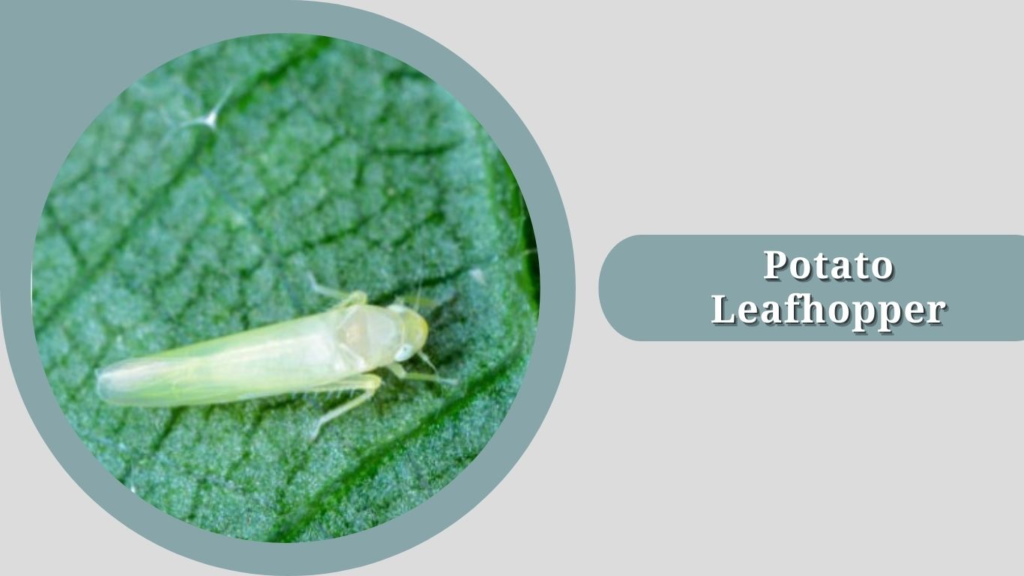
The Potato Leafhopper is a migratory species well known for causing serious damage to legumes, potatoes, and other vegetables. It is especially harmful due to its toxic saliva, which disrupts normal plant growth even at low population levels.
Identification
- Small, slender, wedge-shaped body
- Pale green to yellow-green coloration
- White markings near the head and thorax
- Active jumping and short-distance flight behavior
Habitat and Distribution
Potato Leafhoppers are widely distributed across agricultural regions and are commonly found in crop fields, gardens, and pastures during the growing season.
Feeding Behavior
They feed on plant sap and inject toxic saliva, leading to a condition known as “hopperburn,” characterized by leaf yellowing, curling, and browning.
Agricultural Importance
This species is considered a major pest because even light infestations can significantly reduce crop yield and plant quality.
7. Cotton Leafhopper
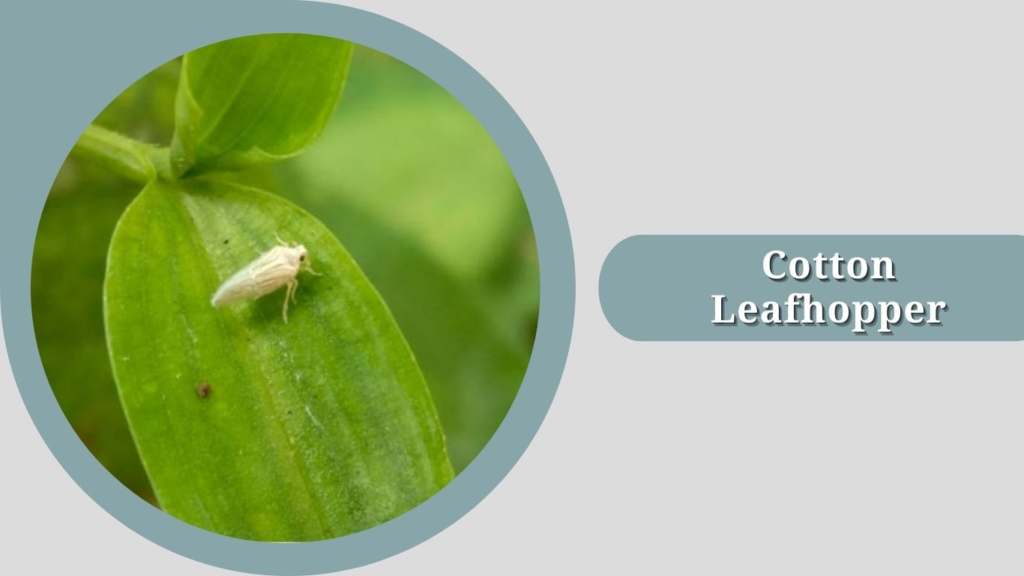
The Cotton Leafhopper is a serious pest species closely associated with cotton crops and other malvaceous plants. It is widely recognized for its ability to cause rapid plant stress, especially in young crops. Due to its fast reproduction and feeding habits, even moderate populations can result in noticeable yield reduction.
Identification
- Small, wedge-shaped body with a slender profile
- Pale green to light brown coloration
- Distinct black spots on the wings
- Wings held roof-like over the body at rest
Habitat and Distribution
Cotton Leafhoppers are mainly found in tropical and subtropical regions. They prefer cultivated fields, particularly cotton-growing areas, and are most active during warm and humid conditions.
Feeding Behavior
They feed by piercing leaf tissues and extracting sap from the underside of leaves. Continuous feeding leads to leaf curling, reddening, and drying, especially along the margins.
Agricultural Importance
This species is considered one of the most destructive pests of cotton. Heavy infestations can cause severe leaf damage, reduced photosynthesis, and significant crop losses if not properly managed.
8. Rice Leafhopper
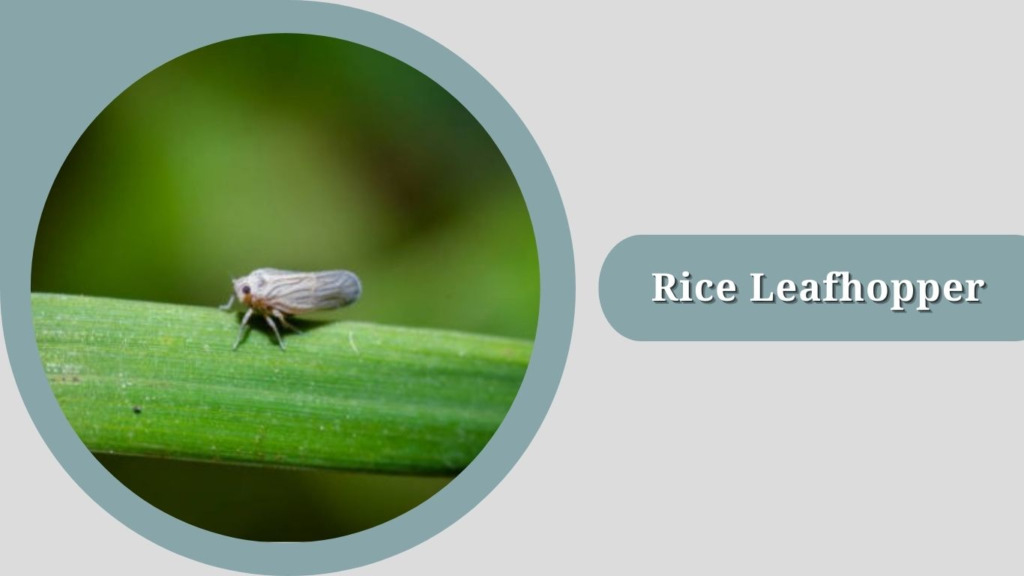
The Rice Leafhopper is an economically important pest species that primarily affects rice crops. It is well known for its rapid population growth and its role in transmitting viral and bacterial diseases that can severely impact rice production in many regions.
Identification
- Small, slender, wedge-shaped body
- Light green to yellowish coloration
- Fine dark markings on the head or wings
- Transparent wings held roof-like over the back
Habitat and Distribution
Rice Leafhoppers are commonly found in paddy fields and wetland agricultural areas. They are widely distributed in tropical and subtropical rice-growing regions, thriving in warm and humid environments.
Feeding Behavior
They feed on plant sap from rice leaves and stems. Prolonged feeding weakens plants, causes leaf yellowing, and reduces overall plant vigor.
Agricultural Importance
This species is considered a major rice pest due to its ability to transmit serious plant diseases. Large infestations can lead to significant yield losses, making monitoring and management essential in rice cultivation systems.
9. Mango Leafhopper
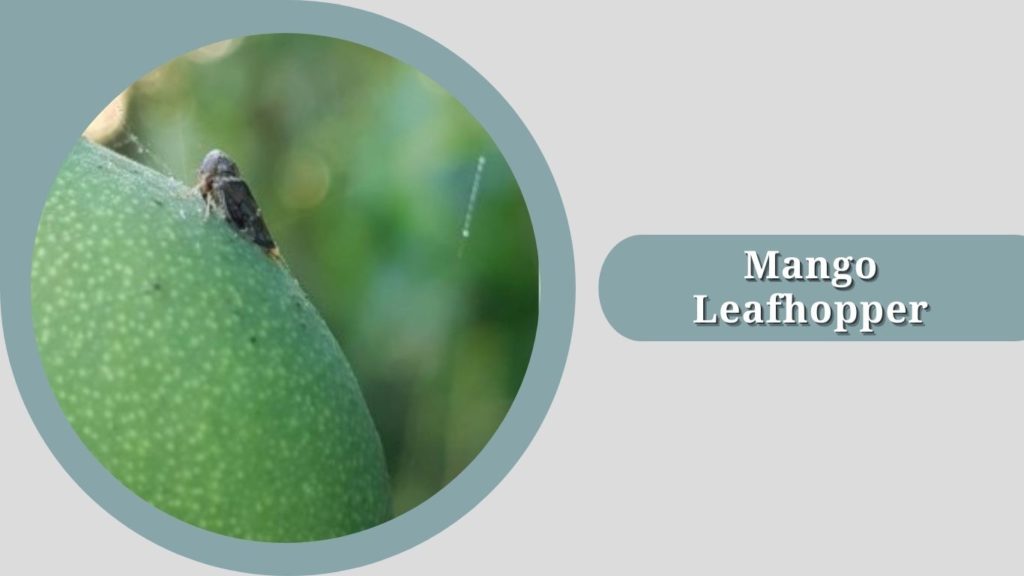
The Mango Leafhopper is a common pest found in mango orchards, especially during flowering and fruit-setting stages. It is known for its high activity levels and its ability to cause both direct feeding damage and indirect losses by promoting fungal growth.
Identification
- Small to medium-sized, wedge-shaped body
- Light green to brownish coloration
- Dark spots or bands on wings
- Highly active, quick-jumping behavior
Habitat and Distribution
Mango Leafhoppers are widely distributed in tropical and subtropical regions where mango trees are cultivated. They are most abundant in orchards with dense foliage and warm climates.
Feeding Behavior
They feed on sap from tender shoots, leaves, and flower panicles. Feeding causes curling, drying, and shedding of flowers, which directly reduces fruit formation.
Agricultural Importance
This species is a serious pest of mango crops. Heavy infestations can significantly reduce flowering and fruit yield, making it one of the most damaging insects in mango production systems.
10. Grape Leafhopper
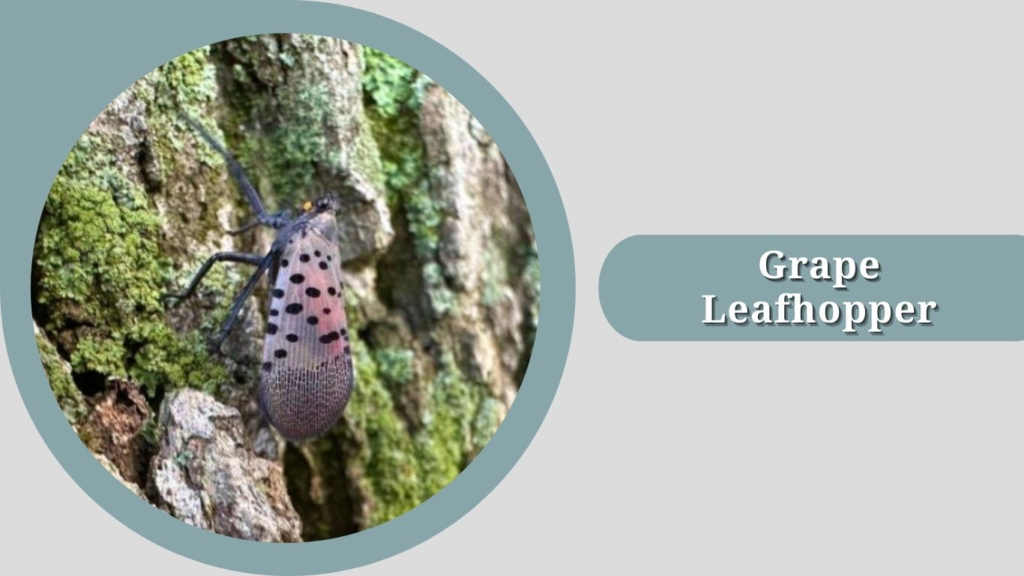
The Grape Leafhopper is a common vineyard pest known for its ability to weaken grapevines through persistent feeding. While individual insects cause minimal harm, large populations can significantly reduce vine health and fruit quality over time.
Identification
- Small, wedge-shaped body with a slender form
- Pale yellow to light green coloration
- Fine reddish or brown markings on the wings
- Quick sideways movement when disturbed
Habitat and Distribution
Grape Leafhoppers are primarily found in vineyards and areas where grapevines are cultivated. They are widely distributed in temperate and warm regions, especially during dry and sunny growing seasons.
Feeding Behavior
They feed on the undersides of grape leaves by sucking sap from plant tissues. This feeding results in white or yellow speckling on leaves, which may later turn brown if damage becomes severe.
Agricultural Importance
High populations can reduce photosynthesis, weaken vines, and negatively affect grape yield and quality. Effective monitoring is important to prevent economic losses in commercial vineyards.
11. Apple Leafhopper
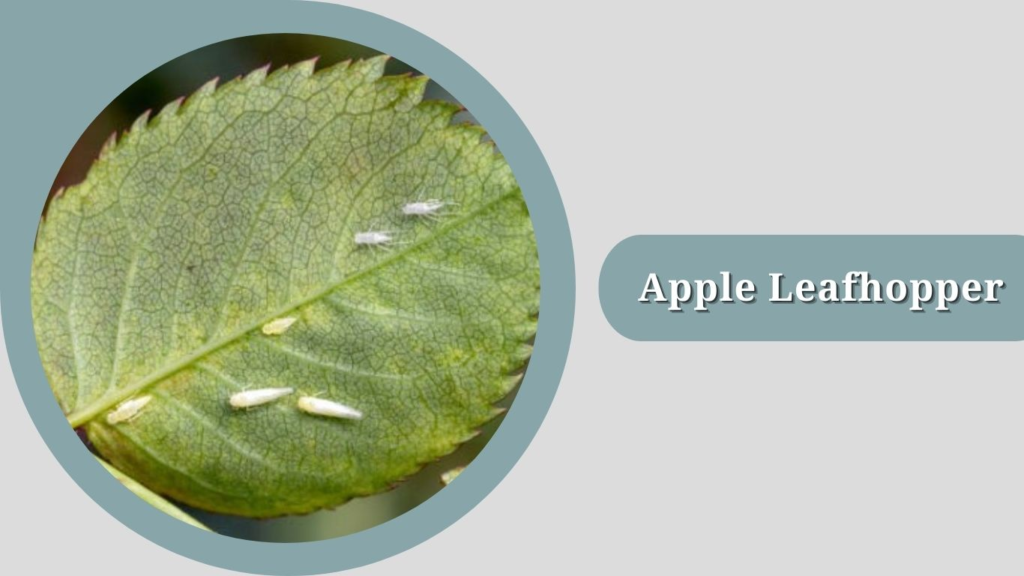
The Apple Leafhopper is a small but impactful pest commonly found in apple orchards. It is especially active during warm months and can affect both young and mature trees by reducing leaf efficiency and overall tree vigor.
Identification
- Small, slender, wedge-shaped body
- Pale green to yellowish-white coloration
- Transparent wings with fine veins
- Short, rapid jumping movements when disturbed
Habitat and Distribution
Apple Leafhoppers are commonly found in temperate regions where apple trees are grown. They inhabit orchards, nurseries, and surrounding vegetation, often concentrating on the undersides of leaves.
Feeding Behavior
They feed by piercing leaf tissues and extracting sap, which leads to tiny white spots on leaves. Heavy feeding can cause leaf yellowing and premature leaf drop.
Agricultural Importance
Although usually considered a minor pest, large infestations can reduce photosynthesis and weaken trees, potentially affecting fruit size and overall orchard productivity.
12. Rose Leafhopper
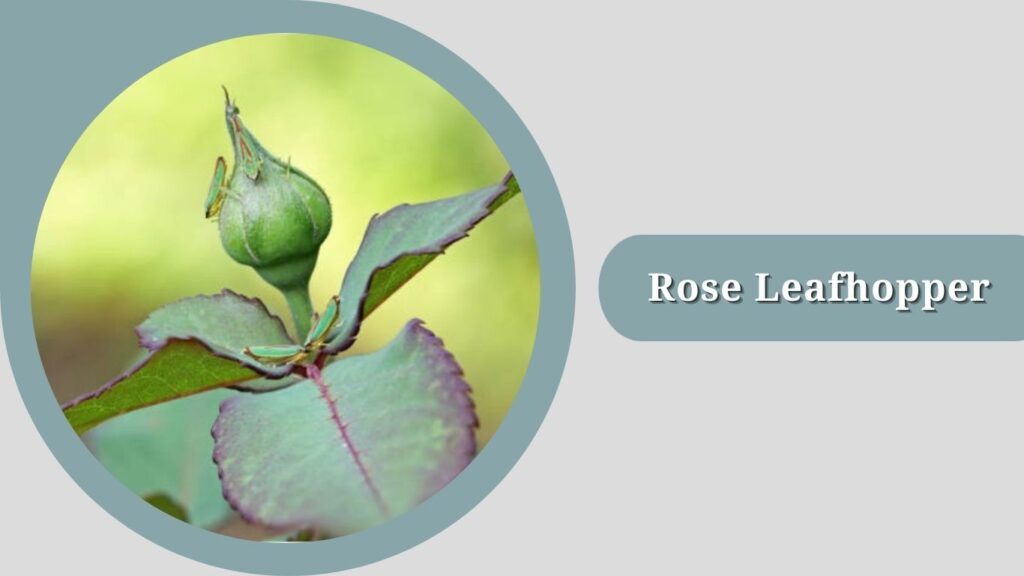
The Rose Leafhopper is a common ornamental pest frequently found on rose plants and other flowering shrubs. Its presence is often indicated by stippled leaves and reduced plant appearance, especially in gardens and landscaped areas.
Identification
- Small, slender, wedge-shaped body
- Pale green to yellow coloration
- Semi-transparent wings with fine veins
- Quick jumping or flying when disturbed
Habitat and Distribution
Rose Leafhoppers are widely distributed in temperate regions and are most commonly found in home gardens, parks, and ornamental plantings where roses are grown.
Feeding Behavior
They feed on the undersides of leaves, sucking sap from plant cells. This causes characteristic white or yellow speckling, giving leaves a faded or dusty appearance.
Plant Impact
Heavy infestations can reduce photosynthesis, weaken plants, and diminish the overall aesthetic value of ornamental roses, though plants are rarely killed outright.
13. Bean Leafhopper
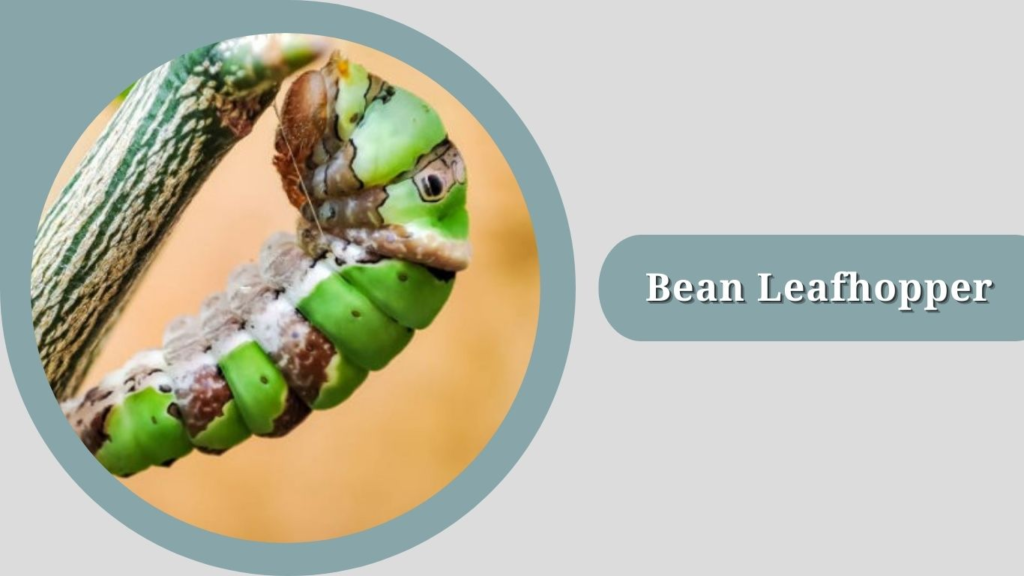
The Bean Leafhopper is a small sap-feeding insect commonly associated with bean plants and other legumes. It is known for its rapid movement and ability to cause stress to plants, particularly during early growth stages.
Identification
- Small, wedge-shaped body with a slender profile
- Green to light brown coloration
- Fine markings on the wings
- Strong hind legs adapted for jumping
Habitat and Distribution
Bean Leafhoppers are found in agricultural fields, gardens, and wild vegetation areas where legumes are grown. They are widely distributed in warm and temperate regions.
Feeding Behavior
They feed by piercing leaf tissues and extracting sap, which may result in leaf yellowing, curling, and reduced plant vigor when infestations are heavy.
Agricultural Importance
While usually considered a minor pest, large populations can negatively affect bean growth and yield, especially in unmanaged or stressed crops.
14. Maize Leafhopper
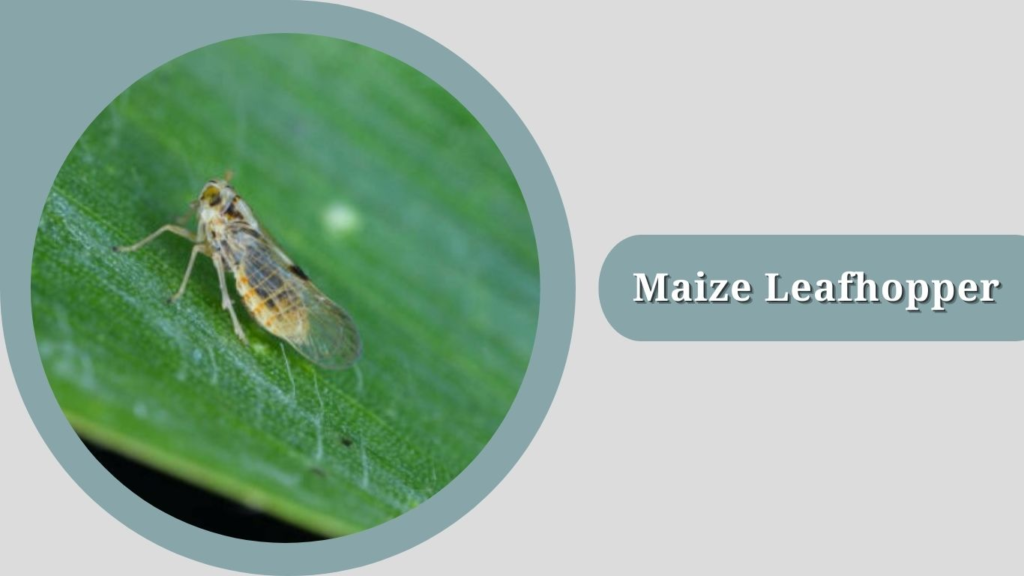
The Maize Leafhopper is an important insect species associated with corn and related grasses. It is especially notable for its role in transmitting plant pathogens that can severely affect crop productivity.
Identification
- Small to medium-sized, wedge-shaped body
- Pale green to yellowish coloration
- Transparent wings with subtle veins
- Active jumping and short-distance flight behavior
Habitat and Distribution
Maize Leafhoppers are commonly found in cornfields and grasslands. They are widely distributed in tropical, subtropical, and some temperate agricultural regions.
Feeding Behavior
They feed on sap from maize leaves and stems. Continuous feeding weakens plants, leading to stunted growth and reduced vigor.
Agricultural Importance
This species is considered a serious pest due to its efficiency in transmitting plant diseases. Heavy infestations can result in significant yield losses, making effective monitoring and control measures essential.
15. Tea Leafhopper
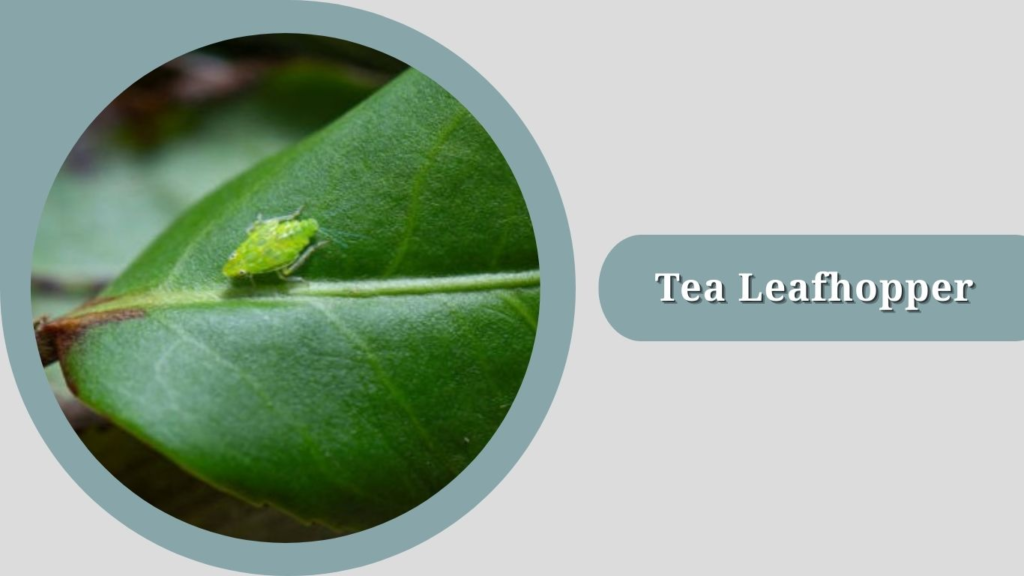
The Tea Leafhopper is a major pest in tea plantations and is well known for the damage it causes to young leaves and shoots. It directly affects both the yield and quality of tea, making it a significant concern in tea-growing regions.
Identification
- Small, slender, wedge-shaped body
- Light green to yellowish-green coloration
- Smooth body surface with minimal markings
- Quick jumping and short flight behavior
Habitat and Distribution
Tea Leafhoppers are widely distributed in tropical and subtropical regions where tea is cultivated. They are most abundant in well-maintained plantations with dense foliage.
Feeding Behavior
They feed by piercing young leaves and shoots to extract sap. Feeding damage causes leaf curling, browning of margins, and reduced leaf quality.
Agricultural Importance
This species is one of the most destructive pests in tea cultivation. Persistent infestations reduce leaf tenderness and lower the market value of harvested tea leaves.
16. Citrus Leafhopper
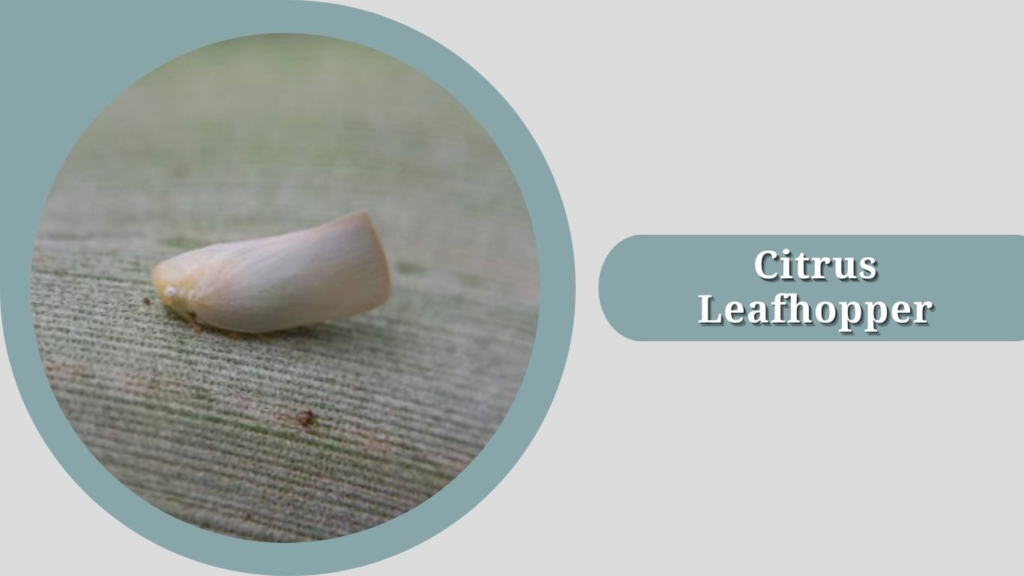
The Citrus Leafhopper is a sap-feeding insect commonly found on citrus trees and related plants. While often overlooked due to its small size, it can cause noticeable damage when populations increase.
Identification
- Small, wedge-shaped, slender body
- Pale green to yellow coloration
- Semi-transparent wings with fine veins
- Quick sideways movement when disturbed
Habitat and Distribution
Citrus Leafhoppers are found in citrus orchards, home gardens, and mixed crop areas. They are widely distributed in warm and subtropical regions.
Feeding Behavior
They feed on leaf sap, causing pale speckling, leaf yellowing, and reduced photosynthetic activity when infestations are heavy.
Agricultural Importance
Although usually a minor pest, large populations can weaken citrus trees and reduce fruit quality, particularly in unmanaged orchards.
17. Sugarcane Leafhopper
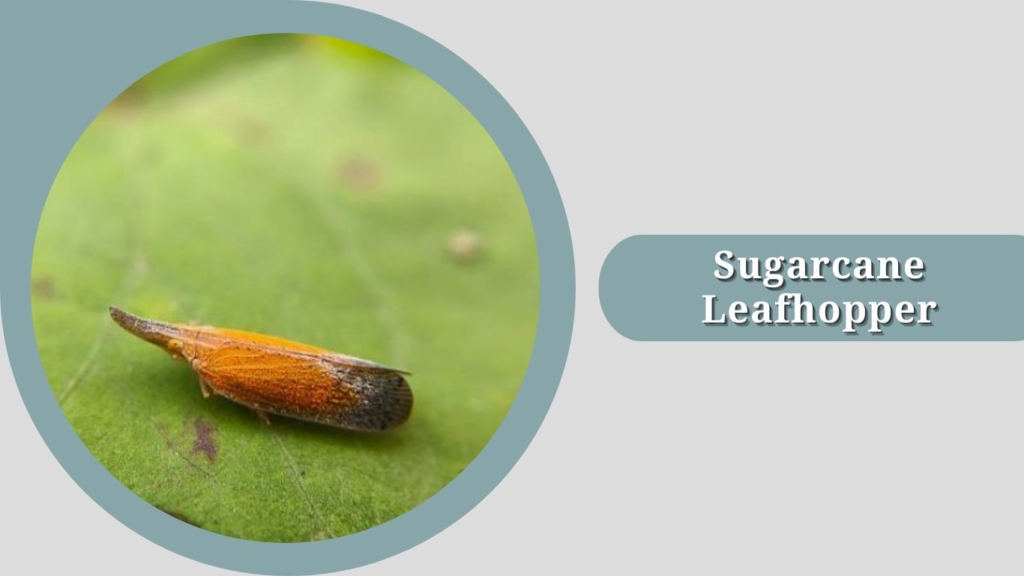
The Sugarcane Leafhopper is an important insect pest associated with sugarcane crops. It is known for its persistent feeding behavior and its potential to reduce plant vigor, especially in young and actively growing cane fields.
Identification
- Small to medium-sized, wedge-shaped body
- Green to yellowish-green coloration
- Narrow wings held roof-like over the body
- Strong hind legs adapted for jumping
Habitat and Distribution
Sugarcane Leafhoppers are commonly found in tropical and subtropical regions where sugarcane is cultivated. They prefer warm, humid environments and dense crop growth.
Feeding Behavior
They feed by piercing sugarcane leaves and extracting sap, which leads to leaf yellowing, reduced growth, and general plant weakness over time.
Agricultural Importance
This species can become a serious pest when populations build up. Continuous feeding reduces sugar content and overall crop yield, making timely control measures important in commercial sugarcane production.
18. Tomato Leafhopper
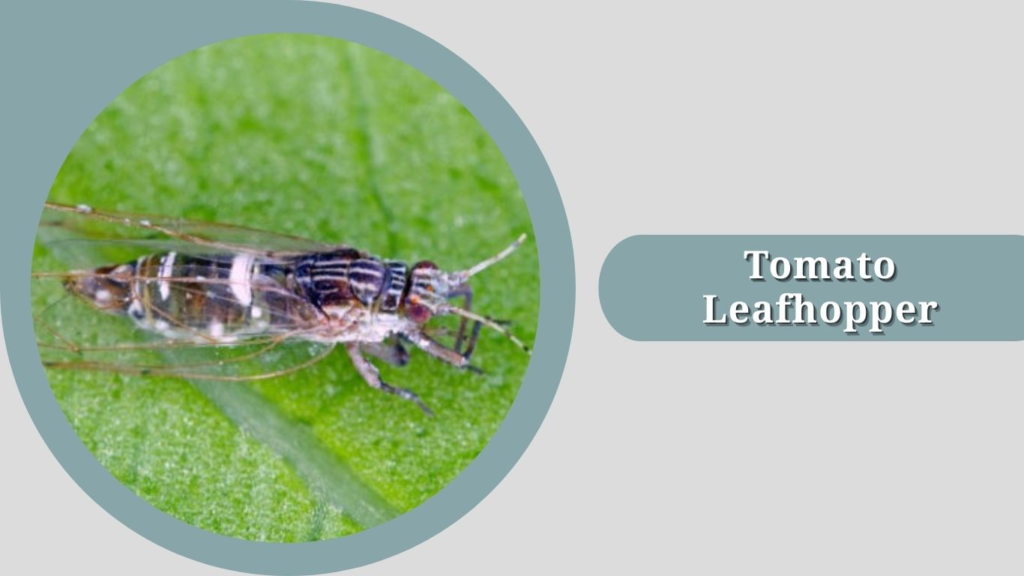
The Tomato Leafhopper is a sap-feeding insect that commonly affects tomato plants and other members of the nightshade family. It is more damaging during warm seasons when populations increase rapidly and plants are actively growing.
Identification
- Small, slender, wedge-shaped body
- Pale green to yellowish coloration
- Transparent wings with fine veins
- Active jumping behavior when disturbed
Habitat and Distribution
Tomato Leafhoppers are found in vegetable gardens, greenhouses, and agricultural fields. They are widely distributed in temperate and warm regions with intensive vegetable cultivation.
Feeding Behavior
They feed by piercing leaf tissues and sucking sap, which can cause leaf curling, yellowing, and reduced plant vigor, especially in young plants.
Agricultural Importance
Heavy infestations can weaken tomato plants, reduce fruit size, and lower overall yield, making monitoring important in commercial and home-grown tomato production.
19. Alfalfa Leafhopper
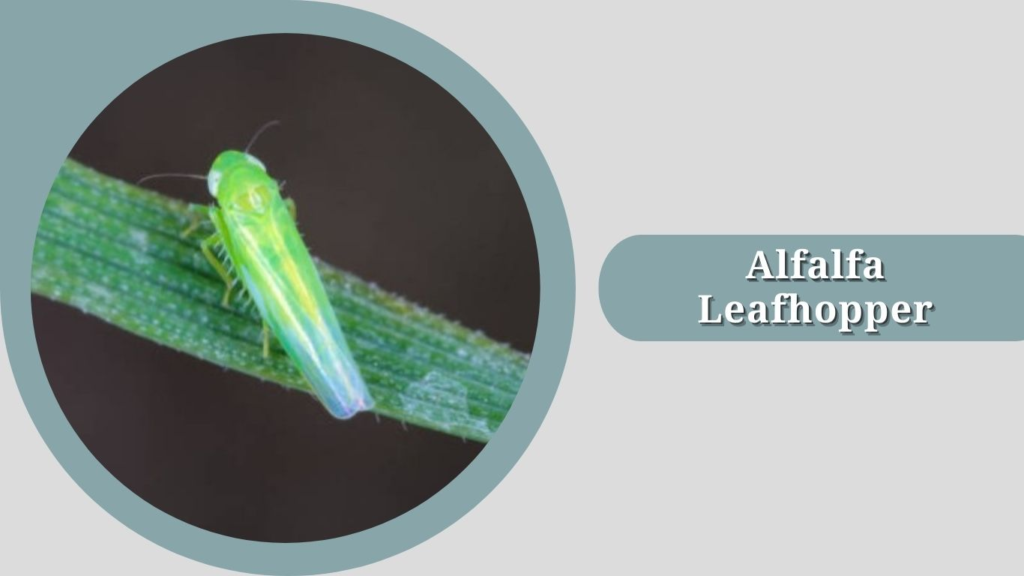
The Alfalfa Leafhopper is a common sap-feeding insect associated with alfalfa and other forage crops. It is known for its mobility and its ability to reduce plant quality when present in large numbers.
Identification
- Small, slender, wedge-shaped body
- Light green to yellowish-green coloration
- Transparent wings held roof-like
- Strong jumping ability
Habitat and Distribution
Alfalfa Leafhoppers are widely distributed in agricultural regions where forage crops are grown. They are commonly found in fields, pastures, and surrounding vegetation.
Feeding Behavior
They feed on plant sap from leaves and stems. Prolonged feeding can lead to leaf yellowing, reduced growth, and lower nutritional quality of forage.
Agricultural Importance
While often considered a secondary pest, large populations can reduce forage yield and quality, affecting livestock feed value.
20. Clover Leafhopper
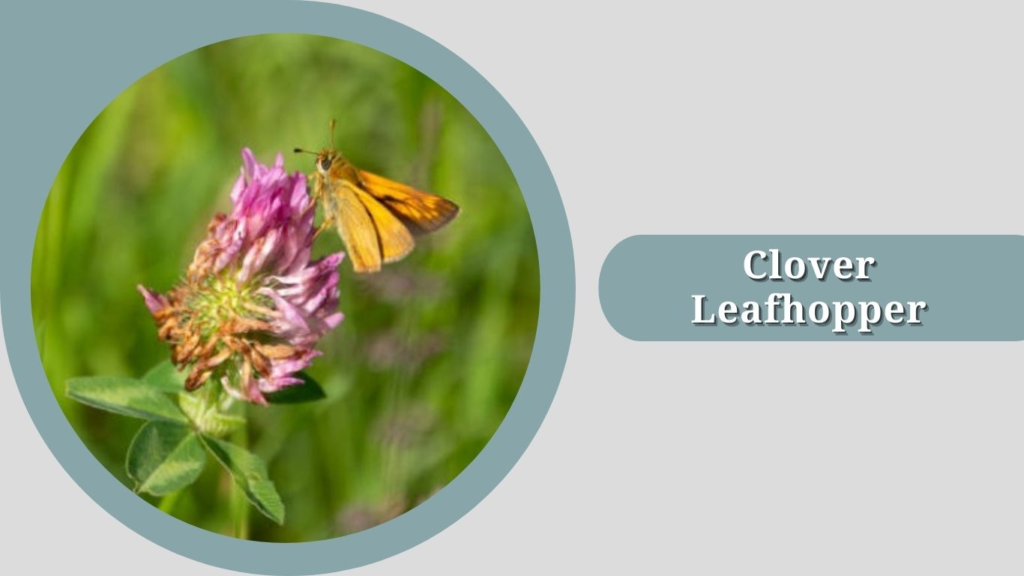
The Clover Leafhopper is a small but active insect commonly associated with clover and other pasture legumes. It is usually present in low numbers, but under favorable conditions, populations can increase and affect plant health.
Identification
- Small, wedge-shaped, slender body
- Green to yellow-green coloration
- Fine wing veins with a semi-transparent appearance
- Quick jumping movement when disturbed
Habitat and Distribution
Clover Leafhoppers are found in grasslands, pastures, meadows, and agricultural fields where clover and leguminous plants are grown. They are widely distributed across temperate and warm regions.
Feeding Behavior
They feed by piercing leaf tissues and extracting sap. Feeding damage may cause light leaf speckling, minor yellowing, and reduced plant vigor.
Agricultural Importance
This species is generally considered a minor pest. However, heavy infestations can reduce clover growth and forage quality, particularly in unmanaged pasture systems.
21. Coffee Leafhopper
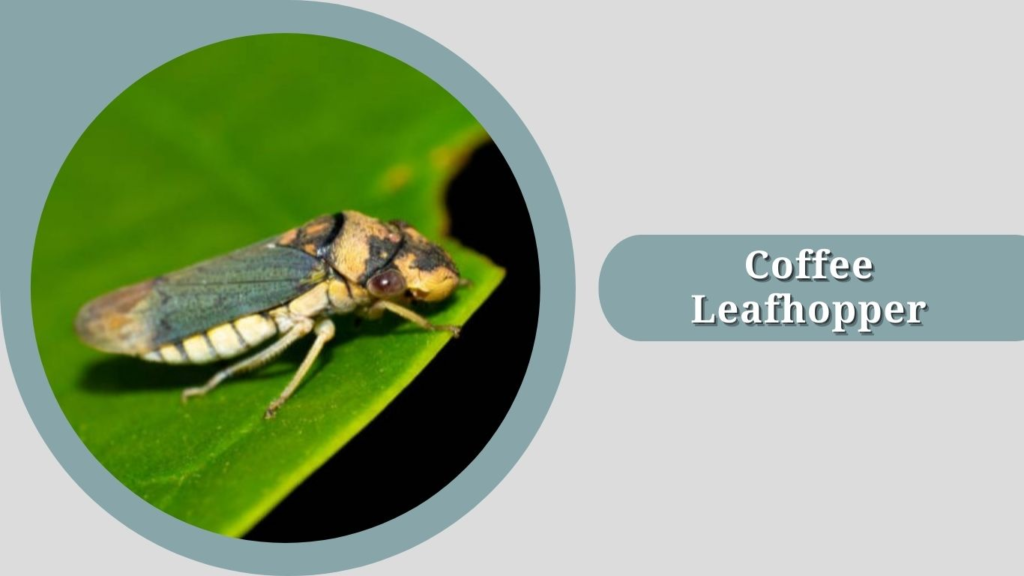
The Coffee Leafhopper is a sap-feeding insect associated with coffee plants and surrounding vegetation. It is more commonly observed in shaded plantations and can affect plant health when populations rise.
Identification
- Small to medium-sized, wedge-shaped body
- Pale green to brownish coloration
- Semi-transparent wings with visible veins
- Active jumping and short flights when disturbed
Habitat and Distribution
Coffee Leafhoppers are found in tropical coffee-growing regions, especially in shaded or mixed-crop plantations with high humidity.
Feeding Behavior
They feed on sap from coffee leaves, causing pale speckling, leaf yellowing, and reduced photosynthetic efficiency over time.
Agricultural Importance
Although usually a minor pest, large populations can weaken coffee plants and potentially reduce leaf health and overall crop productivity if left unmanaged.
FAQs
1. What are leafhoppers?
Leafhoppers are small, sap-feeding insects known for their ability to jump or fly short distances. They feed on plant sap, often causing damage to crops by weakening plants and spreading diseases.
2. How do leafhoppers damage plants?
Leafhoppers damage plants by piercing plant tissues and sucking out sap. This feeding can lead to leaf discoloration, curling, and premature leaf drop, which weakens plants and reduces their growth and yield.
3. How can I control leafhoppers on my plants?
Control methods for leafhoppers include using insecticidal soaps, neem oil, or chemical insecticides. Encouraging natural predators like spiders and ladybugs can also help keep their populations in check.
4. Are leafhoppers harmful to all plants?
Leafhoppers can affect a wide variety of plants, including crops like beans, potatoes, and cotton, as well as ornamental plants. However, the severity of their damage varies depending on the plant species and the size of the infestation.
5. Can leafhoppers transmit plant diseases?
Yes, some species of leafhoppers are known to transmit plant pathogens, including viruses and bacteria, which can cause diseases like phytoplasma and bacterial wilt in crops. This makes them particularly harmful to agriculture.
