
Mouse spiders are a group of robust, ground-dwelling spiders best known for their powerful bodies, large fangs, and secretive burrowing lifestyles. Found mainly in Australia, these spiders spend most of their lives hidden underground in silk-lined burrows, emerging primarily to hunt or mate. Although often mistaken for more aggressive species, mouse spiders are generally reclusive, fascinating arachnids with diverse behaviors, habitats, and life cycles across different species.
1. Missulena bradleyi (Eastern Mouse Spider)
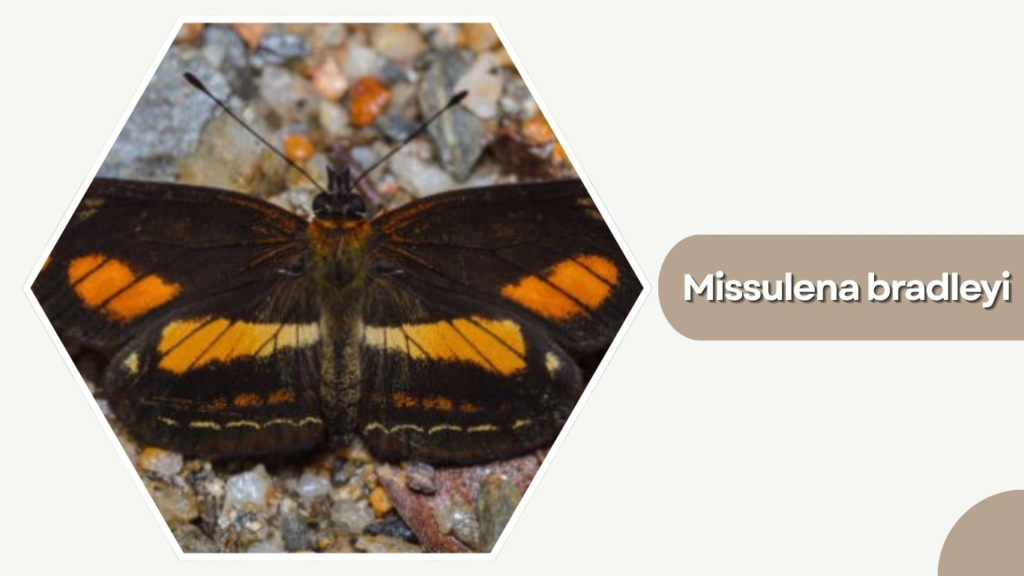
Missulena bradleyi is one of the most well-known mouse spiders, native to Australia. It is notable for its stocky body, powerful fangs, and the striking red coloration often seen on the male’s head. Despite its fearsome appearance, it is generally shy and spends most of its life underground.
Identification
- Robust, glossy black body
- Adult males often have a bright red or orange head
- Large, downward-pointing fangs
- Females are usually larger and uniformly dark
Habitat
This species is commonly found in eastern Australia, especially in forests, woodlands, and suburban gardens. It lives in deep, silk-lined burrows in soil, often with a hinged trapdoor at the entrance.
Behaviors
Missulena bradleyi is mostly nocturnal and reclusive. Males wander above ground during the breeding season, while females remain in their burrows. They are defensive if disturbed but prefer to retreat rather than bite.
Diet
Its diet mainly consists of insects and other small invertebrates, such as beetles, ants, and spiders, which it ambushes near the burrow entrance.
Lifecycle
The lifecycle includes egg, spiderling, juvenile, and adult stages. Females can live for many years in the same burrow, while males have a much shorter lifespan and usually die after mating.
2. Missulena occatoria (Red-headed Mouse Spider)
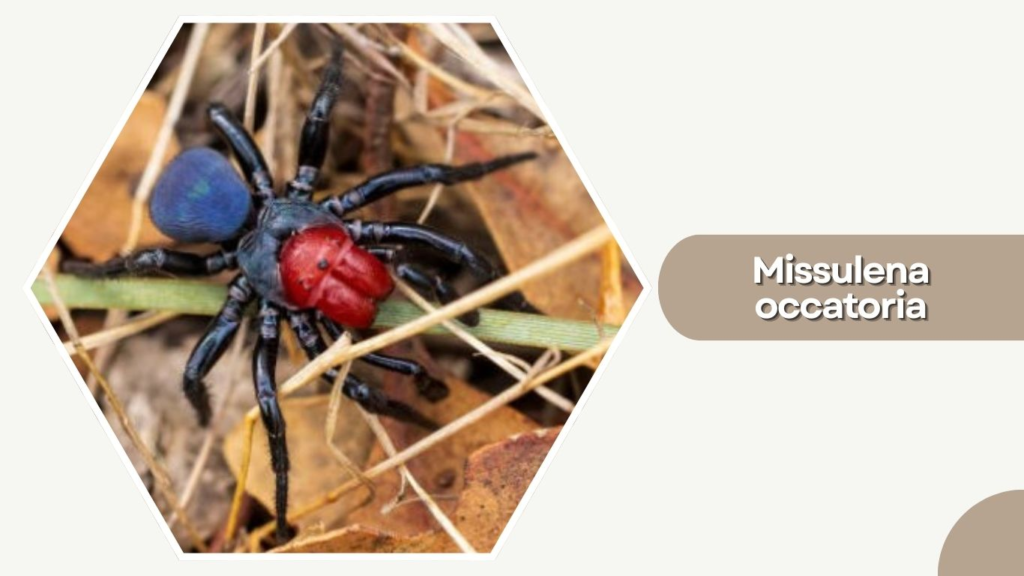
Missulena occatoria is a distinctive mouse spider species found in Australia, best known for the vivid red coloration on the male’s cephalothorax. Like other mouse spiders, it is a powerful burrower and spends most of its life hidden underground.
Identification
- Shiny black abdomen
- Adult males with a bright red head and jaws
- Females are larger and entirely dark
- Thick legs and strong fangs
Habitat
This species inhabits grasslands, open woodlands, and sandy soils across parts of southern and eastern Australia. It constructs deep burrows, often sealed with a silk-lined trapdoor.
Behaviors
Missulena occatoria is nocturnal and solitary. Males roam during mating season, increasing encounters with humans, while females remain sedentary. It is defensive when threatened but not aggressive.
Diet
Its diet includes ground-dwelling insects and other small arthropods, captured near the burrow entrance using ambush tactics.
Lifecycle
Females have long lifespans and may remain in the same burrow for years. Males mature faster, leave the burrow to find mates, and usually die shortly after reproduction.
3. Missulena hoggi
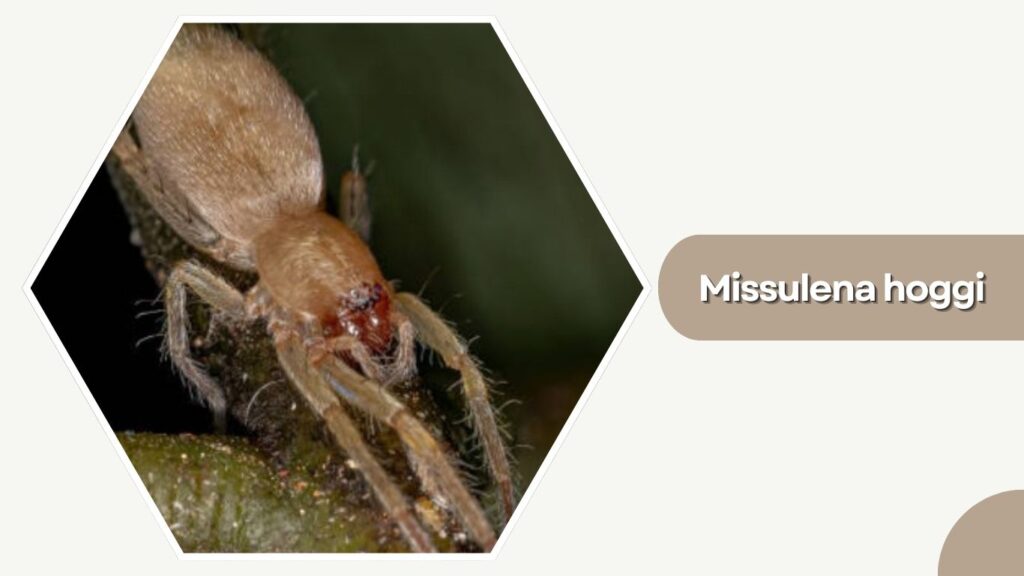
Missulena hoggi is a lesser-known species of mouse spider native to Australia. Like other members of the genus, it is stout-bodied, fossorial, and rarely seen due to its underground lifestyle.
Identification
- Compact, heavy-set body
- Dark brown to black coloration
- Large chelicerae and strong fangs
- Females generally larger than males
Habitat
This species is typically found in dry forests, woodland areas, and sandy or loamy soils. It lives in deep, silk-lined burrows that provide protection from predators and environmental extremes.
Behaviors
Missulena hoggi is secretive and mostly nocturnal. It spends the majority of its time inside its burrow, emerging mainly to capture prey or, in the case of males, to search for mates.
Diet
Its diet consists of insects and other small ground-dwelling invertebrates, which are seized quickly near the burrow entrance.
Lifecycle
Females are long-lived and remain in their burrows for many years. Males mature earlier, wander during the breeding season, and usually have a much shorter lifespan after mating.
4. Missulena pruinosa
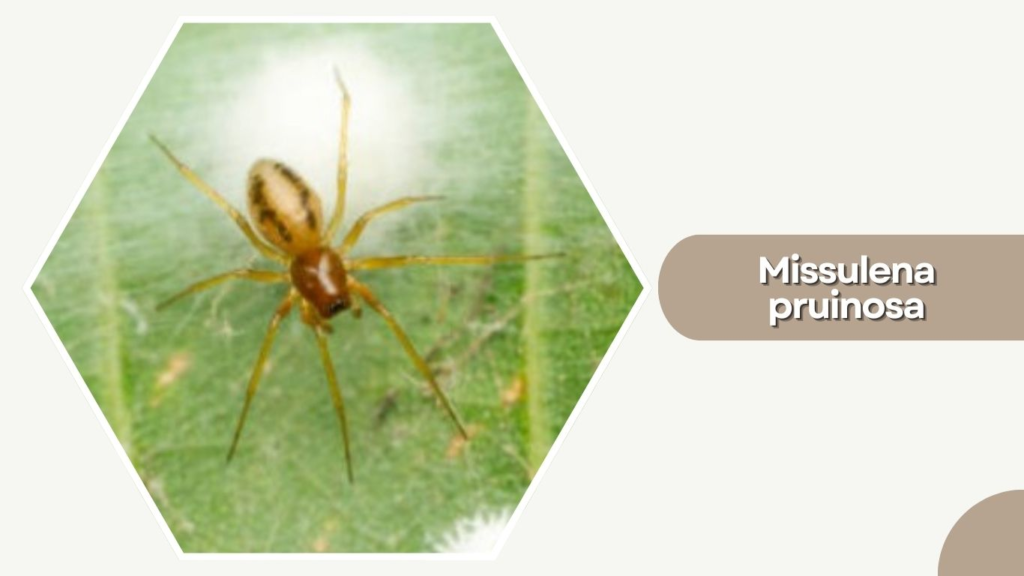
Missulena pruinosa is an Australian mouse spider species known for its sturdy build and subterranean lifestyle. It is rarely encountered due to its preference for remaining hidden within its burrow.
Identification
- Stocky, muscular body
- Dark brown to black coloration with a slightly matte appearance
- Powerful fangs adapted for digging and defense
- Females typically larger and heavier than males
Habitat
This species inhabits woodland regions and open forests with suitable soil for burrowing. It constructs deep, silk-lined burrows that offer stable humidity and temperature.
Behaviors
Missulena pruinosa is nocturnal and reclusive. It relies on ambush hunting from within or near its burrow and shows defensive behavior only when disturbed.
Diet
Its diet primarily includes insects and other small invertebrates that pass close to the burrow entrance.
Lifecycle
Females may live for many years in the same burrow, producing multiple egg sacs over their lifetime. Males leave their burrows upon maturity to locate females and typically die after mating.
5. Missulena insignis
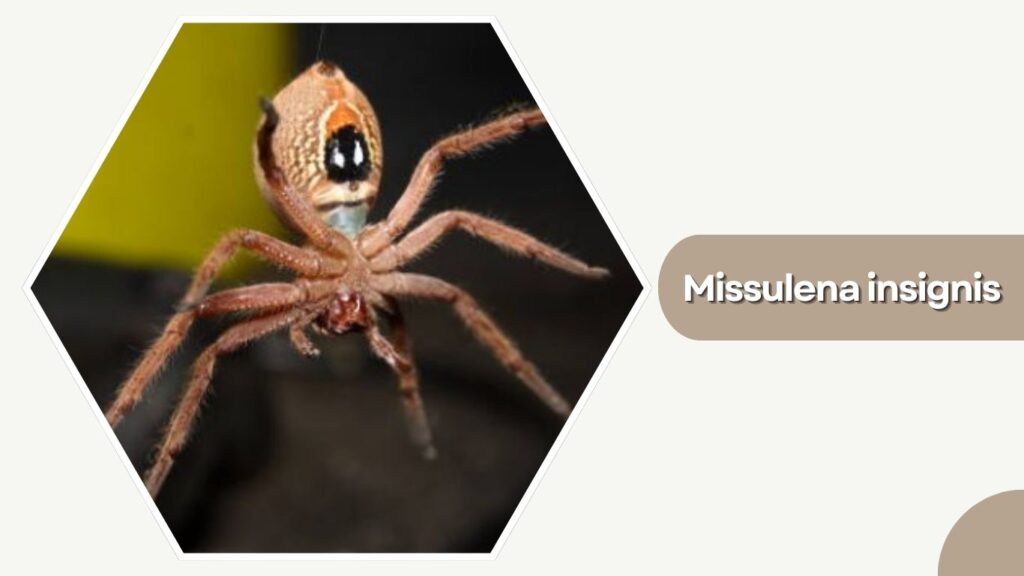
Missulena insignis is a distinctive species of mouse spider endemic to Australia. Like other mouse spiders, it is heavily built and adapted for a burrowing lifestyle. It is seldom seen above ground except during specific seasonal movements, making it relatively unknown outside scientific circles.
Identification
- Thick, robust body structure
- Dark brown to black coloration
- Strong, downward-pointing fangs
- Females larger and more solid than males
Habitat
This species is typically found in woodland and shrubland environments where the soil is firm enough to support deep burrows. It prefers undisturbed ground and often establishes permanent, silk-lined burrows that provide shelter throughout its life.
Behaviors
Missulena insignis is nocturnal and highly secretive. It spends most of its time inside its burrow, waiting near the entrance to ambush prey. Males may wander during the breeding season, increasing their visibility and risk of predation.
Diet
Its diet consists mainly of insects and other small ground-dwelling invertebrates such as beetles, ants, and spiders. Prey is captured swiftly using an ambush strategy.
Lifecycle
Females are long-lived and may remain in the same burrow for several years, producing egg sacs periodically. Males mature more quickly, leave the burrow to mate, and usually die shortly after the breeding period.
6. Missulena dipsaca
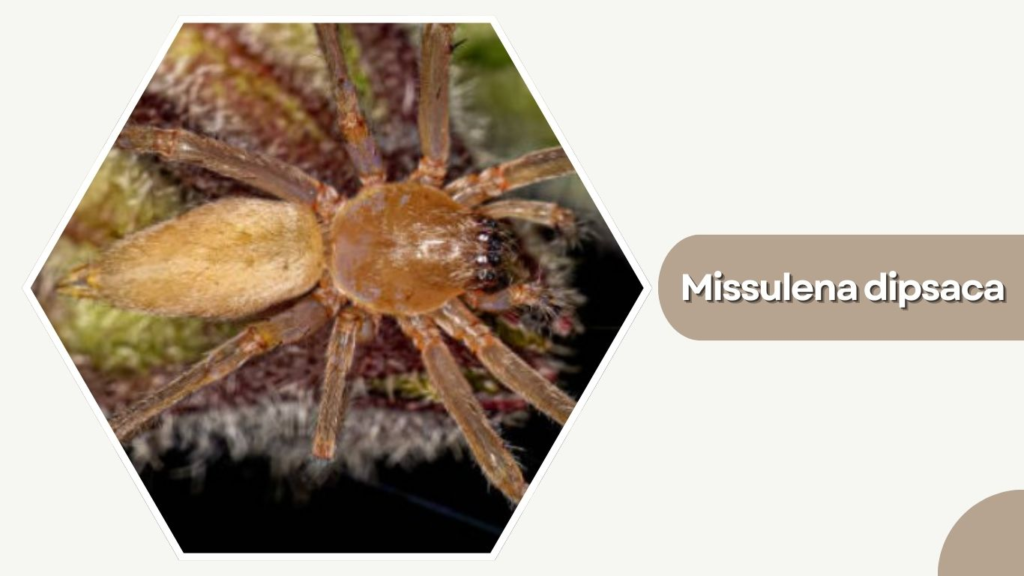
Missulena dipsaca is an Australian mouse spider species adapted to a life spent almost entirely underground. Like others in the genus, it has a powerful build suited for digging and ambush hunting, which makes sightings relatively rare.
Identification
- Solid, compact body
- Dark brown to black coloration
- Large, strong chelicerae and fangs
- Females noticeably larger than males
Habitat
This species is commonly associated with open woodlands, heathlands, and areas with sandy to loamy soils. It constructs deep, silk-lined burrows that help maintain stable moisture and temperature levels, essential for survival.
Behaviors
Missulena dipsaca is nocturnal and highly reclusive. It typically waits just inside its burrow entrance to detect vibrations from passing prey. Males may leave their burrows during the mating season, while females remain sedentary.
Diet
Its diet consists mainly of ground-dwelling insects and other small invertebrates, including beetles, ants, and spiders. Prey is captured rapidly and dragged into the burrow.
Lifecycle
Females can live for many years and may produce several egg sacs over their lifetime. Spiderlings remain in the burrow for some time before dispersing. Males have a shorter lifespan and usually die after mating.
7. Missulena torbayensis
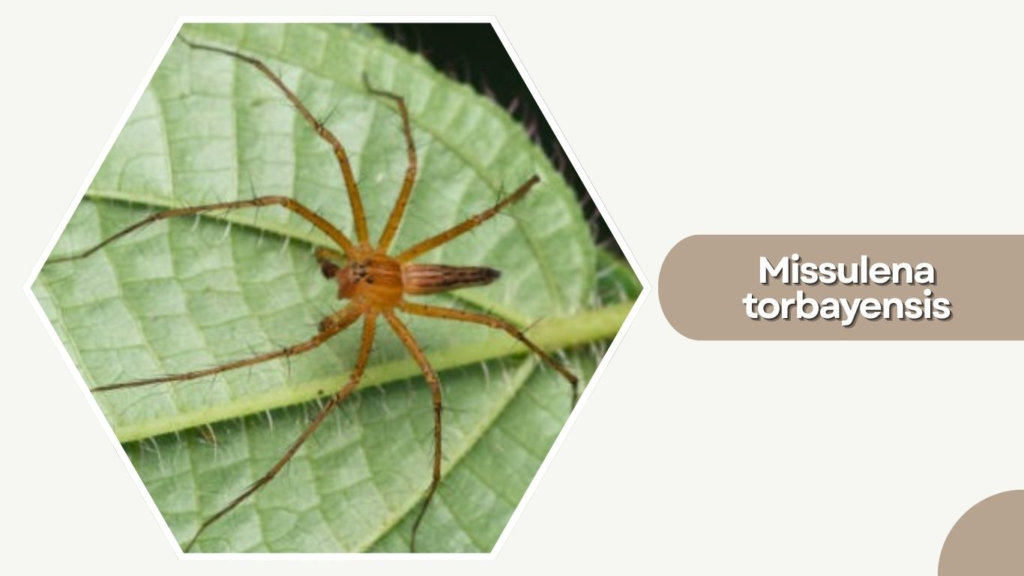
Missulena torbayensis is a mouse spider species native to Australia, adapted for a fossorial lifestyle. Its sturdy body and secretive habits mean it is rarely observed, except when males wander during the breeding season.
Identification
- Robust, heavy-bodied appearance
- Dark brown to black coloration
- Strong legs adapted for digging
- Females larger and more sedentary than males
Habitat
This species is typically found in coastal and near-coastal woodland areas with sandy or well-drained soils. It builds deep, silk-lined burrows that provide protection from predators and environmental extremes.
Behaviors
Missulena torbayensis is nocturnal and solitary. It spends most of its time inside its burrow, emerging mainly to capture prey. Adult males roam in search of females during the mating season, increasing their exposure above ground.
Diet
Its diet includes insects and other small invertebrates that move close to the burrow entrance. The spider uses an ambush strategy, quickly overpowering prey with its powerful fangs.
Lifecycle
Females are long-lived and may occupy the same burrow for many years. After mating, females produce egg sacs that hatch into spiderlings, which eventually disperse. Males typically die shortly after reproduction.
8. Missulena granulosa
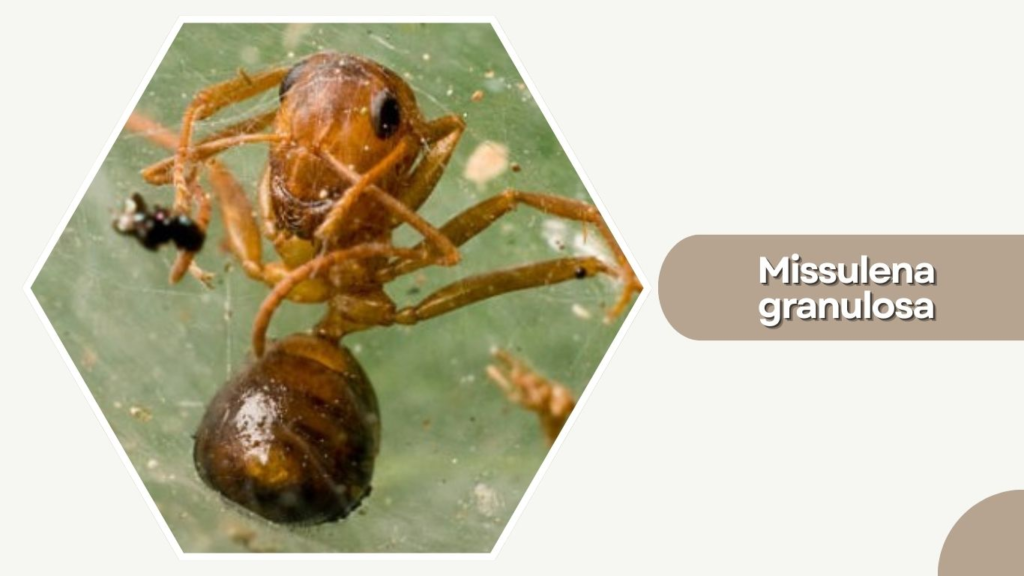
Missulena granulosa is an Australian mouse spider species recognized for its compact build and underground way of life. Its cryptic habits and preference for remaining in its burrow mean it is rarely encountered by people.
Identification
- Stocky body with a granular-textured appearance
- Dark brown to black coloration
- Thick legs and strong fangs
- Females generally larger than males
Habitat
This species inhabits open forests, woodlands, and heathland areas where the soil is suitable for burrowing. It creates deep, silk-lined burrows that offer protection from temperature extremes and predators.
Behaviors
Missulena granulosa is nocturnal and solitary. It relies on vibrations to detect prey near the burrow entrance and shows defensive behavior only when disturbed. Males may wander during the breeding season.
Diet
Its diet consists primarily of insects and other small arthropods, including beetles, ants, and spiders. Prey is captured using a rapid ambush technique.
Lifecycle
Females can live for many years in the same burrow and may produce multiple egg sacs. Spiderlings remain near the burrow initially before dispersing. Males have a shorter lifespan and typically die after mating.
9. Missulena mainae
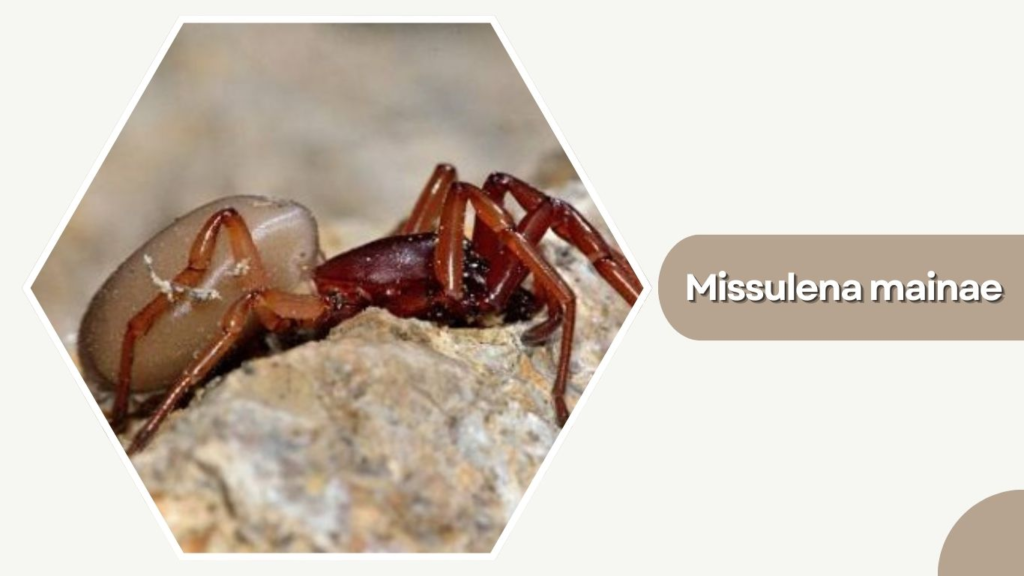
Missulena mainae is a species of mouse spider native to Australia, adapted for a secretive, burrowing lifestyle. Its sturdy body and limited surface activity make it an uncommon sight outside of scientific observation.
Identification
- Thick, robust body
- Dark brown to black coloration
- Powerful chelicerae and large fangs
- Females noticeably larger than males
Habitat
This species is usually found in woodland and shrubland environments with firm, well-drained soils. It constructs deep, silk-lined burrows that provide long-term shelter and stable living conditions.
Behaviors
Missulena mainae is nocturnal and solitary. It spends most of its life inside its burrow, emerging mainly to ambush prey. Males leave their burrows during the breeding season to search for females.
Diet
Its diet includes insects and other small ground-dwelling invertebrates such as beetles, ants, and spiders. Prey is captured quickly and dragged into the burrow.
Lifecycle
Females are long-lived and may remain in the same burrow for several years, producing egg sacs periodically. Males mature faster, roam to mate, and usually die shortly after reproduction.
10. Missulena faulderi
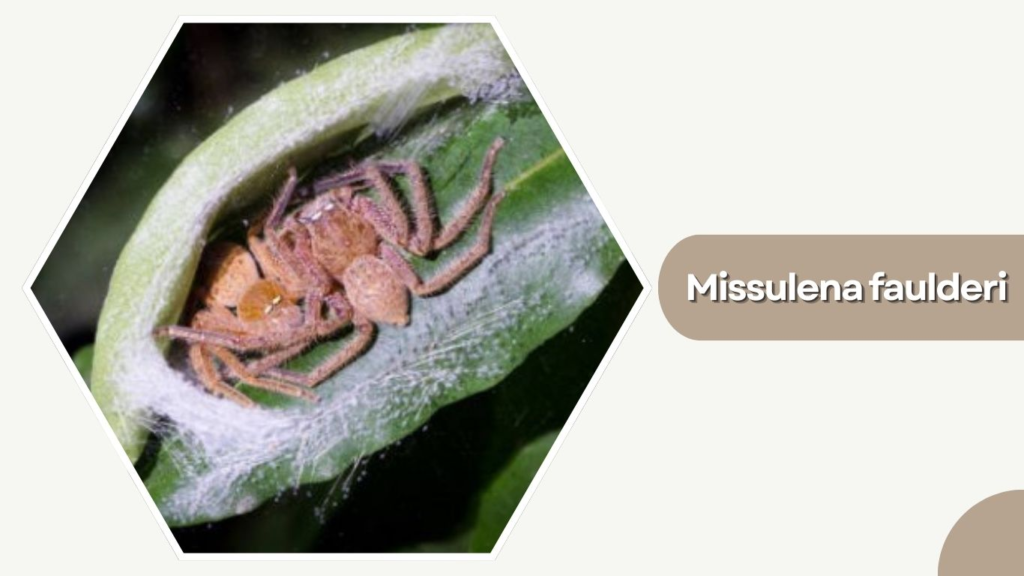
Missulena faulderi is an Australian mouse spider species known for its powerful build and underground lifestyle. Like other mouse spiders, it is rarely seen due to its preference for remaining within its burrow for most of its life.
Identification
- Strong, stocky body
- Dark brown to black coloration
- Large fangs adapted for defense and prey capture
- Females generally larger and heavier than males
Habitat
This species is found in woodland and forested regions with suitable soil for deep burrowing. It creates permanent, silk-lined burrows that provide shelter from predators and environmental fluctuations.
Behaviors
Missulena faulderi is nocturnal and highly reclusive. It typically waits near the burrow entrance to ambush prey. Adult males may wander during the mating season, while females remain sedentary.
Diet
Its diet consists mainly of insects and other small invertebrates, including beetles, ants, and spiders, which are captured using an ambush strategy.
Lifecycle
Females may live for many years and produce multiple egg sacs over their lifetime. Spiderlings stay in the burrow for a period before dispersing. Males have a shorter lifespan and usually die after mating.
11. Missulena reflexa
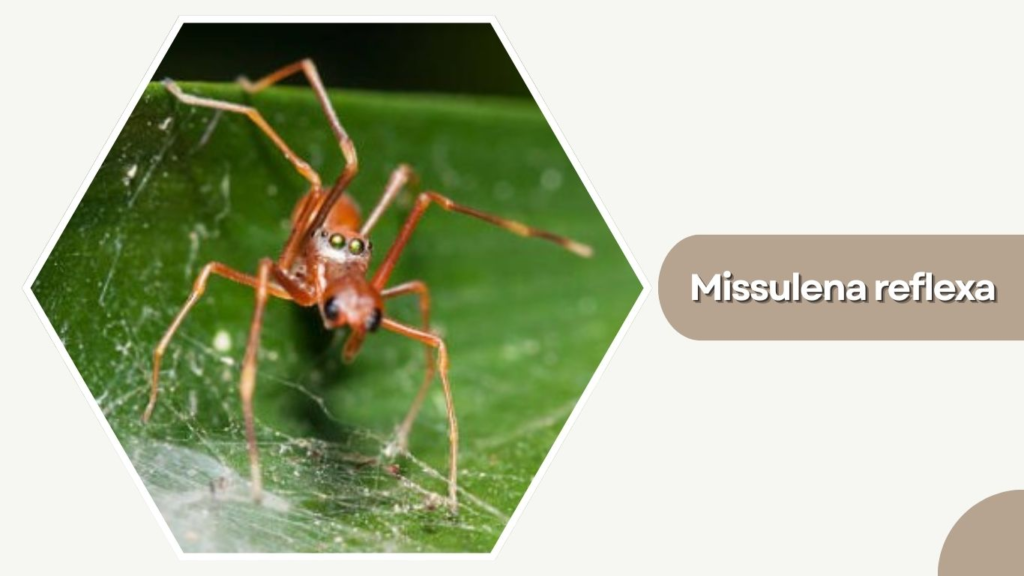
Missulena reflexa is a species of mouse spider native to Australia, adapted to a life spent mostly underground. Its strong body and secretive behavior make encounters with this spider relatively uncommon.
Identification
- Compact, muscular body
- Dark brown to black coloration
- Thick legs and powerful fangs
- Females larger and more robust than males
Habitat
This species typically inhabits open woodlands and forested areas with firm or sandy soils suitable for burrowing. It constructs deep, silk-lined burrows that provide long-term protection and stable environmental conditions.
Behaviors
Missulena reflexa is nocturnal and solitary. It spends most of its time inside its burrow, relying on vibrations to detect prey. Males may emerge during the breeding season to search for females.
Diet
Its diet includes insects and other small arthropods, such as beetles, ants, and spiders. Prey is seized quickly and dragged into the burrow.
Lifecycle
Females are long-lived and can remain in the same burrow for many years, producing egg sacs periodically. Males have a much shorter lifespan and typically die after mating.
next
12. Missulena rutraspina
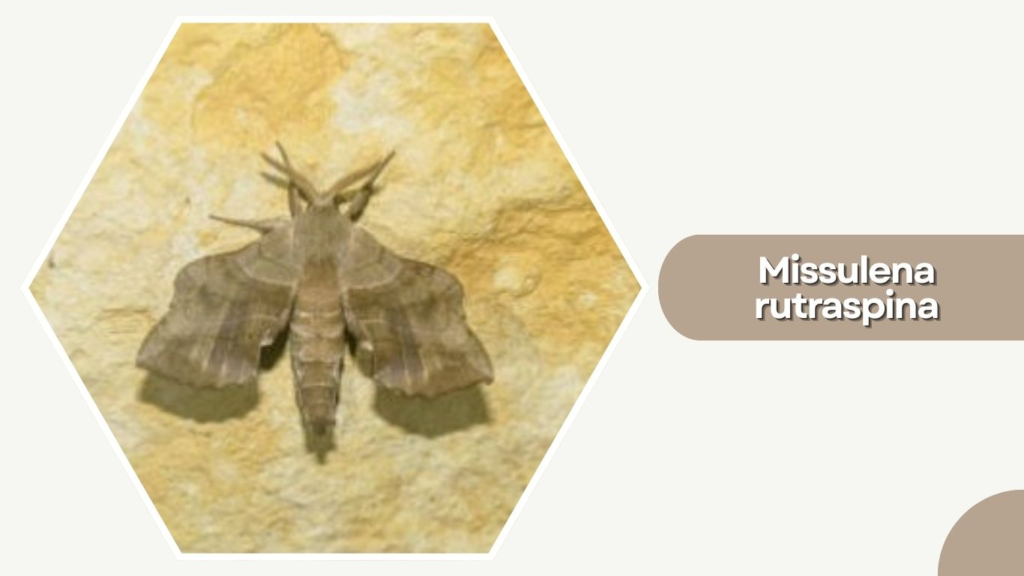
Missulena rutraspina is an Australian mouse spider species adapted to a fossorial, or burrowing, lifestyle. Like other members of the genus, it is rarely seen due to its preference for remaining underground for most of its life.
Identification
- Robust, heavy-set body
- Dark brown to black coloration
- Strong legs and large, downward-pointing fangs
- Females larger and more solid than males
Habitat
This species is commonly found in woodland and open forest environments with well-drained soils. It builds deep, silk-lined burrows that serve as permanent shelters.
Behaviors
Missulena rutraspina is nocturnal and solitary. It waits near the burrow entrance to ambush prey and shows defensive behavior when disturbed. Adult males may roam during the mating season.
Diet
Its diet mainly consists of ground-dwelling insects and other small invertebrates, including beetles, ants, and spiders.
Lifecycle
Females may live for many years and produce multiple egg sacs during their lifetime. Spiderlings remain in or near the burrow before dispersing, while males usually die shortly after mating.
FAQs
1. Are mouse spiders dangerous to humans?
Mouse spiders possess potent venom, but bites are rare. They are shy, reclusive spiders and usually bite only if handled or threatened.
2. Where are mouse spiders commonly found?
Mouse spiders are mainly found in Australia, living in forests, woodlands, grasslands, and sometimes suburban gardens with suitable soil for burrowing.
3. Why are they called mouse spiders?
They are called mouse spiders because of their stocky bodies, dense hair, and the way they dig deep burrows, somewhat similar to small rodents.
4. What do mouse spiders eat?
Their diet mainly consists of insects and other small invertebrates such as beetles, ants, and spiders, which they capture near their burrows.
5. Do mouse spiders build webs?
Mouse spiders do not build webs to catch prey. Instead, they construct silk-lined burrows and rely on ambush hunting rather than web trapping.
