
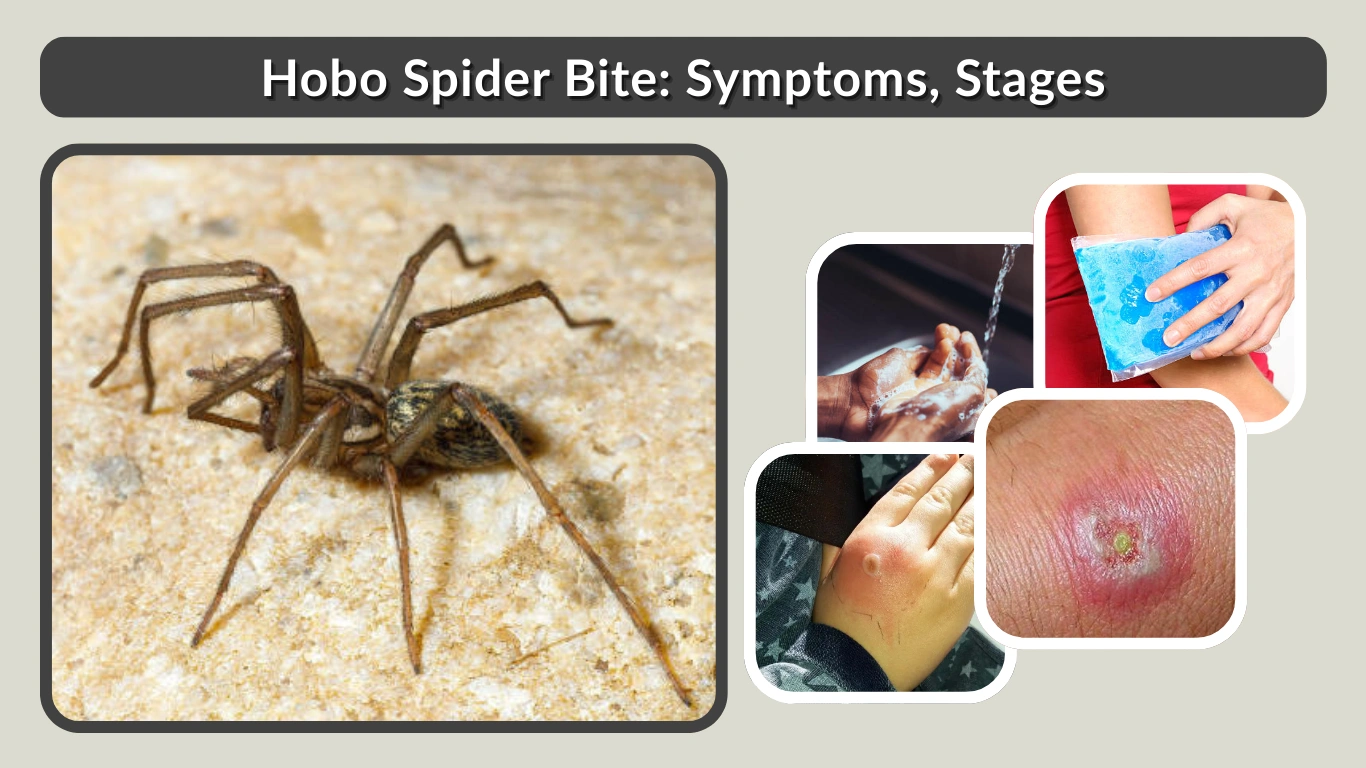
The hobo spider bite is a topic that generates a lot of fear and confusion, especially in the Pacific Northwest of the United States. Many people search for hobo spider bite pictures, early stages, and symptoms after noticing an unexplained skin reaction. For years, hobo spiders were believed to cause severe, necrotic wounds, but modern research has challenged those claims. This article explains what a hobo spider bite looks like, how it progresses, common symptoms, and what science actually says about its danger.
What Is a Hobo Spider Bite?
A hobo spider bite occurs when a hobo spider (Tegenaria agrestis) bites in self-defense. These spiders are not aggressive and rarely bite humans. Most bites happen accidentally, such as when a spider becomes trapped inside clothing, shoes, or bedding.
Confirmed hobo spider bites are uncommon. Many skin lesions blamed on hobo spiders later turn out to be bacterial infections, allergic reactions, or bites from other insects. Because spider bites are difficult to diagnose without seeing the spider, misidentification is extremely common.
What Does a Hobo Spider Bite Look Like?
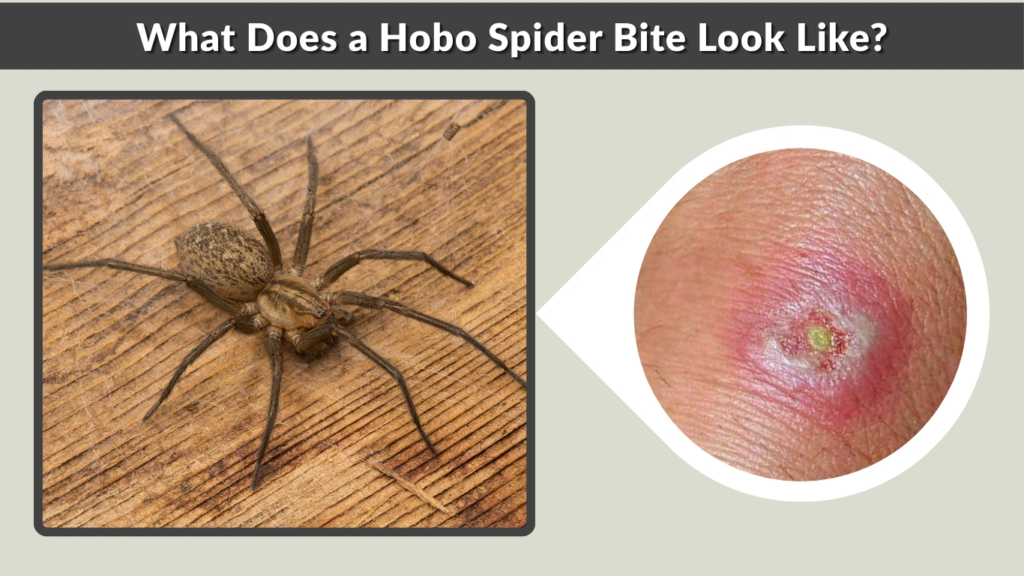
A hobo spider bite usually appears mild and unremarkable. In most cases, it looks similar to a small insect bite. The affected area may show slight redness and minimal swelling shortly after the bite.
Unlike brown recluse bites, hobo spider bites do not have a consistent or distinctive appearance. There is no reliable visual pattern that confirms a hobo spider bite, which is why photos alone cannot be used for diagnosis. Many images online labeled as “hobo spider bites” are actually unrelated skin conditions.
Hobo Spider Bite Identification
- Mild redness at the bite site
- Small raised or swollen bump
- Possible itching or light burning sensation
- No clear necrotic or ulcerating wound pattern
- Often mistaken for mosquito bites, ant bites, or skin infections
Hobo Spider Bite Pictures and Images
Why Hobo Spider Bite Pictures Can Be Misleading
Photos of hobo spider bites found online are often inaccurate. Many severe wounds attributed to hobo spiders have later been identified as staph infections or other medical conditions. Because skin reactions vary widely, a photo cannot confirm whether a spider bite occurred or which spider was responsible.
Early Hobo Spider Bite Pictures
Early-stage hobo spider bite pictures usually show mild redness or slight swelling. On day one, the bite may be barely noticeable. This lack of dramatic early symptoms is one reason many bites go unnoticed or are later blamed for unrelated skin issues.
Hobo Spider Bite Stages
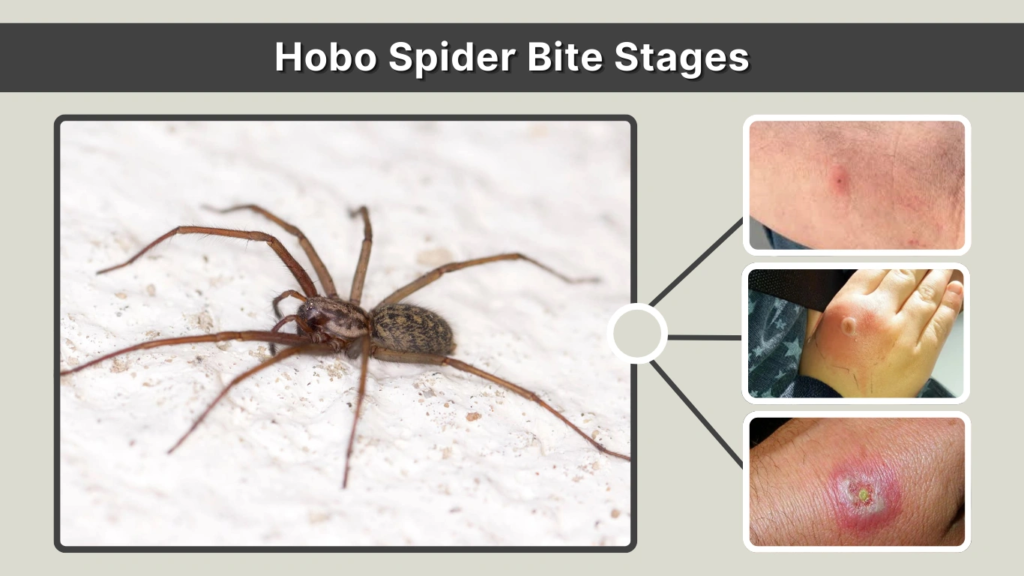
Day 1: Early Stage
During the first day, symptoms are usually mild. The bite area may appear slightly red and feel tender or itchy. Some people feel a brief stinging sensation, while others notice nothing at all.
Day 2: Intermediate Stage
If symptoms progress, mild swelling or localized irritation may occur. In rare cases, a small blister can form, but this is uncommon. Pain remains minimal for most individuals, and symptoms usually stay confined to the bite area.
Day 3 and Beyond: Healing Stage
By the third day, symptoms typically begin to improve. Redness and swelling gradually fade, and the skin returns to normal. Most hobo spider bites heal completely within a few days without complications or scarring.
Hobo Spider Bite Timeline
The overall timeline of a hobo spider bite is short. Symptoms usually appear within a few hours and peak within one to two days. Most bites resolve within three to seven days. If symptoms persist longer or worsen, another cause should be considered, such as infection or an allergic reaction.
Hobo Spider Bite Symptoms
The most common symptoms of a hobo spider bite are mild and localized. These include redness, slight swelling, itching, and minor discomfort. Pain is usually minimal and does not intensify over time.
Less Common Symptoms
Some people report headache, fatigue, or nausea, but these symptoms have not been conclusively linked to hobo spider venom. When such symptoms occur, they are more likely due to stress, unrelated illness, or secondary infection rather than the bite itself.
Early Symptoms of a Hobo Spider Bite
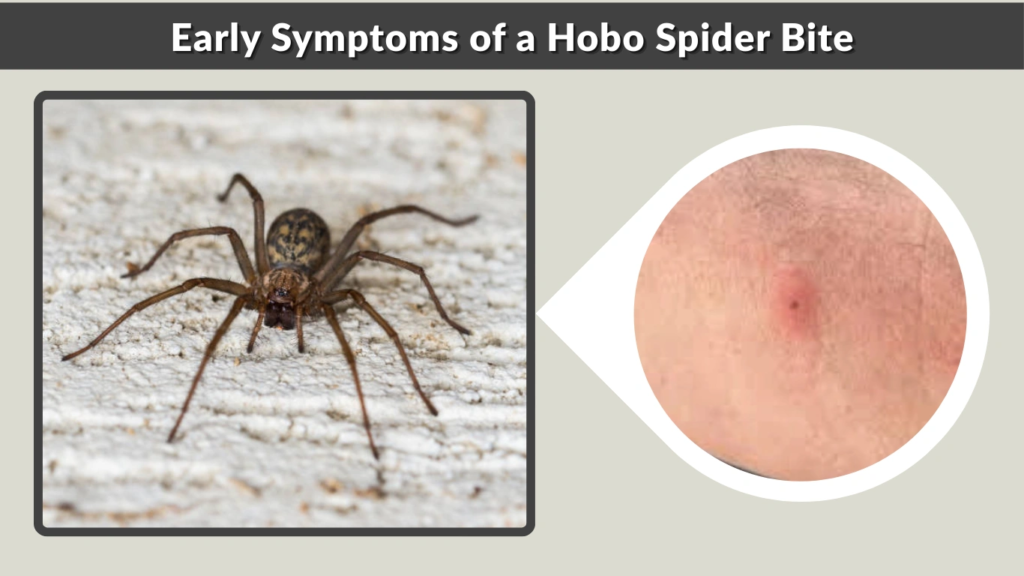
Early symptoms are often subtle and easy to ignore. The bite may resemble a small pimple or mosquito bite during the first 24 hours. Because early symptoms are mild, many people only become concerned days later when a skin issue develops, even if it was unrelated to a spider bite.
Hobo Spider Bite Effects
The effects of a hobo spider bite are generally mild and short-lived. In most confirmed or likely cases, the bite causes temporary skin irritation that resolves without complications. Unlike some other spider bites, there is no consistent evidence showing that hobo spider bites cause tissue necrosis or long-term damage.
Occasionally, prolonged redness or irritation may occur, but this is usually related to scratching or secondary infection rather than venom effects. Most people recover fully within a few days.
Is a Hobo Spider Bite Dangerous?
Based on current scientific research, hobo spider bites are not considered dangerous to humans. Earlier claims linking these spiders to severe wounds were later questioned and largely debunked. Medical experts now agree that hobo spider venom is not medically significant.
When compared to spiders such as the brown recluse or black widow, the hobo spider poses a much lower risk. Serious reactions are extremely rare, and most bites require only basic care.
Can a Hobo Spider Bite Kill You?
There are no confirmed deaths caused by hobo spider bites. The venom is mild and not potent enough to be life-threatening. Fear surrounding hobo spider bites largely stems from outdated information and misdiagnosed skin conditions.
If severe symptoms occur after a suspected bite, they are likely caused by another medical issue and should be evaluated by a healthcare professional.
Hobo Spider Bite vs Brown Recluse Bite
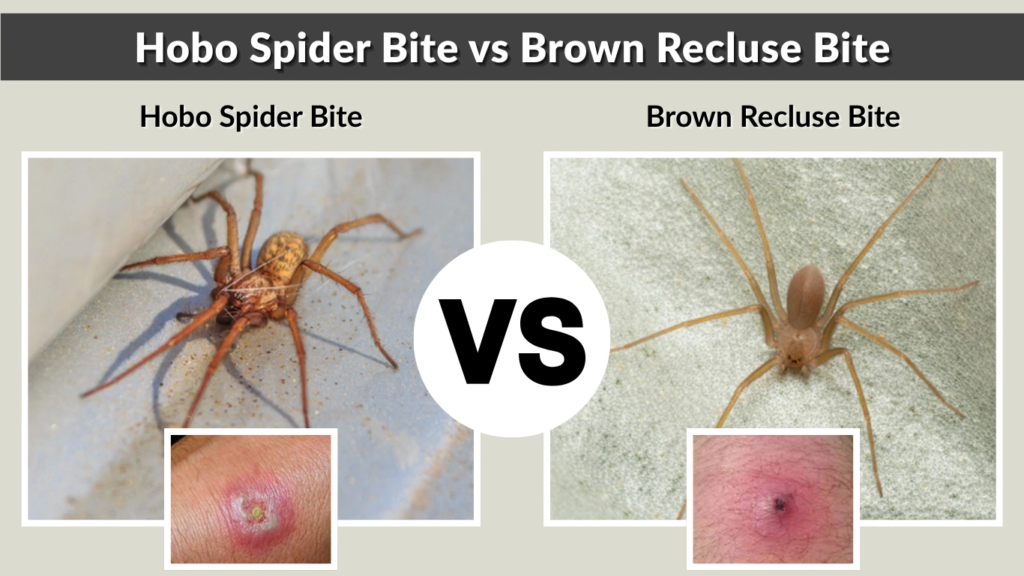
Hobo spider bites are often confused with brown recluse bites, but the two differ significantly. Brown recluse bites can cause necrotic wounds and more intense pain in some cases. They are most commonly found in the central and southern United States.
Hobo spiders, on the other hand, are primarily found in the Pacific Northwest. Their bites are mild, lack a consistent necrotic pattern, and typically heal without medical intervention.
Hobo Spider Bite vs Wolf Spider Bite
Wolf spider bites and hobo spider bites can appear similar, as both usually cause mild redness and irritation. Wolf spiders are more likely to bite due to their active hunting behavior, but their bites are also considered low risk.
Neither species is medically dangerous, and both are commonly mistaken for more harmful spiders based on appearance alone.
Hobo Spider Bite Treatment
Immediate First Aid
If you suspect a hobo spider bite, wash the area gently with soap and water. This helps prevent infection. Applying a cold compress can reduce swelling and discomfort.
Home Treatment Options
Over-the-counter pain relievers may help with mild pain, while antihistamines can reduce itching. Avoid scratching the bite, as this increases the risk of infection.
When to See a Doctor
Medical attention is recommended if symptoms worsen, signs of infection develop (such as pus, increasing redness, or fever), or if the bite does not improve within several days.
How to Treat a Hobo Spider Bite at Home
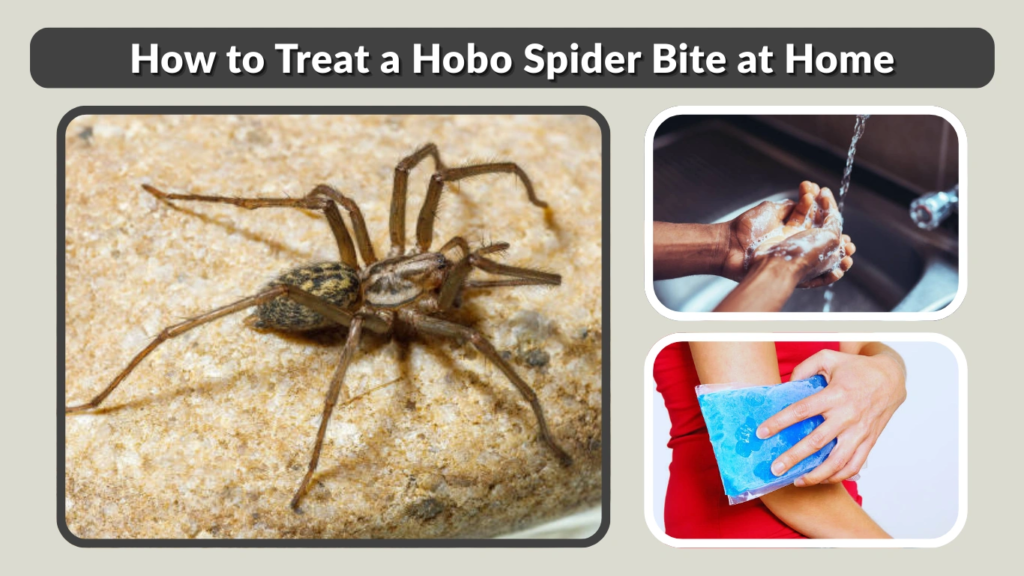
Most hobo spider bites can be treated at home with basic care. Keep the bite area clean and dry, apply a cold compress as needed, and monitor for changes. Antibiotics are usually unnecessary unless a bacterial infection is present.
Avoid home remedies that involve cutting, suction, or harsh chemicals, as these can cause more harm than the bite itself.
Hobo Spider Bite Myths and Misconceptions
One of the most common myths is that hobo spider bites cause necrosis. Scientific evidence does not support this claim. Another misconception is that photos can confirm a hobo spider bite, when in reality, many images online are misdiagnosed conditions.
Understanding these myths helps reduce unnecessary fear and encourages appropriate treatment.
Hobo Spider Bite in Dogs
Hobo spider bites in dogs are rare. If a dog is bitten, symptoms may include mild swelling, redness, or discomfort at the bite site. Severe reactions are uncommon.
Pet owners should contact a veterinarian if a dog shows signs of pain, lethargy, or swelling that does not improve. As with humans, most cases resolve with minimal treatment.
FAQs
Are hobo spider bites dangerous?
No. Hobo spider bites are generally mild and not considered medically dangerous.
Do hobo spider bites hurt or itch?
They may cause mild pain, itching, or irritation, but symptoms are usually minimal.
How long does a hobo spider bite last?
Most hobo spider bites heal within three to seven days.
What should you do if a hobo spider bites you?
Clean the area, apply a cold compress, and monitor symptoms. Seek medical care if symptoms worsen.
Can you die from a hobo spider bite?
No confirmed deaths have been linked to hobo spider bites.
Conclusion
Hobo spider bites are widely misunderstood and often blamed for skin conditions they did not cause. Modern research shows that these bites are usually mild, heal quickly, and pose little risk to humans. By understanding the symptoms, stages, and proper treatment, unnecessary fear can be avoided, and appropriate care can be taken when a bite is suspected.
