
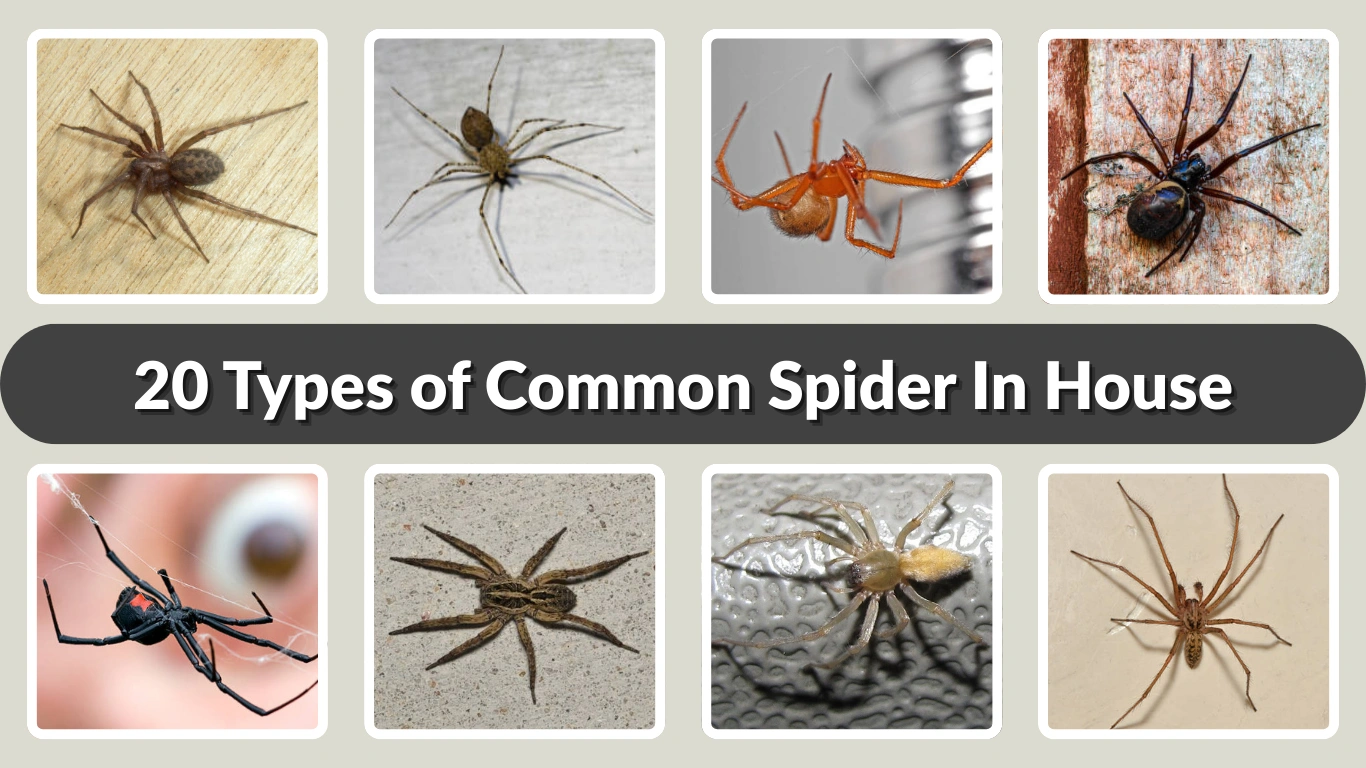
House spiders are a common sight in many homes, often appearing in corners, ceilings, and quiet indoor spaces. While their presence can be unsettling, most house spiders are harmless and play an important role in controlling insect populations. Understanding the different types of spiders found indoors helps reduce fear and allows homeowners to manage them more effectively.
1. House Spider
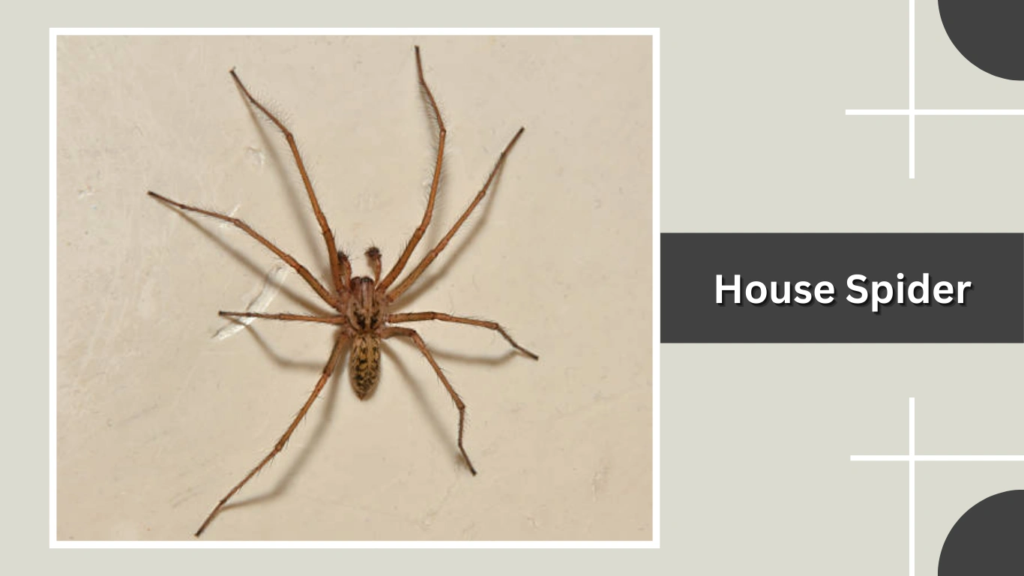
House spiders are among the most commonly seen spiders indoors, especially in quiet corners, ceilings, basements, and storage areas. They are generally harmless to humans and help control other household pests. These spiders prefer undisturbed spaces and often go unnoticed unless their webs are visible.
Identification
- Medium-sized body with long, thin legs
- Color ranges from light brown to dark brown
- Oval-shaped abdomen, sometimes with faint markings
- Builds messy, irregular cobwebs
- Typically slow-moving and non-aggressive
Habitat and Behaviors
House spiders thrive indoors where there is shelter and a steady food supply. Common locations include corners of rooms, behind furniture, window frames, attics, and basements. They are nocturnal by nature and usually stay hidden during the day. These spiders are not aggressive and will retreat rather than bite if disturbed. They tend to remain in the same area for long periods, especially if food is available, and often reuse the same web.
Diet and Lifecycle
House spiders mainly feed on small insects such as flies, mosquitoes, ants, and moths that get trapped in their webs. This makes them beneficial for natural pest control inside homes. The lifecycle begins with eggs laid in silk sacs, often hidden near webs. Spiderlings hatch and disperse, eventually molting several times before reaching adulthood. Depending on environmental conditions, house spiders can live from one to several years indoors.r
2. Cellar Spider
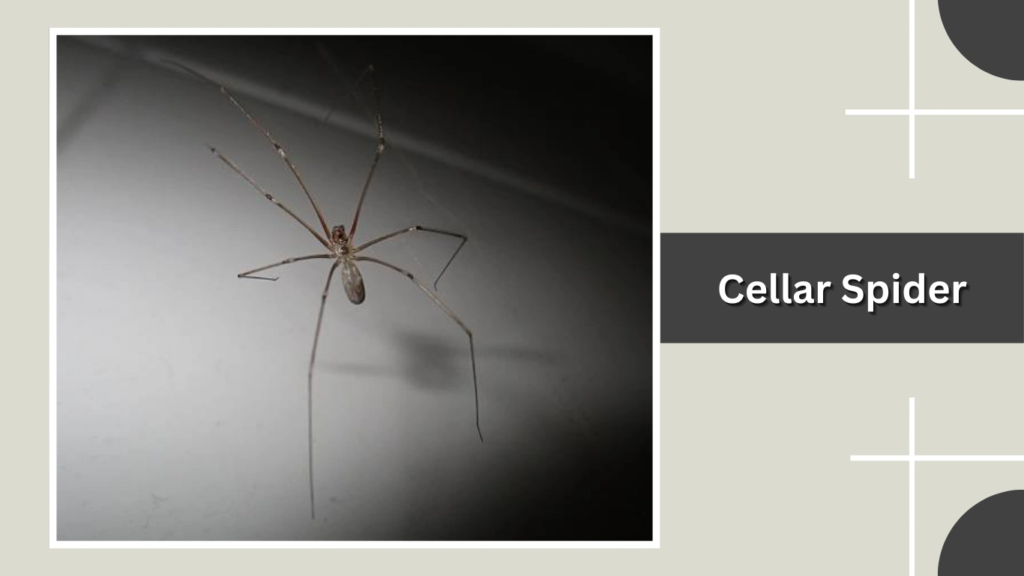
Cellar spiders are very common indoor spiders, easily recognized by their extremely long legs and delicate appearance. They are often seen hanging upside down in webs and are sometimes mistaken for daddy longlegs. Despite their fragile look, cellar spiders are efficient hunters and are completely harmless to humans.
Identification
- Small, pale body with extremely long, thin legs
- Light yellow, gray, or pale brown coloration
- Small, cylindrical or oval abdomen
- Builds loose, irregular cobwebs
- Often seen hanging upside down in webs
Habitat and Behaviors
Cellar spiders prefer dark, damp, and undisturbed indoor areas. Common locations include basements, cellars, bathrooms, crawl spaces, and ceiling corners. They are well known for vibrating rapidly in their webs when threatened, a behavior used to confuse predators. These spiders are non-aggressive and rarely move far from their webs unless disturbed or searching for food.
Diet and Lifecycle
Cellar spiders feed on a wide variety of insects, including flies, mosquitoes, ants, and even other spiders. They play an important role in controlling indoor pest populations. Females carry their eggs loosely wrapped in silk until they hatch, rather than storing them in a fixed egg sac. The spiderlings molt several times before adulthood, and cellar spiders can live up to two years indoors under favorable conditions.
3. Jumping Spider
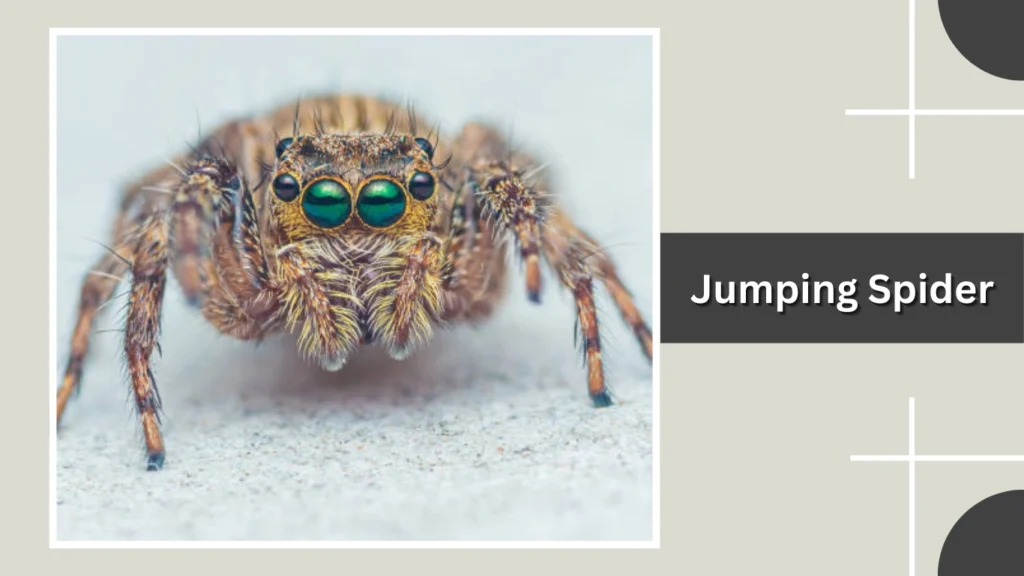
Jumping spiders are small, active spiders commonly found inside homes near windows, walls, and ceilings. Unlike web-building spiders, they hunt by sight and movement, making them easy to notice as they actively explore their surroundings. Their curious behavior and quick jumps often draw attention.
Identification
- Small, compact body with short, sturdy legs
- Large, forward-facing eyes giving excellent vision
- Colors vary: black, brown, gray, or patterned
- Often fuzzy or hairy appearance
- Does not build webs for catching prey
Habitat and Behaviors
Jumping spiders prefer bright indoor areas where insects are present, such as window sills, curtains, and wall corners. They are active during the day and frequently move around rather than staying in one spot. These spiders are known for their ability to jump many times their body length to capture prey or escape danger. Jumping spiders are generally harmless and rarely bite unless handled directly.
Diet and Lifecycle
Jumping spiders feed on small insects like flies, gnats, mosquitoes, and ants. They rely on their sharp eyesight to stalk and ambush prey rather than using webs. Females lay eggs in small silk nests attached to walls or hidden surfaces. The young spiderlings hatch and remain near the nest for a short time before dispersing. Most jumping spiders live for about one year.
4. Wolf Spider
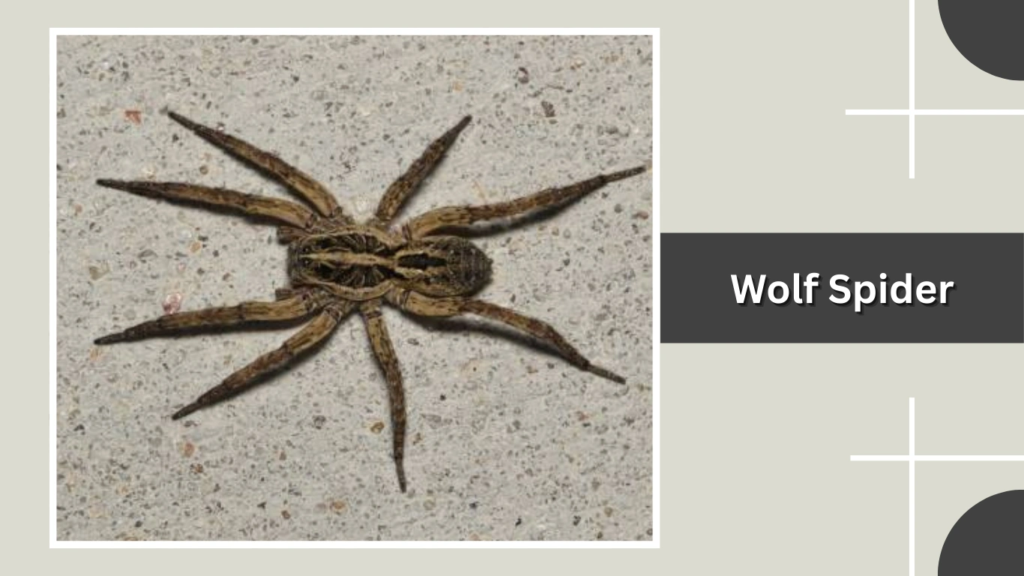
Wolf spiders are fast-moving ground spiders that occasionally wander indoors while hunting for prey. They do not build webs to catch food and are often noticed because of their size and quick movements. Although their appearance can be intimidating, wolf spiders are not dangerous to humans.
Identification
- Large, robust body with long, powerful legs
- Brown, gray, or tan coloration with dark markings
- Hairy body with a strong, muscular build
- Large eyes arranged in three distinct rows
- Does not build prey-catching webs
Habitat and Behaviors
Wolf spiders usually live outdoors but may enter homes through doors, windows, or cracks, especially during colder months. Indoors, they are commonly found along floors, basements, garages, and behind furniture. These spiders are nocturnal hunters and rely on speed and vision rather than webs. Wolf spiders are shy and will flee when encountered, only biting if provoked or trapped.
Diet and Lifecycle
Wolf spiders feed on insects such as crickets, cockroaches, ants, and beetles. Females carry their egg sacs attached to their abdomen and later carry the spiderlings on their back after hatching. This unique behavior helps protect the young during early development. Wolf spiders can live up to two years, depending on species and environmental conditions.
5. Yellow Sac Spider
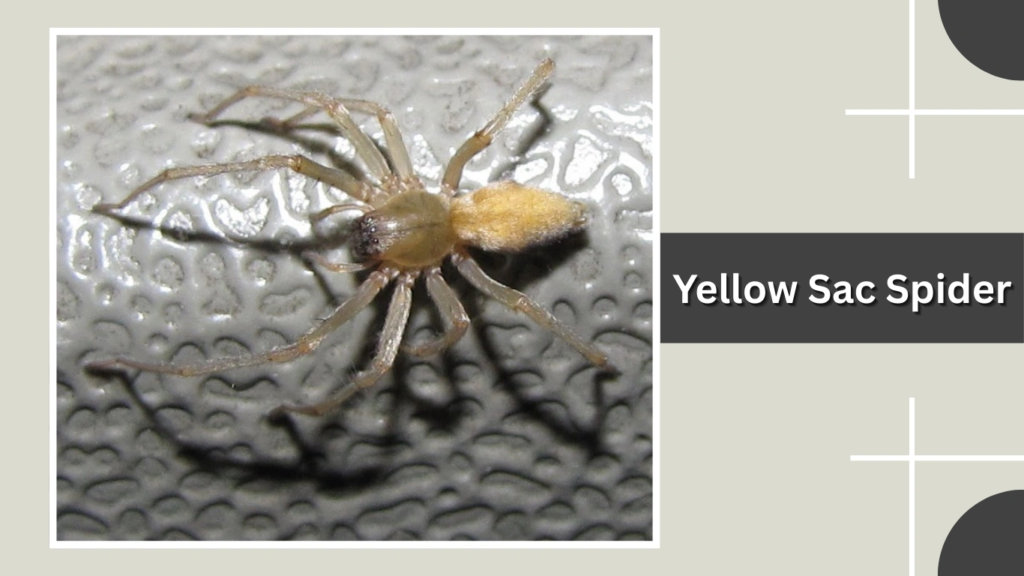
Yellow sac spiders are small but active indoor spiders often responsible for bites inside homes, though their venom is mild. They are commonly found roaming walls and ceilings at night rather than sitting in webs. Their pale color makes them blend easily with indoor surfaces.
Identification
- Small to medium-sized body with slender legs
- Pale yellow, cream, or light green coloration
- Slightly darker jaws (chelicerae)
- Oval-shaped abdomen without bold markings
- Builds small silk sacs instead of webs
Habitat and Behaviors
Yellow sac spiders prefer warm, dry indoor environments and are frequently seen on walls, ceilings, and near window frames. They do not build traditional webs but create silk sacs in corners, behind picture frames, or in wall cracks for resting. These spiders are nocturnal and actively hunt at night. They can become defensive if trapped against skin, which may result in a mild bite.
Diet and Lifecycle
Their diet consists of small insects such as flies, mosquitoes, ants, and mites. Yellow sac spiders actively search for prey rather than waiting in webs. Females lay eggs inside silk sacs, which they guard until hatching. Spiderlings disperse after emerging and mature through several molts. Their lifespan usually ranges from one to two years indoors.
6. Cobweb Spider
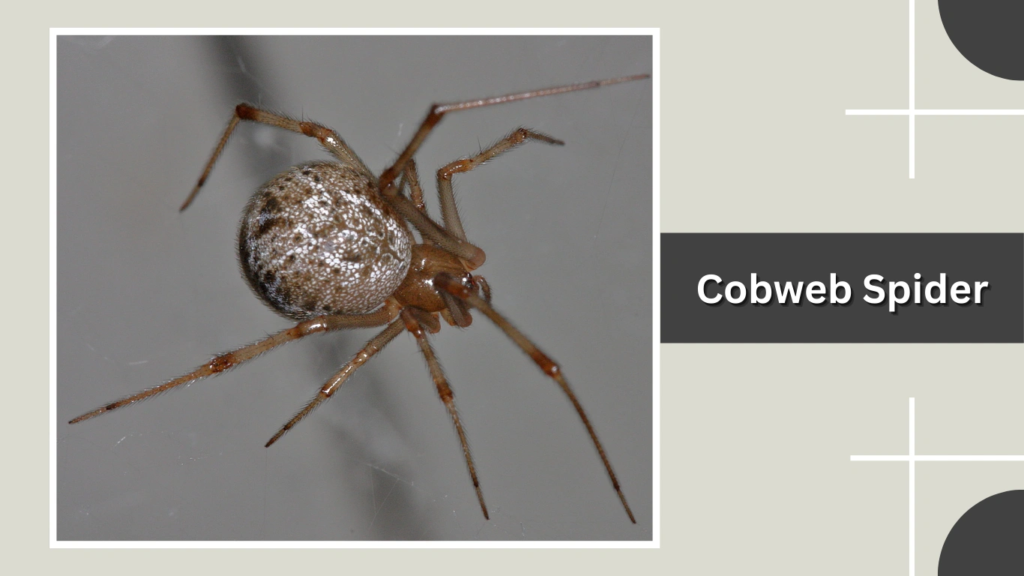
Cobweb spiders are common indoor spiders known for creating messy, tangled webs in corners and undisturbed areas of homes. They are often confused with more dangerous species but are generally harmless. These spiders play a useful role by trapping and reducing indoor insect populations.
Identification
- Small to medium-sized body with thin legs
- Brown, gray, or black coloration
- Rounded or bulb-shaped abdomen
- Builds irregular, sticky cobwebs
- Moves slowly and hangs upside down in webs
Habitat and Behaviors
Cobweb spiders prefer quiet, undisturbed indoor locations such as ceiling corners, behind furniture, storage rooms, and garages. They spend most of their time in their webs, waiting for prey to become trapped. When disturbed, they usually retreat deeper into their web or drop to the ground. These spiders are not aggressive and rarely bite humans.
Diet and Lifecycle
Cobweb spiders feed on flies, mosquitoes, ants, and other small insects caught in their sticky webs. Some species are capable of capturing larger insects relative to their size. Females lay eggs in silk sacs attached to the web or hidden nearby. The spiderlings hatch and disperse, molting several times before reaching adulthood. Most cobweb spiders live for about one year indoors.
7. Funnel Web Spider
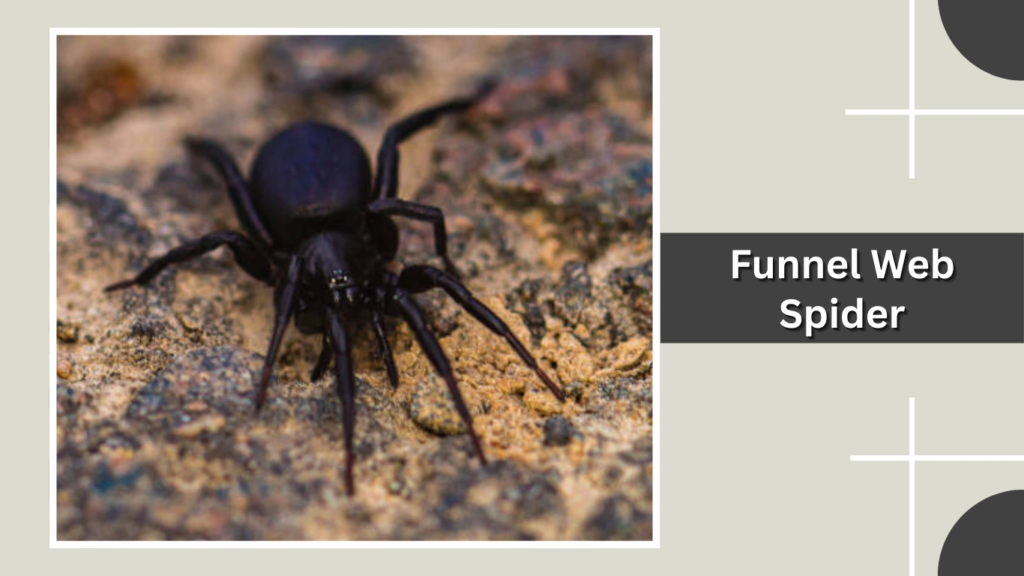
Funnel web spiders found in homes are usually harmless house-dwelling species, not the dangerous Australian funnel web. They are named for the funnel-shaped webs they build in corners and crevices. These spiders are shy and avoid human contact whenever possible.
Identification
- Medium-sized body with long, slender legs
- Brown or gray coloration with darker stripes
- Flat, elongated body shape
- Builds funnel-shaped silk webs
- Fast runners when disturbed
Habitat and Behaviors
Indoor funnel web spiders prefer cool, dark, and quiet areas such as basements, closets, corners, and behind furniture. Their webs consist of a flat sheet that narrows into a funnel where the spider hides. When prey touches the web, the spider rushes out quickly to capture it. These spiders are non-aggressive and usually flee when exposed to light or movement.
Diet and Lifecycle
Funnel web spiders feed on insects like flies, ants, beetles, and small cockroaches that wander into their webs. The female lays eggs in protected silk sacs near the funnel. Spiderlings hatch and remain nearby for a short time before dispersing. With adequate shelter and food, funnel web spiders can live up to two years indoors.
8. False Widow Spider
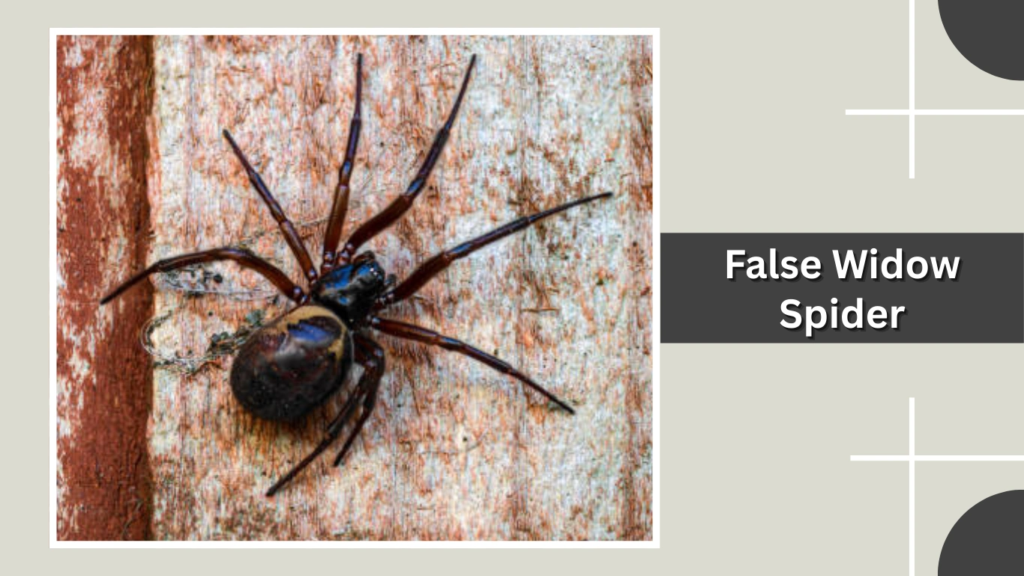
False widow spiders are often noticed indoors due to their shiny appearance and rounded abdomen. They are frequently mistaken for true widow spiders but are less dangerous. While their bite can be painful, serious reactions are rare.
Identification
- Medium-sized spider with a glossy body
- Dark brown, purple, or black coloration
- Bulbous, rounded abdomen with faint markings
- Long, slender legs
- Builds messy, irregular webs
Habitat and Behaviors
False widow spiders prefer warm indoor environments such as corners of rooms, behind furniture, garages, and sheds. They tend to stay close to their webs and are mostly active at night. These spiders are generally shy and avoid confrontation, but they may bite defensively if disturbed or trapped against skin. They often remain in the same location for extended periods.
Diet and Lifecycle
False widow spiders feed on flies, mosquitoes, ants, and other small insects caught in their webs. Occasionally, they can capture larger prey. Females lay eggs in silk sacs hidden near the web. The spiderlings hatch and disperse after a short period. False widow spiders can live for several years indoors, longer than many common house spiders.
9. Brown Recluse
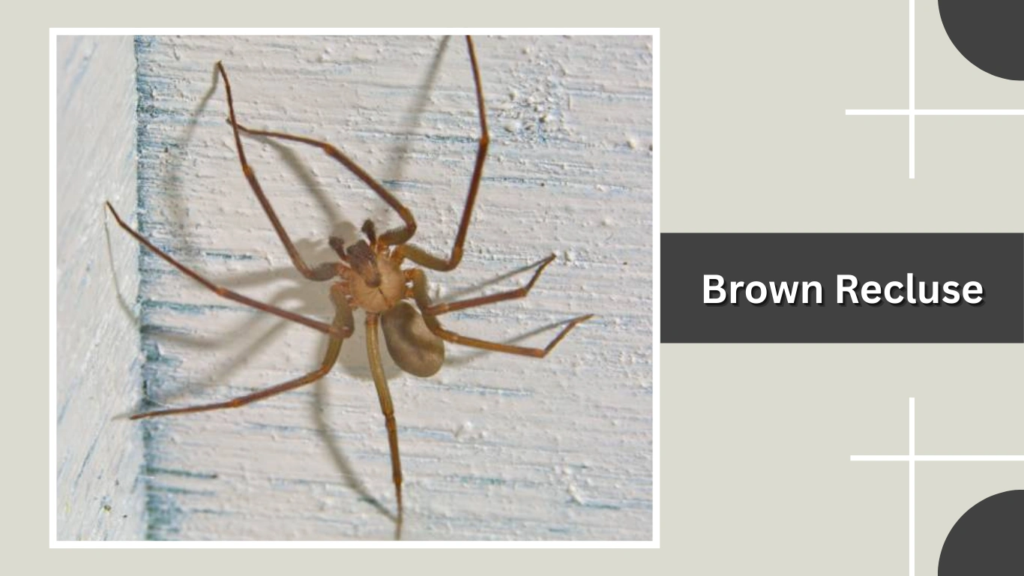
Brown recluse spiders are rarely found indoors but may appear in quiet, undisturbed areas. They are medically significant due to their venom, though bites are uncommon. These spiders prefer to remain hidden and avoid human interaction whenever possible.
Identification
- Medium-sized light brown body
- Distinct violin-shaped marking on the cephalothorax
- Long, thin legs without heavy hair
- Uniform-colored abdomen
- Six eyes arranged in three pairs
Habitat and Behaviors
Brown recluse spiders favor dark, dry, and undisturbed indoor locations such as closets, storage boxes, basements, and behind furniture. They are nocturnal and rarely seen during the day. These spiders do not build prey-catching webs and instead hunt at night. Bites usually occur only when the spider is accidentally pressed against skin, such as in clothing or bedding.
Diet and Lifecycle
Their diet consists of small insects including cockroaches, crickets, and other household pests. Female brown recluse spiders lay eggs in silk sacs hidden in protected areas. Spiderlings hatch and grow slowly, molting several times before maturity. Brown recluse spiders can live two to three years indoors under suitable conditions.
10. Black Widow
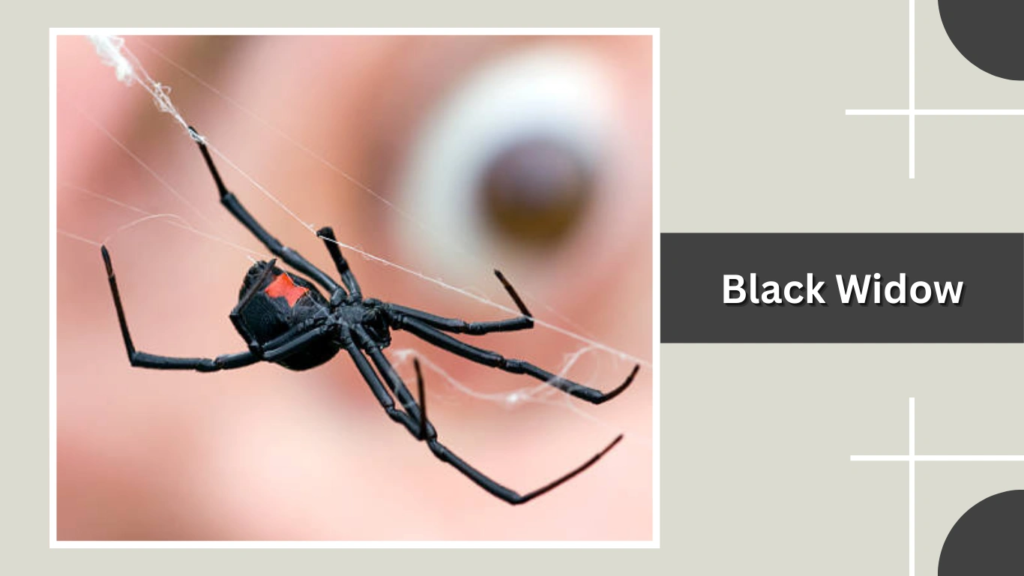
Black widow spiders are one of the most well-known spiders that may occasionally be found in or around homes. They are medically significant due to their potent venom, though they are shy and bites are rare. Most indoor encounters happen in dark, undisturbed areas.
Identification
- Shiny black body with a rounded abdomen
- Distinct red hourglass marking on the underside
- Long, thin legs
- Females are much larger than males
- Smooth, glossy appearance
Habitat and Behaviors
Black widows prefer dark, quiet locations such as basements, garages, storage areas, and crawl spaces. Indoors, they usually stay hidden and build messy, irregular webs near the ground. These spiders are not aggressive and will retreat if disturbed. Bites typically occur only when the spider is accidentally pressed or threatened.
Diet and Lifecycle
Black widow spiders feed on insects like flies, beetles, mosquitoes, and sometimes other spiders. Females lay eggs in round silk sacs attached near their web. Spiderlings hatch and disperse quickly, with many not surviving to adulthood. Females can live up to three years, while males have a much shorter lifespan.
11. Daddy Longlegs Spider
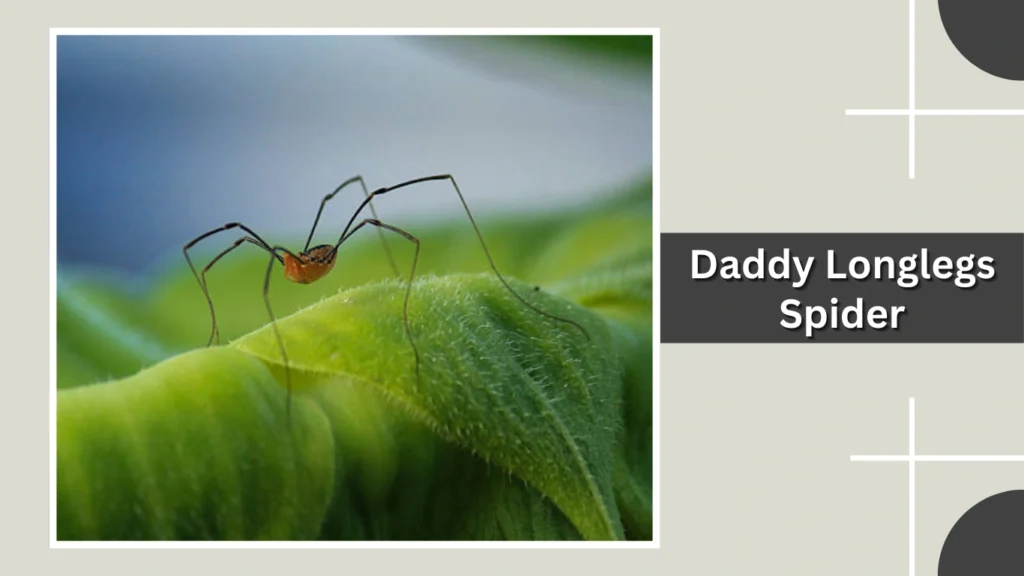
Daddy longlegs spiders, often confused with harvestmen, are very common in houses and are completely harmless to humans. They are known for their extremely long legs and delicate body. These spiders are beneficial because they help reduce indoor insect populations.
Identification
- Very small body with extremely long, thin legs
- Pale brown, gray, or light tan coloration
- Cylindrical or rounded body shape
- Fragile appearance
- Often hangs motionless in webs
Habitat and Behaviors
Daddy longlegs spiders prefer damp, quiet indoor areas such as bathrooms, basements, crawl spaces, and ceiling corners. They build loose, irregular webs and usually remain upside down while resting. When threatened, they shake rapidly in their webs to deter predators. These spiders are non-aggressive and rarely move unless disturbed.
Diet and Lifecycle
They feed on flies, mosquitoes, ants, and other small insects, along with occasional dead insects caught in their webs. Females carry their eggs in loose silk clusters until hatching. Spiderlings molt several times before maturity. Daddy longlegs spiders typically live one to two years indoors under favorable conditions.
12. Giant House Spider

Giant house spiders are among the largest spiders commonly found indoors, often startling due to their size and speed. Despite their intimidating appearance, they are harmless and play a helpful role by controlling insect populations inside homes.
Identification
- Large body with very long legs
- Brown or dark gray coloration with subtle patterns
- Flattened body shape
- Hairy legs and body
- Extremely fast runners
Habitat and Behaviors
These spiders prefer cool, dry indoor areas such as basements, garages, hallways, and corners of rooms. Giant house spiders are most active during late summer and fall when males roam in search of mates. They do not climb smooth surfaces easily and are usually seen running across floors. These spiders avoid humans and rarely bite.
Diet and Lifecycle
Giant house spiders feed on flies, moths, beetles, and other insects found indoors. Females lay eggs in silk sacs hidden in cracks or behind furniture. Spiderlings hatch and disperse after a short period. Giant house spiders can live up to three years, making them one of the longer-living indoor spider species.
13. Spitting Spider
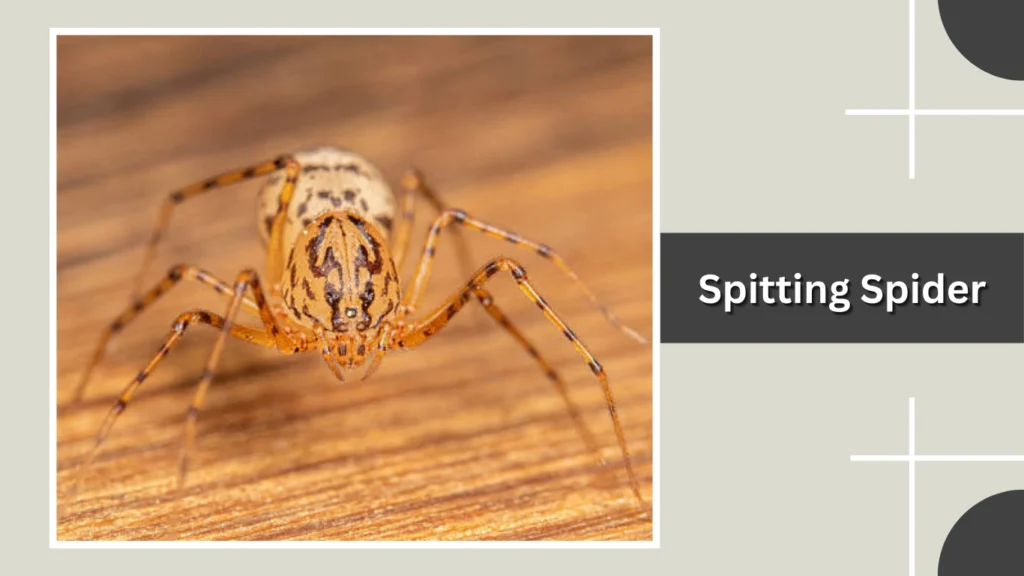
Spitting spiders are unusual house spiders known for their unique hunting method, where they spit sticky silk mixed with venom to immobilize prey. They are harmless to humans and usually go unnoticed due to their slow movements and secretive nature.
Identification
- Small to medium-sized body
- Yellowish or light brown color with dark markings
- Dome-shaped cephalothorax
- Short legs compared to body size
- Large, forward-facing eyes
Habitat and Behaviors
Spitting spiders prefer quiet, dim indoor areas such as closets, behind furniture, wall cracks, and storage rooms. They are nocturnal and move slowly, often freezing when exposed to light. Instead of using webs to catch prey, they actively hunt at close range. These spiders are shy and rarely bite, even when handled.
Diet and Lifecycle
Their diet includes small insects, flies, ants, and even other spiders. When hunting, they eject a zigzag pattern of sticky silk to pin prey down. Females lay eggs in small silk sacs hidden in protected areas. Spiderlings hatch and mature through several molts. Spitting spiders typically live one to two years indoors.
14. Red House Spider
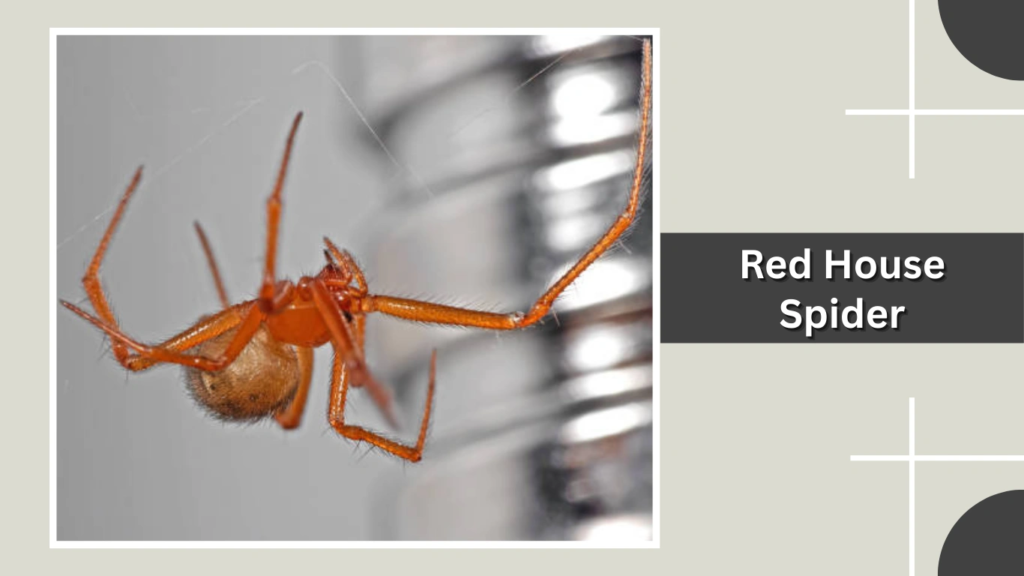
Red house spiders are small but noticeable due to their reddish coloration. They are commonly found indoors, especially in warm climates, and are generally harmless to humans. These spiders tend to stay hidden and are rarely seen unless their webs are disturbed.
Identification
- Small body with short legs
- Reddish-brown or dark red coloration
- Oval-shaped abdomen
- Smooth, glossy appearance
- Builds messy cobwebs
Habitat and Behaviors
Red house spiders prefer warm, dry indoor environments such as wall corners, behind furniture, window frames, and storage areas. They are slow-moving and usually remain close to their webs. These spiders are non-aggressive and will retreat rather than bite when disturbed. They are more active at night and stay hidden during the day.
Diet and Lifecycle
Their diet mainly consists of small insects like flies, ants, and mosquitoes that become trapped in their webs. Females lay eggs in silk sacs attached near the web. Spiderlings hatch and disperse after a short time, growing through several molts. Red house spiders usually live around one year indoors under suitable conditions.
15. Long-bodied Cellar Spider
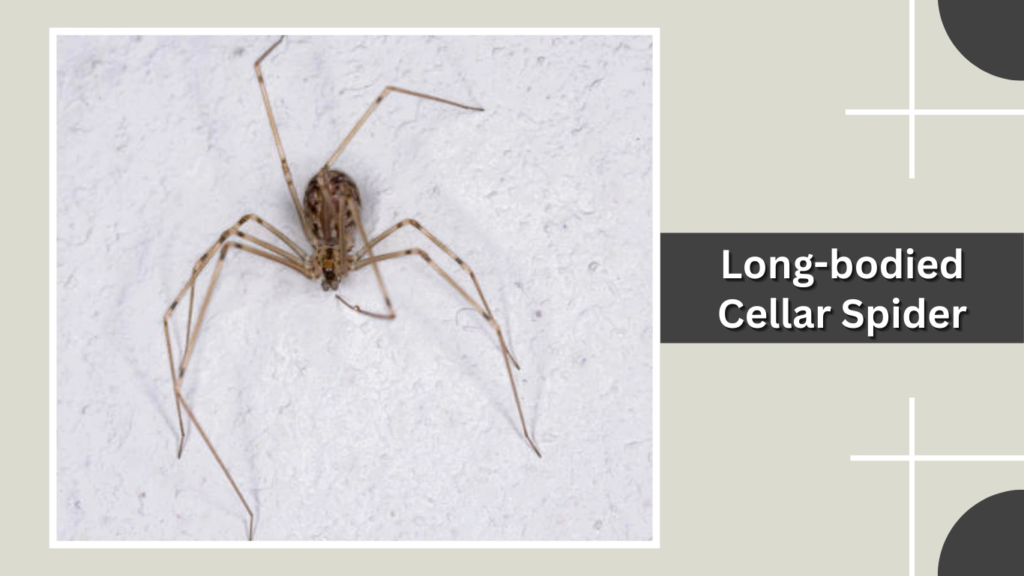
Long-bodied cellar spiders are extremely common indoor spiders and are often confused with daddy longlegs. They are harmless, delicate in appearance, and beneficial for controlling other household insects and even spiders.
Identification
- Very small, elongated body
- Extremely long, thin legs
- Pale yellow, light brown, or gray color
- Cylindrical abdomen
- Builds loose, tangled webs
Habitat and Behaviors
These spiders prefer dark, damp, and undisturbed indoor areas such as basements, bathrooms, ceiling corners, crawl spaces, and storage rooms. They usually hang upside down in their webs and remain still for long periods. When threatened, they vibrate rapidly in the web to deter predators. They are non-aggressive and rarely leave their web unless disturbed.
Diet and Lifecycle
Long-bodied cellar spiders feed on flies, mosquitoes, ants, and even more dangerous spiders like widow spiders. Females carry their eggs loosely wrapped in silk until they hatch. Spiderlings stay close to the mother for a short time before dispersing. Their lifespan typically ranges from one to two years indoors.
16. Wall Spider
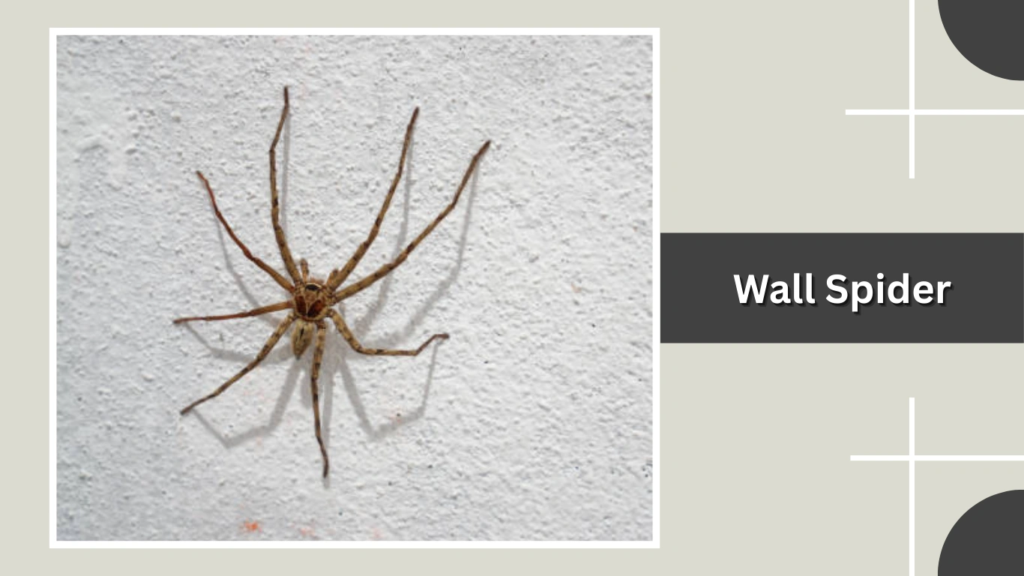
Wall spiders are small, fast-moving spiders often seen darting across indoor walls and ceilings. They do not build noticeable webs and are usually observed while actively hunting. These spiders are harmless and help reduce flying and crawling insects inside homes.
Identification
- Small, flattened body
- Gray, brown, or pale coloration
- Long legs extending sideways
- Smooth body with minimal hair
- Moves quickly across walls
Habitat and Behaviors
Wall spiders prefer dry indoor spaces such as living room walls, ceilings, hallways, and behind wall hangings. They are excellent climbers and rely on speed rather than webs to catch prey. These spiders are mostly nocturnal and hide in cracks or crevices during the day. They are shy by nature and quickly escape when disturbed.
Diet and Lifecycle
Their diet includes flies, mosquitoes, ants, and other small insects found indoors. Wall spiders actively chase prey rather than waiting for it. Females lay eggs in small silk sacs hidden in wall cracks or behind furniture. Spiderlings hatch and mature through multiple molts. Wall spiders generally live about one year indoors.
17. Hobo Spider
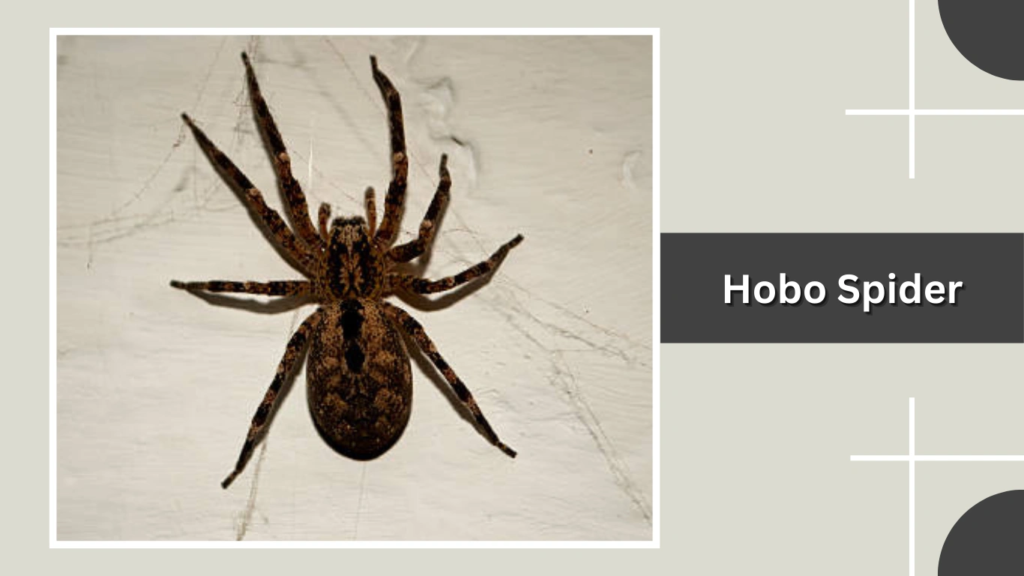
Hobo spiders are medium-sized spiders that may wander indoors, especially during cooler months. They are often misunderstood due to past misinformation, but they are generally not aggressive and pose little risk to humans. Most encounters happen accidentally.
Identification
- Medium-sized brown body
- Long legs with fine hair
- Subtle chevron or herringbone patterns on abdomen
- Oval-shaped abdomen
- Does not have bright or bold markings
Habitat and Behaviors
Hobo spiders prefer dark, quiet indoor areas such as basements, crawl spaces, garages, and storage rooms. They build funnel-shaped webs near floors, cracks, and corners. These spiders are fast runners and usually flee when exposed. They are not territorial and often move locations while searching for food or mates.
Diet and Lifecycle
Their diet consists of insects like ants, beetles, flies, and other ground-dwelling pests. Females lay eggs in silk sacs hidden near their webs. Spiderlings hatch and disperse after a short period, molting several times before maturity. Hobo spiders typically live one to two years indoors, depending on conditions.
18. American House Spider
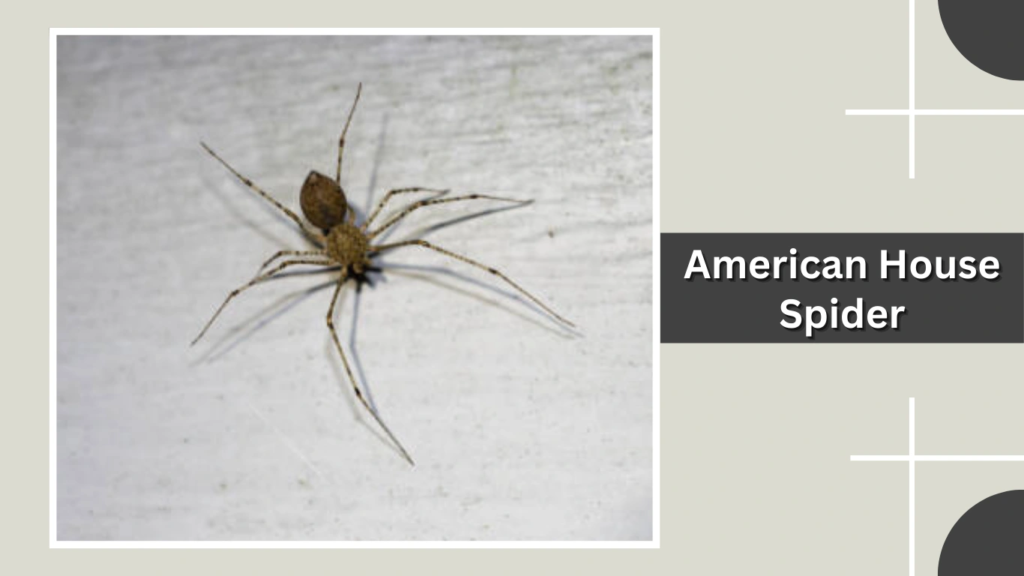
American house spiders are one of the most common spiders found inside homes across North America. They are harmless and often unnoticed, except for their webs. These spiders help control populations of flying and crawling insects indoors.
Identification
- Small to medium-sized body
- Brown or gray coloration with faint patterns
- Rounded abdomen with subtle markings
- Long, thin legs
- Builds messy cobwebs
Habitat and Behaviors
They prefer quiet, undisturbed indoor locations such as corners of rooms, ceilings, basements, closets, and behind furniture. American house spiders usually stay in their webs and wait for prey. They are non-aggressive and rarely leave their webs unless disturbed. Most activity occurs at night.
Diet and Lifecycle
American house spiders feed on flies, mosquitoes, moths, and other small insects trapped in their webs. Females produce egg sacs that are attached near the web. Spiderlings hatch and disperse, growing through multiple molts before adulthood. These spiders typically live for about one year indoors.
19. Domestic House Spider
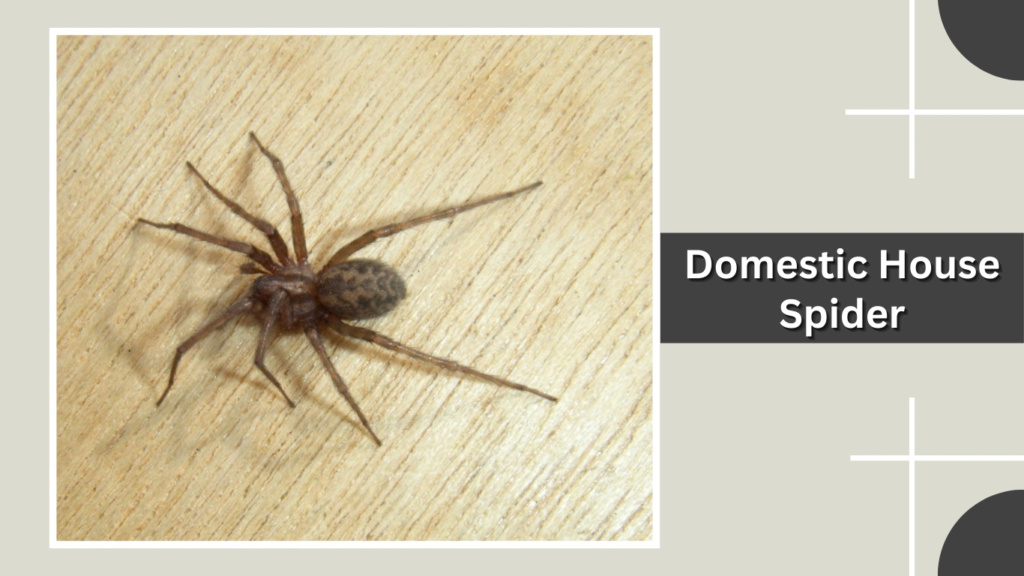
Domestic house spiders are commonly found living indoors year-round. They are well adapted to human environments and usually remain hidden in quiet corners. These spiders are harmless and contribute to natural pest control inside homes.
Identification
- Medium-sized body with long legs
- Brown or gray coloration
- Oval abdomen with faint markings
- Thin, slightly hairy legs
- Builds irregular cobwebs
Habitat and Behaviors
Domestic house spiders prefer undisturbed indoor areas such as ceiling corners, behind furniture, storage rooms, and attics. They spend most of their time in webs and rarely wander far. These spiders are mostly nocturnal and avoid light and movement. When disturbed, they either retreat deeper into their web or drop to the ground to escape.
Diet and Lifecycle
They feed on flies, mosquitoes, moths, ants, and other small insects caught in their webs. Females lay eggs in silk sacs hidden near the web. Spiderlings hatch and disperse within a short time, maturing through several molts. Domestic house spiders usually live about one to two years indoors.
20. Spitting House Spider
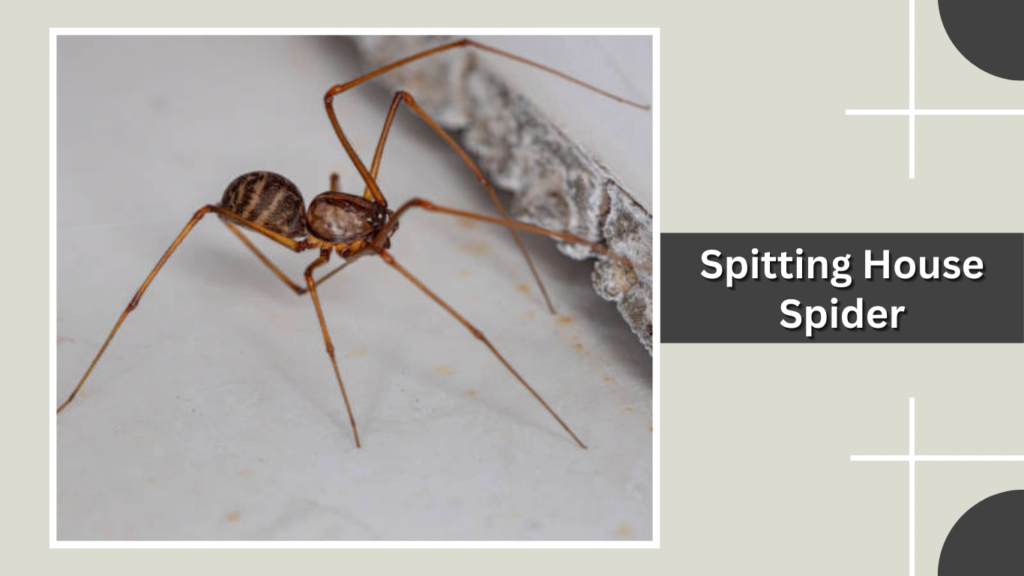
Spitting house spiders are rarely noticed but can be found indoors in quiet, low-traffic areas. They are known for their unique hunting behavior and are completely harmless to humans. Their slow movement makes them less likely to be seen.
Identification
- Small to medium body size
- Yellowish, cream, or light brown color
- Dark markings on the head area
- Short legs relative to body size
- Large eyes compared to body
Habitat and Behaviors
These spiders prefer dark, sheltered indoor spaces such as closets, behind furniture, wall cracks, and storage areas. They are nocturnal hunters and move slowly when searching for prey. Instead of using webs, they rely on close-range attacks. They are shy and freeze when exposed to light.
Diet and Lifecycle
Spitting house spiders feed on small insects, ants, flies, and other spiders. They immobilize prey by spitting sticky silk mixed with venom. Females lay eggs in small silk sacs hidden in protected areas. Spiderlings develop through several molts and usually live up to two years indoors.
FAQs
Are house spiders dangerous to humans?
Most house spiders are harmless and do not pose any danger to humans. They are generally shy and avoid contact. Bites are rare and usually occur only if a spider is trapped against skin. In most cases, a bite causes mild irritation similar to a mosquito bite.
Why do spiders come inside houses?
Spiders enter homes searching for shelter, warmth, and food. Houses provide stable temperatures and access to insects like flies and mosquitoes. Cracks, windows, doors, and vents make it easy for spiders to move indoors, especially during colder or rainy seasons.
Should I remove spiders from my house?
Removing spiders is not always necessary, as they help control other pests. However, if their presence causes discomfort, they can be gently relocated outdoors. Regular cleaning, sealing entry points, and reducing indoor insects can help limit spider activity.
Do house spiders bite while sleeping?
House spiders do not actively seek humans and almost never bite while sleeping. Bites usually happen only if a spider is accidentally pressed or trapped. Finding spiders in beds is extremely rare, as they prefer quiet, undisturbed areas away from human activity.
How can I prevent spiders from entering my home?
To prevent spiders, seal cracks and gaps around doors and windows, reduce indoor clutter, and keep areas clean. Using screens, proper lighting, and reducing insects inside the home can also help minimize spider presence.
