
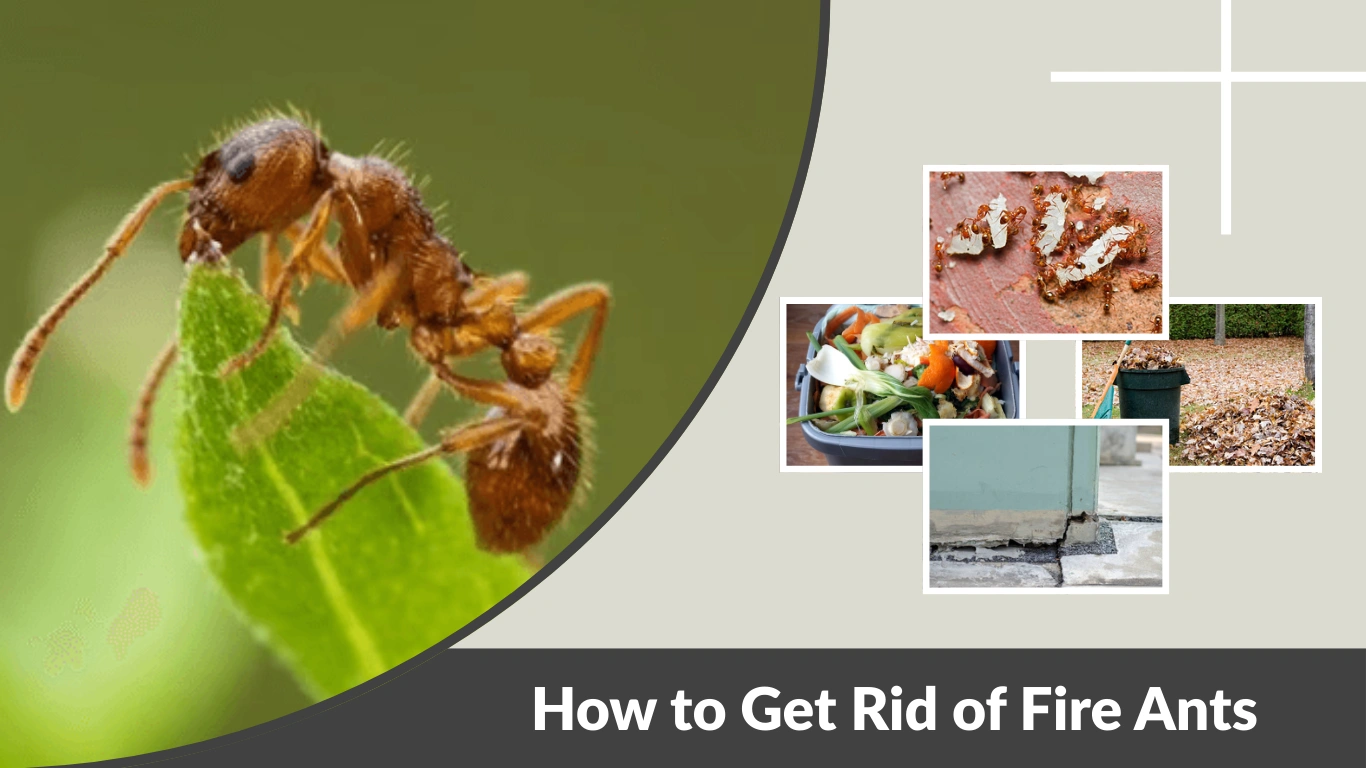
Fire ants are one of the most aggressive and painful household and yard pests. Unlike regular ants, fire ants bite and sting repeatedly, leaving behind itchy blisters that can last for days. They spread quickly, build large underground colonies, and often return if not treated correctly. Fire ants can invade yards, gardens, lawns, and even the inside of homes. This guide explains how to get rid of fire ants naturally and permanently, covering yard, house, and garden infestations, pet-safe methods, and effective treatment for fire ant bites.
What Are Fire Ants and Why They Are Hard to Eliminate
Fire ants are highly aggressive insects known for their painful stings and rapid colony expansion. One of the biggest reasons fire ants are difficult to eliminate is their colony structure. A single fire ant mound may contain thousands of ants and multiple queens, allowing the colony to survive even after partial treatment.
Fire ants also relocate quickly when disturbed. If a mound is treated incorrectly, the colony may split and rebuild nearby, making the infestation worse. They pose serious risks to children, pets, gardeners, and livestock and can damage lawns, vegetable gardens, and electrical equipment.
Types of Fire Ants Commonly Found

Different types of fire ants exist, but they share similar behaviors and sting patterns.
- Red fire ants: The most common and aggressive type
- Red imported fire ants: Highly invasive and widespread
- Black fire ants: Less common but still aggressive
- European fire ants: Found in cooler climates
- Little fire ants: Extremely painful stings despite small size
Identifying the type helps determine how aggressive and widespread the infestation may be.
Signs of a Fire Ant Infestation
Fire ants are often noticed only after someone is bitten, but there are clear signs to watch for.
- Large fire ant mounds or hills in the yard
- Loose soil piles without a visible hole
- Ants swarming quickly when disturbed
- Painful stings that form white blisters
- Fire ant trails along patios, grass, or walls
Early detection makes control much easier.
Where Fire Ants Commonly Invade
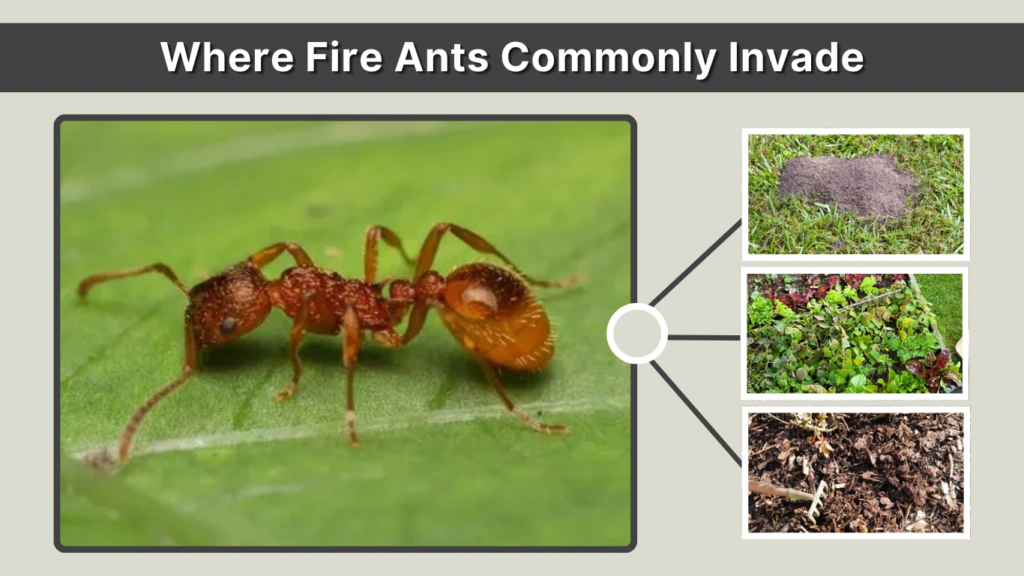
Fire ants prefer warm, open areas but can spread almost anywhere.
They commonly infest:
- Yards, lawns, and grass
- Gardens and vegetable gardens
- Mulch beds and flower beds
- Patios and backyards
- Potted plants
- Chicken coops and pasture areas
- Cars, mailboxes, and garages
- Inside homes, including kitchens, bedrooms, carpets, and walls
Once established outdoors, fire ants often move closer to buildings for shelter and food.
How to Get Rid of Fire Ants Naturally
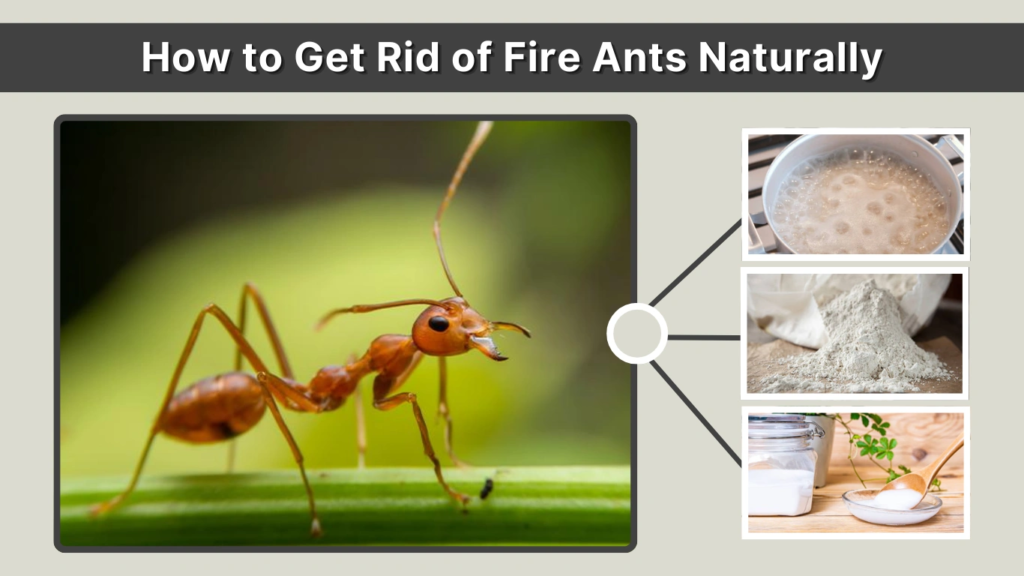
Natural methods are safer for families, pets, and the environment. While they may take time, they are effective when used consistently.
Boiling Water Method
Boiling water is one of the simplest natural ways to kill fire ants.
- Slowly pour boiling water directly onto the fire ant mound
- Use large amounts to reach deep into the nest
This method can kill a large portion of the colony but may not eliminate all queens. It works best for small to medium mounds.
Diatomaceous Earth (Food Grade)
Food-grade diatomaceous earth is a powerful natural insect killer.
- Sprinkle it around fire ant mounds, trails, and entry points
- It damages ants’ outer shells, causing dehydration
It is safe for humans and pets when used correctly and works well both indoors and outdoors.
Baking Soda and Sugar Method
This method works best for smaller colonies.
- Mix equal parts baking soda and sugar
- Place near ant trails and mound openings
The sugar attracts ants, while the baking soda disrupts their digestive systems when carried back to the nest.
Vinegar and Natural Repellents
Vinegar helps remove ant scent trails.
- Spray vinegar and water around entry points and trails
- Use it on patios, walkways, and foundation edges
This method is more effective as a repellent than a colony killer.
Essential Oils That Repel Fire Ants
Certain essential oils naturally repel fire ants.
- Orange oil
- Clove oil
- Tea tree oil
Mix a few drops with water and spray around problem areas, avoiding direct contact with plants.
How to Get Rid of Fire Ants Without Chemicals
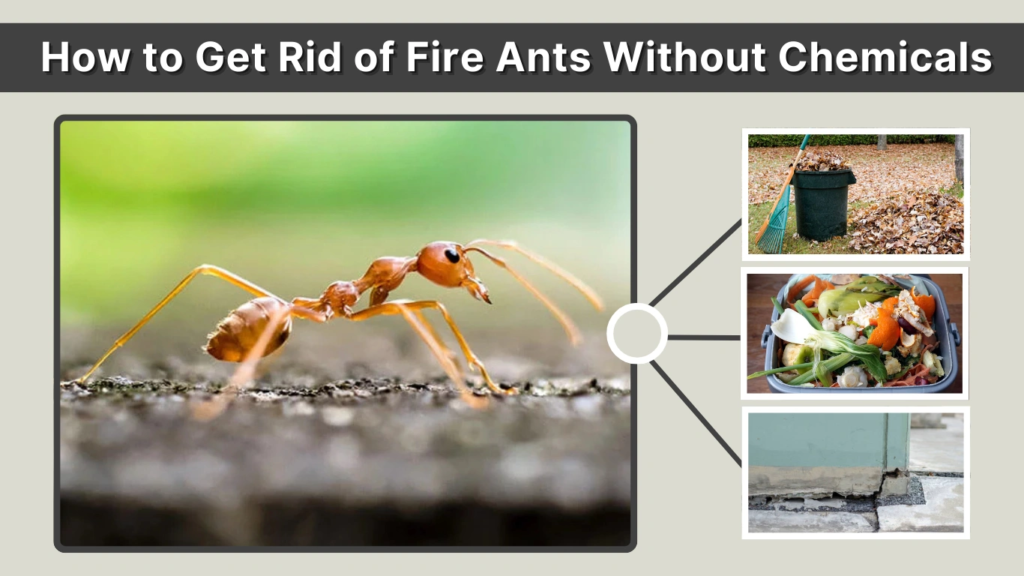
Chemical-free control focuses on prevention and consistency.
- Keep yards clean and debris-free
- Remove food sources outdoors
- Seal cracks and entry points around the home
- Use natural barriers and repellents regularly
These steps reduce reinfestation and make natural treatments more effective.
How to Get Rid of Fire Ants in the Yard
Fire ants are most commonly found outdoors, and yard infestations often lead to indoor problems if left untreated.
Fire Ant Mounds and Hills
Fire ant mounds may appear overnight and grow quickly.
- Identify all visible fire ant mounds
- Treat early morning or late evening when ants are active
- Apply natural treatments directly to the mound opening
For large fire ant mounds, repeated treatment is often necessary to reach deep nest chambers.
Fire Ants in Lawn, Grass, and Mulch
Fire ants thrive in lawns and mulch beds.
- Keep grass trimmed and mulch layers thin
- Use diatomaceous earth around lawn edges
- Avoid overwatering, which attracts ants
Maintaining the yard reduces future infestations.
Fire Ants in Garden and Vegetable Garden
Fire ants in gardens can damage plants and sting while harvesting.
- Use boiling water carefully to avoid plant roots
- Apply food-grade diatomaceous earth around beds
- Avoid chemical pesticides on edible plants
Organic methods protect both crops and soil health.
How to Get Rid of Fire Ants in the House
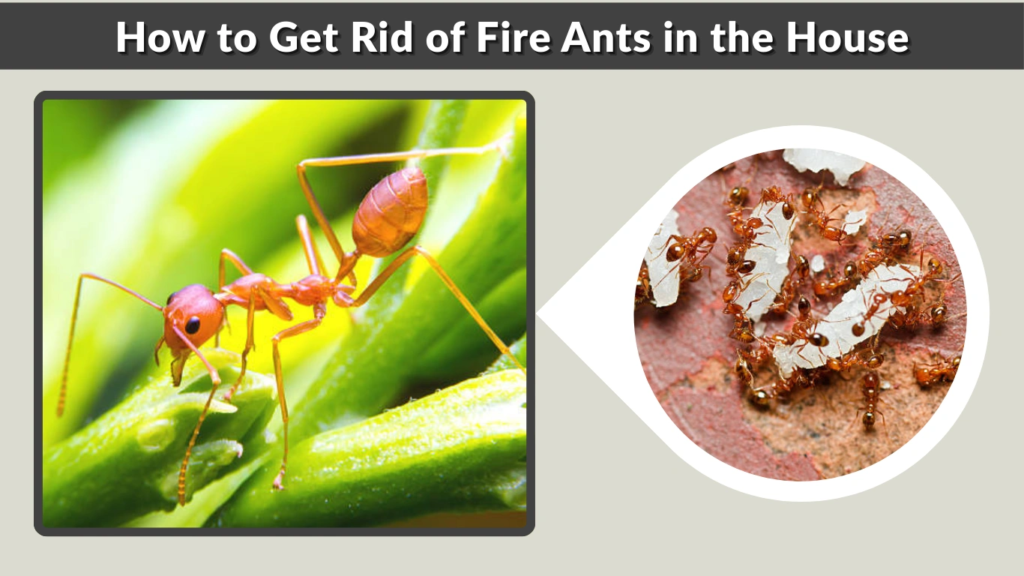
Although fire ants prefer outdoor nests, they may enter homes searching for food or moisture.
Fire Ants in Kitchen, Bedroom, and Carpet
- Clean floors and surfaces daily
- Remove food crumbs and spills immediately
- Use natural baits near entry points
Vacuuming helps remove ants but should be followed by baiting to stop reinfestation.
Fire Ants in Walls
Fire ants can nest inside wall voids.
- Seal cracks, baseboards, and pipe openings
- Place bait near suspected entry points
- Monitor activity over several days
Professional help may be needed for deep wall infestations.
Fire Ants in Car and Mailbox
Cars and mailboxes can attract fire ants due to heat.
- Park in sunlight to raise internal temperature
- Clean thoroughly and remove food sources
- Use natural repellents instead of sprays
How to Get Rid of Fire Ants Safely Around Pets
Pet safety is essential when treating fire ants.
- Use food-grade diatomaceous earth only
- Avoid toxic sprays and granules
- Keep pets away from treated mounds temporarily
Natural methods reduce the risk of accidental poisoning.
How to Get Rid of Fire Ants Permanently

Permanent fire ant control requires a long-term strategy.
- Eliminate the entire colony, not just surface ants
- Treat outdoor areas consistently
- Monitor for new mounds weekly
- Maintain yard hygiene and moisture control
Consistency is the key to long-lasting results.
Natural vs Chemical Fire Ant Control
Natural treatments are safer and environmentally friendly, while chemical methods may offer faster results. However, chemicals often kill only worker ants and not the queen. Natural bait-based methods and prevention usually provide better long-term control.
How to Treat Fire Ant Bites
Fire ant stings can be painful and itchy.
Fire Ant Bite Symptoms
- Burning sensation
- Redness and swelling
- White pus-filled blisters
How to Reduce Fire Ant Bite Itch and Blisters
- Wash the area with soap and water
- Apply cold compress
- Use baking soda paste or aloe vera
How to Reduce Fire Ant Bite Scars
- Avoid scratching blisters
- Keep the area clean
- Use soothing ointments
Seek medical attention if severe allergic reactions occur.
Common Mistakes That Make Fire Ant Problems Worse
- Treating only visible ants
- Ignoring outdoor nests
- Using repellents incorrectly
- Skipping follow-up treatments
Avoiding these mistakes improves success.
FAQs
Why do fire ants keep coming back?
Fire ants rebuild quickly if the queen survives. Partial treatment often causes colonies to relocate nearby.
What is the fastest way to kill fire ants?
Boiling water kills ants quickly, but baiting and nest elimination provide better long-term control.
Are fire ants dangerous to pets?
Yes, stings can harm pets. Use pet-safe treatments and keep animals away from infested areas.
Can fire ants live inside walls?
Yes, especially in warm, dry wall voids near food and moisture sources.
What is the safest way to kill fire ants naturally?
Food-grade diatomaceous earth and natural baits are among the safest options.
