
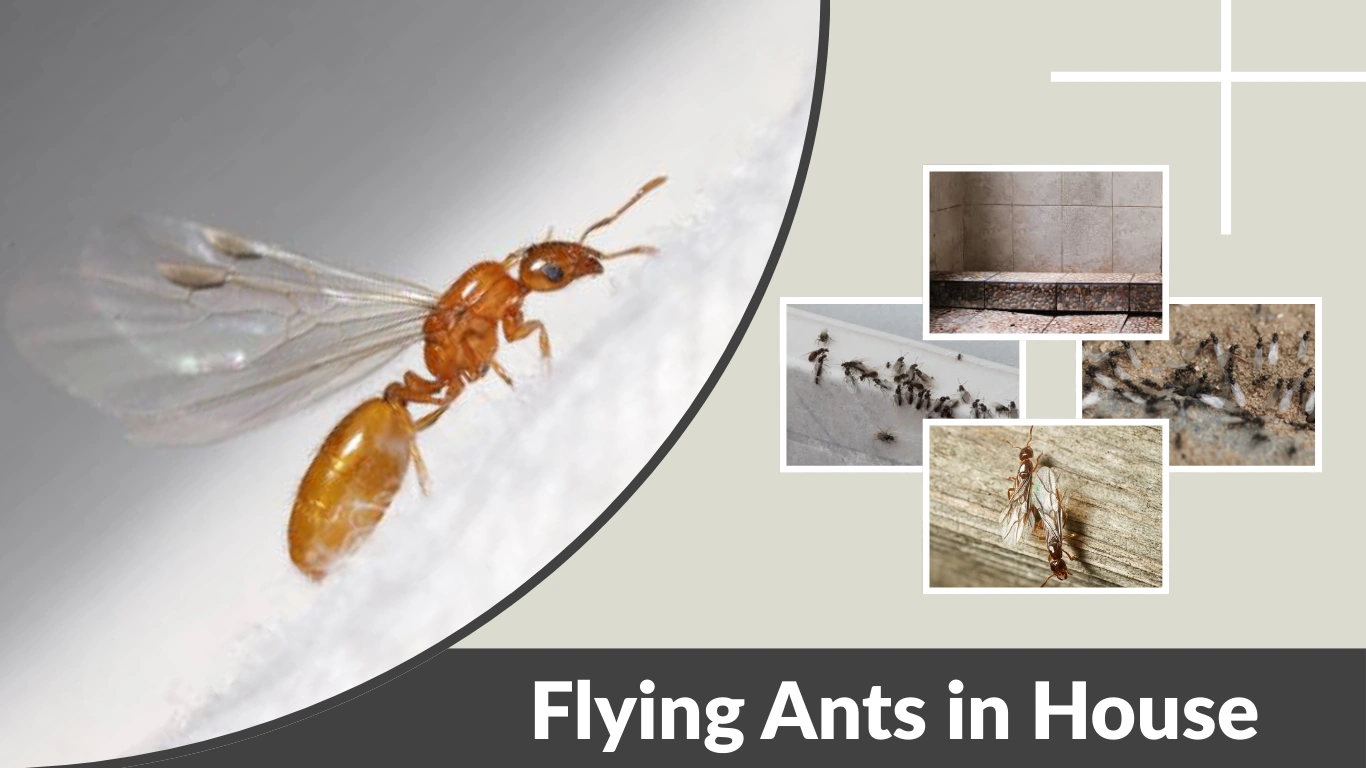
Flying ants inside your home can be alarming, especially when they appear suddenly and in large numbers. Many homeowners worry about infestations, property damage, or even termites. In most cases, flying ants are a sign of a mature ant colony nearby rather than an emergency. Still, ignoring them can lead to bigger problems. Understanding why they appear, what to do right away, and how to prevent them from returning will help you protect your home effectively.
What Are Flying Ants?
Flying ants are not a separate species. They are regular ants that develop wings for reproduction.
- Also called alates or swarmers
- Appear during mating season
- Usually emerge once or twice a year
- Die shortly after mating
Male and female flying ants leave their colony to mate and start new colonies. When this happens indoors, it often means there is an established nest nearby or inside the structure.
Why Are Flying Ants in Your House?
Flying ants usually enter homes for specific environmental reasons. Understanding the cause helps determine the right response.
Indoor Nesting
- Colonies may exist inside walls, floors, or wooden beams
- Warm indoor temperatures trigger swarming
- Moist areas like bathrooms and basements attract ants
Outdoor Colonies Finding Entry
- Ants enter through cracks, vents, or open windows
- Swarmers are attracted to indoor lights
- Poor sealing around doors and foundations increases risk
Weather and Seasonal Triggers
- Swarming often follows rain or high humidity
- Late spring through early fall is peak season
- Sudden temperature changes can trigger emergence
How to Identify Flying Ants Indoors
Correct identification is important because flying ants are often confused with termites.
Key Physical Differences
- Waist: Flying ants have a narrow, pinched waist
- Wings: Front wings are larger than back wings
- Antennae: Bent or elbowed
- Body color: Usually black, brown, or reddish
Flying Ants vs Termites (Quick Comparison)
| Feature | Flying Ants | Termites |
| Waist | Narrow | Straight |
| Wings | Uneven size | Equal size |
| Antennae | Bent | Straight |
| Body | Segmented | Uniform |
If you are unsure, collecting a sample for professional identification is recommended.
Immediate Steps to Take When You See Flying Ants
Seeing flying ants does not mean you need to panic. Quick, calm action helps control the situation.
What to Do Right Away
- Vacuum flying ants to remove them safely
- Avoid crushing them, which can release pheromones
- Close windows and doors immediately
- Turn off indoor lights at night to reduce attraction
- Wipe surfaces to remove scent trails
What to Avoid
- Do not spray random insecticides blindly
- Avoid ignoring repeated swarms
- Do not assume they will disappear permanently
Short-term actions reduce numbers but do not solve the root cause.
Should You Be Worried About Structural Damage?
Not all flying ants cause damage, but some species can be a serious concern.
When Flying Ants Are Mostly Harmless
- Small numbers appear briefly
- No signs of nesting inside walls
- Ants disappear within a day or two
When There Is Cause for Concern
- Repeated indoor swarms
- Ants emerging from walls, ceilings, or baseboards
- Presence of sawdust-like debris (possible carpenter ants)
- Soft or hollow-sounding wood
Carpenter ants, unlike termites, do not eat wood but tunnel through it, weakening structures over time.
How to Get Rid of Flying Ants in the House
Effective control requires targeting the colony, not just the flying ants you see.
Short-Term Control Methods
- Vacuum and dispose of ants immediately
- Use soapy water spray for exposed ants
- Clean surfaces with vinegar solution
Long-Term Control Options
- Use ant baits rather than sprays
- Place baits near entry points and trails
- Allow workers to carry poison back to the nest
Natural Remedies
- Vinegar and water for surface cleaning
- Lemon juice to disrupt scent trails
- Essential oils (peppermint, tea tree) as deterrents
Natural solutions help repel ants but may not eliminate established colonies.
Preventing Flying Ants From Returning
Prevention is the most effective long-term strategy.
Home Maintenance
- Seal cracks in walls, windows, and foundations
- Repair damaged screens and weather stripping
- Fix plumbing leaks and moisture issues
Food and Cleanliness
- Store food in airtight containers
- Clean crumbs and spills promptly
- Take trash out regularly
Exterior Prevention
- Trim vegetation away from the house
- Remove rotting wood near foundations
- Keep gutters clean and dry
Consistent prevention reduces the likelihood of future swarms.
When to Call a Pest Control Professional
Some situations require expert intervention.
Call a Professional If:
- Flying ants appear repeatedly indoors
- You suspect carpenter ants or termites
- Ants emerge from structural wood
- DIY methods fail to stop the problem
A professional inspection can identify the species, locate nests, and apply targeted treatments safely.
FAQs
Why do flying ants suddenly appear in large numbers?
Flying ants appear suddenly because they swarm during mating season. Weather conditions like rain and humidity trigger this behavior. If they emerge indoors, it often indicates a mature colony nearby or within the structure.
Are flying ants dangerous to humans?
Flying ants are generally harmless and do not bite or sting aggressively. However, some species like carpenter ants can cause property damage over time if nesting inside walls or wooden structures.
How long do flying ants stay inside a house?
Flying ants usually remain visible for a few hours to a couple of days. If they continue appearing over several days, it may indicate an indoor nest that needs professional treatment.
Can flying ants mean termites are present?
Flying ants are often mistaken for termites, but they are different insects. However, repeated swarms or difficulty identifying them accurately is a good reason to schedule a professional inspection.
Will flying ants go away on their own?
They may disappear temporarily after swarming, but the colony usually remains. Without addressing the nest or entry points, flying ants are likely to return in future seasons.
