
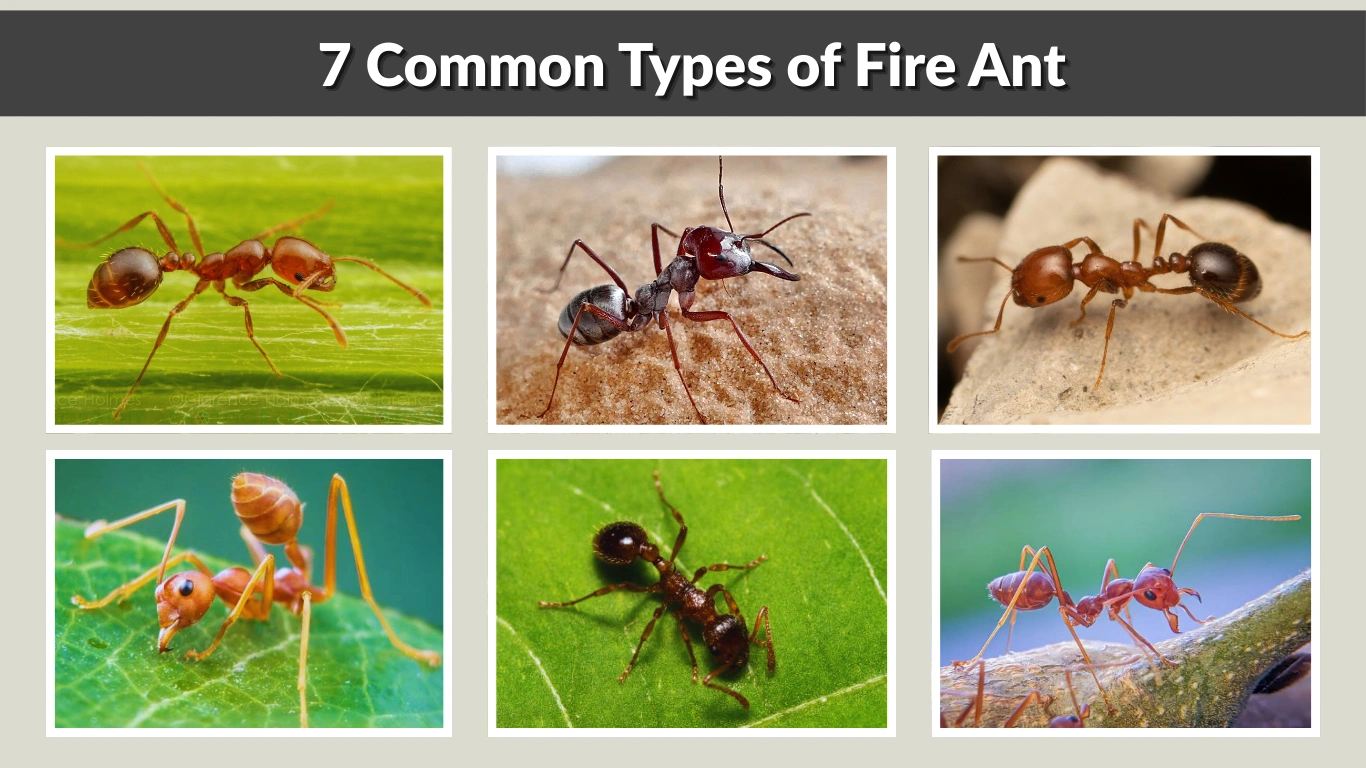
Fire ants are a diverse group of ants belonging to the genus Solenopsis, known for their painful stings and wide global distribution. While many people think of fire ants as a single species, there are actually several distinct types, ranging from highly aggressive invasive species to smaller, less noticeable native ants. Each species differs in appearance, behavior, habitat, and impact on humans and the environment.
1. Red Imported Fire Ant (Solenopsis invicta)
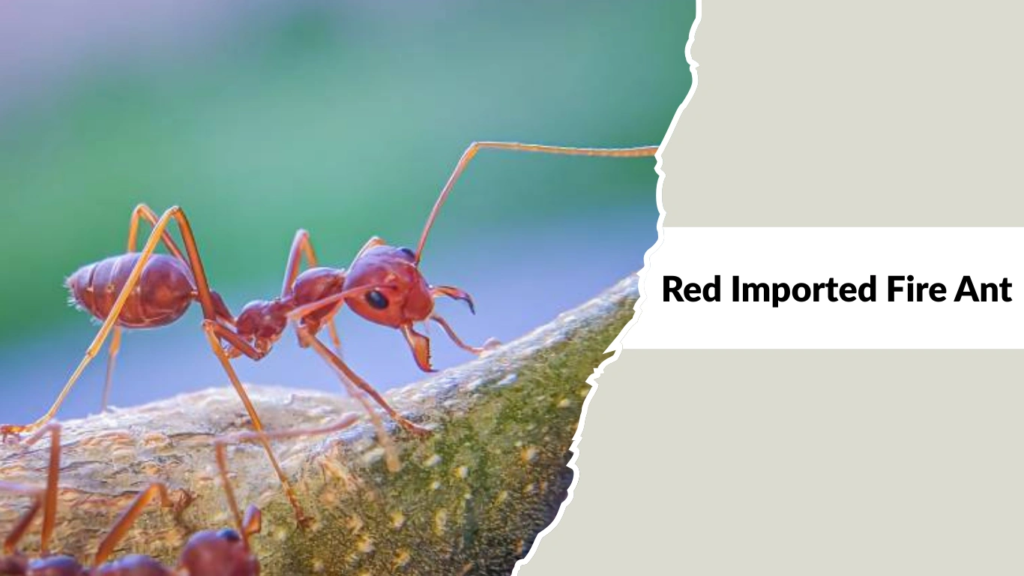
The red imported fire ant is the most well-known and aggressive fire ant species. Native to South America, it has spread widely across the southern United States and many other parts of the world, becoming a major pest due to its painful sting, rapid colony growth, and impact on agriculture, wildlife, and human health.
Identification
- Reddish-brown body with a darker abdomen
- Workers vary in size within the same colony
- Antennae have 10 segments with a two-segmented club
- Builds dome-shaped soil mounds with no visible opening
Habitat and Distribution
This species thrives in warm climates and is commonly found in open, sunny areas such as lawns, fields, roadsides, farms, and parks. It prefers loose, moist soil and is highly adaptable, allowing it to spread quickly in disturbed environments.
Behavior and Colony Structure
Red imported fire ants are extremely aggressive and will swarm when their nest is disturbed. Colonies can contain hundreds of thousands of workers and may have either a single queen or multiple queens, which increases their survival and spread.
Sting and Impact on Humans
Their sting causes a burning sensation followed by itchy, white pustules. Multiple stings can be dangerous, especially for people with allergies. Beyond health risks, this species causes significant damage to crops, electrical equipment, and native ecosystems.
2. Black Imported Fire Ant (Solenopsis richteri)
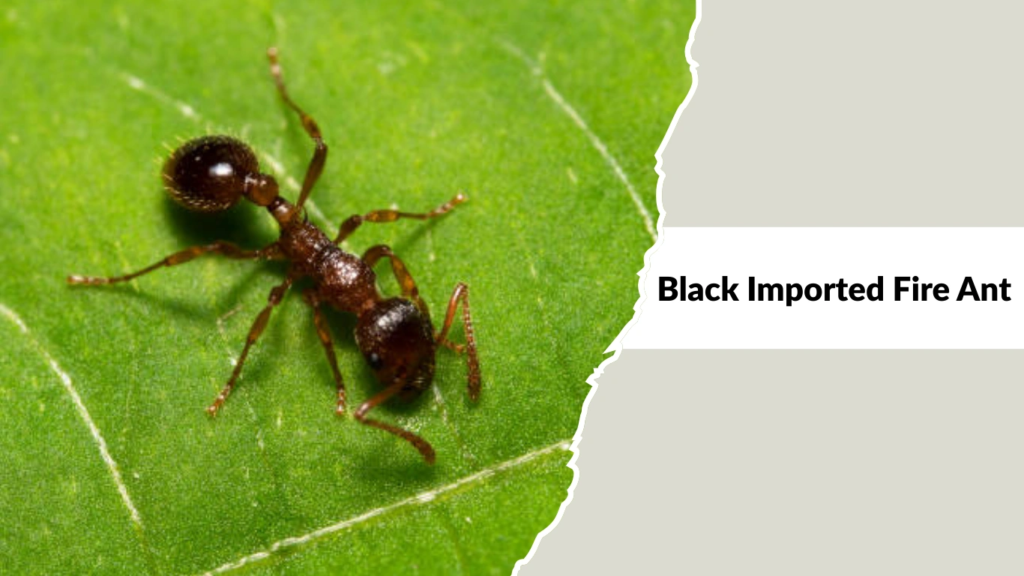
The black imported fire ant is closely related to the red imported fire ant but is generally less aggressive and less widespread today. Native to South America, it was one of the first invasive fire ant species introduced into the United States, though many populations have been replaced or hybridized with red imported fire ants.
Identification
- Dark brown to nearly black body color
- Smaller and more uniform worker size than red imported fire ants
- Antennae with 10 segments and a two-segmented club
- Builds soil mounds similar in shape to other fire ants
Habitat and Distribution
This species prefers warm regions and is mainly found in limited areas of the southeastern United States. It inhabits pastures, fields, lawns, and roadsides, favoring open areas with loose soil and moderate moisture.
Behavior and Colony Structure
Black imported fire ants are aggressive but typically less so than red imported fire ants. Colonies are usually single-queen and smaller in size, which contributes to their reduced ability to spread compared to other invasive fire ant species.
Sting and Impact on Humans
Their sting is painful but generally milder than that of red imported fire ants. While still considered a pest, this species causes less damage to agriculture and infrastructure and poses a lower risk to humans and wildlife.
3. Tropical Fire Ant (Solenopsis geminata)

The tropical fire ant is a widespread species commonly found in tropical and subtropical regions around the world. It is one of the dominant native fire ants in many warm climates and is known for its large colonies, painful sting, and strong impact on local ecosystems.
Identification
- Reddish-brown to dark brown body
- Large-headed major workers alongside smaller minor workers
- Antennae with 10 segments and a two-segmented club
- Nests often have loose soil with multiple entrances
Habitat and Distribution
This species thrives in tropical environments, including Central America, South America, Southeast Asia, Africa, and Pacific islands. It commonly inhabits agricultural land, coastal areas, open fields, and disturbed soils.
Behavior and Colony Structure
Tropical fire ants are highly aggressive and territorial. Colonies can grow very large and often displace native ant species. Workers aggressively defend the nest and readily attack intruders in large numbers.
Sting and Impact on Humans
Their sting causes intense burning pain and swelling. In agricultural regions, this species is a major pest, damaging crops, attacking livestock, and disrupting human activities near nesting areas.
4. Southern Fire Ant (Solenopsis xyloni)
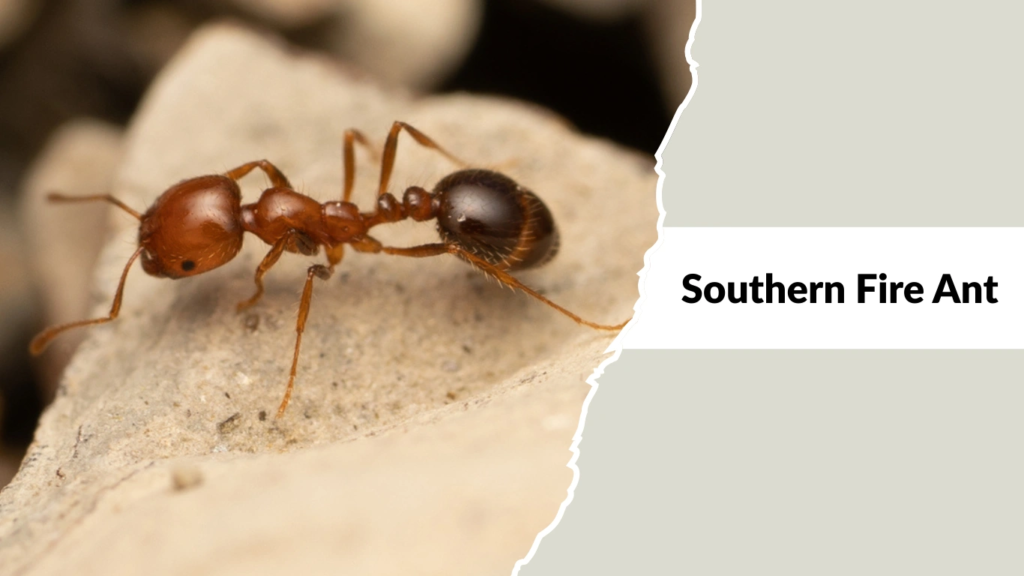
The southern fire ant is a native North American species that is less notorious than imported fire ants but still capable of delivering a painful sting. It plays a role in local ecosystems yet can become a nuisance in urban and agricultural settings.
Identification
- Light reddish-brown to dark brown body
- Workers are smaller and more uniform in size
- Antennae with 10 segments and a two-segmented club
- Builds low, irregular soil mounds or nests under objects
Habitat and Distribution
This species is native to the southwestern United States and northern Mexico. It prefers dry to semi-arid environments and is commonly found in deserts, grasslands, gardens, and roadside areas.
Behavior and Colony Structure
Southern fire ants are moderately aggressive and will defend their nests when disturbed. Colonies are usually smaller than those of imported fire ants and typically contain a single queen.
Sting and Impact on Humans
Their sting produces a sharp, burning sensation but is usually less severe than that of invasive fire ant species. While not considered highly dangerous, repeated stings can cause discomfort and occasional allergic reactions.
5. California Fire Ant (Solenopsis amblychila)
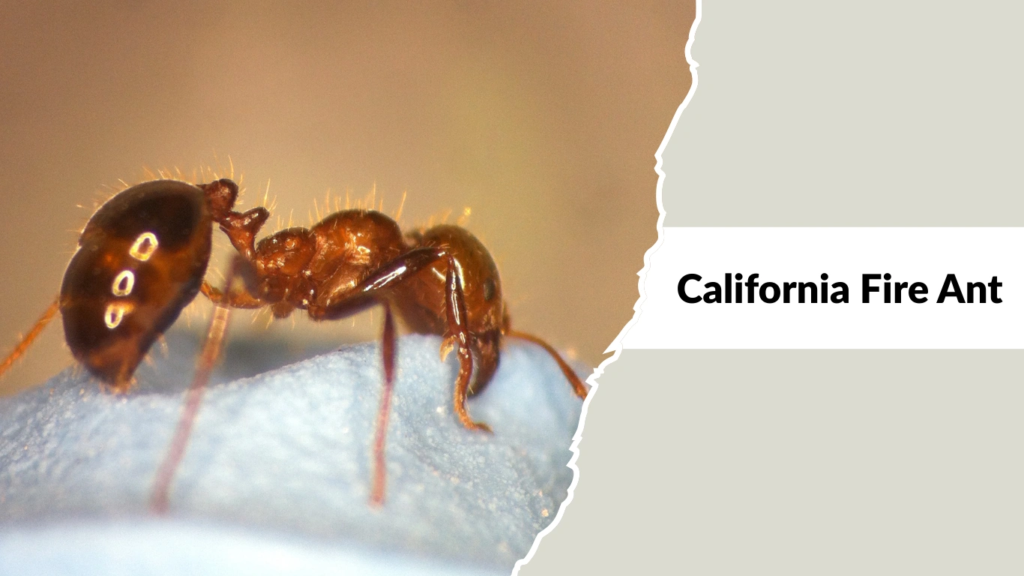
The California fire ant is a native species found primarily along the western coast of the United States. It is less aggressive than imported fire ants but can still sting when threatened, making it a minor nuisance in residential and natural areas.
Identification
- Reddish-brown body with a slightly darker abdomen
- Small to medium-sized workers with similar body proportions
- Antennae have 10 segments with a two-segmented club
- Nests are shallow and often hidden under rocks or debris
Habitat and Distribution
This species is native to California and nearby regions. It prefers coastal scrub, grasslands, gardens, and lightly disturbed soils, often nesting in shaded or protected locations.
Behavior and Colony Structure
California fire ants are less aggressive and slower to swarm compared to imported fire ants. Colonies are generally smaller and usually contain a single queen, contributing to their limited spread.
Sting and Impact on Humans
The sting causes brief burning and mild irritation. Serious reactions are rare, and this species is not considered a major threat to humans, pets, or agriculture.
6. Desert Fire Ant (Solenopsis aurea)
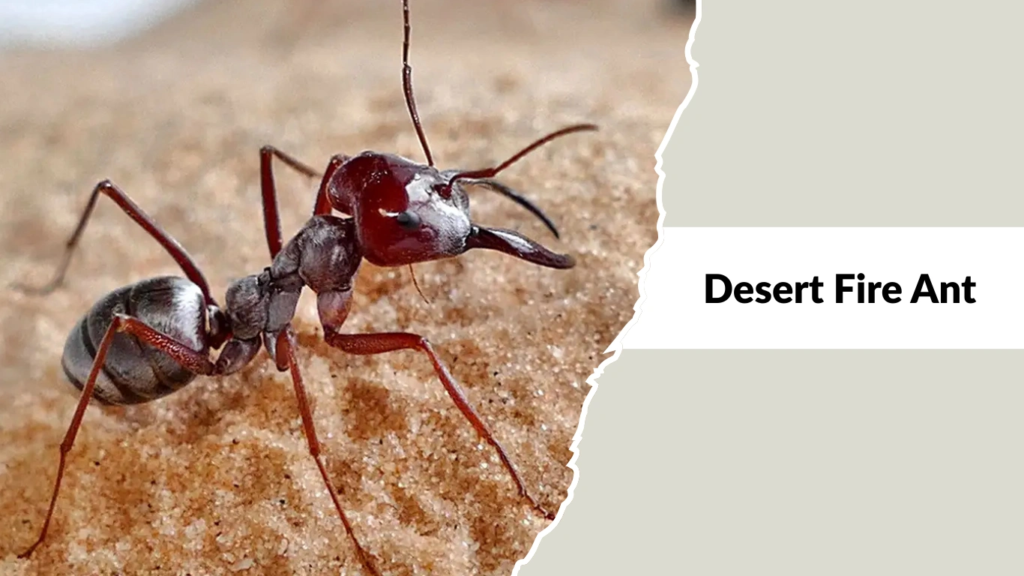
The desert fire ant is a hardy species adapted to hot, dry environments. It is native to arid regions of North America and is known for its tolerance to extreme temperatures and its painful defensive sting.
Identification
- Yellowish to light reddish-brown body
- Slender workers with relatively long legs
- Antennae with 10 segments and a two-segmented club
- Small, low nests often marked by fine soil particles
Habitat and Distribution
This species is commonly found in deserts and semi-desert regions of the southwestern United States and northern Mexico. It inhabits sandy soils, open scrublands, and dry grasslands.
Behavior and Colony Structure
Desert fire ants are moderately aggressive and quickly respond to nest disturbances. Colonies are typically small to medium in size and usually contain a single queen.
Sting and Impact on Humans
Their sting causes sharp pain and localized swelling. While encounters are less frequent due to their remote habitat, stings can be uncomfortable but are rarely dangerous unless multiple stings occur.
7. Thief Fire Ant (Solenopsis molesta)
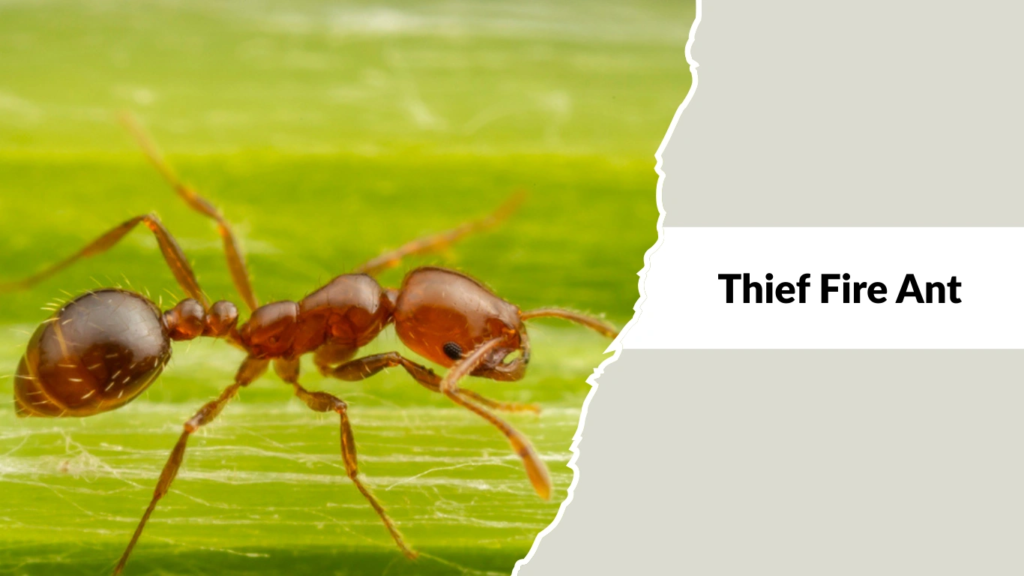
The thief fire ant is a small, often overlooked species that gets its name from its habit of nesting near other ant colonies and stealing their food and brood. Although it belongs to the same genus as fire ants, it is far less aggressive and rarely noticed by humans.
Identification
- Very small, pale yellow to light brown body
- Workers are tiny and uniform in size
- Antennae with 10 segments and a two-segmented club
- Nests are hidden in soil, walls, or near other ant colonies
Habitat and Distribution
This species is widely distributed across North America and can be found in both natural and urban environments. It commonly inhabits lawns, fields, buildings, and beneath stones or concrete slabs.
Behavior and Colony Structure
Thief fire ants are not aggressive and usually avoid confrontation. Colonies are small and often located close to larger ant species, allowing them to steal resources without direct conflict.
Sting and Impact on Humans
They rarely sting, and when they do, the sting is mild and short-lived. This species is considered a minor household pest rather than a medical or environmental concern.
FAQs
What makes fire ants different from other ants?
Fire ants are known for their aggressive behavior and painful stings, which cause a burning sensation. Unlike many ants, they often attack in large numbers when their nest is disturbed. Most fire ants belong to the Solenopsis genus and build soil mounds or hidden underground nests.
Are all fire ant species dangerous to humans?
No, not all fire ant species are dangerous. Imported fire ants are the most aggressive and harmful, while many native species are smaller and less likely to sting. However, any fire ant can cause discomfort, and allergic individuals may experience severe reactions.
How can you identify a fire ant nest?
Fire ant nests are usually soil mounds without a visible entrance hole. Some species build dome-shaped mounds, while others nest under rocks, wood, or debris. Activity increases quickly if the mound is disturbed.
Do fire ants have different colony types?
Yes, fire ants can form single-queen (monogyne) or multiple-queen (polygyne) colonies. Multiple-queen colonies tend to spread faster and are harder to control, especially in invasive fire ant species.
Where are fire ants commonly found?
Fire ants are most common in warm and temperate regions. They thrive in open, sunny areas such as lawns, fields, farms, roadsides, and gardens, and some species have spread worldwide through human activity.
