

Wasps are widespread in both Florida and California, thriving in warm climates and playing essential roles in nature, from pollination to pest control. While some are social and aggressive, others are solitary and harmless. This list highlights 14 of the most common wasp species you’re likely to encounter in these two states, with a focus on their behavior, appearance, and nesting habits.
1. Paper Wasp

The Paper Wasp is one of the most common wasp species found in both Florida and California. These wasps are known for their thin waists, long legs, and reddish-brown or yellow-and-black coloration. Their name comes from the papery nests they build, which resemble open combs and are usually attached to eaves, fences, or branches.
Identification
- Slender body with long legs
- Color ranges from reddish-brown to black with yellow markings
- Wings fold lengthwise when at rest
- About 0.75 to 1 inch long
Nesting Behavior
Paper wasps build open, umbrella-shaped nests from chewed wood fibers mixed with saliva. These nests are typically found in sheltered spots like under roof eaves, porch ceilings, or even outdoor furniture.
Behavior and Aggression
They are generally not aggressive unless their nest is threatened. However, they will sting if provoked, and their stings can be painful and cause allergic reactions in some individuals.
Habitat in Florida and California
Paper wasps are widely distributed across urban, suburban, and rural environments in both states. They thrive in warm climates and are particularly active during spring and summer.
2. Yellowjacket
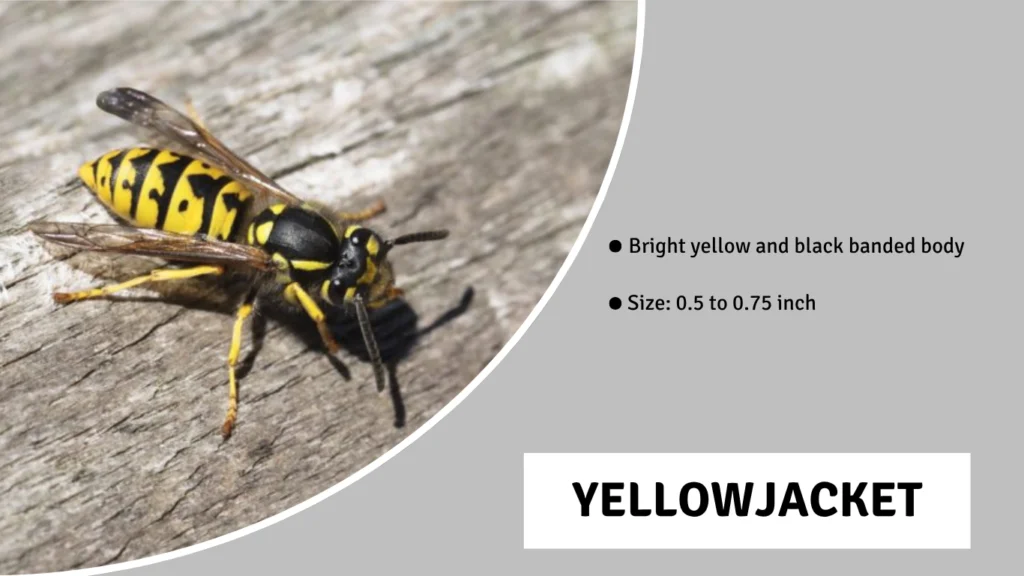
Yellowjackets are aggressive wasps found throughout Florida and California. They are easily recognized by their bright yellow and black striped bodies and compact size. These wasps are social and often build large underground or wall cavities nests.
Identification
- Bright yellow and black banded body
- Short and stout appearance
- Size: 0.5 to 0.75 inch
- Smooth body, unlike fuzzy bees
Nesting Behavior
Yellowjackets typically nest underground, in wall voids, or inside attics. Their colonies can contain thousands of individuals by late summer.
Behavior and Aggression
Highly aggressive, especially near their nests. They can sting multiple times and tend to defend their nests fiercely.
Habitat in Florida and California
Common in parks, gardens, garbage areas, and near sugary foods. Active from spring through fall in both states.
3. Mud Dauber
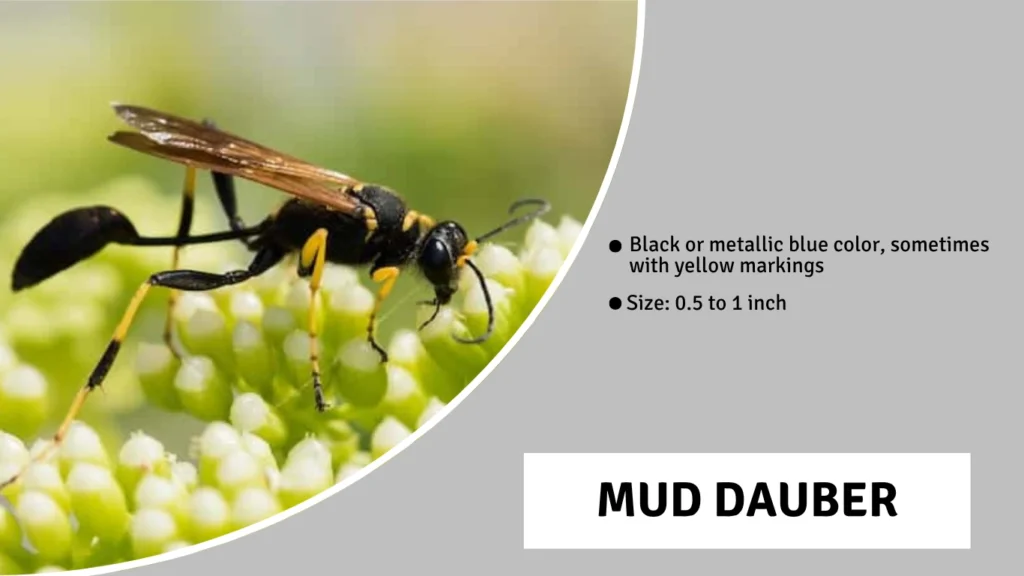
Mud daubers are solitary wasps known for their unique mud tube nests. They’re non-aggressive and beneficial as they help control spider populations.
Identification
- Long, thin body with a narrow waist
- Black or metallic blue color, sometimes with yellow markings
- Size: 0.5 to 1 inch
Nesting Behavior
They build mud nests on walls, under eaves, or inside sheds. Each tube nest typically holds one paralyzed spider and an egg.
Behavior and Aggression
Very docile. Rarely sting unless directly handled or trapped.
Habitat in Florida and California
Frequently seen near buildings, barns, or quiet outdoor corners where they can construct their mud nests.
4. Cicada Killer Wasp
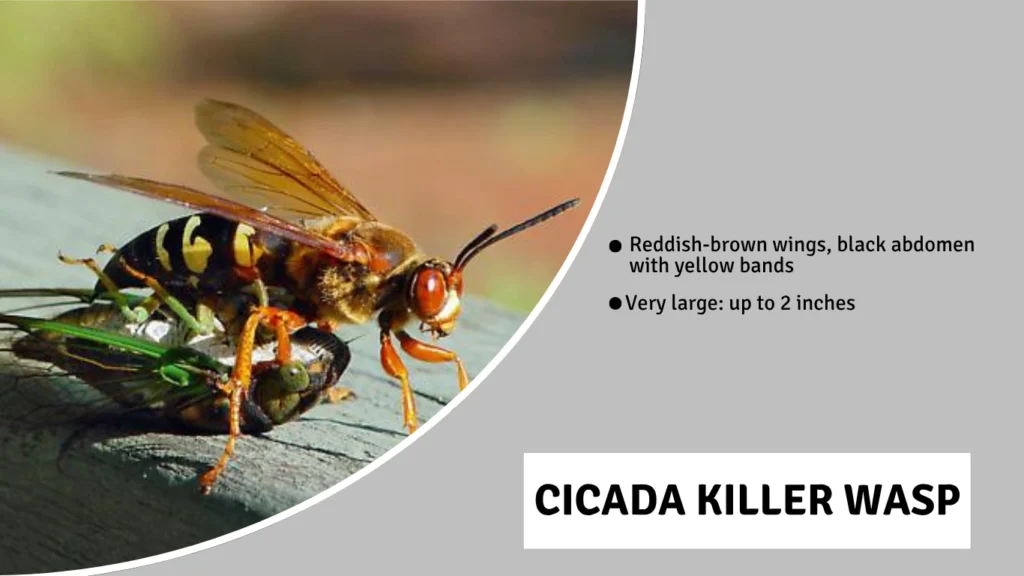
Cicada killers are among the largest wasps found in the U.S. Despite their size, they are not aggressive toward humans.
Identification
- Very large: up to 2 inches
- Reddish-brown wings, black abdomen with yellow bands
- Large amber eyes
Nesting Behavior
They dig burrows in sandy or loose soil, where they paralyze cicadas and lay eggs on them for their larvae to feed.
Behavior and Aggression
They look intimidating but are generally harmless unless provoked. Males are territorial but do not sting.
Habitat in Florida and California
Prefer sunny areas with well-drained soil such as gardens, lawns, and open fields. Common in late summer.
5. Bald-Faced Hornet
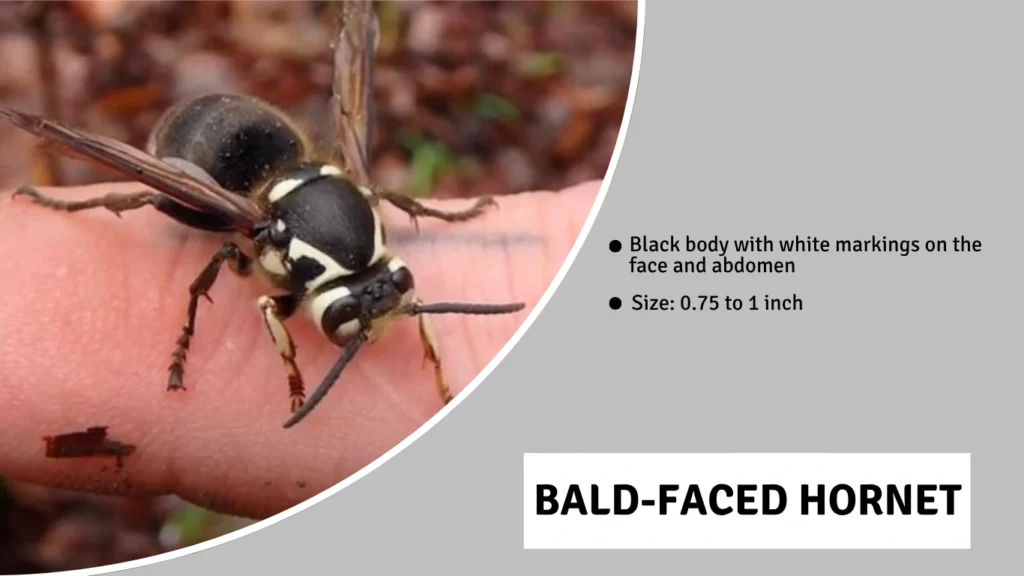
The Bald-Faced Hornet is technically a type of yellowjacket but is commonly referred to as a hornet due to its size and nesting behavior. It’s widely found in both Florida and California, especially in wooded and suburban areas.
Identification
- Black body with white markings on the face and abdomen
- Size: 0.75 to 1 inch
- Smooth body with powerful mandibles
Nesting Behavior
These hornets build large, football-shaped paper nests that hang from trees, shrubs, or buildings. The nests can house hundreds of individuals.
Behavior and Aggression
Very aggressive when disturbed. Known to defend their nests vigorously and will sting repeatedly if threatened.
Habitat in Florida and California
Common in forests, residential neighborhoods, and parks. They are especially active in late summer and early fall when the colony is largest.
6. Red Wasp

The Red Wasp is a type of paper wasp found in the southern U.S., including Florida and parts of California. They are recognized for their striking red bodies and painful stings.
Identification
- Reddish-brown body with little to no markings
- Long legs and narrow waist
- Size: 1 to 1.2 inches
Nesting Behavior
Red wasps build exposed paper nests under eaves, in barns, sheds, or tree branches. Nests contain hexagonal cells and are home to small colonies.
Behavior and Aggression
They are less aggressive than yellowjackets but will defend their nest fiercely. Their sting is very painful and can cause allergic reactions.
Habitat in Florida and California
Often found in rural areas, around barns, old buildings, and under roof overhangs. Thrive in warm, humid environments with ample shelter.
7. Great Golden Digger Wasp

The Great Golden Digger Wasp is a large, solitary wasp that is both harmless to humans and beneficial for controlling pest insects. It’s commonly seen in Florida and California during the warmer months.
Identification
- Black and orange body with golden hairs on the thorax
- Transparent amber wings
- Size: around 1 inch
Nesting Behavior
Females dig burrows in sandy or loose soil. Each burrow holds paralyzed insects like katydids or crickets, which serve as food for their larvae.
Behavior and Aggression
Non-aggressive and rarely sting. They may buzz close to people but pose no real threat.
Habitat in Florida and California
Found in gardens, meadows, and sandy areas. Active during summer, especially where flowers and loose soil are available.
8. Potter Wasp
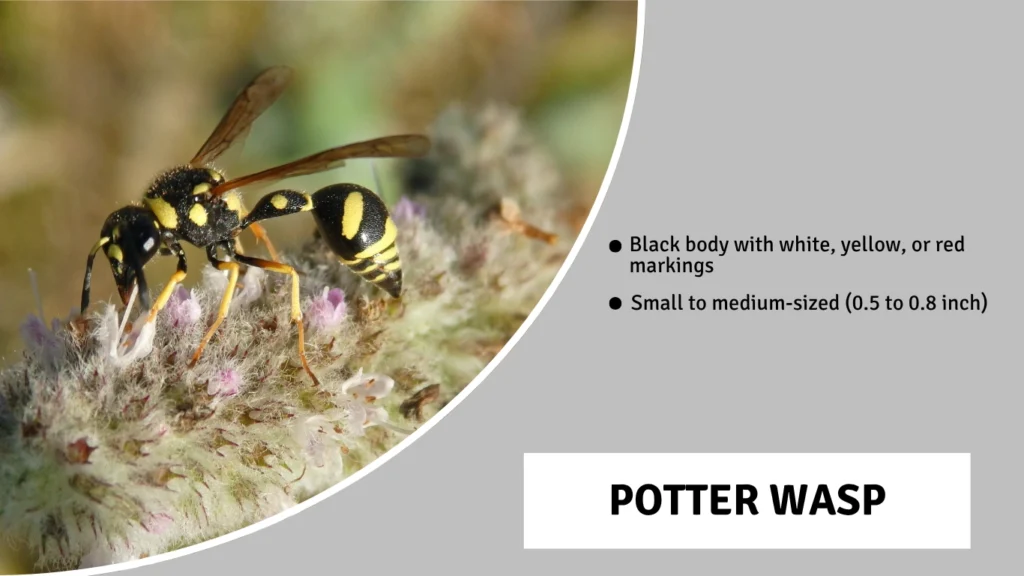
Potter Wasps are small, solitary wasps known for creating tiny clay pot-shaped nests. These wasps are peaceful and help control caterpillar populations.
Identification
- Small to medium-sized (0.5 to 0.8 inch)
- Black body with white, yellow, or red markings
- Narrow waist and shiny appearance
Nesting Behavior
They build small mud nests shaped like pots or jugs, often attached to walls, plant stems, or sheltered outdoor spots.
Behavior and Aggression
Very docile and rarely sting. Focused on hunting caterpillars to provision their nests.
Habitat in Florida and California
Common in gardens, patios, and natural areas with access to mud and prey. Often seen around flowering plants.
9. Blue Mud Dauber

The Blue Mud Dauber is a striking metallic-colored wasp found across Florida and California. It’s solitary and non-aggressive, often praised for hunting and controlling black widow spiders.
Identification
- Shiny, metallic blue or blue-black body
- Long, thin waist
- Size: 0.75 to 1 inch
Nesting Behavior
These wasps repurpose old mud nests or construct their own in protected areas such as attics, garages, or sheds.
Behavior and Aggression
Very calm and rarely stings. They are beneficial and known to prey on venomous spiders.
Habitat in Florida and California
Thrives near water sources and in sheltered structures. Active mostly in summer and fall, often around gardens and eaves.
10. Four-Toothed Mason Wasp
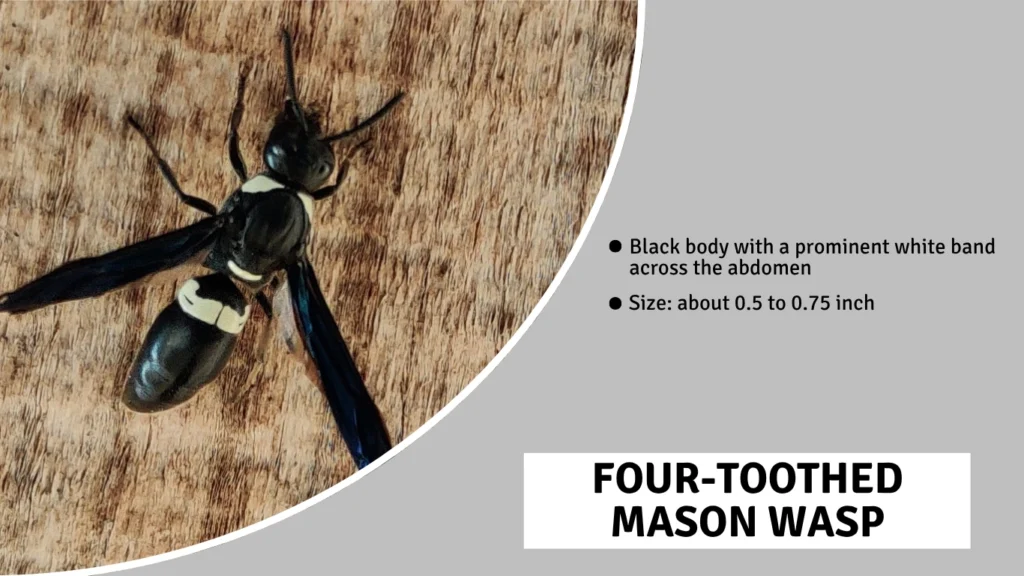
The Four-Toothed Mason Wasp is another solitary wasp known for nesting in wood holes or preexisting cavities. They are excellent caterpillar hunters and are present throughout both states.
Identification
- Black body with a prominent white band across the abdomen
- Broad head and thorax
- Size: about 0.5 to 0.75 inch
Nesting Behavior
Uses pre-drilled wood holes, beetle burrows, or hollow stems to lay eggs. Seals nests with mud or resin.
Behavior and Aggression
Non-aggressive and rarely interacts with humans unless disturbed. Their sting is mild but seldom used.
Habitat in Florida and California
Often seen in backyards, wooden fences, garden poles, and insect hotels. Most active from spring through fall.
11. Thread-Waisted Wasp

The Thread-Waisted Wasp is named for its extremely narrow “waist” connecting the thorax and abdomen. These solitary wasps are found widely across Florida and California and are excellent predators of caterpillars and other pests.
Identification
- Very slender black body with a narrow waist
- Abdomen may have reddish or orange markings
- Size: 0.75 to 1.25 inches
Nesting Behavior
They dig burrows in the soil or use cracks in walls to create nests. Inside, they place paralyzed insects as food for their developing larvae.
Behavior and Aggression
Not aggressive. They are busy hunters and tend to ignore humans.
Habitat in Florida and California
Common in gardens, meadows, and open dry areas with loose soil. Often seen flying low over the ground in search of prey.
12. Ichneumon Wasp
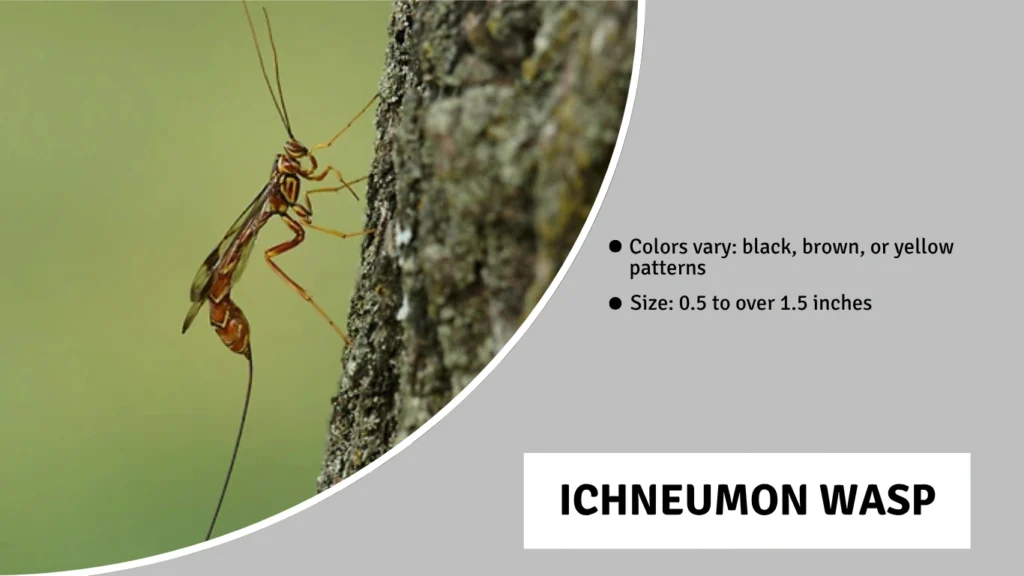
Ichneumon Wasps are parasitic wasps that look intimidating but are completely harmless to humans. They’re found throughout Florida and California and play a key role in natural pest control.
Identification
- Long, slender body with extremely long antennae
- Colors vary: black, brown, or yellow patterns
- Some have a long ovipositor extending from the rear (not a stinger)
- Size: 0.5 to over 1.5 inches
Nesting Behavior
Females lay eggs in or on host insects, such as caterpillars or beetle larvae. The developing larva consumes the host from within.
Behavior and Aggression
They do not sting and are entirely non-aggressive toward humans.
Habitat in Florida and California
Common in wooded areas, gardens, and around compost piles where hosts are plentiful. Often attracted to lights at night.
13. Tarantula Hawk Wasp
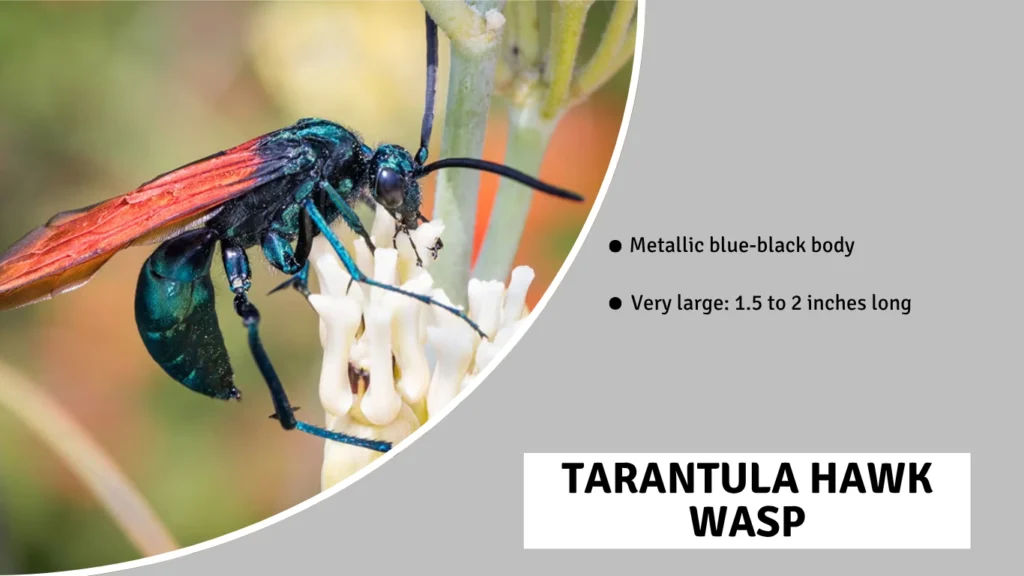
The Tarantula Hawk Wasp is one of the largest and most powerful wasps in the U.S., especially known for hunting tarantulas. Found in both California and parts of Florida, it’s striking in appearance and behavior.
Identification
- Metallic blue-black body
- Bright orange or rust-colored wings
- Very large: 1.5 to 2 inches long
Nesting Behavior
Females sting and paralyze tarantulas, drag them to a burrow, and lay an egg on them. The larva feeds on the live but immobilized spider.
Behavior and Aggression
Females can sting, and the sting is considered extremely painful, but they are not aggressive unless provoked. Males don’t sting.
Habitat in Florida and California
Found in deserts, grasslands, and wooded regions. In California, they are especially common in southern arid areas; in Florida, sightings are less frequent but increasing.
14. Braconid Wasp

Braconid Wasps are tiny, parasitic wasps often overlooked but highly beneficial in natural pest control. They’re common in gardens and agricultural areas in Florida and California.
Identification
- Very small: 0.1 to 0.5 inch
- Slender, dark-colored body
- Long antennae and sometimes a visible ovipositor
Nesting Behavior
Females lay eggs inside or on caterpillars, aphids, or beetles. The larvae feed on the host internally, eventually killing it.
Behavior and Aggression
Completely harmless to humans. They don’t sting and are very shy.
Habitat in Florida and California
Found in flower beds, farms, vegetable gardens, and orchards. Often seen hovering near plant pests or emerging from host insects.
