

Praying mantises are fascinating predatory insects known for their upright posture, triangular heads, and powerful grasping forelegs. Found in a wide range of habitats, they vary greatly in size, color, and camouflage—from leaf-like forest species to brightly colored flower mimics. Although more than 2,400 mantis species exist worldwide, only a limited number are commonly encountered by people in gardens, fields, and tropical environments.
1. Chinese Mantis (Tenodera sinensis)
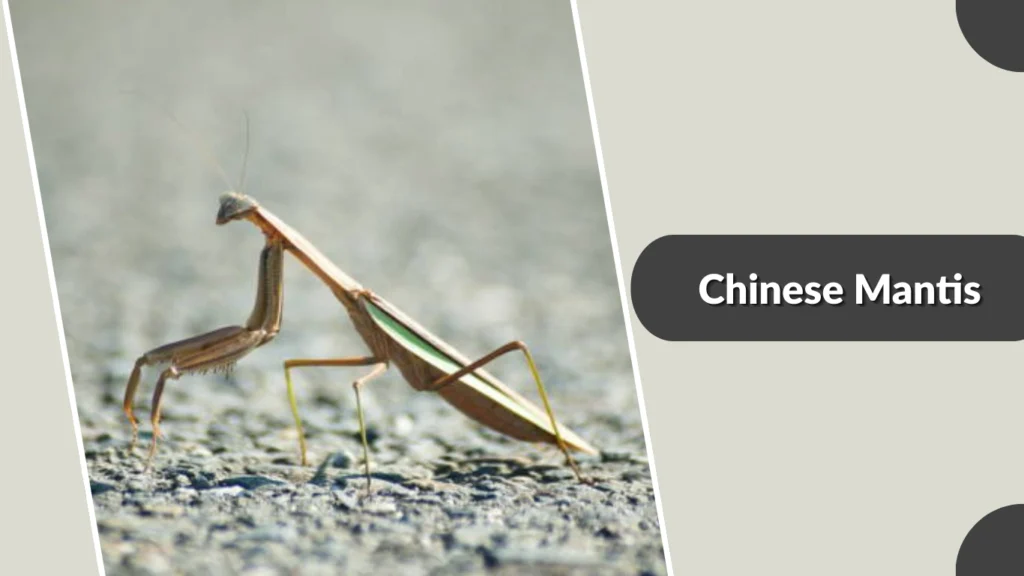
The Chinese mantis is one of the largest and most commonly found praying mantis species in the world. Widely introduced outside its native range, it is frequently seen in gardens, farms, and grasslands, where it helps control insect populations.
Identification
- Large, elongated green or brown body
- Long narrow wings extending beyond the abdomen
- Triangular head with prominent compound eyes
- Powerful raptorial front legs with sharp spines
Size and Appearance
The Chinese mantis is a large species, often reaching impressive lengths compared to other mantises. Its slender body and long wings give it a graceful appearance, while its size makes it easily noticeable on plants and shrubs.
Habitat and Range
Originally native to China and East Asia, this mantis is now widespread in North America and parts of Europe. It thrives in gardens, crop fields, tall grasses, and shrubs, especially in warm seasons.
Behavior and Diet
Chinese mantises are active daytime hunters that rely on camouflage and quick strikes. They feed on a wide range of insects, including flies, grasshoppers, moths, and sometimes even small vertebrates, making them effective natural pest controllers.
2. European Mantis (Mantis religiosa)

The European mantis is a well-known and widely distributed praying mantis famous for its classic “praying” posture. It is one of the most studied mantis species and is commonly seen in open landscapes and gardens.
Identification
- Green or brown body coloration
- Distinct black-and-white spot on the inner front legs
- Medium to large body size
- Broad triangular head with large eyes
Size and Appearance
This species is slightly smaller than the Chinese mantis but has a sturdy, balanced build. Its wings are well developed, allowing short flights, especially in males.
Habitat and Range
Native to Europe, North Africa, and parts of Asia, the European mantis has also spread to North America. It prefers grasslands, meadows, gardens, and agricultural fields.
Behavior and Diet
European mantises are ambush predators, remaining still until prey approaches. They feed on insects such as grasshoppers, beetles, flies, and butterflies, playing an important role in natural pest control.
3. Carolina Mantis (Stagmomantis carolina)
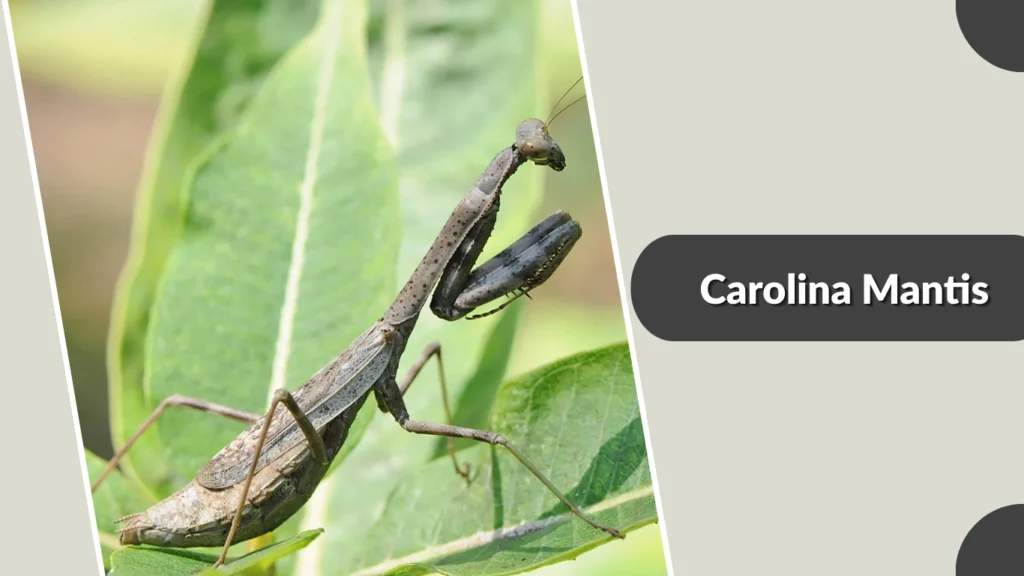
The Carolina mantis is a native North American praying mantis commonly found in gardens and open habitats. It is smaller than introduced mantis species but well adapted to local environments.
Identification
- Gray, brown, or green coloration
- Short wings, especially in females
- Slender body with narrow thorax
- Large triangular head with prominent eyes
Size and Appearance
This species is relatively small compared to the Chinese and European mantises. Females often have wings that do not fully cover the abdomen, giving them a distinct appearance.
Habitat and Range
Carolina mantises are found throughout the southern and eastern United States. They inhabit gardens, shrubs, grasslands, and forest edges.
Behavior and Diet
They are patient ambush hunters, feeding on flies, moths, grasshoppers, and other small insects. They rely on camouflage and quick strikes rather than size.
4. Giant Asian Mantis (Hierodula species)

The Giant Asian mantis is a large and aggressive mantis species known for its impressive size and strong hunting ability. It is popular in the pet trade due to its hardy nature.
Identification
- Bright green body color
- Broad, leaf-like wings
- Thick, powerful forelegs
- Large triangular head
Size and Appearance
This mantis is large and robust, often rivaling the Chinese mantis in size. Its wide wings and strong limbs give it a bulky, powerful look.
Habitat and Range
Giant Asian mantises are native to Southeast Asia, including India, Thailand, and Malaysia. They live in forests, gardens, and cultivated areas.
Behavior and Diet
This species is bold and highly predatory, feeding on insects, other mantises, and occasionally small vertebrates. It is known for its strong feeding response and adaptability.
5. African Mantis (Sphodromantis species)

The African mantis is a large, robust praying mantis commonly found across Africa and popular in captivity due to its hardy nature and impressive size. It is an efficient predator and adapts well to different environments.
Identification
- Bright green or brown body
- Broad thorax and abdomen
- Large triangular head
- Thick, spiny front legs
Size and Appearance
African mantises are large and heavy-bodied, with a solid build compared to more slender species. Their wide abdomen and strong forelegs give them a powerful, intimidating look.
Habitat and Range
This mantis is native to sub-Saharan Africa and is commonly found in grasslands, gardens, shrubs, and agricultural areas.
Behavior and Diet
African mantises are aggressive and opportunistic hunters. They feed on a wide range of insects, including grasshoppers, beetles, and moths, and are known for their strong appetite and fast strikes.
6. Orchid Mantis (Hymenopus coronatus)
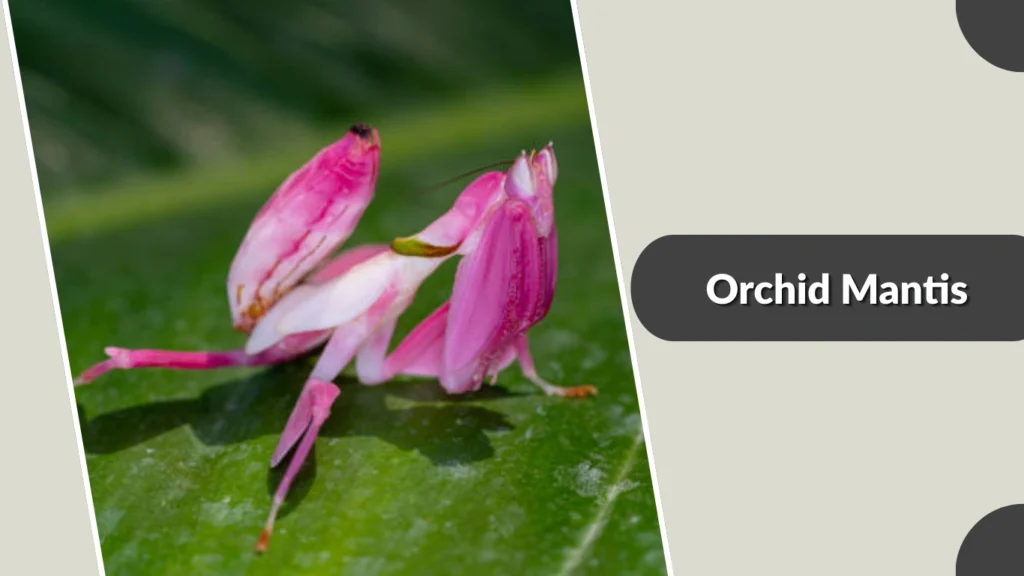
The Orchid mantis is one of the most visually striking praying mantis species in the world. It is famous for its ability to mimic orchid flowers, using color and shape to ambush prey.
Identification
- White to pink body with purple markings
- Petal-like lobes on legs
- Broad, flattened body
- Short, thick forelegs
Size and Appearance
This mantis has a compact yet elegant body designed for mimicry rather than size. Females are significantly larger and more colorful than males, enhancing their flower-like appearance.
Habitat and Range
Orchid mantises are native to Southeast Asia, including Malaysia, Thailand, and Indonesia. They live in tropical forests where flowering plants are abundant.
Behavior and Diet
The orchid mantis is an ambush predator, remaining motionless while resembling a flower. It preys mainly on flying insects such as bees, butterflies, and flies that are attracted to its appearance.
7. Ghost Mantis (Phyllocrania paradoxa)

The Ghost mantis is a master of camouflage, perfectly mimicking a dead leaf. Its unusual appearance makes it one of the most popular mantis species among insect enthusiasts and breeders.
Identification
- Brown, gray, or mottled coloration
- Leaf-like body with curled edges
- Distinct cone-shaped head crest
- Flattened abdomen resembling a dry leaf
Size and Appearance
This mantis is medium-sized with an extremely thin, irregular body shape. The leaf-like extensions and textures make it nearly invisible among dry foliage.
Habitat and Range
Ghost mantises are native to sub-Saharan Africa, where they inhabit dry forests, shrubs, and woodland areas.
Behavior and Diet
They are slow-moving ambush predators, relying on camouflage rather than speed. Ghost mantises feed on small insects and are known for their calm temperament compared to larger mantis species.
8. Spiny Flower Mantis (Pseudocreobotra species)
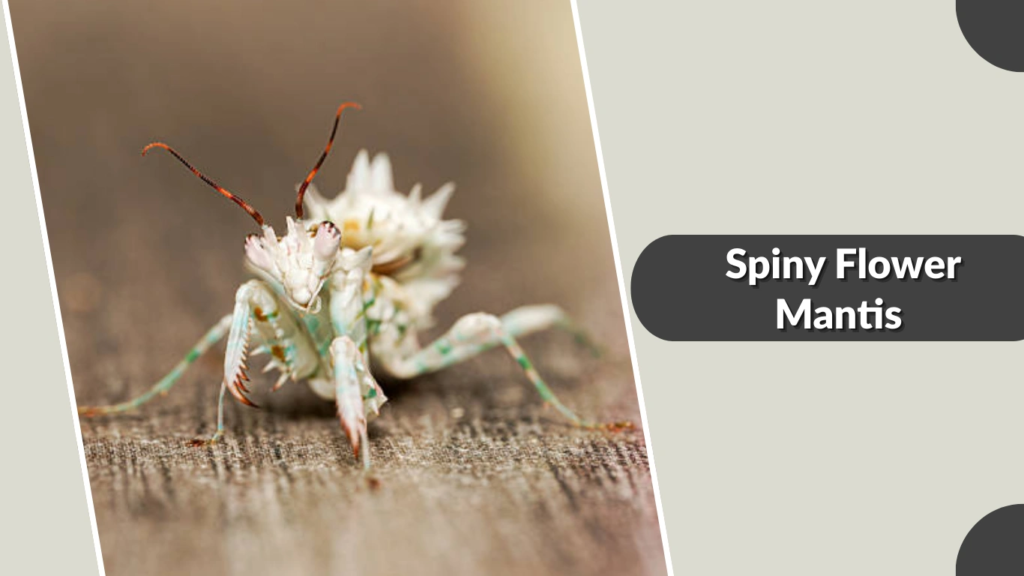
The Spiny Flower Mantis is a beautiful flower-mimicking mantis known for its bright colors and decorative patterns. It uses its appearance to lure prey, making it a highly effective ambush predator.
Identification
- White, yellow, and green body coloration
- Eye-like spots on the wings
- Spiny, petal-shaped legs
- Broad thorax with decorative markings
Size and Appearance
This mantis is small to medium in size but very eye-catching. The wing patterns resemble flower petals with bold spots, which can startle predators and attract insect prey.
Habitat and Range
Spiny Flower Mantises are native to Africa, especially in savannas, grasslands, and flowering shrubs where camouflage is most effective.
Behavior and Diet
They are sit-and-wait predators, remaining motionless on flowers. Their diet mainly includes bees, butterflies, flies, and other pollinating insects drawn to their bright appearance.
9. Devil’s Flower Mantis (Idolomantis diabolica)

The Devil’s Flower Mantis is considered one of the most spectacular praying mantis species due to its size, vivid colors, and dramatic threat displays. It is highly prized by collectors and insect enthusiasts.
Identification
- Green, white, and purple coloration
- Large petal-like leg extensions
- Bright warning colors displayed when threatened
- Broad thorax and abdomen
Size and Appearance
This mantis is large and visually striking, especially when it spreads its legs in a defensive display. Females are significantly larger than males and display more intense coloration.
Habitat and Range
Devil’s Flower Mantises are native to East Africa, where they inhabit flowering shrubs and tropical woodland areas.
Behavior and Diet
This species is an ambush predator that relies on camouflage and display behavior. It feeds mainly on flying insects and uses dramatic postures to scare off predators.
10. Giant Shield Mantis (Rhombodera species)
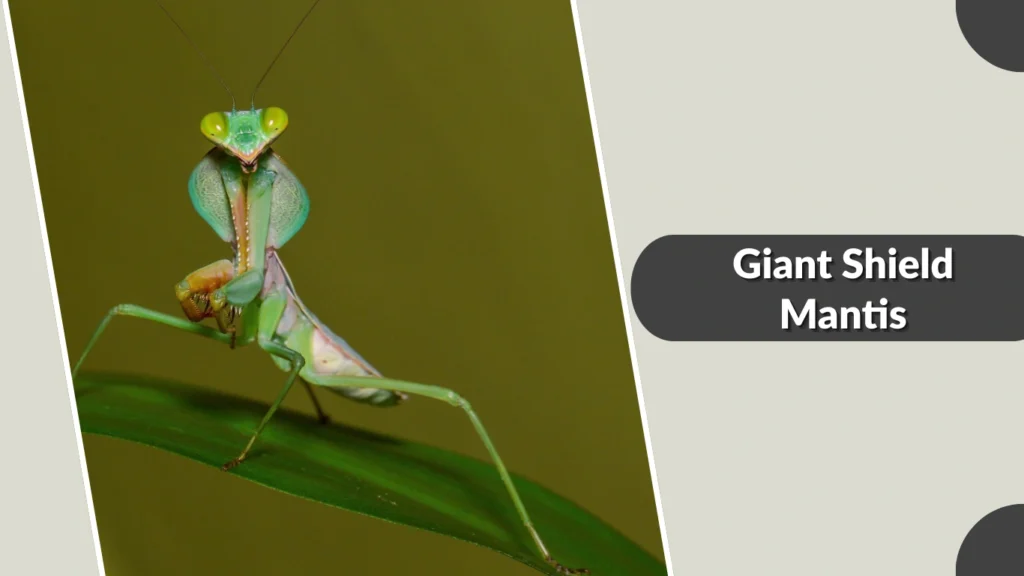
The Giant Shield Mantis is a large and broad-bodied mantis known for the wide, shield-like expansion of its thorax. This distinctive feature makes it one of the easiest mantises to recognize.
Identification
- Bright green body
- Wide, shield-shaped thorax
- Large triangular head
- Strong, spiny forelegs
Size and Appearance
This species is large and sturdy, with a broad body that gives it a powerful, almost armored look. Its wings are well developed and cover most of the abdomen.
Habitat and Range
Giant Shield Mantises are native to Southeast Asia, including Malaysia, Thailand, and Indonesia. They are commonly found in forests, gardens, and agricultural areas.
Behavior and Diet
They are active ambush hunters, feeding on insects such as grasshoppers, beetles, and moths. Their strong forelegs allow them to capture relatively large prey with ease.
11. Dead Leaf Mantis (Deroplatys species)
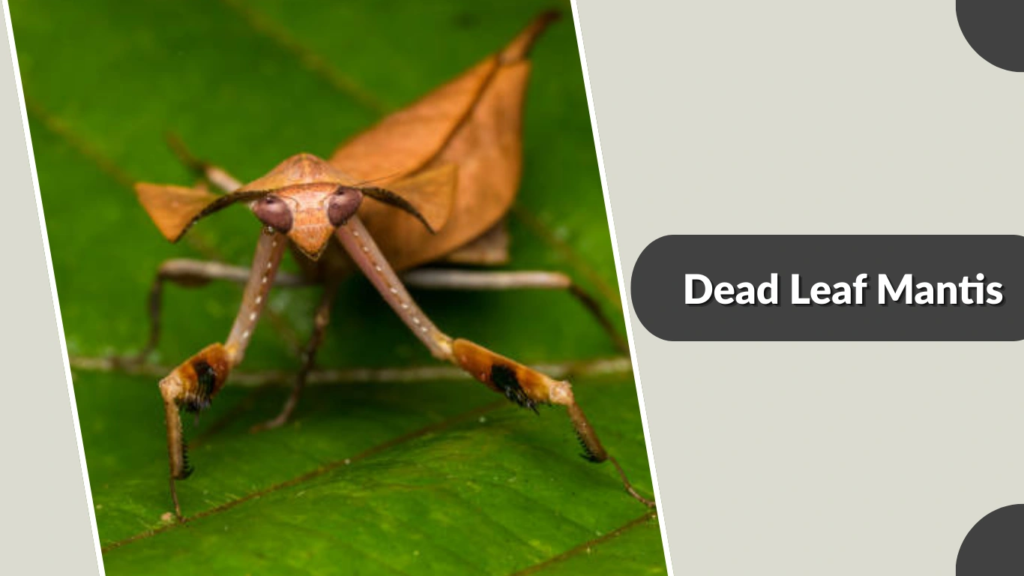
The Dead Leaf Mantis is a remarkable camouflage specialist, famous for its uncanny resemblance to a dried, fallen leaf. This disguise makes it extremely effective at both hunting prey and avoiding predators.
Identification
- Brown, tan, or dark mottled coloration
- Broad, leaf-shaped body
- Vein-like patterns on wings and abdomen
- Flattened, irregular body edges
Size and Appearance
This mantis is medium to large in size with a wide, flattened body. When motionless, it closely resembles a dead leaf, complete with “veins” and uneven edges that enhance its disguise.
Habitat and Range
Dead Leaf Mantises are native to Southeast Asia, particularly Indonesia, Malaysia, and surrounding regions. They live in forest floors, shrubs, and leaf litter where dry leaves are abundant.
Behavior and Diet
They are slow, patient ambush predators that rely on camouflage rather than speed. Their diet includes insects such as flies, moths, and beetles that wander close enough to be captured.
12. Texas Unicorn Mantis (Phyllovates chlorophaea)
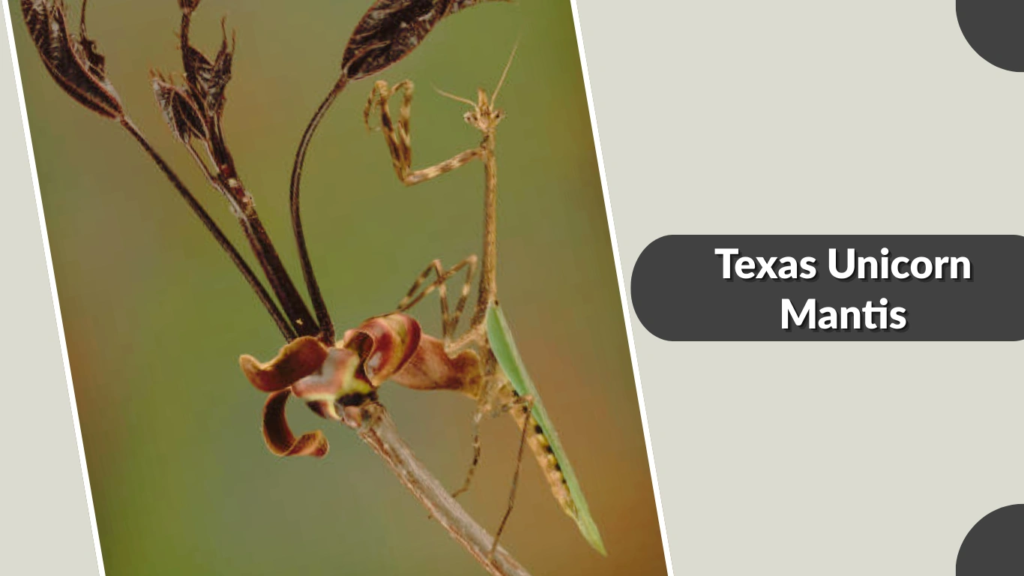
The Texas Unicorn Mantis is a slender, fast-moving mantis known for the small horn-like projection on its head, which gives it the “unicorn” name. It is one of the few mantis species native to the southern United States.
Identification
- Small horn or cone on the head
- Green to brown body coloration
- Slim, elongated body shape
- Narrow wings covering the abdomen
Size and Appearance
This mantis is medium-sized and noticeably slimmer than many tropical species. Its streamlined body and head horn make it easy to distinguish from other North American mantises.
Habitat and Range
Texas Unicorn Mantises are found in the southern United States, Mexico, and Central America. They prefer shrubs, tall grasses, and woodland edges in warm climates.
Behavior and Diet
This species is an active hunter rather than a strict ambush predator. It feeds on flies, moths, grasshoppers, and other small insects, using speed and agility to capture prey.
13. Budwing Mantis (Parasphendale species)
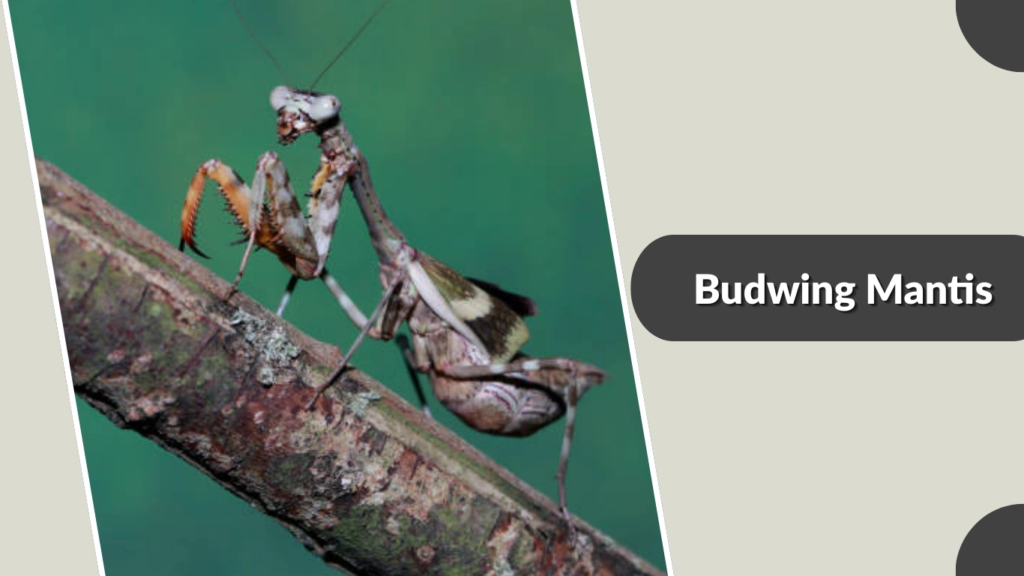
The Budwing Mantis is a compact and aggressive praying mantis known for its short wings and strong hunting behavior. It is popular in the mantis-keeping community because of its hardy nature and bold temperament.
Identification
- Short wings that look like buds
- Brown or tan body coloration
- Thick thorax and abdomen
- Strong, spiny forelegs
Size and Appearance
This mantis is medium-sized with a stocky, muscular build. The short wings, especially in females, give it a distinctive appearance compared to long-winged mantis species.
Habitat and Range
Budwing mantises are native to Africa, where they inhabit grasslands, shrubs, and semi-arid regions. They adapt well to different environments and are often found in open habitats.
Behavior and Diet
Budwing mantises are bold and aggressive hunters. They readily attack moving prey and feed on a wide variety of insects, including flies, roaches, and grasshoppers.
14. Australian Rainforest Mantis (Archimantis latistyla)
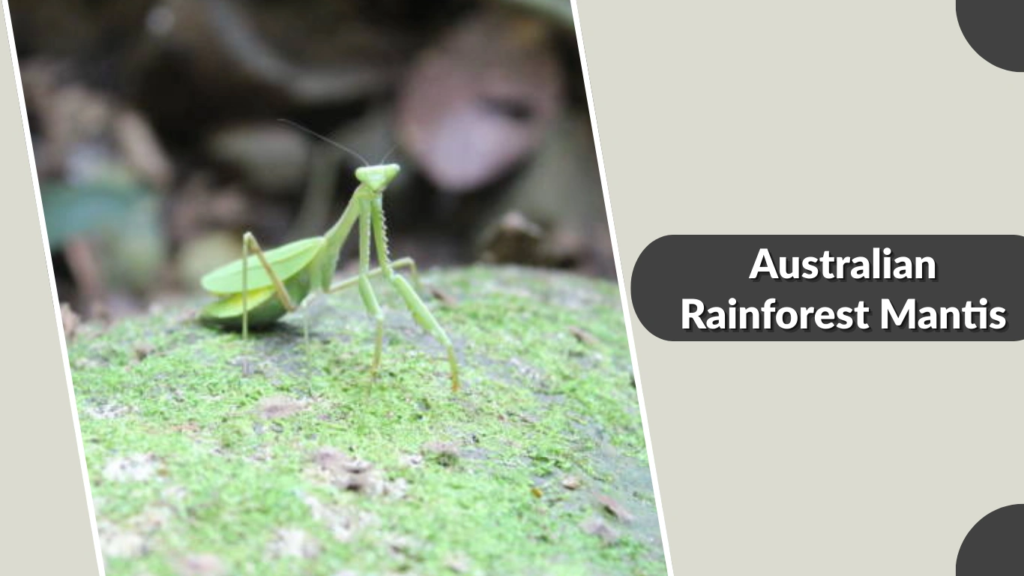
The Australian Rainforest Mantis is a large native mantis species known for its strong build and adaptability. It is commonly seen in gardens and forested areas across eastern Australia and is an effective natural predator.
Identification
- Green or brown body coloration
- Broad thorax with a solid build
- Long wings covering the abdomen
- Large triangular head with strong eyes
Size and Appearance
This mantis is fairly large and sturdy, with a thicker body than many slender mantis species. Its coloration allows it to blend well with leaves, branches, and tree trunks.
Habitat and Range
Australian Rainforest Mantises are found mainly in eastern Australia, including rainforests, woodlands, and suburban gardens. They prefer warm, vegetated environments.
Behavior and Diet
They are patient ambush predators, feeding on flies, moths, beetles, and other insects. This species is calm compared to some aggressive mantises and relies heavily on camouflage.
15. Conehead Mantis (Empusa species)
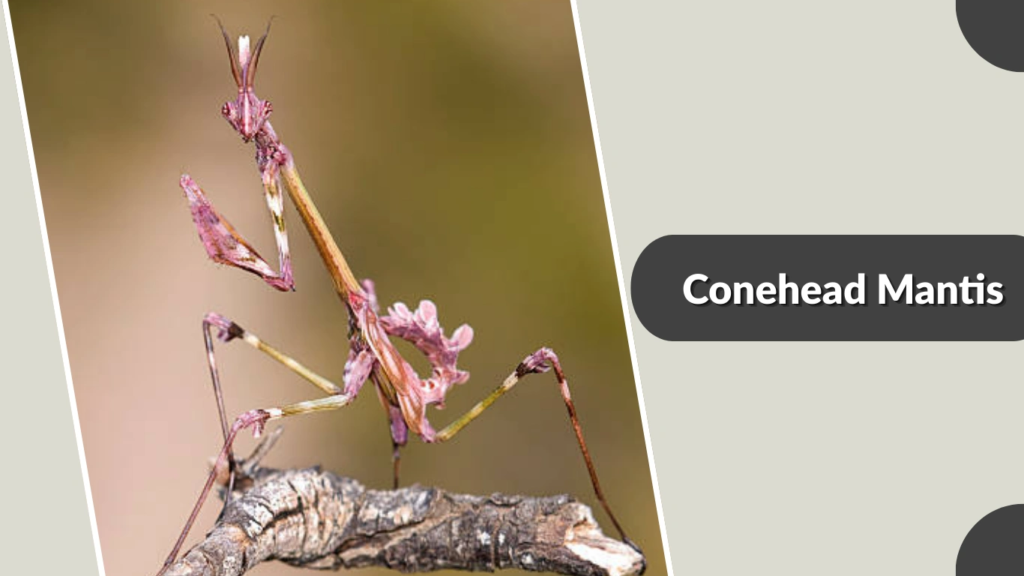
The Conehead mantis is a slender and unusual-looking praying mantis recognized by the long cone-shaped extension on its head. Its strange appearance and graceful movements make it one of the most distinctive mantis species.
Identification
- Long cone-shaped projection on the head
- Slim, elongated body
- Green or brown coloration
- Leaf-like extensions on legs
Size and Appearance
This mantis has a thin, elegant build with a delicate posture. The extended head cone and narrow body give it a stick-like silhouette, helping it blend into grasses and vegetation.
Habitat and Range
Conehead mantises are native to southern Europe, North Africa, and parts of the Middle East. They inhabit dry grasslands, shrubs, and open woodland areas.
Behavior and Diet
Conehead mantises are slow-moving ambush predators that rely on camouflage. They feed on flies, grasshoppers, and other small insects, striking quickly when prey comes within reach.
16. Asian Flower Mantis (Creobroter species)
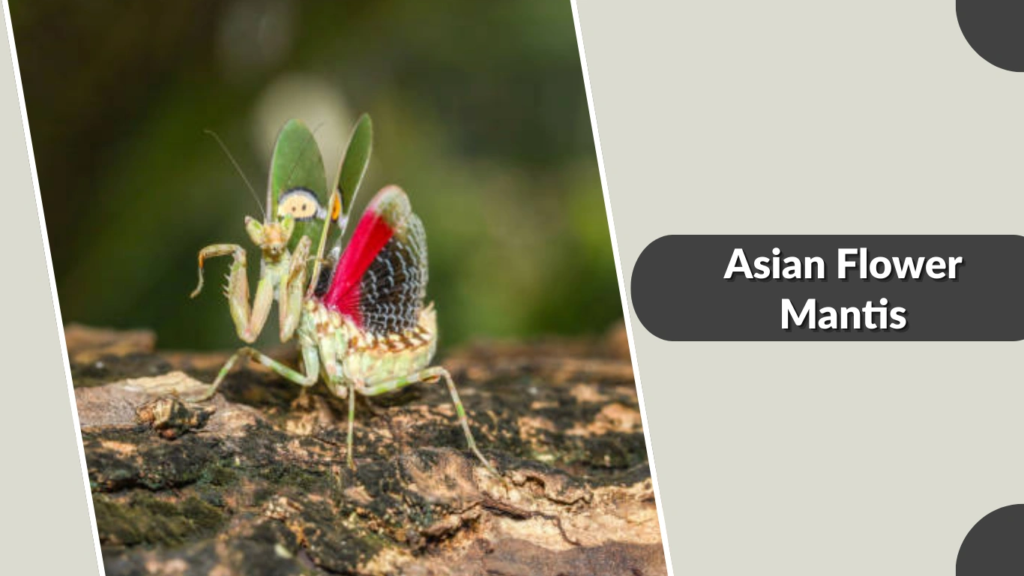
The Asian Flower Mantis is a small but brightly colored praying mantis known for its flower-like patterns and eye-catching wing markings. It uses visual mimicry to ambush prey and confuse predators.
Identification
- White, green, and yellow body coloration
- Eye-like spots on the wings
- Compact body with broad thorax
- Spiny, petal-shaped forelegs
Size and Appearance
This mantis is relatively small compared to giant species, but its bold colors make it highly noticeable. When threatened, it spreads its wings to display striking eye patterns.
Habitat and Range
Asian Flower Mantises are native to South and Southeast Asia, including India, Thailand, and Sri Lanka. They live on flowering plants in forests, gardens, and grasslands.
Behavior and Diet
They are sit-and-wait predators, relying on camouflage and visual deception. Their diet mainly consists of flies, bees, butterflies, and other pollinating insects attracted to flowers.
17. Idolomantis (Giant Devil’s Flower Mantis)
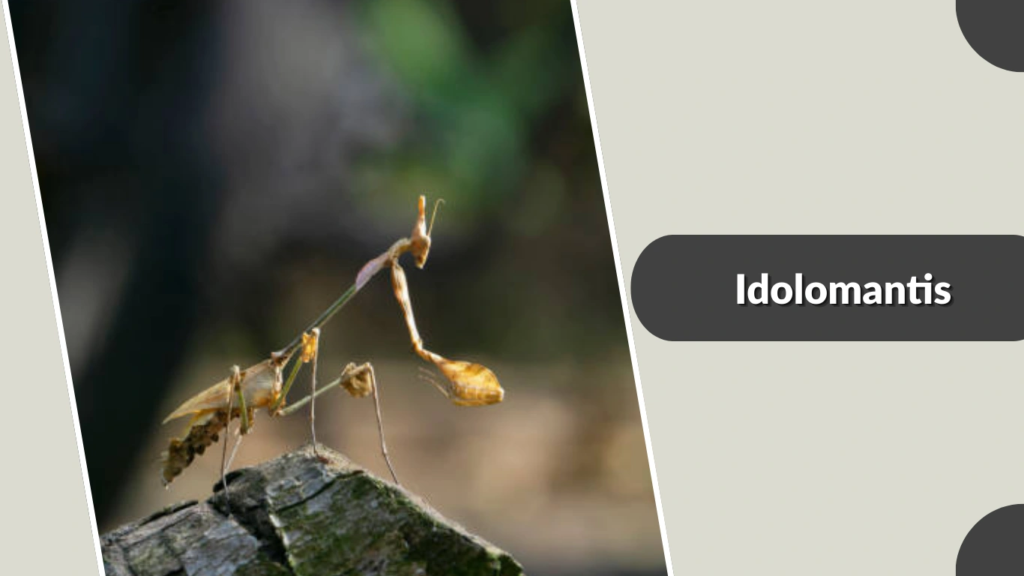
The Giant Devil’s Flower Mantis is one of the largest and most dramatic flower mantises in the world. Closely related to the Devil’s Flower Mantis, it is famous for its size, coloration, and impressive threat displays.
Identification
- Green, white, and purple coloration
- Large petal-like leg extensions
- Broad thorax and abdomen
- Vivid defensive display colors
Size and Appearance
This species is very large and visually striking, especially when it spreads its legs and wings. Females are much larger and more colorful than males.
Habitat and Range
Idolomantis species are native to East Africa, where they inhabit flowering shrubs, savannas, and woodland areas.
Behavior and Diet
They are ambush predators that rely on camouflage and display behavior. Their diet consists mainly of flying insects, and their dramatic displays help deter predators.
FAQs
How many species of praying mantis exist worldwide?
There are over 2,400 known praying mantis species worldwide. However, only a small number—around 10–15—are commonly seen by people in gardens, fields, and homes.
Are praying mantises harmful to humans?
No, praying mantises are not harmful to humans. They may bite if handled roughly, but their bites are not venomous and cause little more than minor discomfort.
What do praying mantises eat?
Praying mantises are carnivorous and feed mainly on insects such as flies, moths, grasshoppers, and beetles. Larger species may occasionally eat small reptiles, amphibians, or even other mantises.
Where do praying mantises usually live?
Mantises live in a wide range of habitats, including gardens, grasslands, forests, and agricultural fields. They prefer areas with plenty of vegetation where they can hide and hunt.
Why do praying mantises look like plants or flowers?
Many mantis species use camouflage and mimicry to survive. By resembling leaves, sticks, or flowers, they can ambush prey more easily and avoid predators.
