

Wasp stings are an unpleasant experience that can cause varying degrees of pain, discomfort, and even severe allergic reactions in some people. Understanding how to identify a wasp sting and knowing what to do in response is crucial, especially if you have allergic reactions or are in an area where wasps are common. This article provides a comprehensive guide on how to identify a wasp sting, its symptoms, and the best ways to manage it.
What Does a Wasp Sting Look Like?
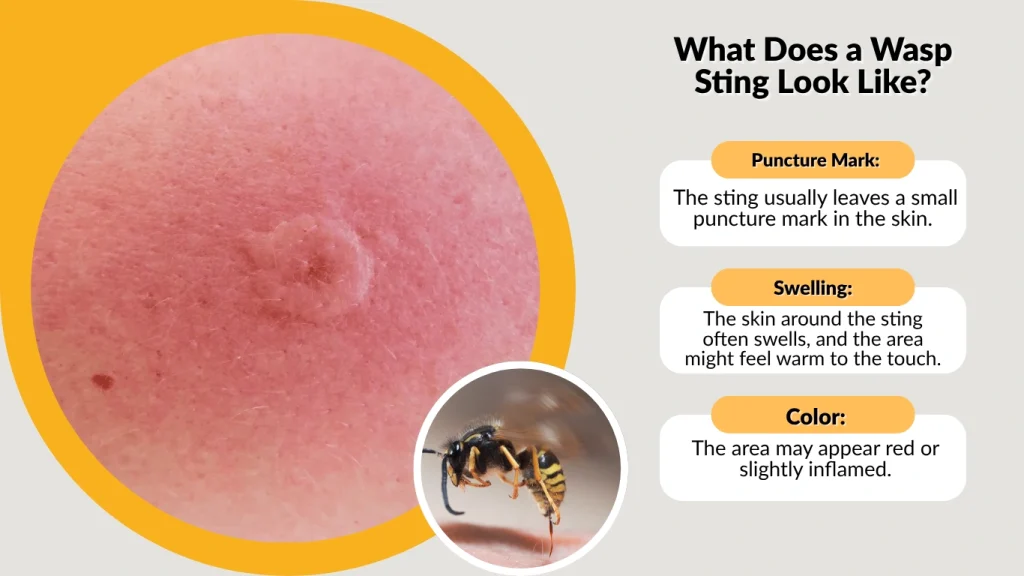
A wasp sting typically involves two key elements: the initial puncture mark where the sting enters the skin and the body’s reaction to the venom. The appearance of the sting can vary depending on the individual’s response and the species of wasp involved.
Size and Appearance
- Puncture Mark: The sting usually leaves a small puncture mark in the skin. This puncture is often smaller than a bee sting and might be surrounded by a red or pink welt.
- Swelling: The skin around the sting often swells, and the area might feel warm to the touch. The size of the swelling can range from small to significant depending on the person’s sensitivity and the severity of the sting.
- Color: Immediately after being stung, the area may appear red or slightly inflamed. Over time, the redness might deepen into a more noticeable bruise-like color if there is significant inflammation.
Pain and Sensation
The pain from a wasp sting is often intense but tends to subside after a short period. Unlike a bee sting, which leaves its stinger behind, a wasp does not lose its stinger after stinging. This allows the wasp to sting multiple times. The sting site may initially feel sharp or burning, but this pain usually dissipates within a few minutes to an hour.
Immediate Reaction to a Wasp Sting
Mild Symptoms
Most people will experience mild symptoms following a wasp sting. These symptoms are typically manageable at home and may include:
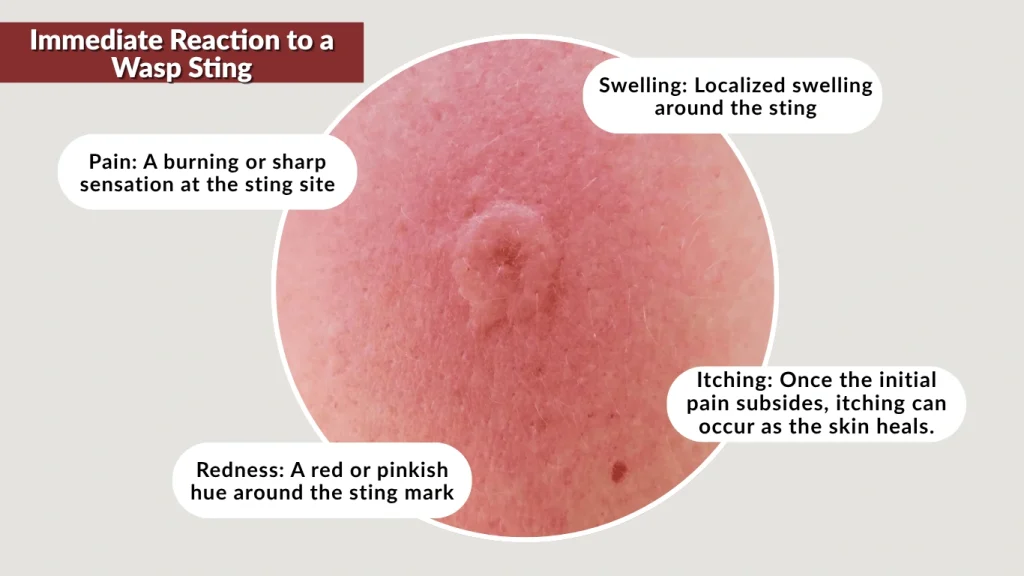
- Pain: A burning or sharp sensation at the sting site, usually lasting for a few minutes.
- Swelling: Localized swelling around the sting that can last anywhere from a few hours to a couple of days.
- Redness: A red or pinkish hue around the sting mark, which may expand as the body reacts to the venom.
- Itching: Once the initial pain subsides, itching can occur as the skin heals.
Severe Symptoms
In some cases, individuals may experience more severe symptoms, including:
- Severe Swelling: The swelling may increase significantly, especially if the sting occurs near sensitive areas like the face or throat.
- Hives or Rash: Hives, or a rash, may develop around the sting site or on other parts of the body.
- Allergic Reactions: A more severe allergic reaction (anaphylaxis) can occur, leading to symptoms like dizziness, difficulty breathing, or even loss of consciousness. This is a medical emergency that requires immediate attention.
- Nausea or Vomiting: In rare cases, individuals may feel nauseous or even vomit after a wasp sting.
How to Identify a Wasp Sting

Identifying a wasp sting involves noting the appearance of the puncture and observing the symptoms as they develop. Key identifying factors of a wasp sting include:
Puncture Mark and Size
The puncture mark from a wasp sting is small but distinct. It’s often a tiny, sharp point at the center of a raised welt.
The sting may leave behind a small dot where the venom was injected into the skin.
Color and Swelling
The surrounding skin typically reddens and swells as the body reacts to the venom. In sensitive individuals, this swelling may expand rapidly.
The size of the swelling can depend on the location of the sting and the individual’s sensitivity to the venom.
Pain and Sensation
The pain from a wasp sting is usually sharp, followed by a burning or throbbing sensation. This pain usually fades within a few minutes to an hour, although the swelling and itching may persist longer.
Unlike bee stings, which typically cause a more localized reaction, wasp stings can cause pain that spreads more widely.
Wasp Sting vs. Bee Sting: How to Tell the Difference

It can sometimes be tricky to distinguish between a wasp sting and a bee sting, as both cause similar symptoms. However, there are some key differences:
Wasp Sting
- Multiple Stings: Wasps can sting multiple times since they do not lose their stinger after stinging.
- Sting Appearance: The sting from a wasp often leaves a smaller, cleaner puncture mark with less noticeable damage to the skin compared to a bee sting.
- Pain Level: The pain from a wasp sting is typically more intense, with a burning sensation that fades faster.
- Venom Reaction: Wasp venom contains a mixture of toxins that can cause more intense swelling and discomfort, especially if the person is allergic.
Bee Sting
- Single Sting: A bee typically stings only once before it dies, leaving its stinger embedded in the skin.
- Sting Appearance: Bee stings tend to leave a larger, more visible stinger embedded in the skin, leading to additional pain and swelling.
- Pain Level: Bee sting pain is generally sharp and intense but tends to subside more quickly than a wasp sting.
What to Do After a Wasp Sting
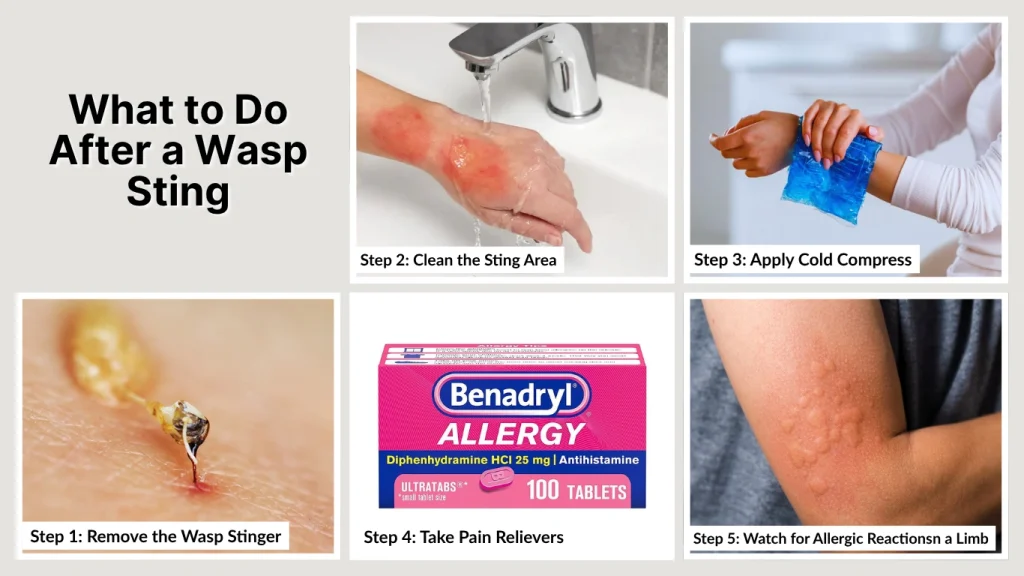
Step 1: Remove the Wasp Stinger
If you are stung by a wasp on the rare occasion that it leaves its stinger (in case of a rare species), gently scrape it away using a flat surface like a credit card. Avoid using tweezers, as they can squeeze more venom into the wound.
Step 2: Clean the Sting Area
Use soap and water to clean the sting site. This helps prevent infection and reduces irritation.
Step 3: Apply Cold Compress
Applying a cold compress to the sting site can reduce swelling and alleviate pain. Wrap ice in a cloth or use a cold pack for about 10-15 minutes at a time.
Step 4: Take Pain Relievers
Over-the-counter pain relievers like ibuprofen or acetaminophen can help manage the pain and reduce inflammation. Antihistamines may help with itching and swelling.
Step 5: Watch for Allergic Reactions
Monitor for any signs of an allergic reaction, such as difficulty breathing, dizziness, or swelling of the face or throat. If these occur, seek medical help immediately.
When to Seek Medical Attention
While most wasp stings can be managed at home, it’s essential to seek medical attention if you experience any of the following:
Difficulty Breathing: Swelling in the throat or chest can obstruct airways, making it difficult to breathe.
Severe Swelling or Redness: If the swelling spreads rapidly or affects the eyes, lips, or throat, it could be a sign of an allergic reaction.
Dizziness or Fainting: These symptoms can be indicative of anaphylactic shock and require immediate medical care.
Multiple Stings: If you are stung multiple times or in a sensitive area, the venom’s cumulative effects may be more severe.
Preventing Wasp Stings
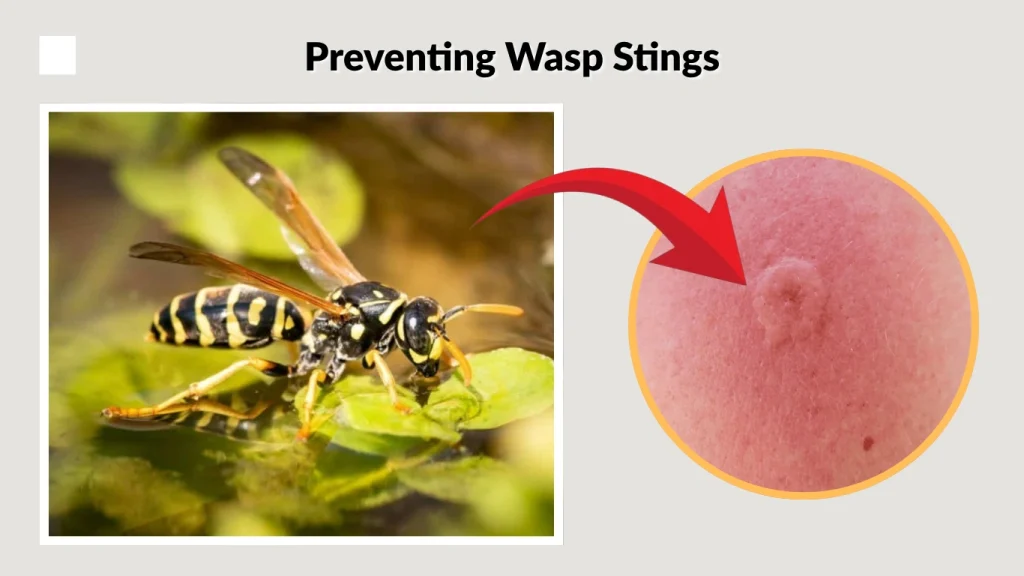
To minimize the chances of getting stung by a wasp, consider the following tips:
Avoid Bright Colors and Floral Prints: Wasps are attracted to bright colors, especially yellow and floral patterns.
Be Cautious Around Nests: If you encounter a wasp nest, stay at least 20 feet away and avoid disturbing it.
Use Wasp Repellents: Wasp repellents can be used around areas where wasps are likely to build nests, such as patios, gardens, and outdoor dining spaces.
Wear Protective Clothing: If you’re gardening or working outdoors, wear long sleeves and pants to minimize exposed skin.
FAQs
What should you do if you are stung by a wasp?
Clean the sting site with soap and water, then apply a cold compress to reduce swelling. Take over-the-counter pain relievers like ibuprofen or acetaminophen. Watch for signs of allergic reactions like difficulty breathing or dizziness, and seek medical help if necessary.
How long does a wasp sting last?
Pain from a wasp sting usually lasts about an hour. Swelling and redness may persist for a few hours to a couple of days, depending on the person’s reaction.
Can a wasp sting cause long-term damage?
Most wasp stings are temporary, but repeated stings or severe allergic reactions can be more serious. If not treated properly, stings may lead to infections or chronic swelling.
What are the symptoms of an allergic reaction to a wasp sting?
Allergic reactions can include swelling in the face or throat, difficulty breathing, dizziness, or a rash. Anaphylaxis is severe and requires immediate medical attention.
Is it possible to get stung multiple times by the same wasp?
Yes, wasps can sting multiple times since they don’t lose their stinger. Each sting injects venom, causing more pain, swelling, and possible allergic reactions..
Conclusion
Understanding the appearance and symptoms of a wasp sting is crucial for handling this painful experience effectively. While most stings are harmless and can be treated at home, it’s essential to recognize when symptoms escalate into a severe allergic reaction. By following proper first-aid steps and knowing when to seek medical help, you can manage a wasp sting and prevent further complications.
