

Identifying a wasp nest is crucial for maintaining safety, especially if the nest is near high-traffic areas or if you or someone nearby is allergic to wasp stings. Wasps can build nests in various locations, from the ground to trees or building eaves, each with distinct features. Understanding what a wasp nest looks like and knowing how to identify it can help you avoid danger and take appropriate action.
In this guide, we will explore the key characteristics of wasp nests, how to spot them, and what to do if you find one on your property.
What is a Wasp Nest?
A wasp nest is a structure built by wasps to house their colony, which consists of a queen, workers, and drones. These nests are typically made of paper-like material that the wasps produce by chewing wood fibers mixed with saliva. The nests are used for breeding and housing the young wasps. Wasps generally build their nests in hidden or sheltered areas to protect them from predators and environmental factors.
There are two primary types of wasp nests: ground nests and aerial nests. Ground nests are built underground, while aerial nests are usually found hanging from trees, eaves, or other structures. The size and appearance of a wasp nest depend on the species, the nest’s age, and its location. Some nests can grow quite large, housing hundreds or even thousands of individual wasps by the end of the season.
Understanding the differences between these two types of nests is essential for identification, as ground and aerial nests have distinct features and require different approaches for management.
How to Identify a Wasp Nest

Identifying a wasp nest involves recognizing the key features of the nest, observing wasp activity, and understanding the characteristics of different types of nests. Whether the nest is underground or suspended above ground, knowing what to look for will help you safely identify and manage it.
Key Features of Wasp Nests
- Size and Shape: Wasps create nests that range in size from small to large, depending on the species. The shape of the nest can vary, but most wasp nests are either spherical, oval, or conical in shape.
- Material: Wasp nests are typically made from a paper-like material. This is a result of wasps chewing wood fibers mixed with their saliva to create a pulp that hardens into a sturdy structure. The nest often has a rough, papery texture.
- Color: Wasp nests generally have a light grey, tan, or brownish color, which can vary slightly depending on the species of wasp and the materials used to build the nest.
- Entrance: The nest entrance is where wasps enter and exit. Ground nests have small, round holes in the ground, while aerial nests have openings at the bottom of the nest. The entrance is often surrounded by visible activity as wasps fly in and out, especially during peak times of day.
Signs of a Wasp Nest in Your Area
Wasp Activity: One of the most noticeable signs of a wasp nest is the frequent activity of wasps around a specific location. Wasps often fly in and out of the nest entrance, particularly during the warmer months.
Visible Dirt Mounds or Holes: For ground nests, you may see small mounds of dirt around the entrance, created as the wasps dig to make their underground nest. These mounds are usually more visible in areas with sparse grass or soil.
Increased Activity During Certain Times: Wasps are most active during the warmer parts of the day. If you observe more wasps flying around at certain times, like in the afternoon, the nest is likely active.
Nest Growth Over Time: Over the course of the season, the nest can grow significantly. In the beginning, nests might be small and unnoticeable, but as the colony expands, the nest can become much larger. The presence of multiple wasps around the nest or the sight of wasps hovering near the nest entrance is an indication of a well-established nest.
Identification of Ground-Based Wasp Nests

Ground wasp nests are typically built by species like yellow jackets, hornets, and some paper wasps that prefer to nest in the soil. These nests can be more challenging to spot because they are hidden underground, but several distinct features can help you identify them.
Appearance of Ground Nests
- Entrance Holes: The most obvious sign of a ground wasp nest is a small entrance hole in the ground. The hole is typically 1 to 3 inches in diameter, and wasps use it as a tunnel to enter and exit the nest.
- Dirt Mounds: Around the entrance, you may notice a small mound of dirt, which is left behind as the wasps dig to create the nest below the surface. These mounds are often visible in areas with little to no vegetation, making them easier to spot in lawns, gardens, or bare patches of earth.
- Disguised Location: Ground wasp nests are often camouflaged by grass, shrubs, or natural debris. The nest may blend into the surrounding environment, especially when the wasps are not as active, so careful observation is key.
Wasps That Nest in the Ground
Yellow Jackets: One of the most common types of wasps that nest underground, yellow jackets are aggressive and territorial. Their nests are usually in abandoned animal burrows, holes in the ground, or beneath large rocks.
Hornets: Though more often seen in aerial nests, some hornet species also build ground nests. Their nests are smaller and less frequent underground, but they can still be quite dangerous.
Paper Wasps: While typically known for building aerial nests, paper wasps sometimes construct their nests underground, particularly in abandoned rodent burrows or under tree roots.
Identification of Aerial Wasp Nests

Aerial wasp nests are built by species like paper wasps, yellow hornets, and some types of hornets. These nests are visible and suspended in the air, usually hanging from tree branches, under eaves, or in other sheltered areas.
Appearance of Aerial Nests
- Shape: Aerial nests are often round or oval in shape and have a distinct, layered structure. The outer layers are composed of hexagonal cells where the wasps store their larvae and eggs. These nests can grow large and are often several inches across.
- Material: The material of an aerial nest is typically a paper-like substance created by chewing wood fibers. This gives the nest a rough, grayish or brownish appearance. As the nest grows, the layers become more visible.
- Suspension: Aerial nests are usually found hanging from trees, shrubs, or structures like eaves and porch ceilings. The nest is often attached by a thin stalk or stem at the top.
Wasps That Nest Aerially
Paper Wasps: These wasps are perhaps the most common species to build aerial nests. Paper wasp nests are typically large, umbrella-shaped, and constructed under eaves or in trees. They are known for their papery nests that hang from a single stalk.
Hornets: Hornets also build large, often football-shaped nests that hang from trees or buildings. Unlike paper wasps, hornet nests can be much larger, and hornets tend to be more aggressive when defending their nests.
Yellow Jackets: While they are often associated with ground nests, yellow jackets can also build aerial nests in tree branches, bushes, or attics. Their nests are more spherical and can become quite large.
What Do Wasps Use to Build Their Nests?

Understanding the materials wasps use to construct their nests is essential for identifying and distinguishing them from other types of insect nests.
Nest Materials
Wood Pulp: Wasps create their nests by chewing wood fibers and mixing them with saliva to form a paste. This paste hardens into a paper-like substance that forms the bulk of the nest. The color of the nest can vary from light gray to brown, depending on the type of wood used.
Hexagonal Cells: Wasps build their nests in layers of hexagonal cells, which are used to store eggs, larvae, and honey. These cells are characteristic of wasp nests and can help differentiate them from other insect nests.
What Makes Wasp Nests Unique?
- Structure and Design: Unlike beehives, which are made of wax, wasp nests are made from a fibrous paper material. The hexagonal cell structure is common to both wasp and bee nests, but the material and overall appearance of the nest differentiate them.
- Open Design: Wasp nests are typically open, meaning the cells are exposed. This contrasts with the more solid structure of a bee hive, where the honeycomb cells are often sealed and enclosed.
Signs That a Wasp Nest is Active

Identifying an active wasp nest is essential for safety and management. A nest that is active will show different signs compared to a dormant one, especially during peak wasp season. Here are the key indicators to look for when determining if a wasp nest is active:
Wasp Activity Indicators
- Frequent Wasps Flying In and Out: One of the clearest signs of an active nest is constant wasp activity around a specific location. Wasps will repeatedly fly in and out of the nest entrance, especially in the late morning or afternoon when the temperature is higher.
- Buzzing Sounds: If you’re near the nest, you may hear a continuous buzzing sound, particularly if you disturb the area or get close to the entrance. This is a sign of a large, active colony.
- Increased Activity During the Day: Wasps are generally most active during the warmer parts of the day. If you notice increased wasp activity during specific hours, it’s likely that the nest is currently inhabited and busy.
How to Monitor for Nest Activity
Stay at a Safe Distance: Observe the nest from a distance to avoid provoking the wasps. Use binoculars if necessary for a closer look. Keep track of when wasps are most active to understand their behavior patterns.
Check for Nest Growth: Over time, an active nest will grow as more wasps join the colony. If the nest seems to be expanding or if you see an increasing number of wasps around the entrance, it’s a sign that the nest is active and thriving.
Safety Tips When Identifying a Wasp Nest
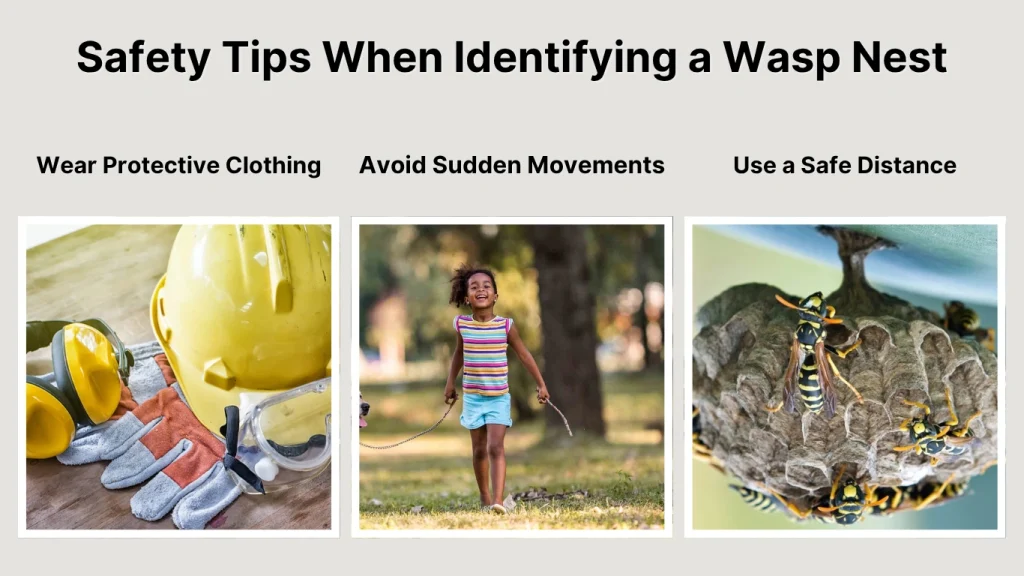
When identifying a wasp nest, safety should always be your top priority. Wasps can be aggressive when they feel their nest is threatened, and stings can be painful or even life-threatening, especially for individuals with allergies. Here are some key safety tips to follow when approaching a wasp nest:
Protective Measures
- Wear Protective Clothing: Always wear long sleeves, pants, gloves, and a face shield or netting when inspecting a wasp nest. This protective gear can help minimize the risk of stings.
- Avoid Sudden Movements: Wasps can become agitated if they sense movement around their nest. Approach the area slowly and carefully to avoid startling them.
- Use a Safe Distance: When observing a nest, keep a safe distance of at least 10 to 15 feet, depending on the size of the nest. This ensures that you won’t provoke the wasps.
What to Do If You Find a Wasp Nest
- Do Not Disturb the Nest: If the nest is in an area where it won’t pose an immediate risk, it’s best to leave it alone. Wasps are less likely to attack unless they feel their nest is threatened.
- Call a Professional: If the nest is in a high-traffic area, such as near your home or on your property, consider contacting a professional pest control service to safely remove it.
What to Do If You’re Stung by a Wasp
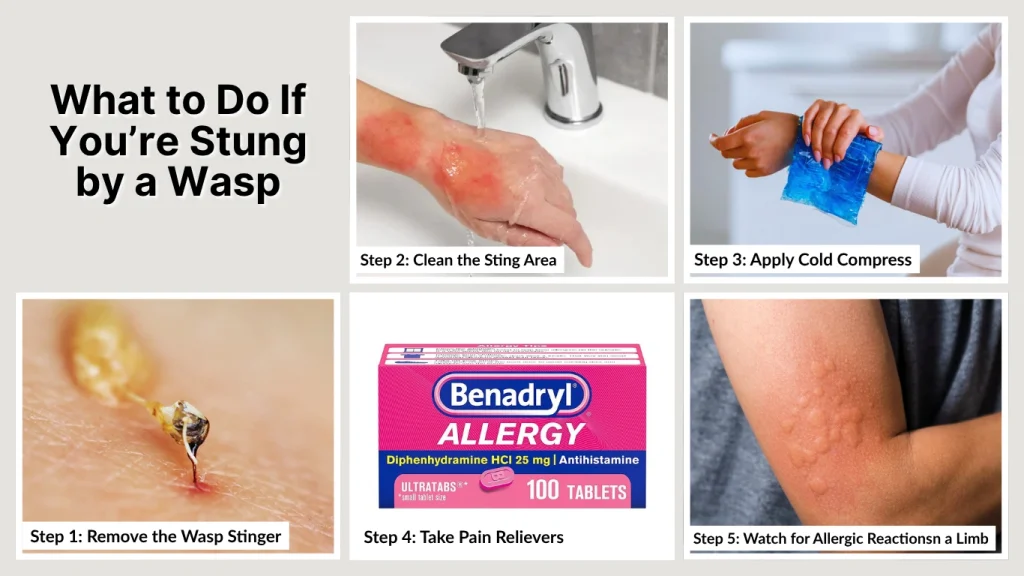
Wasp stings are common, especially in areas with active nests. If you or someone you know is stung by a wasp, it’s important to know how to manage the sting and recognize any signs of a severe reaction.
First Aid for a Wasp Sting
- Remove the Stinger (if present): Unlike bees, wasps don’t leave their stinger behind, but in rare cases, you may find a stinger embedded in the skin. Use a flat surface, such as a credit card, to scrape it out.
- Clean the Area: Wash the sting site with soap and water to prevent infection.
- Apply a Cold Compress: Place a cold compress or ice pack on the sting site to reduce swelling and numb the area. Apply for about 10 to 15 minutes at a time.
- Take Pain Relievers: Over-the-counter pain medications like ibuprofen or acetaminophen can help reduce pain and swelling.
- Monitor for Allergic Reactions: Keep an eye out for symptoms such as difficulty breathing, dizziness, or swelling of the face or throat. These signs indicate a severe allergic reaction, and immediate medical attention is needed.
Conclusion
Identifying a wasp nest is an important skill for preventing stings and managing wasp activity safely. Whether the nest is in the ground or aerial, knowing the signs of an active nest, wearing proper protection, and taking the right precautions can keep you safe. If you encounter a wasp nest in a high-traffic area, don’t hesitate to call a professional to handle the situation. With the right knowledge and care, you can avoid unnecessary risks and safely deal with any wasp nests on your property.
