
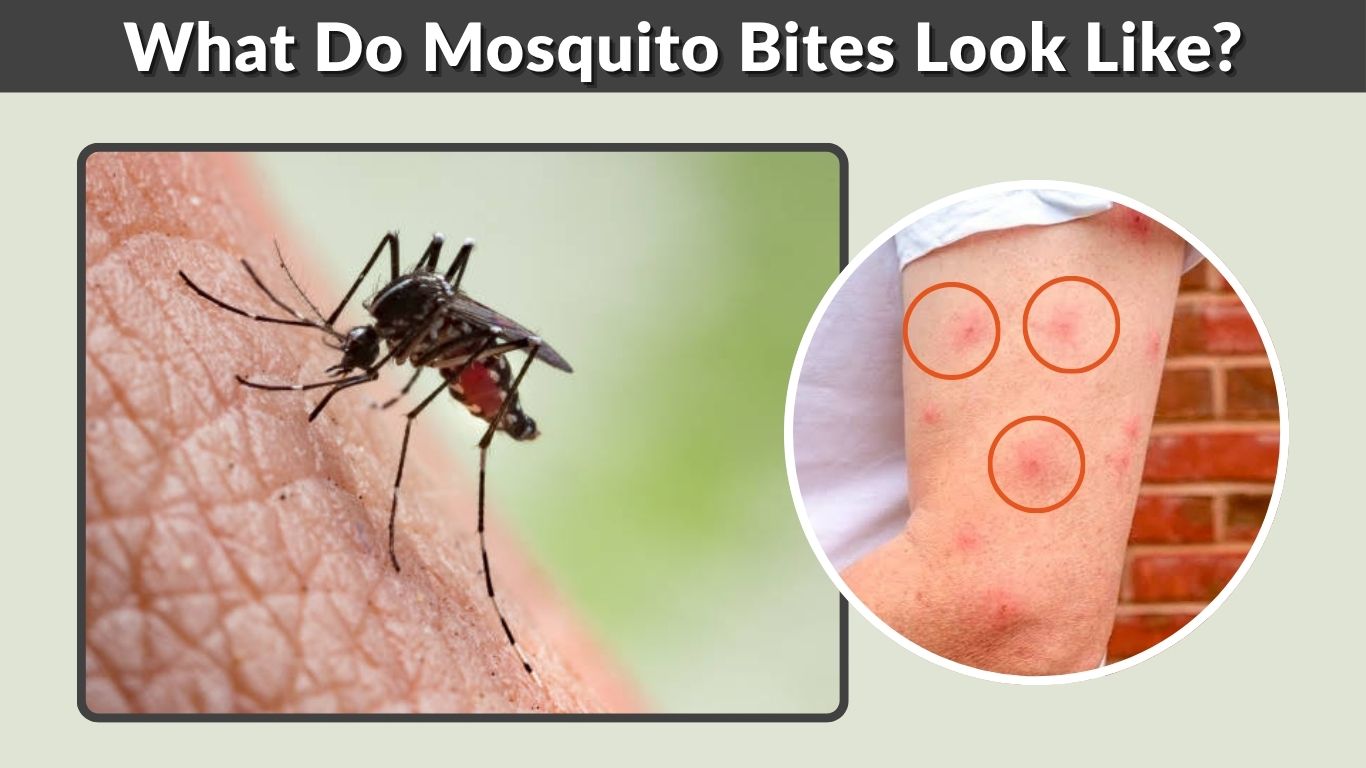
What do mosquito bites look like? Most mosquito bites appear as small, raised, itchy bumps that may be pink, red, brown, or similar to your natural skin color. They usually develop within minutes or hours after a mosquito feeds on your blood. However, their appearance can change depending on skin tone, immune response, and healing stage. Some people experience large swollen welts, blisters, or dark marks. Understanding these differences can help you recognize ordinary mosquito bites, identify possible complications, and know when medical treatment may be necessary.
What Do Normal Mosquito Bites Look Like?
Normal mosquito bites usually appear as small, round or oval bumps on exposed skin. They develop because the immune system reacts to proteins in mosquito saliva, causing localized inflammation and itching.
Although their appearance varies, most uncomplicated bites share recognizable features.
Common Signs of Mosquito Bites
Typical mosquito bite characteristics include:
- Raised bumps: Small, slightly swollen welts above the surrounding skin.
- Pink or red coloration: Inflammation may produce visible redness on lighter skin.
- Itching: Most bites cause mild to intense itching.
- Central puncture mark: Some bites have a tiny dot where the mosquito pierced the skin.
- Localized swelling: The area surrounding the bump may become slightly puffy.
Mosquitoes often bite exposed areas such as the arms, legs, ankles, neck, and face. Multiple bites may appear close together, although their arrangement is not reliable for identification.
What Do Mosquito Bites Look Like on Dark Skin?
Mosquito bites on Black or brown skin may appear different from those on lighter skin tones.
Instead of bright redness, the affected area may appear dark brown, purplish, or similar to the surrounding skin. Raised bumps, warmth, and itching may be more noticeable than color changes.
After healing, some people develop temporary darker spots called post-inflammatory hyperpigmentation.
These marks can remain visible longer than the original swelling.
What Do Mosquito Bites Look Like at Different Stages?
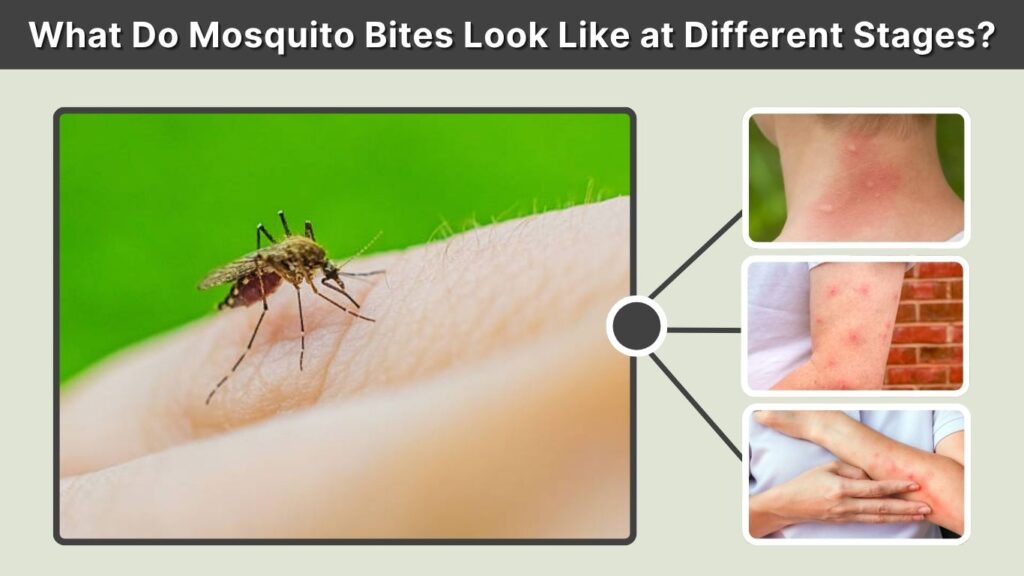
Mosquito bites change appearance as the skin reacts and recovers. Understanding this progression can help distinguish ordinary healing from symptoms that require attention.
Most uncomplicated bites gradually disappear within several days.
Fresh Mosquito Bites
Fresh mosquito bites often appear as soft, puffy bumps within minutes of exposure.
The center may look slightly pale, while the surrounding skin becomes pink or red. Some people notice immediate itching, while others experience little discomfort initially.
A mosquito bite does not always leave a clearly visible puncture mark.
Mosquito Bites After 24 Hours
After approximately one day, the original swollen bump may become firmer and itchier.
Some bites develop into small, raised reddish-brown papules. Others remain soft or become less noticeable.
Repeated scratching can increase redness, produce small abrasions, or cause temporary scabs.
Several bites may look different even when they occur at approximately the same time.
Healing Mosquito Bites
As mosquito bites heal, swelling and itching gradually decrease.
The raised bump becomes flatter, and the surrounding skin returns toward its normal appearance.
Some people develop temporary brown or darker marks, especially after persistent scratching.
Healing bites should generally become less uncomfortable rather than increasingly painful or swollen.
What Do Allergic Mosquito Bites Look Like?
Allergic reactions to mosquito bites can produce larger and more uncomfortable skin changes than ordinary bites. These reactions occur when the immune system responds strongly to mosquito saliva.
A particularly large local reaction is sometimes called Skeeter syndrome.
Large Swollen Mosquito Bites
A significant local reaction may produce a large, firm welt surrounded by extensive swelling.
The affected skin can feel warm, itchy, tender, or painful. Redness or darker discoloration may spread beyond the original bite.
Skeeter syndrome commonly affects children and may resemble a bacterial skin infection.
Symptoms typically develop within hours and can last approximately 3–10 days.
Blistered Mosquito Bites
Some allergic reactions cause small, fluid-filled blisters instead of ordinary raised bumps.
The surrounding skin may become noticeably swollen or irritated.
Avoid popping blisters because breaking the protective skin barrier increases the risk of infection.
Large or painful blisters, particularly when accompanied by worsening symptoms, should be evaluated by a healthcare professional.
What Do Infected Mosquito Bites Look Like?
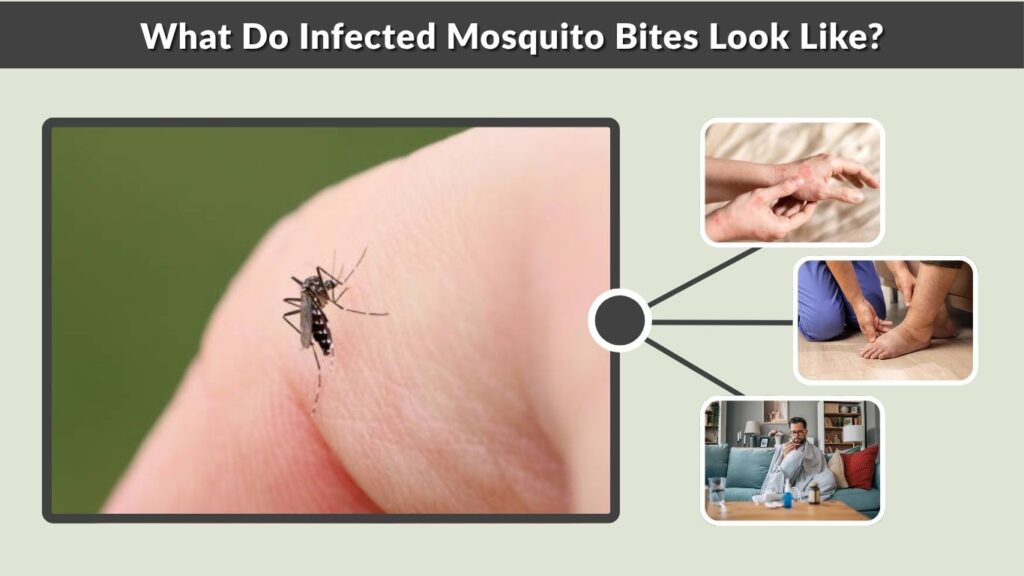
An infected mosquito bite may look increasingly inflamed rather than gradually healing. Bacterial infections sometimes develop when scratching damages the skin and allows microorganisms to enter.
It is important to distinguish infection from an ordinary local inflammatory reaction.
Signs of an Infected Mosquito Bite
Warning signs may include:
- Increasing redness or darker discoloration around the bite
- Expanding swelling, warmth, and tenderness
- Yellowish pus or drainage
- Crusting around damaged skin
- Red streaks spreading from the affected area
- Increasing pain or fever
A swollen bite is not automatically infected. Large allergic reactions can also cause significant warmth and redness.
However, worsening pain, spreading inflammation, pus, or fever warrants prompt medical evaluation.
Mosquito Bites vs. Other Insect Bites
Mosquito bites can resemble those caused by bed bugs, fleas, and other biting insects. Their location, timing, and surrounding environmental clues may help identify the cause.
However, bite appearance alone cannot reliably determine which insect was responsible.
Mosquito Bites vs. Bed Bug Bites
Mosquito bites often appear as individual swollen welts on exposed skin.
Bed bug bites may appear in groups or lines, especially after sleeping. Bed bugs also leave evidence such as dark marks, shed skins, or blood spots around mattresses.
Both can cause itchy bumps, and neither pattern provides a definite diagnosis.
Mosquito Bites vs. Flea Bites
Flea bites commonly affect the ankles and lower legs. They often produce small, itchy bumps grouped close together.
Mosquito bites may occur across various exposed body areas and sometimes produce larger welts.
The presence of fleas on pets or in carpets provides an additional identification clue.
| Bite type | Common appearance |
| Mosquito | Itchy, raised welt; single or multiple |
| Bed bug | Itchy bumps, sometimes grouped or arranged in lines |
| Flea | Small, itchy bumps, frequently around ankles |
| Large mosquito reaction | Extensive swelling, warmth, and itching |
What Do Mosquito Bites From Disease-Carrying Mosquitoes Look Like?
Mosquito species such as Aedes aegypti, Aedes albopictus, Anopheles, and Culex can transmit different pathogens under certain conditions.
However, a mosquito bite cannot reveal whether it transmitted dengue, malaria, West Nile virus, Zika, or another infection.
Asian Tiger Mosquito Bites
Asian tiger mosquitoes can cause ordinary-looking itchy bumps. Some individuals develop stronger localized reactions, but the bite’s appearance cannot confirm which mosquito species caused it.
Dengue, Malaria, and West Nile Virus Bites
These bites do not have a unique, recognizable skin appearance.
Instead, mosquito-borne illnesses are identified through symptoms, exposure history, and appropriate medical testing.
Seek medical advice if fever, severe headache, body aches, or other concerning symptoms develop after mosquito exposure.
What Do Mosquito Bites Look Like on Dogs?
Mosquito bites on dogs may appear as small, pinkish or reddish raised bumps. They are sometimes easier to notice on areas with thinner fur, such as the ears, nose, and abdomen.
Affected dogs may scratch, lick, or rub the irritated area.
Because flea bites, allergies, and other skin conditions can produce similar symptoms, identifying the cause from appearance alone is difficult.
Contact a veterinarian if your dog develops persistent irritation, extensive swelling, or signs of infection. Mosquitoes can also transmit heartworm parasites, making veterinarian-recommended prevention important.
When Should You Worry About Mosquito Bites?
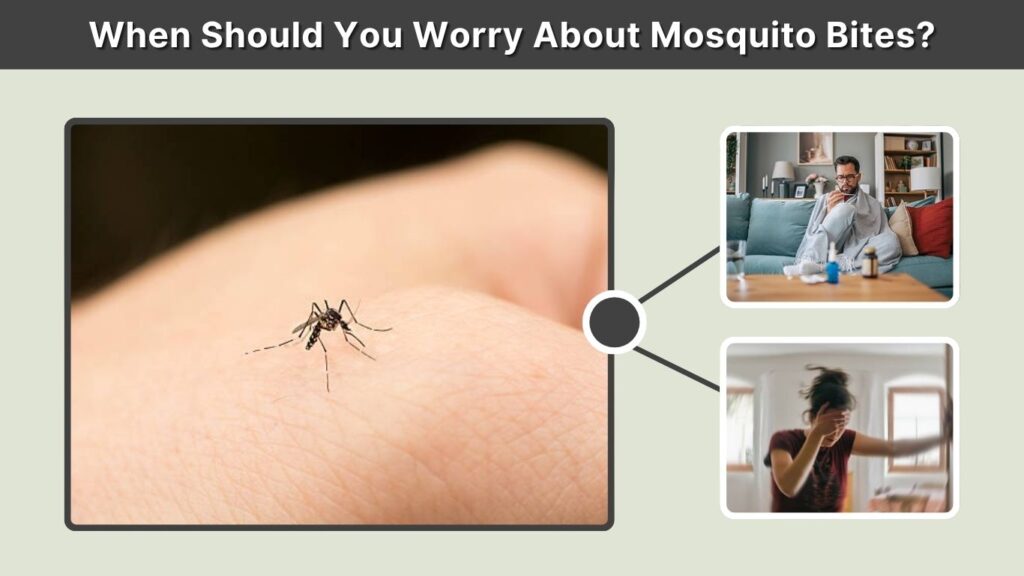
Most mosquito bites are harmless and improve without medical treatment. Simple remedies such as cold compresses and suitable anti-itch products usually relieve discomfort.
However, seek medical evaluation when swelling becomes severe, pain increases, drainage develops, or redness continues spreading.
Fever following mosquito exposure also requires attention, especially in areas where mosquito-borne diseases occur.
Difficulty breathing, throat tightness, fainting, or sudden swelling of the lips or tongue requires emergency medical care.
FAQs
1. What Do Mosquito Bites Look Like After a Few Days?
After several days, uncomplicated mosquito bites usually become flatter, less swollen, and less itchy. The skin may develop temporary darker spots while healing. Increasing redness, warmth, pain, or drainage may indicate a complication.
2. What Do Mosquito Bites Look Like on Babies?
Mosquito bites on babies may appear as small, swollen bumps or larger welts because young children can react strongly to mosquito saliva. Consult a healthcare professional for bites in infants, particularly if significant swelling or other concerning symptoms develop.
3. Can Mosquito Bites Look Like Pimples?
Yes. Small mosquito bites sometimes resemble pimples because they appear as raised, rounded bumps. However, mosquito bites are usually itchy and occur after insect exposure, while acne develops through different skin processes.
4. What Do Multiple Mosquito Bites Look Like?
Multiple mosquito bites may appear as scattered, itchy welts across exposed skin. Their size and swelling can vary. Bites sometimes occur close together, but grouped bumps alone cannot confirm whether mosquitoes or another insect caused them.
5. Do Mosquito Bites Always Turn Red?
No. Mosquito bites do not always become visibly red. On darker skin tones, they may appear brown, purple, or close to the surrounding skin color. Some people experience little visible change despite noticeable itching.
