
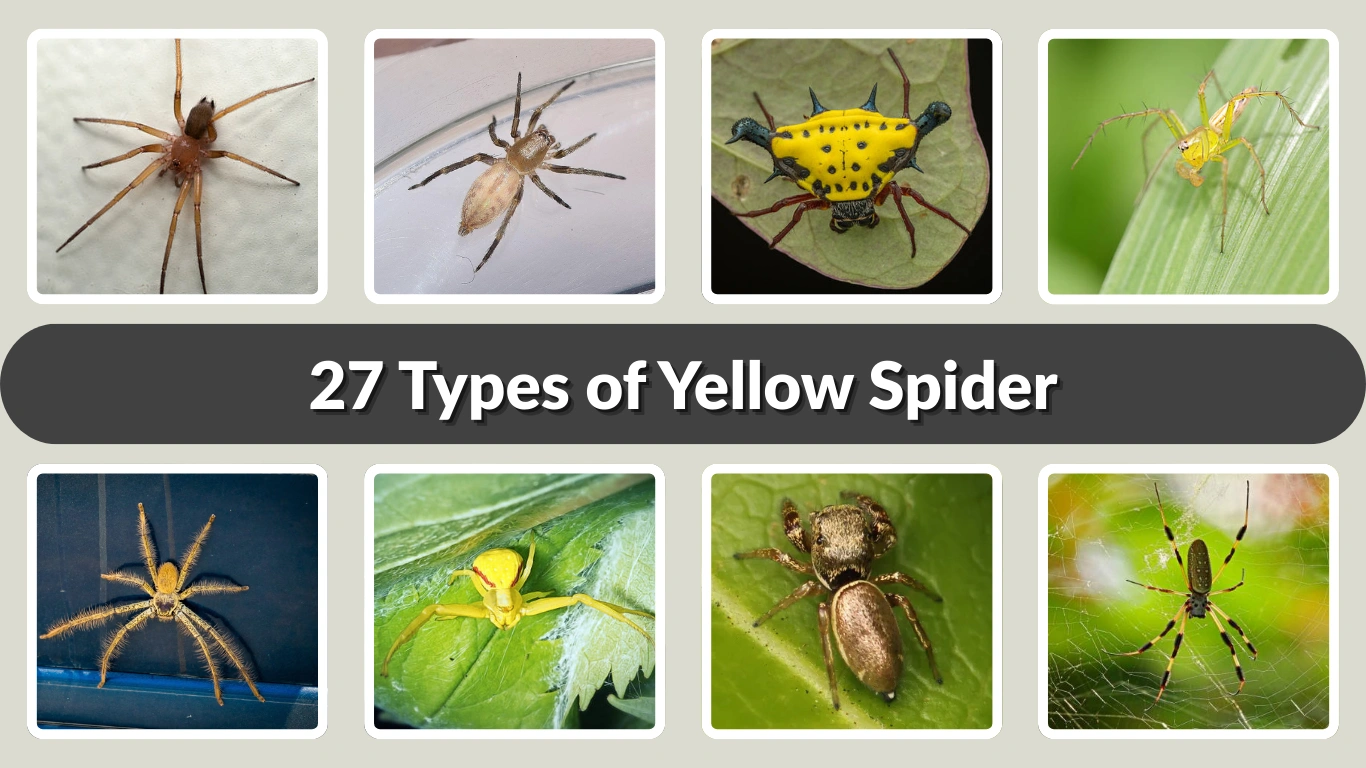
Yellow spiders are fascinating creatures recognized for their bright coloration and diverse hunting techniques. Found in gardens, forests, and even homes, these spiders range from tiny, harmless species to larger, more aggressive hunters. Understanding their identification, habitats, and behaviors helps you coexist safely with them, appreciate their ecological role in controlling insect populations, and reduce unnecessary fear or accidental encounters.
1. Golden Orb-Weaver
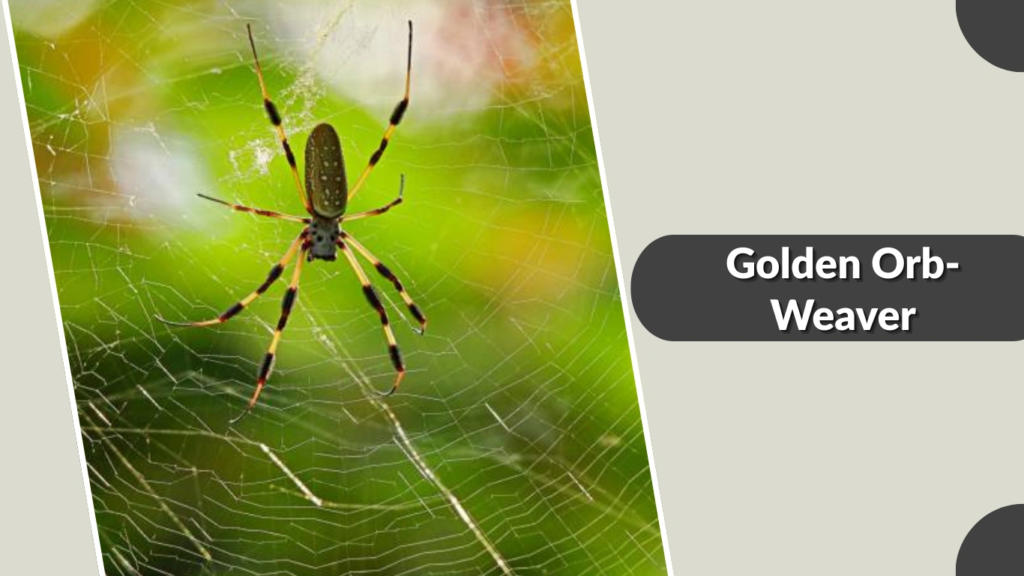
The Golden Orb-Weaver is a striking spider known for its large size and brilliant golden-colored silk. It is widely recognized for its intricate orb-shaped webs, which can span several feet. Despite its intimidating appearance, this spider is generally non-aggressive toward humans and plays an essential role in controlling insect populations.
Identification
- Bright golden-yellow or yellow-brown body
- Large, elongated abdomen, often with dark markings
- Long legs with banded patterns or spines
- Females are significantly larger than males
- Body length ranges from 1.5 to 5 cm
Habitat and Behaviors
Golden Orb-Weavers are commonly found in forests, gardens, and wooded areas where there is enough space to spin large webs. They prefer areas with high insect activity and often build their webs between trees, shrubs, or human structures. These spiders are mostly diurnal but tend to be stationary, waiting for prey to get trapped in their web. They are solitary and rarely bite humans unless provoked.
Diet and Lifecycle
Their diet primarily consists of flying insects such as flies, bees, moths, and small beetles. Once prey gets caught in the web, the spider immobilizes it with venom and wraps it in silk for later consumption. After mating, females lay eggs in silk sacs attached near the web. Spiderlings hatch within a few weeks and disperse to build their own webs. They molt multiple times before reaching adulthood, which typically occurs within several months.
2. Banana Spider
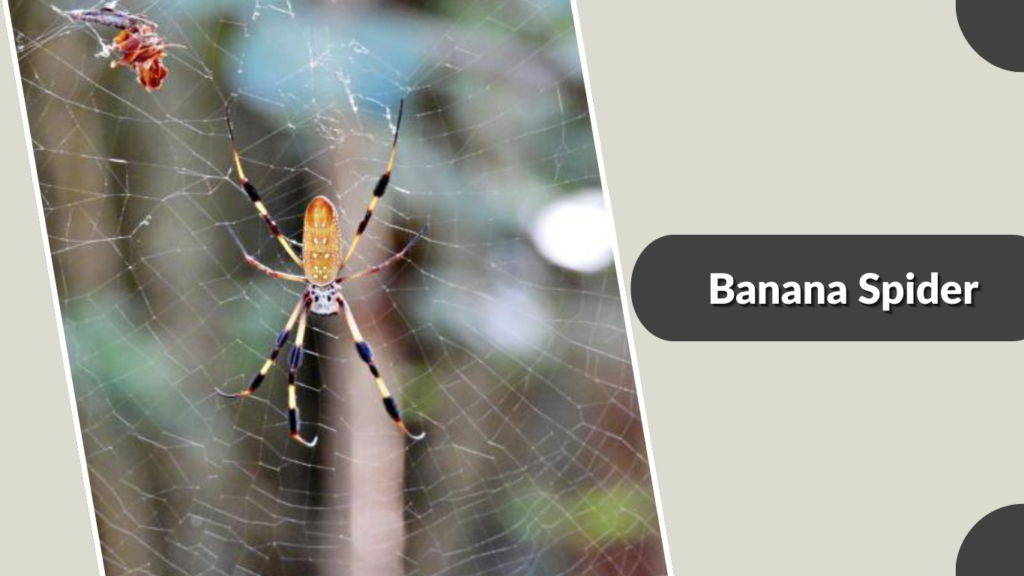
The Banana Spider is a large, yellow-colored spider commonly found in tropical and subtropical regions. It is known for its vibrant coloration and impressive webs. Despite its appearance, it is generally non-aggressive toward humans and helps control insect populations in its habitat.
Identification
- Bright yellow or yellow-orange body
- Large, rounded abdomen often with dark markings
- Long legs with slight banding or spines
- Females are larger than males
- Body length ranges from 2 to 4 cm
Habitat and Behaviors
Banana Spiders are commonly found in forests, gardens, and plantations, especially near fruiting plants. They spin large orb-shaped webs between trees or shrubs to catch flying insects. These spiders are mostly diurnal and remain stationary in the center of their webs while waiting for prey. They are solitary and avoid human contact unless disturbed.
Diet and Lifecycle
Their diet primarily includes flying insects such as flies, bees, moths, and beetles. When prey is trapped in the web, the spider immobilizes it with venom and wraps it in silk. Females lay eggs in silk sacs near the web. Spiderlings hatch within a few weeks and disperse to establish their own webs. They molt multiple times before reaching adulthood, which typically occurs within several months.
3. Yellow Garden Spider

The Yellow Garden Spider is a bright yellow orb-weaving spider commonly seen in gardens and grassy areas. Known for its striking coloration and large circular webs, it is harmless to humans and helps control garden pests.
Identification
- Bright yellow or yellow-orange body with black markings on the abdomen
- Large, round abdomen with distinct patterns
- Long legs, often banded or spiny
- Females are larger and more robust than males
- Body length ranges from 1.5 to 3 cm
Habitat and Behaviors
Yellow Garden Spiders are commonly found in gardens, meadows, and shrubs where they can anchor their webs. They prefer sunny areas with high insect activity and build large vertical orb-shaped webs between plants. These spiders are mostly diurnal and remain stationary at the center of their webs, waiting for prey. They are solitary and rarely bite humans unless provoked.
Diet and Lifecycle
Their diet primarily consists of flying insects such as flies, moths, bees, and small beetles. Once prey is trapped in the web, the spider injects venom to immobilize it and wraps it in silk. After mating, females lay eggs in silk sacs attached near the web. Spiderlings hatch within a few weeks and disperse to build their own webs. They molt multiple times before reaching adulthood, typically within a few months.
4. Golden Jumping Spider
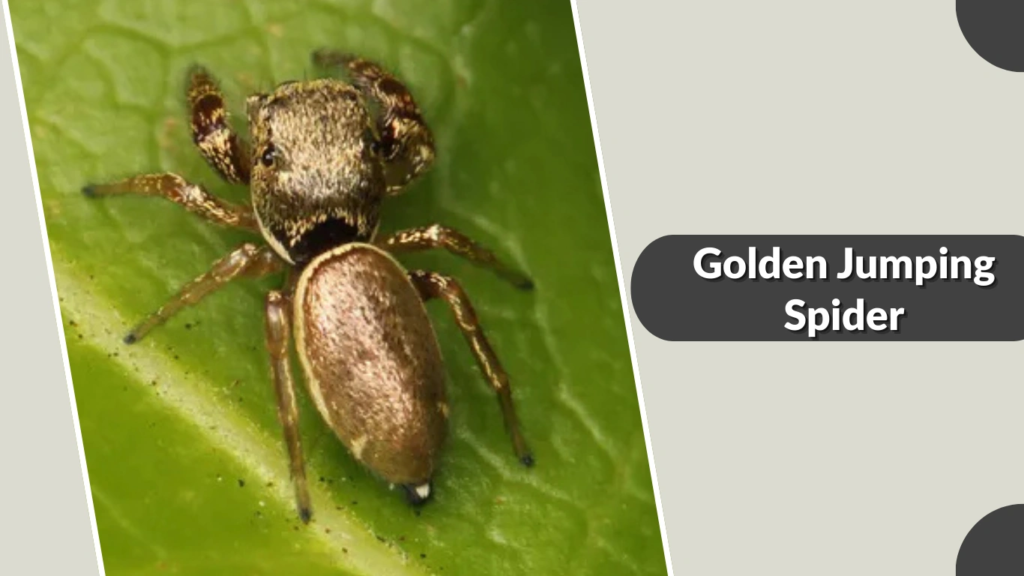
The Golden Jumping Spider is a small, agile spider known for its bright yellow or golden coloration and impressive jumping ability. Unlike web-building spiders, it actively hunts prey and relies on keen eyesight to detect movement. It is harmless to humans and plays a vital role in controlling small insect populations.
Identification
- Bright yellow or golden body, sometimes with black or brown markings
- Compact, muscular body with short legs adapted for jumping
- Large, forward-facing eyes providing excellent vision
- Females are slightly larger than males
- Body length ranges from 0.5 to 1.2 cm
Habitat and Behaviors
Golden Jumping Spiders are commonly found on leaves, flowers, fences, and walls. They prefer sunny areas where insects are abundant and are active hunters rather than web builders. These spiders are diurnal, relying on movement and vision to locate and stalk prey. They are curious but shy, rarely biting humans.
Diet and Lifecycle
Their diet consists mainly of small insects such as flies, ants, and beetles. They hunt by stalking and leaping onto prey, using venom to immobilize it. After mating, females lay eggs in silk sacs hidden under leaves or bark. Spiderlings hatch within a few weeks and disperse to hunt independently. They molt multiple times before reaching adulthood, which typically occurs within several months.
5. Yellow Crab Spider
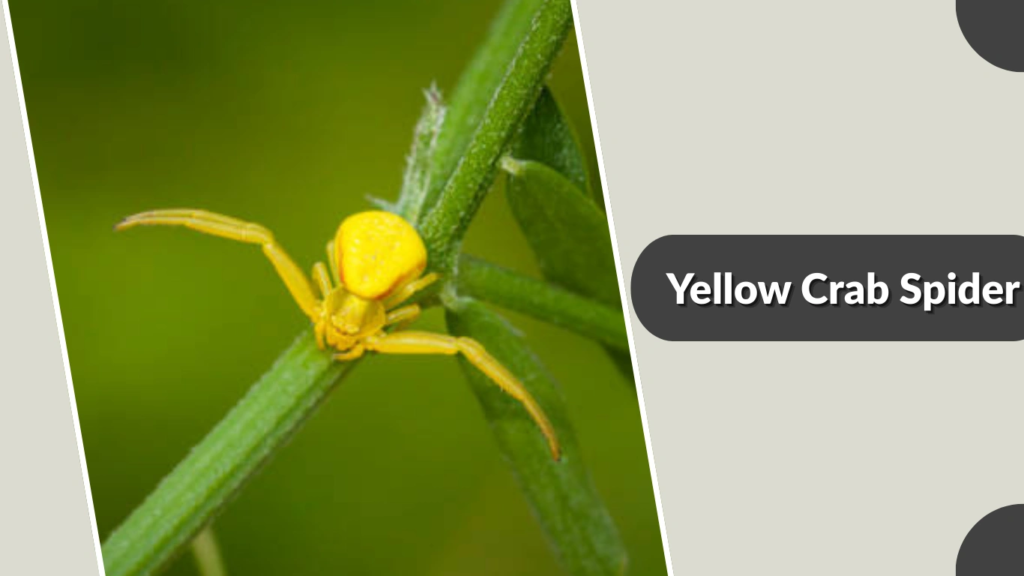
The Yellow Crab Spider is a small, bright yellow spider known for its crab-like appearance and sideways movement. It is an ambush predator that relies on camouflage rather than webs to catch prey. These spiders are harmless to humans and are commonly found on flowers and plants.
Identification
- Bright yellow body, sometimes with red or brown markings
- Flattened, wide body resembling a crab
- Legs positioned sideways, allowing lateral movement
- Females are larger and more robust than males
- Body length ranges from 0.5 to 1.2 cm
Habitat and Behaviors
Yellow Crab Spiders are commonly found on flowers, shrubs, and garden plants. They rely on their color to blend with petals or foliage and ambush visiting insects. These spiders are mostly diurnal and remain motionless for long periods, striking prey that comes close. They are solitary and avoid humans, rarely biting unless directly threatened.
Diet and Lifecycle
Their diet mainly consists of pollinating insects such as bees, flies, and butterflies. Once prey is within reach, the spider quickly seizes it and injects venom to immobilize it. Females lay eggs in silk sacs hidden under leaves or flowers. Spiderlings hatch within a few weeks and disperse to find suitable hunting spots. They molt several times before reaching adulthood, usually within a few months.
6. Goldenrod Crab Spider
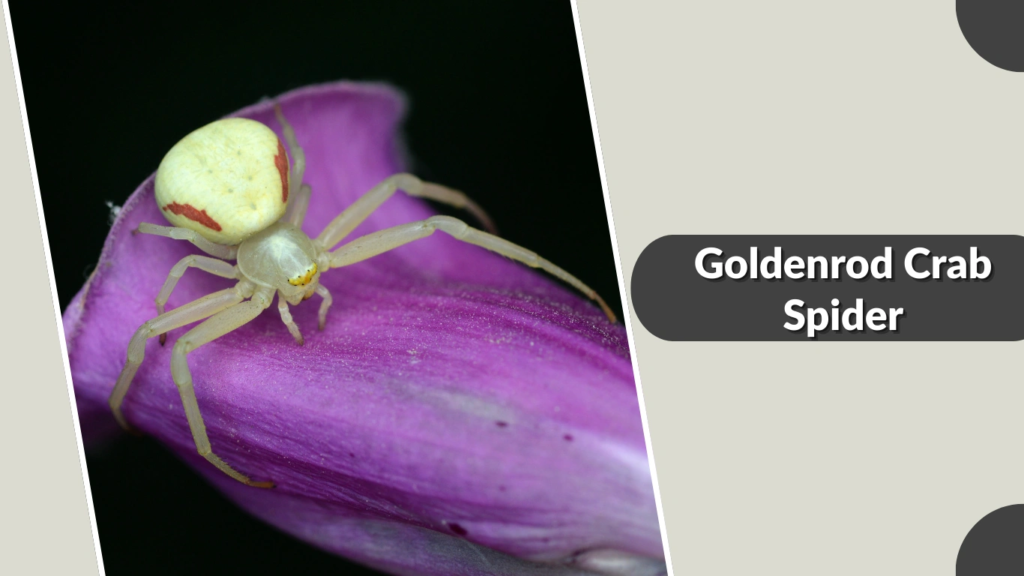
The Goldenrod Crab Spider is a bright yellow or golden spider commonly found on flowers, particularly goldenrod plants. It is a master of camouflage and ambush predation, making it an effective insect predator. It is harmless to humans and often goes unnoticed due to its color.
Identification
- Bright yellow or golden body with occasional white or reddish markings
- Flattened, wide abdomen with crab-like legs
- Legs oriented sideways for lateral movement
- Females are larger than males
- Body length ranges from 0.6 to 1.5 cm
Habitat and Behaviors
Goldenrod Crab Spiders are commonly found on flowers, shrubs, and garden plants. They use their coloration to blend with the petals and remain motionless, waiting for pollinating insects like bees and flies to approach. These spiders are diurnal hunters and rarely leave their ambush positions. They are solitary and avoid human contact.
Diet and Lifecycle
Their diet mainly includes insects such as bees, flies, butterflies, and other small arthropods. They quickly seize prey that comes within reach and inject venom to immobilize it. After mating, females lay eggs in silk sacs hidden under leaves or plant crevices. Spiderlings hatch within a few weeks, disperse, and hunt independently. They molt multiple times before reaching adulthood, typically within a few months.
7. Golden Funnel-Web Spider
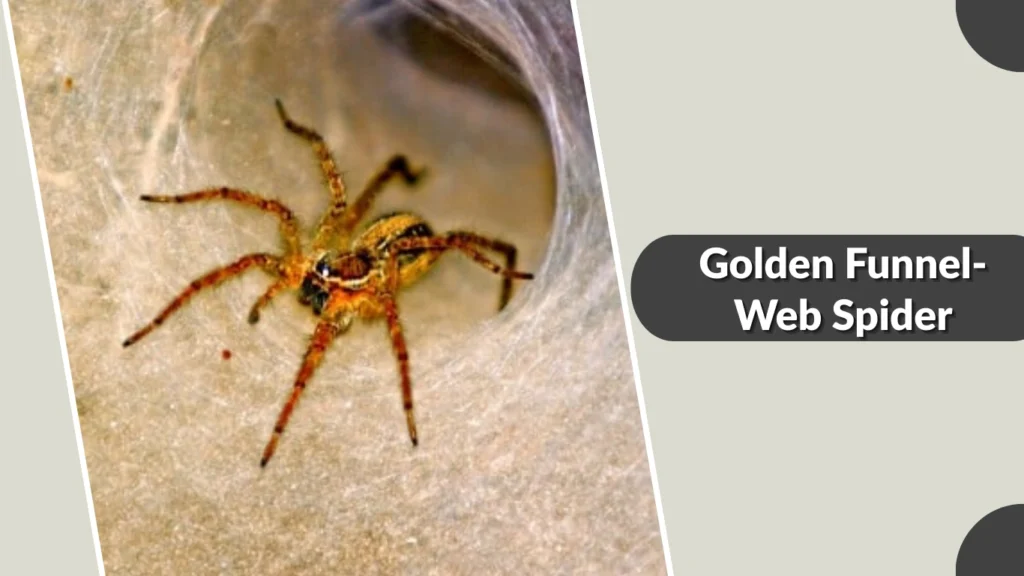
The Golden Funnel-Web Spider is a medium-sized spider known for its yellow to golden coloration and funnel-shaped webs. It is primarily nocturnal and uses its web as both a retreat and a trap for prey. While venomous, it is generally not dangerous to humans.
Identification
- Bright yellow to golden body, sometimes with brown markings
- Elongated, cylindrical abdomen
- Strong legs adapted for web construction and hunting
- Females are larger and heavier than males
- Body length ranges from 1 to 2.5 cm
Habitat and Behaviors
Golden Funnel-Web Spiders are commonly found under rocks, logs, leaf litter, or in crevices where they build funnel-shaped silk retreats. They are nocturnal hunters, waiting at the narrow end of their funnel for prey to approach. These spiders are solitary and shy, rarely leaving their retreats and avoiding human interaction.
Diet and Lifecycle
Their diet mainly consists of insects, other spiders, and small arthropods. Prey that enters the funnel is quickly seized and envenomated. After mating, females lay eggs in silk sacs within the funnel retreat. Spiderlings hatch in a few weeks and remain near the retreat before dispersing. They molt multiple times before reaching adulthood, typically within several months.
8. Yellow Sac Spider
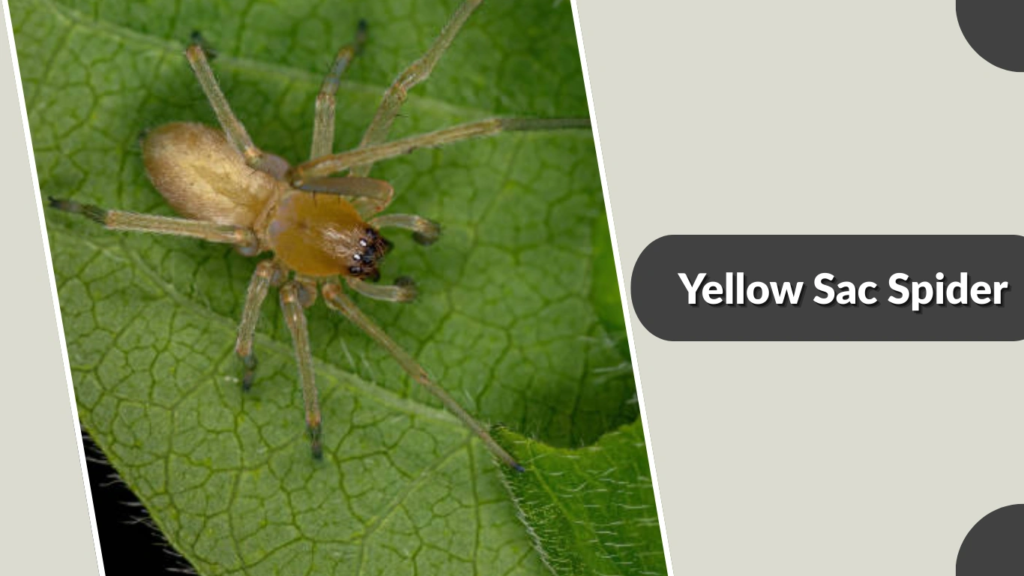
The Yellow Sac Spider is a small, pale yellow spider known for creating silk sacs to rest in during the day. It is a nocturnal hunter that actively stalks prey rather than relying on webs. While its bite can cause mild irritation, it is generally harmless to humans.
Identification
- Pale yellow to light golden body, sometimes with faint markings
- Cylindrical, slightly elongated abdomen
- Short to medium-length legs
- Females are slightly larger than males
- Body length ranges from 0.5 to 1.2 cm
Habitat and Behaviors
Yellow Sac Spiders are commonly found inside homes, under leaves, in corners, or crevices. Outdoors, they inhabit leaf litter, plants, and rocks. They are nocturnal hunters, actively seeking prey at night. During the day, they hide in silk sacs, which they build for protection. These spiders are shy and avoid humans.
Diet and Lifecycle
Their diet consists mainly of small insects such as flies, ants, and beetles. They immobilize prey with venom before consuming it. After mating, females lay eggs in silk sacs hidden in safe locations. Spiderlings hatch in a few weeks and initially remain near the sac before dispersing. They molt multiple times before reaching adulthood, typically within several months.
9. Yellow Wolf Spider
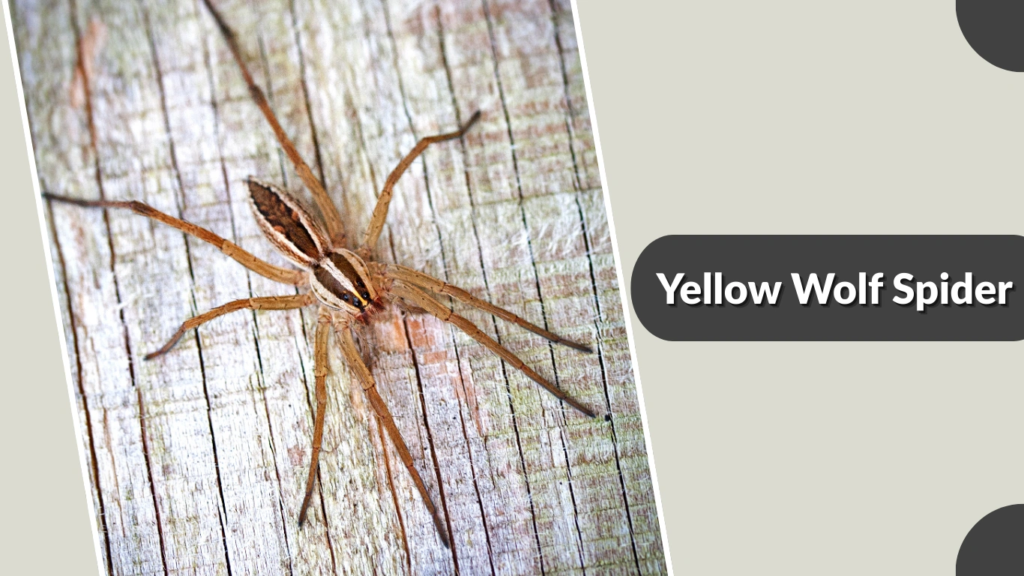
The Yellow Wolf Spider is a ground-dwelling, agile hunter with a yellow to golden body. Unlike web-building spiders, it actively pursues prey and is harmless to humans. It plays an important role in controlling insect populations.
Identification
- Yellow to light golden body with subtle brown markings
- Robust, elongated body with strong legs
- Eyes arranged in typical wolf spider pattern (eight eyes in three rows)
- Females are larger than males
- Body length ranges from 1 to 2.5 cm
Habitat and Behaviors
Yellow Wolf Spiders are commonly found in grasslands, gardens, leaf litter, and soil crevices. They prefer sheltered, dry areas and are mostly nocturnal hunters. These spiders rely on speed and stealth to capture prey rather than building webs. They are solitary and generally avoid humans.
Diet and Lifecycle
Their diet mainly consists of insects such as ants, beetles, and other small arthropods. They actively chase and pounce on prey, using venom to immobilize it. After mating, females carry their egg sacs attached to their abdomen until hatching. Spiderlings ride on the mother’s back briefly before dispersing. They molt multiple times before reaching adulthood, typically within several months.
10. Golden Huntsman Spider
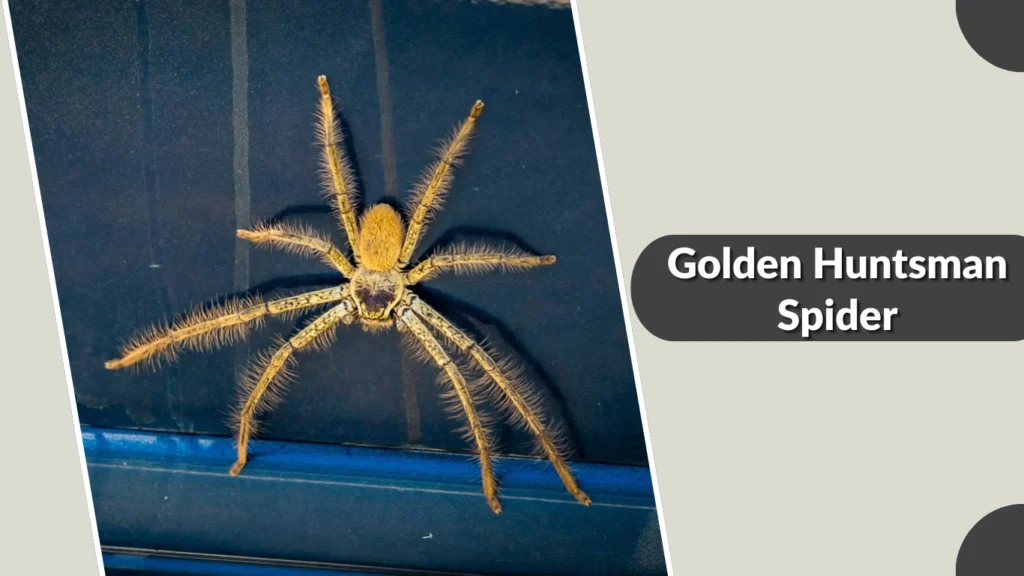
The Golden Huntsman Spider is a large, fast-moving spider with a yellow to golden-brown body. It is known for its agility and hunting skills rather than web-building. Despite its size, it is generally harmless to humans.
Identification
- Yellow to golden-brown body with subtle markings
- Flattened, wide body with long, strong legs
- Large eyes for excellent vision
- Females are slightly larger than males
- Body length ranges from 1.5 to 3 cm, with leg span up to 12 cm
Habitat and Behaviors
Golden Huntsman Spiders are commonly found under tree bark, rocks, logs, and inside buildings such as sheds or garages. They prefer sheltered, dry habitats and are nocturnal hunters. These spiders do not build webs to catch prey but may use silk for retreats. They are fast, agile, and usually flee rather than bite when disturbed.
Diet and Lifecycle
Their diet consists mainly of insects, other spiders, and small arthropods. They actively hunt prey using speed and venom. After mating, females lay eggs in silk sacs hidden in protected areas. Spiderlings hatch within a few weeks, stay near the sac briefly, and then disperse. They molt several times before reaching adulthood, typically within several months.
11. Golden Trapdoor Spider
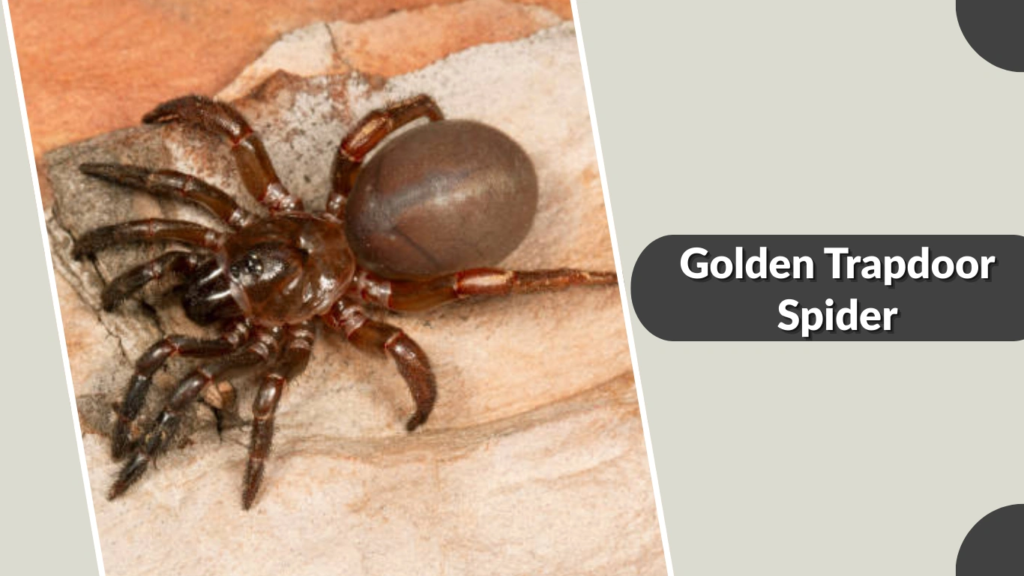
The Golden Trapdoor Spider is a burrowing spider with a yellow to golden body that creates camouflaged trapdoor burrows. It is an ambush predator and rarely interacts with humans, making it generally harmless.
Identification
- Yellow to golden body with a sturdy, compact build
- Large, robust chelicerae (fangs)
- Short, strong legs for digging
- Females are larger than males
- Body length ranges from 1.5 to 3 cm
Habitat and Behaviors
Golden Trapdoor Spiders are commonly found in soil, under rocks, or in leaf litter. They construct silk-lined burrows with a hinged trapdoor for ambushing prey. These spiders are nocturnal hunters, remaining inside their burrow during the day and emerging at night. They are solitary and shy, avoiding humans whenever possible.
Diet and Lifecycle
Their diet primarily consists of insects, other spiders, and small arthropods that pass near the trapdoor. They quickly ambush and immobilize prey using venom. After mating, females lay eggs in silk-lined burrows and guard them until hatching. Spiderlings stay near the burrow for a short time before dispersing. They molt several times before reaching adulthood, typically within several months.
12. Yellow Lynx Spider
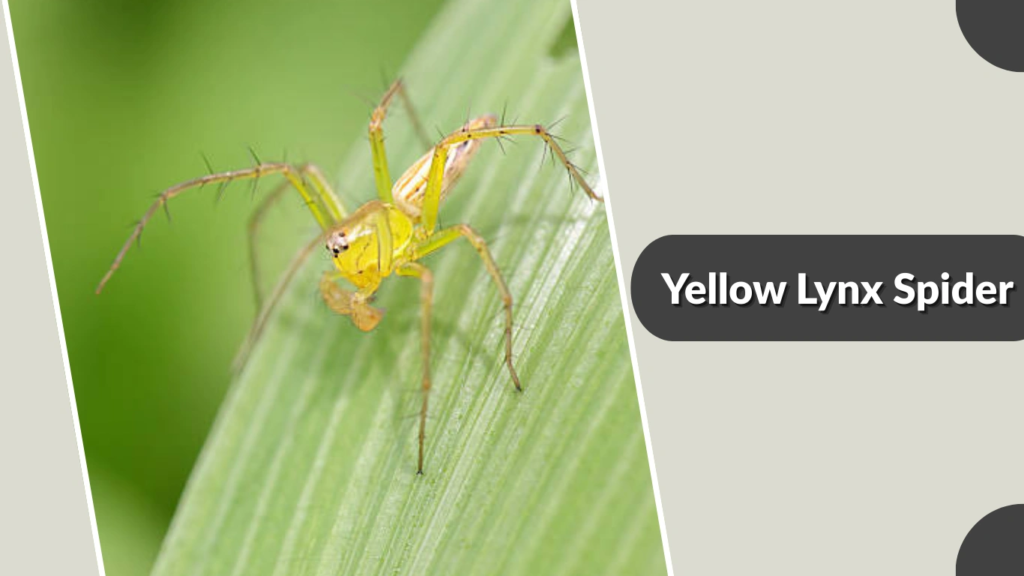
The Yellow Lynx Spider is a fast, hunting spider with a bright yellow body and excellent vision. It does not spin webs to catch prey and is harmless to humans, making it a beneficial predator in gardens and fields.
Identification
- Bright yellow body, sometimes with faint stripes or spots
- Long, spiny legs adapted for running and hunting
- Flattened, elongated abdomen
- Females are slightly larger than males
- Body length ranges from 0.8 to 1.5 cm
Habitat and Behaviors
Yellow Lynx Spiders are commonly found on plants, shrubs, and flowers where insects are abundant. They are diurnal hunters, actively stalking and pouncing on prey rather than building webs. These spiders are solitary and rely on their speed and camouflage to catch prey. They avoid humans and rarely bite.
Diet and Lifecycle
Their diet mainly includes small insects such as flies, moths, and other arthropods. They capture prey by chasing and leaping on it, injecting venom to immobilize it. After mating, females lay eggs in silk sacs hidden under leaves or plant crevices. Spiderlings hatch within a few weeks and disperse to hunt independently. They molt several times before reaching adulthood, usually within a few months.
13. Golden Orb-Web Spider (Nephila species)
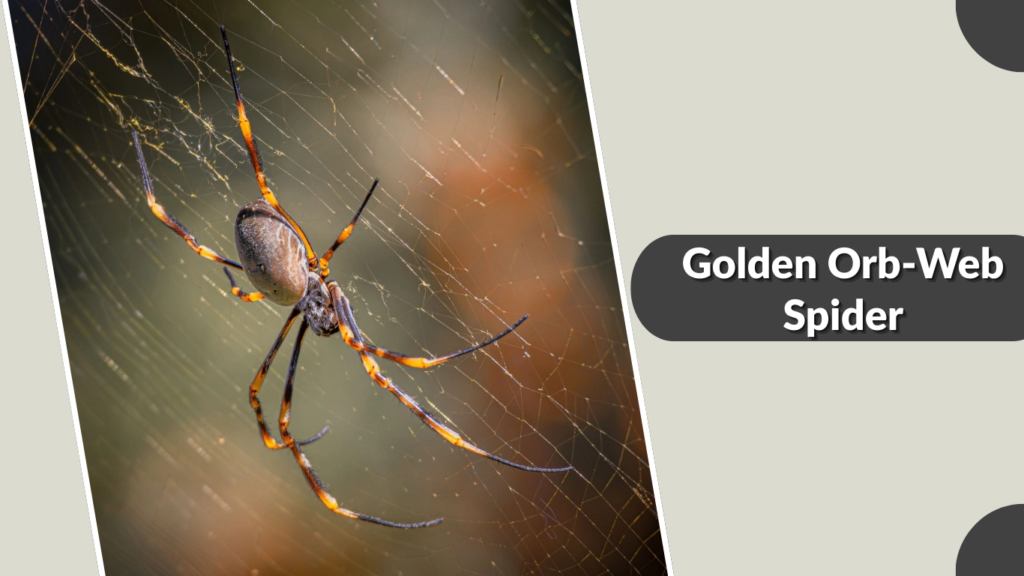
The Golden Orb-Web Spider (Nephila species) is famous for its large size and striking golden silk. Its web can span several meters, making it one of the most impressive web-building spiders. Despite its appearance, it is generally non-aggressive toward humans.
Identification
- Golden-yellow body with elongated, robust abdomen
- Long legs, often with spines or banding
- Females are significantly larger than males
- Body length ranges from 1.5 to 5 cm
Habitat and Behaviors
Golden Orb-Web Spiders are commonly found in forests, gardens, and shrublands. They build large orb-shaped webs between trees, bushes, or man-made structures. These spiders are mostly diurnal and remain stationary in the center of the web while waiting for prey. They are solitary and avoid human contact, rarely biting unless provoked.
Diet and Lifecycle
Their diet consists mainly of flying insects such as flies, bees, moths, and beetles. Once prey gets trapped in the web, the spider immobilizes it with venom and wraps it in silk. Females lay eggs in silk sacs near the web. Spiderlings hatch within a few weeks and disperse to construct their own webs. They molt several times before reaching adulthood, typically within a few months.
14. Yellow Cellar Spider
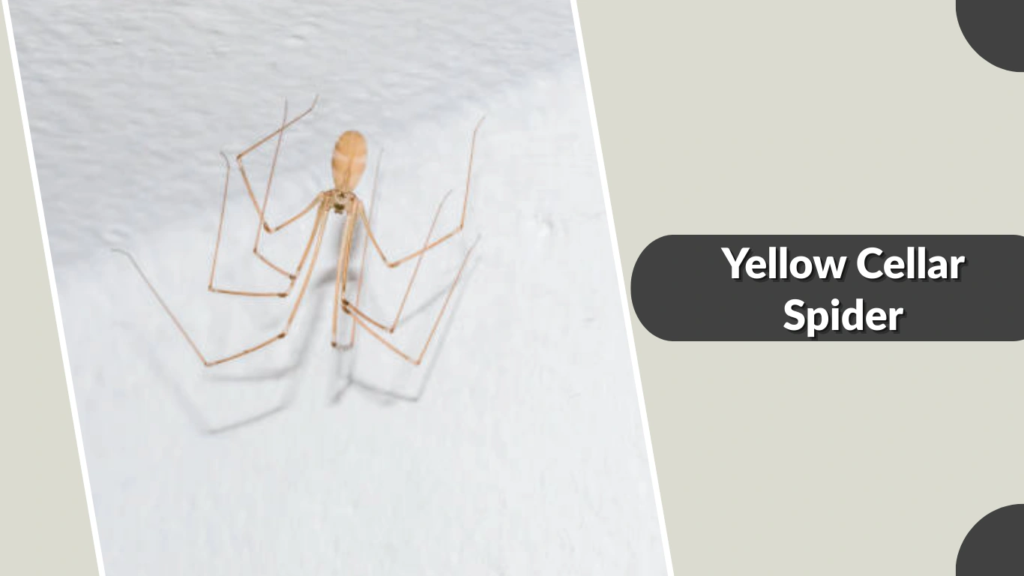
The Yellow Cellar Spider, also known as the “daddy long-legs spider,” is a pale yellow spider with extremely long legs. It is harmless to humans and is often found indoors, helping control small insect populations.
Identification
- Pale yellow or light golden body
- Small, oval-shaped body with very long, thin legs
- Females are slightly larger than males
- Legs are disproportionately long compared to body
- Body length ranges from 0.5 to 1.2 cm
Habitat and Behaviors
Yellow Cellar Spiders are commonly found indoors in basements, garages, attics, and corners of rooms. They build irregular, messy cobwebs, often hanging from ceilings or walls. These spiders are mostly sedentary and remain in their webs to catch prey. They are nocturnal and shy, rarely biting humans.
Diet and Lifecycle
Their diet mainly consists of small insects such as flies, ants, and mosquitoes. Prey that becomes entangled in their web is immobilized with silk and venom. After mating, females lay eggs in silk sacs attached near the web. Spiderlings hatch within a few weeks, stay near the web initially, and then disperse. They molt multiple times before reaching adulthood, typically within a few months.
15. Golden Cobweb Spider
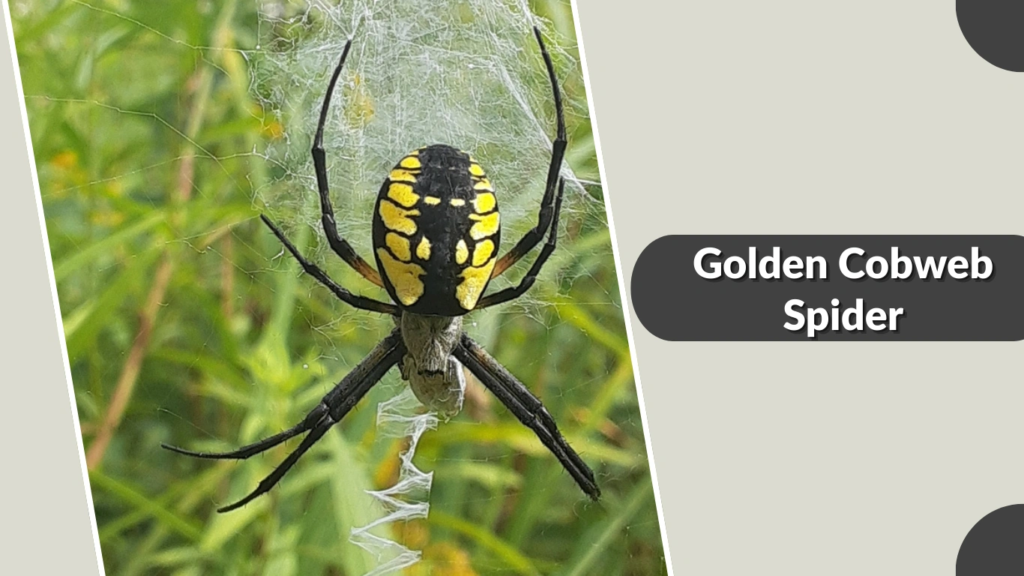
The Golden Cobweb Spider is a small yellow spider known for spinning irregular, tangled webs. It is harmless to humans and helps control insect populations in gardens and homes.
Identification
- Bright yellow or golden body, sometimes with faint markings
- Small, rounded abdomen
- Long, thin legs relative to body size
- Females are slightly larger than males
- Body length ranges from 0.5 to 1.2 cm
Habitat and Behaviors
Golden Cobweb Spiders are commonly found in corners of rooms, under furniture, in basements, sheds, and gardens. They build messy, irregular cobwebs that catch small insects. These spiders are mostly nocturnal and remain hidden during the day. They are shy and avoid human contact, rarely biting.
Diet and Lifecycle
Their diet consists mainly of small insects such as flies, ants, and beetles. Prey is trapped in the sticky web and immobilized with venom before consumption. Females lay eggs in silk sacs attached near the web. Spiderlings hatch within a few weeks, initially stay close to the sac, and then disperse. They molt multiple times before reaching adulthood, usually within several months.
16. Yellow Sheet-Web Spider
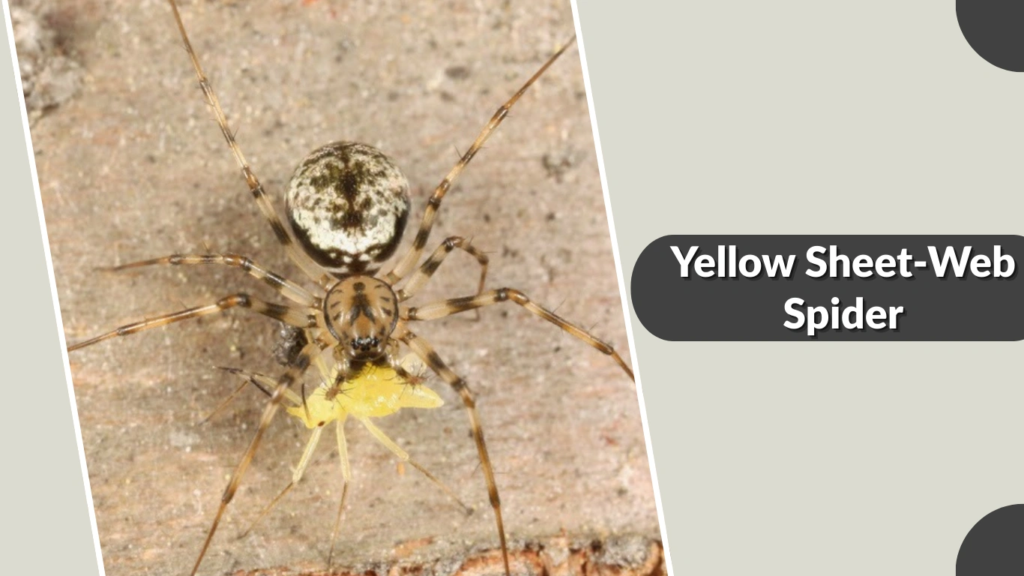
The Yellow Sheet-Web Spider is a medium-sized spider that constructs horizontal, sheet-like webs. Its yellow coloration helps it blend into foliage, making it an effective ambush predator. It is harmless to humans and commonly found in gardens and forests.
Identification
- Yellow to pale golden body, sometimes with faint markings
- Flattened, oval abdomen
- Long legs, slightly hairy
- Females are larger than males
- Body length ranges from 1 to 2 cm
Habitat and Behaviors
Yellow Sheet-Web Spiders are commonly found in gardens, forests, and shrubs. They construct horizontal sheet-like webs close to the ground or between plants, with a retreat underneath for hiding. These spiders are mostly nocturnal and wait for prey to fall onto the web. They are shy and rarely bite humans.
Diet and Lifecycle
Their diet primarily consists of small insects such as flies, moths, ants, and beetles. Prey that lands on the web is immobilized with venom and wrapped in silk for later consumption. After mating, females lay eggs in silk sacs near the web. Spiderlings hatch within a few weeks, disperse, and molt several times before reaching adulthood, typically within several months.
17. Golden Fishing Spider
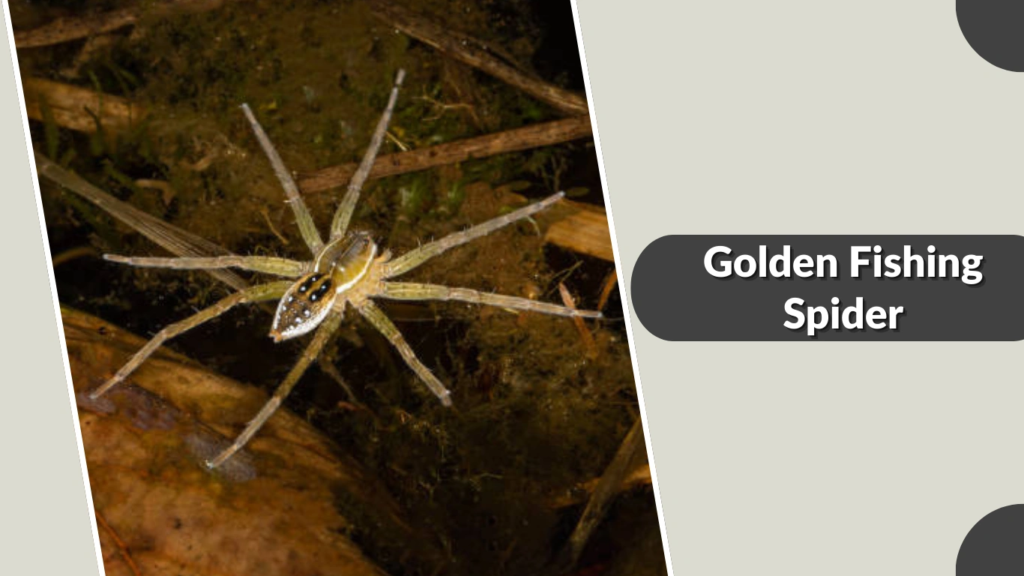
The Golden Fishing Spider is a large, yellowish spider often found near water. It is capable of walking on water surfaces and preying on aquatic insects or small fish. It is harmless to humans and an agile nocturnal hunter.
Identification
- Yellow to golden-brown body with long, strong legs
- Flattened, robust abdomen
- Females are larger and heavier than males
- Legs often show faint banding
- Body length ranges from 1.5 to 3 cm
Habitat and Behaviors
Golden Fishing Spiders are commonly found near ponds, streams, lakes, and marshes. They build silk retreats under rocks, vegetation, or logs near water. These spiders are nocturnal hunters and may actively pursue prey on land or water surfaces. They are fast and shy, avoiding humans unless provoked.
Diet and Lifecycle
Their diet includes aquatic insects, small fish, tadpoles, and terrestrial insects. They ambush prey or actively hunt using speed and venom. After mating, females lay eggs in silk sacs hidden within retreats. Spiderlings hatch within a few weeks, stay near the sac briefly, and then disperse. They molt multiple times before reaching adulthood, usually within several months.
18. Yellow Recluse Spider
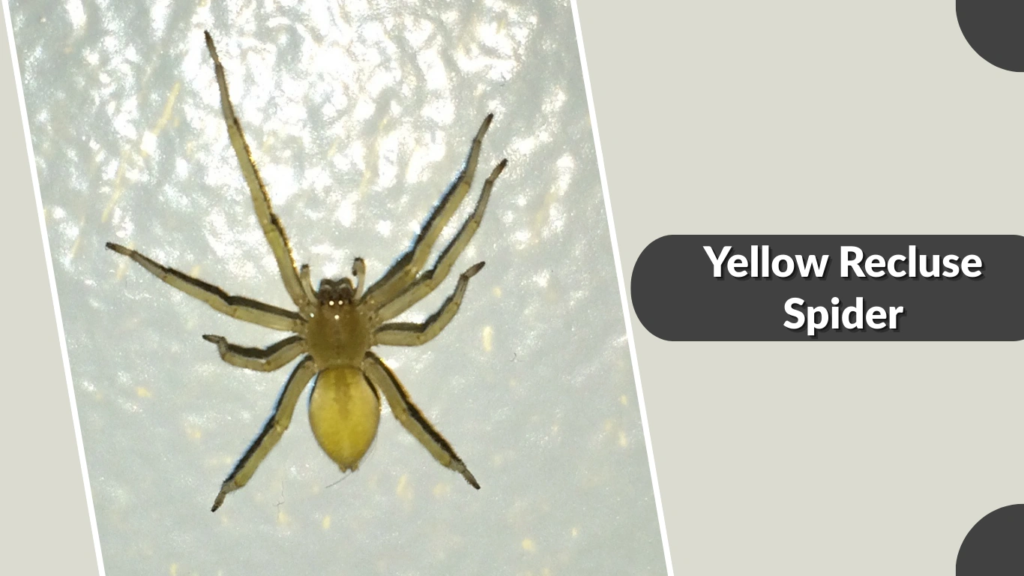
The Yellow Recluse Spider is a pale yellow spider known for its shy and reclusive behavior. While it is venomous, bites are rare and usually only cause mild symptoms in humans. It is an effective predator of small insects.
Identification
- Pale yellow to light golden body with a slightly violin-shaped marking on the cephalothorax
- Long, thin legs
- Small to medium-sized abdomen
- Females are slightly larger than males
- Body length ranges from 0.6 to 1.2 cm
Habitat and Behaviors
Yellow Recluse Spiders are commonly found in undisturbed areas such as basements, attics, behind furniture, or in leaf litter outdoors. They are nocturnal and tend to hide during the day in silk retreats or crevices. These spiders are solitary and avoid humans, rarely biting unless trapped or provoked.
Diet and Lifecycle
Their diet mainly consists of small insects such as flies, ants, and other arthropods. Prey is captured using stealth and immobilized with venom. After mating, females lay eggs in silk sacs hidden in protected areas. Spiderlings hatch in a few weeks and remain near the sac briefly before dispersing. They molt several times before reaching adulthood, usually within several months.
19. Golden Tarantula
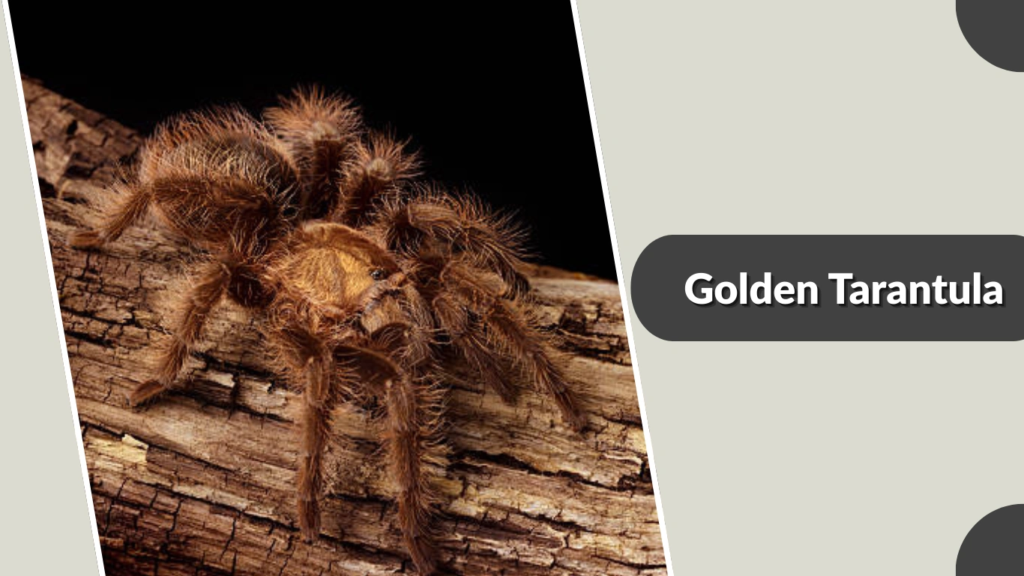
The Golden Tarantula is a large, robust spider with a yellow to golden-brown body. It is primarily a ground-dwelling hunter and is generally non-aggressive toward humans. Its size and coloration make it one of the more noticeable tarantula species.
Identification
- Yellow to golden-brown body covered with fine hairs
- Large, robust legs with noticeable bristles
- Females are larger and longer-lived than males
- Stout, powerful chelicerae
- Body length ranges from 3 to 8 cm
Habitat and Behaviors
Golden Tarantulas are commonly found in grasslands, forests, and scrublands. They live in burrows, under rocks, or natural crevices, rarely venturing far from shelter. These spiders are nocturnal hunters and slow-moving but strong predators. They are generally defensive rather than aggressive, relying on size and appearance to deter threats.
Diet and Lifecycle
Their diet consists mainly of insects, small arthropods, and occasionally small vertebrates. Prey is captured using venom and strong fangs. After mating, females lay eggs in silk-lined burrows or sacs, which they guard until hatching. Spiderlings remain near the burrow briefly before dispersing. They molt multiple times over several years before reaching adulthood, with females living much longer than males.
20. Yellow Crab Orb-Weaver
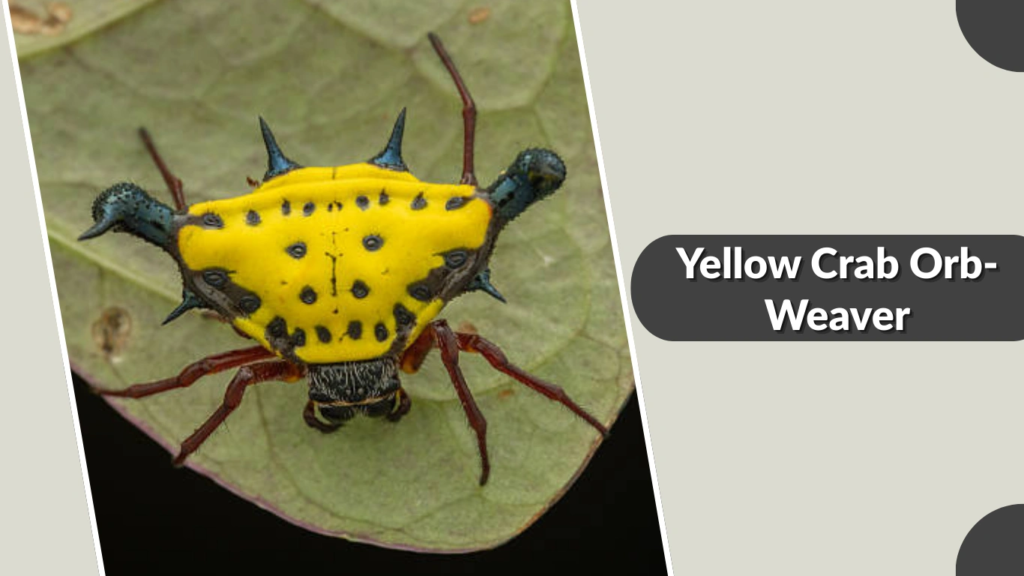
The Yellow Crab Orb-Weaver is a bright yellow spider known for its crab-like appearance and web-building skills. It is harmless to humans and often found in gardens and shrubs, where it helps control insect populations.
Identification
- Bright yellow body, sometimes with subtle brown or red markings
- Wide, flattened abdomen resembling a crab
- Legs positioned sideways for lateral movement
- Females are larger than males
- Body length ranges from 0.7 to 1.5 cm
Habitat and Behaviors
Yellow Crab Orb-Weavers are commonly found on flowers, shrubs, and garden plants. They build small orb-shaped webs or use plants as ambush points for hunting. These spiders are mostly diurnal and rely on camouflage to catch prey. They are solitary and shy, rarely biting humans.
Diet and Lifecycle
Their diet mainly consists of flying insects such as flies, bees, and moths. Prey is seized quickly and immobilized with venom before consumption. After mating, females lay eggs in silk sacs hidden under leaves or plant crevices. Spiderlings hatch within a few weeks, disperse, and molt several times before reaching adulthood, usually within a few months.
21. Golden Orb Weaver Spider (Nephilengys species)
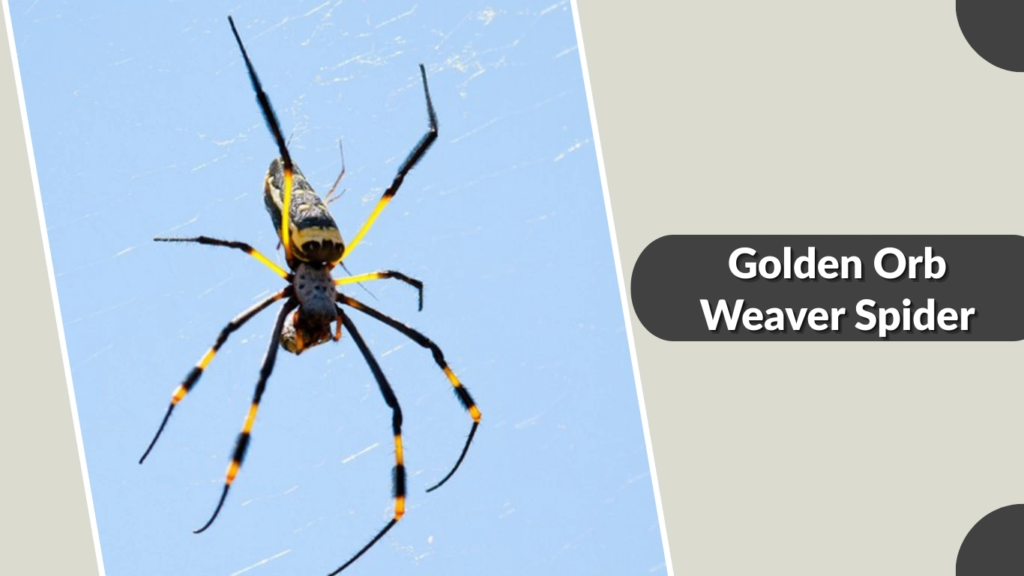
The Golden Orb Weaver Spider (Nephilengys species) is a large, yellowish spider recognized for its striking golden silk and impressive orb-shaped webs. Despite its size, it is generally non-aggressive toward humans.
Identification
- Yellow to golden body with elongated, robust abdomen
- Long legs with spines or banded patterns
- Females are significantly larger than males
- Body length ranges from 1.5 to 4.5 cm
Habitat and Behaviors
Golden Orb Weaver Spiders are commonly found in forests, gardens, and shrublands. They construct large vertical orb-shaped webs between trees or bushes to catch flying insects. These spiders are mostly diurnal and remain stationary in the center of the web while waiting for prey. They are solitary and rarely bite humans unless provoked.
Diet and Lifecycle
Their diet consists mainly of flying insects such as flies, bees, and moths. Once prey is trapped in the web, the spider immobilizes it with venom and wraps it in silk. Females lay eggs in silk sacs attached near the web. Spiderlings hatch within a few weeks and disperse to build their own webs. They molt multiple times before reaching adulthood, typically within several months.
22. Yellow Garden Orb-Weaver
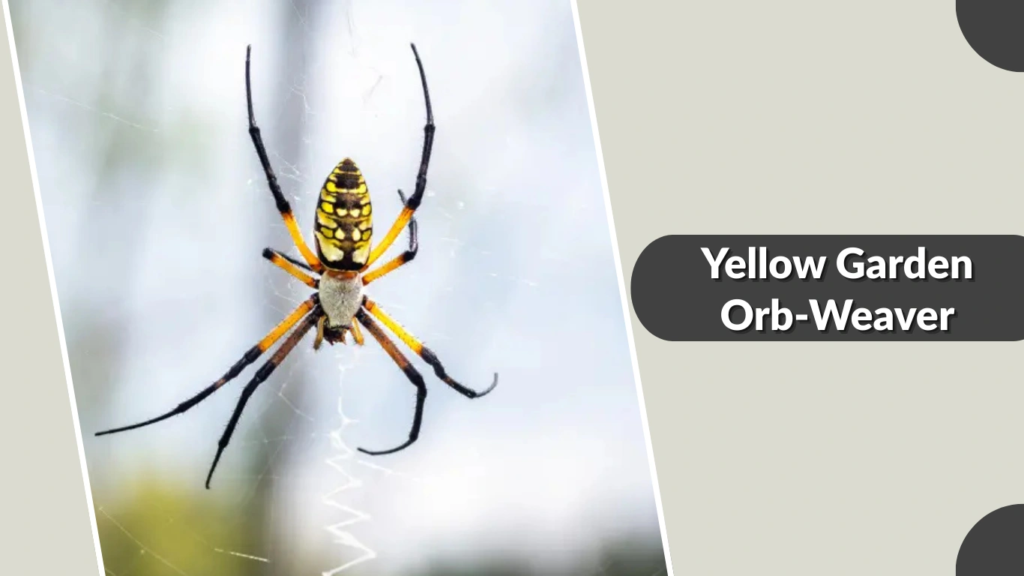
The Yellow Garden Orb-Weaver is a bright yellow spider commonly found in gardens and meadows. It spins large, circular orb webs and is harmless to humans, making it a beneficial predator for controlling garden insects.
Identification
- Bright yellow or golden body with black or brown markings
- Large, rounded abdomen
- Long, spindly legs, sometimes banded
- Females are larger than males
- Body length ranges from 1.5 to 3 cm
Habitat and Behaviors
Yellow Garden Orb-Weavers are commonly found on garden plants, shrubs, and fences where they can anchor their webs. They are mostly diurnal, waiting at the center of the web to catch flying insects. These spiders are solitary and avoid humans, rarely biting.
Diet and Lifecycle
Their diet primarily includes flies, moths, bees, and other small insects. Prey that gets trapped in the web is immobilized with venom and wrapped in silk. After mating, females lay eggs in silk sacs attached near the web. Spiderlings hatch within a few weeks and disperse to build their own webs, molting several times before reaching adulthood.
23. Golden Funnel Weaver
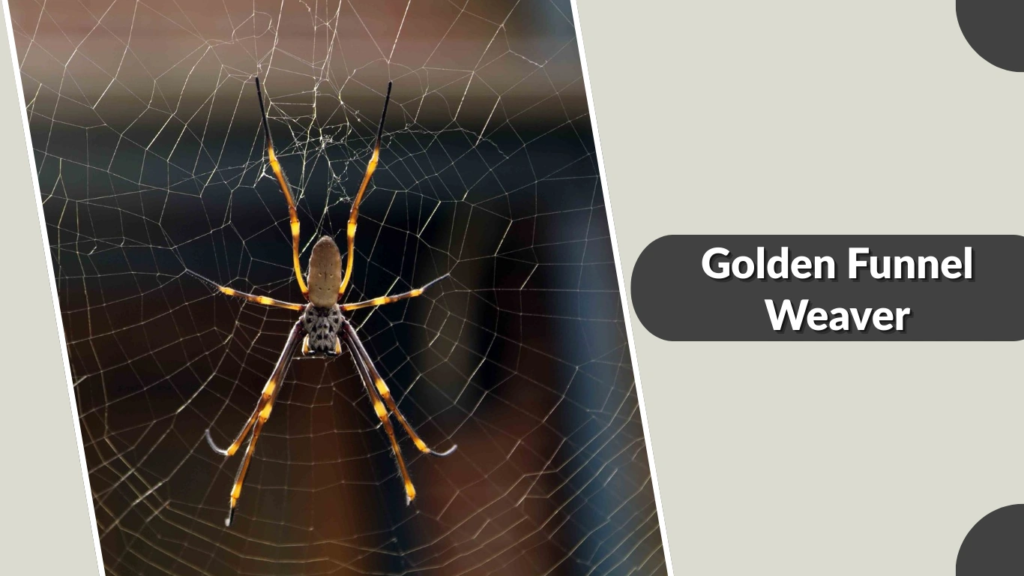
The Golden Funnel Weaver is a yellowish spider known for its funnel-shaped webs. It is a nocturnal predator and generally harmless to humans, preferring to stay hidden in its silk retreat during the day.
Identification
- Yellow to golden-brown body, sometimes with subtle markings
- Elongated, cylindrical abdomen
- Strong legs adapted for digging and web construction
- Females are larger and heavier than males
- Body length ranges from 1 to 2.5 cm
Habitat and Behaviors
Golden Funnel Weavers are commonly found under rocks, logs, leaf litter, and in crevices. They build funnel-shaped silk retreats where they wait for prey to approach. These spiders are nocturnal and solitary, rarely venturing far from their webs. They are defensive if disturbed but avoid humans whenever possible.
Diet and Lifecycle
Their diet mainly consists of insects, small arthropods, and other spiders. Prey entering the funnel is quickly captured and immobilized with venom. After mating, females lay eggs in silk sacs within the funnel retreat. Spiderlings hatch within a few weeks, stay near the sac for protection, and molt several times before reaching adulthood.
24. Yellow Wall Spider
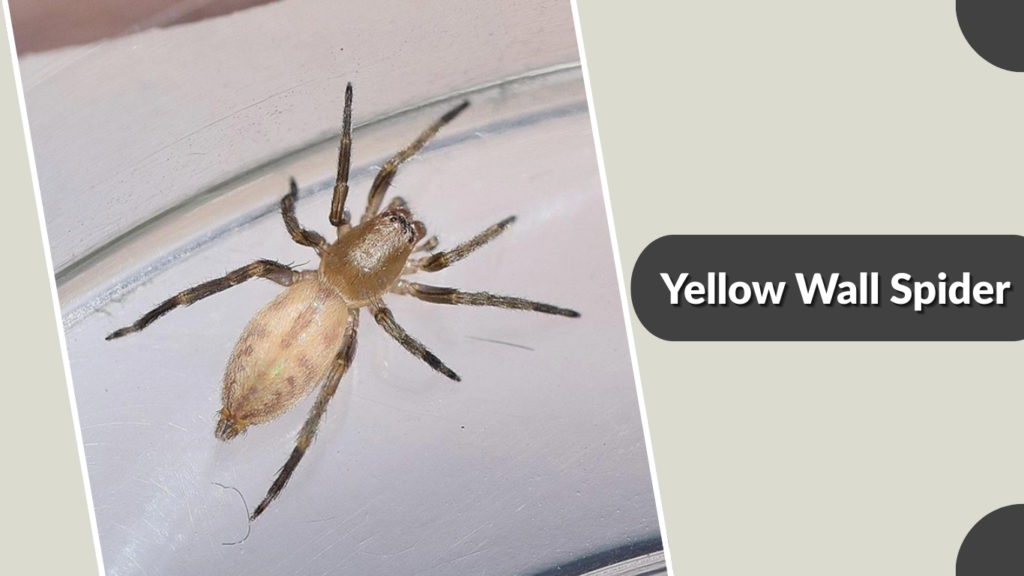
The Yellow Wall Spider is a pale yellow spider commonly found on walls and buildings. It is a small, web-building spider that helps control insects and is generally harmless to humans.
Identification
- Pale yellow or light golden body
- Small, oval-shaped abdomen
- Long, thin legs relative to body size
- Females are slightly larger than males
- Body length ranges from 0.5 to 1.2 cm
Habitat and Behaviors
Yellow Wall Spiders are commonly found on walls, ceilings, fences, and outdoor structures. They build irregular, tangled webs to catch small insects. These spiders are mostly nocturnal and remain hidden during the day. They are shy, solitary, and rarely bite humans.
Diet and Lifecycle
Their diet primarily consists of small insects such as flies, ants, and beetles. Prey is caught in their webs and immobilized with venom before being consumed. Females lay eggs in silk sacs attached near the web. Spiderlings hatch within a few weeks, disperse, and molt multiple times before reaching adulthood, typically within several months.
25. Golden Spitting Spider
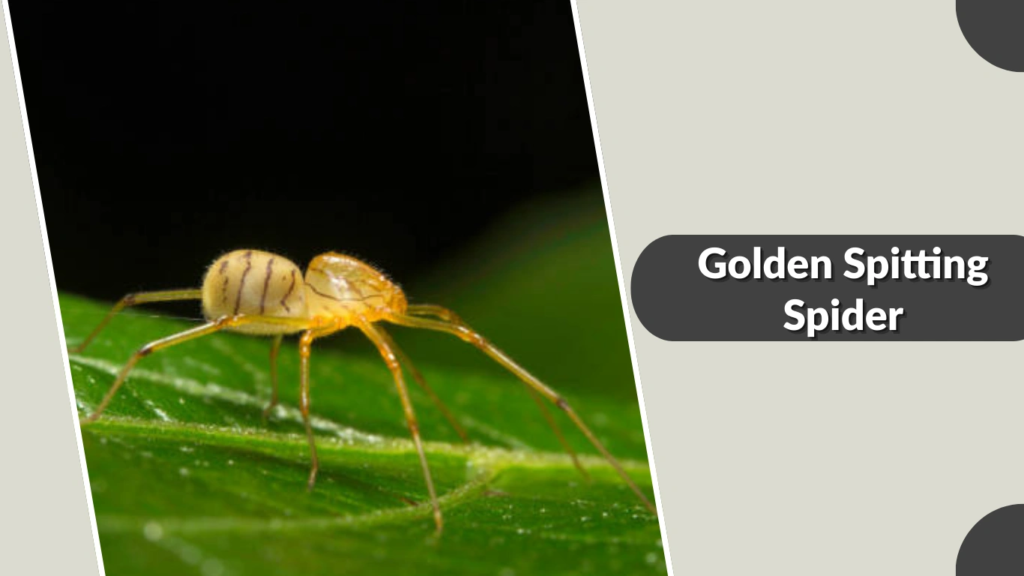
The Golden Spitting Spider is a small yellow spider known for its unique hunting technique of spitting a sticky, venomous silk to immobilize prey. It is harmless to humans and highly effective at catching insects.
Identification
- Yellow to golden body, sometimes with faint markings
- Compact, rounded abdomen
- Short legs relative to body size
- Females are slightly larger than males
- Body length ranges from 0.5 to 1.2 cm
Habitat and Behaviors
Golden Spitting Spiders are commonly found under rocks, logs, bark, and leaf litter. They prefer sheltered, dark environments and are mostly nocturnal hunters. These spiders construct small silk retreats for protection during the day and use their spitting technique to catch prey efficiently.
Diet and Lifecycle
Their diet consists mainly of small insects such as ants, flies, and beetles. Prey is immobilized by spitting a sticky silk mixture containing venom before consumption. After mating, females lay eggs in silk sacs within their retreats. Spiderlings hatch in a few weeks, initially remain near the sac, and disperse to hunt independently. They molt multiple times before reaching adulthood, typically within several months.
26. Yellow Sac Funnel Spider
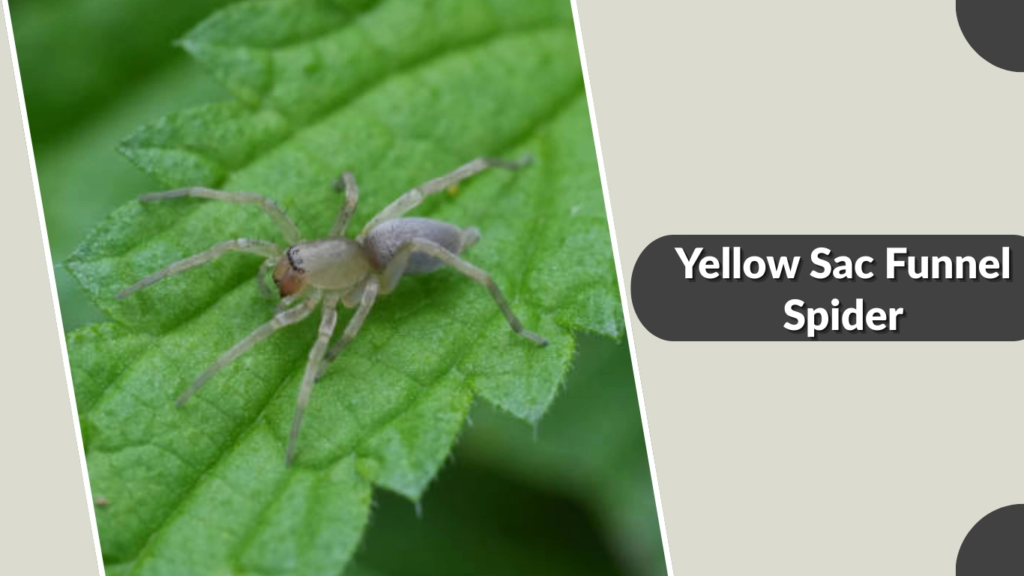
The Yellow Sac Funnel Spider is a small yellow spider that creates silk sacs for resting and protection. It is an active nocturnal hunter and generally harmless to humans.
Identification
- Pale yellow to golden body
- Elongated, slightly cylindrical abdomen
- Short to medium-length legs
- Females are slightly larger than males
- Body length ranges from 0.5 to 1.5 cm
Habitat and Behaviors
Yellow Sac Funnel Spiders are commonly found in leaf litter, under rocks, logs, or inside buildings. They are nocturnal hunters, using silk sacs for shelter during the day. These spiders are solitary and avoid human contact, rarely biting.
Diet and Lifecycle
Their diet consists mainly of small insects such as flies, ants, and beetles. They immobilize prey with venom before feeding. After mating, females lay eggs in silk sacs hidden in protected areas. Spiderlings hatch within a few weeks, stay near the sac initially, and disperse to hunt independently. They molt multiple times before reaching adulthood, typically within several months.
27. Golden Ground Spider
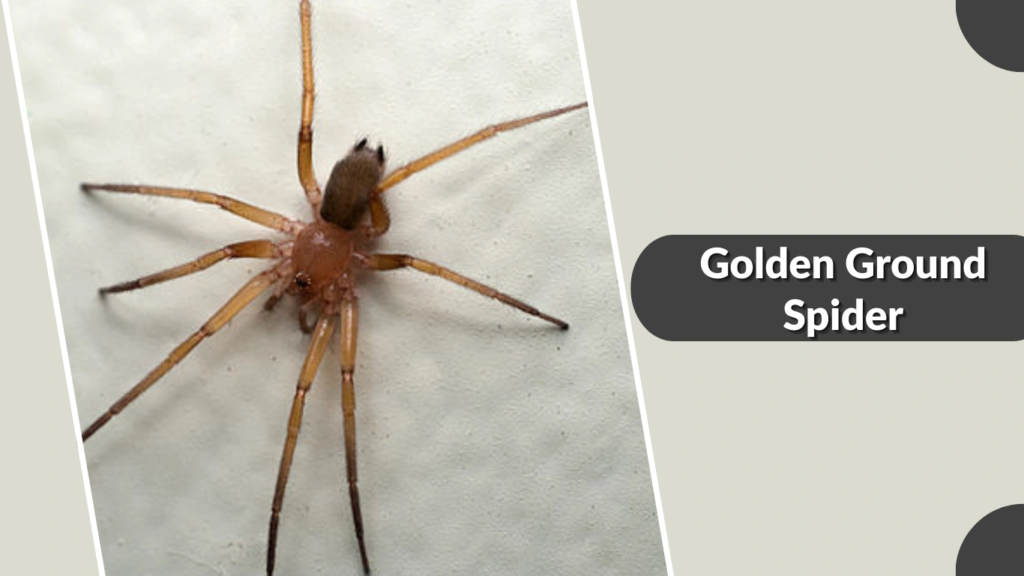
The Golden Ground Spider is a small to medium-sized yellow spider that primarily lives on the ground. It is an active hunter and does not rely on webs to catch prey. It is harmless to humans and helps control insect populations.
Identification
- Bright yellow or golden body, sometimes with subtle markings
- Flattened, robust build for ground movement
- Short to medium-length legs
- Females are larger than males
- Body length ranges from 0.8 to 1.5 cm
Habitat and Behaviors
Golden Ground Spiders are commonly found under rocks, logs, leaf litter, and soil crevices. They prefer dry, sheltered areas close to the ground and are mostly nocturnal hunters. These spiders are fast-moving and rely on stealth and speed to capture prey. They are solitary and avoid human interaction, rarely biting unless provoked.
Diet and Lifecycle
Their diet primarily consists of small insects such as ants, beetles, and other arthropods. They actively hunt prey instead of building webs. After mating, females lay eggs in silk sacs hidden in soil or under debris. Spiderlings hatch in a few weeks, remain near the egg sac briefly, and then disperse. They molt multiple times before reaching adulthood, typically within several months.
FAQs
1. Are yellow spiders dangerous to humans?
Most yellow spiders are harmless to humans. While a few species have mild venom, their bites rarely cause serious harm. They are generally shy and avoid contact with humans.
2. How can I identify a yellow spider?
Yellow spiders can be identified by their bright yellow or golden coloration, body shape, size, and web type. Crab-like bodies, orb-shaped webs, or funnel-shaped retreats are key distinguishing features.
3. Where are yellow spiders commonly found?
Yellow spiders are often found in gardens, meadows, shrubs, forests, and sometimes inside homes. Some species prefer flowers and plants for camouflage, while others live in soil, leaf litter, or under rocks.
4. What do yellow spiders eat?
Yellow spiders primarily feed on insects such as flies, ants, bees, beetles, and moths. Larger species may hunt small arthropods or tiny vertebrates. Hunting methods vary from ambush to active stalking.
5. How can I prevent yellow spiders in my home?
To reduce yellow spiders indoors:
- Keep spaces clean and clutter-free
- Seal cracks and entry points
- Remove leaf litter, debris, and stacked wood near the house
- Use screens on windows and doors
- Regularly vacuum and dust corners and hidden areas
