
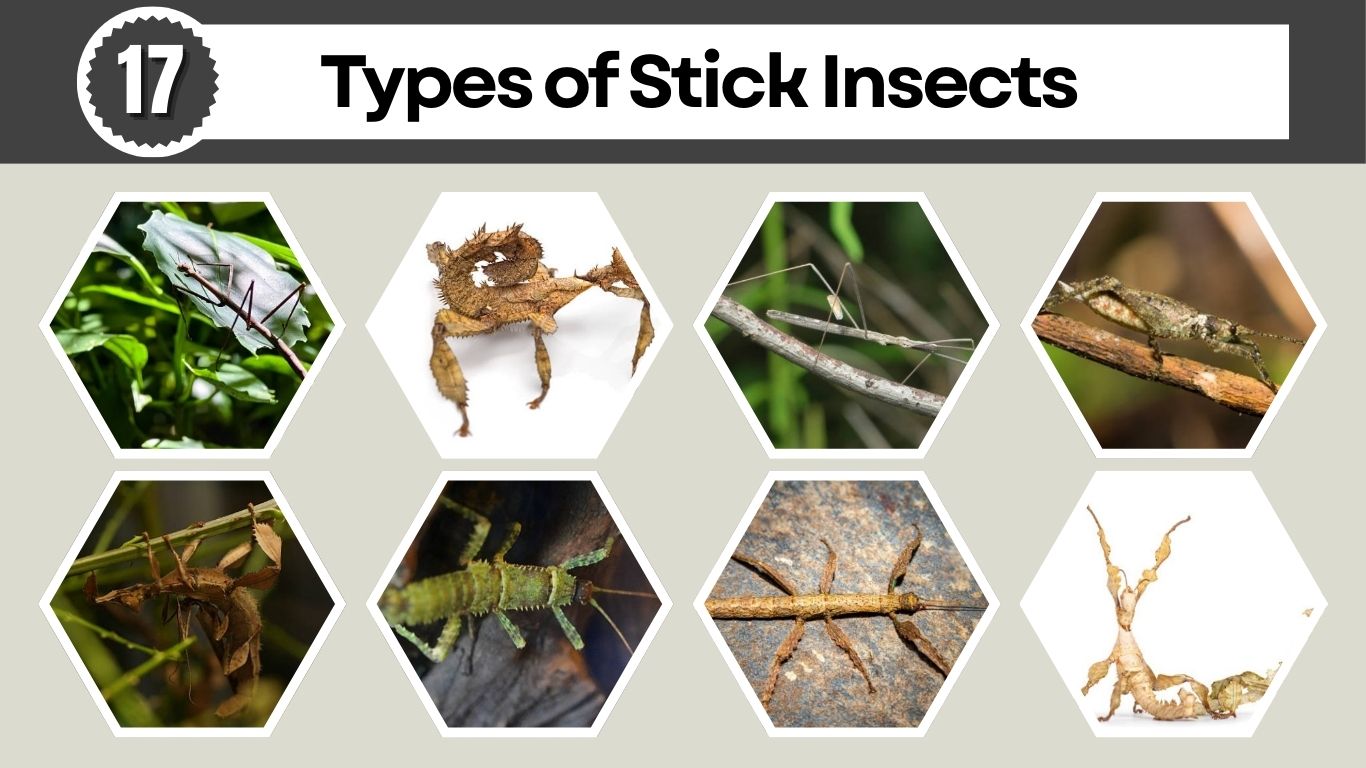
Stick insects, also known as walking sticks, are masters of camouflage, famous for their twig-like bodies that help them blend seamlessly into their surroundings. Found mainly in tropical and subtropical regions, these fascinating insects live among trees and shrubs where they feed on leaves and remain hidden from predators. With thousands of species worldwide, stick insects show remarkable diversity in size, shape, and behavior. In this guide, we explore 17 common types of stick insects, focusing on their habitats, eggs, diets, and life cycles.
1. Common Stick Insect (Carausius morosus)
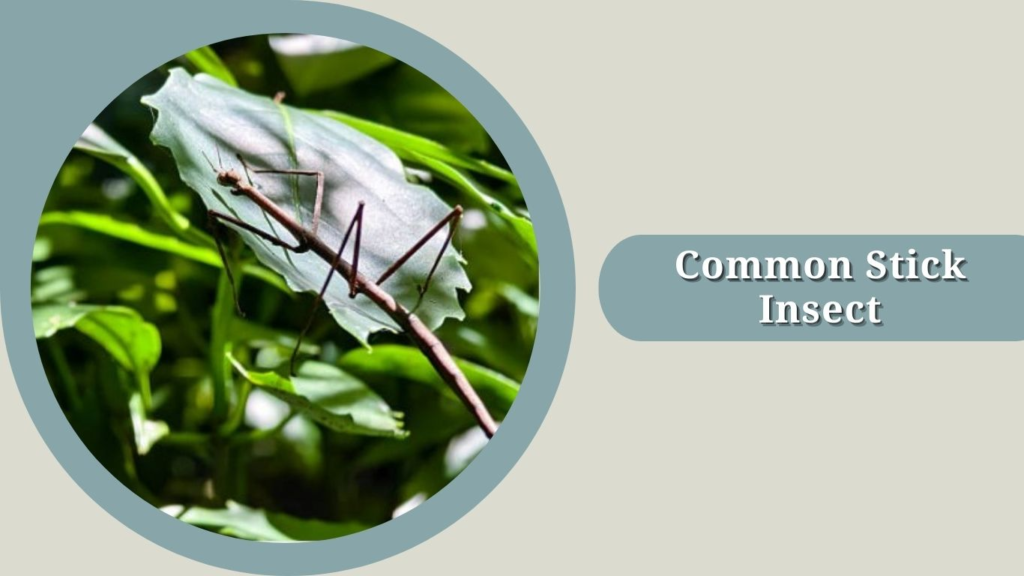
The common stick insect, also known as the Indian walking stick, is one of the most well-known and widely kept stick insects in the world. It is famous for its remarkable camouflage, with a long, thin body that closely resembles a dry twig. This excellent disguise helps it avoid predators such as birds and lizards. Common stick insects are gentle, slow-moving, and harmless to humans, which is why they are often used for educational purposes and beginner insect studies.
Habitat
Common stick insects naturally live in warm, forested regions, especially in South and Southeast Asia. They inhabit shrubs, bushes, and trees where they can blend easily among twigs and leaves. In the wild, they prefer areas with plenty of vegetation and moderate humidity. In captivity, they thrive in well-ventilated enclosures with fresh leafy branches and warm temperatures.
Egg
The eggs of the common stick insect are small, oval, and resemble tiny seeds. Females can lay hundreds of eggs during their lifetime, often dropping them to the ground rather than attaching them to plants. These eggs may take several months to hatch, depending on temperature and humidity, and their seed-like appearance helps protect them from predators.
Diet
Common stick insects are herbivores and feed mainly on leaves. Their favorite foods include bramble (blackberry), ivy, rose, oak, and hawthorn leaves. They usually feed at night and remain still during the day. A steady supply of fresh, pesticide-free leaves is essential for their survival and growth.
Life Cycle
The life cycle consists of egg, nymph, and adult stages. When eggs hatch, the tiny nymphs look like miniature adults. They grow by molting several times, shedding their outer skin as they increase in size. After multiple molts over several months, they reach adulthood, where they can reproduce and continue the cycle.
2. Giant Prickly Stick Insect (Extatosoma tiaratum)
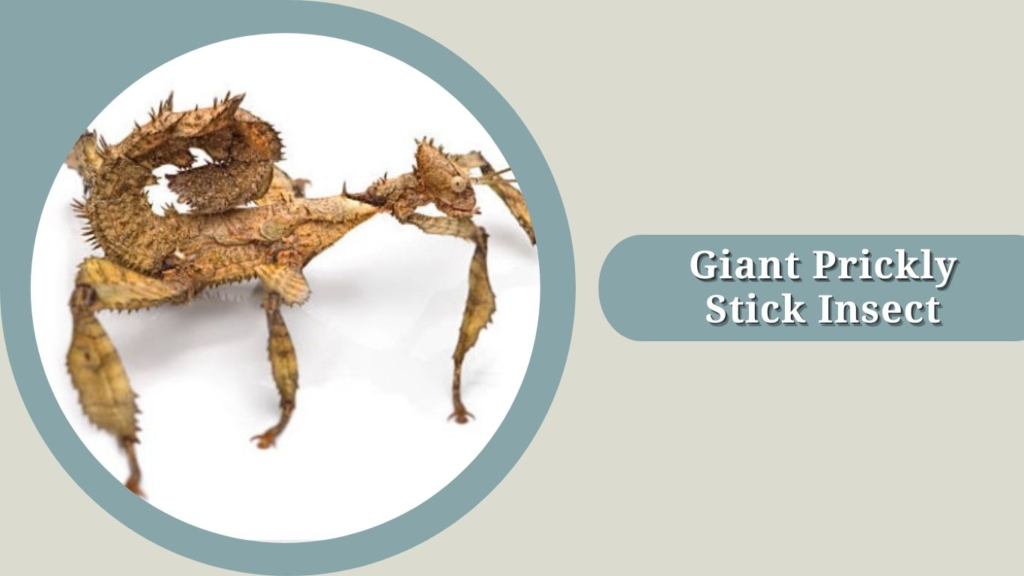
The giant prickly stick insect is one of the most impressive and well-known stick insects, native to Australia. It is famous for its large size, spiny body, and leaf-like appearance, which help it blend into foliage and deter predators. When threatened, it may sway like a leaf in the wind or raise its curled tail in a scorpion-like pose. Despite its fierce look, it is harmless to humans and commonly kept by insect enthusiasts.
Habitat
Giant prickly stick insects live in eucalyptus forests, shrubs, and woodland areas of Australia. They spend most of their lives on trees and bushes, where they rest among leaves and branches. They prefer warm climates with moderate humidity and plenty of vegetation for food and shelter.
Egg
The eggs are large, hard-shelled, and resemble plant seeds. Females drop their eggs to the forest floor, where ants often carry them into nests because the eggs mimic seeds. This helps protect them until they hatch, which may take several months.
Diet
They feed mainly on eucalyptus leaves but will also eat bramble, rose, guava, and oak leaves in captivity. They are nocturnal feeders, chewing leaf edges slowly and quietly.
Life Cycle
Their life cycle includes egg, nymph, and adult stages. Nymphs hatch looking like black ants to avoid predators. They molt several times over 5–8 months before becoming adults. Adult females are much larger than males and can reproduce with or without mating.
3. Indian Stick Insect (Carausius morosus)
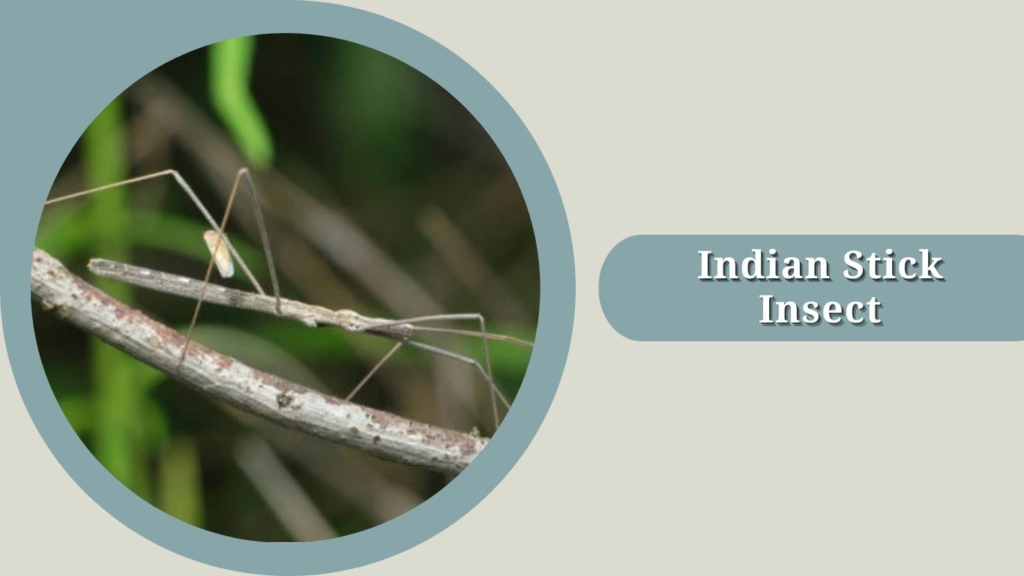
The Indian stick insect is often confused with the common stick insect and is one of the most widespread walking sticks in captivity. It is slender, smooth-bodied, and excellent at camouflage, making it almost invisible among twigs. It is calm, slow-moving, and easy to care for.
Habitat
This species is native to India and surrounding regions, living in bushes, forest edges, and gardens. It prefers warm, leafy environments and spends most of its time clinging motionless to branches.
Egg
The eggs are small, brown, and seed-like, with a hard outer shell. Females lay them by dropping them to the ground. Hatching usually takes two to four months, depending on environmental conditions.
Diet
Indian stick insects feed on a wide range of leaves, including bramble, ivy, oak, and rose. They mostly feed at night and hide during daylight hours.
Life Cycle
After hatching, nymphs resemble tiny adults and grow by molting multiple times. They reach adulthood in several months, after which females can lay hundreds of eggs and live for up to a year.
4. Jungle Nymph (Heteropteryx dilatata)
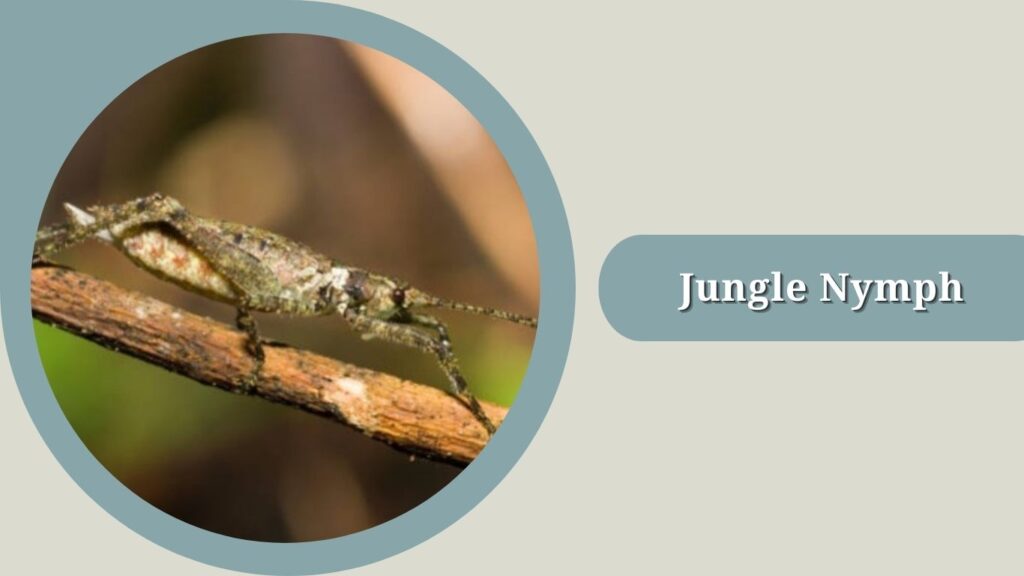
The jungle nymph is one of the heaviest and most robust stick insects in the world. Native to Southeast Asia, it is known for its thick body, strong legs, and impressive defensive display. When threatened, it can raise its body, spread its legs, and show brightly colored inner wings. Despite its intimidating appearance, it is generally slow-moving and relies on camouflage for protection.
Habitat
Jungle nymphs live in tropical rainforests, especially in Malaysia, Thailand, and surrounding regions. They inhabit dense vegetation, shrubs, and lower tree branches where humidity is high and food plants are abundant.
Egg
The eggs are large, round, and hard-shelled, resembling small seeds. Females drop them onto the forest floor. Incubation is long and may take 6 to 12 months before nymphs hatch.
Diet
They feed mainly on leaves such as bramble, oak, guava, rose, and mango. They are nocturnal feeders and remain hidden during the day.
Life Cycle
The life cycle includes egg, nymph, and adult stages. Nymphs hatch as small, brown or green forms and molt several times over many months. They grow slowly and may take up to a year to reach adulthood.
5. Spiny Leaf Insect (Extatosoma tiaratum – leaf form)
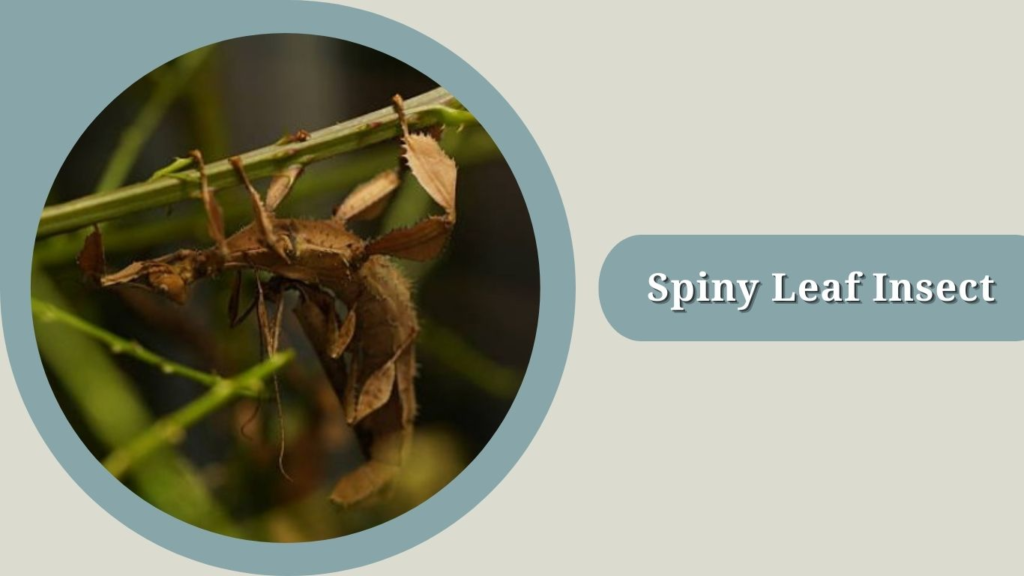
The spiny leaf insect is a form of stick/leaf insect closely related to the giant prickly stick insect. It is well known for its leaf-like body shape, spines, and excellent camouflage. Females are large and bulky, while males are slender and winged, capable of short flights.
Habitat
Spiny leaf insects are native to Australia and live in eucalyptus forests and bushland. They spend most of their lives on trees and shrubs, blending in among leaves.
Egg
Their eggs are seed-like and are dropped to the ground by females. Ants often carry them away, which helps protect the eggs until they hatch after several months.
Diet
They feed mainly on eucalyptus leaves in the wild, but in captivity they also accept bramble, rose, oak, and guava leaves.
Life Cycle
After hatching, the ant-like nymphs molt repeatedly as they grow. Over several months, they develop into adults. Females can reproduce without mating, continuing the life cycle.
6. Pink-Winged Stick Insect (Sipyloidea sipylus)
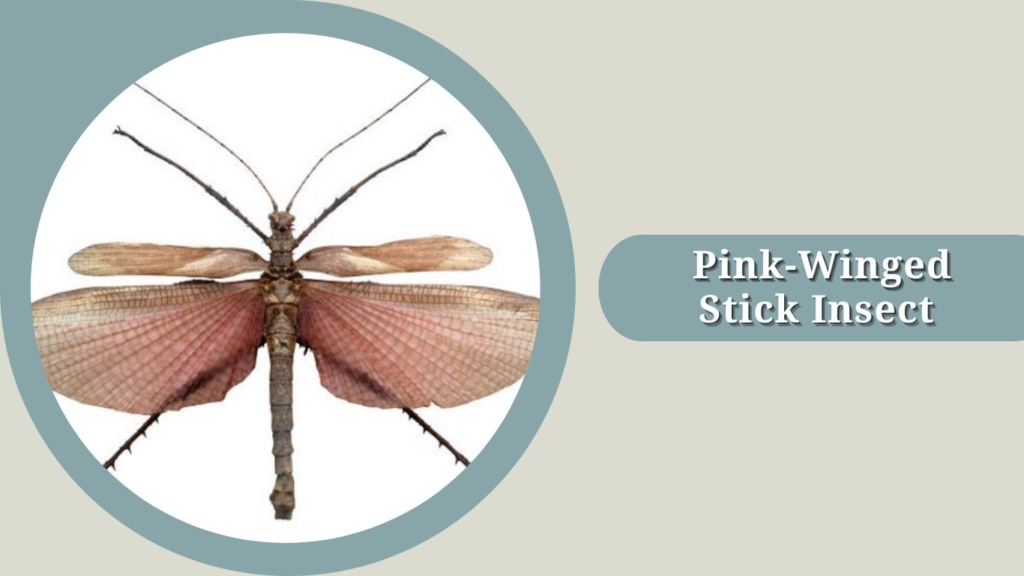
The pink-winged stick insect is a slender, fast-growing species popular in insect collections. It is named for the pale pink coloring visible on its wings when opened. Normally, it keeps its wings folded, relying on camouflage to resemble a thin twig. It is gentle, harmless, and easy to rear in captivity.
Habitat
This species is native to Southeast Asia and lives in warm forests, shrubs, and garden vegetation. It prefers well-vegetated areas where it can remain hidden among thin branches and leaves.
Egg
The eggs are small, oval, and seed-like, usually brown or gray. Females drop them randomly to the ground. Hatching occurs after about 2–4 months, depending on temperature and humidity.
Diet
Pink-winged stick insects feed on a wide range of leaves, including bramble, rose, ivy, oak, and hawthorn. They are nocturnal feeders and remain motionless during the day.
Life Cycle
Their life cycle includes egg, nymph, and adult stages. Nymphs hatch looking like tiny versions of adults and grow through several molts over a few months before reaching maturity.
7. Thorny Stick Insect (Eurycantha calcarata)
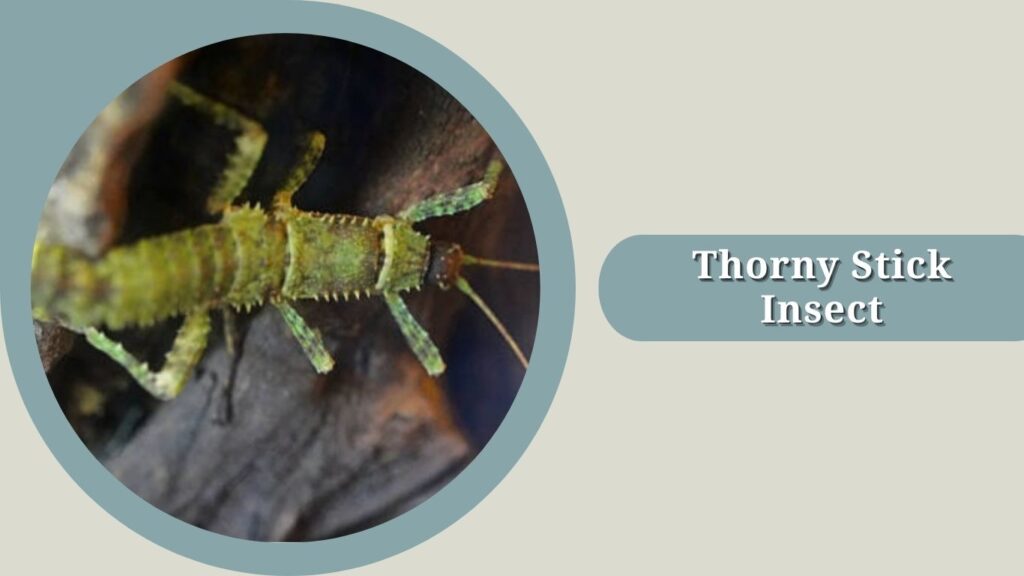
The thorny stick insect is a large, heavy-bodied species from New Guinea, famous for its thick legs and sharp spines. Males are particularly robust and use their spiny hind legs for defense. Although they look fierce, they are slow-moving and generally non-aggressive unless handled roughly.
Habitat
Thorny stick insects inhabit tropical forests, forest edges, and dense undergrowth. They often live lower to the ground than many other stick insects and hide among fallen branches and shrubs.
Egg
Their eggs are large, round, and hard, resembling small seeds. Females bury or drop eggs into leaf litter, where they may take 6–9 months to hatch.
Diet
They feed on leaves such as bramble, oak, rose, and guava. Unlike many stick insects, they may also feed closer to the ground on low-growing plants.
Life Cycle
The life cycle consists of egg, nymph, and adult stages. Nymphs hatch small and brown, molting several times over 8–12 months before reaching adulthood.
8. Malaysian Stick Insect (Necroscia annulipes)
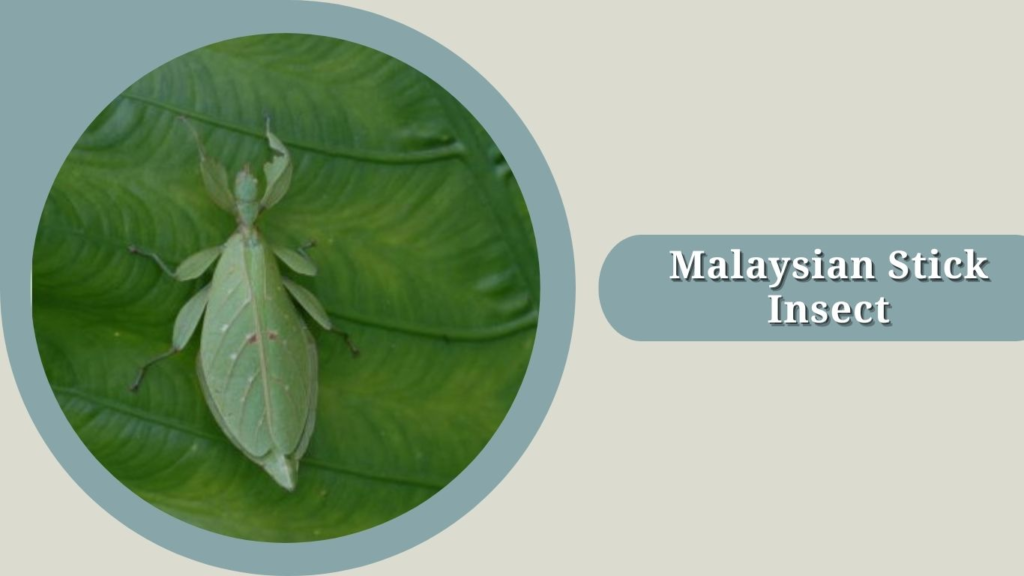
The Malaysian stick insect is a slender, elegant species known for its excellent twig-like camouflage and active climbing behavior. Some forms have wings and can glide short distances, especially males. It is popular among insect keepers because of its graceful appearance and relatively easy care.
Habitat
This species is native to Malaysia and surrounding parts of Southeast Asia. It lives in tropical forests, forest edges, and dense shrubs, where it blends among thin branches and leaves.
Egg
The eggs are small, oval, and seed-like, usually dark brown. Females drop them to the forest floor. Depending on conditions, eggs hatch after about 2–5 months.
Diet
Malaysian stick insects feed on leaves such as bramble, rose, oak, and guava. They are mostly nocturnal and feed quietly at night.
Life Cycle
The life cycle includes egg, nymph, and adult stages. Nymphs hatch as tiny replicas of adults and molt several times over a few months before becoming fully grown.
9. Annam Walking Stick (Medauroidea extradentata)
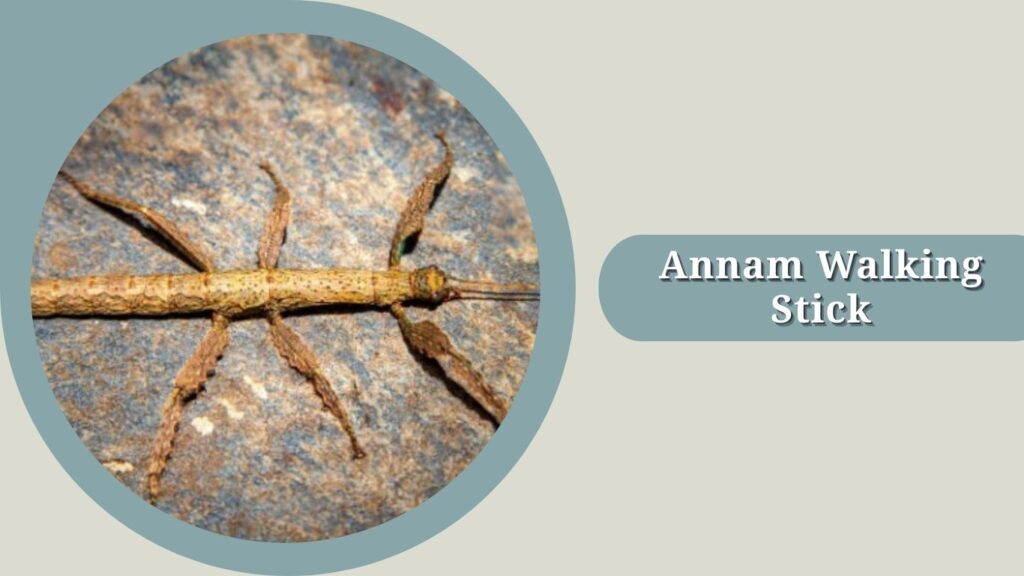
The Annam walking stick is one of the most commonly kept stick insects worldwide. It is slender, smooth-bodied, and excellent at camouflage. Native to Vietnam, it reproduces easily and is often used in schools and insect studies.
Habitat
It naturally lives in tropical and subtropical forests, shrubs, and garden vegetation. It prefers warm, moderately humid environments with plenty of leafy plants.
Egg
The eggs are small, oval, and brown, resembling tiny seeds. Females drop hundreds of eggs during their lifetime. Incubation usually takes about 2–4 months.
Diet
Annam walking sticks feed on bramble, ivy, oak, rose, and many other leafy plants. They are nocturnal and remain hidden during the day.
Life Cycle
After hatching, nymphs molt repeatedly as they grow. They reach adulthood in a few months and can live close to a year, continuing to reproduce throughout their adult life.
10. Philippine Giant Stick Insect (Sungaya inexpectata)
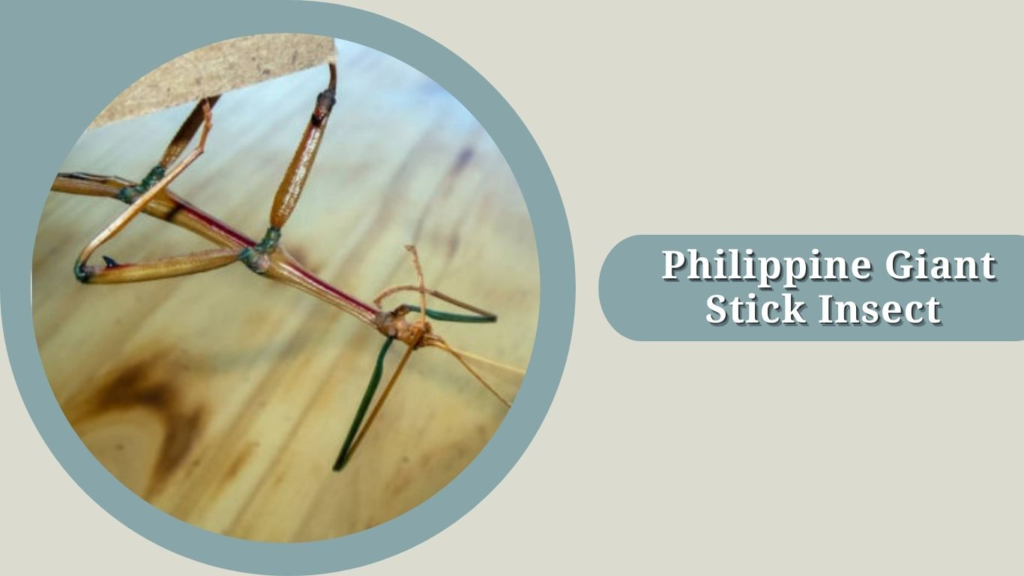
The Philippine giant stick insect is a thick-bodied, impressive species known for its rough texture and bark-like camouflage. Females are especially large and wingless, while males are smaller and more slender. When disturbed, it may sway or freeze to imitate a twig.
Habitat
This species is native to the Philippines, where it lives in tropical forests and dense vegetation. It prefers warm, humid environments and spends most of its time clinging to branches and tree trunks.
Egg
The eggs are relatively large, oval, and seed-like, with a hard shell. Females drop them to the ground, where they may take several months to hatch.
Diet
Philippine giant stick insects feed on leaves such as bramble, oak, rose, and guava. They mainly feed at night and remain still during daylight hours.
Life Cycle
The life cycle includes egg, nymph, and adult stages. Nymphs molt several times over many months before reaching adulthood. Adults can live for several more months and continue laying eggs.
11. Australian Walking Stick (Acrophylla titan)
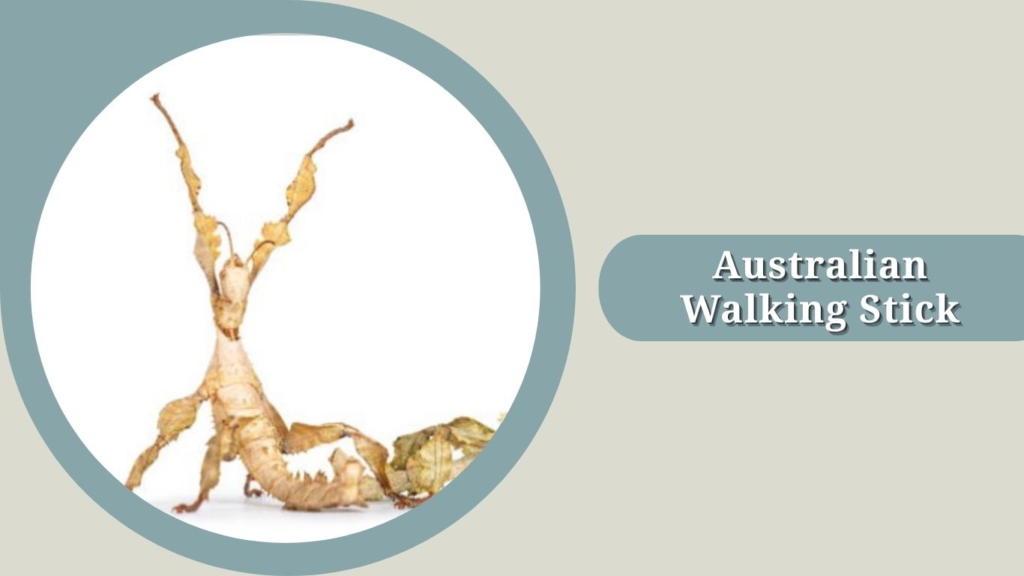
The Australian walking stick is one of the longest insects in the world. It has a smooth, elongated body and excellent camouflage that makes it nearly invisible among eucalyptus branches. Females are very large and wingless, while males are smaller and sometimes winged.
Habitat
It lives in Australian forests, especially eucalyptus woodlands. It spends most of its life high in trees, feeding on leaves and remaining motionless during the day.
Egg
The eggs are hard, oval, and seed-like. Females drop them to the forest floor, where they incubate for several months before hatching.
Diet
Australian walking sticks mainly feed on eucalyptus leaves but may also eat bramble and rose in captivity.
Life Cycle
Nymphs hatch looking like tiny twigs and molt repeatedly over many months. Growth is slow, and it may take close to a year to reach full size.
12. Peruvian Stick Insect (Oreophoetes peruana)
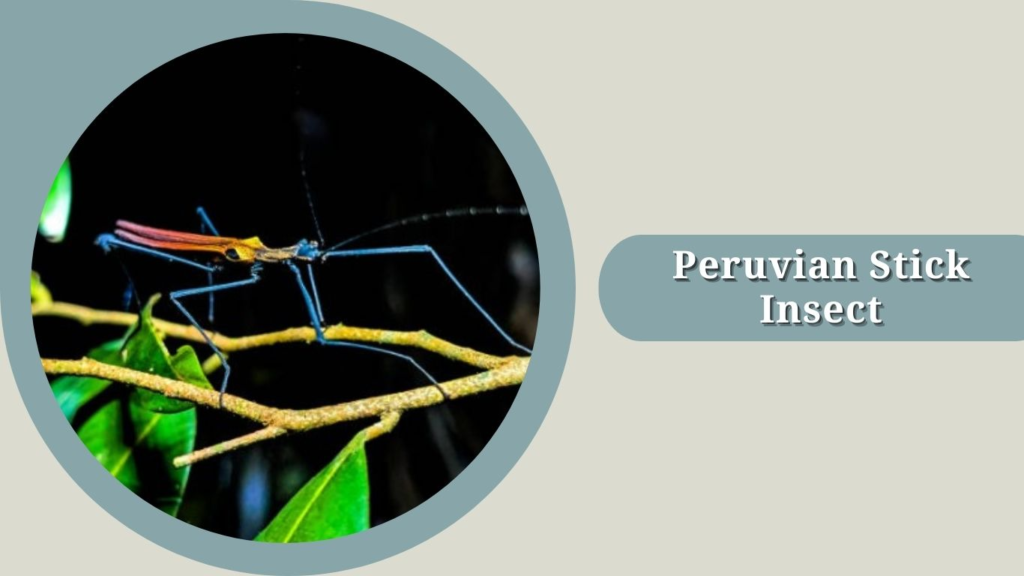
The Peruvian stick insect is a colorful and unusual species compared to most twig-like phasmids. It has a dark body with bright markings and can release a defensive spray from glands behind its head. Despite this, it is calm when left undisturbed and popular among experienced insect keepers.
Habitat
It is native to the mountainous forests of Peru, where it lives among shrubs and low vegetation. It prefers cooler, humid environments compared to many tropical stick insects.
Egg
The eggs are small, oval, and dark, resembling tiny seeds. Females drop them to the ground, where they incubate for several months before hatching.
Diet
Peruvian stick insects mainly feed on privet, honeysuckle, ivy, and bramble leaves. They usually feed at night and rest quietly during the day.
Life Cycle
Their life cycle includes egg, nymph, and adult stages. Nymphs molt several times over 4–6 months before reaching adulthood. Adults live for several more months and continue to reproduce.
13. Crowned Stick Insect (Onchestus rentzi)
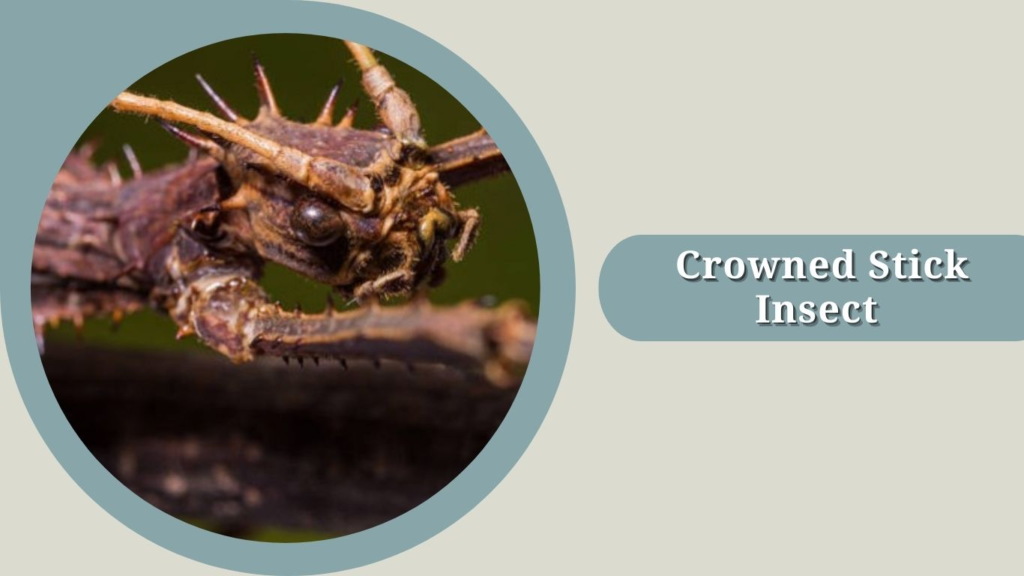
The crowned stick insect is named for the distinctive spines or “crown-like” projections on its head. It has a thick, rough body and is well camouflaged to resemble bark or thorny twigs. It is less commonly kept but is notable for its unique appearance.
Habitat
This species lives in tropical forests, mainly in Southeast Asia. It inhabits shrubs and low tree branches, remaining motionless for long periods.
Egg
The eggs are relatively large, round, and hard-shelled. Females drop them to the forest floor, where they remain hidden among leaf litter until hatching.
Diet
Crowned stick insects feed on a variety of leaves, including bramble, oak, and tropical shrubs.
Life Cycle
Nymphs hatch as small, spiny versions of adults and grow slowly through repeated molts. It may take many months for them to reach full size and maturity.
14. Borneo Stick Insect (Haaniella dehaanii)
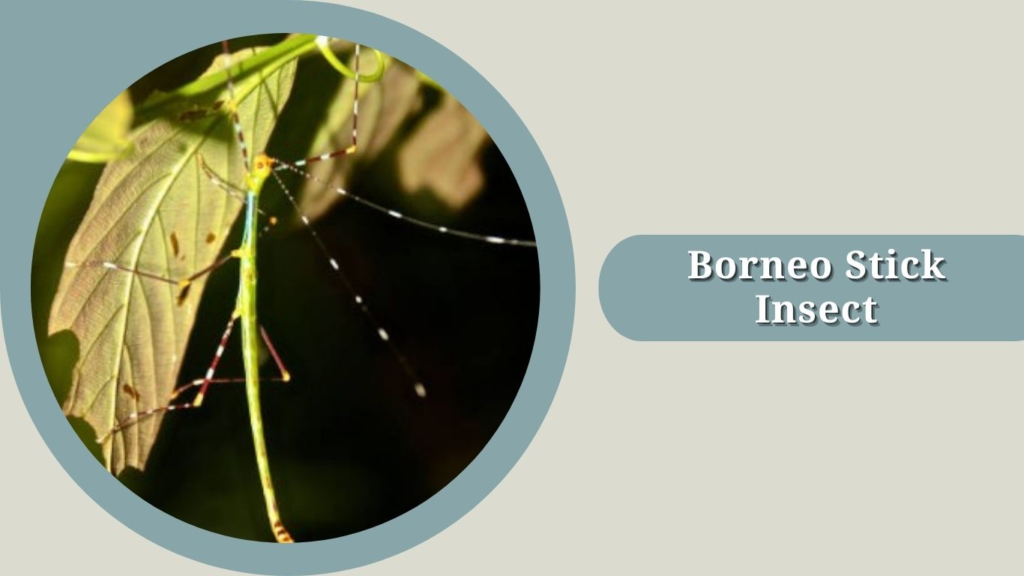
The Borneo stick insect is a thick, heavy-bodied species known for its rough texture and strong legs. Females are large and wingless, while males are smaller and sometimes winged. When threatened, it may raise its body and display its legs in a defensive posture.
Habitat
This species is native to Borneo and nearby regions of Southeast Asia. It lives in tropical rainforests, especially in dense undergrowth and shrubs where humidity is high.
Egg
The eggs are large, round, and hard-shelled, resembling small seeds. Females drop them into leaf litter, where they may take 6–12 months to hatch.
Diet
Borneo stick insects feed on leaves such as bramble, oak, rose, and guava. They mainly feed at night and remain hidden during the day.
Life Cycle
Their life cycle includes egg, nymph, and adult stages. Nymphs molt many times over several months before reaching adulthood. Growth is slow, and adults may live for many months.
15. Timema Stick Insect (Timema spp.)
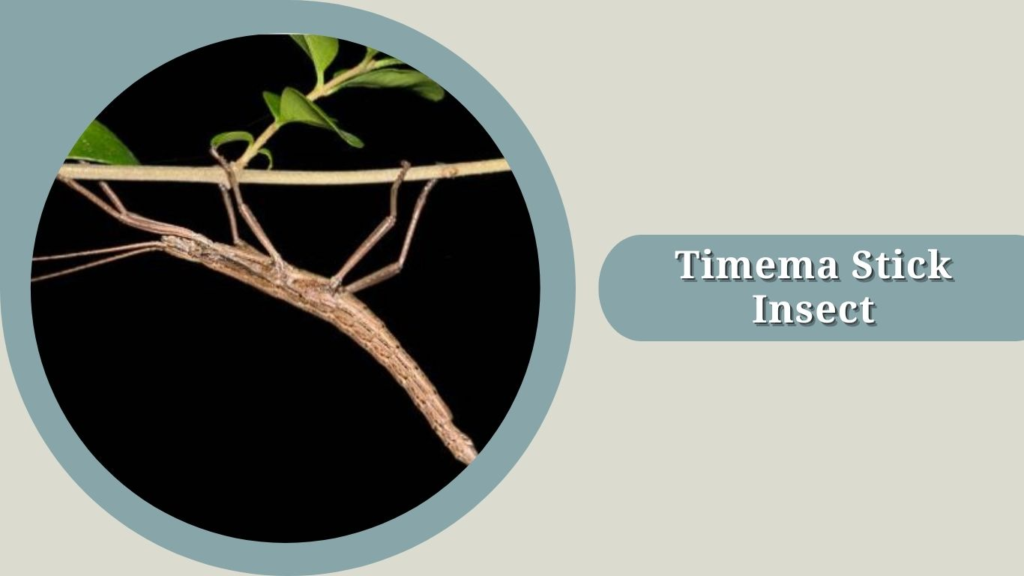
Timema stick insects are among the most ancient and primitive walking sticks. They are short, stout, and less twig-like than most phasmids. Many species are wingless and show excellent camouflage, matching the color of their host plants.
Habitat
Timema species are native to western North America, where they live on shrubs, conifers, and woodland plants. They often remain motionless along stems and needles.
Egg
The eggs are small and drop to the ground, where they may overwinter before hatching. Some species’ eggs take many months to hatch.
Diet
They feed on the leaves and needles of specific host plants such as oak, lilac, manzanita, and conifers.
Life Cycle
Timema stick insects hatch as nymphs that resemble adults. They molt several times over months before reaching maturity, usually completing one generation per year.
16. New Guinea Stick Insect (Eurycantha horrida)
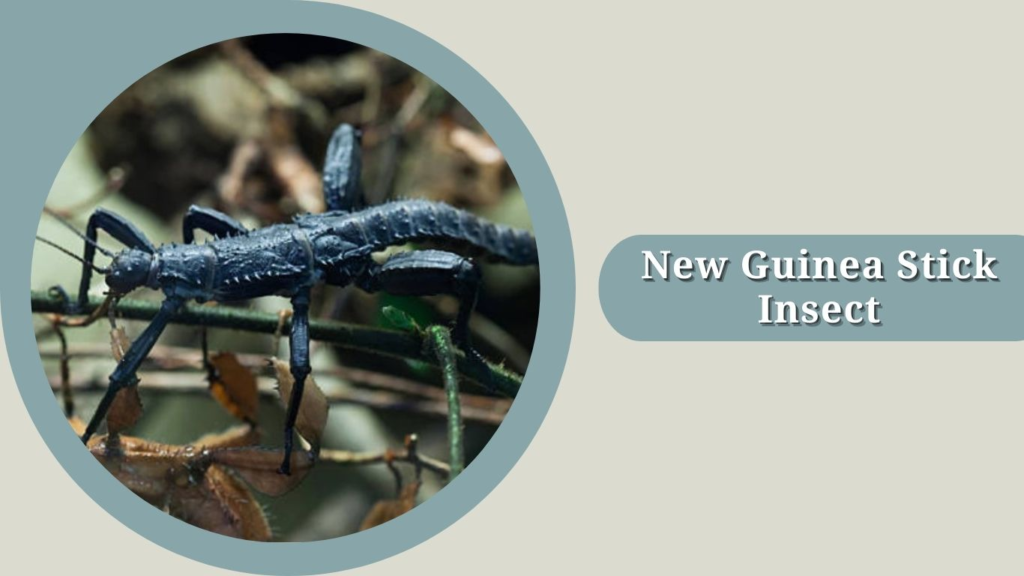
The New Guinea stick insect is a large, heavy-bodied species closely related to the thorny stick insect. It is known for its rough texture, thick legs, and powerful spines, especially in males. Although intimidating in appearance, it is slow-moving and mainly relies on camouflage to avoid predators.
Habitat
This species is native to New Guinea and nearby islands. It inhabits tropical rainforests, forest edges, and dense undergrowth, often closer to the forest floor than many other stick insects.
Egg
The eggs are large, round, and hard-shelled. Females drop them into leaf litter, where they may take 6–10 months to hatch.
Diet
New Guinea stick insects feed on leaves such as bramble, rose, oak, and guava. They may also feed on low-growing shrubs and plants.
Life Cycle
The life cycle includes egg, nymph, and adult stages. Nymphs grow slowly, molting many times over several months before becoming adults. Adults may live for several more months and continue reproducing.
17. Vietnamese Stick Insect (Ramulus artemis)
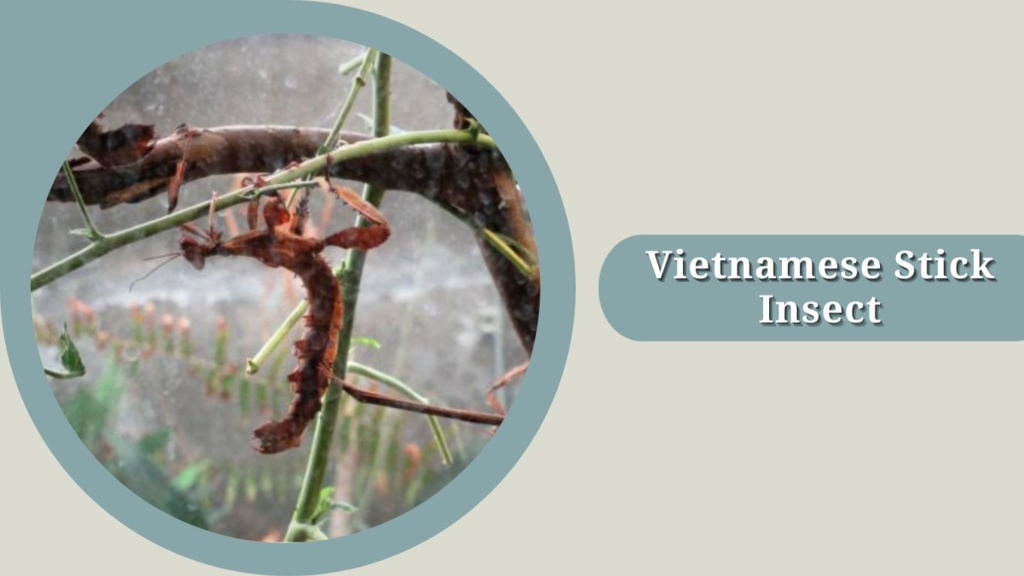
The Vietnamese stick insect is a very slender, twig-like species known for its smooth body and excellent camouflage. It is smaller and more delicate than many giant species but is highly adapted to blending in among thin branches.
Habitat
It is native to Vietnam and surrounding regions, where it lives in shrubs, forest edges, and low vegetation.
Egg
The eggs are small, oval, and seed-like. Females drop them to the ground, where they incubate for several months before hatching.
Diet
Vietnamese stick insects feed on leaves such as bramble, rose, ivy, and hawthorn. They are nocturnal feeders and remain hidden during the day.
Life Cycle
Nymphs hatch as tiny replicas of adults and grow through repeated molts. They usually reach adulthood within a few months and continue the reproductive cycle.
