
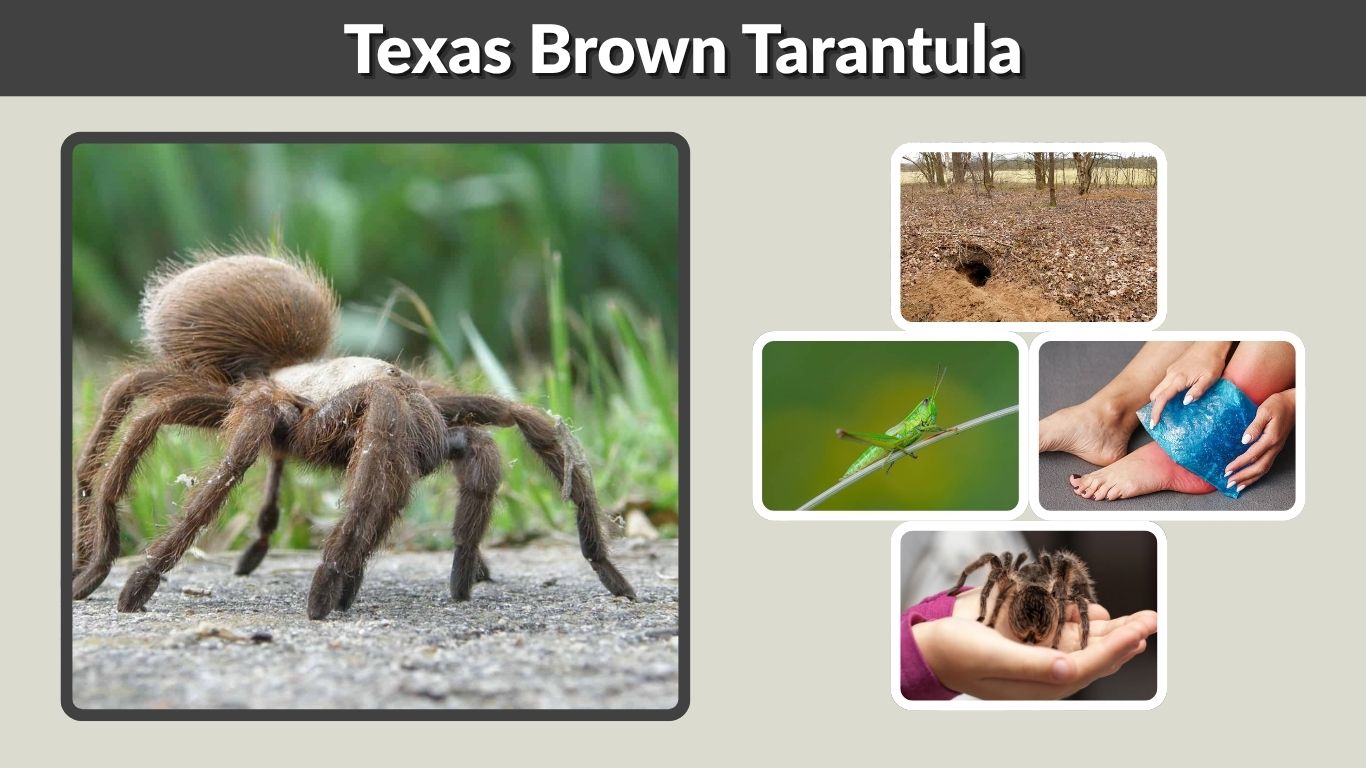
The Texas brown tarantula is a large, slow-moving spider commonly found across the southern United States. Despite its intimidating size and appearance, this species is generally calm and not dangerous to humans. Many people encounter it during mating season when males wander in search of females. Understanding its behavior, habitat, and safety can help reduce fear and confusion. This guide explores everything you need to know, from size and lifespan to care and bite facts, making it easier to identify and appreciate this unique spider.
What Is a Texas Brown Tarantula?
The Texas brown tarantula, scientifically known as Aphonopelma hentzi, is a ground-dwelling spider commonly found in the southern United States. It belongs to the tarantula family and is known for its slow movement and burrowing habits. This species is often seen during certain times of the year, especially when males wander in search of mates.
Scientific Name and Classification
- Scientific name: Aphonopelma hentzi
- Family: Theraphosidae
- Common name: Texas brown tarantula
Key Identification Features
- Large, hairy body
- Brown to dark brown coloration
- Thick legs with noticeable hairs
Are Texas Brown Tarantulas Poisonous or Dangerous?
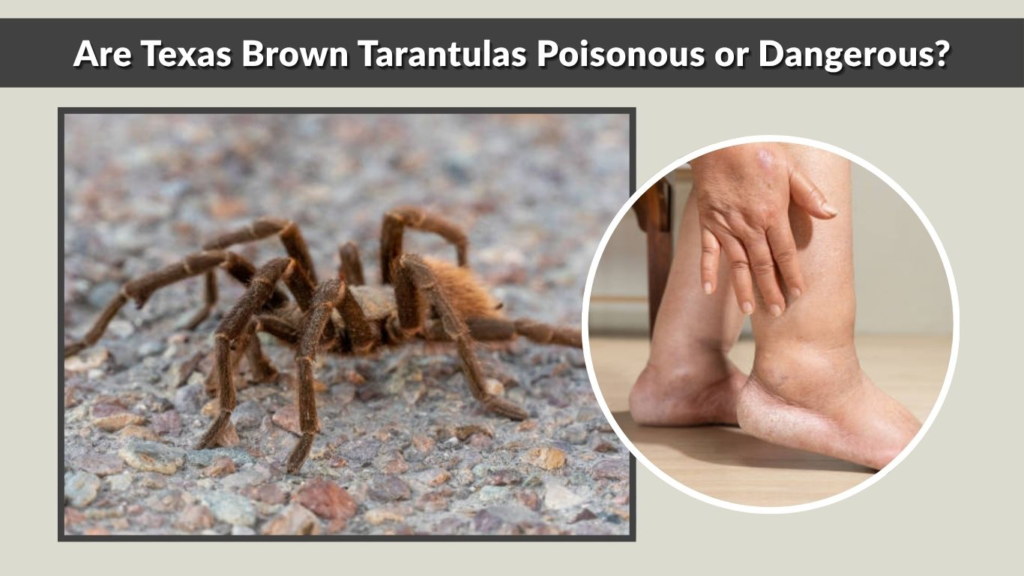
Many people worry about whether the Texas brown tarantula is dangerous. While it does produce venom, it is not considered harmful to humans in most cases. These spiders are far more likely to avoid confrontation than attack. Understanding their defensive behavior helps reduce unnecessary fear and promotes safe coexistence.
Venom vs Poison Explained
Tarantulas are venomous, not poisonous. This means they inject venom through their fangs rather than releasing toxins through touch or ingestion. Their venom is mild compared to many other spiders.
How Dangerous Is Their Bite?
- Usually similar to a bee sting
- Causes mild pain and swelling
- Rarely leads to serious reactions
Do They Bite Often?
- Bites are uncommon
- Occur only when threatened
- Prefer retreat over aggression
Texas Brown Tarantula Size, Appearance, and Physical Characteristics
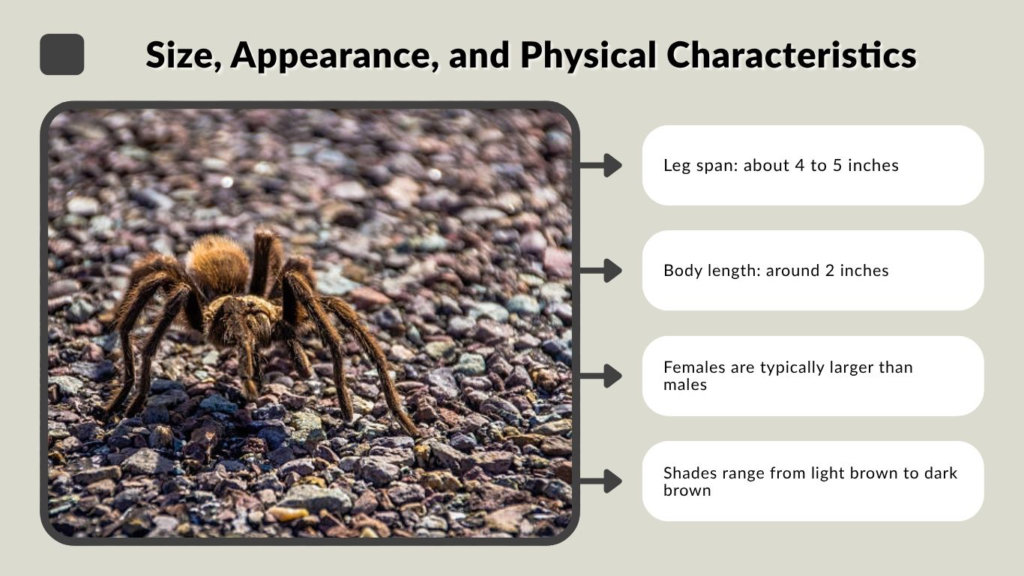
The Texas brown tarantula is known for its impressive size and distinctive look. Its body structure and coloring make it easy to recognize in the wild. While they may appear intimidating, their slow movements and heavy build give them a calm presence rather than an aggressive one.
How Big Do Texas Brown Tarantulas Get?
- Leg span: about 4 to 5 inches
- Body length: around 2 inches
- Females are typically larger than males
Color and Body Features
- Shades range from light brown to dark brown
- Covered in fine hairs used for defense
- Strong fangs for capturing prey
Male vs Female Texas Brown Tarantula
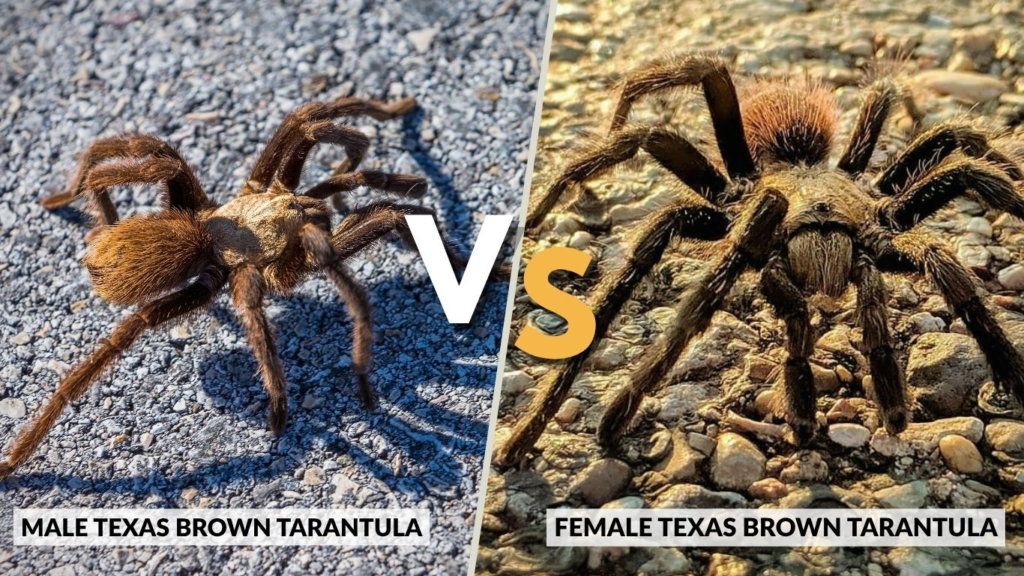
Male and female Texas brown tarantulas differ in several noticeable ways. These differences are important for identification and understanding their behavior, especially during mating season. Females tend to live longer and stay in one place, while males are more active and visible.
Key Differences Between Male and Female
- Females are larger and heavier
- Males have longer, slimmer legs
- Males wander more frequently
Lifespan Differences
Females can live for decades, often reaching 20 to 30 years in ideal conditions. Males, on the other hand, typically live only 5 to 10 years and often die shortly after mating.
Texas Brown Tarantula Habitat and Range
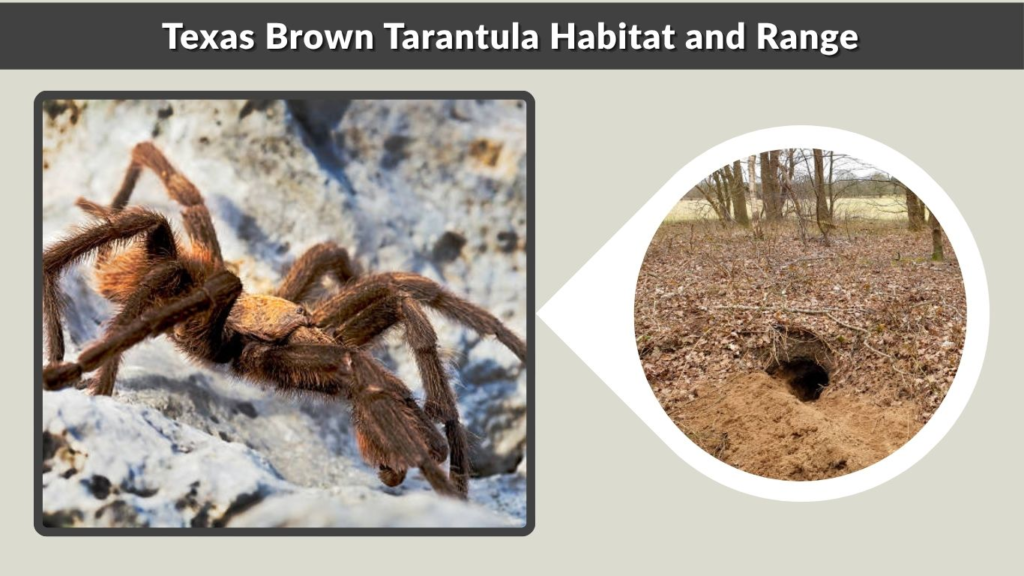
The Texas brown tarantula is widely distributed across the southern United States, especially in Texas. It prefers dry, open environments where it can dig burrows and remain hidden during the day. These spiders are well adapted to harsh climates and can survive in a variety of conditions.
Where Do They Live?
They are commonly found in Texas, as well as parts of Kansas, Oklahoma, and Missouri. Their habitat includes grasslands, deserts, and scrublands where the soil allows easy burrowing.
Burrows and Living Conditions
These tarantulas spend most of their lives in underground burrows. The burrow provides protection from predators and extreme temperatures, making it a crucial part of their survival.
Texas Brown Tarantula Behavior and Lifestyle
The Texas brown tarantula displays calm and predictable behavior in the wild. It is mostly nocturnal, staying hidden during the day and becoming active at night. These spiders rely on stealth rather than speed, waiting patiently for prey and avoiding unnecessary conflict with larger animals.
Daily Activity Patterns
- Active mostly at night
- Spends daytime inside burrows
- Moves slowly and cautiously
Migration and Mating Season
- Males wander during late summer and fall
- Increased sightings during mating season
- Females remain in burrows
Diet: What Do Texas Brown Tarantulas Eat?
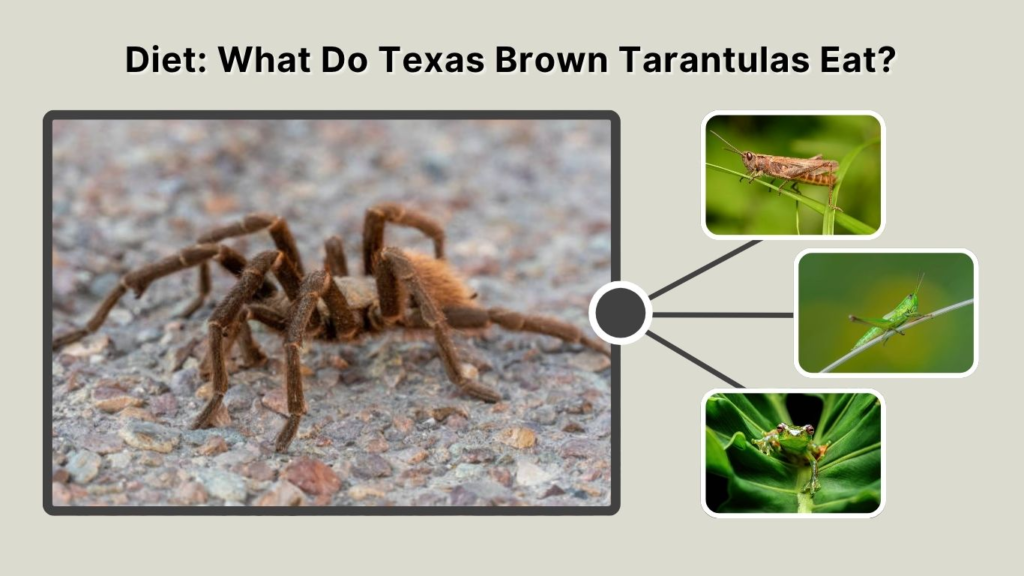
The Texas brown tarantula is a carnivorous predator that feeds on a variety of small creatures. It uses its fangs to inject venom into prey, making it easier to consume. Its diet helps control insect populations and maintain ecological balance.
Common Food Sources
- Insects such as crickets and grasshoppers
- Small lizards or frogs
- Other spiders and arthropods
Feeding Behavior
- Hunts at night
- Uses ambush techniques
- Eats infrequently but efficiently
Texas Brown Tarantula Predators and Natural Threats
Despite their size, Texas brown tarantulas face several natural threats. They rely on camouflage and defensive behaviors to survive. Their ability to flick irritating hairs and retreat into burrows helps them avoid danger in the wild.
Natural Predators
- Birds and reptiles
- Small mammals
- Tarantula hawk wasps
Texas Brown Tarantula Lifecycle and Growth
The lifecycle of a Texas brown tarantula is slow and fascinating. From tiny spiderlings to large adults, they go through several stages of growth. Molting plays a key role in their development and allows them to increase in size over time.
From Egg to Spiderling
- Females lay eggs in silk sacs
- Hundreds of spiderlings may hatch
- Young spiders disperse quickly
Molting and Development
- Molting allows growth
- Young tarantulas molt more frequently
- Adults molt less often
Texas Brown Tarantula as a Pet
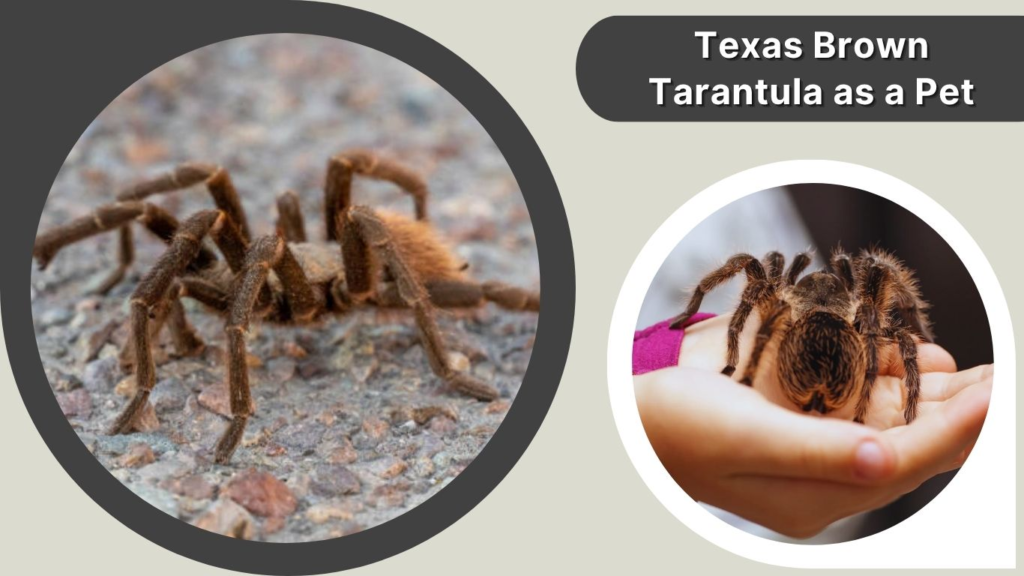
Texas brown tarantulas are often kept as pets due to their calm nature and low maintenance needs. They are not aggressive and can adapt well to captivity when provided with proper care. However, they are better suited for observation than frequent handling.
Do They Make Good Pets?
They are considered beginner-friendly because they require simple care and have a docile temperament. Their long lifespan, especially in females, makes them a long-term commitment for owners.
Pros and Cons
- Easy to care for
- Require minimal space
- Not ideal for handling
Care Guide for Texas Brown Tarantulas
Proper care is essential for keeping a Texas brown tarantula healthy in captivity. Their environment should mimic natural conditions as closely as possible. Attention to feeding, housing, and cleanliness will ensure a stable and stress-free life.
Enclosure Setup
- Use a secure tank with ventilation
- Add substrate for burrowing
- Provide hiding spots
Feeding and Maintenance
- Feed insects once or twice a week
- Remove uneaten food
- Keep enclosure clean and dry
Handling Tips
- Avoid frequent handling
- Handle gently if necessary
- Watch for stress signs
Texas Brown Tarantula Bite: Symptoms and First Aid
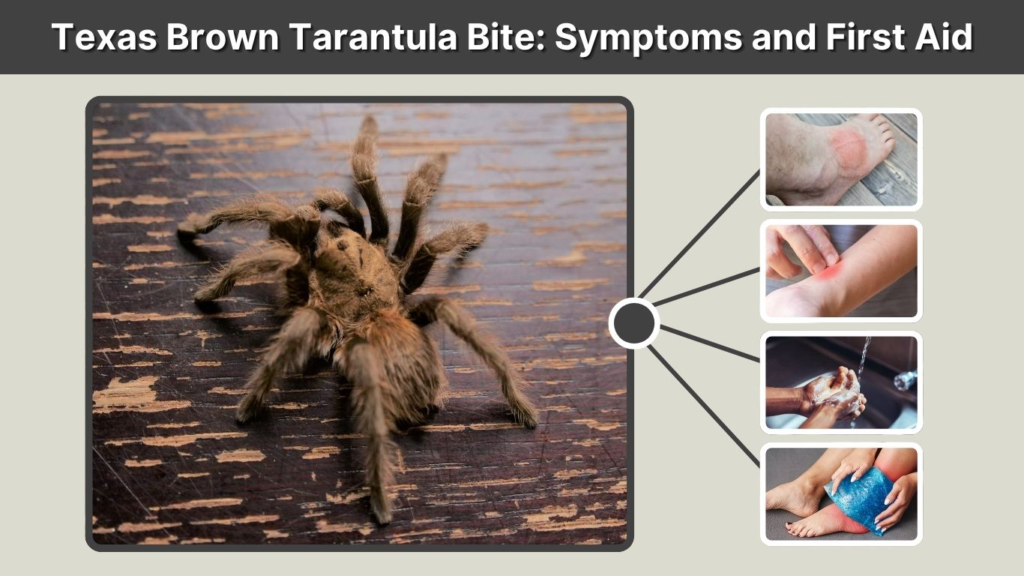
A bite from a Texas brown tarantula is uncommon and usually not serious. Most reactions are mild and can be managed at home. Understanding proper first aid helps reduce anxiety and ensures safety if a bite does occur.
Common Symptoms
- Mild pain similar to a bee sting
- Redness and slight swelling
- Temporary discomfort
First Aid Steps
- Clean the area with soap and water
- Apply a cold compress
- Seek medical help if symptoms worsen
How to Identify a Texas Brown Tarantula
Identifying a Texas brown tarantula is relatively simple if you know what to look for. Its size, color, and behavior distinguish it from other spiders commonly found in the same region.
Key Identification Traits
- Large, bulky body
- Uniform brown coloration
- Slow movement and ground-dwelling behavior
FAQs
Are Texas brown tarantulas dangerous to humans?
Texas brown tarantulas are not considered dangerous to humans. Their venom is mild and usually causes only minor irritation, similar to a bee sting. They rarely bite and prefer to avoid confrontation, making them generally harmless when left undisturbed.
How long do Texas brown tarantulas live?
Females can live for 20 to 30 years under the right conditions, while males typically live between 5 and 10 years. Males often die shortly after mating, whereas females continue living and reproducing over many years.
Do Texas brown tarantulas bite?
They can bite, but it is very rare. Bites usually happen only when the spider feels threatened or is handled roughly. In most cases, they rely on defensive behaviors like retreating or flicking hairs instead of biting.
How big do Texas brown tarantulas get?
Texas brown tarantulas can reach a leg span of about 4 to 5 inches. Females are usually larger and heavier, while males appear slimmer with longer legs, especially during the mating season.
Where can you find Texas brown tarantulas?
They are commonly found in Texas and nearby states like Kansas, Oklahoma, and Missouri. Their preferred habitats include grasslands, deserts, and dry scrub areas where they can dig burrows and stay protected from predators.
