
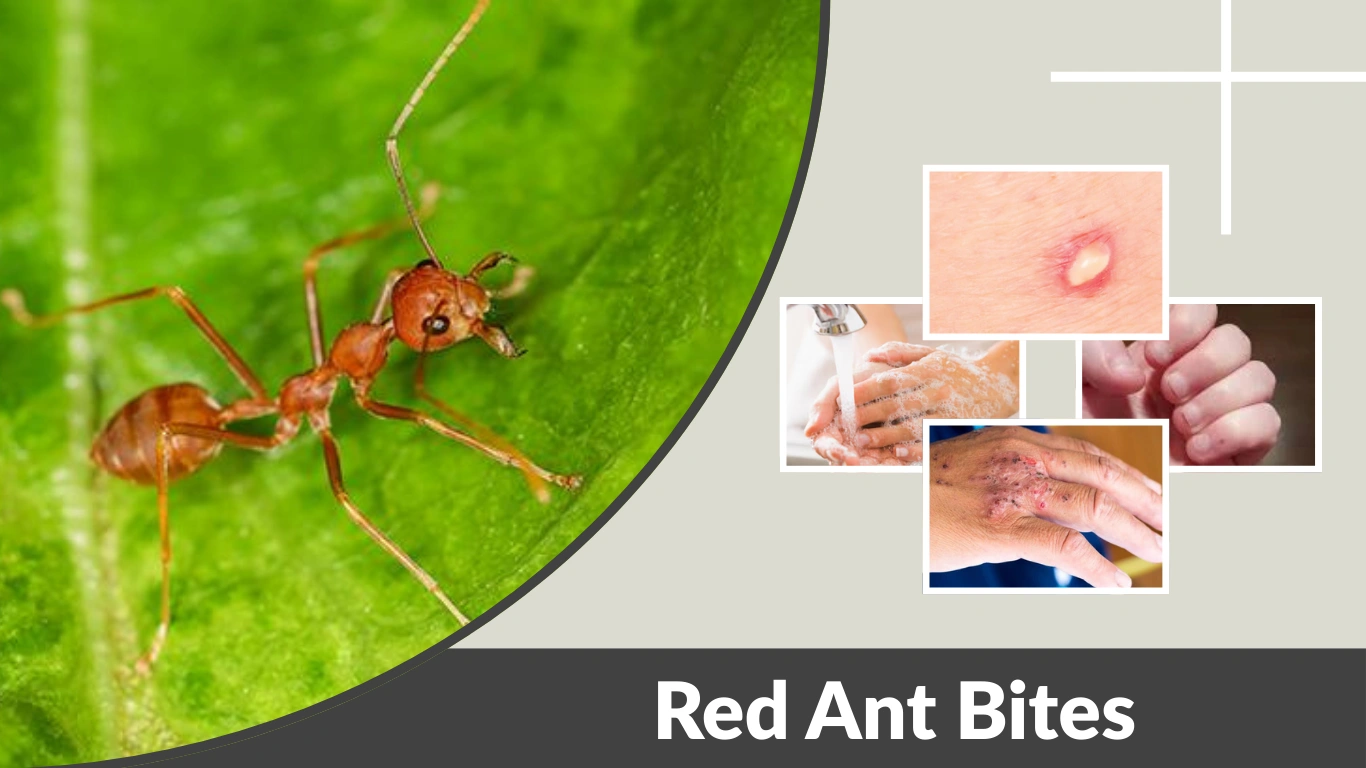
Red ant bites are a common yet often underestimated problem for both humans and pets. While some red ant bites cause only mild irritation, others can lead to intense pain, blistering, or serious allergic reactions. Confusion also arises because people often group red ants, red and black ants, and big red and black ants together, even though their bites and venom effects can differ. Understanding how to identify red ant bites, recognize symptoms early, and apply proper treatment is essential for preventing complications.
What Are Red Ants?
The term red ant is commonly used to describe several ant species with reddish or red-brown coloring. The most well-known biting and stinging species are fire ants, but other red and black ants can also bite when disturbed. Some larger species, often called big red and black ants, rely on strong mandibles to bite rather than venomous stings.
Red ants are highly territorial and tend to attack in groups. This is why bites often appear in clusters rather than as a single mark. Their venom or defensive chemicals are responsible for the burning, itching, and swelling associated with red ant bites.
Red Ant Bite Identification
Red ant bites occur when ants feel threatened or when their nests are accidentally disturbed. Unlike mosquitoes, red ants often latch onto the skin and may sting multiple times in a circular or clustered pattern.
Bites usually appear on exposed areas such as feet, ankles, legs, hands, and arms. In outdoor settings, bites commonly occur after stepping near nests, gardening, or sitting on grass. Indoor bites may happen when ants enter homes searching for food.
Correct identification is important because red ant bites can resemble spider bites, flea bites, or allergic skin reactions, leading to delayed or incorrect treatment.
What Do Red Ant Bites Look Like?
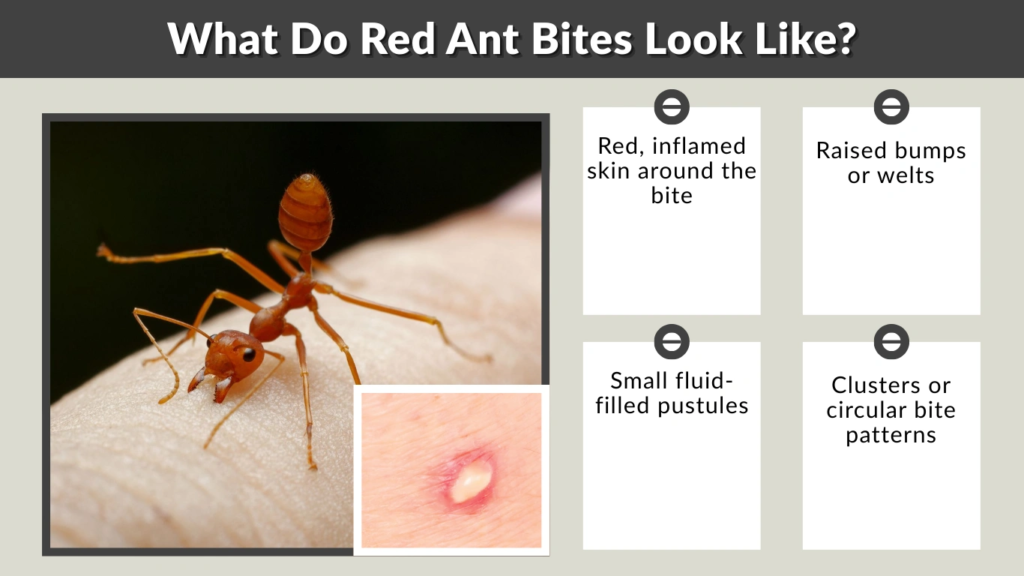
Red ant bites typically start as small red bumps with a swollen base. Within a few hours, many bites develop a white or yellowish pustule at the center, which is a key sign of fire ant stings.
Common visual characteristics include:
- Red, inflamed skin around the bite
- Raised bumps or welts
- Small fluid-filled pustules
- Clusters or circular bite patterns
- Intense itching or burning sensation
These pustules should never be popped, as doing so increases the risk of infection and scarring. In most cases, red ant bites heal within several days, but marks may last longer if scratched.
Ant Bites Pictures Identification
Visual identification plays a major role in distinguishing red ant bites from other insect bites. Red ant bites are often mistaken for mosquito bites early on, but mosquitoes rarely form pustules. Spider bites usually appear as single lesions rather than clusters, while flea bites tend to be smaller and appear in straight lines.
Looking at ant bites pictures for identification can help confirm whether the reaction is caused by red ants or another insect. Key indicators are multiple bites, pustule formation, and intense burning shortly after the bite occurs.
Symptoms of Red Ant Bites on Humans
Symptoms can vary depending on the number of bites and individual sensitivity. Most people experience mild to moderate reactions, but severe symptoms can occur.
Mild symptoms include redness, itching, swelling, and localized pain. Moderate reactions may involve intense burning, blistering, and discomfort lasting several days. In cases of multiple bites, swelling can spread beyond the bite area and limit movement.
Scratching increases the risk of secondary bacterial infection, which may lead to pus, warmth, and increased redness around the bite.
Allergic Reaction to Ant Bites
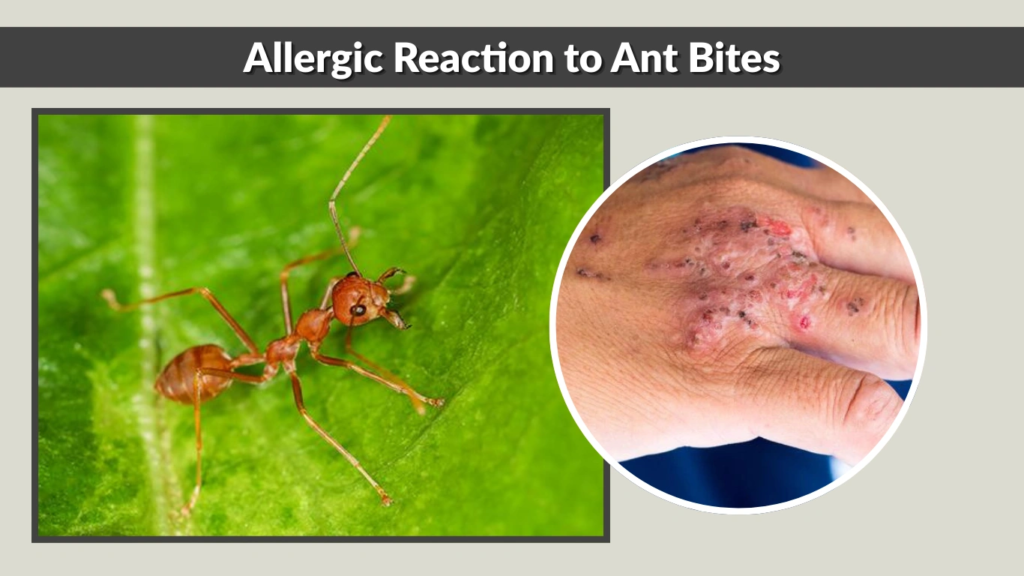
Some individuals experience an allergic reaction to ant bites, which can range from mild to life-threatening. Signs of a mild allergic reaction include hives, widespread itching, and swelling beyond the bite site.
Severe allergic reactions, known as anaphylaxis, may include difficulty breathing, swelling of the face or throat, dizziness, rapid heartbeat, nausea, or collapse. These reactions can occur within minutes and require immediate emergency medical care.
People with a known insect venom allergy should carry an epinephrine auto-injector and seek medical help after any red ant sting.
Red Ant Bite Treatment
Prompt treatment helps reduce pain, itching, and the risk of infection. The first step is to wash the affected area with soap and water to remove venom residue and bacteria.
Applying a cold compress can reduce swelling and numb pain. Over-the-counter antihistamines help control itching, while hydrocortisone cream reduces inflammation. Calamine lotion can soothe irritated skin and dry out pustules.
Avoid scratching or popping blisters. If signs of infection or worsening symptoms appear, medical evaluation is recommended.
How to Treat Red Ant Bites Effectively
Knowing how to treat red ant bites properly can speed up healing and prevent complications. After initial cleaning and cooling, continued care focuses on reducing itching, controlling inflammation, and protecting the skin.
For ongoing symptoms, oral antihistamines help manage itching and allergic responses. Topical corticosteroid creams can be applied once or twice daily to reduce redness and swelling. In cases where pustules form, keeping the area clean and dry is essential. An antibiotic ointment may be used if the skin breaks due to scratching.
Natural remedies such as aloe vera, baking soda paste, or cold tea compresses may provide additional relief, but they should not replace medical treatments if symptoms worsen.
How to Treat Red Ant Bites at Home (Do’s and Don’ts)

Proper home care reduces healing time and lowers infection risk.
Do:
- Wash the area gently twice daily
- Use ice packs for swelling
- Keep nails short to avoid skin damage
Don’t:
- Pop pustules or blisters
- Apply heat to the bite
- Ignore signs of infection
If pain, swelling, or redness increases after 48 hours, medical advice should be sought.
Red Ant Bites on Humans: When to Worry
Most red ant bites on humans heal without complications, but certain situations require closer attention. Multiple bites, bites on sensitive areas (face, eyes, genitals), or bites in children and elderly individuals may lead to more severe reactions.
Warning signs include spreading redness, fever, pus formation, severe pain, or numbness around the bite. These symptoms may indicate infection or a systemic reaction and should be evaluated by a healthcare professional.
Red Ant Bites on Dogs
Dogs are especially vulnerable to red ant bites because they may step on nests or sniff ant trails. Red ant bites on dogs commonly affect paws, muzzle, ears, and belly.
Symptoms in dogs include swelling, redness, excessive licking, whining, limping, and visible bumps or pustules. In allergic dogs, facial swelling, vomiting, weakness, or breathing difficulty may occur.
Treatment involves gently washing the area, applying cold compresses, and preventing licking. Antihistamines should only be given under veterinary guidance. Immediate veterinary care is required if severe swelling or breathing problems develop.
Prevention Tips for Red Ant Bites
Preventing bites is easier than treating them. Outdoors, avoid disturbing ant mounds and wear closed shoes and socks when walking on grass or soil. When gardening, gloves and long pants provide added protection.
Around the home, sealing entry points, reducing food sources, and treating outdoor nests help control infestations. Keeping pets away from known ant colonies significantly reduces bite risk.
When to See a Doctor
Medical attention is recommended if bites become increasingly painful, show signs of infection, or do not improve within a few days. Immediate emergency care is required for symptoms of an allergic reaction, including trouble breathing, chest tightness, facial swelling, or fainting.
FAQs
What do red ant bites look like on the skin?
Red ant bites usually appear as red swollen bumps that may develop white pustules within hours. They often occur in clusters and cause burning or itching.
Are red and black ant bites dangerous?
Most red and black ant bites are mild, but some species can cause severe pain or allergic reactions, especially after multiple bites.
How long do red ant bites last?
Most bites heal within 3–7 days. Pustules may last longer if scratched or infected.
Can red ant bites cause scars?
Scarring is uncommon but can occur if blisters are popped or bites become infected.
Can pets be allergic to ant bites?
Yes, dogs and other pets can have allergic reactions to ant bites and may require veterinary treatment.
