
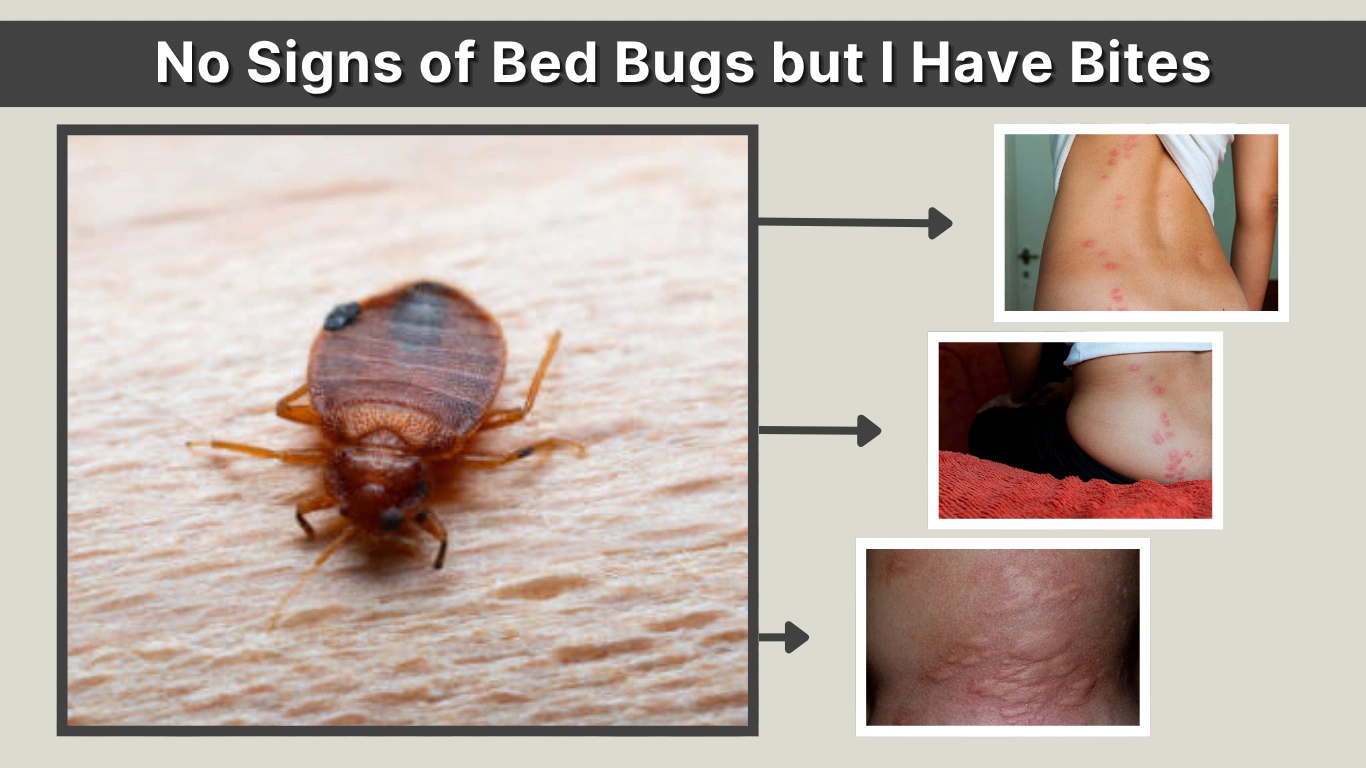
Waking up with mysterious bites but finding no sign of bed bugs can be both confusing and frustrating. Many people assume bed bugs are the cause, yet sometimes there’s no visible evidence—no insects, no stains, and no shed skins. The truth is, several other pests or skin reactions can mimic bed bug bites. Understanding these possibilities is essential for identifying the real culprit and choosing the right treatment.
When You Have Bites but No Signs of Bed Bugs
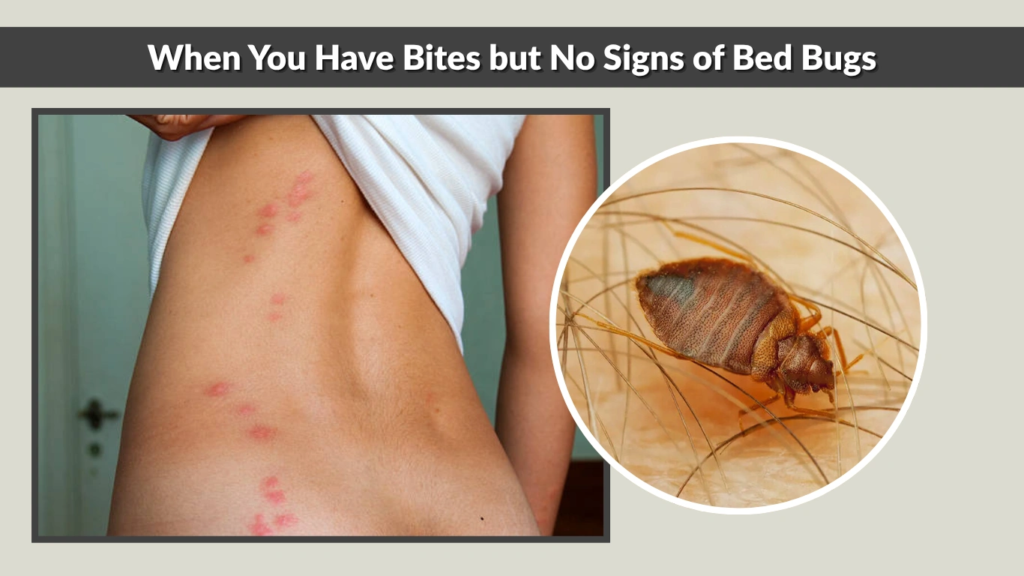
It’s common to experience bite-like marks without finding any visible bugs. Bed bugs are expert hiders, often tucking themselves into mattress seams, wall cracks, and furniture joints. However, when you can’t find any trace—no fecal spots, no eggs, and no molted skins—other explanations must be considered.
Sometimes, the bite marks appear days after the actual bite, which can make tracking the cause difficult. Environmental factors, other insects, or even allergic skin reactions can create symptoms that look almost identical to bed bug bites.
What Bed Bug Bites Typically Look Like
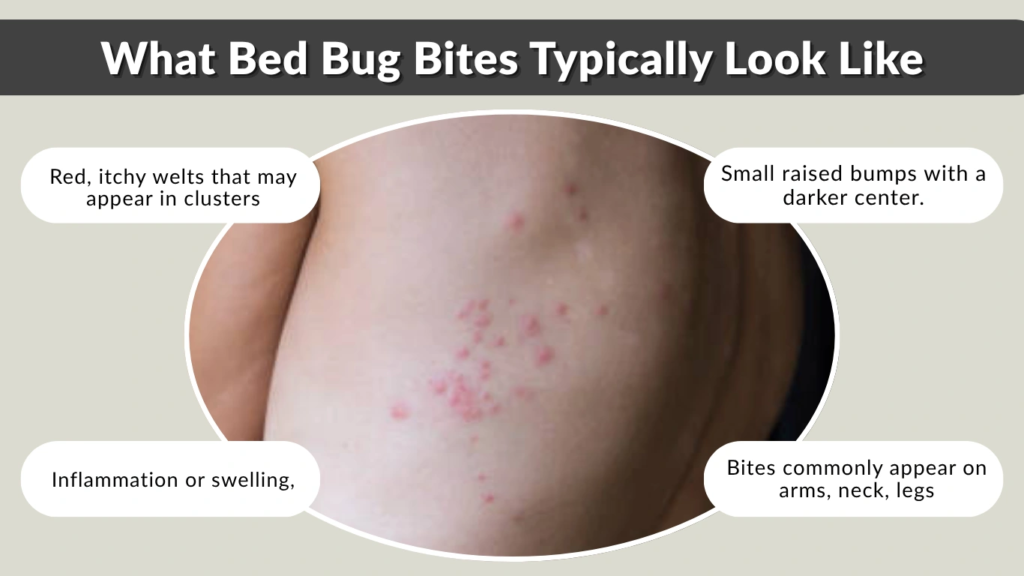
Bed bug bites often resemble other insect bites, but they have a few distinct features. Recognizing these patterns can help determine if bed bugs are really the issue.
Common characteristics include:
- Red, itchy welts that may appear in clusters or straight lines.
- Small raised bumps with a darker center.
- Inflammation or swelling, particularly after scratching.
- Bites commonly appear on arms, neck, legs, and shoulders—areas exposed during sleep.
While searching for “no signs of bed bugs but I have bites pictures,” you’ll notice that these marks are often grouped together, unlike mosquito bites, which are more random. However, the absence of visible bugs suggests other possibilities should be explored.
Why You May Have Bites but See No Bed Bugs
Bed bugs are tiny, nocturnal pests that hide during the day and emerge at night to feed. You may have bites but no visible signs because of several reasons:
- Hidden infestations – Bed bugs can live inside walls, behind baseboards, or within electrical outlets.
- Delayed reaction – Some people don’t react immediately; bites may show up days later.
- Minimal population – A small infestation may leave few signs at first.
- Misidentification – Bites caused by fleas, mosquitoes, or allergies can easily resemble bed bug bites.
Even trained inspectors can miss eggs or nymphs, as they’re nearly transparent and smaller than a grain of rice. Using traps or interceptors can help confirm if bed bugs are present or if another pest is the problem.
Other Possible Causes of Bite-Like Marks
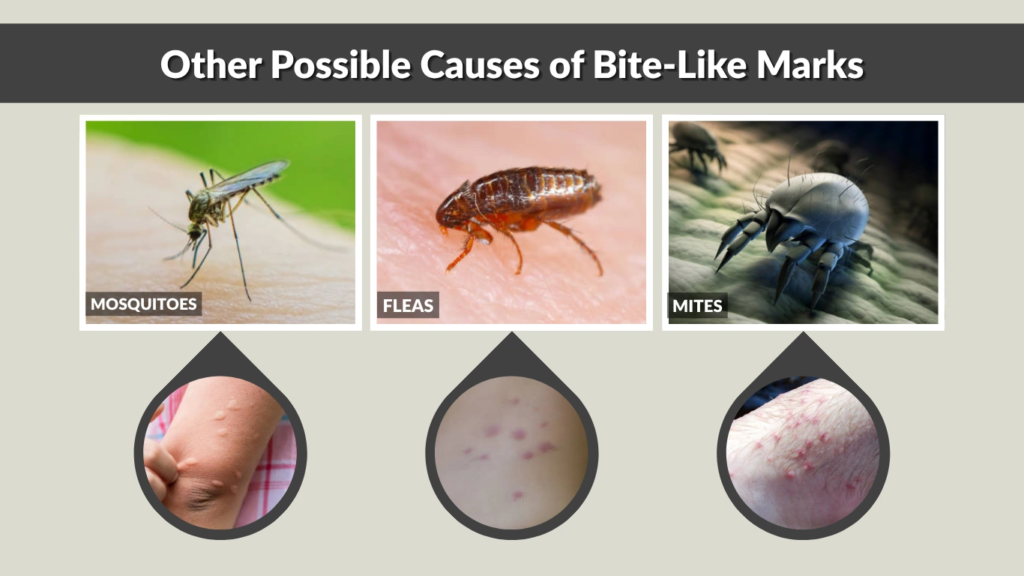
If you can’t find any signs of bed bugs, several other culprits might be to blame. These include:
- Mosquitoes – Their bites are random and appear mostly on exposed skin.
- Fleas – Leave small red bumps, typically around ankles and lower legs.
- Mites – Cause clusters of tiny red spots, often very itchy.
- Allergic reactions – Triggered by food, detergents, or fabrics, sometimes mistaken for insect bites.
- Hives or dermatitis – Appear as raised, itchy patches caused by skin irritation or stress.
If you’re located in humid regions such as the UK or areas with dense vegetation, flea or mite activity is common. These pests are often responsible for mysterious bite marks when no bed bugs are found.
How to Check Thoroughly for Bed Bugs
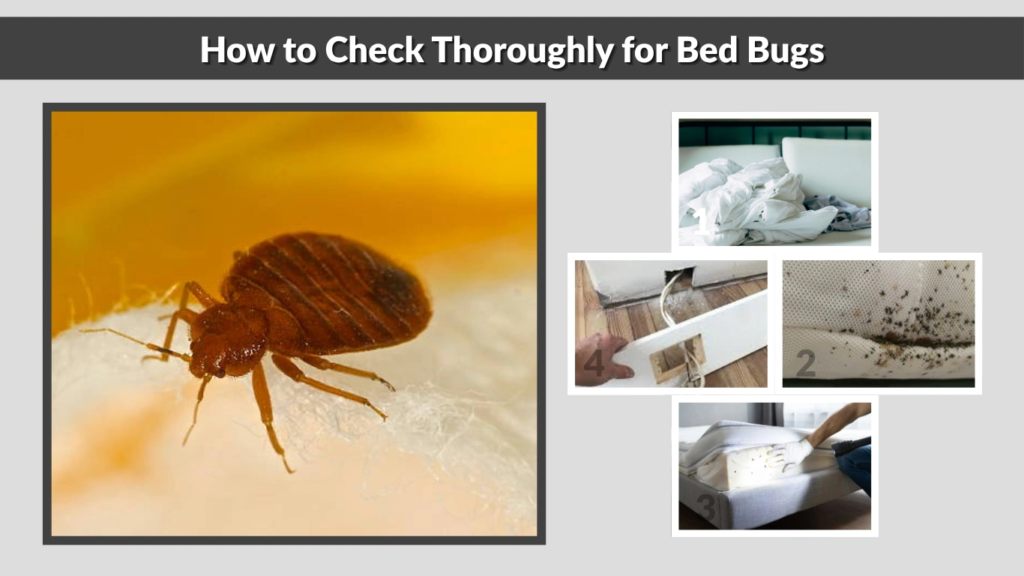
Even if you can’t see them, it’s important to inspect your surroundings carefully. Bed bugs hide in the smallest spaces, and spotting them requires patience and the right technique. Follow this checklist:
- Remove all bedding, pillows, and mattress covers.
- Examine mattress seams, tags, and corners for tiny black fecal spots or white eggs.
- Check bed frames, headboards, and furniture joints using a flashlight.
- Look behind baseboards, picture frames, and electrical outlets.
- Use sticky traps or bed bug interceptors under the bed legs to detect nighttime activity.
If you still find nothing after several inspections, it’s possible that another insect—or even a non-insect cause—is responsible for the marks.
Bed Bug Bite Pictures and Comparison
Comparing bite pictures can help you tell the difference between bed bug bites and other skin irritations. Typically, bed bug bites form straight lines or tight clusters, while flea bites are random and smaller.
For instance:
- Bed bug bites – Larger, red welts with a raised center; often grouped together.
- Flea bites – Tiny red dots with intense itching, especially near ankles.
- Mosquito bites – Rounder bumps with a softer, swollen texture.
- Hives or allergic rashes – Irregular shapes and may appear or disappear quickly.
If you’re uncertain, take clear photos of the affected skin in good lighting. These images can help doctors or pest experts identify the cause more accurately.
No Signs of Bed Bugs but I Have Bites – What Else to Consider
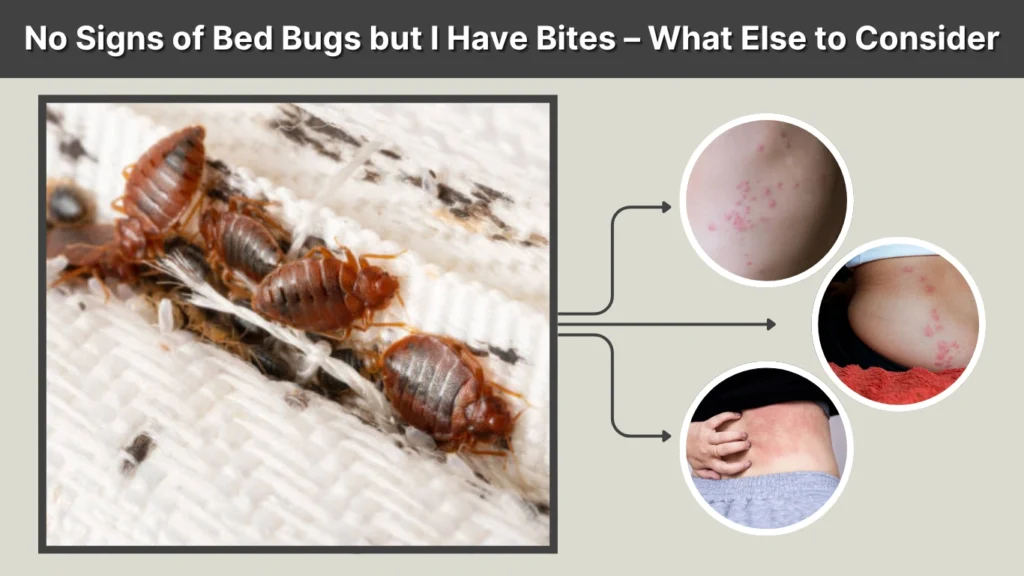
If you’ve ruled out bed bugs but still experience unexplained bites, consider other non-insect causes. Sometimes, what appears to be an insect bite is actually a skin reaction or environmental irritation. Possible causes include:
- Allergic Reactions: New laundry detergents, soaps, or body lotions can cause red, itchy bumps that mimic insect bites.
- Heat Rash: Occurs in warm, humid conditions and produces small, itchy red dots.
- Fabric or Chemical Irritation: Synthetic fabrics and harsh cleaning chemicals may trigger dermatitis.
- Medication Side Effects: Certain drugs can cause rashes that resemble bite marks.
- Stress or Anxiety: In rare cases, psychological stress can cause itching or rashes without any physical bite.
Keeping a bite diary can help. Note when the marks appear, how long they last, and whether they worsen after sleeping in a specific room or wearing certain clothes. These observations help pinpoint environmental or allergic triggers.
Treatment for Bites When No Bed Bugs Are Found
Even if bed bugs aren’t responsible, the itching and swelling still need relief. Treatment focuses on reducing inflammation, preventing infection, and soothing irritation.
1. Medical Treatments
- Topical Corticosteroids: Hydrocortisone cream helps calm itching and redness.
- Antihistamines: Oral or topical options, such as diphenhydramine, reduce allergic reactions.
- Antibiotic Creams: Use if scratching has caused open wounds or infection.
- Moisturizers: Fragrance-free creams help protect sensitive skin.
2. Home Remedies
Natural treatments can also be effective for mild bites:
- Cold Compress: Reduces swelling and numbs itching.
- Aloe Vera Gel: Cools and moisturizes irritated skin.
- Oatmeal Paste: Relieves itching and inflammation naturally.
- Baking Soda and Water Paste: Neutralizes skin acidity and reduces irritation.
Clean the affected areas with mild soap and warm water before applying any treatment. If symptoms persist for more than a week or worsen, consult a dermatologist to rule out other conditions.
When to Call a Professional
If you continue to experience new bites every few nights despite cleaning and inspection, it’s time to bring in a pest control professional. Experts use specialized tools such as CO₂ monitors, pheromone traps, and heat detectors to uncover hidden infestations.
You should seek professional help if:
- You find tiny black dots or rust-colored stains on bedding.
- Bites appear regularly but no insects are visible.
- You notice a sweet, musty odor in the bedroom.
- The irritation spreads or worsens after cleaning efforts.
Even if bed bugs aren’t found, pest professionals can identify alternative sources like mites, carpet beetles, or fleas, ensuring the problem is properly diagnosed and treated.
Preventing Future Bites and Skin Reactions
Preventing future bites or skin irritation requires both cleanliness and proactive monitoring. Use these steps to keep your environment pest-free and your skin healthy:
- Vacuum regularly, especially around beds, furniture, and baseboards.
- Launder bedding and clothes weekly in hot water above 60°C (140°F).
- Declutter to reduce hiding spots for pests.
- Seal cracks and wall gaps to prevent insect entry.
- Use bed bug interceptors to monitor for future infestations.
- Switch to hypoallergenic detergents and bedding if allergies are suspected.
Consistency is key—keeping your sleeping area clean and inspecting it frequently can prevent recurring skin irritation and new infestations.
FAQs
Why do I have bites but no signs of bed bugs?
It’s possible that the bites are from another insect such as mosquitoes, fleas, or mites. In some cases, the marks may not be insect bites at all but a reaction to detergents, fabrics, or allergens. Bed bugs also hide well, so early infestations can go unnoticed.
Can bed bugs bite without leaving any other signs?
Yes, a small infestation can go undetected for weeks. Bed bugs often hide deep inside cracks or furniture joints, and their eggs and fecal spots are tiny. Using traps and professional inspections can help uncover hidden colonies before they grow.
What can cause similar bites to bed bugs?
Common alternatives include mosquito bites, flea bites, scabies, or allergic reactions. Some medications and heat rashes can also produce red, itchy marks that resemble bed bug bites but aren’t caused by insects.
How do I treat itchy bites when I can’t find bed bugs?
Apply hydrocortisone or antihistamine cream to soothe irritation. For natural relief, try cold compresses, aloe vera, or oatmeal paste. Keep the area clean and avoid scratching to prevent infection. If itching worsens, see a dermatologist.
When should I call a professional for inspection?
If new bites appear consistently and you can’t identify the source, contact a pest control specialist. They can detect hidden infestations and advise on treatment. You should also seek medical help if your bites become swollen, painful, or infected.
