

The Japanese giant hornet (Vespa mandarinia japonica) is one of the most intimidating insects found in Asia. Known for its massive size, powerful mandibles, and potent venom, it has earned a reputation as one of the most dangerous hornets in the world. While encounters with humans are relatively rare, the consequences of a sting can be serious—sometimes even life-threatening. Understanding how this hornet’s sting works, the symptoms it causes, and the best ways to treat it can make a significant difference in both safety and recovery.
Understanding the Japanese Giant Hornet
Identification of the Hornet
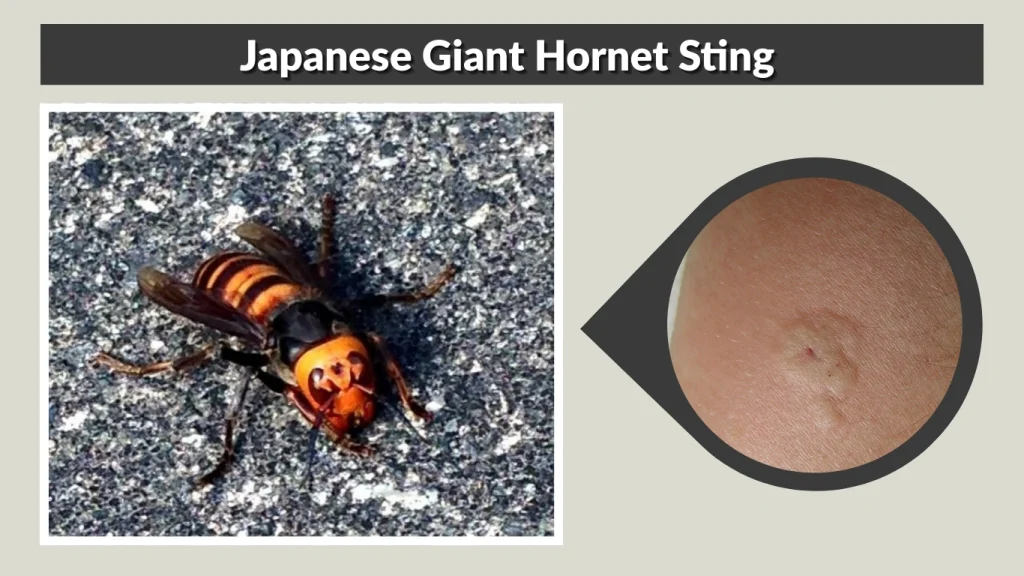
The Japanese giant hornet stands out for its size, often reaching up to 5 cm (2 inches) in length with a wingspan of 7.5 cm. Its bright orange-yellow head, large black compound eyes, and thick black-and-orange banded abdomen make it easy to distinguish from smaller hornet species. Unlike bees, which can sting only once, this hornet can sting multiple times without losing its stinger, injecting venom with every strike.
Habitat and Distribution
This hornet is native to Japan and other parts of East Asia. It prefers temperate and subtropical forests where it can build underground nests, usually in abandoned rodent burrows or tree roots. While they generally avoid humans, they become extremely defensive if their nest is disturbed, sometimes swarming in groups to protect their colony.
Behavior and Aggression
Japanese giant hornets are not naturally aggressive toward humans unless provoked. Their primary targets are other insects, particularly honeybees, which they hunt with devastating efficiency. However, when threatened, especially near their nest, they can attack in large numbers, and their coordinated stings can be far more dangerous than a single encounter.
Japanese Giant Hornet Sting
Sting Mechanism
Unlike bees that have barbed stingers, the Japanese giant hornet has a smooth, needle-like stinger that allows it to pierce skin repeatedly. This stinger measures about 6 mm in length, capable of penetrating deeply into human flesh. Each sting delivers a significant dose of venom, which contains both pain-inducing and tissue-damaging chemicals.
Venom Composition
The venom of this hornet is a complex mixture of toxins. It includes mastoparan, a compound that destroys cell membranes, and an enzyme called phospholipase, which causes tissue breakdown and inflammation. In large doses, the venom can affect internal organs, particularly the kidneys. Compared to other hornets, the venom of Vespa mandarinia japonica is both more toxic and injected in larger quantities per sting.
Immediate Sensations
Victims often describe the pain as a burning, searing sensation—far more intense than that of a wasp or bee sting. The sting site usually becomes red, swollen, and extremely tender within minutes. In some cases, the skin feels hot to the touch, and the pain can radiate to surrounding areas, making it difficult to move the affected limb comfortably.
Symptoms After a Sting
Local Symptoms
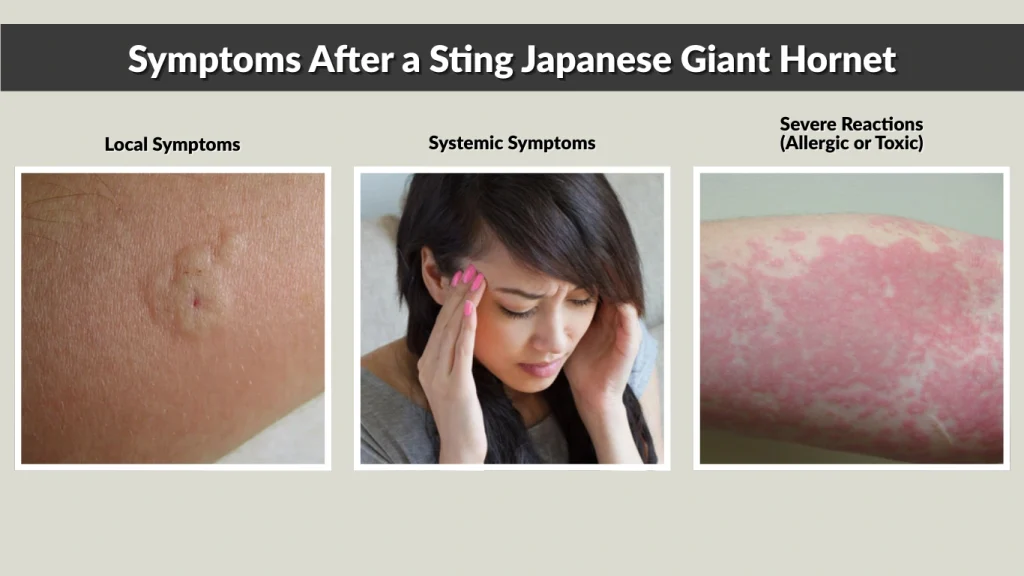
A single sting from a Japanese giant hornet causes severe localized pain that can last for hours. The area typically swells rapidly and may become hard or inflamed. Unlike ordinary wasp stings, this swelling can spread several centimeters around the wound, sometimes accompanied by a bruise-like discoloration.
Systemic Symptoms
In addition to localized pain, some people experience broader systemic reactions. These can include headache, nausea, dizziness, and fatigue. A mild fever or flu-like sensation may also develop as the immune system responds to the venom. These reactions are particularly common if multiple stings occur at once.
Severe Reactions (Allergic or Toxic)
For individuals allergic to insect venom, a sting from this hornet can quickly lead to anaphylaxis—a medical emergency. Symptoms may include difficulty breathing, rapid heartbeat, swelling of the throat or tongue, and a sudden drop in blood pressure. Even in people without allergies, receiving many stings at once can result in toxic reactions, including kidney damage, seizures, or organ failure in extreme cases. While fatalities are rare, they are most often linked to multiple stings and delayed medical care.
Body’s Reaction to the Venom
Immune Response
When stung, the body releases histamine and other chemicals to fight the venom. This immune response explains the swelling, redness, and itching. While these reactions are protective, they also intensify the discomfort and can sometimes trigger allergic complications.
Toxic Effects
The venom’s enzymes actively break down tissues and blood cells around the sting site. This not only causes pain but can also release harmful byproducts into the bloodstream. In cases of multiple stings, the accumulation of toxins can overwhelm the kidneys and liver, leading to serious medical conditions.
Risk Factors
Certain groups of people are more vulnerable to severe reactions. These include:
- Individuals with known insect venom allergies
- People stung by multiple hornets simultaneously
- Children, elderly individuals, and those with weakened immune systems
First Aid and Immediate Response
Steps to Take Right Away
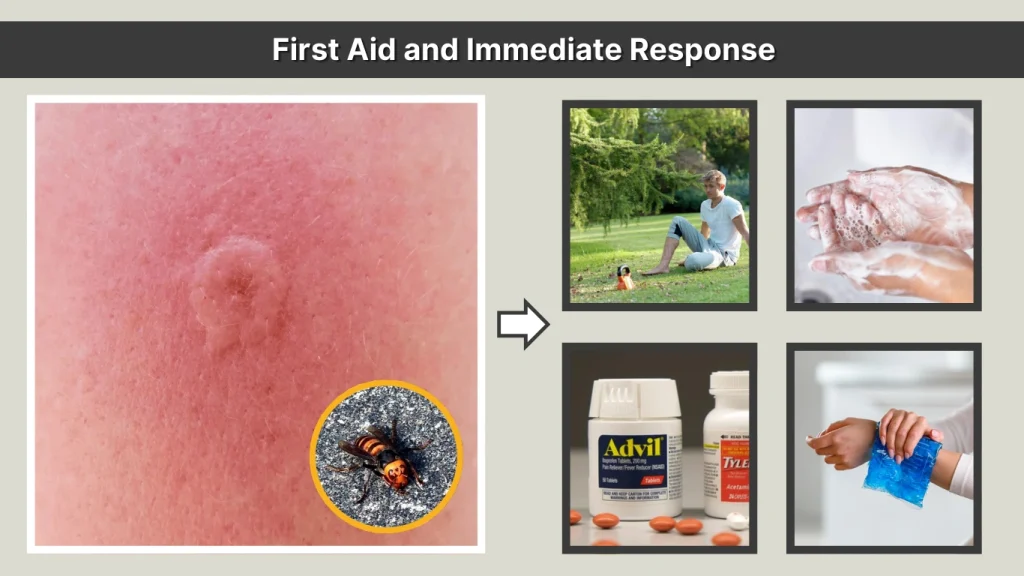
If stung by a Japanese giant hornet, the first step is to move away from the area to avoid further attacks. Wash the sting thoroughly with soap and water to reduce the risk of infection and remove surface venom. Applying a cold compress or ice pack can help minimize swelling and relieve pain. Keeping the affected limb elevated may also reduce fluid buildup.
Pain Relief and Home Care
For moderate stings, over-the-counter pain relievers such as ibuprofen or acetaminophen can help manage discomfort. Antihistamines may reduce itching and allergic swelling. Staying hydrated and resting allow the body to recover more efficiently.
What Not to Do
Some common mistakes can worsen the sting reaction. Do not squeeze or attempt to suck out venom, as this can spread toxins deeper into the skin. Avoid scratching the site, which increases infection risk. Most importantly, do not delay seeking medical help if symptoms escalate.
Medical Treatment Options
When to Seek Medical Help
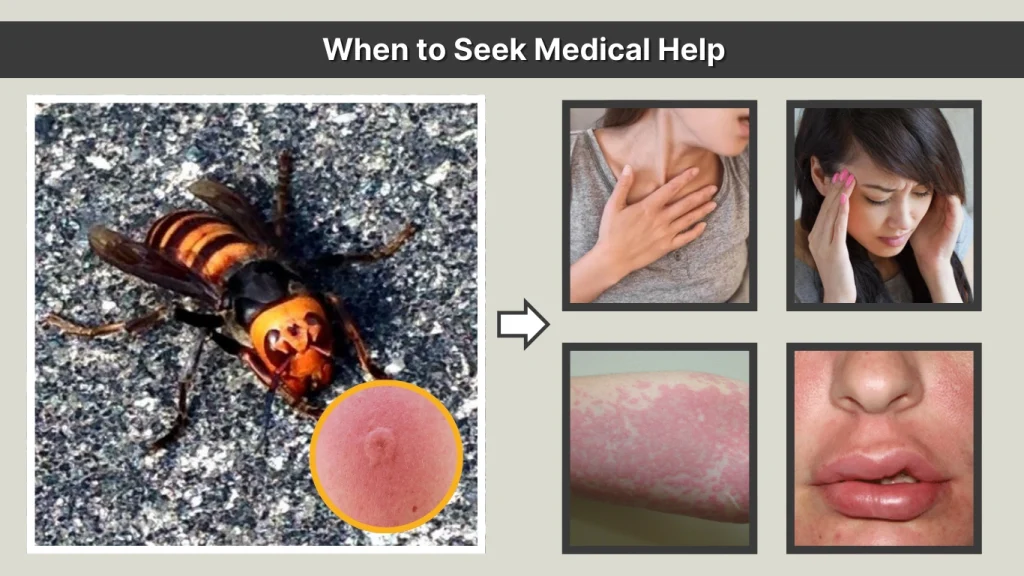
Not every sting requires a hospital visit, but certain warning signs demand immediate attention. Seek emergency care if you experience:
- Difficulty breathing or swallowing
- Chest tightness or dizziness
- Swelling of the face, lips, or throat
- Multiple stings at once
Even without an allergy, the venom’s toxicity can overwhelm the body, making medical monitoring crucial in severe cases.
Hospital and Clinical Care
In the hospital, doctors typically focus on stabilizing the patient. Epinephrine injections are the first line of treatment for anaphylaxis, helping to open airways and regulate blood pressure. Antihistamines and corticosteroids may be used to reduce swelling and immune overreaction. In cases of multiple stings, intravenous fluids are often given to support kidney function, while oxygen therapy helps maintain proper breathing. Blood tests may be performed to check for organ stress or damage.
Recovery Timeline
For mild stings, most symptoms subside within a few days. Swelling and pain usually improve within 48 hours, though redness may linger for up to a week. More severe stings may take one to two weeks for full recovery. In cases involving systemic complications, recovery can stretch over several weeks, requiring follow-up care and monitoring of organ health.
Prevention and Safety Measures
Avoiding Encounters
The best way to stay safe from Japanese giant hornets is to minimize contact in areas where they are active. These hornets usually avoid human activity but become aggressive if their nest is disturbed. When hiking or working outdoors in hornet-prone regions, wear long sleeves, pants, and closed shoes. Avoid wearing strong perfumes or bright colors that may attract hornets.
Emergency Preparedness
If you have a known insect venom allergy, always carry an epinephrine auto-injector and inform those around you of your condition. Tourists or field workers in Japan should familiarize themselves with nearby medical facilities in case of emergencies. For beekeepers and forest workers, protective gear and proper training on hornet safety are essential.
Japanese Giant Hornet vs Other Hornet Stings
Pain Comparison
On the Schmidt Pain Index, a widely cited scale for insect sting pain, the Japanese giant hornet ranks extremely high—often described as a sharp, burning sensation that can last longer than most wasp or bee stings. While not quite as high as the tarantula hawk wasp, it is still among the most painful stings known to humans.
Medical Risk
Compared to smaller hornets, the Japanese giant hornet delivers more venom per sting, increasing both the intensity of pain and the risk of systemic reactions. While a single sting is rarely fatal, multiple stings can release enough toxins to damage kidneys, liver, or nervous system. This makes swarming attacks especially dangerous.
Final Thoughts
The sting of the Japanese giant hornet is far more than a painful nuisance—it can pose serious health risks, especially in cases of multiple stings or allergic reactions. Knowing how to respond quickly, when to seek medical care, and how to avoid encounters altogether can significantly reduce the dangers associated with these hornets. Although they are formidable insects, fatal outcomes are rare when proper first aid and medical attention are applied promptly.
FAQs
How painful is a Japanese giant hornet sting compared to a bee sting?
The sting is considerably more painful than that of a bee. Victims often describe it as a hot nail being driven into the skin, with burning and throbbing pain that lasts for hours.
Can a single sting from a Japanese giant hornet kill a person?
While extremely painful, a single sting is unlikely to be fatal. However, people with severe allergies or compromised health may face life-threatening complications. Multiple stings carry a higher risk of toxic effects.
How long does swelling last after being stung?
Swelling usually peaks within the first 24 hours and gradually subsides over three to seven days. In severe cases, the swelling can extend across larger areas of skin and persist longer.
What should I do if I get multiple stings at once?
Move to safety immediately and seek emergency medical help. Multiple stings inject large amounts of venom, which can overwhelm the body’s organs. Hospital treatment is critical in such situations.
Are Japanese giant hornets aggressive toward humans?
They are not naturally aggressive and usually avoid people. However, if their nest is threatened, they can attack in swarms, making them dangerous when provoked.
