

Mud daubers are solitary wasps known for building tube-shaped nests from mud, often found clinging to the sides of buildings, garages, attics, and sheds. While these insects are generally non-aggressive and can even help by hunting spiders, their nests can become unsightly and, in rare cases, problematic—especially when built indoors or in high-traffic areas.
If you’re dealing with a growing number of these muddy tubes, it’s essential to know how to remove them properly and prevent them from coming back. This guide will walk you through safe removal steps, effective tools, natural repellents, and long-term prevention strategies to keep your home mud dauber-free.
Understood. Here’s a revised version of the next three sections with improved natural flow, balanced formatting, and selective use of list items only where truly helpful.
What Is a Mud Dauber Nest?
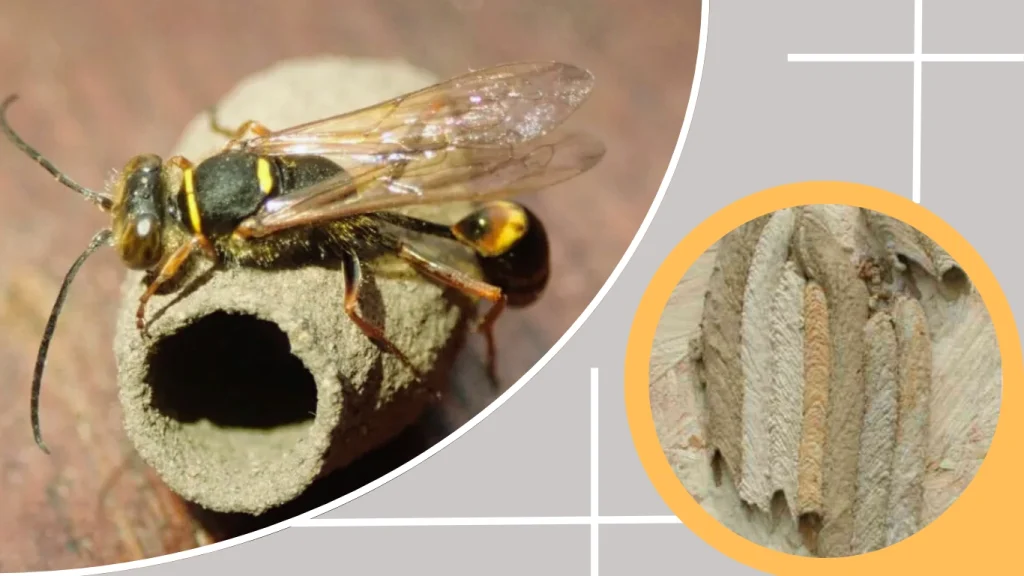
Mud dauber nests are small, earthy structures made from mud, typically built by solitary wasps in quiet, sheltered locations. Unlike the large papery nests of hornets, these are more subtle and often go unnoticed until they accumulate or appear in high-traffic areas.
Appearance and Structure
A typical mud dauber nest looks like a cluster of mud tubes or pipes stuck to a flat surface. The female wasp carries mud in her mandibles and carefully molds it into tube-shaped chambers. Over time, a nest may expand into a row of organ-pipe-like cylinders. These nests are often found under eaves, in corners of garages, attics, and sometimes even inside sheds.
Why Mud Daubers Build Nests
Mud daubers build their nests for reproduction. Inside each tube, the female stores several paralyzed spiders and lays a single egg. Once sealed, the chamber serves as both a nursery and food storage for the developing larva. Their nesting choices are guided by factors like dryness, warmth, and lack of disturbance.
Is It Safe to Remove a Mud Dauber Nest?

In most cases, removing a mud dauber nest is safe—especially compared to dealing with aggressive wasp species. However, certain precautions and timing considerations are essential.
Are Mud Daubers Dangerous?
These wasps are not aggressive and rarely sting. They typically fly alone and do not defend their nests. You can often observe a mud dauber flying calmly near its nest without any signs of agitation. If left alone, it won’t cause harm—but their nests can become an eyesore or block vents and equipment.
When to Avoid Removal
Try not to remove a nest during peak daylight hours when the wasp may be active. Early morning or just after sunset are safer times. Also, avoid any attempt at removal if you’re unsure whether the nest is active or if you have a known allergy to insect stings. In such situations, it’s better to call a pest control expert.
Tools and Supplies Needed for Nest Removal
Before starting the removal process, it helps to be prepared with the right tools—not just for your safety, but also to ensure the job is thorough and clean.
Start with protective clothing. A long-sleeved shirt, gloves, and safety goggles offer basic protection. If you’re working in a dusty attic or dealing with dried-out nests, a dust mask is also helpful.
A putty knife or scraper is usually enough to dislodge the nest from the surface. Be sure to have a trash bag or sealed container nearby to dispose of it immediately. If the nest is high up, use a sturdy ladder and take extra care when climbing.
For finishing up, soap and water will help remove remaining residue. You can also spray a mild bleach solution to eliminate any scent trails that could attract new wasps in the future. In cases where the nest might be active, keep a wasp spray handy—but use it only as a last resort.
How to Get Rid of a Mud Dauber Nest (Step-by-Step)

Removing a mud dauber nest isn’t complicated, but doing it safely and thoroughly is important. With proper timing and technique, you can eliminate the nest without causing harm to yourself or damaging your property.
Step 1: Confirm the Nest is Inactive
Before touching the nest, observe it from a safe distance. Look for any wasp activity—mud daubers usually come and go during the day. If you see movement, wait until early morning or late evening when the wasps are less active or have returned to rest. If you’re unsure, lightly tapping near the area may help assess activity, but avoid disturbing the nest directly.
Step 2: Use Spray If Needed
If the nest is still active and you’re concerned about stings, a wasp insecticide spray may be used. Choose a long-range spray and apply it directly to the nest entrance. Let it sit for 24 hours. This step is optional and should only be used when necessary, especially if you plan to remove the nest the same day. Here 7 Best Mud Wasp Nest Removal Products You Can Use Easily.
Step 3: Physically Remove the Nest
Once you’re confident there’s no activity, gently use a putty knife or scraper to loosen the nest from the wall or ceiling. Try to keep the area around the nest intact to avoid surface damage. Carefully drop the detached nest into a sealed plastic bag or container for disposal. If the nest crumbles, sweep the debris using a dustpan and discard it completely.
How to Prevent Mud Daubers from Returning
Getting rid of a nest is just the first step—long-term prevention is key to keeping these wasps away. Focus on making your home less attractive to them and blocking off their preferred nesting spots.
Seal Entry Points
Inspect your property for small gaps, holes, or open vents. Use caulk, mesh screens, or foam insulation to close off potential entryways. Pay special attention to eaves, garage corners, and attic vents where mud daubers typically seek shelter.
Minimize Attractants
Mud daubers prey on spiders, so reducing the spider population around your home will make the area less appealing. Clean webs regularly and use insect repellents near light fixtures where bugs often gather.
Try Natural Deterrents
Some homeowners find success using essential oil sprays—particularly peppermint or citrus blends—as a non-toxic way to deter mud daubers. Hanging fake wasp nests may also work, as territorial species avoid nesting near others. While not foolproof, these methods can reduce the likelihood of new nests forming.
Natural Repellents for Mud Daubers

For those who prefer eco-friendly or chemical-free options, natural repellents offer a practical alternative. While they may not guarantee full protection, they can help keep mud daubers from choosing your property as a nesting site.
A diluted peppermint oil spray is one of the most effective natural deterrents. Simply mix a few drops of peppermint essential oil with water and a bit of dish soap in a spray bottle. Apply it around eaves, door frames, and attic entry points once or twice a week during peak nesting seasons.
Vinegar-based sprays are another option. Although not as potent as peppermint, they can help deter insects in general. Diatomaceous earth sprinkled near potential entry points may also discourage crawling insects like spiders, thereby removing the mud dauber’s main food source.
These methods work best when combined with physical exclusion techniques and routine cleaning.
FAQs
Can I remove a mud dauber nest during the day?
It’s best to wait until early morning or late evening, when the wasps are less active or have returned to rest. Removing a nest during peak daytime hours increases the chance of disturbing active wasps and getting stung.
Do mud daubers reuse old nests?
Not usually. Once the larva has matured and left the chamber, the old nest is typically abandoned. However, other insects, such as cuckoo wasps or spiders, may take up residence in old mud dauber nests if they’re left intact.
What happens if I leave the nest alone?
If inactive, an old nest poses no threat. However, too many abandoned nests can be unsightly, clog vents, or encourage other insects to nest inside. It’s generally better to remove them once they’re empty.
Will mud daubers sting if I remove their nest?
Mud daubers are non-aggressive and unlikely to sting unless they feel directly threatened. Still, it’s wise to wear protective clothing and ensure the nest is inactive before removal to avoid any risks.
Are mud daubers beneficial insects?
Yes. Despite their odd appearance and nesting habits, mud daubers help control spider populations. If their nests are not in problematic locations, some homeowners choose to leave them alone.
