

Got stung by a wasp and wondering how long the pain, swelling, or itching will last? You’re not alone. A wasp sting can hurt instantly and may continue to bother you for days. The symptoms often start with a sharp sting, followed by redness, swelling, and itching. But how long does it all stick around?
In this guide, we’ll break down what to expect day by day—how long each symptom lasts and what you can do to feel better faster.
How Long Does a Wasp Sting Hurt?

What to Expect in the First 24 Hours
Right after a wasp sting, you’ll likely feel a sharp, burning pain at the site. This pain is caused by venom that affects your skin and nerve endings. For most people, the pain is strongest during the first 15 to 30 minutes and then slowly fades. Some may feel a dull, throbbing ache or tenderness in the area for several hours.
When Pain Begins to Ease
In most cases, wasp sting pain begins to ease within 2 to 3 hours. If you apply ice or take a pain reliever like ibuprofen, the discomfort often goes away even sooner. For people who are more sensitive, mild soreness or tenderness might last up to 24 hours, especially if the sting was on a sensitive part of the body like the hand, foot, or face. If pain lasts longer than a day or becomes severe, it could be a sign of a reaction or infection.
How Long Does Swelling from a Wasp Sting Last?

Normal Swelling Duration
Swelling usually begins within minutes after a wasp sting. It may look like a red, raised bump or a larger, firm area around the sting site. For most people, the swelling is mild and goes away within 1 to 3 days. However, if you had a larger local reaction, the swelling can spread several inches and last up to 5 or even 7 days.
What Affects Swelling Time?
Several factors can affect how long the swelling lasts—these include your body’s sensitivity, whether it’s your first sting, the location of the sting, and how quickly you applied treatment. Scratching the area can make swelling worse or cause it to last longer. People with allergies or sensitive skin may also notice more severe or longer-lasting swelling.
How Long Does Itching from a Wasp Sting Last?
Common Itching Timeline
Itching often starts a few hours after the initial pain fades. This is a normal part of your immune system reacting to the venom. For many people, the itching is mild and lasts around 2 to 3 days. In some cases, it can stick around for 5 to 7 days, especially if the area is scratched or irritated.
How to Reduce Itching
To ease the itch, you can apply a cold compress, take an over-the-counter antihistamine, or use hydrocortisone cream. Keeping the sting site clean and avoiding scratching is important. Scratching can break the skin, lead to infection, and prolong both the itch and healing time.
How Long Does a Wasp Sting Stay Swollen?
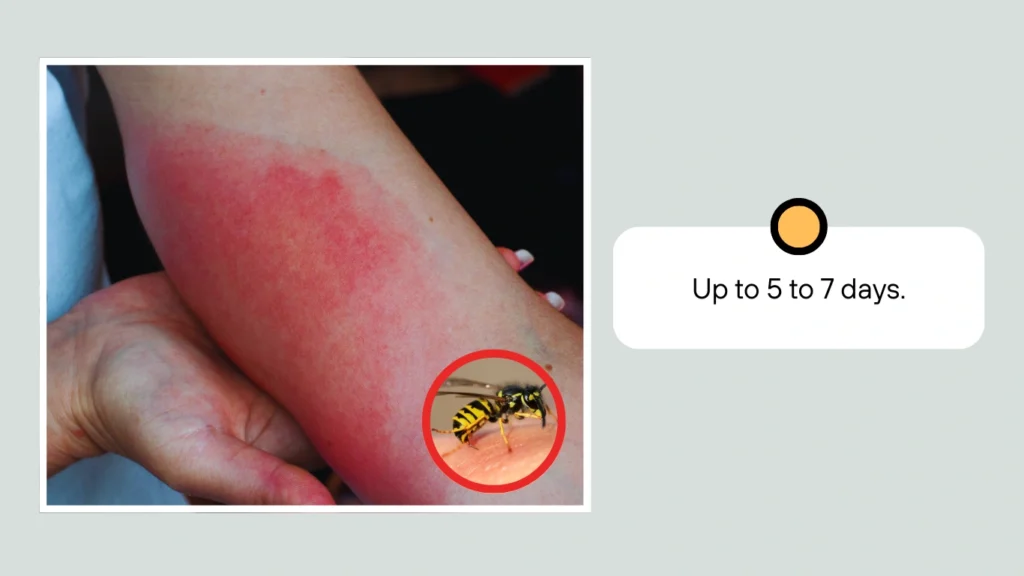
Mild to Moderate Swelling
In mild cases, swelling peaks within the first few hours and begins to fade after 24 to 48 hours. Most people notice a steady improvement within 2 to 3 days.
Large Local Reactions
If you experience a large local reaction, the swelling may last longer—up to 5 to 7 days. It might spread several inches from the sting site but should gradually go down without medical treatment.
When to See a Doctor
If the swelling continues to increase after the third day, becomes hard or warm to the touch, or is accompanied by pus or fever, it could be a sign of infection or an allergic reaction. Seek medical advice in such cases.
How Long Does It Take for a Wasp Sting to Go Away Completely?
Full Recovery Timeline
For most people, the entire reaction from a wasp sting resolves in 3 to 7 days. Pain and redness usually go away first, followed by swelling and itching.
Lingering Skin Marks
Even after the swelling and itch disappear, a small mark or discoloration may stay for up to two weeks, especially if you scratched the area or had a larger reaction.
What If It’s Not Healing?
If symptoms last longer than a week or get worse, you should talk to a doctor. Some people develop delayed reactions or skin infections that require treatment.
When to Be Concerned
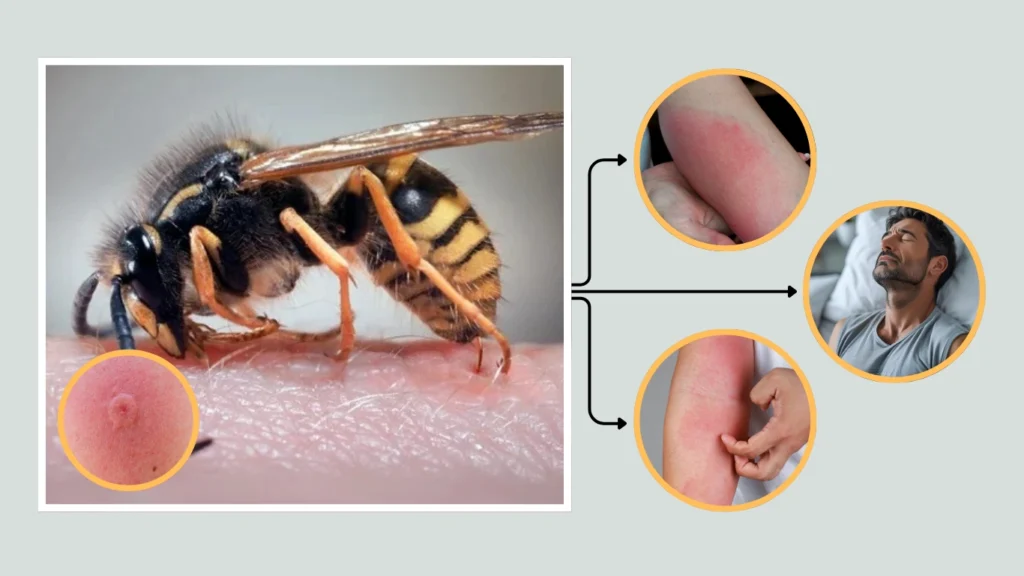
Signs of Serious Reaction
Not all wasp stings are harmless. You should be concerned if you notice swelling in areas far from the sting site (like your face or throat), trouble breathing, dizziness, or rapid heartbeat. These may be signs of a serious allergic reaction called anaphylaxis.
Signs of Infection
Redness that keeps spreading, pain that increases instead of fading, pus, or fever may indicate an infection. In this case, medical attention is needed as antibiotics may be required.
Multiple Stings or Face/Neck Stings
If you were stung many times or on a sensitive area like the face, mouth, or throat, the risk of complications is higher. It’s best to seek medical advice even if symptoms seem mild at first.
How to Speed Up Wasp Sting Healing
Immediate First Aid
Right after getting stung, wash the area gently with soap and water to remove any venom on the surface. Apply a cold compress or ice pack for 10–15 minutes at a time to reduce pain and swelling. Elevating the area, if possible, also helps limit swelling.
Over-the-Counter Relief
You can use pain relievers like ibuprofen for discomfort and swelling. For itching, apply hydrocortisone cream or take an antihistamine like diphenhydramine. Avoid scratching to prevent further irritation or infection.
Keep the Area Clean
Change bandages daily if you’ve covered the sting. Avoid tight clothing over the area and don’t apply any unknown creams or home remedies that could cause irritation. Let the skin breathe while staying clean and dry.
How Long Does a Wasp Sting Itch?
Itching Timeline
Itching usually begins within a few hours of the sting, once the initial pain subsides. This symptom is part of your body’s reaction to the venom. For most people, the itch fades within 2 to 5 days. However, it may last up to 7 days in sensitive individuals or if the sting was scratched frequently.
Managing the Itch
Use an ice pack to soothe the area. Over-the-counter anti-itch creams like calamine or hydrocortisone can also help. Oral antihistamines reduce overall allergic responses and control severe itching. The key is to avoid scratching, which only makes itching worse and delays healing.
How Long Does a Wasp Sting Take to Heal?
Complete Healing Time
A simple wasp sting usually heals in 3 to 7 days without complications. Larger or more sensitive reactions may take up to 10 days. The outer skin may remain slightly red or discolored even after symptoms fade.
Factors That Affect Healing
Healing depends on where you were stung, how well you treat the area, and your personal skin sensitivity. Scratching, infection, or delayed treatment can all make healing slower. Using proper first aid right away often results in quicker recovery.
When Healing Takes Too Long
If the area stays swollen, itchy, or red beyond a week—or if new symptoms appear—get it checked by a healthcare provider. Some stings can develop secondary infections or cause delayed allergic reactions.
FAQs
How long does a wasp sting usually hurt?
The pain from a wasp sting is sharp and immediate. For most people, it fades within a few hours. Some mild soreness may continue for up to 24 hours, depending on the sting location and personal sensitivity.
Why is my wasp sting still swollen after 3 days?
Swelling typically lasts 1 to 3 days, but in cases of a large local reaction, it may last up to 5–7 days. If the swelling keeps increasing after 3 days or becomes painful and warm, it could indicate an infection.
Is it normal to itch a week after a wasp sting?
Yes, itching can persist for up to 7 days, especially if you have sensitive skin or scratched the area a lot. Using antihistamines and anti-itch creams can help manage discomfort and promote healing.
How long does it take a wasp sting to fully heal?
Most wasp stings heal in 3 to 7 days. Larger reactions may take 10 days or more. The area may stay slightly discolored or dry even after symptoms disappear.
