
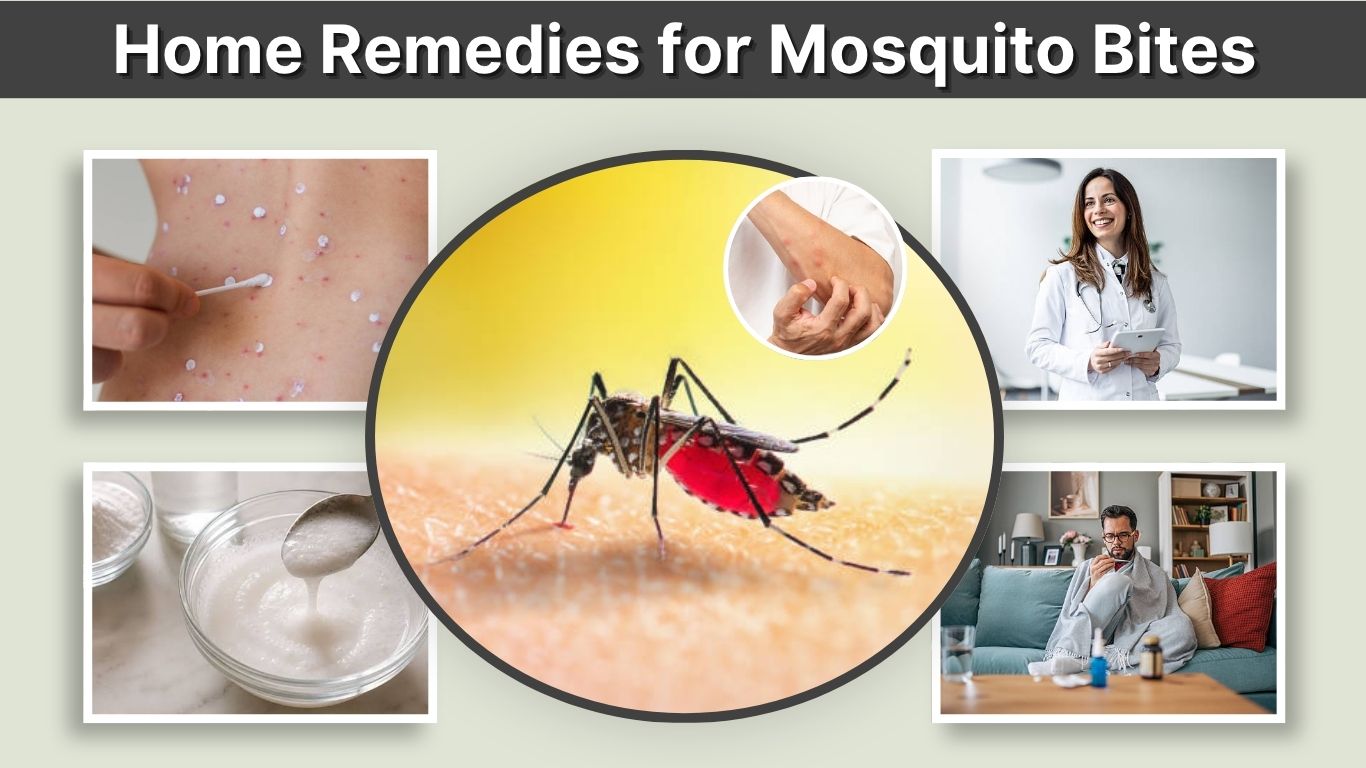
Mosquito bites can quickly turn a relaxing outdoor experience into hours of uncomfortable itching, redness, and swelling. Fortunately, several simple home remedies for mosquito bites can help relieve irritation without requiring complicated treatments. Cold compresses, baking soda paste, and common over-the-counter products may provide relief from itchy mosquito bites. However, not every popular natural remedy is safe or effective for sensitive skin. This guide explains eight practical ways to treat mosquito bites at home, reduce swelling, stop scratching, and recognize when medical attention may be necessary.
Why Do Mosquito Bites Itch and Swell?
Mosquito bites occur when female mosquitoes pierce the skin to obtain blood. During feeding, they introduce saliva containing substances that help them draw blood. The immune system responds to this saliva, causing itching, redness, and swelling. Although most reactions are mild, some people develop larger bumps or experience more persistent irritation.
What Causes the Itching?
The immune system releases chemicals, including histamine, in response to mosquito saliva. These chemicals contribute to inflammation and the familiar itchy sensation.
Some people develop small bumps that disappear relatively quickly, while others experience redness and swelling lasting several days. Children may have stronger local reactions because their immune systems respond differently to mosquito saliva.
8 Best Home Remedies for Mosquito Bites
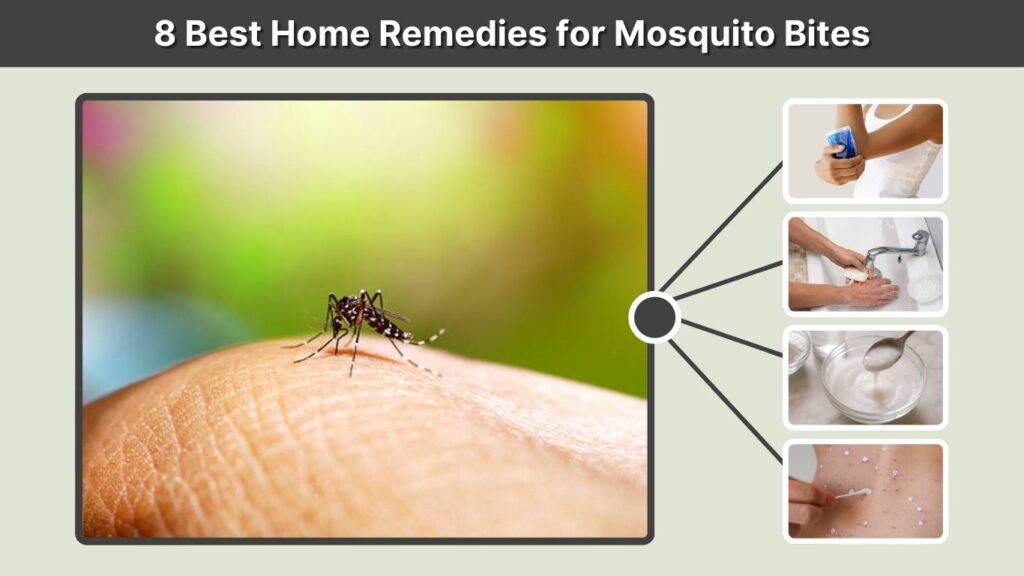
The best home remedies for mosquito bites focus on reducing itching, calming inflammation, and protecting irritated skin. Some treatments require only household supplies, while others use inexpensive pharmacy products. According to the CDC and Mayo Clinic, washing the affected area, applying cold compresses, and using appropriate anti-itch treatments can help manage common mosquito bite symptoms.
1. Apply a Cold Compress
A cold compress is one of the simplest home remedies for itchy mosquito bites. Cool temperatures temporarily reduce the sensation of itching and help relieve inflammation.
Wrap an ice pack in a thin towel or soak a clean washcloth in cold water. Apply it to the bite for approximately 10 minutes, then remove it.
Repeat when necessary, allowing the skin to warm between applications. Never place ice directly against the skin for extended periods because excessive cold can damage delicate tissue.
2. Wash the Bite With Soap and Water
Cleaning a mosquito bite is an important first step in home treatment. Although washing does not directly eliminate the allergic reaction, it removes dirt and helps reduce the risk of infection.
Use mild soap and clean, lukewarm water to wash the affected area gently.
Pat the skin dry with a soft towel rather than rubbing it. Avoid harsh soaps or excessive scrubbing because these may worsen irritation.
Keeping the skin clean is particularly important if the bite has been scratched.
3. Try a Baking Soda Paste
Baking soda paste is a traditional home remedy that the CDC lists as an option for relieving mosquito bite itching.
To prepare a simple paste:
- Mix one tablespoon of baking soda with enough water to form a paste.
- Apply a small amount directly to the mosquito bite.
- Leave it on for approximately 10 minutes.
- Rinse thoroughly with clean water.
Stop using the mixture if irritation develops. Avoid applying it to broken skin. Because clinical evidence is limited and some medical guidelines discourage homemade treatments, cold compresses remain a more dependable first choice.
4. Use Calamine Lotion
Calamine lotion is a common over-the-counter treatment for itchy skin. It can provide temporary soothing relief from mosquito bites.
Apply a thin layer to the affected area according to the product instructions. Allow the lotion to dry naturally before covering the skin with clothing.
Calamine may be particularly helpful when multiple bites affect the arms or legs.
Avoid contact with the eyes and mouth. Ask a healthcare professional before using medicated products on very young children or unusually sensitive areas.
5. Apply Hydrocortisone Cream
Over-the-counter 1% hydrocortisone cream can help relieve itching, redness, and inflammation caused by mosquito bites.
Apply a thin layer to the irritated area according to the product label. Hydrocortisone works by reducing the skin’s inflammatory response.
It may be useful when itching continues despite cold compresses and gentle cleaning.
Avoid using it on infected or broken skin, near the eyes, or for prolonged periods without medical advice. Check with a healthcare professional before using it on infants or young children.
6. Consider an Oral Antihistamine
An oral antihistamine may help when mosquito bites cause widespread or persistent itching.
Medicines such as cetirizine or loratadine reduce the effects of histamine, which contributes to itching and swelling.
Follow the package directions and choose an age-appropriate product. Some antihistamines can cause drowsiness or interact with other medications.
Ask a pharmacist or healthcare professional before giving antihistamines to children, particularly very young children.
These medications offer symptom relief but do not treat mosquito-borne infections.
7. Apply Gentle Pressure to the Bite
Applying gentle, steady pressure is another simple way to temporarily reduce itching.
Use a clean fingertip to press directly against the itchy bump for approximately 10 seconds. Release the pressure and repeat if necessary.
This technique may temporarily change how the itching sensation is perceived.
Avoid pressing hard enough to break the skin, and never use sharp objects to scratch or puncture the bump.
Although the relief may be brief, this method provides an alternative to repeated scratching.
8. Elevate the Swollen Area
If a mosquito bite causes noticeable swelling on an arm or leg, elevating the affected area may help relieve discomfort.
Rest the arm or leg comfortably on a pillow so that it is raised while you relax.
Combine elevation with a cold compress for additional relief.
This approach is especially useful when a bite causes localized puffiness or tenderness. However, rapidly increasing swelling, severe pain, or widespread symptoms require medical evaluation rather than continued home treatment.
How to Stop Mosquito Bites From Itching
Persistent itching is often the most frustrating part of a mosquito bite. Although the irritation normally improves naturally, repeatedly scratching the skin can prolong discomfort and increase the chance of infection. Consistent aftercare and avoiding unnecessary skin irritation are important for recovery.
Avoid Scratching the Bite
Scratching may temporarily feel satisfying, but it can damage the skin and introduce bacteria into the area.
To reduce scratching:
- Keep fingernails short and clean.
- Apply a cold compress when itching becomes intense.
- Wear loose clothing over irritated areas.
- Use an appropriate anti-itch treatment when needed.
If children frequently scratch their bites, keeping their nails trimmed can help prevent skin injuries.
Keep the Skin Comfortable
Avoid hot showers, tight clothing, and heavily scented skincare products if they make the itching worse.
Choose gentle cleansing products and avoid repeatedly applying unfamiliar substances.
Most uncomplicated mosquito bites improve within a few days, although some reactions last longer. Patience and consistent skin care usually provide better results than frequent experimentation with different home mixtures.
Home Remedies for Mosquito Bites You Should Avoid
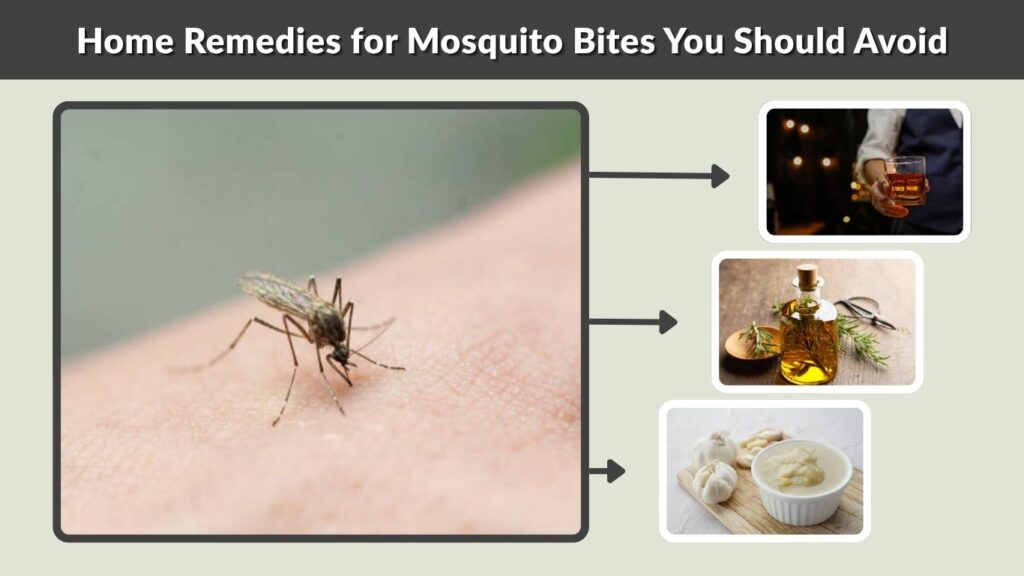
Many popular mosquito bite remedies circulate online, but some offer little proven benefit and may irritate the skin. Ingredients commonly found in kitchens or bathrooms are not automatically safe for application to inflamed skin.
Why Toothpaste and Vinegar Are Not Recommended
Toothpaste contains ingredients designed for cleaning teeth rather than soothing irritated skin. Applying it to mosquito bites may cause dryness, burning, or additional irritation.
Similarly, undiluted vinegar and lemon juice can sting sensitive or broken skin. Lemon juice may also cause skin reactions when exposed to sunlight.
Other Remedies to Use With Caution
Avoid experimenting with the following products:
- Rubbing alcohol: May dry out and irritate already sensitive skin.
- Undiluted essential oils: Can trigger contact dermatitis or allergic reactions.
- Garlic paste: May cause significant irritation or chemical burns.
- Strong homemade mixtures: Can worsen inflammation without providing reliable relief.
Use established skin-care treatments instead of harsh household ingredients.
When Should You See a Doctor for Mosquito Bites?
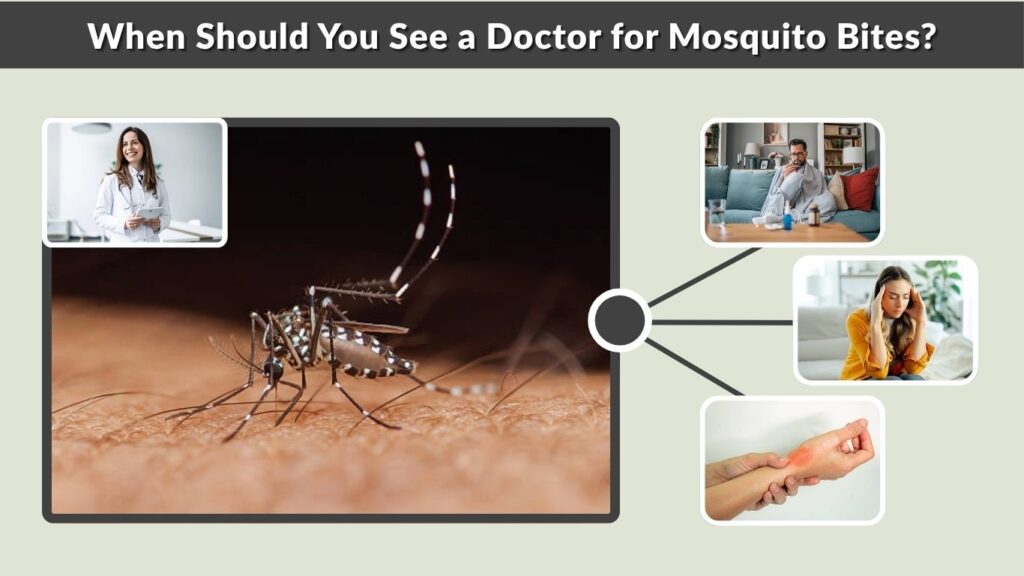
Most mosquito bites are harmless and improve with basic home care. However, intense swelling, infection, and allergic reactions sometimes require medical attention. A few mosquito species can also transmit infectious diseases, so symptoms beyond a typical itchy bump should never be ignored.
Signs of Infection or Severe Reaction
Seek medical advice if you notice:
- Increasing redness, warmth, tenderness, or swelling.
- Pus or fluid draining from the bite.
- Red streaks spreading away from the affected area.
- A large, painful reaction that continues worsening.
- Fever, headache, or body aches following mosquito exposure.
A large allergic swelling reaction, sometimes called skeeter syndrome, can resemble an infection and may require professional assessment.
Trouble breathing, throat swelling, or fainting requires immediate emergency medical care.
FAQs
1. What Is the Best Home Remedy for Mosquito Bites?
A cold compress is one of the most reliable home remedies for mosquito bites. Apply a cloth-wrapped ice pack for approximately 10 minutes to reduce itching and swelling. Hydrocortisone cream may provide additional relief when itching persists.
2. How Can You Stop Mosquito Bites From Itching Quickly?
Wash the affected skin with mild soap and water, then apply a cold compress. Avoid scratching because it can worsen irritation. Calamine lotion or an appropriate anti-itch cream may provide additional relief from persistent itching.
3. Can Home Remedies Reduce Mosquito Bite Swelling?
Yes. Cold compresses can reduce inflammation and temporarily relieve swelling. Elevating an affected arm or leg may also improve comfort. However, severe or rapidly worsening swelling should be assessed by a healthcare professional.
4. Are Home Remedies for Mosquito Bites Safe for Babies?
Gentle washing and a brief cool compress may help soothe a baby’s mosquito bite. Avoid applying baking soda mixtures, essential oils, or medicated creams without professional guidance. Contact a pediatrician for significant swelling, fever, or unusual symptoms.
5. How Long Do Mosquito Bites Take to Heal Naturally?
Most uncomplicated mosquito bites improve within several days, although itching or swelling can sometimes last longer. Avoiding scratching, cleaning the skin, and using suitable anti-itch treatments can improve comfort while the body’s inflammatory reaction settles.
