
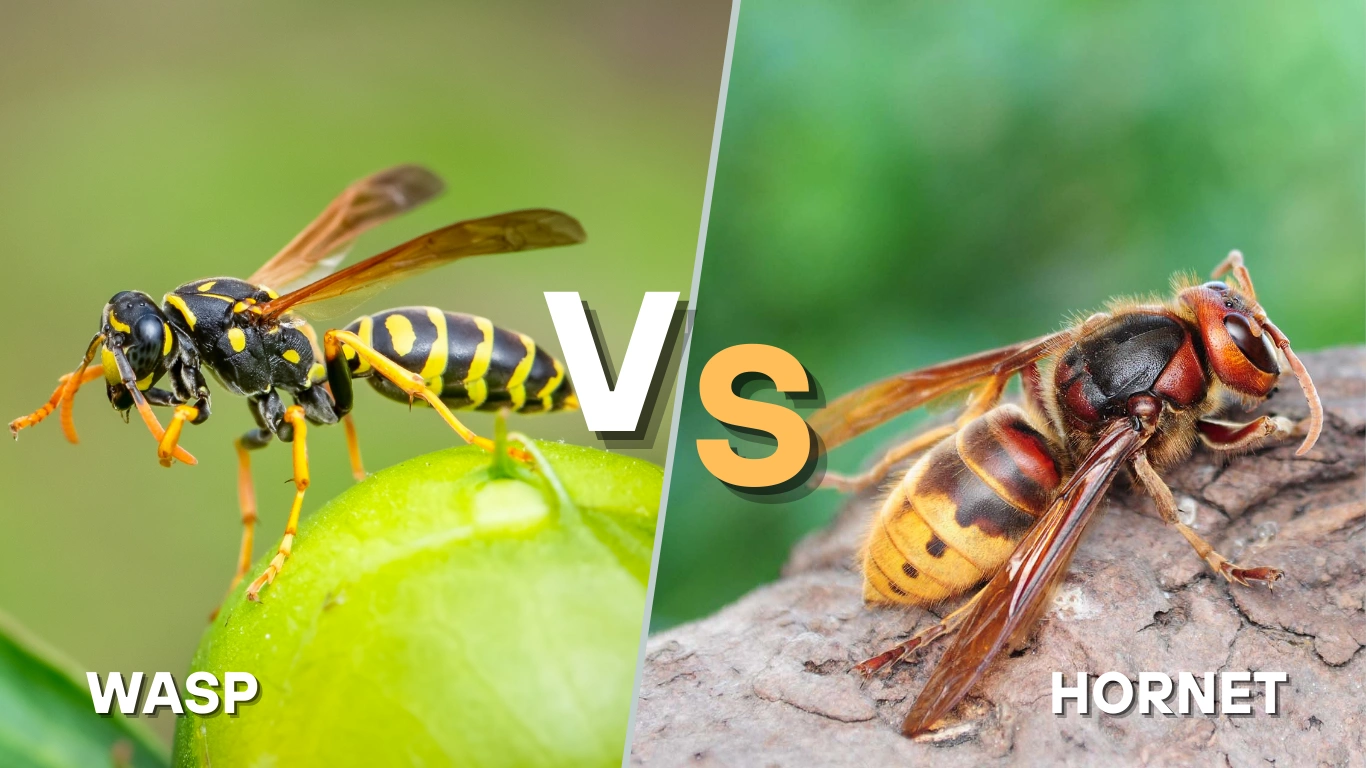
At first glance, wasps and hornets might seem like the same buzzing menace that ruins outdoor picnics and makes people sprint in fear. But while they belong to the same insect family, Vespidae, there are clear distinctions between them. Understanding how wasps and hornets differ can help you identify what you’re dealing with—and how to respond safely. Let’s explore the seven key differences between a wasp and a hornet.
1. Size and Appearance

One of the easiest ways to tell a hornet from a wasp is by size and shape.
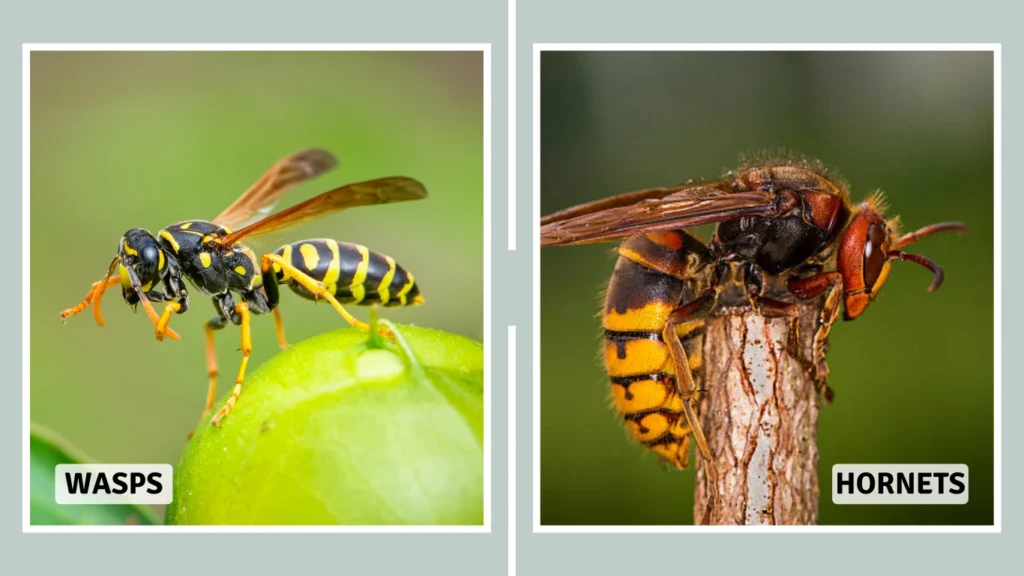
Hornets are generally larger than most wasps. A typical hornet ranges from 1 to 1.5 inches long, while many common wasps are between 0.5 to 1 inch. Their bulkier bodies and broader heads make hornets look more robust and intimidating.
Hornets also have a wider thorax, a rounded abdomen, and often appear less sleek than their wasp cousins. Most wasps, especially yellowjackets, have a narrow “waist” and a shinier, slimmer build. While both may display black and yellow coloring, some hornets—like the European hornet—have reddish-brown tones mixed with their stripes, adding to their unique appearance.
2. Behavior and Aggression
Hornets tend to be more aggressive than regular wasps, especially when defending their nests. A hornet will readily sting if it senses a threat nearby and may even release an alarm pheromone to alert other hornets. This can result in multiple stings from a swarm.
Wasps, on the other hand, can also be territorial, especially yellowjackets, but they generally do not attack unless provoked or defending their colony. However, certain wasp species may become more aggressive in late summer when food is scarce, making them more of a nuisance during outdoor gatherings.
In short, while both insects will sting, hornets are more likely to initiate an attack—particularly in defense mode.
3. Sting Power and Pain Level

Both hornets and wasps possess stingers capable of delivering painful blows—but the experience differs slightly.
Hornet stings tend to be more painful than typical wasp stings. This is partly due to the larger amount of venom they inject and the specific chemicals found in their venom, including acetylcholine and serotonin. Some people describe a hornet sting as a burning or throbbing pain that lingers longer.
Wasps, especially yellowjackets, still pack a punch. They can sting multiple times and may be aggressive if food or sweet drinks are around. But overall, hornet stings are considered more severe in both sensation and allergic response potential.
4. Nest Location and Structure
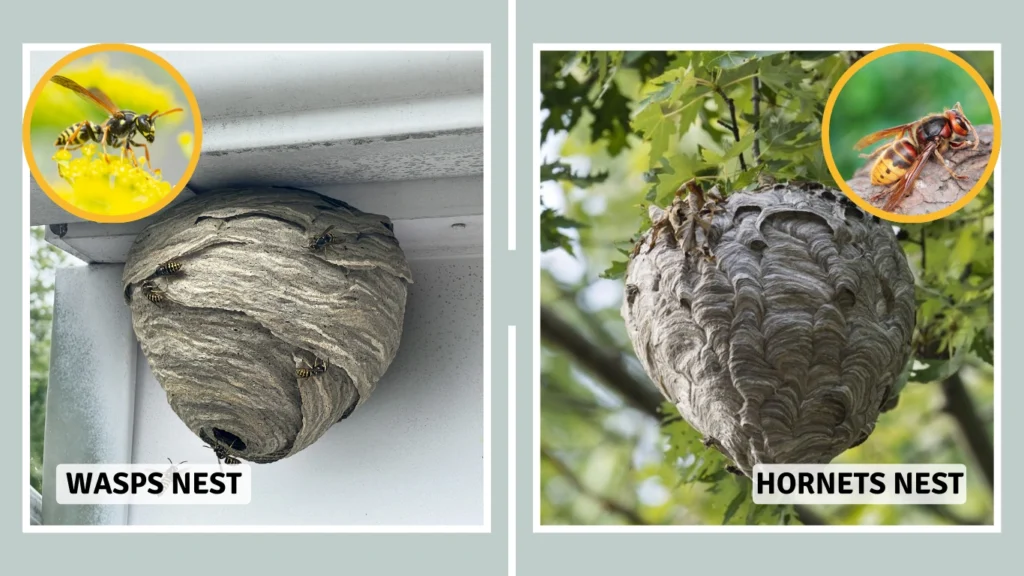
Both hornets and wasps build paper-like nests by chewing wood into a pulp. However, their nest locations and shapes differ.
Hornets usually build large, football-shaped nests in trees, shrubs, or under overhangs like roofs and eaves. These nests are typically above ground and can house hundreds of hornets in a single colony. Their nests have a smooth exterior and a noticeable entrance hole.
Wasps, particularly yellowjackets, often build underground nests, inside wall cavities, or in sheltered areas like attics. Their nests may be less visible and sometimes harder to detect until disturbed.
The size also differs—hornet nests are typically larger, while wasp nests vary depending on the species and colony age.
5. Diet and Feeding Behavior

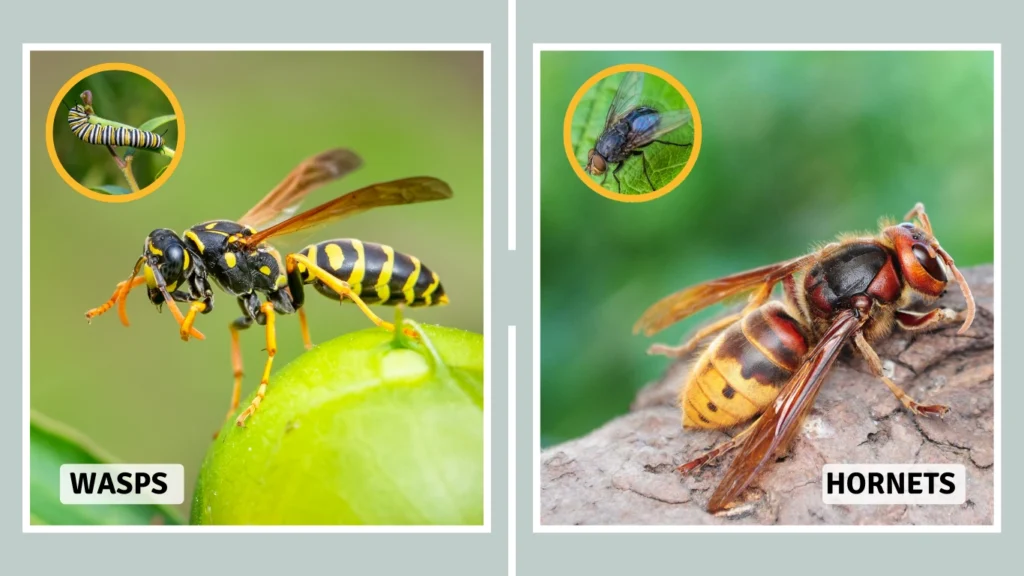
Both wasps and hornets are omnivores, but hornets lean more toward being predators, while many wasps exhibit scavenging behavior.
Hornets feed primarily on live prey such as flies, caterpillars, grasshoppers, and other insects. They are effective hunters and play a role in controlling pest populations.
Wasps also feed on insects, but they often scavenge for sugary substances—especially in late summer. If you’ve ever had wasps swarm your soda or fruit salad during a picnic, you’ve seen this behavior firsthand.
Hornets, on the other hand, are less likely to bother humans for sugary food and more interested in hunting for protein sources to feed their larvae.
6. Geographic Distribution and Types

Not all regions have hornets, but wasps are practically everywhere.
Hornets are less widespread, with the European hornet being the only true hornet species in North America. In contrast, there are hundreds of wasp species found around the world, including yellowjackets, paper wasps, and mud daubers.
Wasps thrive in both urban and rural areas, nesting in walls, gardens, roofs, or underground. Hornets are more selective and typically nest in wooded areas, high in trees, or undisturbed corners of structures.
In recent years, invasive hornet species like the Asian giant hornet (often misnamed “murder hornet”) have caused concern due to their large size and predatory behavior toward honeybees.
7. Role in the Ecosystem
While both hornets and wasps may seem like pests, they play important roles in nature.
Hornets are excellent insect predators. By feeding on flies, moths, and other pests, they help keep harmful insect populations in check. Their aggressive hunting behavior makes them natural pest controllers, particularly in forests and gardens.
Wasps also contribute to pest control, especially during the early part of summer. Additionally, some wasp species, like paper wasps, are also minor pollinators. As they move from plant to plant, they inadvertently transfer pollen—although not as effectively as bees.
However, their attraction to sugary human foods in late summer makes them more of a nuisance to people, unlike hornets, which generally keep their distance unless disturbed.
Conclusion
Though hornets and wasps belong to the same family, their differences are clear once you observe their size, behavior, sting, diet, and nest structure. Hornets are bigger, more aggressive, and more powerful in their sting, while wasps are more diverse and more likely to be found in your home or garden.
Both insects deserve a place in nature—despite their fearsome reputation. Whether you’re trying to avoid stings or simply better understand the insects buzzing around, knowing these differences can help you coexist with them more safely and wisely.
