
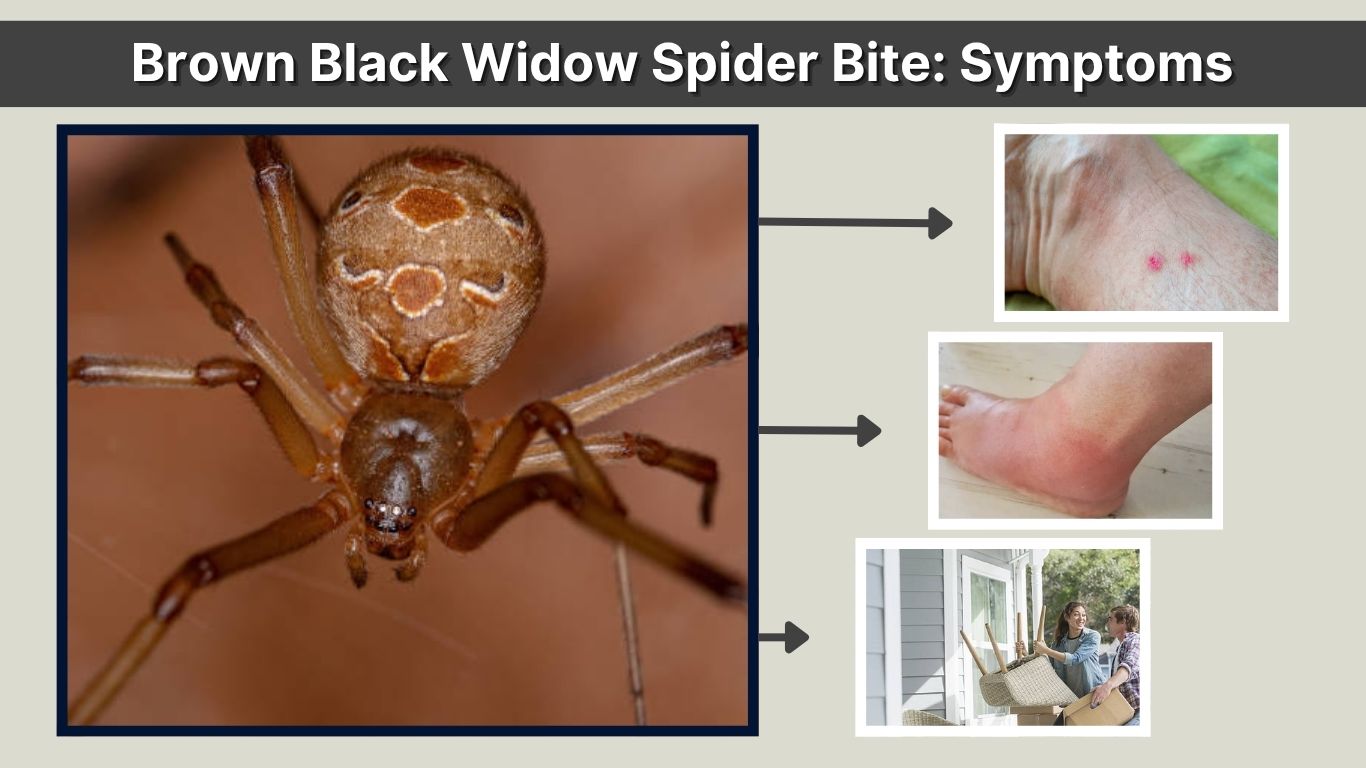
A brown black widow spider bite is often misunderstood because people tend to associate all widow spiders with severe danger. In reality, the brown widow is a related species that usually causes milder symptoms than its black counterpart. Understanding how to identify the spider, recognize bite symptoms, and respond correctly can help reduce unnecessary fear and ensure proper care.
Understanding the Brown Widow Spider
This section explains what the brown widow is and how it differs in appearance and behavior.
What Is a Brown Widow Spider?
The brown widow spider belongs to the Latrodectus genus, the same group as black widows. Despite this connection, it is generally less harmful to humans. It has adapted well to urban environments and is increasingly found in residential areas.
Key Identification Features
- Light brown to grayish body with mottled patterns
- Hourglass marking that is orange or yellow instead of bright red
- Long, slender legs with banding
- Distinctive spiky egg sacs (a key identifier)
Habitat and Distribution
Brown widow spiders prefer warm climates and are commonly found in outdoor spaces. They often hide in places where human activity is low.
- Under outdoor furniture
- Inside garages and sheds
- Around fences, woodpiles, and plant pots
They tend to avoid direct contact with humans and will usually only bite when disturbed.
Brown Widow vs Black Widow: Key Differences
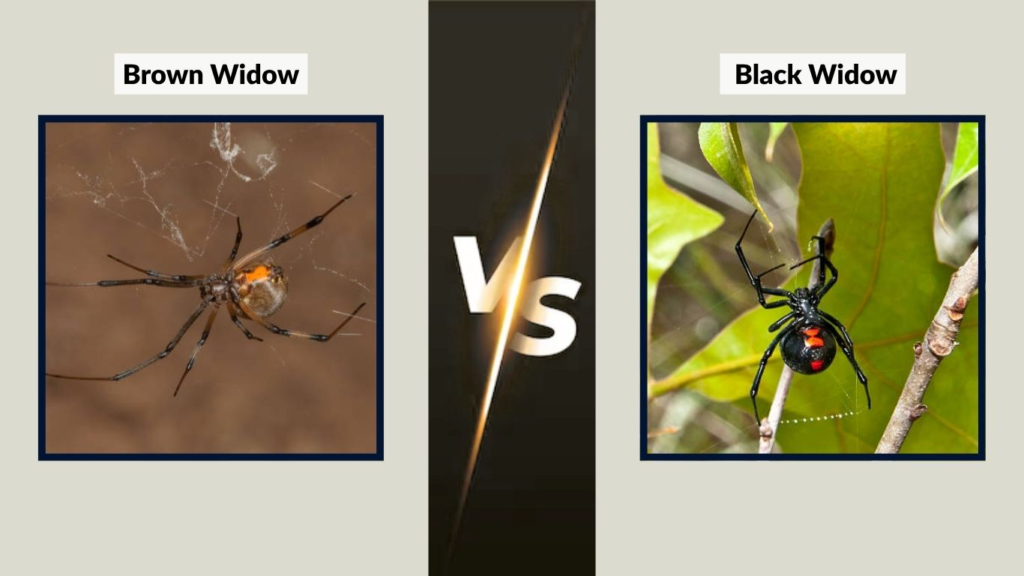
Many people confuse brown widows with black widows. This section highlights the differences to help readers better understand the risks.
Venom Potency Comparison
Although both spiders produce neurotoxic venom, the brown widow typically injects less venom during a bite. This makes its effects generally milder compared to a black widow bite.
Behavioral Differences
Brown widows are less aggressive and more likely to retreat when threatened. Black widows, while also not aggressive by nature, are more commonly associated with defensive bites.
Bite Severity Comparison
- Brown widow bites usually result in localized pain and mild symptoms
- Black widow bites are more likely to cause severe muscle cramps and systemic effects
Understanding these differences can help reduce panic if a brown widow bite is suspected.
Symptoms of a Brown Black Widow Spider Bite
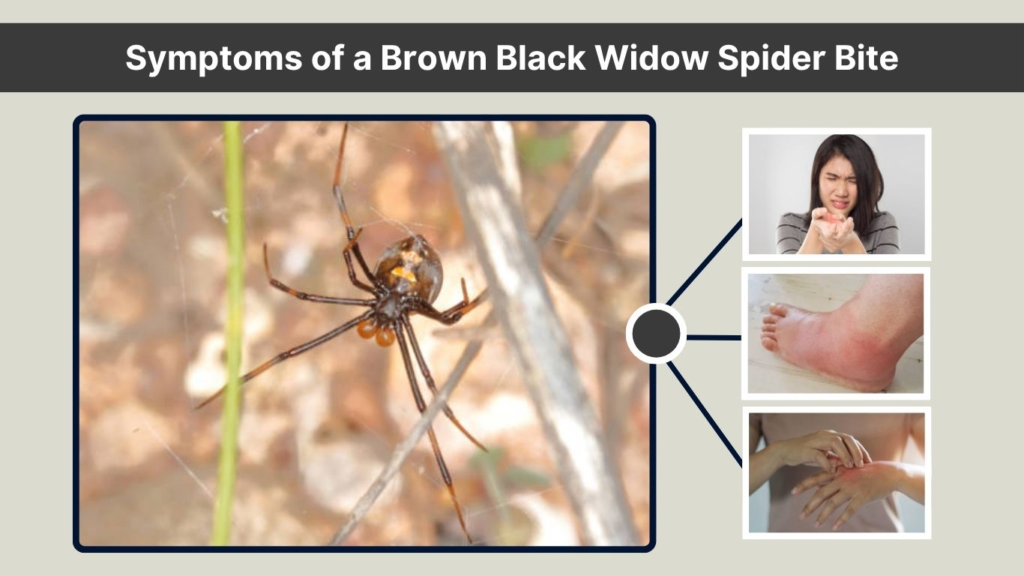
Symptoms can vary depending on the individual and the amount of venom injected. Most cases remain mild.
Early Symptoms
These symptoms usually appear shortly after the bite:
- Mild to moderate pain at the bite site
- Redness and slight swelling
- Burning or itching sensation
In many cases, the bite may feel similar to a bee sting.
Moderate Symptoms
As time progresses, some individuals may notice additional effects:
- Muscle discomfort or mild cramping
- Headache or general fatigue
- Nausea in some cases
These symptoms are typically manageable and do not last long.
Severe Symptoms (Rare Cases)
Although uncommon, more serious symptoms can occur, especially in sensitive individuals.
- Intense muscle cramps
- Abdominal pain or stiffness
- Sweating and increased heart rate
If these symptoms appear, medical attention is recommended.
What Does the Bite Look Like?
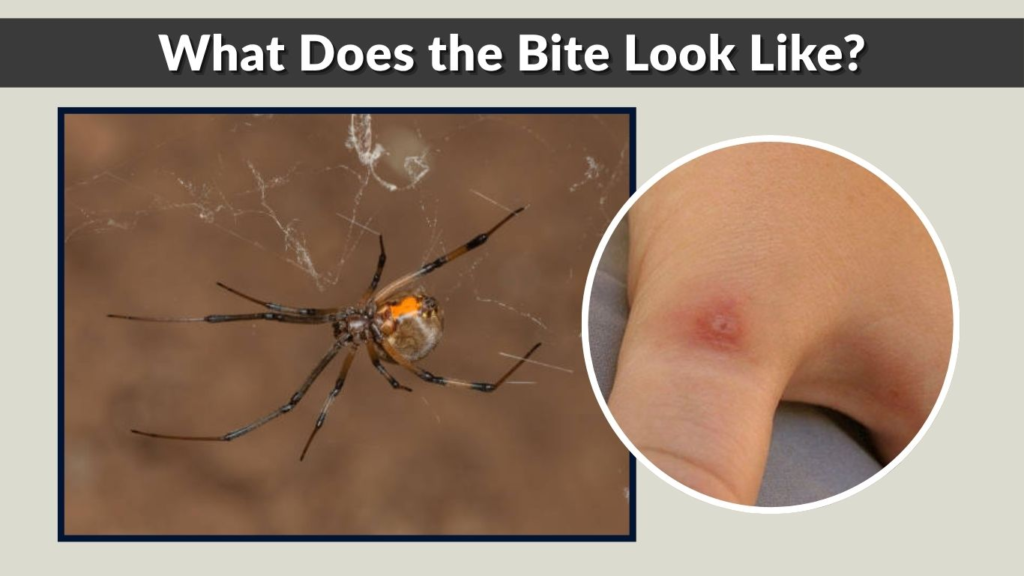
Identifying a spider bite based on appearance alone can be difficult, but there are some common signs.
Physical Appearance of the Bite
A brown widow bite is usually subtle and may not always be obvious.
- Small puncture marks that are hard to see
- Red or inflamed area around the bite
- Occasional blistering in some cases
The bite area may not look severe, even if discomfort is present.
How It Changes Over Time
The bite typically follows a predictable pattern:
- Redness may expand slightly within a few hours
- Pain may increase before gradually improving
- Swelling usually remains mild
In most cases, symptoms begin to ease within a day or two.
Is a Brown Widow Bite Dangerous?
This section provides a realistic view of the risks involved.
General Risk Level
A brown widow spider bite is generally not considered dangerous for healthy adults. Most bites result in mild symptoms that can be treated at home. Serious complications are rare.
High-Risk Individuals
Certain groups may experience stronger reactions and should be more cautious:
- Children, due to lower body weight
- Elderly individuals
- People with underlying health conditions
For these individuals, even mild symptoms should be monitored closely.
First Aid for Brown Black Widow Spider Bite
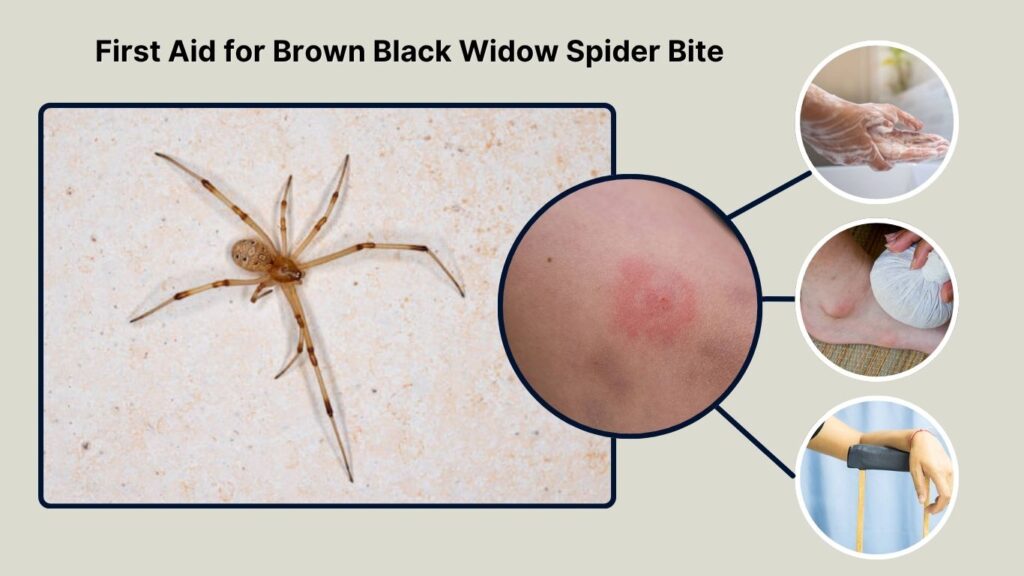
Taking the right steps immediately after a bite can help reduce discomfort and prevent complications.
Immediate Care Steps
If you suspect a brown widow bite, act quickly but calmly:
- Wash the bite area with soap and water to prevent infection
- Apply a cold compress to reduce pain and swelling
- Keep the affected limb elevated if possible
These simple steps are often enough to manage mild cases.
What to Avoid
Some common myths about spider bite treatment can do more harm than good.
- Do not cut the bite area
- Do not attempt to suck out the venom
- Avoid applying unverified home remedies
Improper treatment can worsen the situation rather than improve it.
Medical Treatment Options
While most brown widow bites do not require professional care, some cases may need medical attention depending on symptom severity.
When Medical Help Is Needed
You should consider seeing a doctor if symptoms go beyond mild discomfort or continue to worsen over time.
- Severe or increasing pain
- Muscle cramps spreading beyond the bite area
- Persistent nausea or vomiting
- Signs of an allergic reaction (swelling, difficulty breathing)
Prompt evaluation ensures proper care and prevents complications.
Common Medical Treatments
Healthcare providers may use different treatments based on the symptoms presented.
- Pain relievers to manage discomfort
- Muscle relaxants for cramping
- Intravenous fluids for hydration
- Antivenom (rarely required, only in severe cases)
Most patients recover fully with supportive care and monitoring.
Recovery and Healing Time
Understanding recovery helps set realistic expectations after a bite.
Typical Recovery Timeline
The majority of brown widow bites heal without complications.
- Mild cases: improve within 24–72 hours
- Moderate cases: symptoms may last up to a week
Pain and discomfort usually decrease gradually rather than suddenly.
Possible Complications
Although uncommon, some individuals may experience lingering effects.
- Extended muscle soreness
- Fatigue for several days
- Rare systemic reactions requiring follow-up care
Monitoring symptoms during recovery is important to ensure proper healing.
Prevention Tips
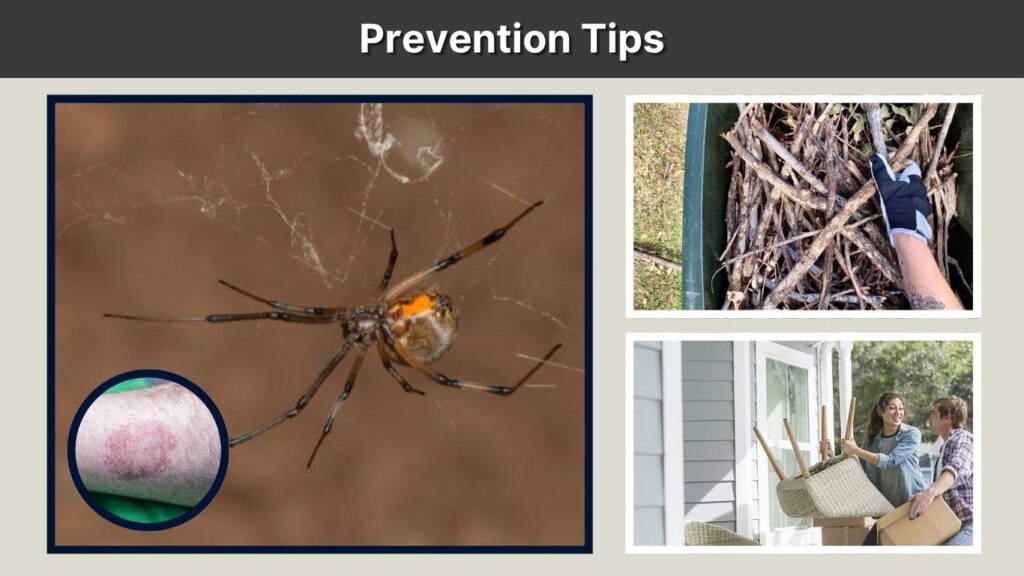
Preventing spider encounters is the best way to avoid bites altogether.
Reducing Risk Outdoors
Taking simple precautions can significantly lower the chance of contact.
- Wear gloves when handling firewood or debris
- Avoid reaching into dark, hidden spaces
- Be cautious when moving outdoor furniture
These habits are especially important in areas where brown widows are common.
Home Prevention Strategies
Keeping your living space clean and sealed can deter spiders.
- Seal cracks around doors and windows
- Reduce clutter in storage areas
- Regularly clean garages, sheds, and corners
- Minimize insects, which attract spiders
A well-maintained environment makes it less appealing for spiders to settle.
Common Myths About Brown Widow Bites
There is a lot of misinformation surrounding widow spiders. Clearing up myths helps reduce unnecessary fear.
Myth vs Reality
- All widow bites are deadly → False; most are manageable
- Brown widows are completely harmless → False; they can still bite and cause symptoms
- You will always feel the bite immediately → Not always; some bites go unnoticed at first
Understanding the truth allows for a more balanced and informed response.
FAQs
What happens if a brown widow spider bites you?
A brown widow bite usually causes mild pain, redness, and sometimes muscle discomfort. Symptoms may develop within a few hours and can include fatigue or nausea. Most cases improve within a few days, but worsening symptoms should be evaluated by a healthcare professional.
How do I know if I was bitten by a brown widow?
It is often difficult to confirm without seeing the spider. The bite may appear as a small red area with mild swelling and discomfort. Compared to black widow bites, symptoms are typically less severe and more localized.
Are brown widow spider bites dangerous?
For most healthy adults, brown widow bites are not dangerous and resolve without serious complications. However, vulnerable individuals such as children or the elderly may experience stronger reactions and should be monitored more closely.
Do brown widow bites need medical treatment?
Most bites can be managed at home using basic first aid like cleaning the area and applying a cold compress. Medical treatment is only necessary if symptoms become severe, persist, or include muscle cramps or breathing difficulties.
