

Tiny red bugs are a diverse group of insects and mites often seen on concrete, plants, walls, or inside homes. Some are harmless plant feeders, while others bite and cause irritation. Their bright red or reddish-brown color makes them easily noticeable in gardens or indoors. Understanding their identification, habitats, and behavior helps determine which species are pests and how to manage them effectively.
1. Clover Mite

Clover mites are tiny red bugs commonly seen crawling on concrete, patios, and window sills during cool seasons. These minuscule arachnids are harmless but often appear in large numbers, alarming homeowners. They are known for their bright red color and tendency to gather on sunlit walls, especially in spring and autumn.
Identification
Clover mites are very small, measuring about 0.75 mm long, with distinctive features that make them easy to recognize.
- Color: Bright red to reddish-orange.
- Body shape: Oval and soft-bodied.
- Legs: Eight total; front pair unusually long, extending forward like antennae.
- Movement: Slow crawlers, often appearing in clusters on walls or window frames.
Bites
Clover mites do not bite or sting humans or pets. They feed only on plant sap, not blood. When crushed, they leave a reddish stain caused by body pigments, which can resemble blood spots but are completely harmless.
Habitat
These mites prefer well-fertilized lawns and gardens, especially where grass or clover grows close to a building’s foundation. They often migrate onto concrete, windows, and walls in search of warmth and sunlight. Indoors, they may appear near window sills or door frames during seasonal migrations.
Behavior
Clover mites are most active during cooler months, particularly in spring and fall. They feed on plant juices and reproduce outdoors in soil or vegetation. They do not survive or reproduce indoors, making their presence temporary. Their activity increases on bright, sun-exposed surfaces.
FAQs
Do clover mites bite humans?
No. Clover mites don’t bite or cause skin irritation. They are purely plant feeders, not parasitic mites. The red smears they leave when crushed are simply pigments, not blood.
Why do I find clover mites on my walls and concrete?
Clover mites move from grassy areas toward warm, sunlit surfaces like walls and patios. They crawl onto concrete and window sills during their migration periods in spring and fall.
2. Chigger Mite

Chigger mites are tiny red bugs that bite, often causing itchy red welts on the skin. These microscopic arachnids live outdoors in grassy or wooded areas and latch onto humans or animals to feed. Their bites are extremely irritating, leading many people to confuse them with other red mites like clover mites or spider mites.
Identification
Chiggers are almost invisible to the naked eye, measuring about 0.2 mm in length.
- Color: Bright red or orange.
- Shape: Round-bodied with six legs (larval stage).
- Movement: Active crawlers, usually found on low vegetation or soil.
- Distinguishing feature: Bites cause intense itching and small red bumps.
Bites
Chigger bites occur when larvae attach to skin and inject digestive enzymes, causing allergic reactions. The bites usually appear around ankles, waistbands, or behind knees. They are not dangerous, but the itching can last for several days. Chiggers do not burrow into the skin as many believe; they fall off after feeding.
Habitat
Chiggers live in grassy fields, forests, and gardens, especially in warm, humid climates. They are commonly found near tall grass, weeds, and damp soil. They become active during late spring through early fall, particularly in shaded areas with dense vegetation.
Behavior
Adult chiggers feed on other insects, but their larvae feed on skin cells from humans and animals. They use heat and carbon dioxide to locate hosts. Once attached, they inject saliva to digest skin tissue, leaving itchy welts. They do not transmit diseases in most regions but are a common outdoor nuisance.
FAQs
How do I treat chigger bites?
Wash the affected area with soap and water immediately, then apply calamine lotion or hydrocortisone cream. Avoid scratching, as it can lead to secondary infection. The itching usually subsides within a week.
Where do chiggers live around homes?
Chiggers often inhabit tall grass, leaf litter, and shaded gardens. Keeping lawns trimmed and applying diatomaceous earth or sulfur powder can reduce infestations.
3. Red Velvet Mite

The red velvet mite is a striking, fuzzy, bright red arachnid often mistaken for tiny red bugs on concrete. Unlike biting mites, red velvet mites are beneficial predators that feed on harmful insect eggs and larvae. Their vivid color and velvety body make them easy to recognize outdoors after rainfall.
Identification
Red velvet mites are larger than most mites, reaching up to 2–4 mm in length.
- Color: Brilliant red with a soft, velvety texture.
- Body: Round and hairy, resembling a tiny plush spider.
- Legs: Eight short legs with fine hairs.
- Movement: Slow-moving, often visible on soil or rocks after rain.
Bites
Red velvet mites do not bite humans or pets. They are predators that feed on insect eggs and small arthropods. Their red pigment is a warning color to predators, not an indication of danger to humans.
Habitat
These mites live in soil, under rocks, and leaf litter, thriving in warm, humid environments. They are most visible after summer rains when adults emerge to reproduce. Their eggs hatch in soil, where the larvae attach temporarily to insects.
Behavior
Red velvet mites are solitary and beneficial. They help control pest populations naturally by consuming eggs and larvae of insects. They are active during humid days and hide underground when conditions are dry. Their presence on concrete or patios is temporary after heavy rain.
FAQs
Are red velvet mites harmful to humans?
No, red velvet mites are harmless and do not bite. They actually benefit gardens by eating harmful insect eggs and larvae.
Why do red velvet mites appear after rain?
They emerge from soil after rainfall to reproduce and hunt for prey. Moist conditions help them stay active and visible on concrete, patios, and garden soil.
4. Spider Mite
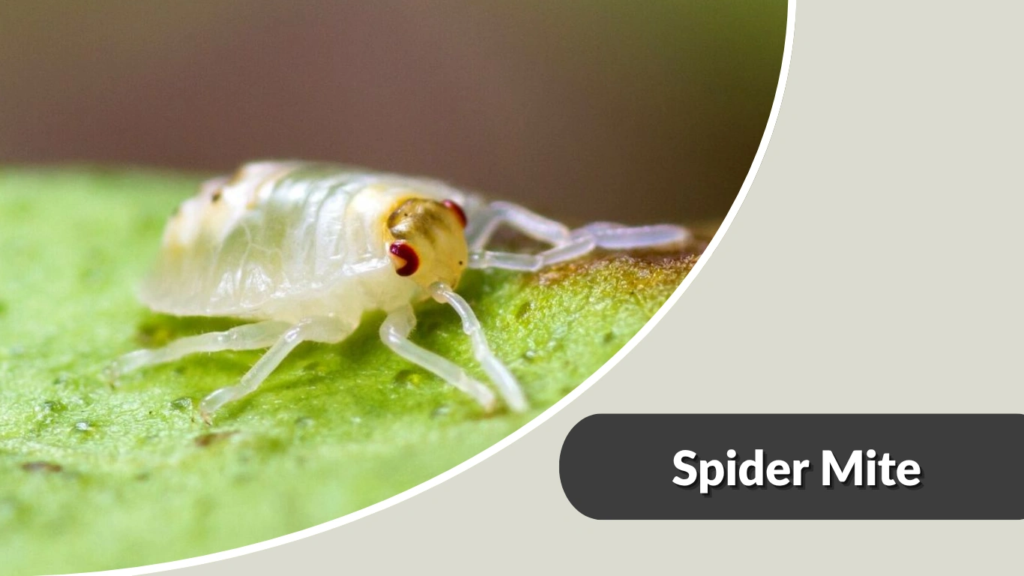
Spider mites are tiny red bugs on plants that cause leaf damage in gardens and houseplants. These minuscule pests are known for spinning fine webs on leaves and stems, often leading to yellowing or wilting. They thrive in warm, dry environments and can multiply rapidly, becoming a serious nuisance for gardeners.
Identification
Spider mites are almost microscopic, usually less than 1 mm long.
- Color: Red, orange, or yellowish-green depending on species.
- Body shape: Oval and soft-bodied.
- Legs: Eight legs typical of mites.
- Signs: Fine silk webbing on the underside of leaves and stippled or faded foliage.
Bites
Spider mites do not bite humans or pets, though heavy infestations can cause allergic irritation when handled. Their feeding targets plants, not people. If you notice itchy spots after gardening, it’s likely from other insects, not spider mites.
Habitat
Spider mites prefer dry, dusty conditions and are commonly found on indoor plants, greenhouse crops, and outdoor vegetation. They attack a wide variety of plants including tomatoes, roses, and houseplants. They feed by piercing plant cells and sucking out the fluids, causing the leaves to lose color and vigor.
Behavior
These mites reproduce quickly, with females laying hundreds of eggs on leaves. Under hot, dry weather, their life cycle completes in just a week. They gather in colonies on the undersides of leaves, where they spin protective webbing. Infestations usually start unnoticed and spread rapidly.
FAQs
How do I get rid of spider mites naturally?
Spray plants with water to remove mites and webbing, then apply neem oil or insecticidal soap. Increasing humidity also discourages infestations.
What plants are most affected by spider mites?
They commonly attack indoor plants, tomatoes, cucumbers, roses, and other ornamentals, especially in warm, dry environments.
5. Boxelder Bug Nymph

The boxelder bug nymph is a small red and black bug frequently found on walls, windows, and patios during warm seasons. Though harmless, they can appear in large numbers near boxelder and maple trees, seeking sunlight and warmth. Their bright coloration and outdoor clustering make them easily noticeable.
Identification
Boxelder bug nymphs are small and oval-shaped.
- Color: Bright red or reddish-orange with black wing pads.
- Body: Soft-bodied when young, becoming darker as they mature.
- Size: About 1.5 mm in early stages, growing to 12–14 mm as adults.
- Legs: Six black legs with visible segmentation.
Bites
Boxelder bugs do not bite or sting, but may cause mild skin irritation if crushed. They can also leave reddish stains on light surfaces. Although harmless, their presence indoors can be annoying, especially during seasonal migrations.
Habitat
These bugs live primarily on boxelder, maple, and ash trees, feeding on seeds, leaves, and plant juices. In late summer and fall, they gather on sunlit walls, windows, and concrete to warm themselves. When temperatures drop, they may enter homes through cracks or vents seeking shelter.
Behavior
Boxelder bugs are most active in warm weather and form large clusters on the sunny sides of buildings. They don’t reproduce indoors but overwinter in wall voids or attics. Once temperatures rise, they re-emerge outdoors. Their bright color serves as a warning to predators.
FAQs
Why are boxelder bugs gathering on my house?
They are attracted to heat and sunlight, often clustering on south-facing walls during fall to prepare for overwintering.
How do I prevent boxelder bugs from entering my home?
Seal cracks around windows and doors, repair screens, and vacuum up bugs found indoors. Reducing boxelder or maple trees near the home also helps limit infestations.
6. Red Flour Beetle

The red flour beetle is a small reddish-brown insect commonly found in pantry foods and grain storage areas. Though it doesn’t bite, this pest contaminates food with larvae and droppings, making it a serious nuisance in kitchens. Its shiny red color often leads to confusion with other tiny red bugs found indoors.
Identification
Red flour beetles are about 3–4 mm long, slender, and flat-bodied.
- Color: Reddish-brown with a shiny appearance.
- Shape: Oblong, with distinct wing covers.
- Antennae: Gradually thickened toward the tip.
- Wings: Can fly short distances but often crawl inside containers.
Bites
These beetles do not bite or sting. However, they can infest flour, cereals, pasta, and dried foods, leading to contamination. Some people may develop mild allergic reactions to dust and droppings left behind by large infestations.
Habitat
Red flour beetles thrive in warm, dry environments, particularly inside pantries, food storage bins, and mills. They are commonly found in flour, bran, spices, and pet food. Their larvae live and feed in stored grains, completing their life cycle within a few weeks under optimal conditions.
Behavior
These beetles are strong survivors that can live for over a year in suitable conditions. Females lay hundreds of eggs, which hatch in food materials. They are attracted to light and tend to gather around windows or kitchen counters when disturbed.
FAQs
How can I get rid of red flour beetles in my kitchen?
Discard infested food, clean pantry shelves thoroughly, and store dry goods in airtight containers. Vacuum cracks and apply diatomaceous earth around storage areas for prevention.
Do red flour beetles bite humans?
No, they do not bite or feed on humans. They only infest stored food products and are considered a contamination pest rather than a biting insect.
7. Carpet Beetle Larvae

Carpet beetle larvae are tiny reddish-brown bugs often mistaken for tiny red bugs in the house. These larvae feed on natural fibers, damaging carpets, clothing, and upholstery. Their small, hairy appearance and slow movement often cause alarm when found indoors.
Identification
Carpet beetle larvae vary in size from 2–5 mm.
- Color: Reddish-brown to dark tan.
- Body: Oval and covered with short bristles or tufts of hair.
- Shape: Tapered at one end, resembling a miniature caterpillar.
- Movement: Slow-moving and often hide in dark corners or under furniture.
Bites
Carpet beetle larvae do not bite, but their tiny hairs can cause skin irritation or allergic reactions when they come into contact with human skin. The rash may resemble insect bites but results from contact dermatitis, not feeding.
Habitat
They thrive in dark, undisturbed areas of homes such as closets, under rugs, and behind baseboards. The larvae feed on natural materials like wool, silk, feathers, and leather. They may also infest upholstered furniture and stored clothing.
Behavior
Carpet beetle larvae are nocturnal and avoid light. They feed continuously for several months before pupating into adult beetles. Adults prefer to live near windows and feed on pollen, while larvae cause most of the household damage.
FAQs
How can I prevent carpet beetle infestations?
Regular vacuuming, washing infested fabrics in hot water, and storing clothing in sealed bags help prevent reinfestation. Cleaning vents and air ducts also removes hidden larvae.
Do carpet beetle larvae bite humans?
No, they do not bite or feed on skin. However, contact with their bristles can cause itching or allergic rashes in sensitive individuals.
8. Bed Bug
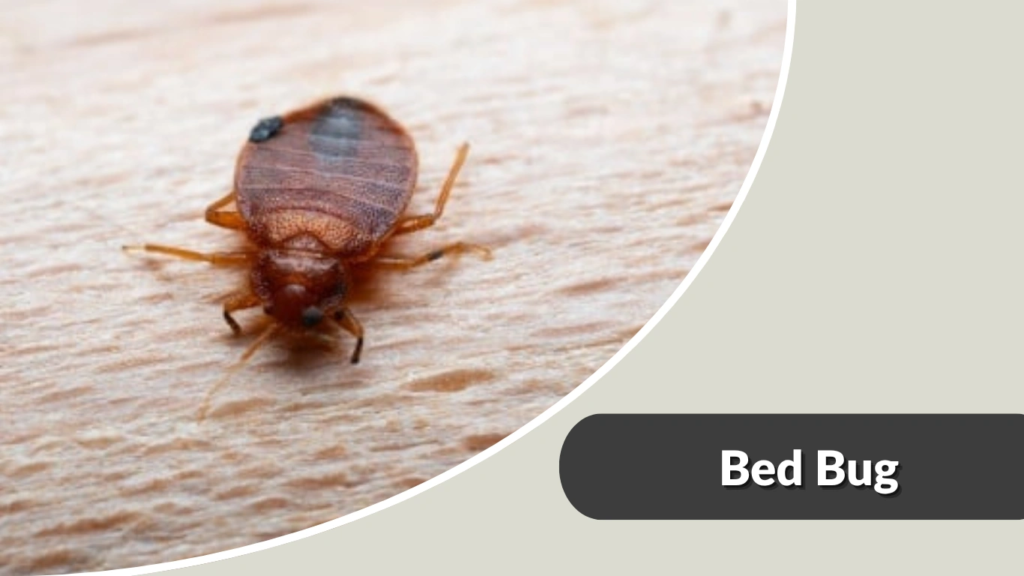
Bed bugs are small reddish-brown insects known for their bites on humans, especially during the night. These pests hide in mattresses, bed frames, and furniture, feeding on blood while people sleep. Their tiny, flat bodies and reddish hue often cause confusion with other small red bugs in homes.
Identification
Bed bugs are about 4–5 mm long with a flat, oval shape.
- Color: Reddish-brown, turning darker after feeding.
- Body: Wingless, flat, and oval.
- Antennae: Short and segmented.
- Movement: Crawl quickly but cannot fly or jump.
Bites
Bed bugs are biting insects, feeding exclusively on human or animal blood. Their bites appear as itchy, red welts often arranged in lines or clusters. While not known to transmit diseases, their bites can cause allergic reactions and sleeplessness.
Habitat
They prefer warm, dark environments close to sleeping areas. Common hiding spots include mattresses, box springs, headboards, baseboards, and upholstered furniture. They can also live behind wallpaper, electrical outlets, or inside luggage.
Behavior
Bed bugs are nocturnal and emerge at night to feed for 5–10 minutes before retreating to their hiding places. They can survive months without feeding and spread easily through clothing, furniture, or travel bags. Infestations grow quickly if left untreated.
FAQs
How do I know if I have bed bugs?
Look for small reddish stains on sheets, shed skins, or live bugs near mattress seams and bed frames. Bites appearing overnight in clusters are a strong indicator.
How do I get rid of bed bugs effectively?
Wash all bedding in hot water, vacuum thoroughly, and use heat treatments or professional extermination to eliminate them completely.
9. Red Aphid

Red aphids are tiny red bugs on plants that feed on plant sap, weakening leaves and stems. They often appear in clusters on flowers, vegetable gardens, and houseplants. Though harmless to humans, they can cause severe plant damage and spread diseases among crops.
Identification
Red aphids are soft-bodied insects measuring 1–3 mm in length.
- Color: Bright red or orange-red.
- Shape: Pear-shaped body with long legs and antennae.
- Wings: Some adults have transparent wings; others are wingless.
- Signs: Sticky honeydew residue and curled or discolored leaves.
Bites
Red aphids do not bite humans. Their piercing-sucking mouthparts are designed to draw sap from plants, not blood. However, their presence can attract ants that feed on the sweet honeydew they excrete.
Habitat
They inhabit garden plants, flowers, and shrubs, particularly tender new growth. Aphids thrive in mild, humid climates and reproduce rapidly on plants like roses, tomatoes, and peppers. Indoors, they can infest houseplants if brought in from outside.
Behavior
Aphids reproduce both sexually and asexually, with females capable of giving birth to live young without mating. Colonies grow quickly and can spread from plant to plant through wind or contact. They feed constantly, weakening plants and promoting fungal growth due to honeydew buildup.
FAQs
How can I control red aphids naturally?
Spray plants with a mixture of water and mild soap, or introduce ladybugs and lacewings, which are natural predators. Neem oil also helps reduce populations.
Are red aphids harmful to humans or pets?
No, red aphids do not harm humans or pets. They only damage plants by sucking sap and spreading plant viruses.
10. Red Spider Beetle
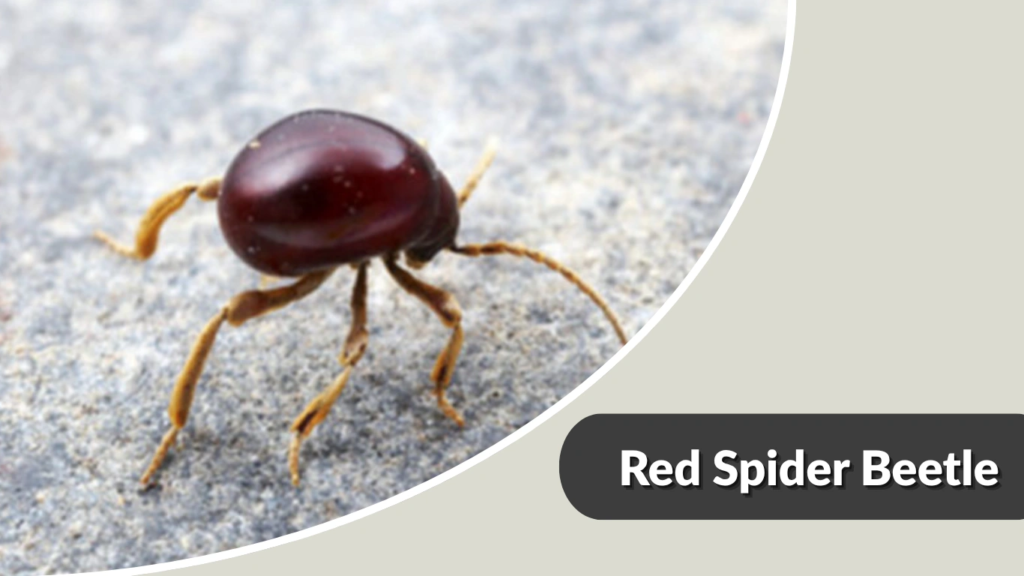
The red spider beetle is a small, round, reddish-brown insect often mistaken for tiny red bugs in the house. Found in stored food, old furniture, and bird nests, this beetle thrives in dark, undisturbed areas. Its spider-like shape and reddish hue cause frequent confusion with mites or bed bugs.
Identification
Red spider beetles measure about 2–4 mm long with a distinctive rounded body.
- Color: Shiny red-brown or chestnut.
- Shape: Globe-like abdomen resembling a spider.
- Antennae: Long, thin, and slightly curved.
- Movement: Slow crawlers, often active at night.
Bites
These beetles do not bite or sting, and they pose no threat to humans or pets. However, they can contaminate food and stored materials with droppings and shed skins, making them a nuisance in pantries or storage rooms.
Habitat
Red spider beetles live in dark, quiet places, including food storage areas, attics, or wall voids. They feed on dried grains, animal products, feathers, and even book bindings. Infestations are most common in old or rarely disturbed locations.
Behavior
They are nocturnal and thrive in damp, warm conditions. Red spider beetles feed on organic debris and can survive long periods without food. Their spider-like movement and appearance lead many people to mistake them for mites or ticks.
FAQs
How do I remove red spider beetles from my pantry?
Discard contaminated food, clean with vinegar or mild detergent, and store dry goods in sealed containers. Vacuum cracks and crevices to remove eggs and larvae.
Are red spider beetles dangerous?
No, they don’t bite or spread disease. Their main risk is food contamination in infested areas.
11. Mealybug

Mealybugs are tiny red or pinkish-white bugs on plants, commonly seen as cottony clusters on stems and leaves. These sap-sucking insects weaken plants by feeding on nutrients, causing yellowing and stunted growth. They are major pests of indoor plants and greenhouse crops.
Identification
Mealybugs are soft-bodied insects measuring 2–4 mm in length.
- Color: Reddish-pink, covered with white waxy coating.
- Body: Oval and segmented.
- Appearance: Often appear as fuzzy, white patches on plant surfaces.
- Signs: Sticky honeydew, mold growth, and leaf curling.
Bites
Mealybugs do not bite humans or pets. Their mouthparts are designed to pierce plant tissue and extract sap. However, their secretions can cause sooty mold to grow on leaves, affecting plant health and appearance.
Habitat
These pests thrive in warm, humid environments, especially on indoor houseplants, succulents, and tropical ornamentals. They gather around leaf joints, undersides, and root zones. They are often introduced indoors through new or outdoor plants.
Behavior
Mealybugs reproduce quickly and can form dense colonies. They excrete honeydew, which attracts ants and encourages mold. They hide in crevices, making them difficult to spot early. Regular inspection and cleaning are vital for control.
FAQs
How can I eliminate mealybugs naturally?
Wipe affected leaves with rubbing alcohol or spray with neem oil. Removing heavily infested plant parts also helps manage their spread.
Are mealybugs harmful to humans?
No, mealybugs are plant pests only. They do not bite, sting, or transmit diseases to humans or pets.
12. Red Scale Insect

The red scale insect is a tiny red bug on plants that attaches firmly to stems, leaves, and fruits. It is a common pest in citrus trees and houseplants, feeding on plant sap and weakening overall growth. These small, circular insects can cause discoloration, leaf drop, and reduced fruit yield.
Identification
Red scale insects are very small, measuring about 1–2 mm.
- Color: Reddish-brown to orange-red.
- Shape: Round and flat, resembling tiny scales or dots.
- Texture: Hard, shell-like covering that protects the body.
- Signs: Yellowing leaves, sticky honeydew, and premature fruit drop.
Bites
Red scale insects do not bite humans or animals. They have specialized mouthparts for piercing and sucking plant sap, not skin. The damage they cause is purely botanical, but their infestations can severely weaken trees and plants.
Habitat
They primarily infest citrus plants, ornamentals, and indoor potted trees. These bugs thrive in warm, dry climates and attach to branches, leaves, and fruits. Indoors, they can spread between plants through contact or infested tools.
Behavior
Red scale insects are stationary once they settle on a plant. Females produce offspring that crawl to new feeding sites before becoming immobile. Their waxy shell protects them from many pesticides, making natural predators like ladybugs essential for control.
FAQs
How do I control red scale insects naturally?
Prune infested branches, wipe leaves with alcohol, and introduce beneficial insects like ladybugs or parasitic wasps. Neem oil sprays are also effective.
Are red scale insects harmful to humans?
No, they are harmless to humans and pets but can cause serious plant health issues if left untreated.
13. Minute Pirate Bug

The minute pirate bug is a tiny red and black bug that bites, often found in gardens and around homes. Though beneficial for controlling plant pests, these insects occasionally bite humans, causing mild irritation. They are commonly active during late summer and early fall.
Identification
Minute pirate bugs are very small, measuring about 2–5 mm long.
- Color: Black with red or orange markings.
- Shape: Oval and flat.
- Wings: Transparent, folded flat over the back.
- Feature: Often seen on flowers or garden plants hunting other insects.
Bites
While primarily predators of aphids and mites, minute pirate bugs can bite humans accidentally. Their bites are not harmful but can cause small red welts or temporary itching. They do not feed on blood and pose no medical risk.
Habitat
They live in gardens, fields, and outdoor vegetation, feeding on aphids, thrips, and small insect larvae. During the fall, they may enter homes through open windows or doors, attracted to light.
Behavior
Minute pirate bugs are beneficial insects that control pest populations. They use their beak-like mouthparts to pierce prey and suck out fluids. Their bites to humans are incidental, occurring when they mistake skin for prey.
FAQs
Do minute pirate bugs bite humans?
Yes, but unintentionally. Their bites cause brief irritation and small red bumps but no lasting harm.
How do I prevent minute pirate bugs from coming indoors?
Seal windows and doors, reduce outdoor lighting at night, and avoid wearing bright clothing that may attract them during fall migration.
14. Red Lily Beetle

The red lily beetle is a bright red bug on plants that attacks lilies and fritillaries. Known for its vivid color and destructive feeding habits, it can strip leaves and flowers quickly. These beetles are a serious pest for gardeners who grow ornamental lilies and related plants.
Identification
Red lily beetles are about 6–8 mm long and easy to identify.
- Color: Glossy scarlet red wing covers with a black head, legs, and underside.
- Shape: Elongated and smooth-bodied.
- Eggs: Laid in neat rows on the undersides of leaves.
- Larvae: Fat, slug-like, and covered in their own feces as camouflage.
Bites
Red lily beetles do not bite or sting humans. Their damage is confined to plants, especially lilies. The larvae feed on leaves, buds, and stems, leaving behind holes and skeletonized foliage.
Habitat
They primarily live in gardens and greenhouses, particularly where lilies or fritillaries grow. The beetles overwinter in soil or leaf litter and re-emerge in spring to mate and feed.
Behavior
Red lily beetles are highly destructive feeders. Both adults and larvae consume plant tissues aggressively. Females lay up to 450 eggs per season, making infestations spread rapidly. Their bright red color serves as a warning to predators.
FAQs
How can I control red lily beetles naturally?
Handpick beetles and larvae from plants, destroy egg clusters, and apply neem oil or insecticidal soap. Encouraging natural predators like ladybugs can also help.
Are red lily beetles harmful to humans?
No, they don’t bite or cause harm to humans. Their impact is purely on lilies and ornamental plants.
15. Velvet Ant
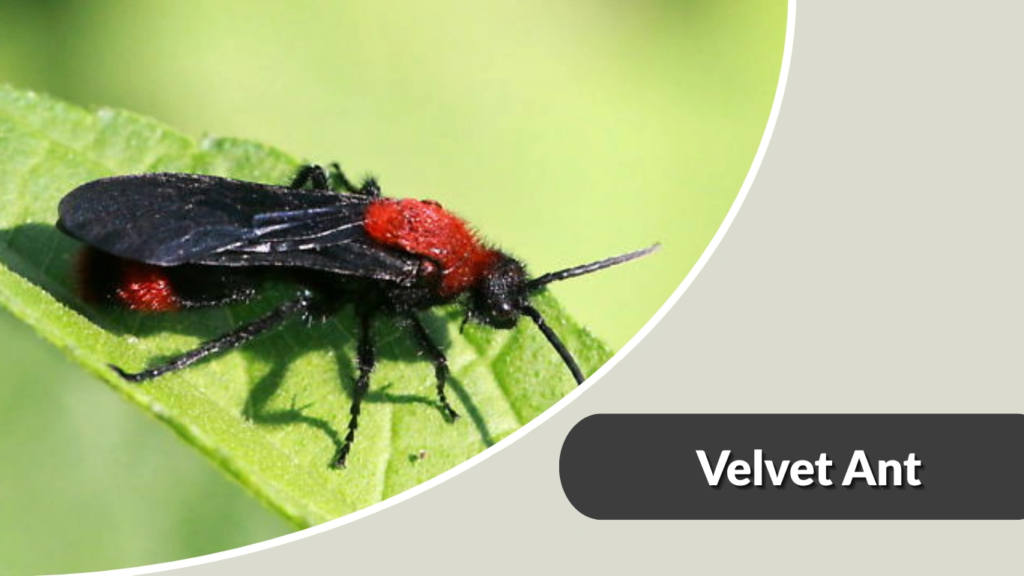
The velvet ant, often called a “cow killer ant,” is a bright red fuzzy insect that stings. Despite its name, it is actually a wingless wasp, not a true ant. Known for its painful sting and bold coloration, this insect is often spotted crawling on sandy soil or lawns.
Identification
Velvet ants are around 6–20 mm long, depending on the species.
- Color: Bright red or orange with black bands.
- Body: Covered with dense, velvet-like hairs.
- Legs: Six strong legs adapted for digging and running.
- Wings: Females are wingless; males have wings and cannot sting.
Bites
Velvet ants do not bite, but females deliver a very painful sting when threatened. The sting causes sharp pain and temporary swelling but is not dangerous unless allergic reactions occur.
Habitat
They prefer dry, sandy areas, meadows, and lawns where ground-nesting bees or wasps live. Velvet ants lay their eggs in other insects’ nests, where the larvae consume host pupae. They are most active during hot summer months.
Behavior
These solitary insects are strong and fast. They rely on their bright coloration as a warning signal to predators. Velvet ants do not form colonies and rarely sting unless handled. Their role in nature is parasitic, controlling other insect populations.
FAQs
Are velvet ants dangerous to humans?
No, they are not aggressive but can deliver an extremely painful sting if disturbed. Avoid handling them directly.
Where are velvet ants most commonly found?
They are widespread across the southern United States, especially in sandy soils, lawns, and open fields during warm seasons.
16. Flea
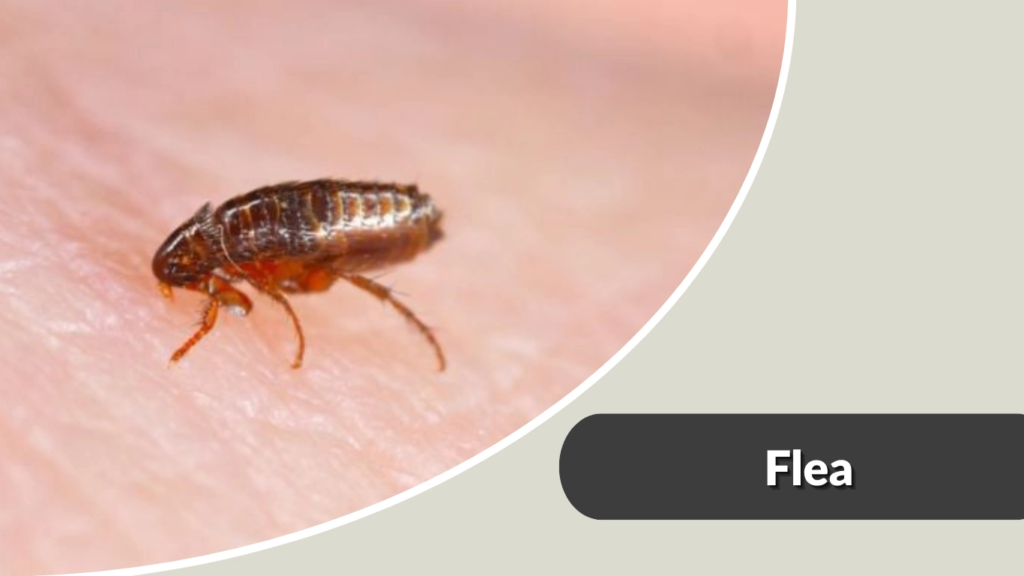
The flea is a tiny red-brown biting insect that feeds on the blood of humans and animals. Commonly found on pets like dogs and cats, these agile pests cause intense itching and can transmit diseases. Their small size and jumping ability make infestations hard to control without thorough treatment.
Identification
Fleas are 1–3 mm long and wingless.
- Color: Reddish-brown, glossy.
- Body: Flat and narrow, allowing easy movement through fur.
- Legs: Strong hind legs designed for powerful jumping.
- Feature: Tiny bristles covering the body, helping them grip hosts.
Bites
Fleas bite both humans and animals, leaving itchy, red welts—usually on ankles, legs, or waistlines. Their bites may appear in clusters and can lead to allergic reactions or secondary skin infections if scratched excessively.
Habitat
They thrive in warm, humid environments, particularly in pet bedding, carpets, upholstery, and outdoor grassy areas. Fleas lay eggs in the environment, not just on the host, which makes controlling them challenging.
Behavior
Fleas reproduce quickly; females lay up to 50 eggs a day. They detect hosts through body heat and movement. Without a host, adults can survive for weeks. Heavy infestations often start with untreated pets or wild animals around the home.
FAQs
How can I eliminate fleas from my home?
Treat pets with veterinarian-approved flea control products, vacuum regularly, wash bedding in hot water, and use insect growth regulators to stop larvae from maturing.
Do fleas live on humans permanently?
No, fleas prefer animal hosts. They may bite humans temporarily but cannot live or reproduce on human skin.
17. Red Velvet Mite Larva

The red velvet mite larva is a tiny red bug that bites during its parasitic stage. Unlike the harmless adult red velvet mite, the larval form attaches to insects or occasionally small mammals to feed. These bright red creatures are often mistaken for chiggers because of their biting behavior and color.
Identification
Red velvet mite larvae are microscopic, about 0.2–0.4 mm long.
- Color: Bright scarlet red.
- Body: Smooth, round, and soft.
- Legs: Six in larval stage, eight in adults.
- Feature: Parasitic in the larval phase; free-living as adults.
Bites
The larvae can bite humans, causing mild itching or irritation similar to chigger bites. They inject saliva to dissolve tissue for feeding. Their bites are not dangerous but can cause red, itchy bumps if prolonged contact occurs.
Habitat
They are found in gardens, soil, and grassy areas, especially after rainfall. Larvae attach to insects, spiders, or small vertebrates as temporary parasites. Adults live freely, feeding on insect eggs and other small arthropods.
Behavior
Red velvet mite larvae are active during humid conditions, particularly after summer rains. They are solitary and beneficial once mature, helping control pest populations. Their life cycle includes both parasitic and predatory stages.
FAQs
Are red velvet mite larvae the same as chiggers?
They are similar in appearance but belong to different families. Both are tiny red mites that bite, but red velvet mite larvae are less common and less irritating.
How do I avoid red velvet mite bites?
Wear long clothing outdoors, avoid sitting on damp soil, and use natural repellents like citronella or sulfur-based sprays during humid weather.
18. Springtail
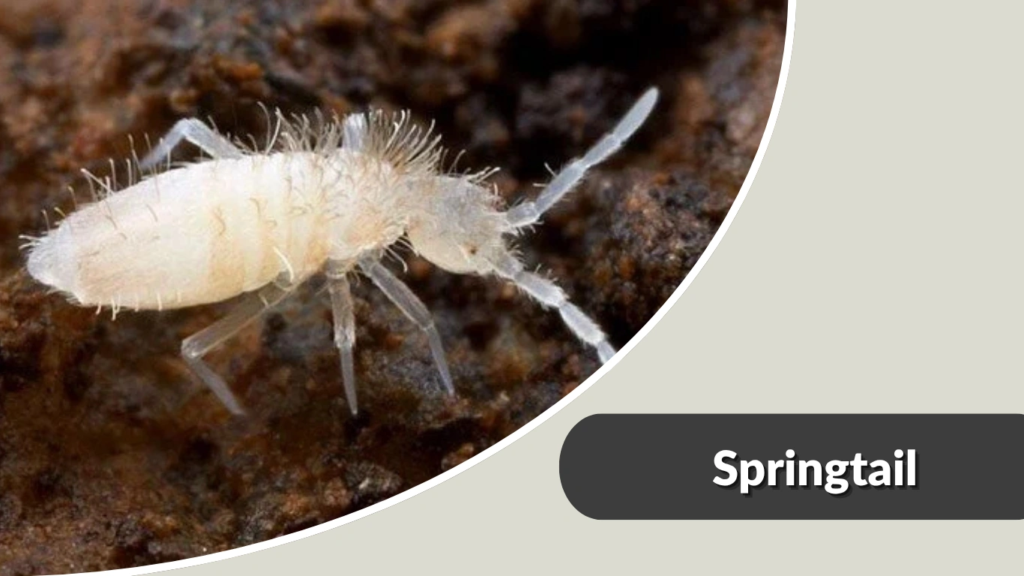
Springtails are tiny red or reddish-brown bugs on concrete and soil, often mistaken for insects or mites. They are harmless creatures that thrive in moist environments and feed on decaying organic matter. Though they can appear in large numbers, especially after rain, they do not bite or damage property.
Identification
Springtails are minute, measuring only 1–2 mm long.
- Color: Red, brown, or gray, depending on the species.
- Body: Soft and elongated with a segmented appearance.
- Feature: A forked appendage (furcula) under the abdomen used for jumping.
- Movement: Can spring several inches when disturbed.
Bites
Springtails do not bite humans or pets. They lack the mouthparts necessary to pierce skin. Reports of springtail “bites” are usually due to skin irritation caused by dry environments, not actual feeding behavior.
Habitat
These tiny creatures live in damp soil, leaf litter, and basements where humidity is high. They are commonly seen on concrete patios, bathrooms, or near houseplants after heavy rainfall. They serve as natural decomposers, feeding on fungi and organic debris.
Behavior
Springtails are highly sensitive to moisture levels. During wet seasons, they thrive outdoors; during dry spells, they migrate indoors seeking humidity. They are harmless but can appear in large swarms, especially on driveways or near foundations.
FAQs
How can I get rid of springtails indoors?
Reduce moisture by improving ventilation, fixing leaks, and using dehumidifiers. Vacuum visible clusters and seal entry points to prevent reentry.
Are springtails harmful to plants or people?
No, they are completely harmless and do not feed on living plants or animals. They actually benefit the ecosystem by decomposing organic matter.
19. Thrips

Thrips are tiny red or brown bugs on plants that feed by puncturing leaves and sucking out their contents. These slender insects can cause silvery or spotted damage on flowers and foliage. In large numbers, they weaken plants and may spread viral plant diseases.
Identification
Thrips are minute, usually 1–2 mm long.
- Color: Pale red, yellow, brown, or black.
- Body: Slender, elongated, and narrow.
- Wings: Fringed with tiny hairs.
- Feature: Quick movement; often hide in flower buds or leaf folds.
Bites
Thrips occasionally bite humans, especially on exposed skin, but the bites are minor and cause only mild irritation. They do not feed on blood and are not dangerous. Their bites feel like small pinpricks that fade quickly.
Habitat
Thrips inhabit gardens, greenhouses, and indoor plants. They prefer flowers, fruits, and tender new growth. They are drawn to light and may enter homes through open windows. Warm, dry climates encourage population growth.
Behavior
Thrips reproduce rapidly and can complete a generation in less than two weeks. They scrape plant surfaces to feed, leaving behind silvery patches and black specks of excrement. They are known to spread plant viruses such as the tomato spotted wilt virus.
FAQs
How can I control thrips naturally?
Spray plants with neem oil or insecticidal soap. Introducing beneficial insects like lacewings or predatory mites helps reduce thrip populations.
Do thrips bite humans?
Yes, but only incidentally. Their bites are mild and non-toxic, causing brief discomfort without long-term effects.
20. No-See-Ums
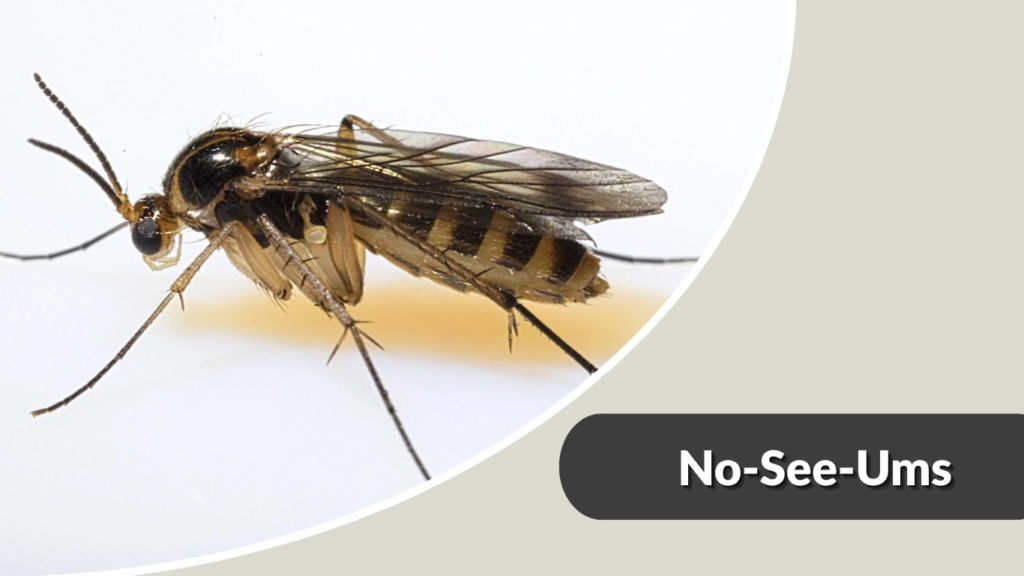
No-see-ums are tiny red or dark biting midges barely visible to the naked eye. These flying insects are notorious for their painful bites, often leaving itchy red welts. They thrive in humid environments and are most active during dawn and dusk, particularly near water or vegetation.
Identification
No-see-ums are extremely small, about 1–3 mm long.
- Color: Grayish-red to dark brown.
- Body: Slender with humped thorax and fine wings.
- Wings: Transparent with fine hairs.
- Movement: Weak flyers but strong biters in swarms.
Bites
No-see-ums bite humans and animals, using sharp mouthparts to pierce skin and draw blood. Their bites cause intense itching, swelling, and sometimes blistering. Unlike mosquitoes, they often bite multiple times in one area, leaving clusters of red dots.
Habitat
They prefer marshes, coastal areas, and damp backyards with standing water or moist soil. They breed in mud, decaying vegetation, and wet sand. They often enter homes through window screens and doors, especially in humid weather.
Behavior
No-see-ums are most active at sunrise and sunset. They locate hosts using heat and carbon dioxide. Females feed on blood to develop eggs, while males consume nectar. Windy conditions or low humidity drastically reduce their activity.
FAQs
How can I prevent no-see-um bites?
Use insect repellents containing DEET or picaridin, wear long sleeves, and install fine mesh screens. Avoid standing water near your home.
Are no-see-ums dangerous?
Their bites are painful but rarely dangerous. In tropical regions, they can transmit certain parasites, though this is uncommon in temperate climates.
21. Red Fire Ant
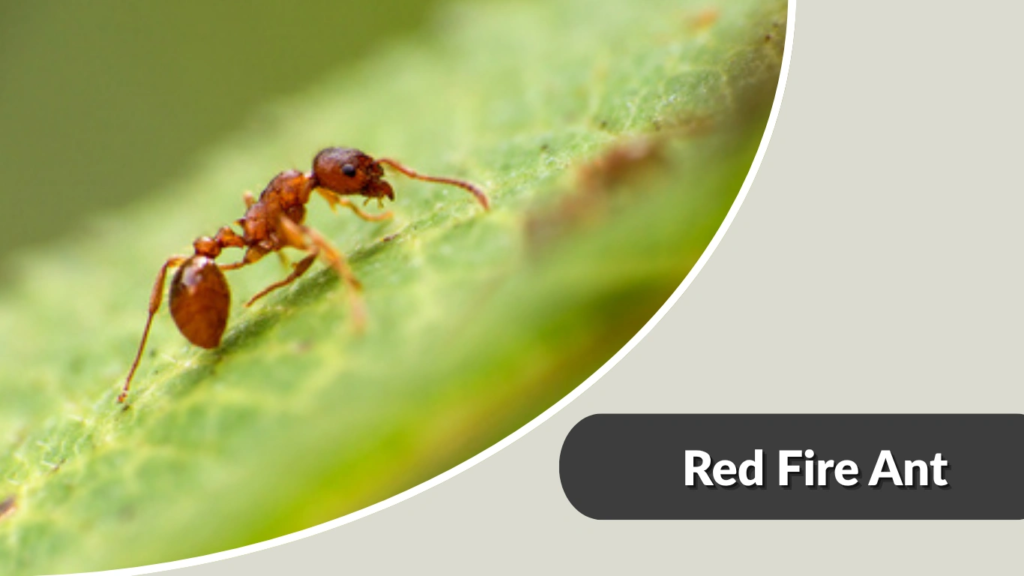
The red fire ant is a tiny red biting ant known for its aggressive behavior and painful sting. Found mostly in warm regions, these ants build mounds in yards and fields. Their venomous sting causes burning pain, itching, and pustules that can last for days.
Identification
Fire ants range from 2–6 mm long.
- Color: Reddish-brown with darker abdomens.
- Body: Segmented with visible stingers.
- Antennae: Elbowed and distinctly bent.
- Colony: Large, with thousands of workers and multiple queens.
Bites
Fire ants both bite and sting, delivering venom that produces a sharp burning sensation. The sting results in red bumps with white pustules at the center. Multiple stings can cause allergic reactions, especially in sensitive individuals.
Habitat
They thrive in lawns, gardens, and open fields, building dome-shaped mounds up to 18 inches tall. They prefer moist soil near water sources but can also live in dry areas. Indoors, they may invade food or electrical wiring.
Behavior
Fire ants are aggressive defenders of their colony. They swarm quickly when disturbed, biting and stinging repeatedly. They feed on insects, seeds, and sugary foods. Their colonies expand rapidly, especially after rain.
FAQs
How do I eliminate red fire ants from my yard?
Apply bait traps around mounds, use boiling water treatments, or contact pest control for safe chemical applications. Avoid disturbing active nests directly.
Are fire ant stings dangerous?
For most people, fire ant stings cause burning pain and swelling. However, those allergic to venom can experience severe reactions and should seek medical attention immediately.
22. Red Flat Bark Beetle
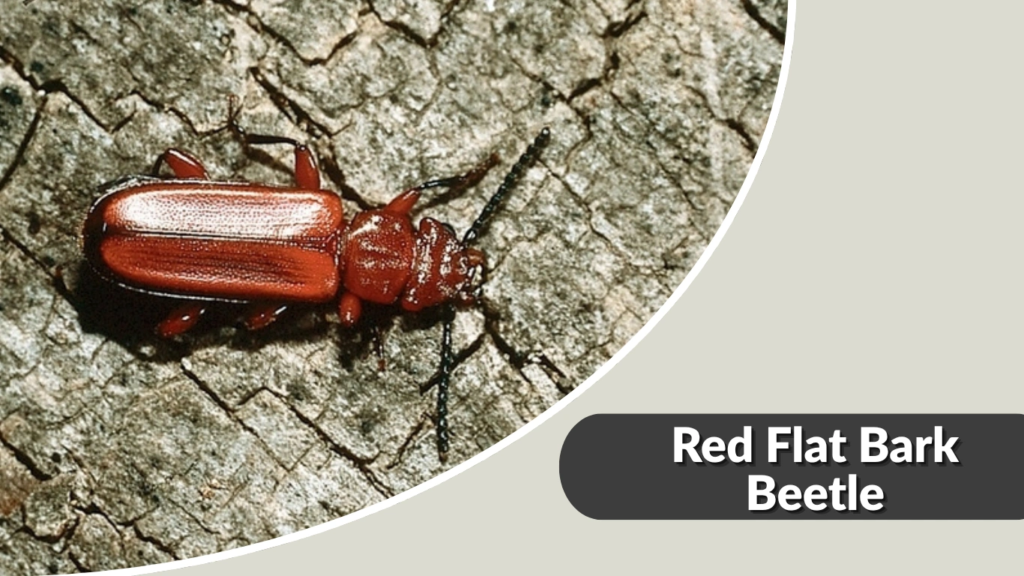
The red flat bark beetle is a bright red bug found under bark or wood, often mistaken for other tiny red insects. Though it looks alarming, it is harmless to humans and beneficial to the environment as it preys on wood-boring insect larvae.
Identification
Red flat bark beetles measure around 8–13 mm in length.
- Color: Vivid red body with dark brown or black legs and antennae.
- Shape: Flattened, elongated body suited for living under bark.
- Texture: Smooth and shiny exoskeleton.
- Feature: Prominent ridges along the back and short, hidden head.
Bites
Red flat bark beetles do not bite or sting humans. They are predators that feed on other insects rather than blood or plants. Handling them poses no risk except mild irritation if crushed.
Habitat
These beetles live under tree bark, woodpiles, and decaying logs. They are often found in forests, woodlands, and occasionally in homes where firewood is stored indoors. They play an important role in controlling wood-boring pest populations.
Behavior
Red flat bark beetles are nocturnal and active during warm months. They hide in narrow crevices under bark and emerge to hunt larvae. Though they may accidentally enter homes through firewood, they cannot survive or reproduce indoors.
FAQs
Are red flat bark beetles harmful to wood?
No, they do not damage wood. They feed on other insects hiding beneath bark and are considered beneficial predators.
Why do I find them in my house sometimes?
They often enter homes accidentally through stored firewood. Remove logs promptly and store wood outdoors to prevent indoor sightings.
23. Strawberry Root Weevil
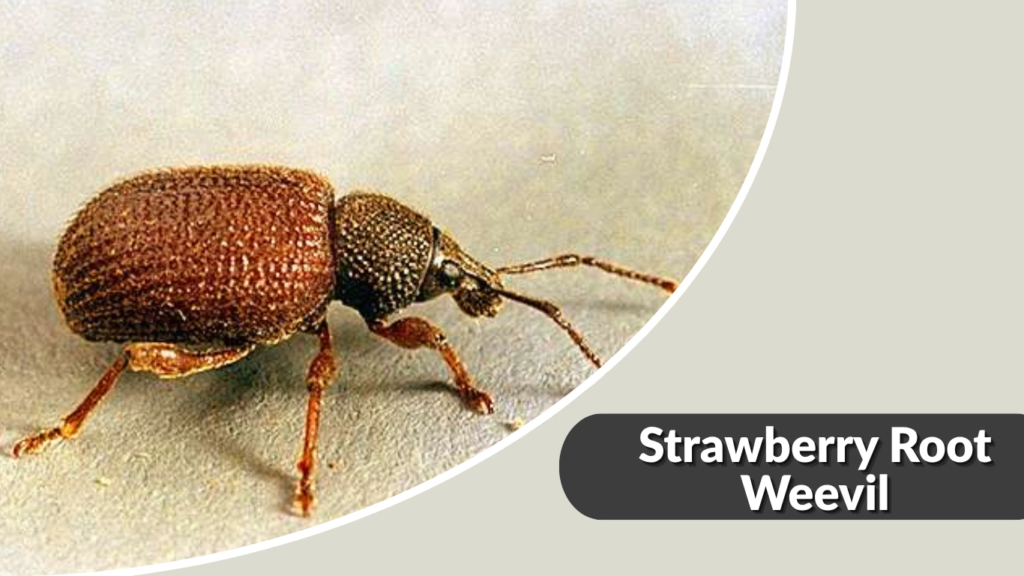
The strawberry root weevil is a tiny red-brown bug on plants often found crawling on patios, walls, and gardens. Despite their name, they do not bite or fly but can appear in large numbers around homes during warm months.
Identification
These beetles are small, around 4–6 mm long.
- Color: Reddish-brown to dark brown.
- Body: Oval with a short snout.
- Texture: Hard, rough exoskeleton.
- Feature: Cannot fly; they crawl slowly and are active at night.
Bites
Strawberry root weevils do not bite humans or pets. They feed on plant roots, causing damage to strawberries, ornamental plants, and shrubs. Their presence indoors is accidental and temporary.
Habitat
They inhabit gardens, lawns, and wooded areas, especially near strawberry and evergreen plants. They seek moisture and shelter during hot days and may enter homes through cracks or vents while migrating at night.
Behavior
Adult weevils are nocturnal, hiding under mulch or soil during the day. They climb walls and windows in the evening and are attracted to light. Their larvae live underground, feeding on roots and weakening plants over time.
FAQs
How can I prevent strawberry root weevils from entering my home?
Seal gaps around doors and windows, reduce outdoor lighting at night, and remove mulch near foundations to discourage migration.
Are strawberry root weevils harmful to humans?
No, they are harmless to people and pets. Their damage is limited to plant roots and does not pose any health risks indoors.
24. Boxelder Bug
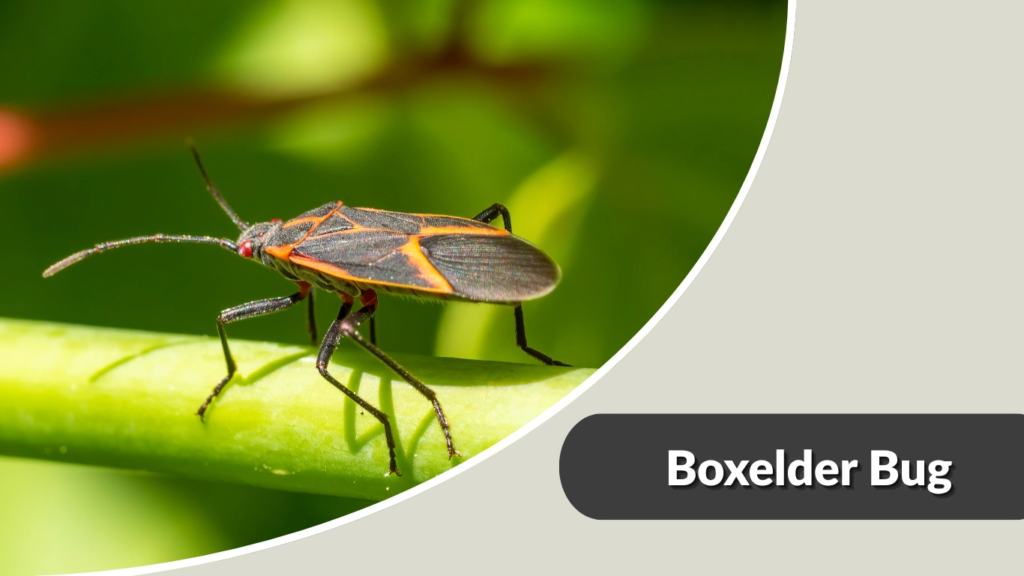
The boxelder bug is a tiny red and black bug frequently seen on windows, walls, and patios during warm seasons. Although they do not bite or sting, they can become a nuisance when they invade homes seeking warmth. Their distinctive coloration and clustering behavior make them easy to identify.
Identification
Boxelder bugs are about 12–14 mm long.
- Color: Black body with vivid red or orange lines on the wings and thorax.
- Shape: Elongated, flat body.
- Legs and Antennae: Black, slender, and prominent.
- Feature: Found in large groups on sunny walls or tree trunks.
Bites
Boxelder bugs do not bite humans or pets, nor do they damage structures or fabrics. When crushed, however, they can release a foul odor and leave red stains on walls or clothing.
Habitat
These bugs live mainly on boxelder, maple, and ash trees, feeding on seeds, leaves, and plant fluids. In late fall, they gather on warm, sunlit walls and may enter buildings through cracks and vents to overwinter.
Behavior
Boxelder bugs are harmless but congregate in large numbers during autumn. They seek heat and protection from cold weather. Indoors, they remain inactive until spring, when they return outdoors to feed and reproduce.
FAQs
How can I prevent boxelder bugs from entering my home?
Seal entry points around doors, vents, and windows. Remove boxelder or maple trees near the home to reduce their population source.
Why do boxelder bugs appear on walls in fall?
They gather on sunlit walls to absorb warmth before overwintering. Their attraction to heat explains their seasonal indoor invasions.
25. Red Aphid (Root Form)
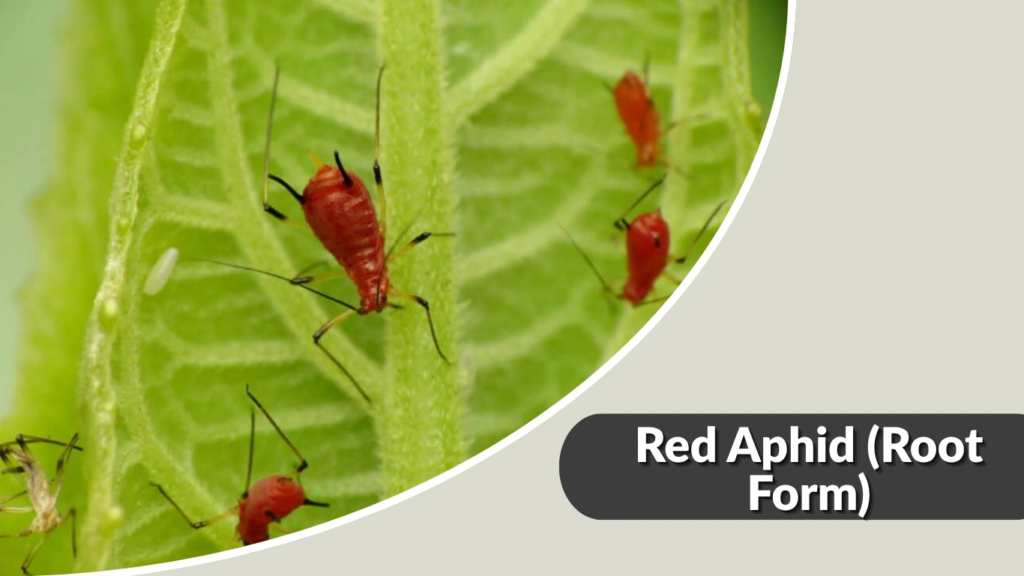
The root red aphid is a tiny red bug found on plant roots and soil, commonly affecting vegetables and ornamental plants. These sap-sucking insects weaken plants from below the surface, causing wilting and poor growth. They are particularly destructive in greenhouses and potted plants.
Identification
Root aphids are very small, about 1–2 mm long.
- Color: Reddish-pink to deep orange-red.
- Body: Pear-shaped and soft-bodied.
- Antennae: Long and thin.
- Feature: Often found in clusters around plant roots or soil surfaces.
Bites
Root aphids do not bite humans. They exclusively feed on plant sap by inserting needle-like mouthparts into roots. However, their feeding weakens plants and can lead to stunted growth or yellowing leaves.
Habitat
They live in soil and around plant roots, especially in warm, moist environments. They favor indoor potted plants, hydroponic systems, and vegetable gardens. Outdoors, they thrive in compact soil with high organic matter.
Behavior
Root aphids reproduce rapidly through parthenogenesis, meaning females can produce offspring without mating. They attract ants, which protect them in exchange for honeydew secretions. Infestations often go unnoticed until plants show visible stress.
FAQs
How can I get rid of root aphids naturally?
Flush soil with neem oil solution, introduce beneficial nematodes, or repot plants using fresh, sterile soil. Regular root inspection helps prevent reinfestation.
Are root aphids harmful to people or pets?
No, they are plant-specific pests and do not bite or carry diseases affecting humans or animals.
26. Red Bug (Cotton Stainer)
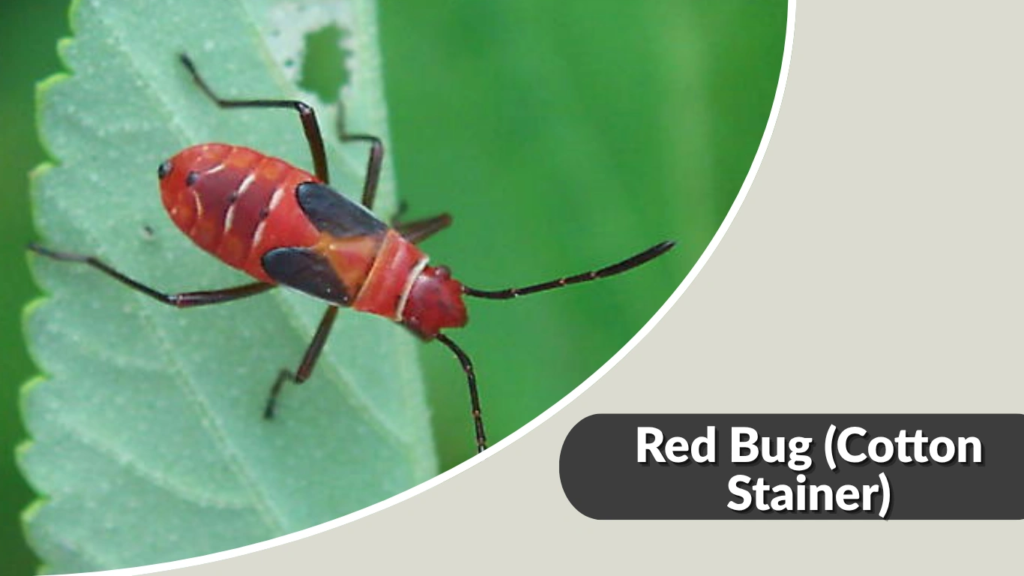
The red cotton stainer bug is a bright red and black insect commonly seen on flowering plants and cotton crops. Known for its striking color and piercing mouthparts, this bug feeds on plant juices and can stain cotton bolls with its reddish excreta, giving it its name.
Identification
Cotton stainers are medium-sized, around 10–12 mm long.
- Color: Scarlet red with black markings on wings and legs.
- Shape: Oval and flattened with a pointed head.
- Antennae: Black and segmented.
- Feature: Emits a pungent odor when disturbed.
Bites
Red cotton stainers do not bite humans or pets, though they possess piercing-sucking mouthparts used to feed on seeds and plant sap. Contact with crushed bugs can leave reddish stains on fabric and skin.
Habitat
They are found in tropical and subtropical regions, often near cotton, hibiscus, or okra plants. Outdoors, they gather in clusters on seed pods, flowers, or tree trunks. They prefer warm, sunny environments with access to vegetation.
Behavior
Cotton stainers are diurnal and feed on developing seeds and fruits. Their feeding not only stains cotton fibers but also reduces plant yield. They often congregate in large numbers on host plants and disperse during dry seasons.
FAQs
Are red cotton stainers harmful to humans?
No, they don’t bite or sting. Their main impact is agricultural, as they damage cotton fibers and plant seeds.
How can I control cotton stainer bugs naturally?
Remove infested pods, use neem oil or insecticidal soap, and attract predators like birds or assassin bugs to manage their populations.
27. Red Clover Spider Mite

The red clover spider mite is a tiny red bug found on clover and garden plants, closely related to the common clover mite. These plant-feeding mites are often spotted crawling on leaves, stems, and even house walls during migration periods.
Identification
Red clover spider mites are minuscule, measuring about 0.75 mm long.
- Color: Bright red to orange-red.
- Body: Oval and soft-bodied.
- Legs: Eight legs; front pair longer and extended forward.
- Feature: Fine silk webbing on infested plants.
Bites
Red clover spider mites do not bite humans or animals. They feed only on plant sap. When squashed, they may leave red smears but are completely harmless.
Habitat
They thrive in lawns, gardens, and agricultural fields, especially in sunny, well-fertilized areas. They often move from grass to walls, patios, and windowsills in spring and fall. Indoors, they do not reproduce or survive long.
Behavior
These mites are most active in cooler seasons, feeding on clover, grass, and weeds. They move in large groups during temperature changes, seeking warmth or shade. Heavy infestations can cause lawn discoloration and leaf damage.
FAQs
How do I prevent red clover spider mites from invading my house?
Trim grass around the foundation, reduce fertilization near walls, and seal window and door cracks. Vacuum mites indoors instead of crushing them.
Are red clover spider mites the same as clover mites?
They are closely related species with similar behavior and appearance. Both feed on plants and are harmless to people and pets.
