

Bed bugs are among the most persistent pests that can infest homes, mattresses, and even cars. These tiny insects multiply quickly, feed on blood, and hide in cracks or fabric folds. Getting rid of them requires a combination of fast action, consistent cleaning, and preventive strategies that ensure they don’t return.
What Are Bed Bugs and How They Spread
Bed bugs are small, brownish insects about the size of an apple seed. They feed on human blood at night and hide during the day in places like mattresses, couches, and baseboards. Their flat bodies make it easy to slip into tight spaces, which is why an infestation can spread rapidly across beds, sofas, and clothes.
They typically spread through luggage, used furniture, or clothing from infested places. Even spotless homes can become infested if bugs hitch a ride inside.
Identifying Bed Bugs in Your Home

Signs of Bed Bug Infestation
- Red, itchy bites on the skin, often in rows or clusters.
- Tiny blood stains or dark spots on bedsheets and pillowcases.
- A sweet, musty odor near sleeping areas.
Where Bed Bugs Hide
- Seams of mattresses and box springs.
- Behind headboards, bed frames, and wall cracks.
- Inside couch cushions, curtains, and electrical outlets.
Early detection helps prevent a small problem from becoming a large infestation.
How to Get Rid of Bed Bugs Fast

When you spot bed bugs, quick response is key. Here’s how to eliminate them within a day or two:
- Wash and heat-dry fabrics – Use the highest heat setting (at least 120°F) on clothes, bedding, and curtains.
- Vacuum thoroughly – Focus on mattress seams, carpets, and furniture crevices. Dispose of the vacuum bag immediately.
- Steam treatment – Bed bugs die at high temperatures. Use a steam cleaner on mattresses, sofas, and carpets.
- Use bed bug sprays – Choose insecticides labeled for bed bugs and follow safety instructions carefully.
- Seal and isolate items – Bag infected items you can’t wash for a few months to suffocate remaining bugs.
These methods work quickly, but consistent follow-up cleaning ensures complete removal.
Natural and Home Remedies for Bed Bugs
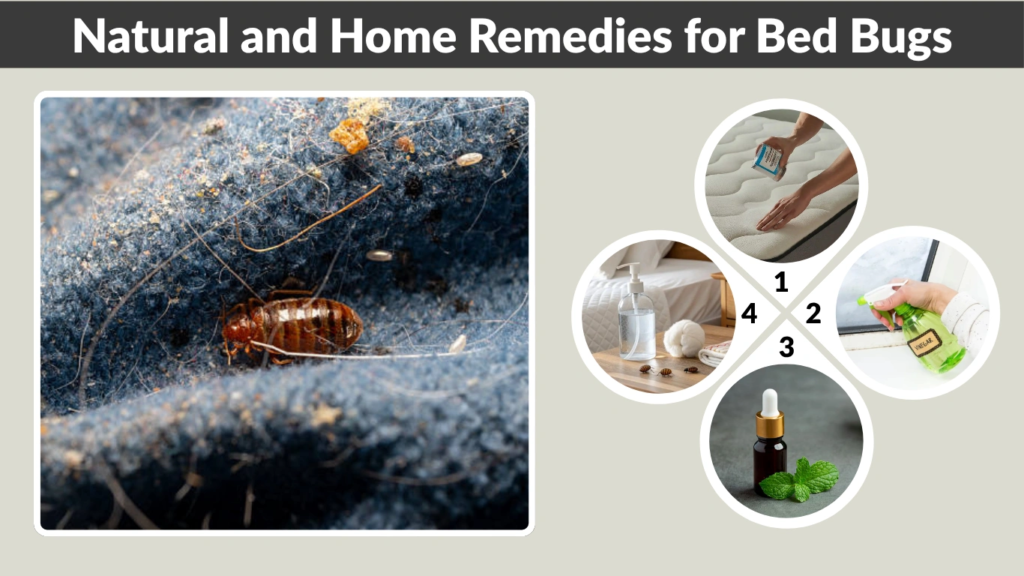
Home remedies are excellent for mild infestations or for preventing re-infestation after a professional treatment.
- Diatomaceous Earth (DE): Sprinkle DE powder on mattress seams, carpets, and cracks. It kills bugs by dehydrating them.
- Vinegar Spray: Works as a contact killer; spray on visible bugs directly.
- Essential Oils: Tea tree, lavender, and peppermint oils repel bed bugs when diluted and sprayed.
- Rubbing Alcohol: Kills bugs on contact but evaporates quickly, so it’s best used for spot treatment.
- Baking Soda: Absorbs moisture and deters bugs when sprinkled in hiding areas.
Though natural remedies can help, they work best with heat and cleaning methods.
How to Get Rid of Bed Bugs in a Mattress

Bed bugs love mattresses since they provide warmth and easy access to hosts. Here’s how to clean them properly:
- Strip all bedding and wash it in hot water.
- Vacuum the entire mattress, especially seams and tufts.
- Steam-clean both sides of the mattress.
- Apply a thin layer of diatomaceous earth or bed bug powder.
- Encase the mattress in a bed bug-proof cover to trap any remaining pests.
Keep the encasement on for at least six months to ensure full extermination.
Getting Rid of Bed Bugs in Clothes and Fabrics
Bed bugs often hide in clothing fibers and laundry baskets. Follow these steps:
- Sort infested clothes into sealable plastic bags.
- Wash them in hot water and dry on the highest setting for 30 minutes.
- For delicate items, freezing for 3 days also kills bed bugs and eggs.
- Store clean clothes separately to prevent reinfestation.
Don’t forget to vacuum closets, drawers, and even luggage where bugs might hide.
How to Get Rid of Bed Bugs in Furniture and Couches

Cleaning Upholstered Furniture
- Remove all cushions and vacuum deep seams.
- Steam the entire surface, especially cracks and folds.
- Spray a residual insecticide safe for fabrics.
Protecting Your Living Area
- Place interceptors under furniture legs to trap moving bugs.
- Keep sofas away from walls for easier inspection.
- Regularly clean with a high-temperature steam cleaner.
This dual approach cleans visible bugs and stops hidden eggs from hatching.
Treating Bed Bug Bites
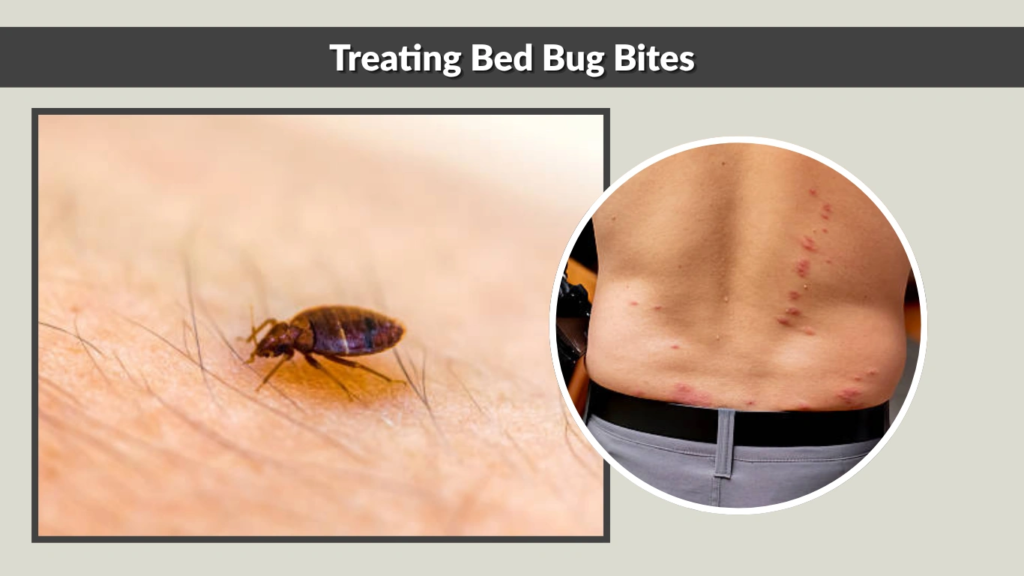
Bed bug bites appear as red, itchy welts, often mistaken for mosquito bites. Though not dangerous, they can cause discomfort and skin irritation.
How to Heal Bed Bug Bites Fast
- Wash affected skin with soap and warm water to reduce bacteria.
- Apply ice packs for swelling and itching relief.
- Use anti-itch creams or aloe vera to soothe irritation.
- Take antihistamines if itching persists.
Avoid scratching the bites, as it can cause infection or scarring. For overnight relief, apply a paste of baking soda and water or calamine lotion.
DIY and Professional Bed Bug Treatment
DIY methods are cost-effective for minor infestations, but large outbreaks often need professionals.
DIY treatment includes: vacuuming, steam cleaning, and natural remedies. It requires daily follow-ups for several weeks.
Professional extermination uses heat chambers, specialized chemicals, and monitoring traps. Though more expensive, it ensures total elimination, especially in apartments or large houses.
If bugs reappear after your DIY efforts, call a pest control service to inspect the entire area.
How to Get Rid of Bed Bugs in Cars and Vehicles
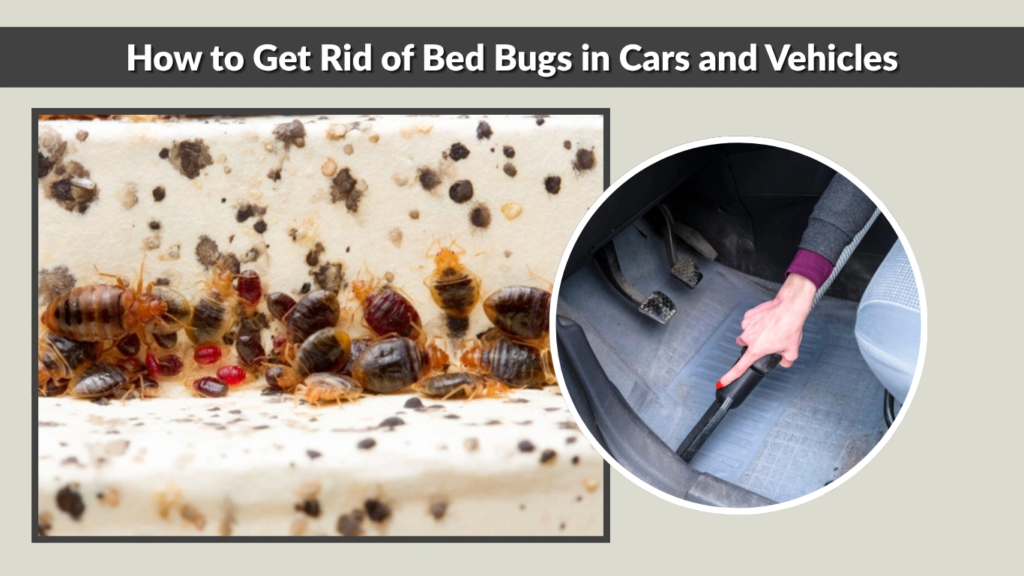
Bed bugs can infest cars by traveling on clothes, bags, or furniture. They hide in seat seams, floor mats, and trunk linings. To eliminate them:
- Vacuum thoroughly — Focus on seats, floors, and corners.
- Use a steam cleaner — The high heat kills bugs and eggs effectively.
- Apply insecticide — Choose one labeled safe for vehicles.
- Park in direct sunlight — Heat buildup inside a closed car helps kill hidden bugs.
To prevent re-infestation, inspect your car regularly, especially after trips or transporting used furniture.
How to Get Rid of Bed Bugs in Carpets and Rugs
Carpets can harbor bed bugs, eggs, and larvae. The dense fibers make them ideal hiding spots. Start by vacuuming slowly and thoroughly, paying attention to edges and under furniture.
Next, use a steam cleaner with a temperature above 120°F. Steam penetrates deep into fibers and kills all life stages. Finally, apply a bed bug powder like diatomaceous earth around baseboards and under furniture. Repeat weekly until you see no signs of activity.
How to Prevent Bed Bugs from Returning
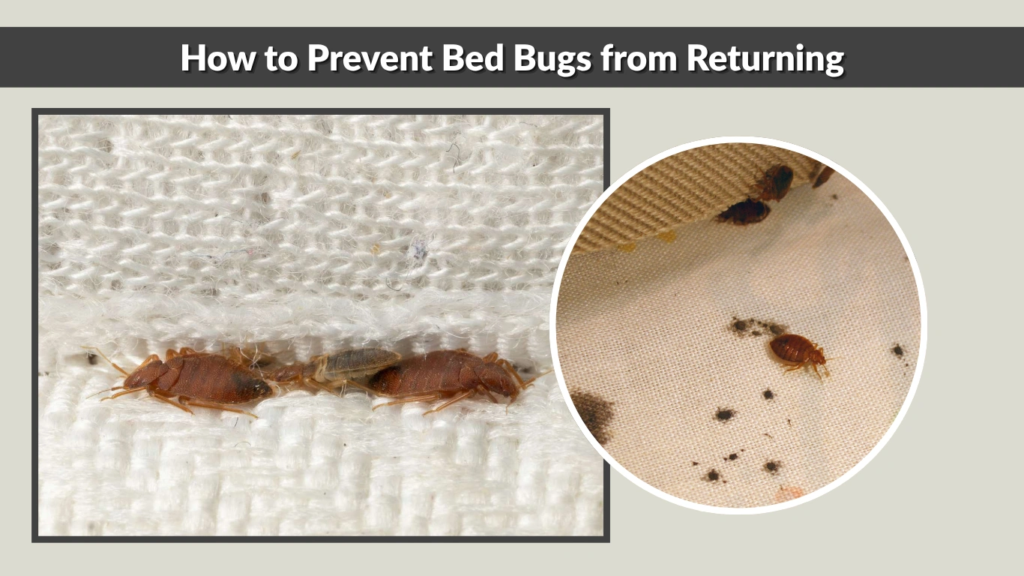
Clean and Maintain Regularly
Vacuum bedrooms, couches, and carpets weekly. Dispose of vacuum bags outside immediately. Wash bedding and curtains in hot water to remove eggs.
Protect Sleeping Areas
Use bed bug-proof encasements for mattresses and pillows. Place traps under bed legs to catch moving bugs. Keep beds slightly away from walls and avoid storing clothes underneath.
Travel Smart
Inspect hotel mattresses and luggage stands before unpacking. Store your suitcase on a hard surface, not carpet. After returning home, wash all clothes on high heat, even if unworn.
Monitor and Inspect
Install bed bug interceptors or monitors. Early detection ensures any returning bugs are removed before they spread.
The Cost of Getting Rid of Bed Bugs
The price varies depending on the infestation size and chosen method.
- DIY Treatments: Around $50–$200 for supplies like sprays, steamers, and powders.
- Professional Extermination: Usually $300–$1,500 per session, depending on home size.
- Whole-Home Heat Treatment: Can cost between $1,500 and $4,000 but is highly effective.
While DIY methods save money, professional heat treatment ensures complete elimination in one visit, especially for severe infestations.
How to Get Rid of Bed Bugs Permanently at Home
To permanently eliminate bed bugs, focus on combining heat, cleaning, and prevention.
- Treat every room at once, not just the bedroom.
- Use heat — bed bugs cannot survive temperatures over 118°F.
- Keep clutter to a minimum to reduce hiding spots.
- Maintain a cleaning schedule to catch early signs.
- Seal wall cracks, gaps, and electrical outlets.
Consistency is key. Missing even a few eggs can restart the infestation cycle.
How Long It Takes to Completely Get Rid of Bed Bugs
Eliminating bed bugs entirely can take 3–6 weeks, depending on severity. A light infestation may clear in two treatments, while heavy ones require repeated cleaning and inspection. Professional treatments often finish faster, as they target eggs and adults simultaneously using heat and residual chemicals.
Regular follow-ups ensure no eggs hatch unnoticed. Once three weeks pass without bites or sightings, your home is likely clear.
How Hard It Is to Get Rid of Bed Bugs
Bed bugs are difficult to eliminate because they reproduce quickly and hide in nearly invisible cracks. Female bed bugs lay up to 5 eggs per day, and eggs can survive even after mild cleaning. Their resistance to many pesticides makes eradication tricky.
However, with patience and the right combination of heat, vacuuming, and sealing, it’s entirely possible to remove them permanently. Persistent cleaning and monitoring are the true long-term solutions.
Best Ways to Get Rid of Bed Bugs Without an Exterminator
If hiring a pest control service isn’t an option, follow this do-it-yourself strategy:
- Vacuum daily — Focus on mattresses, carpets, and upholstery.
- Apply diatomaceous earth in cracks and around furniture legs.
- Use steam cleaning weekly to destroy eggs.
- Launder bedding and clothes in hot water regularly.
- Seal clutter and infested items in airtight bags for several months.
DIY control takes more time but is effective if done consistently. Combine multiple methods for the best results.
Long-Term Bed Bug Prevention Plan
Once your home is clear, maintaining a strict prevention plan is essential.
- Inspect furniture, especially secondhand items, before bringing them indoors.
- Use protective encasements for mattresses and pillows.
- Keep your living area clutter-free and vacuum weekly.
- When traveling, store luggage away from sleeping areas.
- Regularly check corners, seams, and baseboards for early signs.
Consistent monitoring and cleanliness are your strongest defenses against another infestation.
FAQs
How long does it take to completely get rid of bed bugs?
Elimination typically takes 3 to 6 weeks. Smaller infestations may clear faster with consistent cleaning and heat treatment. However, larger colonies require professional help or several repeated treatments to ensure all eggs and hidden bugs are destroyed.
Are home remedies effective for killing bed bugs?
Home remedies like diatomaceous earth, vinegar, and essential oils can reduce bed bug numbers. However, they’re best combined with steam cleaning and regular vacuuming. Alone, they won’t kill deeply hidden eggs or heavy infestations.
Can bed bugs live in carpets or cars?
Yes, bed bugs can live in carpets, upholstery, and car interiors. They hide in seams and under floor mats. Regular vacuuming, steam treatment, and heat exposure help remove them effectively from these hidden areas.
What is the best natural way to remove bed bugs?
The best natural way is a mix of steam treatment, diatomaceous earth, and heat exposure. Steam kills bugs instantly, while DE dehydrates eggs and lingering insects. Adding essential oils like lavender or peppermint can repel future infestations naturally.
How can I tell if bed bugs are gone for good?
Check for signs like bites, droppings, or stains for three consecutive weeks. Use traps under bed legs to monitor activity. If no new evidence appears and you sleep bite-free for over a month, the infestation is successfully eliminated.
