

Encounters with bees and wasps are a common part of outdoor life, whether you are enjoying a picnic, tending a garden, or hiking through nature. While these insects play an important role in pollination and maintaining ecosystems, their stings can be painful—and in some cases dangerous. Knowing the difference between bee and wasp stings, recognizing symptoms, and understanding the right first aid measures can help you respond quickly and safely.
In this article, we’ll explore the key differences between bee and wasp stings, how to recognize symptoms, what to do for first aid, and when to seek medical help.
Understanding Bee and Wasp Stings

Both bees and wasps sting as a defense mechanism, but their stingers and venom are different. A bee’s stinger is barbed, which means it becomes lodged in the skin when they sting. As the bee pulls away, the stinger remains, pumping venom until it is removed. Unfortunately, this usually kills the bee.
Wasps, on the other hand, have smooth stingers. This allows them to sting multiple times without harming themselves. Their venom is also slightly different in composition, which can cause a sharper pain that may last longer.
General symptoms of bee and wasp stings include:
- Immediate sharp pain or burning sensation
- Redness and swelling at the sting site
- Itching or warmth around the area
These symptoms are usually mild, but some people may experience more severe allergic reactions.
Do All Bees and Wasps Sting?
Not every bee or wasp is capable of stinging. Male bees (drones) do not have stingers at all. Only female bees and wasps sting, and even then, stinging is generally a last resort.
- Honeybees die after stinging because of their barbed stingers.
- Bumblebees and wasps can sting repeatedly.
- Hornets, a type of wasp, deliver especially painful stings due to their larger size and potent venom.
Difference Between Bee and Wasp Stings

Stinger Structure and Venom
- Bee stings: Barbed stinger, remains lodged in the skin. Venom is acidic.
- Wasp stings: Smooth stinger, no stinger left behind. Venom is more alkaline.
This chemical difference explains why home remedies often suggest baking soda (to neutralize bee venom) and vinegar (to neutralize wasp venom).
Symptoms Comparison
- Bee sting symptoms: Moderate pain, localized swelling, visible stinger left behind.
- Wasp sting symptoms: Sharp, burning pain, swelling, more likely to sting multiple times, no stinger present.
Duration and Severity
- Bee stings usually cause pain and swelling for a few hours, sometimes up to a day.
- Wasp stings may remain painful longer and can cause more intense swelling, especially if multiple stings occur.
Hornet Stings
Hornet stings are often grouped with wasps but deserve special mention. Their venom is more potent, making stings extremely painful and sometimes dangerous even without an allergy. Understanding the difference between bee, wasp, and hornet stings is key for proper care.
Symptoms and Reactions
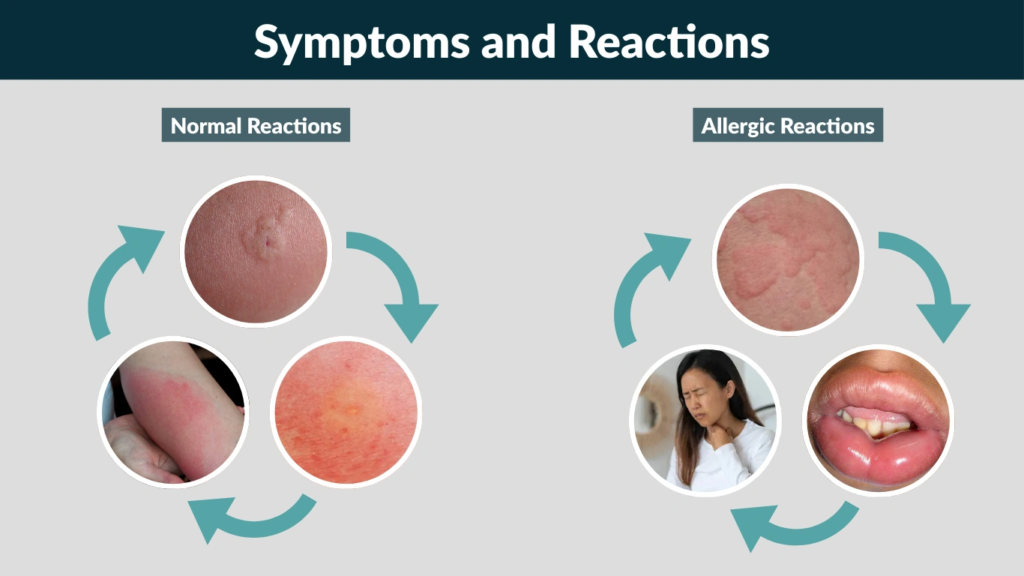
Normal Reactions
Most people experience mild, temporary symptoms after a bee or wasp sting:
- Sharp, burning pain
- Swelling and redness
- Itching around the site
- Tenderness for up to 2–3 days
Allergic Reactions
Some individuals may experience allergic reactions to bee and wasp stings, which can be far more serious. Symptoms include:
- Hives or widespread rash
- Swelling of lips, tongue, or throat
- Difficulty breathing or swallowing
- Dizziness or fainting
This severe allergic response is called anaphylaxis and requires immediate emergency care.
Special Cases: Pets and Multiple Stings
- Bee and wasp stings in dogs: Dogs may paw at the sting site, drool, or swell around the face. Veterinary attention is needed if multiple stings occur or if there’s swelling in the throat area.
- Multiple stings in humans: While one sting is usually manageable, dozens of stings can be dangerous, especially for children or elderly individuals, due to venom overload.
First Aid for Bee and Wasp Stings

Immediate Steps
- Move to safety: Bees and wasps may sting repeatedly if disturbed.
- For bee stings: Remove the stinger as quickly as possible by scraping with a credit card or fingernail—avoid squeezing it.
- For wasp stings: No stinger remains, so focus on cleaning the wound.
- Cleanse the area: Wash with soap and water to reduce infection risk.
Home Remedies & Natural Treatments
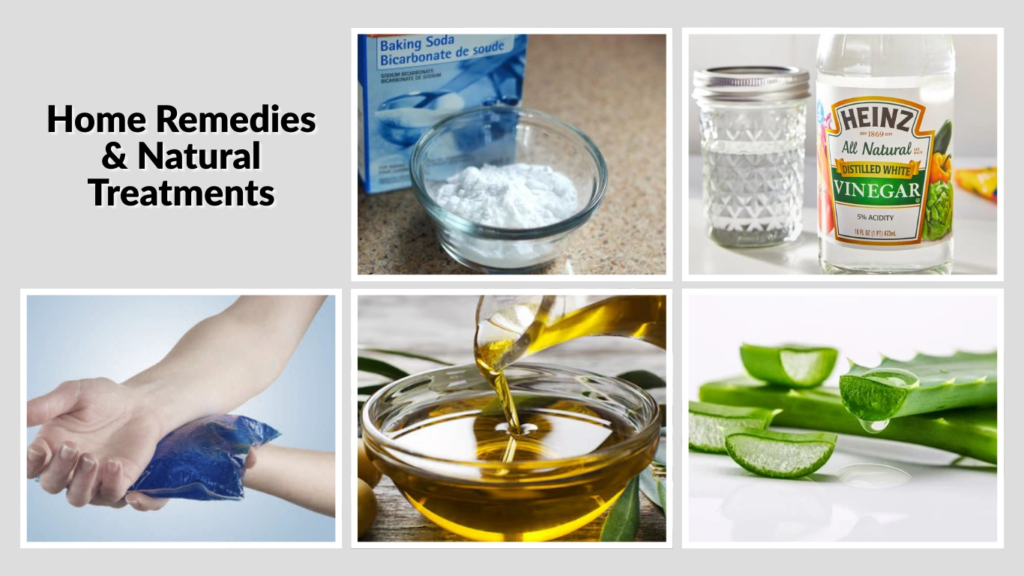
Natural remedies are popular for reducing sting pain and swelling:
- Ice packs: Reduce swelling and numb pain.
- Baking soda paste: Neutralizes acidic bee venom.
- Vinegar: Can counter alkaline wasp venom.
- Mustard applied topically: A traditional remedy for soothing stings.
- Aloe vera gel or honey: Natural anti-inflammatory and soothing properties.
Over-the-Counter Treatments
- Antihistamines: Reduce itching and swelling.
- Pain relievers: Ibuprofen or acetaminophen for discomfort.
- Ointments and creams: Hydrocortisone cream or sting-specific gels help calm skin irritation.
Medical Treatment and When to Seek Help
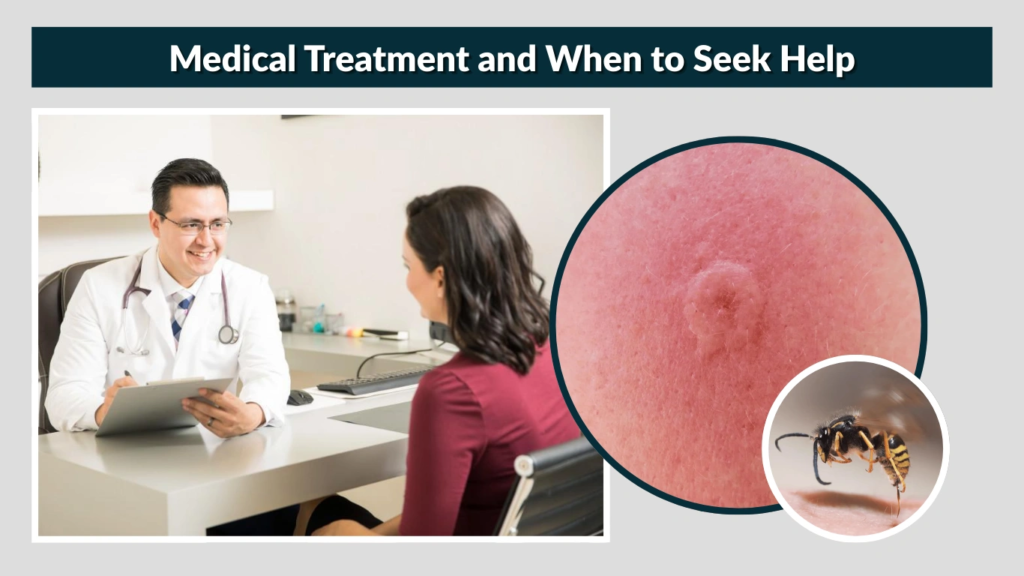
When First Aid Isn’t Enough
Seek medical advice if:
- Swelling continues to spread after 24–48 hours.
- Signs of infection appear (pus, warmth, red streaks).
- The sting is near sensitive areas like eyes, mouth, or throat.
- You receive multiple stings at once.
Allergic Emergencies
For severe allergic reactions, follow these steps:
- Use an epinephrine auto-injector (EpiPen) if prescribed.
- Call emergency services immediately.
- Do not wait for symptoms to improve on their own.
Long-Term Management
Individuals with severe allergies may need:
- Allergy testing to confirm sensitivity.
- Venom immunotherapy (desensitization) to reduce reactions over time.
- Always carrying an emergency allergy kit.
Prevention and Safety Tips
While stings are often accidental, there are practical steps you can take to reduce your risk of being stung by bees or wasps. Prevention is always easier than treatment.
Avoiding Attraction
- Clothing: Bright colors and floral patterns may attract stinging insects. Neutral tones like white, beige, or khaki are safer outdoors.
- Scents: Perfumes, lotions, or scented hairsprays can draw wasps and bees closer.
- Food and drinks: Sugary foods, fruits, and sodas are magnets for wasps in particular. Always keep drinks covered when outside.
Staying Calm
Sudden movements and swatting often provoke stings. If a bee or wasp hovers around you, remain still or walk away slowly. Most insects will leave if they do not feel threatened.
Garden and Home Precautions
- Keep trash cans sealed to avoid attracting wasps.
- Check for nests around eaves, decks, or trees in spring and summer.
- Wear protective clothing when gardening, especially gloves and long sleeves.
- Provide nesting alternatives like bee hotels for solitary bees, which are harmless and beneficial pollinators.
Outdoor Safety
- Teach children to recognize and respect bees and wasps.
- Avoid going barefoot in grassy areas where clover or dandelions grow, as bees often forage there.
- Stay alert in picnic areas, parks, or orchards where insects are abundant.
Bee and Wasp Sting Myths and Facts
There are many myths about stings that can lead to confusion or ineffective treatments. Here are the most common misconceptions clarified:
Myth 1: “Bee and wasp stings are the same.”
Fact: Bee and wasp stings differ in both structure and venom. Bees leave a barbed stinger and sting only once, while wasps can sting repeatedly with a smooth stinger. Their venom composition is also different—bee venom is more acidic, while wasp venom is alkaline.
Myth 2: “Bees always die after stinging.”
Fact: Only honeybees die after stinging because their barbed stinger tears away from their body. Bumblebees and many other bee species can sting more than once, similar to wasps.
Myth 3: “You should suck out the venom.”
Fact: This old remedy is not only ineffective but also risky, as it may introduce bacteria into the wound. The best action is to remove the stinger (if present) and clean the area.
Myth 4: “Natural remedies are enough for all stings.”
Fact: While remedies like baking soda, vinegar, and aloe vera can help mild stings, severe allergic reactions require urgent medical care. Never rely solely on home remedies if symptoms worsen.
Myth 5: “Bee stings toughen you against future stings.”
Fact: Repeated stings can actually increase the risk of developing allergies. Some people become more sensitive over time rather than more tolerant.
Bee, Wasp, and Hornet Sting Comparisons
Bee Stings
- Barbed stinger, left in skin
- Single sting only
- Pain: moderate, with swelling
- Venom: acidic
Wasp Stings
- Smooth stinger, no stinger left
- Can sting multiple times
- Pain: sharp and burning
- Venom: alkaline
Hornet Stings
- A type of wasp with larger body size
- Can sting multiple times
- Pain: extremely intense, swelling larger
- Venom: contains acetylcholine and histamine, causing more severe reactions
Understanding these differences helps in applying the right first aid for bee and wasp stings—or hornet stings if encountered.
Special Considerations
Allergies in Children
Children often react more strongly to stings, with swelling that can appear alarming but is not always dangerous. Parents should watch for difficulty breathing, vomiting, or dizziness.
Pets and Livestock
Bee and wasp stings in dogs or cats can be serious, particularly if the sting is near the mouth or throat. Multiple stings may cause collapse or shock. Horses and livestock can also react badly to swarms. Veterinary care should be sought immediately if an animal is stung multiple times.
Repeated Stings and Sensitization
People who are stung frequently—gardeners, beekeepers, outdoor workers—may develop sensitization, meaning their body reacts more strongly over time. Venom immunotherapy can be a life-saving treatment for such individuals.
FAQs
1. What is the difference between a bee sting and a wasp sting?
A bee sting leaves behind a barbed stinger that continues to inject venom until removed, while a wasp sting has a smooth stinger that does not stay in the skin. Bees can sting only once and die afterward, but wasps can sting multiple times.
2. Are bee and wasp stings the same?
No. Bee venom is slightly acidic, while wasp venom is more alkaline. This is why different home remedies are suggested—baking soda for bee stings and vinegar for wasp stings. Symptoms may overlap, but wasp stings are often more painful and longer-lasting.
3. Do bees and wasps die after they sting you?
Only honeybees die after stinging because their barbed stinger lodges in the skin and tears away from their body. Wasps, bumblebees, and hornets have smooth stingers, allowing them to sting multiple times without dying.
4. How do you treat bee and wasp stings at home?
- Bee sting: Remove the stinger quickly, wash the area, and apply a baking soda paste.
- Wasp sting: Clean the site and apply vinegar to neutralize venom.
For both: use ice packs to reduce swelling, and antihistamines or hydrocortisone cream for itching.
5. When should you seek medical help for a bee or wasp sting?
Seek medical attention if you experience allergic symptoms such as difficulty breathing, swelling of lips or throat, dizziness, or widespread hives. Multiple stings, especially in children, elderly individuals, or pets, can also be dangerous and require urgent care.
