

Bee stings are an unfortunate part of spending time outdoors, especially during warmer months when bees are most active. While a sting can be painful and alarming, for most people the reaction is temporary and fades within a few days. Still, many wonder exactly how long a bee sting lasts and why some stings seem to linger longer than others. The answer depends on the type of reaction, individual sensitivity, and how well the sting is treated.
What Happens When a Bee Stings?
When a bee stings, it leaves behind a stinger that injects venom into the skin. This venom is made up of proteins and enzymes that trigger pain and swelling. Almost immediately, the body’s immune system reacts by releasing histamine, which causes redness and inflammation at the site.
The initial pain is usually sharp and burning, lasting just a few minutes. However, swelling, redness, and itching can continue as the body works to break down and remove the venom. In most mild cases, symptoms fade within one to two days, but for others, they may persist longer.
Typical Duration of a Bee Sting Reaction

How long a bee sting lasts varies depending on the severity of the reaction:
- Mild reaction – Pain and redness often disappear within a few hours. Swelling is minor and subsides within 24 hours.
- Average sting – Most people experience discomfort, swelling, and itching for 24–48 hours.
- Severe local reaction – Swelling spreads beyond the sting site and may last from 2 to 7 days before subsiding.
While most stings resolve quickly, the more severe the immune response, the longer the symptoms can linger.
Factors That Affect Healing Time
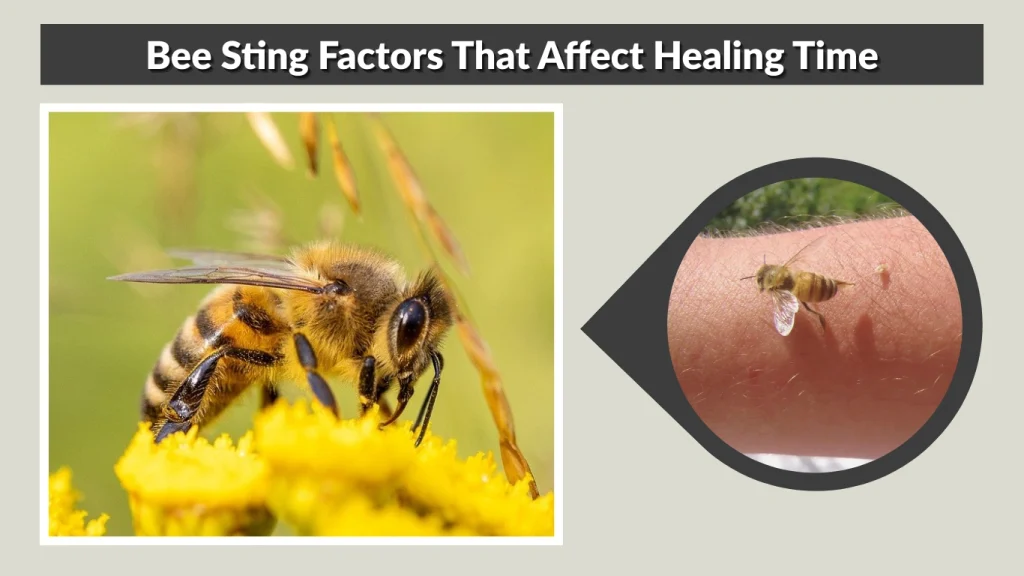
Not all stings heal at the same rate. Several factors influence how long the reaction lasts:
- Location of the sting: Areas with thinner skin, such as the face, may be more sensitive and take longer to heal. Stings on the hands and feet also tend to swell more due to limited space for fluid buildup.
- Amount of venom injected: A sting that delivers more venom may cause stronger and longer-lasting swelling.
- Individual immune response: Some people naturally react more strongly to insect venom than others, leading to prolonged inflammation.
- Age and health: Children and older adults may experience longer-lasting reactions, as can individuals with chronic conditions like diabetes.
- Secondary complications: Scratching the sting site increases the risk of infection, which can extend healing time.
Stages of a Bee Sting

Understanding the timeline of a typical bee sting helps explain why symptoms vary from person to person.
- First few minutes: Sharp, burning pain occurs right after the sting. The area becomes red and raised.
- First 24 hours: Swelling, itching, and tenderness are most noticeable. For mild stings, this is the peak of discomfort.
- 48–72 hours: Symptoms start to improve in most people. However, those with large local reactions may experience swelling that worsens before it begins to fade.
- Up to 7 days: Large local reactions may persist, but swelling and redness gradually resolve. Infection or allergy may prolong symptoms even further.
Large Local Reactions (LLR)

One of the most common reasons a bee sting lasts longer than expected is a large local reaction (LLR). This is not the same as a dangerous systemic allergy but is an exaggerated immune response to bee venom.
Characteristics of LLR:
- Swelling spreads well beyond the sting site
- Redness may cover several inches of skin
- Symptoms peak at 48–72 hours after the sting
- Full recovery may take 5–7 days
For example, a sting on the hand might cause swelling up the arm, or a sting on the foot may make it difficult to wear shoes for several days. Though uncomfortable, these reactions usually resolve on their own.
Allergic Reactions and Duration
In some cases, a bee sting causes an allergic reaction that can last longer than normal swelling. Allergic responses can be immediate or delayed:
- Immediate allergic reaction: This includes anaphylaxis, a medical emergency that happens within minutes. Symptoms include breathing difficulty, swelling of the throat, dizziness, and widespread hives. While the immediate danger is treated with epinephrine, recovery may take several days.
- Delayed allergic reaction: Some people develop skin rashes, hives, or even joint pain a day or two after the sting. These reactions may persist for several days before improving with antihistamines or prescribed medications.
Allergic reactions usually make bee stings last longer than normal and require medical attention to manage symptoms.
When a Bee Sting Lasts Longer Than Normal
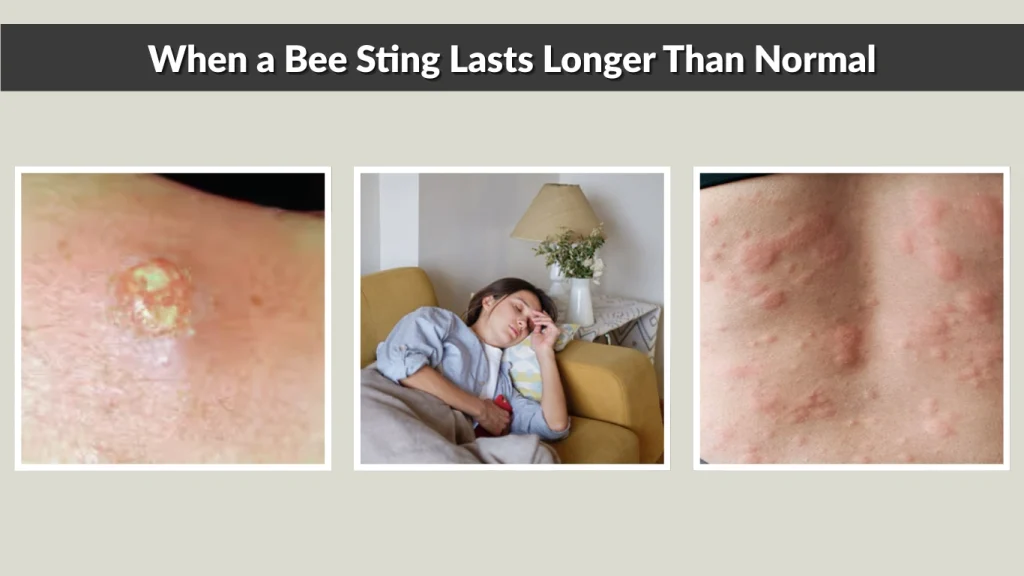
Most bee stings improve within a couple of days, but sometimes they linger longer than expected. If swelling or pain doesn’t fade after a week, there may be an underlying issue.
Possible reasons include:
- Infection – If bacteria enter the wound through scratching or improper cleaning, the sting may become infected. Signs include pus, spreading redness, warmth, or fever.
- Immune disorders – People with weakened immune systems may take longer to heal from even minor stings.
- Secondary reactions – Sometimes, the immune system reacts days later with rashes, hives, or fatigue.
If swelling continues beyond 7–10 days, it’s wise to seek medical advice to rule out complications.
How to Speed Up Recovery
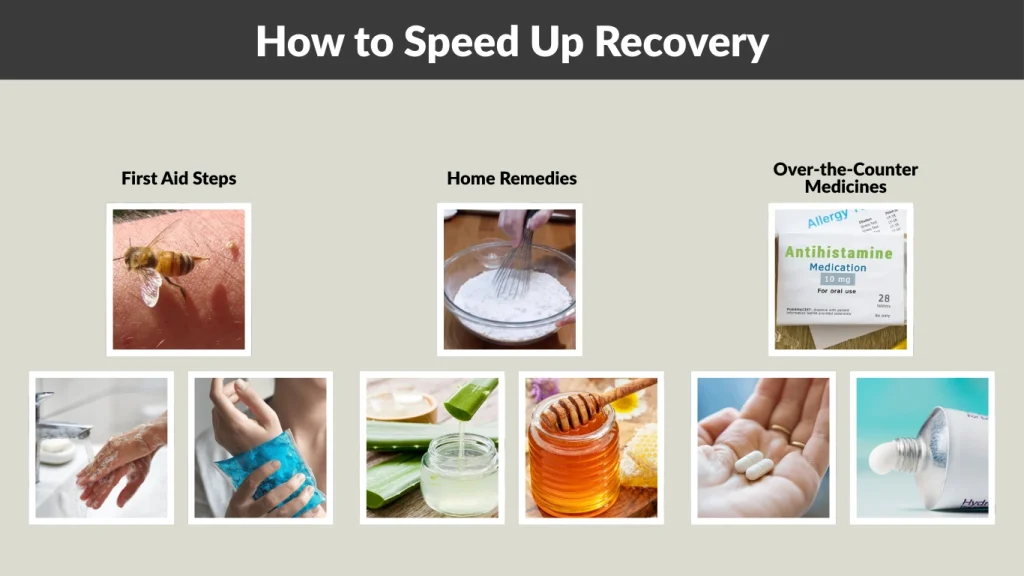
While you can’t completely control how your body reacts to a sting, proper care helps shorten healing time and reduce discomfort.
First Aid Steps
Remove the stinger quickly – Scrape it out with a flat object like a credit card. Don’t squeeze it, as this can release more venom.
Wash the area – Clean with soap and water to prevent infection.
Apply ice – Use a cold compress for 15–20 minutes at a time to reduce swelling.
Home Remedies
- Baking soda paste: Neutralizes venom and soothes itching.
- Aloe vera gel: Provides cooling relief and helps healing.
- Honey: Acts as a natural antibacterial and reduces irritation.
Over-the-Counter Medicines
- Antihistamines (diphenhydramine, loratadine, cetirizine) help with itching and allergic swelling.
- Pain relievers (ibuprofen, acetaminophen) reduce discomfort.
- Hydrocortisone cream eases persistent redness and itching.
Following these steps right after a sting can significantly shorten the duration of symptoms.
Medical Treatments for Prolonged Symptoms
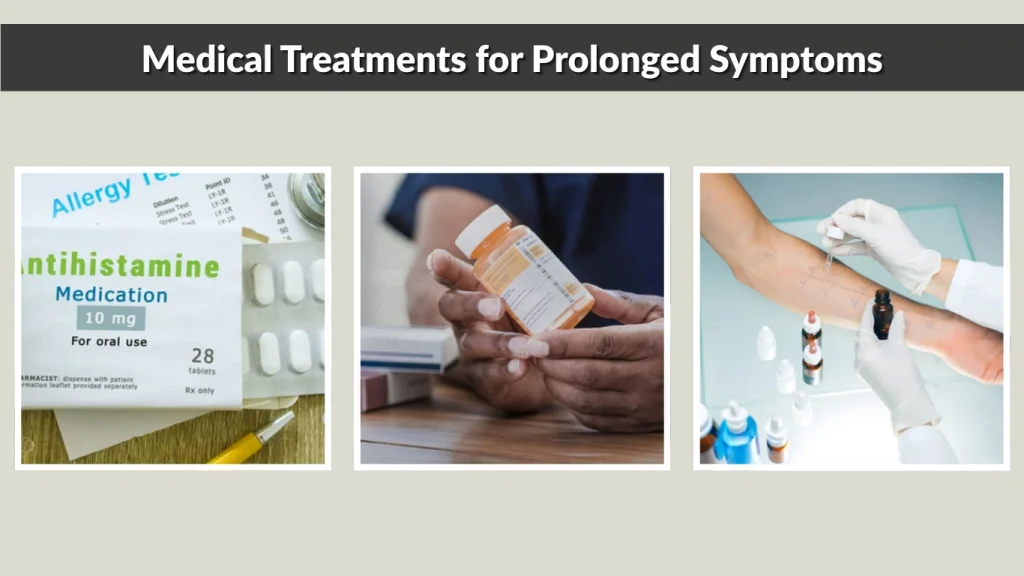
If home remedies don’t work, or if the sting causes unusually severe or long-lasting swelling, medical treatment may be necessary.
- Prescription antihistamines or corticosteroids – Used for severe local reactions that don’t improve within a few days.
- Antibiotics – Prescribed if the sting becomes infected.
- Allergy testing and venom immunotherapy – Recommended for people who consistently have large reactions or systemic allergies.
Venom immunotherapy is a long-term treatment that gradually desensitizes the body to bee venom, reducing the risk of severe reactions in the future.
Preventing Long-Lasting Stings in the Future
While you can’t always avoid bees, you can take steps to reduce your chances of being stung.
Outdoor Safety
- Stay away from hives or swarms.
- Avoid wearing bright clothing or strong perfumes outdoors, as these attract bees.
- Cover food and drinks when eating outside.
Protective Clothing
- Wear long sleeves, pants, gloves, and closed shoes when gardening or hiking.
- Keep windows closed or use screens to prevent bees from entering your home.
Be Prepared
- Keep antihistamines on hand if you often experience strong reactions.
- Carry an epinephrine auto-injector if you have a history of severe allergic reactions.
- Discuss allergy management with your doctor if bee stings frequently cause prolonged or severe symptoms.
FAQs
How long should a bee sting be swollen?
In most cases, swelling lasts 24–48 hours. However, with a large local reaction, swelling can last up to 7 days.
Can a bee sting last for a week?
Yes. While mild stings improve quickly, severe local reactions may linger for 5–7 days. If symptoms last longer than a week, medical evaluation is recommended.
What makes a bee sting last longer than usual?
Scratching, infection, or a strong immune response (large local reaction) can extend healing time. Underlying health conditions can also slow recovery.
Do bee stings heal faster with treatment?
Yes. Promptly removing the stinger, cleaning the wound, applying ice, and using antihistamines or creams can reduce swelling and shorten healing time.
When should I be worried about a bee sting that hasn’t healed?
If pain and swelling persist beyond 7–10 days, or if you notice pus, fever, spreading redness, or breathing difficulty, seek medical help immediately.
