

With their long, slender bodies and unusually thin “thread-like” waist, thread-waisted wasps are some of the most distinctive insects you might encounter in gardens, fields, or even near homes. Belonging to the family Sphecidae, these solitary wasps often raise curiosity—and sometimes fear—because of their appearance and stinging ability. However, they play an important role in controlling pest populations and supporting pollination. This article explores their identification, behavior, nesting habits, sting risks, and ecological importance, helping you better understand whether these wasps are friends or foes.
What is a Thread-Waisted Wasp?
The thread-waisted wasp is a solitary insect belonging to the family Sphecidae within the order Hymenoptera. Its name comes from the narrow, thread-like connection between the thorax and abdomen, which makes it stand out from other wasps. Unlike social wasps such as yellowjackets or hornets, thread-waisted wasps live alone and do not form colonies. They are commonly seen hovering around flowers or searching for prey, often in gardens, meadows, and sandy soil areas. Their role in nature is highly beneficial, as they help control caterpillar populations while also aiding in pollination.
Scientific Classification
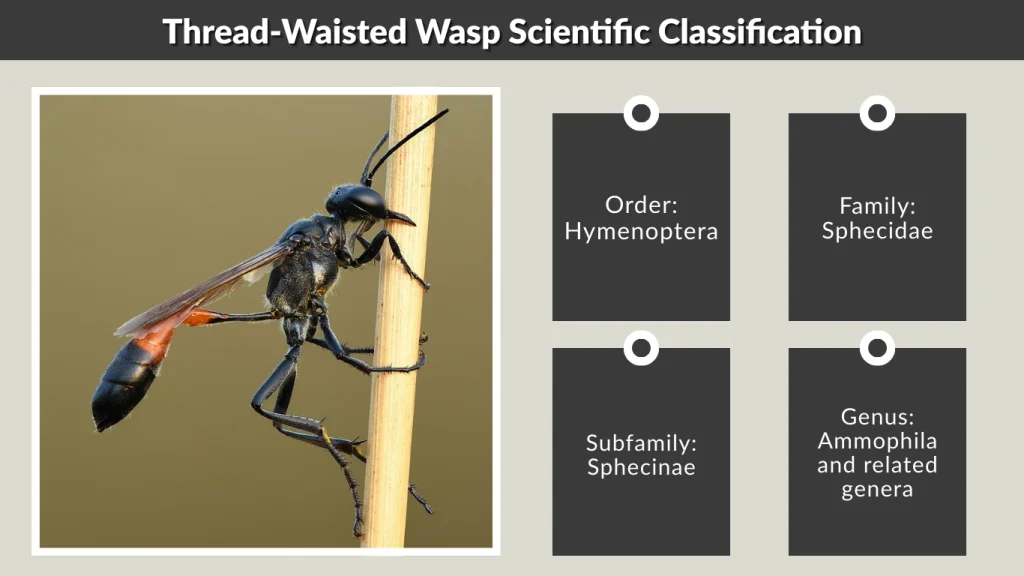
Thread-waisted wasps include several species, the most common belonging to the genus Ammophila. Their scientific classification is as follows:
- Order: Hymenoptera
- Family: Sphecidae
- Subfamily: Sphecinae
- Genus: Ammophila and related genera
Different regions host different species, but they share common features such as solitary nesting behavior and their long, narrow waists.
Physical Characteristics

Distinctive Thin “Thread-Like” Waist
The most recognizable feature is the wasp’s extremely narrow waist, giving it the “thread-waisted” appearance.
Color Variations (Black, Yellow, Red)
Most species are black or dark brown, while some have yellow or reddish markings on the abdomen. These variations often cause confusion with mud daubers or other wasps.
Size Range
Thread-waisted wasps typically range from 0.5 to 1.5 inches (12–38 mm) in length, depending on the species. Their bodies are slender, with long legs and a slightly curved abdomen that enhances their unique shape.
Identification Guide

Thread-waisted wasps can be recognized quickly once you know what to look for. Their thin waist is the main feature, but other traits also help in identification:
- Body Shape: Long, slender body with an exaggerated “thread-like” waist.
- Color: Usually black, dark brown, or black with yellow or reddish markings.
- Wings: Transparent to smoky-colored wings that fold along their back when resting.
- Behavior: Solitary hunters, often seen hovering around flowers or flying close to the ground searching for prey.
Because of their size and shape, they are sometimes mistaken for mud dauber wasps or even certain species of hornets, but their narrow waist sets them apart.
Habitat and Distribution
Where They Live
Thread-waisted wasps thrive in open, sunny environments such as gardens, fields, meadows, and sandy areas. They prefer loose soil for nesting, which makes dry sandy patches ideal.
Geographic Range
They are found worldwide, with a wide variety of species living across North America, Europe, Asia, Africa, and Australia. In the United States, they are a common sight during the summer months, particularly in regions with warm climates.
Nesting Behavior

How They Build Nests
Unlike social wasps that construct large paper nests, thread-waisted wasps are solitary nesters. The female digs a burrow in loose or sandy soil, often with several chambers.
Burrowing in Sandy Soil
Each chamber is provisioned with food for a single larva. Females often paralyze caterpillars or other soft-bodied insects and drag them into the burrow.
Nest Provisioning with Caterpillars
Once the chamber is stocked, the female lays an egg on the prey and seals the burrow. The larva hatches and consumes the paralyzed insects, ensuring fresh food until it matures. This behavior makes them important natural pest controllers in gardens and farmlands.
Diet and Feeding Habits
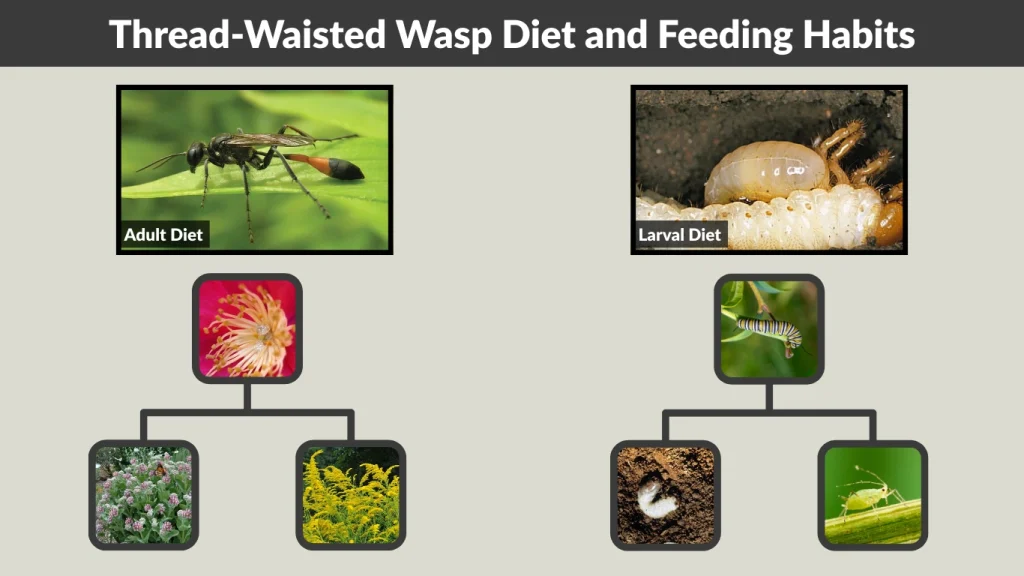
Adult Diet (Nectar and Plant Juices)
Adult thread-waisted wasps primarily feed on nectar from flowers and occasionally sip plant juices. This feeding behavior makes them frequent visitors to gardens, where they play a role in pollination.
Larval Diet (Paralyzed Prey)
The larvae, however, have a completely different diet. Female wasps hunt caterpillars, beetle larvae, and other soft-bodied insects, sting them to cause paralysis, and then place them inside the nest burrow. The egg is laid directly on the immobilized prey, ensuring the larva has fresh food to eat when it hatches.
Sting and Danger to Humans
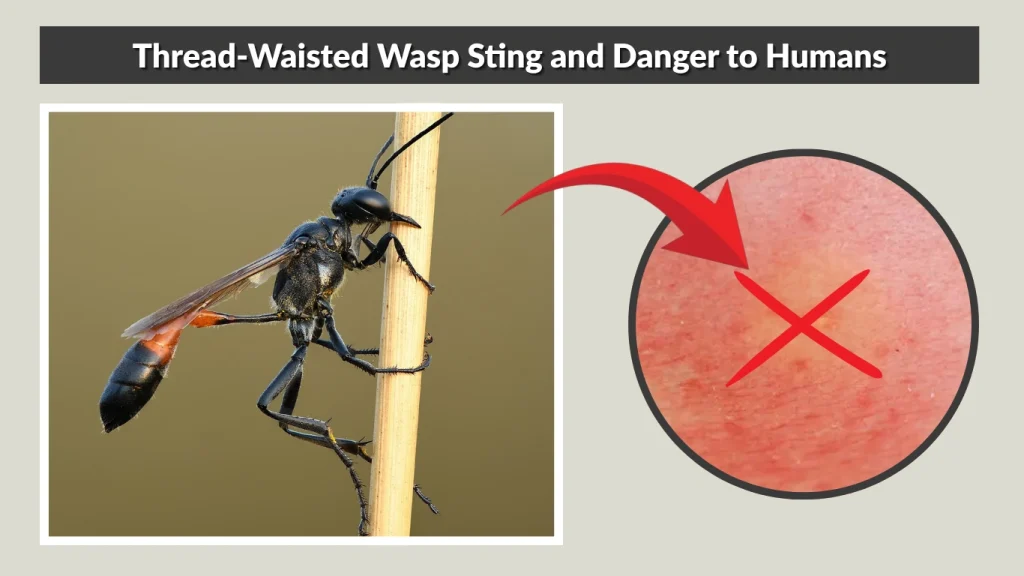
Do Thread-Waisted Wasps Sting?
Yes, thread-waisted wasps are capable of stinging. However, their sting is mostly used for hunting and paralyzing prey, not for defending themselves aggressively like yellowjackets or hornets.
Are Thread-Waisted Wasps Dangerous?
They are not considered dangerous to humans. In fact, they are solitary and non-aggressive, meaning they rarely sting people unless directly handled or threatened.
Venom Use for Prey, Not Humans
Their venom is designed to paralyze insects for their larvae, not to harm mammals. This makes them beneficial rather than a threat.
Rare Cases of Stings
In rare cases where a person is stung, the reaction is usually mild, similar to a bee sting—temporary pain, redness, or swelling. Severe allergic reactions are extremely uncommon.
Thread-Waisted Wasps in the House
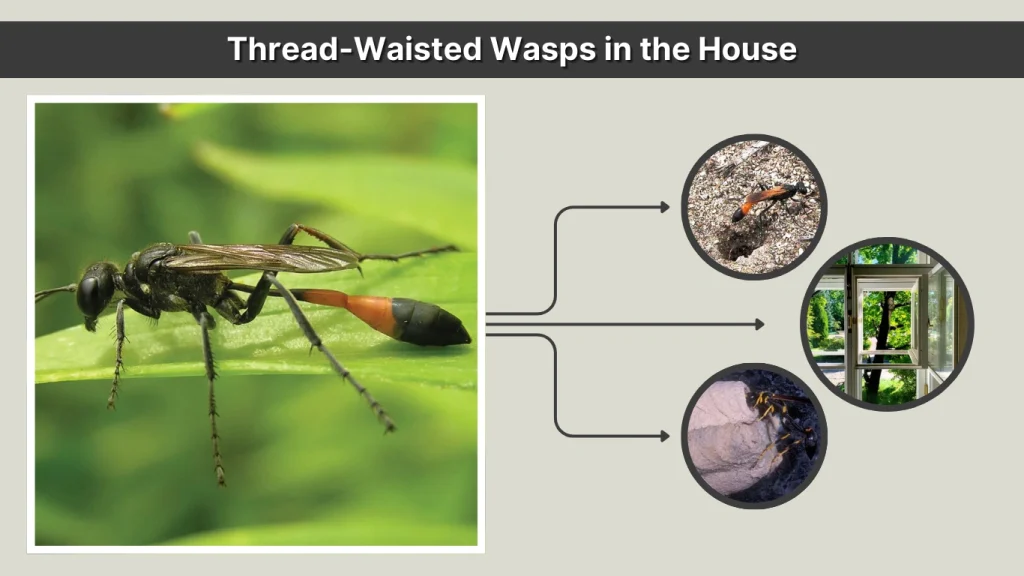
Occasionally, thread-waisted wasps may find their way indoors. They are attracted to light sources or may enter accidentally while searching for prey.
- Harmless Indoors: They do not build nests inside homes like some other wasps and usually wander by mistake.
- Removal: If found indoors, they can be safely guided outside using a glass and paper or by opening a window.
- Prevention: Keeping windows and doors screened helps reduce accidental entry.
Their presence inside a house should not cause alarm—they are harmless visitors and do not infest buildings.
Black and Yellow Variations
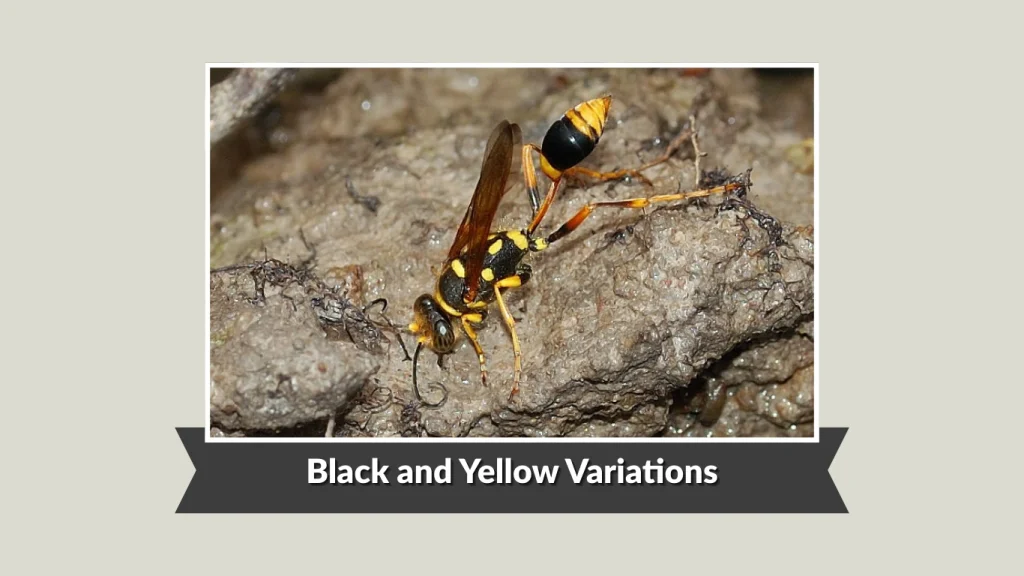
Black Thread-Waisted Wasp
Some species are entirely black, giving them a sleek appearance. These are the most common type people encounter in gardens.
Yellow-Banded Types
Other species have yellow or reddish markings on their abdomen, which can cause confusion with yellowjackets or paper wasps. However, their long, narrow waist helps distinguish them from aggressive species.
Comparison with Other Wasps
Unlike yellowjackets, thread-waisted wasps do not form colonies or attack in groups. Their thin waist and solitary nature are the easiest ways to tell them apart.
Ecological Importance
Thread-waisted wasps play an essential role in maintaining natural balance.
- Pest Control: By hunting caterpillars and larvae, they naturally regulate pest populations that could otherwise damage crops and gardens.
- Pollination: Adults frequently visit flowers for nectar, assisting in pollination much like bees and butterflies.
- Biodiversity Support: Their presence supports ecosystems by keeping insect populations in check without the need for chemical pesticides.
Overall, they are highly beneficial insects and should be preserved rather than eliminated.
Common Misidentifications
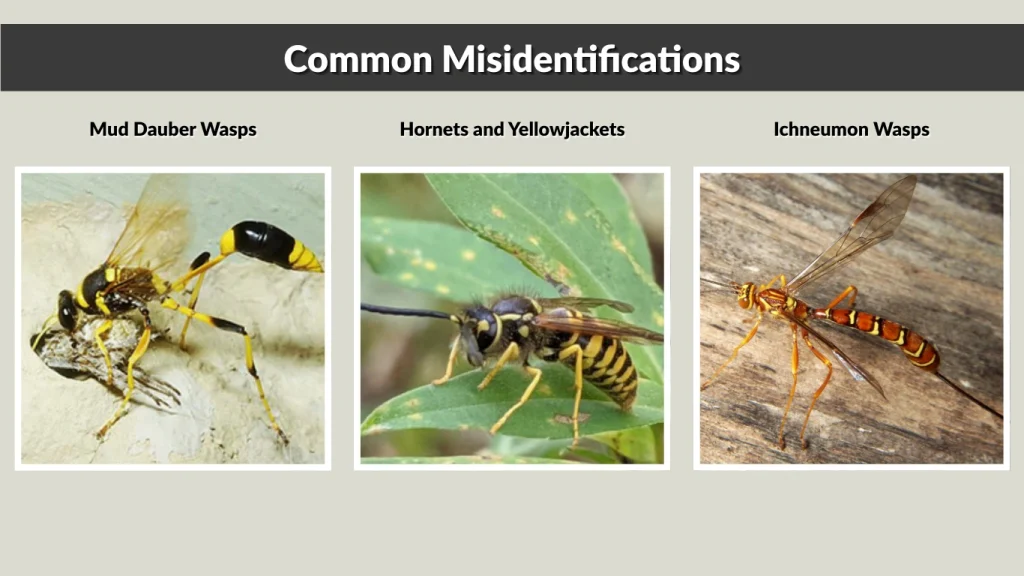
Thread-waisted wasps are often mistaken for other wasps due to their appearance.
- Mud Dauber Wasps: Both have slender bodies, but mud daubers build mud nests, while thread-waisted wasps burrow into the soil.
- Hornets and Yellowjackets: These social wasps are stockier and more aggressive, often building paper nests. In contrast, thread-waisted wasps are solitary and non-aggressive.
- Ichneumon Wasps: Another slender wasp group, but ichneumons often have extremely long ovipositors, unlike thread-waisted wasps.
Learning these differences helps reduce unnecessary fear and promotes a better understanding of their ecological value.
Interesting Facts
Thread-waisted wasps are fascinating insects with unique traits that make them stand out:
- Solitary Lifestyle: Unlike social wasps, each female builds and provisions her own nest without help from others.
- Precision Hunters: They are known for their careful hunting technique, stinging prey just enough to paralyze but not kill, ensuring fresh food for larvae.
- Silent Workers: Despite their alarming look, they are quiet, rarely bothering humans, and spend most of their time focused on nest building and hunting.
- Short Adult Life: Most species only live a few weeks as adults, dedicating their entire time to reproduction and nesting.
How to Handle Encounters
While encountering a thread-waisted wasp may look intimidating, handling the situation calmly is best.
- Stay Calm: They are non-aggressive and will not sting unless provoked.
- Do Not Swat: Aggressive movements may trigger defensive behavior.
- Guide Away Safely: If indoors, gently trap them with a cup and paper or open a window for them to leave.
- Garden Presence: If they are active in your garden, it’s better to leave them undisturbed since they help control pests.
FAQs
What is the scientific name of the thread-waisted wasp?
Thread-waisted wasps belong mainly to the genus Ammophila, within the family Sphecidae and order Hymenoptera. Different species exist worldwide, each with slight variations in color and size, but all share the distinct long, narrow waist that gives them their name.
Do thread-waisted wasps sting humans?
Yes, they can sting, but they rarely do. Their sting is primarily used to paralyze prey such as caterpillars for their larvae. Unlike yellowjackets or hornets, thread-waisted wasps are solitary and non-aggressive, so the chance of being stung is extremely low unless they are directly handled or threatened.
Are they dangerous or poisonous?
No, thread-waisted wasps are not considered dangerous or poisonous to humans. Their venom is designed to immobilize insect prey, not to harm people. While a sting may cause temporary pain or swelling, it is usually mild and short-lived, posing little to no medical concern for most individuals.
What do thread-waisted wasps eat?
Adult thread-waisted wasps feed mainly on nectar and plant juices, making them useful pollinators. Their larvae, however, consume paralyzed insects provided by the mother. Caterpillars are the most common prey, which makes these wasps valuable natural pest controllers in gardens and farmlands.
How do thread-waisted wasps build their nests?
Females dig burrows in sandy or loose soil, creating chambers where they place paralyzed prey. After laying an egg on the prey, the wasp seals the chamber. When the larva hatches, it feeds on the stored insects until it matures, ensuring a secure start to its life cycle.
