
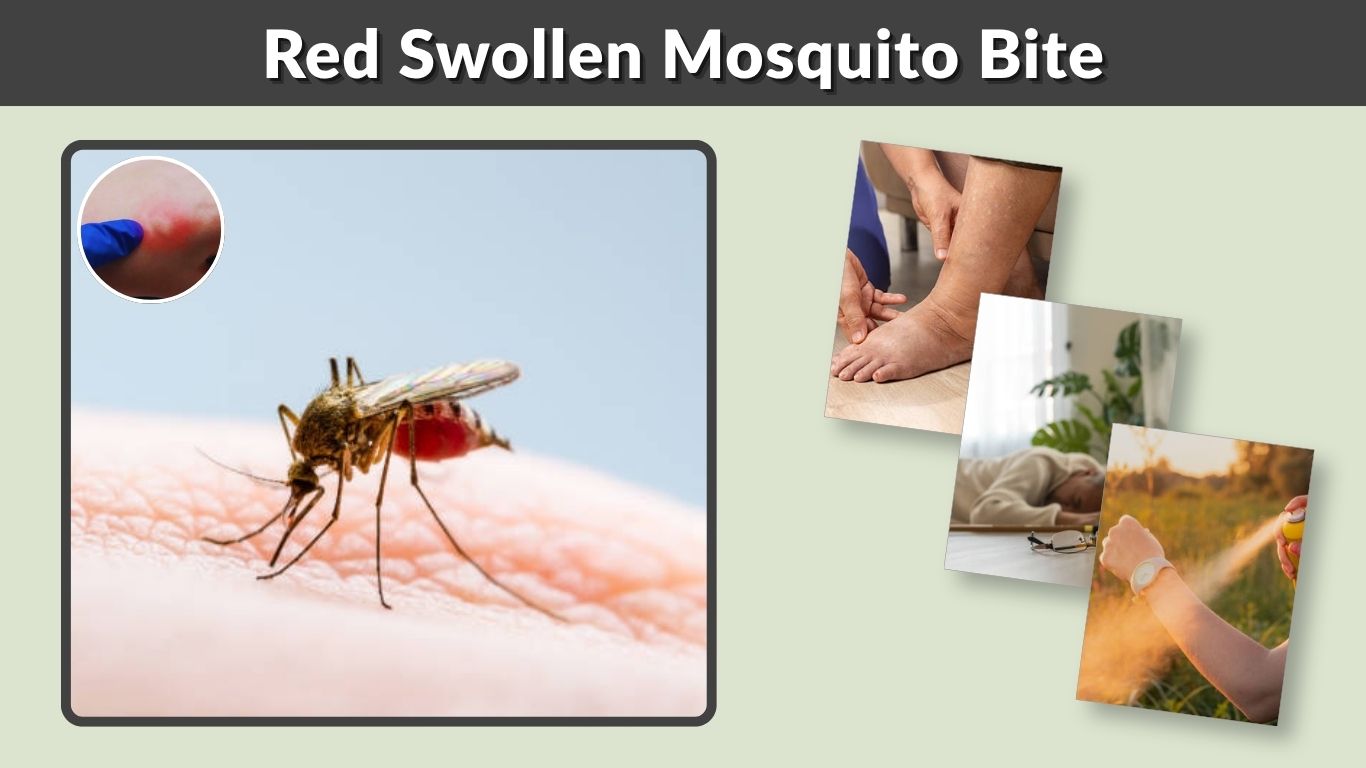
A red swollen mosquito bite is a common skin reaction that develops when the immune system responds to mosquito saliva. Most bites cause mild itching, redness, and swelling that disappear within a few days. However, some mosquito bites become unusually large, hot, hard, or painful, raising concerns about allergies or infections. Understanding why mosquito bites become red and swollen can help you choose the right treatment. This guide explains common symptoms, effective home remedies, healing time, and warning signs that may require medical attention.
Why Do Mosquito Bites Get Red and Swollen?
Mosquito bites become red and swollen because the body reacts to proteins introduced through mosquito saliva. When a female mosquito feeds, it injects saliva into the skin. The immune system responds by releasing histamine and other inflammatory chemicals, causing blood vessels to widen and fluid to accumulate around the bite.
Normal Inflammatory Reaction
A typical mosquito bite produces a small, raised bump surrounded by redness and mild swelling. The affected skin may feel warm or itchy for several hours.
This reaction is generally harmless and improves as the body’s inflammatory response decreases.
Why Are Some Mosquito Bites Extremely Red?
Some individuals have stronger immune reactions to mosquito saliva. Their bites may develop large red patches, significant swelling, and prolonged itching.
Children and people exposed to unfamiliar mosquito species may experience more noticeable reactions.
What Does a Red Swollen Mosquito Bite Look Like?
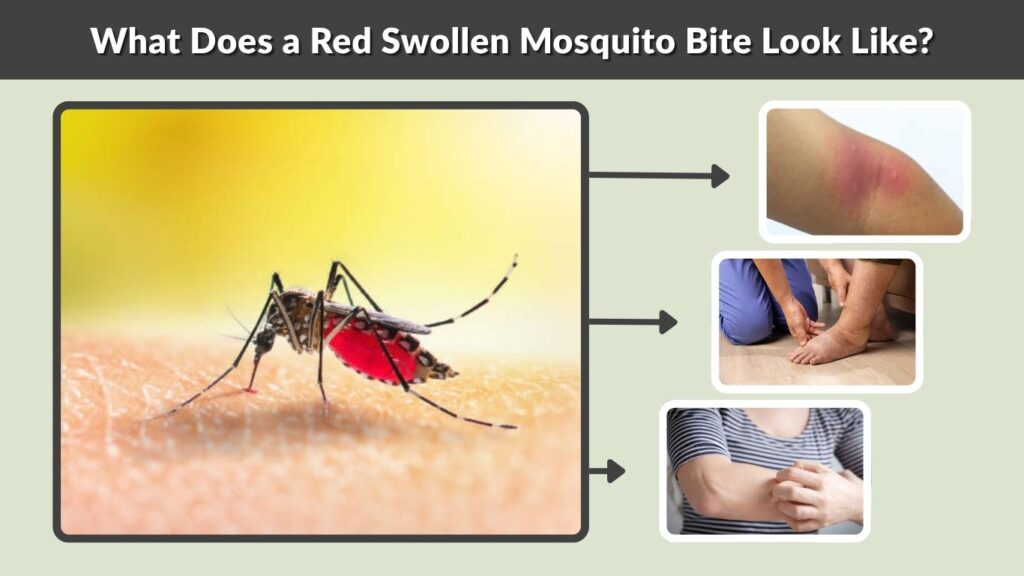
A red swollen mosquito bite usually appears as a raised bump surrounded by irritated skin. Its size and appearance depend on individual sensitivity and the severity of inflammation. Some bites remain small, while others become several inches wide and feel unusually firm.
Common Symptoms of Red Swollen Mosquito Bites
Typical symptoms include:
- Redness: Pink, reddish, or darker discoloration around the bite.
- Swelling: A raised bump or larger swollen area.
- Itching: Persistent irritation around the affected skin.
- Warmth: The bite may feel warmer than nearby skin.
- Tenderness: Mild discomfort when touching the swollen area.
- Hardness: Some bites develop firm, raised lumps.
Why Is My Mosquito Bite Red, Hot, and Swollen?
A mosquito bite that feels red, hot, and swollen may represent a strong inflammatory reaction.
Increased blood circulation and immune activity create warmth around the affected area.
However, worsening pain, spreading redness, or fever may indicate a bacterial skin infection.
Why Do Mosquito Bites Become Big, Hard, and Red?
A large red swollen mosquito bite can develop when the immune system produces a stronger-than-normal response. In some cases, the bite forms a firm lump or an extensive swollen patch. Although these symptoms can be uncomfortable, they do not always indicate a serious medical condition.
Large Local Reactions and Skeeter Syndrome
Skeeter syndrome is a significant local inflammatory reaction to mosquito saliva.
It can cause extensive redness, warmth, itching, and swelling around the bite. The affected area may become hard or tender.
Symptoms commonly develop within hours and may take three to ten days to resolve.
Hard Red Swollen Mosquito Bites
A mosquito bite sometimes feels hard because inflammatory cells and fluid collect beneath the skin.
The firm lump may remain noticeable after itching decreases. Avoid squeezing or scratching it because damaged skin increases the risk of infection.
How to Treat Red Swollen Mosquito Bites
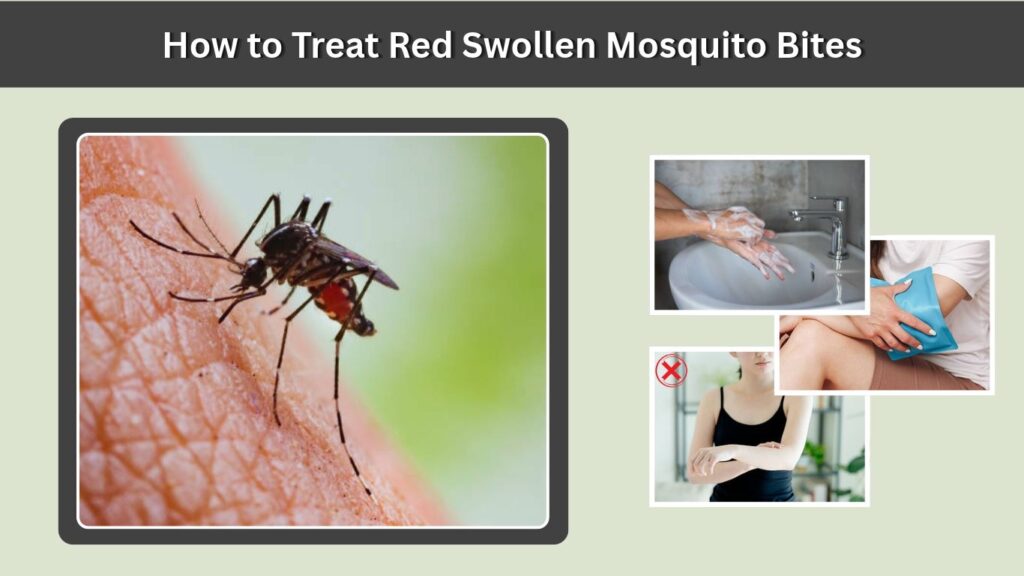
Most red swollen mosquito bites improve with simple home care. Treatment focuses on reducing inflammation, relieving itching, and preventing skin damage. Cold compresses and appropriate over-the-counter medications can help control symptoms while the skin heals naturally.
Home Remedies for Red Swollen Mosquito Bites
Follow these steps:
- Clean the bite: Gently wash the affected skin with soap and water.
- Apply a cold compress: Hold a wrapped ice pack against the area for 10–20 minutes.
- Avoid scratching: Scratching increases irritation and infection risk.
- Elevate swollen limbs: Raise an affected arm, hand, or foot when possible.
- Wear loose clothing: Prevent unnecessary friction against irritated skin.
Medications to Reduce Redness and Swelling
Oral antihistamines, including cetirizine and loratadine, may reduce itching associated with mosquito bites.
Mild hydrocortisone cream can also relieve localized inflammation when used according to its instructions.
Avoid applying steroid creams to broken skin or near the eyes without medical advice.
What Does a Red Ring Around a Mosquito Bite Mean?
A red ring around a mosquito bite may develop when inflammation spreads slightly beyond the original puncture. This can occur during an ordinary immune reaction and does not necessarily indicate infection.
Normal Redness Around a Mosquito Bite
Mild redness surrounding a bite is common and usually decreases over several days.
The affected area may initially expand slightly before improving.
However, a progressively enlarging ring-shaped rash should be examined because other conditions, including tick-borne infections, can produce similar appearances.
When Redness Becomes Concerning
Redness that continues spreading, especially with increasing pain, fever, or significant warmth, requires medical evaluation.
A bacterial infection called cellulitis can develop when bacteria enter broken skin, sometimes following repeated scratching.
How to Tell if a Red Swollen Mosquito Bite Is Infected
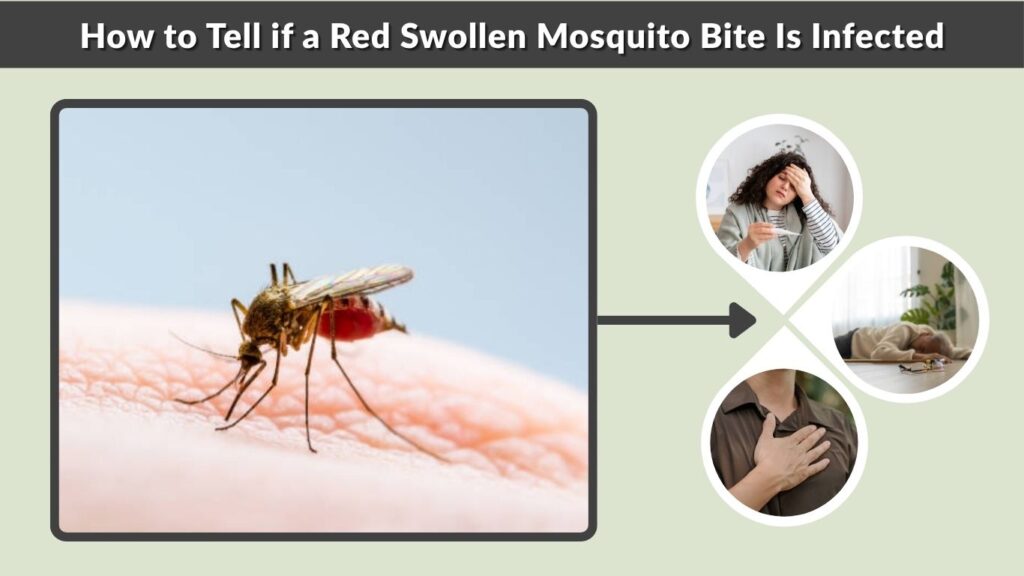
Most mosquito bites cause temporary inflammation without infection. However, bacteria can enter the skin through scratching or damaged tissue. An infected bite may initially resemble an allergic reaction, making changes in pain, redness, and other symptoms important to monitor.
Signs of an Infected Mosquito Bite
Watch for these warning signs:
- Redness that rapidly expands beyond the bite.
- Increasing pain or tenderness.
- Pus or unusual discharge.
- Red streaks extending from the affected area.
- Fever or swollen lymph nodes.
- Swelling that continues worsening.
Seek prompt medical attention if these symptoms appear. Bacterial infections may require prescription antibiotics.
Can Red Swollen Mosquito Bites Be Dangerous?
Severe allergic reactions to mosquito bites are rare but possible.
Difficulty breathing, throat tightness, fainting, or swelling of the tongue or throat requires emergency medical attention.
Fever, severe headache, or body aches after mosquito exposure also deserve medical evaluation because mosquitoes can transmit certain infections.
How Long Does a Red Swollen Mosquito Bite Last?
Most mosquito bites improve within a few days. Small red bumps and mild swelling often disappear quickly, although itching may continue slightly longer.
Large local reactions can remain visible for three to ten days.
Why Does a Mosquito Bite Stay Red and Swollen?
Persistent redness may result from continued inflammation, repeated scratching, or a strong local allergic reaction.
A firm lump can sometimes remain after other symptoms improve.
If swelling continues increasing, becomes painful, or fails to improve, seek professional medical advice.
How to Prevent Red Swollen Mosquito Bites
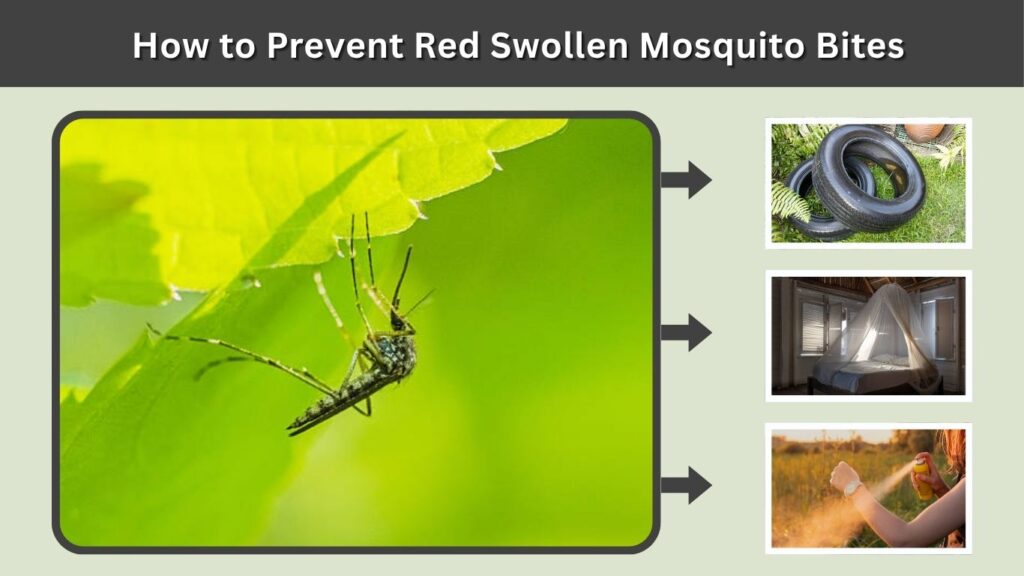
Preventing mosquito bites is the most reliable way to avoid itching, redness, and inflammation. People who frequently experience large local reactions should take additional precautions when spending time outdoors or in mosquito-prone environments.
Effective Mosquito Bite Prevention Tips
Useful preventive measures include:
- Use an effective insect repellent according to its label.
- Wear long-sleeved shirts and long pants outdoors.
- Remove standing water around your home.
- Install window and door screens.
- Use mosquito nets when necessary.
- Avoid scratching existing bites.
FAQs
1. Why Is My Mosquito Bite So Red and Swollen?
A mosquito bite becomes red and swollen when the immune system reacts to proteins in mosquito saliva. Histamine and other inflammatory chemicals cause redness, itching, and swelling. Some individuals experience stronger reactions that produce larger swollen areas.
2. Is It Normal for a Mosquito Bite to Be Red, Hot, and Swollen?
Yes, mild redness, warmth, and swelling are common inflammatory responses. However, rapidly spreading redness, increasing pain, pus, or fever may indicate a bacterial infection requiring medical attention.
3. How Do You Get Rid of Red Swollen Mosquito Bites?
Clean the affected skin and apply a cold compress for 10–20 minutes. Avoid scratching and consider an appropriate antihistamine or hydrocortisone cream for itching. Most uncomplicated bites improve naturally within several days.
4. Why Is My Mosquito Bite Hard, Red, and Swollen?
A mosquito bite may become hard because inflammatory fluid and immune cells accumulate beneath the skin. This can happen during a normal reaction or a stronger local response called Skeeter syndrome.
5. When Should I Worry About a Red Swollen Mosquito Bite?
Seek medical attention if redness spreads rapidly, pain increases, pus develops, or fever occurs. These symptoms may indicate infection. Difficulty breathing, throat swelling, or fainting after a mosquito bite requires immediate emergency care.
