
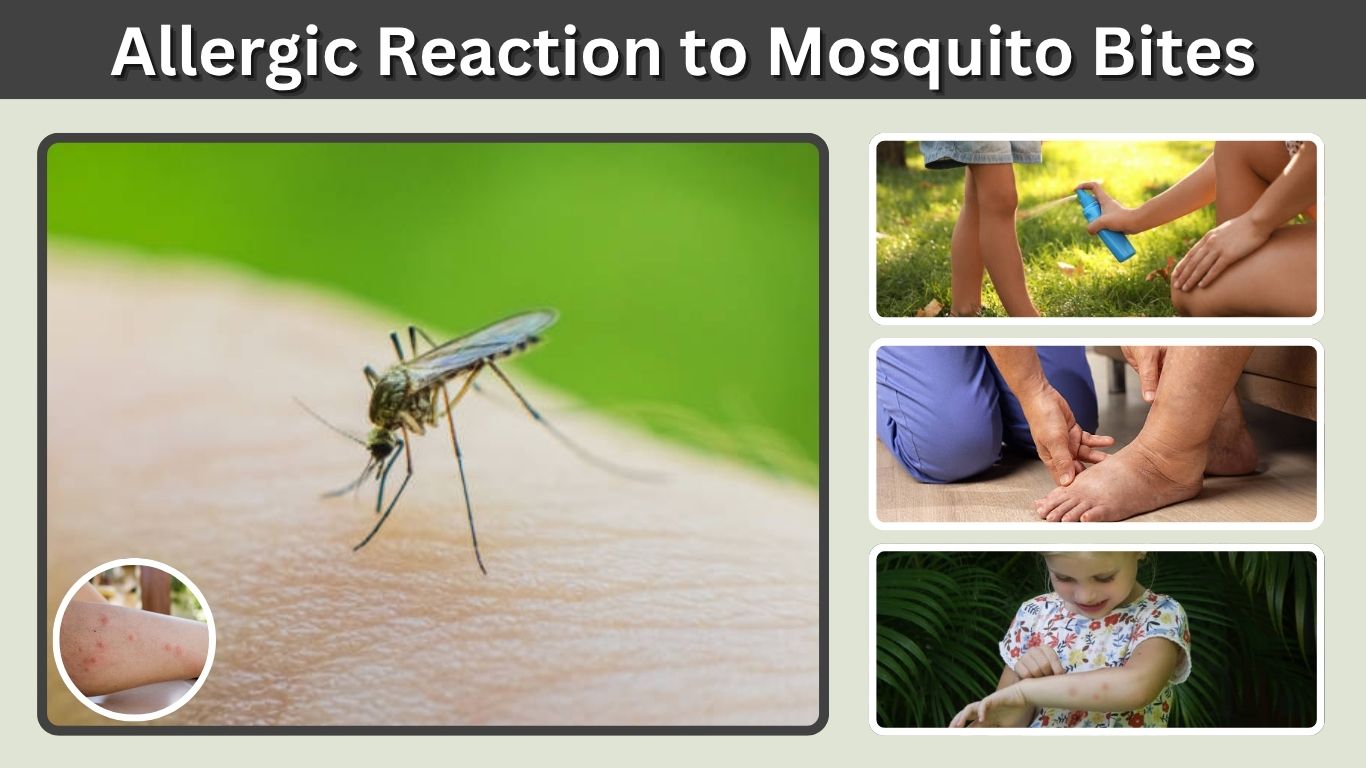
An allergic reaction to mosquito bites can cause intense itching, swelling, redness, and sometimes painful skin irritation. While most mosquito bites produce small, itchy bumps, some people experience unusually large or severe reactions. These reactions may develop within hours and occasionally last several days. Understanding what an allergic reaction looks like, why it happens, and how to treat it can help prevent complications. This guide explains common symptoms, treatment options, home remedies, and when mosquito bite reactions require medical attention.
What Causes an Allergic Reaction to Mosquito Bites?
An allergic reaction occurs when the immune system responds strongly to proteins in mosquito saliva. Female mosquitoes inject saliva into the skin while feeding on blood. The saliva contains substances that prevent blood from clotting.
The immune system recognizes these substances and releases chemicals, including histamine. These chemicals produce itching, swelling, and redness. Although mild reactions are common, some people develop excessive inflammation.
Why Some People React More Severely
Several factors may influence the severity of mosquito bite reactions.
- Immune sensitivity: Some immune systems respond more strongly to mosquito saliva.
- Age: Children often experience larger reactions because they have developed less tolerance to mosquito saliva.
- Previous exposure: Reactions may change as the immune system encounters different mosquito species.
- Individual susceptibility: People with certain allergic conditions may be more prone to exaggerated local reactions.
What Does an Allergic Reaction to Mosquito Bites Look Like?
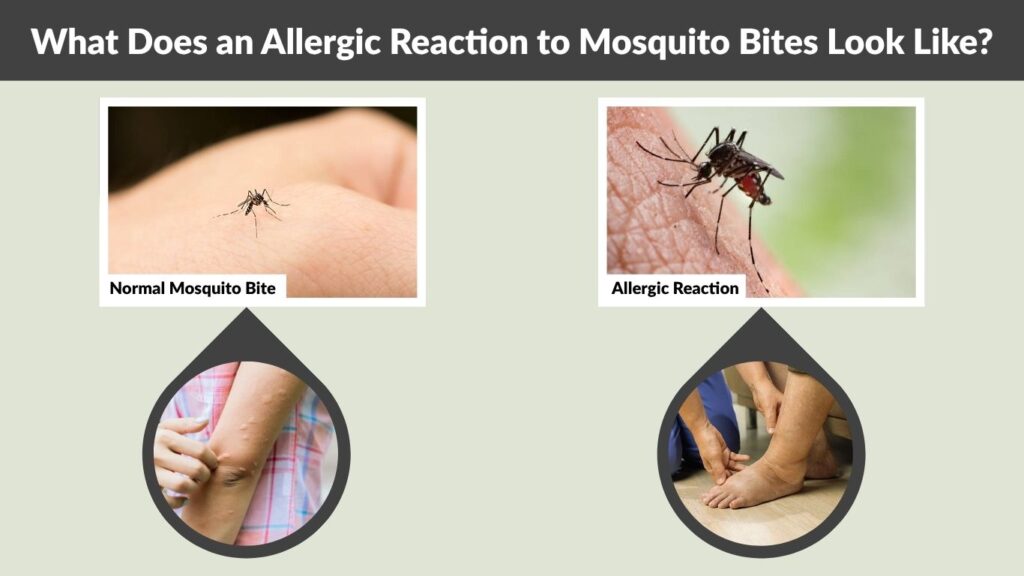
An allergic mosquito bite reaction may look like a large, swollen welt rather than a small bump. The affected skin can become warm, irritated, and intensely itchy. Severe local reactions may also cause blisters or noticeable swelling around the bite.
The appearance varies depending on skin tone, immune response, and reaction severity.
Common Symptoms of Mosquito Bite Allergies
Typical signs include noticeable swelling extending beyond the original bite, persistent itching, skin tenderness, and raised welts.
Affected skin may appear red or pink on lighter skin tones. On darker skin, inflammation may produce darker, purplish, or less visibly red patches.
Some individuals develop firm bumps or small fluid-filled blisters. Blisters should not be deliberately broken because damaged skin can develop an infection.
Normal Mosquito Bite vs. Allergic Reaction
| Normal mosquito bite | Large allergic reaction |
| Small, itchy bump | Large, swollen welt |
| Mild localized swelling | Extensive swelling |
| Usually mild discomfort | Intense itching or pain |
| Often improves within days | May persist for several days |
| Usually needs minimal treatment | May require medication or assessment |
A large reaction does not automatically mean a dangerous allergy. However, rapidly spreading swelling, significant pain, or systemic symptoms should be evaluated.
What Is Skeeter Syndrome?
Skeeter syndrome is a significant local inflammatory reaction caused by sensitivity to mosquito saliva proteins. It produces swelling, warmth, redness, and sometimes pain around the bite.
Unlike ordinary mosquito bumps, the affected area may become considerably enlarged. The reaction can resemble a bacterial skin infection, making it difficult to distinguish without medical evaluation.
Symptoms often appear within hours after a bite and generally improve within 3–10 days.
Children experience Skeeter syndrome more frequently than adults, although anyone can develop it. Rarely, affected individuals experience fever, enlarged lymph nodes, or widespread hives.
How to Treat an Allergic Reaction to Mosquito Bites
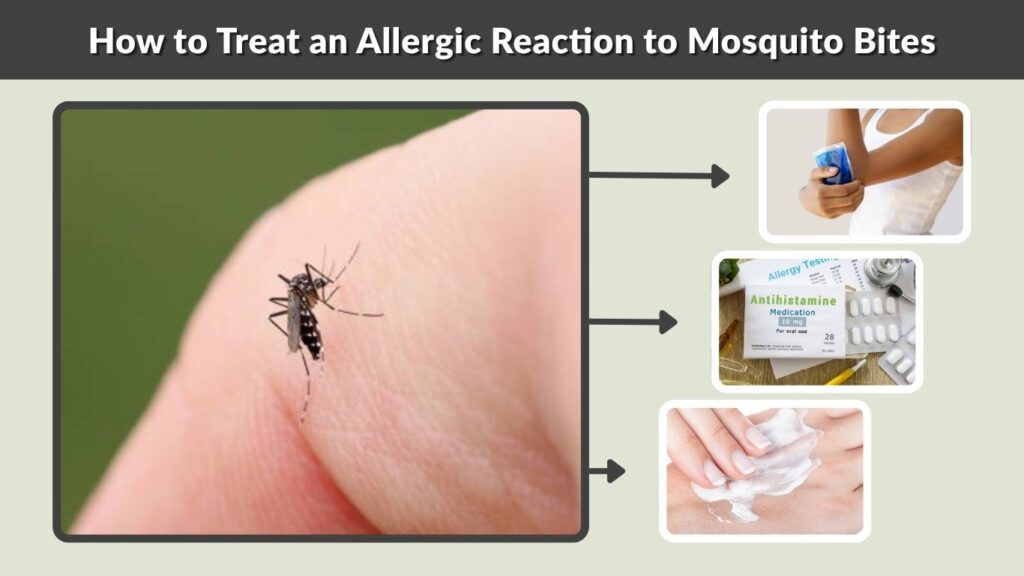
Most localized allergic reactions improve with simple home care and appropriate over-the-counter treatments. The primary goals are to reduce itching, control inflammation, and protect the skin from infection.
Apply a Cold Compress
Place a clean, cold compress or an ice pack wrapped in a towel over the affected area for 10–20 minutes.
Cold therapy helps reduce inflammation, temporarily relieves itching, and minimizes discomfort. Never place ice directly against bare skin.
Repeat as needed, allowing the skin to return to its normal temperature between applications.
Use Antihistamine Medication
Oral antihistamines can help control itching caused by histamine release.
Common options include cetirizine, loratadine, and fexofenadine. These medications may reduce discomfort associated with large local reactions.
Follow product instructions and consult a pharmacist or healthcare professional about appropriate medication and dosing, particularly for children, pregnancy, or other medical conditions.
Apply Hydrocortisone Cream
Over-the-counter hydrocortisone cream can relieve localized itching and inflammation.
Apply a thin layer according to the product label. Avoid using it on broken skin or near the eyes unless a healthcare professional recommends it.
Children and people with sensitive skin may need additional guidance before using corticosteroid creams.
Keep the Bite Clean
Wash the affected area gently with mild soap and water. Avoid scratching, squeezing, or breaking blisters.
Scratching damages the skin barrier and increases the risk of bacterial infection.
If swelling affects an arm or leg, elevating the affected area may provide additional relief.
Home Remedies for Mosquito Bite Allergies
Simple home care can help reduce mild itching and swelling. However, home remedies cannot reliably prevent a severe allergic reaction.
Cool Water and Gentle Skin Care
Rinsing the area with cool water may provide temporary relief. A clean, damp cloth can also soothe irritated skin.
Avoid harsh soaps, alcohol, and strongly scented products that may worsen irritation.
Calamine Lotion
Calamine lotion may help soothe itching and mild skin irritation.
Apply it according to label instructions and avoid contact with the eyes, mouth, and damaged skin.
Avoid unproven remedies such as applying toothpaste, undiluted essential oils, or irritating household chemicals directly to mosquito bites.
Can Mosquito Bite Allergies Cause Dangerous Symptoms?
Most mosquito bite allergies remain localized and are not life-threatening. However, rare severe reactions and complications require medical attention.
Severe Allergic Reactions
Anaphylaxis following mosquito bites is extremely rare but potentially life-threatening.
Warning signs include difficulty breathing, throat tightness, swelling of the tongue or lips, fainting, or widespread hives accompanied by other systemic symptoms.
Seek emergency medical assistance immediately if these symptoms occur. If prescribed an epinephrine auto-injector for anaphylaxis, use it as directed while obtaining emergency care.
Allergic Reaction vs. Skin Infection
A large allergic reaction may cause warmth, swelling, and redness shortly after a bite.
A bacterial infection may become more likely when pain progressively increases, redness spreads, pus develops, or fever appears.
Because symptoms overlap, worsening or unusually painful reactions should be assessed by a healthcare professional.
Fever, headaches, or body aches after mosquito exposure can also indicate a mosquito-borne illness rather than an allergy, especially in areas where dengue, malaria, or other infections occur.
Allergic Reactions to Mosquito Bites in Children
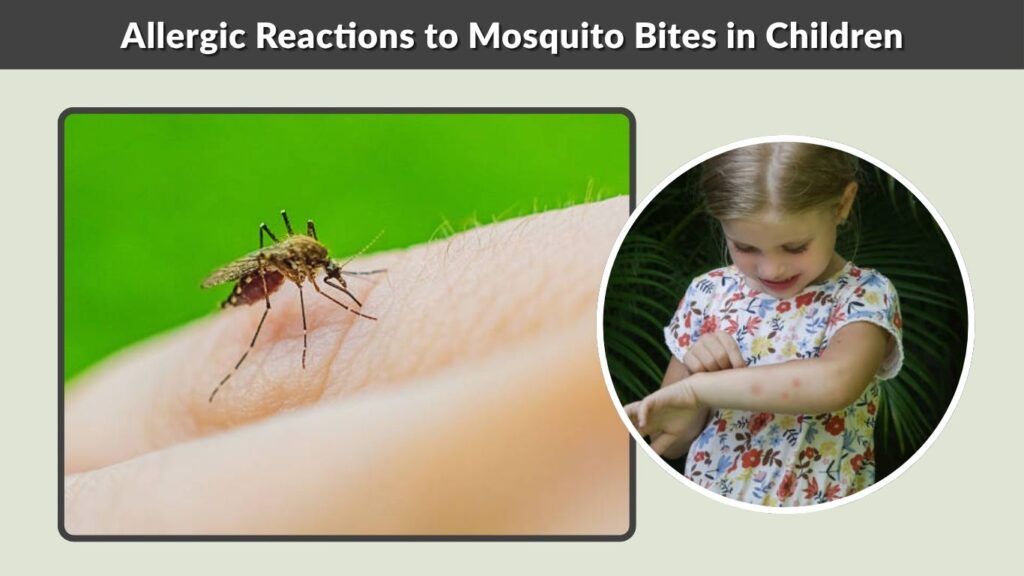
Children may develop especially noticeable swelling from mosquito bites. Reactions around the eyelids, forehead, and ears can appear dramatic because these areas contain delicate tissues.
A child with a large local reaction may experience intense itching, warmth, and discomfort without having a dangerous systemic allergy.
Cold compresses and preventing scratching can help. Parents should consult a healthcare professional before using allergy medications or hydrocortisone products in infants or young children.
Seek medical assessment for significant facial swelling, symptoms near the eye, fever, worsening pain, or swelling that interferes with normal activities.
How to Prevent Allergic Reactions to Mosquito Bites
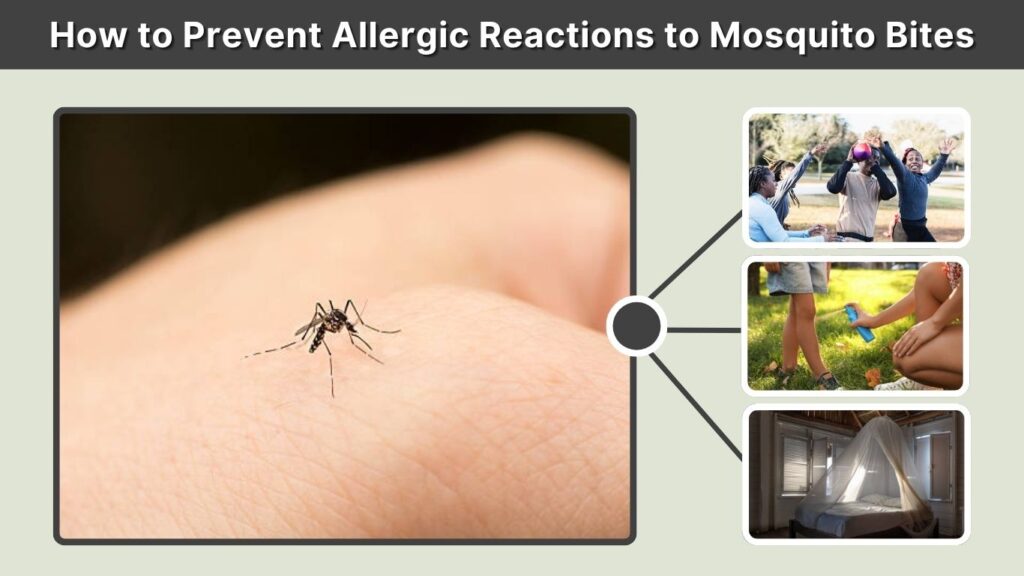
Preventing bites is the most reliable way to prevent mosquito-related allergic reactions.
Use an appropriately registered insect repellent containing an effective ingredient such as DEET or picaridin. Follow all age restrictions and label directions.
Wear loose-fitting, long-sleeved clothing when mosquitoes are active. Install window screens, use mosquito nets when necessary, and remove standing water around homes.
For young children, mosquito netting over strollers and appropriate protective clothing can provide additional protection.
People who repeatedly experience severe local reactions should discuss prevention and treatment plans with a healthcare professional.
FAQs
1. How Long Does an Allergic Reaction to Mosquito Bites Last?
Mild mosquito bite reactions often improve within several days. Larger allergic reactions, including Skeeter syndrome, may last approximately 3–10 days. Persistent swelling, increasing pain, or symptoms that worsen instead of improving should prompt medical evaluation.
2. Can You Have a Delayed Allergic Reaction to Mosquito Bites?
Yes. Some mosquito bite reactions develop hours after exposure rather than immediately. Delayed itching, swelling, or raised bumps may appear as the immune response develops. However, new or worsening symptoms should not automatically be attributed to an allergy.
3. Can an Allergic Reaction to Mosquito Bites Cause Blisters?
Yes. Strong local reactions occasionally produce small blisters filled with fluid. Avoid popping them because broken skin can become infected. Large, painful, spreading, or repeatedly occurring blisters should be evaluated by a healthcare professional.
4. What Is the Best Medicine for Mosquito Bite Allergies?
Oral antihistamines such as cetirizine or loratadine may reduce itching. Hydrocortisone cream can help relieve localized inflammation. The most appropriate treatment depends on reaction severity, age, medical history, and whether an infection or systemic allergic reaction is suspected.
5. Why Am I Suddenly Allergic to Mosquito Bites?
Sensitivity to mosquito saliva can change over time. Exposure to different mosquito species or changes in immune responsiveness may cause stronger reactions than previously experienced. Repeated unusually large reactions warrant discussion with a healthcare professional.
