
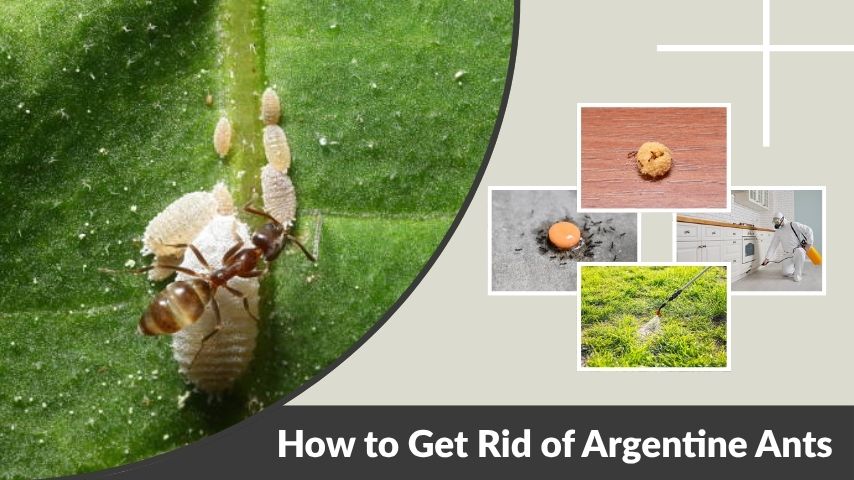
Argentine ants are difficult to control because they live in large colonies with multiple queens and connected nests. They often enter homes looking for sweets, moisture, and shelter, especially during rain, drought, or hot weather. The best way to get rid of Argentine ants is to use bait, remove food and water sources, seal entry points, and treat outdoor nesting areas.
What Makes Argentine Ants Hard to Get Rid Of?
Argentine ants are not like many other household ants. Their colonies can contain many queens, and several nests may work together as one large colony network. This makes them persistent, fast-spreading, and harder to eliminate with simple sprays.
These ants also move when disturbed. If a nest is sprayed with the wrong product, part of the colony may split and relocate. This process, often called budding, can make the infestation appear in new rooms, garden areas, or wall voids.
Argentine ants are also excellent trail-makers. Once they find food or water, workers create scent trails that guide thousands of ants to the same spot. That is why a small line of ants near a sink or counter can quickly turn into a heavy infestation.
How to Identify Argentine Ants Before Treatment
Before choosing a treatment, make sure you are dealing with Argentine ants. They are small, brown ants that usually move quickly in long trails. They are often found near moisture, sweets, and outdoor vegetation.
| Feature | Argentine Ants |
|---|---|
| Size | About 1/16 to 1/8 inch long |
| Color | Light brown to dark brown |
| Body shape | Small, slender, and smooth |
| Trail behavior | Strong trails with many workers |
| Nesting habit | Multiple connected nests |
| Indoor attraction | Sweets, water, fruit, pet food |
| Outdoor attraction | Honeydew from aphids and scale insects |
| Best control method | Slow-acting bait and prevention |
Argentine ants are sometimes confused with odorous house ants, pavement ants, and sugar ants. One helpful clue is their large, steady trails. If you see many small brown ants moving between plants, walls, sinks, or counters, Argentine ants may be the problem.
Best Way to Get Rid of Argentine Ants
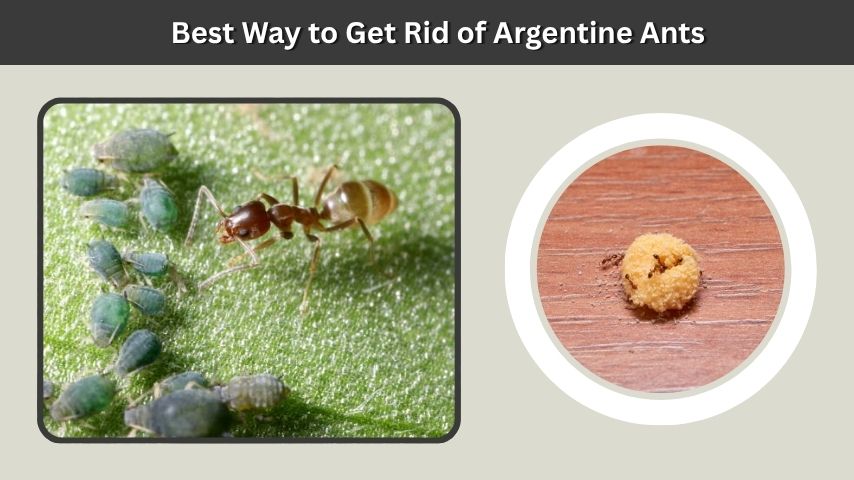
The best way to get rid of Argentine ants is to use a slow-acting bait. Bait works because worker ants carry it back to the colony and share it with queens, larvae, and other workers. This gives you a better chance of reducing the colony instead of only killing the ants you see.
Use Bait Instead of Spraying
Spraying visible ants may seem helpful, but it usually gives only short-term relief. It can kill foragers without reaching the queens. Worse, some sprays may cause the colony to scatter and form new nesting sites.
Baits are more effective because they target the colony from the inside. Argentine ants usually prefer sweet liquid baits, but their food preference can change. If sweet bait is ignored, try a protein or grease-based bait.
Place bait near ant trails, entry points, and outdoor activity areas. Do not place bait directly on food surfaces, and keep it away from children and pets.
Give the Bait Time to Work
Bait does not always work overnight. In fact, you may see more ants at first because workers are feeding on the bait. This is normal. Let them carry it back to the colony.
Keep bait fresh and available as long as ants are feeding. Replace dried-out bait and avoid disturbing the trail. Once activity drops, clean the area to remove scent trails.
How to Get Rid of Argentine Ants in the House
Indoor Argentine ant control should focus on baiting, cleaning, moisture control, and sealing entry points. Since these ants are attracted to both food and water, kitchens and bathrooms are the most common problem areas.
Kitchen Control
Argentine ants often enter kitchens because they find sugar, fruit, syrup, crumbs, grease, or pet food. Start by removing anything that competes with the bait.
Helpful kitchen steps include:
- Wipe counters and tables daily
- Store sugar, cereal, and snacks in sealed containers
- Clean under stoves, refrigerators, and toasters
- Rinse sticky bottles before storing them
- Keep trash sealed and empty it often
- Remove pet food after feeding time
Place bait near ant trails, under cabinets, behind appliances, or close to the entry point. Do not spray near the bait. If you kill the ants too quickly, they cannot carry the bait back to the colony.
Bathroom Control
Searches like “Argentine ants getting into bathroom” are common because these ants need moisture. Bathrooms provide water from sinks, tubs, drains, leaky pipes, wet towels, and condensation.
To reduce bathroom activity, fix dripping faucets, dry wet surfaces, and check around toilets, tubs, and sink cabinets. Place bait near trails but not where it will get wet. If ants are coming from a wall void, keep bait nearby and avoid sealing the opening until activity decreases.
Basement, Walls, and Indoor Voids
Argentine ants may travel through wall voids, crawl spaces, basements, and gaps around pipes. If they appear from the same crack every day, the nest may be nearby or connected to an outdoor colony.
Use bait along the trail and monitor activity for several days. After the ants slow down, seal cracks, gaps around pipes, and openings near baseboards. Sealing too early may force ants to find another route indoors.
How to Get Rid of Argentine Ants Outside
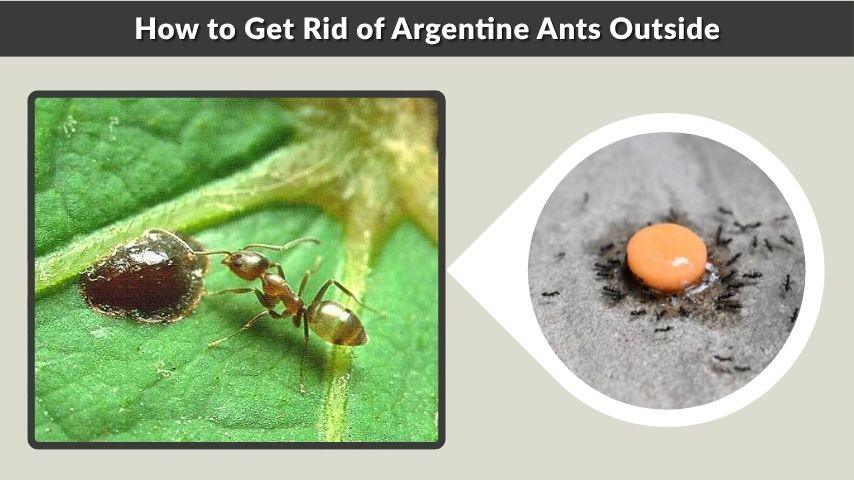
Outdoor control is essential because most Argentine ant infestations begin outside. If you only treat indoors, ants may keep returning from nests in mulch, soil, gardens, or around the foundation.
Find Outdoor Trails and Nesting Areas
Argentine ants usually nest in shallow, protected places. They may not create large mounds, so you need to look for trails instead of obvious nests.
Check these outdoor areas:
- Under mulch, stones, logs, and boards
- Around irrigation lines and hose bibs
- Near potted plants
- Along foundation edges
- Around tree roots and shrubs
- Near patios, walkways, and garden beds
- Around trash bins and outdoor eating areas
Follow the ant trail to find where workers are entering the home. This helps you place bait where ants are already active.
Use Outdoor Ant Baits
Outdoor bait should be placed near trails, foundation edges, and nesting zones. Sweet liquid bait often works well for Argentine ants, but granular bait may be useful in some yards and garden beds.
Keep bait protected from rain and irrigation. Wet bait may lose effectiveness. Do not apply repellent sprays around bait stations because ants may avoid the area.
Manage Aphids and Honeydew
Argentine ants often feed on honeydew, a sweet liquid produced by aphids, scale insects, whiteflies, and mealybugs. They may even protect these pests from natural predators.
If you have ants on trees, shrubs, or garden plants, inspect the plants for sap-feeding insects. Managing aphids and scale can reduce an important outdoor food source for Argentine ants.
How to Get Rid of Argentine Ants Naturally
Natural methods can help reduce ant activity, but they may not eliminate a large Argentine ant colony by themselves. These ants are highly persistent, so natural control works best when combined with sanitation and exclusion.
Clean Scent Trails
Soap and water can remove scent trails from counters, floors, and baseboards. Vinegar and water may also help disrupt trails. However, clean trails after baiting has started to work, not before ants have found the bait.
Use Diatomaceous Earth Carefully
Food-grade diatomaceous earth may help in dry cracks and voids where ants travel. Apply a very light layer. Heavy piles may be avoided by ants. It also becomes less effective when wet, so it is not ideal for damp areas.
Reduce Moisture Naturally
Moisture control is one of the most useful natural methods. Fix leaks, dry sinks, improve drainage, and avoid overwatering garden beds near the foundation. Argentine ants are much less likely to stay where water is limited.
Natural methods may reduce trails and discourage activity, but bait is usually the most reliable option for colony control.
How to Get Rid of Argentine Ants in the Yard or Garden
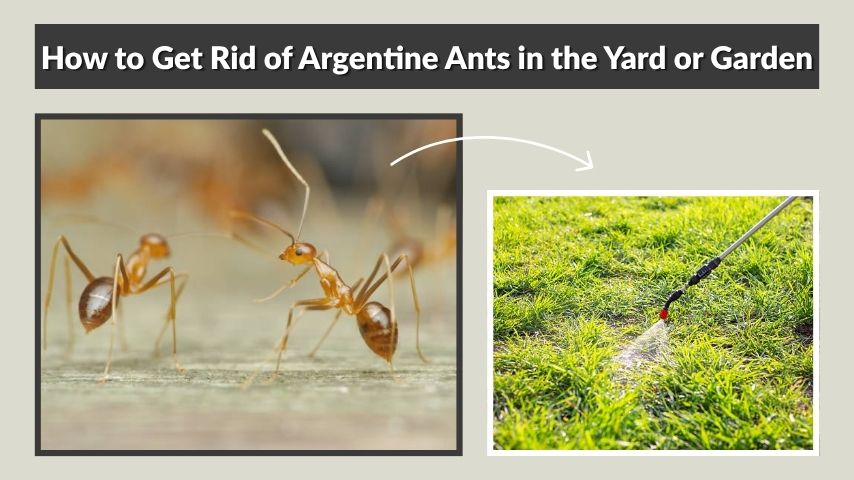
Argentine ants can be a serious garden problem because they protect honeydew-producing insects. This can lead to more aphids and scale on plants.
Start by reducing ant-friendly conditions. Remove excess mulch, leaf litter, and debris near the foundation. Keep vegetation trimmed away from exterior walls. Avoid leaving fallen fruit, food scraps, or pet food outdoors.
In garden beds, use bait near ant trails rather than spraying plants heavily. If plant pests are present, treat aphids or scale with appropriate garden-safe methods. Reducing honeydew can make the area less attractive to Argentine ants.
For potted plants, inspect the soil and bottom of containers. Argentine ants may nest under pots or inside moist soil. Move pots away from walls and avoid overwatering.
How to Prevent Argentine Ants from Coming Back
Long-term prevention is just as important as treatment. Argentine ants can return if food, moisture, and entry points remain available.
Indoor Prevention
Keep kitchens and bathrooms clean and dry. Store food properly, clean spills quickly, and keep pet bowls clean. Check under appliances and cabinets where crumbs and grease collect.
Seal cracks around windows, doors, baseboards, and pipes after ant activity has dropped. Use door sweeps and weatherstripping where needed.
Outdoor Prevention
Outdoor maintenance can reduce the pressure around your home. Keep mulch several inches away from the foundation and trim plants that touch the house. Repair irrigation leaks and direct water away from the structure.
Clean outdoor trash areas, grills, patios, and recycling bins. Argentine ants are persistent foragers, so even small food sources can keep them active.
Common Mistakes to Avoid
Many Argentine ant problems become worse because of poor treatment choices. The biggest mistake is spraying visible ants without addressing the colony. This may kill workers but leave queens alive.
Another mistake is using only indoor control. If the main colony is outside, indoor ants will keep returning. Outdoor baiting and entry-point sealing are important.
Do not remove bait too early. If ants are still feeding, let them continue. Also avoid placing bait in areas with strong cleaners, sprays, or competing food sources.
When to Call a Pest Control Professional
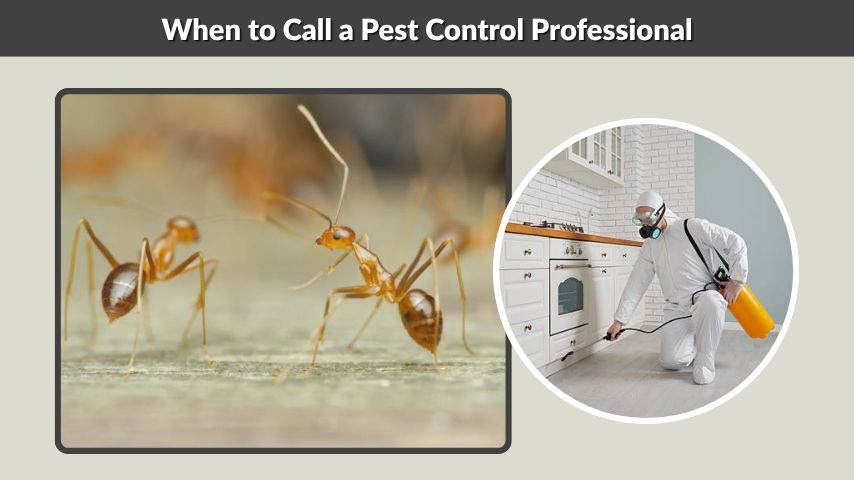
Call a professional if Argentine ants keep returning after several baiting attempts, appear in multiple rooms, or spread across the yard. Professional help may also be needed if ants are nesting inside walls, under slabs, or around complex landscape areas.
A pest control expert can identify the ant species, locate activity zones, select the right bait or treatment, and create a long-term prevention plan. This is especially helpful for large colonies with multiple nesting sites.
FAQs
What is the best way to get rid of Argentine ants?
The best way to get rid of Argentine ants is to use slow-acting ant bait. Workers carry the bait back to the colony and share it with queens and larvae. This is more effective than spraying visible ants because it targets the colony, not just the trail.
How do I get rid of Argentine ants in my house?
Place bait near trails, remove food sources, fix moisture problems, and seal entry points after activity decreases. Focus on kitchens, bathrooms, sinks, baseboards, and gaps around pipes. Avoid spraying near bait because it can stop ants from carrying it back to the nest.
How do you get rid of Argentine ants naturally?
Natural methods include cleaning trails with soap and water, reducing moisture, sealing gaps, and using food-grade diatomaceous earth in dry cracks. These methods can help, but large Argentine ant colonies usually require bait for stronger control.
Why do Argentine ants keep coming back?
Argentine ants keep returning because colonies may have many queens and connected nests. If food, water, or outdoor nesting areas remain, the colony can keep sending workers inside. Spraying visible ants without baiting the colony often leads to repeat infestations.
Can Argentine ants live inside walls?
Yes, Argentine ants can travel or nest inside wall voids, especially near moisture. If ants keep coming from the same wall crack or pipe gap, place bait nearby first. Seal the opening only after the activity drops, or they may move to another indoor area.
