
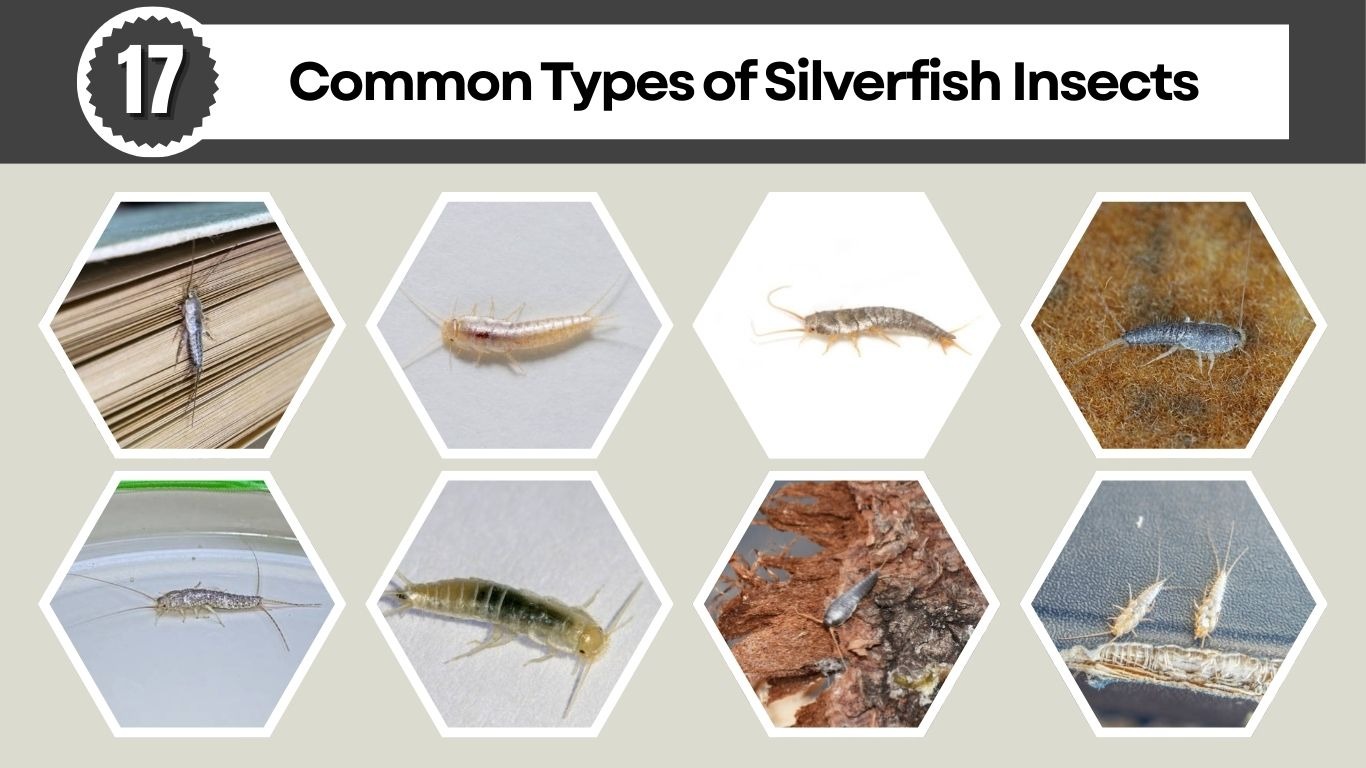
Silverfish are ancient, wingless insects known for their silvery scales, flattened bodies, and fast, fish-like movements. They are commonly found in dark, hidden environments where moisture, warmth, and food sources such as starches and sugars are available. While most people recognize the common household silverfish, there are many different types adapted to forests, deserts, caves, gardens, and even coastal regions. In this guide, we explore 17 common types of silverfish insects, highlighting their names, identification features, and basic characteristics.
1. Common Silverfish (Lepisma saccharina)
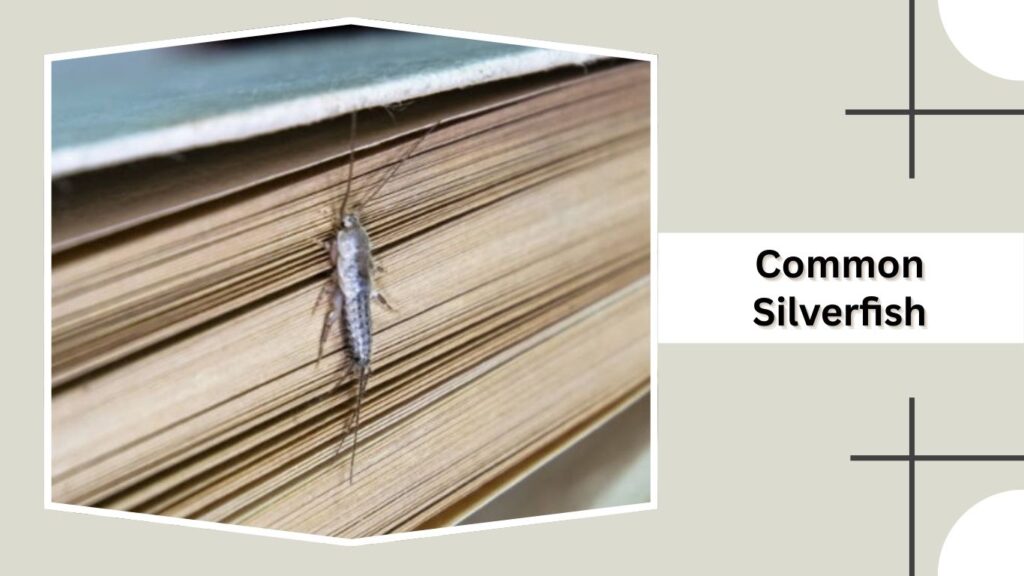
The common silverfish is a small, wingless insect best known for its silvery, metallic appearance and quick, fish-like movements. It is one of the most widespread household insects in the world and is often found in dark, damp places such as bathrooms, kitchens, basements, and storage areas. Silverfish are nocturnal and avoid light, hiding in cracks and crevices during the day. They feed mainly on starchy materials and sugars, including paper, glue, book bindings, and fabrics.
Identification
The common silverfish measures about 12–19 mm in length and has a flattened, carrot-shaped body covered in tiny silvery scales. It has long antennae on the head and three long tail-like appendages at the rear. It moves with a distinctive wriggling motion and is usually seen running quickly when disturbed.
Larvae
Silverfish do not have true larvae like butterflies or flies. Instead, young silverfish hatch from eggs looking like tiny versions of the adults. These immature stages are often called nymphs. They gradually grow larger through a series of molts, shedding their skin many times before reaching full size.
Habitat
Common silverfish prefer humid environments with temperatures between 20–30°C. They are commonly found in bathrooms, kitchens, laundry rooms, basements, and attics. Outdoors, they may live under stones, leaf litter, and loose bark. Indoors, they hide in wall cracks, bookcases, cupboards, and behind appliances.
Bite
Silverfish do not bite humans and are not capable of stinging. They are considered nuisance pests rather than dangerous insects. However, they can damage paper, books, wallpaper, stored food, and clothing, which makes them an unwanted presence in homes and libraries.
2. Firebrat (Thermobia domestica)
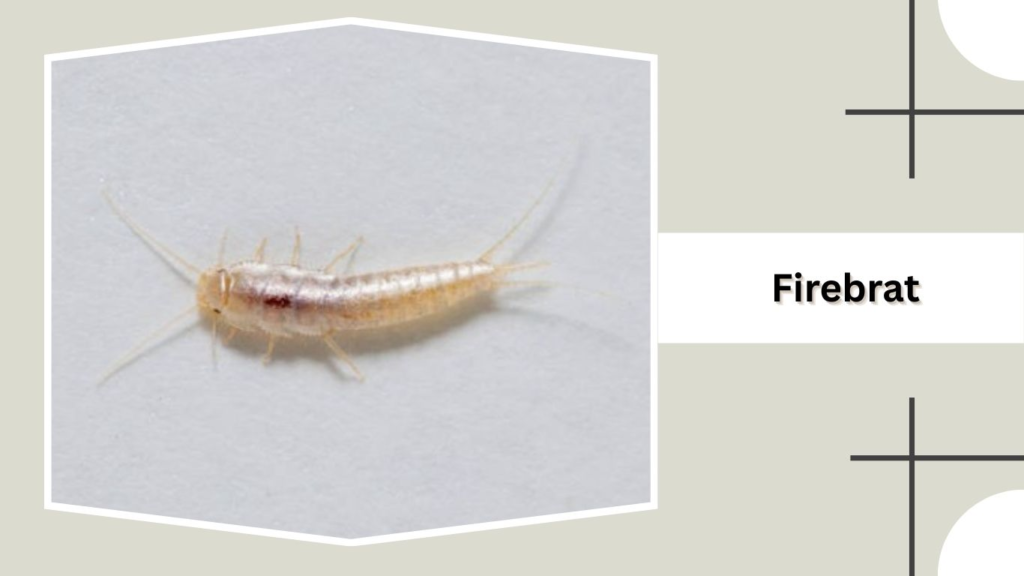
Firebrats are close relatives of silverfish and are often mistaken for them, but they prefer much warmer environments. They are usually found near ovens, boilers, furnaces, fireplaces, and hot water pipes. Firebrats are active at night and feed on materials rich in starch and carbohydrates, including paper, flour, glue, and book bindings. Because they tolerate high temperatures, they often survive in places where other household insects cannot.
Identification
- Dark gray to brown body with mottled or spotted patterns
- About 10–15 mm long, flattened and carrot-shaped
- Covered with fine scales, giving a dull, bristly appearance
- Long antennae and three long tail-like filaments
- Runs quickly when disturbed, preferring hot, dark areas
Larvae
Firebrats do not have a true larval stage. Young hatchlings resemble miniature adults and gradually increase in size through repeated molts. They can molt many times during their life and may continue molting even after reaching sexual maturity, which is unusual among insects.
Habitat
Firebrats prefer hot, dry to slightly humid environments, typically between 32–40°C. They are commonly found in bakeries, boiler rooms, near furnaces, and around heating systems in homes and commercial buildings.
Bite
Firebrats do not bite or sting humans. They are harmless to people but can damage books, paper products, stored foods, and fabrics, making them nuisance pests in heated indoor environments.
3. Gray Silverfish (Ctenolepisma longicaudata)
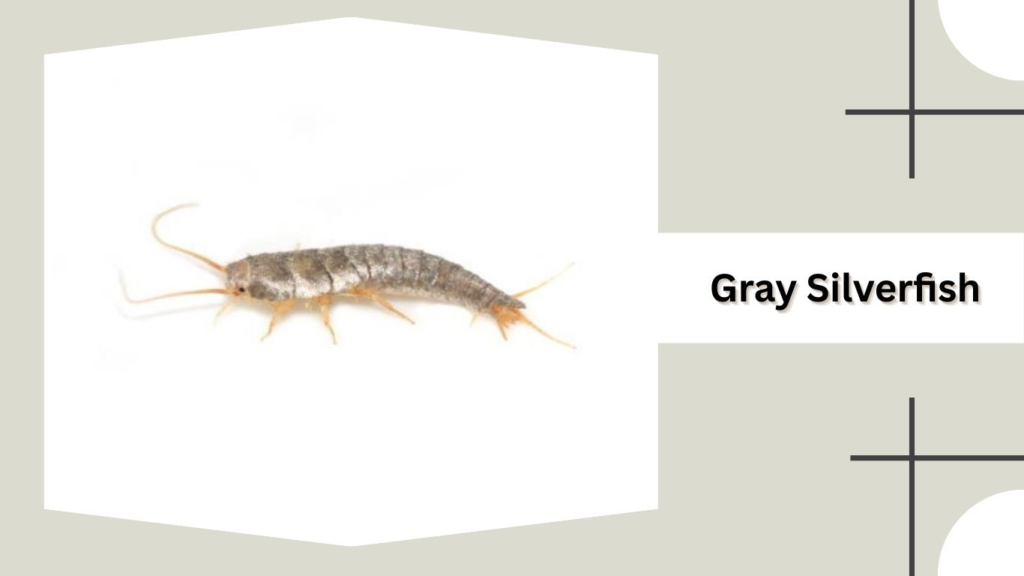
The gray silverfish, also known as the long-tailed silverfish, is increasingly common in modern buildings. It is more tolerant of dry conditions than the common silverfish and can spread widely through apartments, offices, and schools. This species is known for its long tail filaments and its ability to survive in many different indoor environments.
Identification
- Light gray to mottled dark gray body
- Usually 12–18 mm long, with very long tail filaments
- Flattened, elongated body covered in fine scales
- Long antennae nearly as long as the body
- Often seen running across walls, ceilings, and floors
Larvae
Gray silverfish hatch from eggs as tiny, pale nymphs that look like smaller adults. They grow slowly and molt many times over several months. As they mature, their color darkens and their scales become more noticeable.
Habitat
This species prefers dry to moderately humid indoor environments. It is commonly found in bedrooms, living rooms, offices, book storage areas, and wall voids. Unlike common silverfish, it does not require high moisture to survive.
Bite
Gray silverfish do not bite humans and pose no direct health risk. Their main impact is damage to paper, books, wallpaper, and food products that contain starch or sugar.
4. Long-Tailed Silverfish (Ctenolepisma longicaudata)
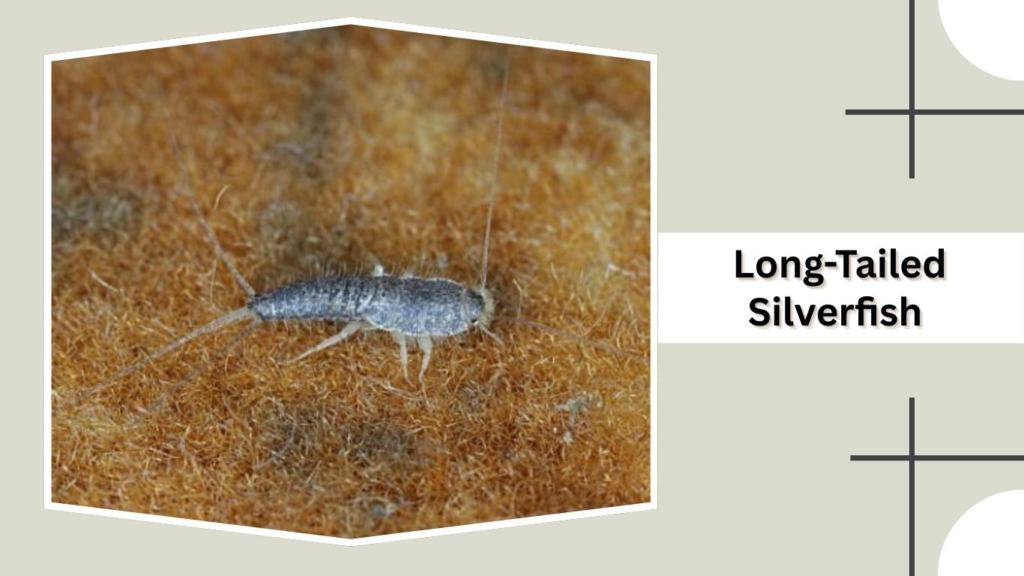
The long-tailed silverfish is a fast-moving, wingless insect commonly found in modern homes and commercial buildings. It closely resembles the gray silverfish but is especially recognized for its extremely long tail filaments and antennae. This species spreads easily between rooms and floors and is often noticed running across walls and ceilings at night. It feeds on a wide variety of household materials, especially those containing starches and sugars.
Identification
- Slender, flattened body, light gray to dark gray
- Very long antennae and three tail filaments, often longer than the body
- Body length about 12–20 mm
- Covered with fine, shiny scales
- Extremely fast runner when disturbed
Larvae
Long-tailed silverfish hatch as tiny, pale nymphs that resemble miniature adults. They grow slowly through many molts. Unlike many insects, they can continue molting even after becoming adults, allowing them to regenerate lost body parts.
Habitat
This species prefers dry indoor environments and is commonly found in bedrooms, living rooms, offices, ceiling spaces, and wall voids. It hides in cracks, behind baseboards, and inside furniture during the day and becomes active at night.
Bite
Long-tailed silverfish do not bite or sting humans. They are harmless to people but are considered pests because they can damage books, documents, wallpaper, and stored foods.
5. Four-Lined Silverfish (Ctenolepisma lineata)
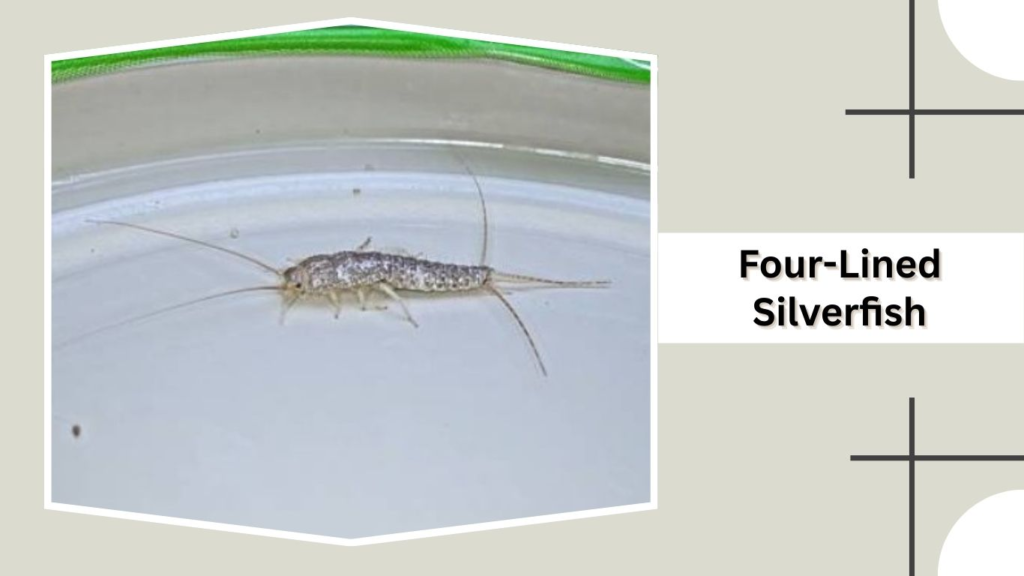
The four-lined silverfish is named for the distinctive dark stripes that run lengthwise along its body. It is less common indoors than the common silverfish but may still be found in warm, sheltered areas. This species feeds on organic materials such as paper, plant matter, and microscopic molds.
Identification
- Gray to brown body with four dark longitudinal stripes
- Flattened, elongated body about 10–14 mm long
- Long antennae and three tail-like appendages
- Fine scales covering the entire body
- Moves with a quick, fish-like motion
Larvae
Young four-lined silverfish hatch looking like small, pale adults. They undergo a series of molts as they grow. With each molt, their stripes and coloration become more defined until they reach full size.
Habitat
Four-lined silverfish are often found under bark, leaf litter, stones, and sometimes inside warm buildings. Indoors, they may hide in wall cracks, storage areas, and behind loose wallpaper.
Bite
Four-lined silverfish do not bite humans and are not dangerous. Like other silverfish, their main impact is the potential damage to paper goods, books, and starchy materials.
6. Ghost Silverfish (Ctenolepisma calvum)
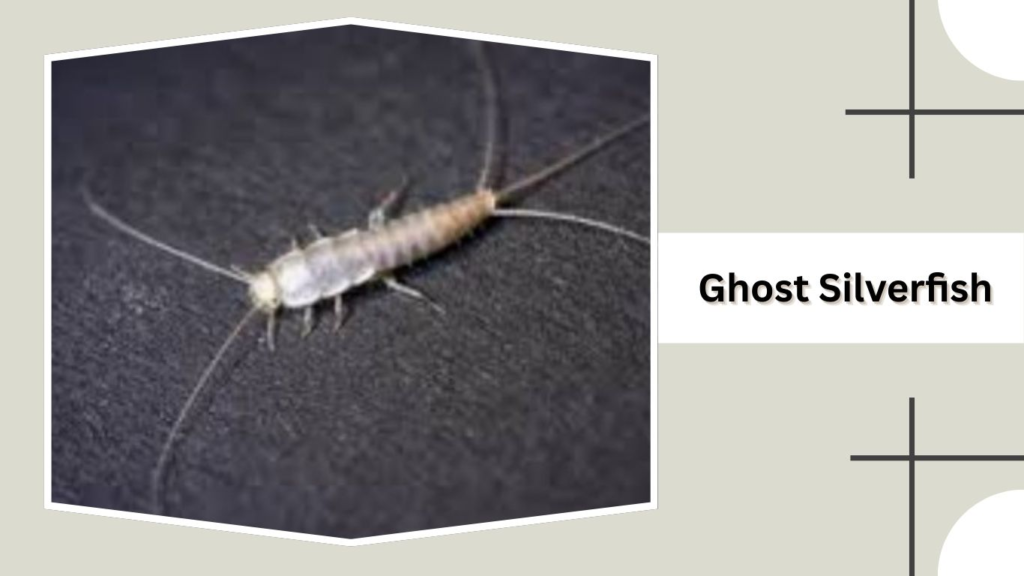
The ghost silverfish is a lesser-known species that gets its name from its very pale, almost translucent appearance. It is rarely noticed unless populations become large, as it hides deep within cracks and crevices. Like other silverfish, it feeds on starchy substances, book bindings, and microscopic molds, and it is mostly active at night.
Identification
- Very pale gray to almost white body
- Flattened, elongated shape about 10–15 mm long
- Long antennae and three tail filaments
- Fine, delicate scales giving a “ghostly” look
- Quick, darting movements when exposed
Larvae
Ghost silverfish hatch as tiny, nearly colorless nymphs that resemble miniature adults. They gradually darken slightly as they grow. Development is slow, and individuals molt many times before reaching full size.
Habitat
This species prefers hidden, sheltered environments. Indoors, it may live behind walls, under flooring, and in storage spaces. Outdoors, it can be found under stones, leaf litter, and loose bark in moist, protected areas.
Bite
Ghost silverfish do not bite or sting. They are harmless to humans but can contribute to the gradual damage of paper, fabrics, and stored products.
7. Giant Silverfish (Ctenolepisma sp.)
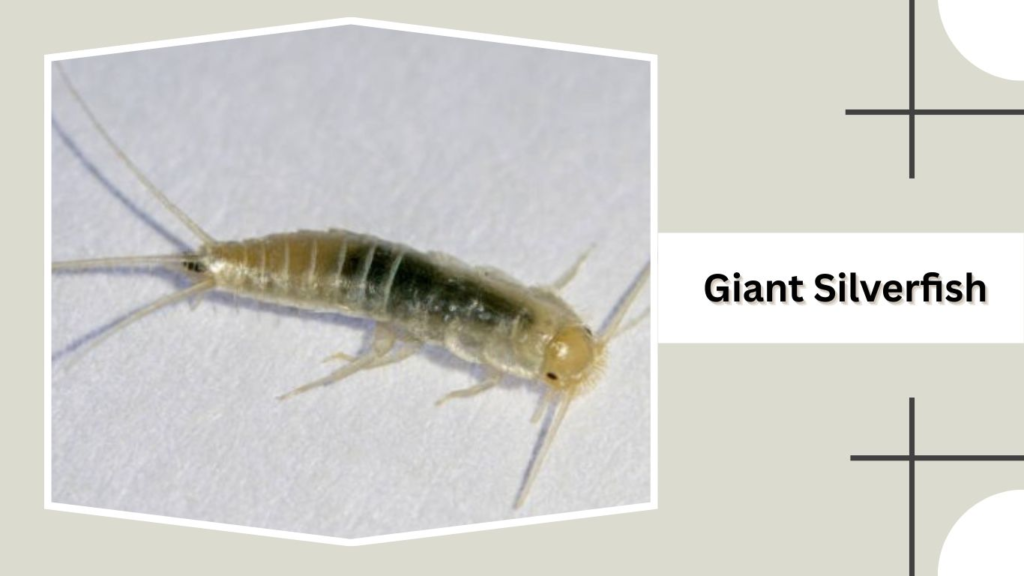
Giant silverfish are larger members of the silverfish group, typically found in warm regions. They are less common in homes but may occur in warehouses, greenhouses, and older buildings. Their larger size makes them more noticeable when they appear.
Identification
- Larger than most silverfish, sometimes reaching 18–25 mm
- Dark gray to silvery body with a broad, flattened shape
- Long antennae and three prominent tail filaments
- Thick covering of scales
- Fast, wave-like running motion
Larvae
Young giant silverfish hatch as small, pale nymphs. They grow slowly and molt repeatedly, gradually increasing in size. Like other silverfish, they may continue molting even after reaching maturity.
Habitat
Giant silverfish are often found in warm, sheltered environments such as greenhouses, storage buildings, and tropical or subtropical outdoor habitats under rocks and debris.
Bite
Giant silverfish do not bite humans. They are harmless but may damage books, cardboard, fabrics, and other starchy household materials.
8. Forest Silverfish (Neoasterolepisma sp.)
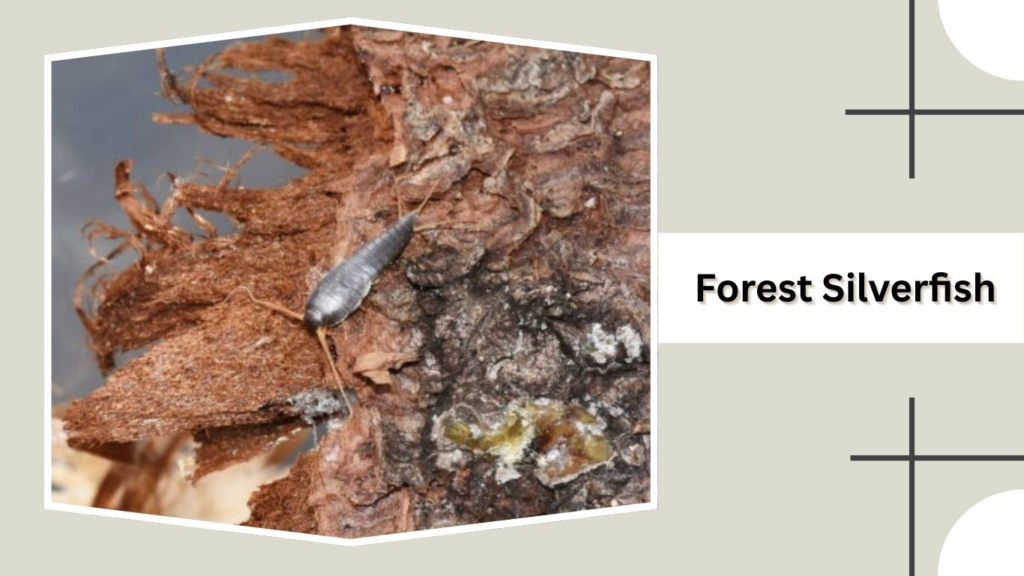
Forest silverfish are typically outdoor-dwelling species that live in natural, undisturbed environments. They are less likely to infest homes but may occasionally wander indoors from gardens, woodpiles, or forested areas. These silverfish play a role in breaking down organic matter by feeding on decaying plant material, fungi, and microscopic organisms.
Identification
- Elongated, flattened body, gray to brown in color
- Usually 8–15 mm long
- Long antennae and three tail filaments
- Body covered with fine, matte scales
- Quick, darting movement when exposed
Larvae
Forest silverfish hatch from eggs as tiny nymphs that closely resemble adults. They grow gradually through many molts, increasing in size and developing stronger coloration as they mature.
Habitat
They are commonly found under bark, in leaf litter, rotting logs, and soil crevices in forests and wooded areas. Indoors, they may appear in damp basements, sheds, or near stored firewood.
Bite
Forest silverfish do not bite or sting humans. They are harmless and mainly feed on decaying organic materials and fungi.
9. Coastal Silverfish (Ctenolepisma sp.)
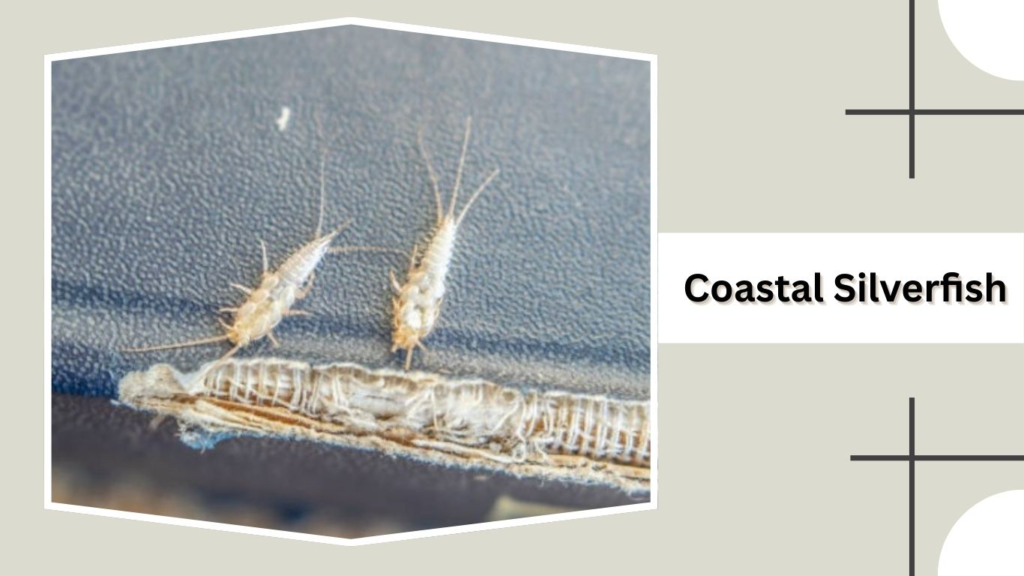
Coastal silverfish are adapted to humid, salt-influenced environments near seashores. They are usually found outdoors but can occasionally enter nearby homes, especially in coastal regions. Their diet consists of algae, organic debris, and starchy substances.
Identification
- Slender, flattened body with silvery-gray coloration
- Around 10–16 mm in length
- Long antennae and tail filaments
- Fine reflective scales
- Rapid, fish-like movement
Larvae
Young coastal silverfish hatch as pale nymphs and grow through a series of molts. Their color and scale pattern become more defined as they approach adulthood.
Habitat
They are commonly found under stones, driftwood, seaweed, and debris along coastal zones. Indoors, they may hide in damp corners, storage rooms, and wall gaps in buildings near the sea.
Bite
Coastal silverfish do not bite humans. They are not harmful but may become minor pests if they enter homes and feed on paper or stored products.
10. Spotted Silverfish (Ctenolepisma sp.)
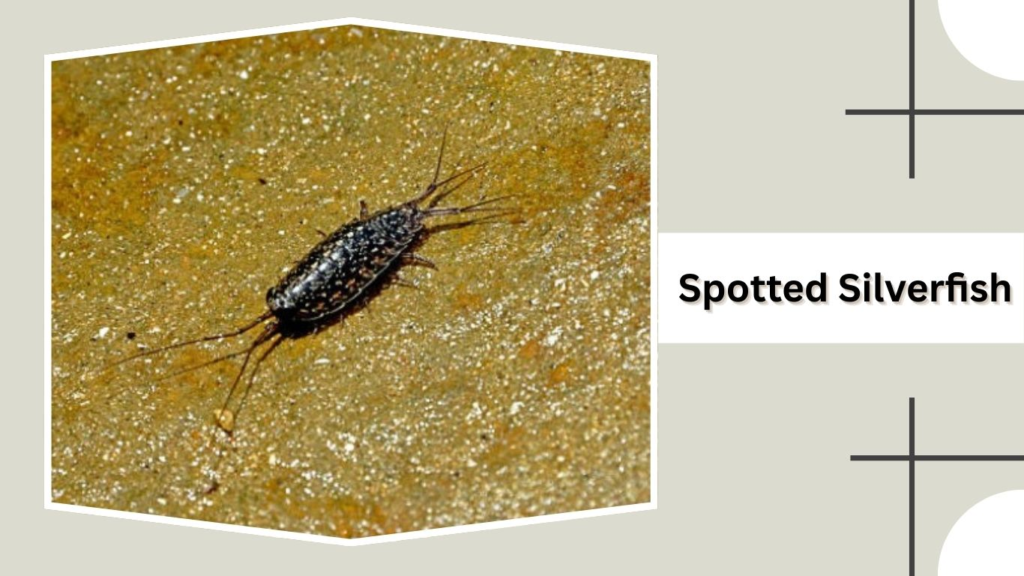
Spotted silverfish are named for the darker speckles or mottled markings on their bodies. They are less commonly discussed than household silverfish but occur in both natural and indoor environments. Their feeding habits are similar to other silverfish, focusing on starchy substances, paper, and organic debris.
Identification
- Gray to silvery body with darker spotted or mottled patterns
- Flattened, elongated shape about 10–15 mm long
- Long antennae and three tail filaments
- Fine scales giving a slightly speckled appearance
- Fast, wriggling movement
Larvae
Spotted silverfish hatch as pale nymphs that resemble miniature adults. As they molt, their spotted pattern becomes more visible. They pass through multiple molts before reaching full size.
Habitat
They can be found under rocks, leaf litter, and bark outdoors, and sometimes indoors in storage rooms, basements, and behind walls where organic materials are present.
Bite
Spotted silverfish do not bite humans. They are harmless but can damage paper, fabrics, and stored materials if they infest indoor spaces.
11. Household Silverfish (Lepisma saccharina)
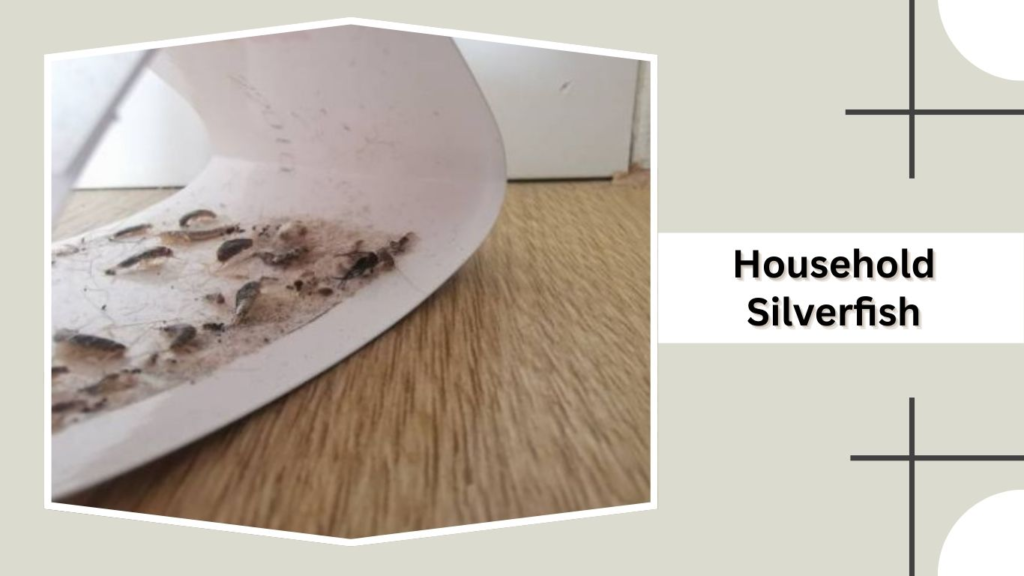
Household silverfish is another common name used for the classic common silverfish found in homes worldwide. It thrives in dark, humid areas and feeds on carbohydrates, sugars, and book bindings, often becoming a persistent nuisance pest.
Identification
- Shiny silver to gray, carrot-shaped body
- About 12–19 mm long
- Long antennae and three tail-like appendages
- Smooth, reflective scales
- Very fast and agile when disturbed
Larvae
Young hatch as small, pale nymphs and gradually molt into adults. They continue to grow slowly and may molt dozens of times throughout their lifespan.
Habitat
Typically found in bathrooms, kitchens, basements, attics, and book storage areas. They hide in cracks, behind wallpaper, and inside cupboards.
Bite
Household silverfish do not bite or sting humans. They are harmless but can cause damage to books, paper, wallpaper glue, and stored food.
12. Brown Silverfish (Ctenolepisma sp.)
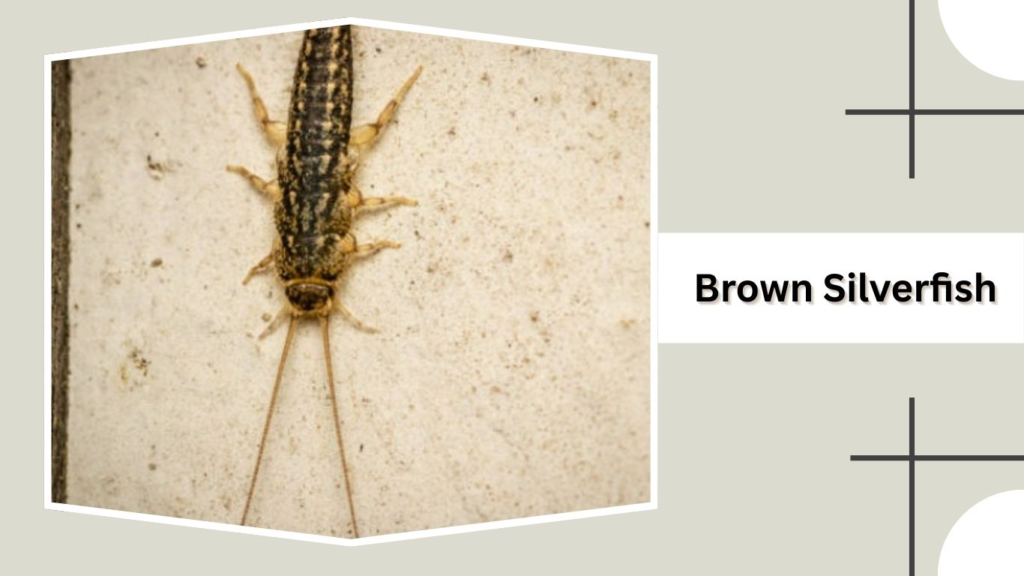
Brown silverfish are generally darker than the common silverfish and are often found in warmer indoor environments. They are fast-moving, nocturnal insects that hide in cracks and crevices during the day. Their feeding habits are similar to other silverfish, focusing on starches, sugars, paper, and organic debris.
Identification
- Brown to dark gray, flattened body
- Usually 10–15 mm long
- Long antennae and three tail filaments
- Body covered with fine, dull scales
- Quick, wriggling movement
Larvae
Brown silverfish hatch as pale nymphs that resemble miniature adults. They grow slowly through repeated molts. With each molt, their coloration becomes deeper and more noticeable.
Habitat
They prefer warm, sheltered indoor environments such as kitchens, storage rooms, boiler areas, and wall cavities. Outdoors, they may live under bark, stones, and debris.
Bite
Brown silverfish do not bite humans. They are harmless but may damage books, cardboard, wallpaper, and stored food products.
13. Desert Silverfish (Thermobia sp.)
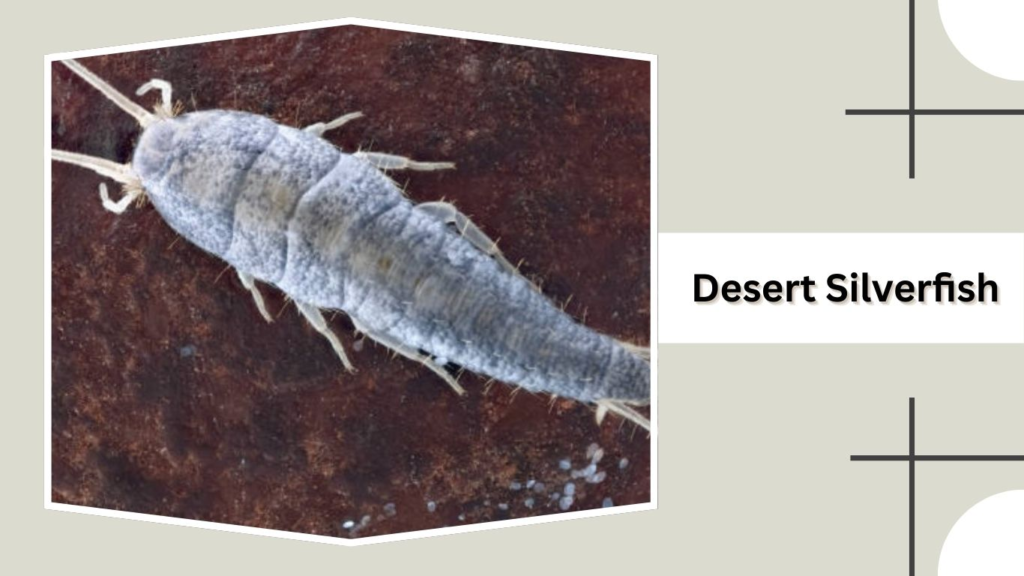
Desert silverfish are adapted to hot, dry environments and are more commonly found outdoors in arid regions. Some species may enter buildings where warm, dry conditions suit them. They feed on organic debris, starches, and microscopic fungi.
Identification
- Light brown to sandy-colored body
- Flattened and elongated shape, about 8–14 mm long
- Long antennae and tail filaments
- Fine scales giving a dusty appearance
- Very fast runner
Larvae
Young desert silverfish hatch as tiny, pale nymphs. They gradually increase in size through many molts, slowly developing adult coloration.
Habitat
They are typically found under stones, in dry soil cracks, and among desert plant litter. Indoors, they may occur near heating systems or in dry storage areas.
Bite
Desert silverfish do not bite humans. They pose no direct health risk and are considered nuisance pests only when they enter buildings.
14. Cave Silverfish (Troglotheus sp.)
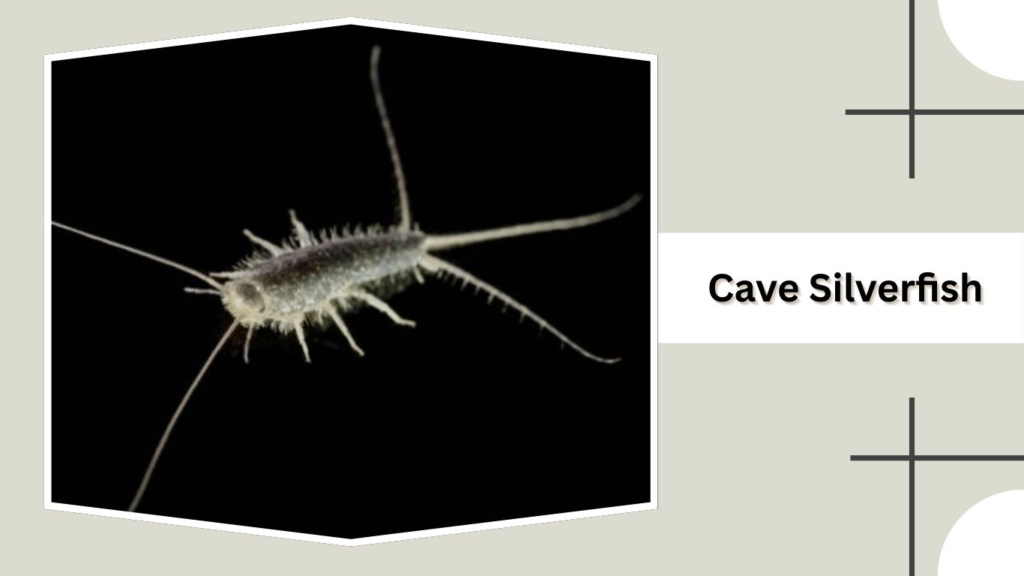
Cave silverfish are specialized insects adapted to life in dark, humid underground environments. They are often pale in color and may have reduced pigmentation due to limited light exposure. These silverfish feed on organic debris, fungi, and microscopic organisms found in caves.
Identification
- Pale white to light gray body
- Flattened, elongated shape about 8–14 mm long
- Very long antennae and tail filaments
- Thin, delicate appearance
- Slow to moderately fast movement
Larvae
Cave silverfish hatch as tiny, translucent nymphs resembling miniature adults. They grow slowly, molting many times before reaching maturity, often taking longer than household species due to limited food.
Habitat
They are mainly found in caves, tunnels, and underground shelters. Occasionally, they may appear in very damp basements, wells, or underground storage areas.
Bite
Cave silverfish do not bite humans. They are harmless and pose no direct threat, feeding only on organic matter and fungi.
15. Stone Silverfish (Lepisma sp.)
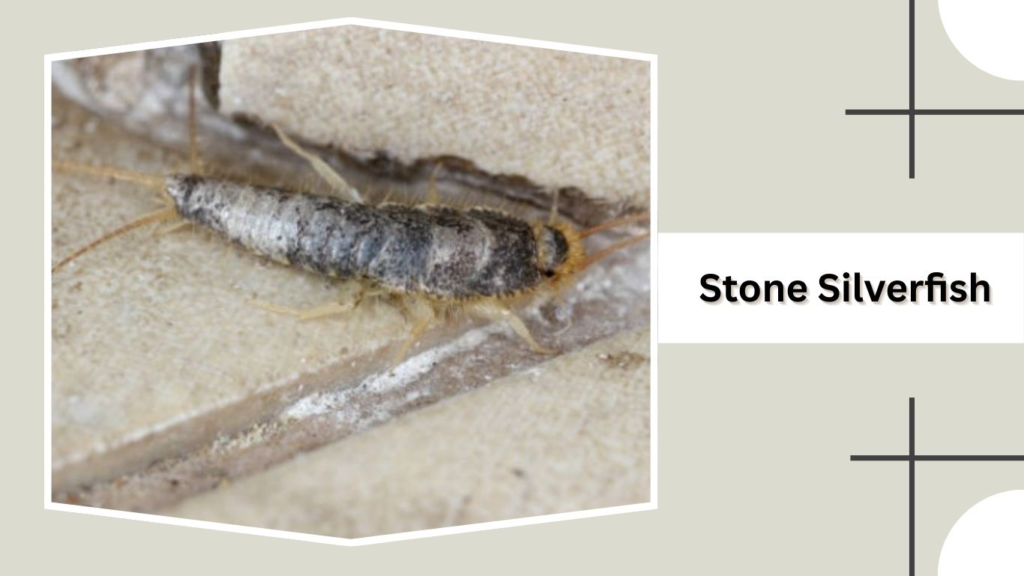
Stone silverfish are typically outdoor-dwelling species that live among rocks, stone walls, and masonry. They are well adapted to hiding in narrow crevices and feeding on organic films, algae, and microscopic plant matter found on stone surfaces.
Identification
- Gray to silvery flattened body
- About 9–15 mm long
- Long antennae and three tail filaments
- Fine scales covering the body
- Quick, agile movement
Larvae
Young stone silverfish hatch as pale nymphs and gradually develop adult coloration through multiple molts. Growth is slow, and individuals may continue molting throughout much of their lives.
Habitat
They are commonly found under stones, in rock piles, garden walls, and cracks in masonry. Indoors, they may appear in old stone buildings, cellars, and damp foundations.
Bite
Stone silverfish do not bite humans. They are harmless but may become minor nuisance pests if they wander into homes.
16. Garden Silverfish (Neoasterolepisma sp.)
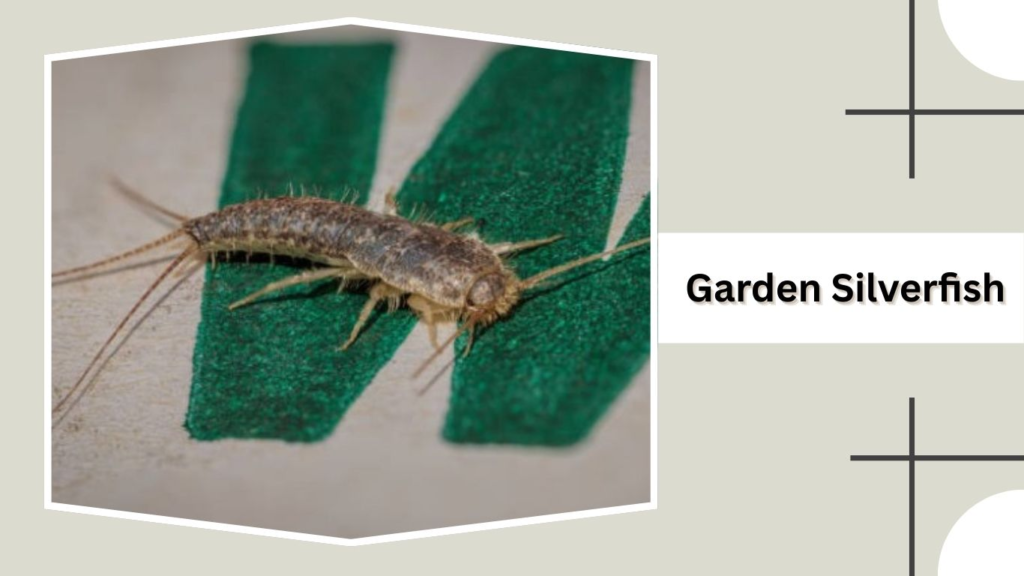
Garden silverfish are outdoor-dwelling relatives of household silverfish that live mainly in soil, leaf litter, and garden debris. They play a minor role in breaking down organic matter by feeding on decaying plant material, algae, and microscopic fungi. These silverfish rarely infest homes unless outdoor populations are very high and conditions are favorable.
Identification
- Gray to brown, flattened body
- Usually 8–14 mm long
- Long antennae and three tail filaments
- Matte scales rather than shiny silver ones
- Quick, darting movement
Larvae
Garden silverfish hatch as tiny, pale nymphs that look like small adults. They grow slowly through repeated molts, gradually developing darker coloration and stronger scales as they mature.
Habitat
They are commonly found in gardens under stones, mulch, flowerpots, compost, and leaf litter. Indoors, they may occasionally appear in damp basements, sheds, or near doors leading to gardens.
Bite
Garden silverfish do not bite humans. They are harmless and are only considered minor nuisance insects if they enter buildings.
17. Tropical Silverfish (Ctenolepisma sp.)
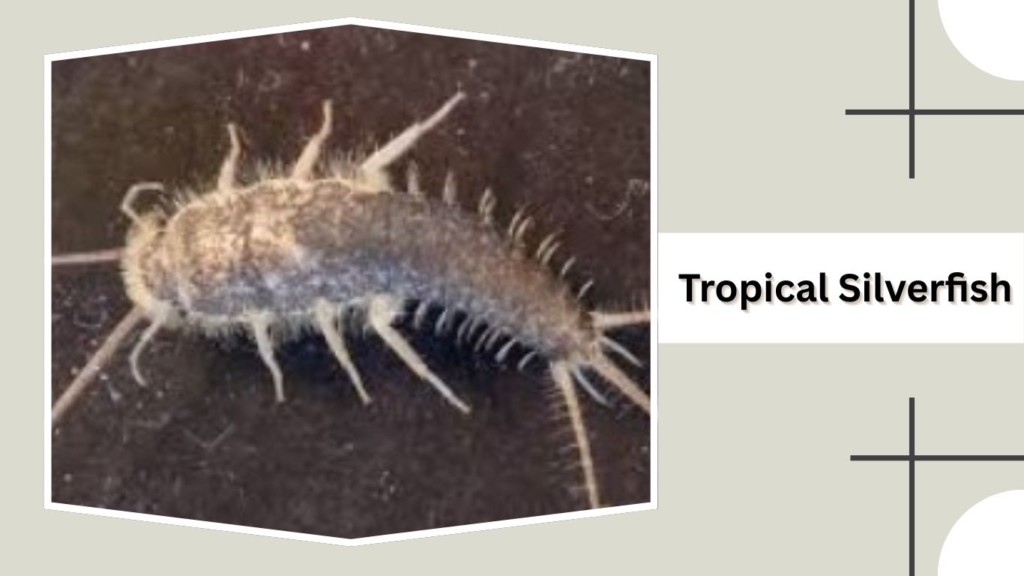
Tropical silverfish are species adapted to warm, humid climates. They are more common in tropical and subtropical regions, where they live both outdoors and inside buildings. In homes, they may behave like common silverfish, feeding on paper, glue, fabrics, and stored products.
Identification
- Silvery-gray to dark gray body
- Flattened, elongated shape about 10–16 mm long
- Long antennae and three tail filaments
- Fine, reflective scales
- Fast, fish-like movement
Larvae
Young tropical silverfish hatch as pale nymphs resembling miniature adults. They grow through many molts over several months, slowly increasing in size and developing full adult coloration.
Habitat
They prefer warm, humid environments such as tropical gardens, greenhouses, warehouses, bathrooms, and kitchens. Outdoors, they live under bark, stones, and rotting vegetation.
Bite
Tropical silverfish do not bite or sting humans. They are harmless but can damage books, paper, clothing, and stored foods when present indoors.
