

Most wasp stings cause sharp pain, redness, and swelling that subside within a day or two. But what happens when that sting doesn’t go away, or worse, gets more painful and starts showing signs of infection? While rare, a wasp sting can become infected if bacteria enter the wound, especially through scratching or poor hygiene. Recognizing the early signs of infection is critical for preventing more serious complications like cellulitis or abscess formation.
In this guide, we’ll answer the question “Can a wasp sting get infected?” and walk you through the 10 warning signs to watch for. We’ll also cover treatment options, when to seek medical help, and steps you can take to prevent infection in the first place.
Can a Wasp Sting Get Infected?

Yes, a wasp sting can become infected, even though the sting itself is caused by venom—not bacteria. The sting punctures the skin, creating an open wound. If that site isn’t kept clean or if it’s scratched repeatedly, bacteria from the skin, fingernails, or the environment can enter the wound, leading to infection.
In most cases, wasp stings cause local irritation: swelling, pain, and itching. But if bacteria gain access to the puncture, it can lead to redness that spreads, pus formation, warmth, and even fever. Children, older adults, people with weakened immune systems, and those with skin conditions like eczema may be more susceptible to infections.
Important: Wasp venom does not contain infectious agents, but it can weaken the skin’s natural barrier. The infection risk comes afterward, usually from poor aftercare or environmental exposure. Recognizing the symptoms early is key to preventing more serious complications.
10 Warning Signs of an Infected Wasp Sting
1. Increased Swelling After 48 Hours

Some swelling after a wasp sting is normal, often peaking within 24 hours. However, if the swelling continues to grow or worsens after two days, it could signal infection. Healthy swelling should start to subside by day two. Infected stings often become firm, tight, and painful to touch, and may spread beyond the original sting site. Swelling that increases rather than decreases is a red flag, especially if it limits movement or affects surrounding joints or muscles. This could indicate underlying inflammation caused by bacterial growth.
2. Warmth Around the Sting Area
If the area around the sting feels warmer than the surrounding skin, it’s often a sign of localized infection. This warmth comes from increased blood flow and inflammation as your immune system tries to fight off the invading bacteria. Unlike the initial warmth immediately after being stung, which fades within a few hours, this type of warmth tends to persist or even intensify with time. You may also notice the area becoming more sensitive or tender, even with light contact. Persistent warmth should be taken seriously, especially when accompanied by redness and swelling.
3. Red Streaks Radiating from the Sting
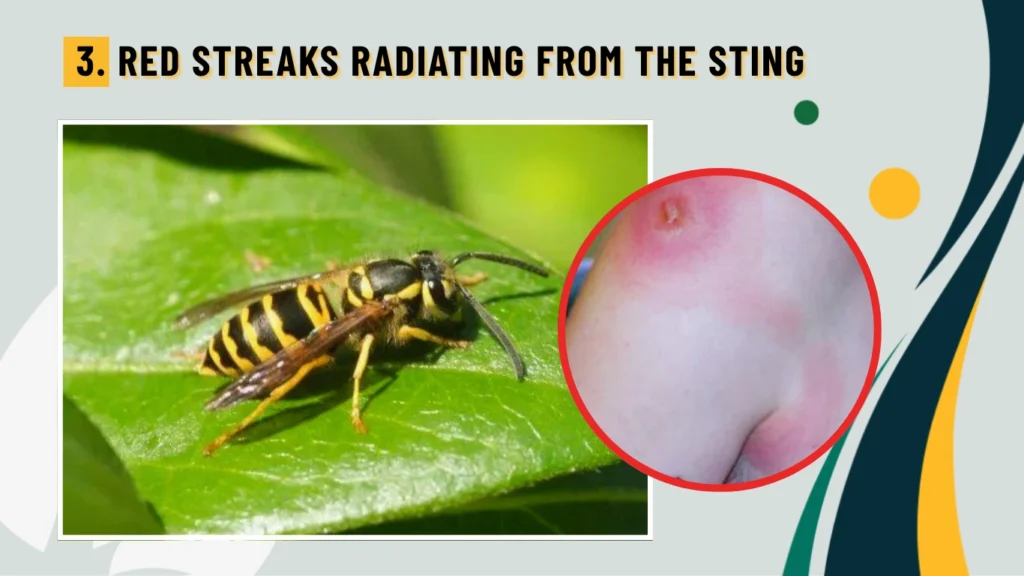
One of the more serious signs of infection is the appearance of red streaks extending outward from the sting site. These streaks may appear several hours or days after the sting and indicate lymphangitis, a condition where the infection is spreading through the lymphatic vessels. It’s often accompanied by pain, swelling of nearby lymph nodes, and sometimes fever. This is not something to monitor at home—medical attention is urgently needed. Left untreated, the infection could spread further into the bloodstream and lead to sepsis, a life-threatening condition.
4. Pus or Fluid Discharge
If the sting site begins to ooze yellow, white, or green fluid, it’s a clear sign of infection. Pus is your body’s way of isolating bacteria and fighting off infection, but it also means that the sting wound has become a breeding ground for microbes. This may be accompanied by skin crusting, a foul odor, or sticky residue on clothing or bandages. Avoid squeezing or popping the sting site, as this can spread the bacteria. Instead, clean the area with mild soap and warm water and seek medical advice, as antibiotics may be required.
5. Persistent Pain or Throbbing

Pain is expected after a wasp sting, but it should diminish within a few hours or at most a day. If instead the pain becomes more intense, continues to throb, or is accompanied by a burning sensation, this may be due to a bacterial infection. Infections can irritate nerve endings and cause deep, radiating discomfort that feels different from the sharp, localized pain of the initial sting. Throbbing is often your body’s signal that something beneath the skin surface is inflamed or under pressure, and this type of pain should not be ignored.
6. Skin Hardening or Tightness
If the skin around the sting becomes unusually firm, tight, or raised, this could indicate cellulitis, a common skin infection caused by bacteria entering through a break in the skin. You might feel the skin becoming more resistant to touch, and the area may appear shiny or stretched. In contrast to normal swelling, which is soft and puffy, infected tissue tends to become dense and painful, especially when pressure is applied. If untreated, cellulitis can spread rapidly, potentially reaching deeper tissues or entering the bloodstream. Early treatment with antibiotics can prevent complications and speed up healing.
7. Itching Turns Into Burning

Mild to moderate itching is a common reaction to a wasp sting and usually subsides within a couple of days. However, if the itching intensifies or transitions into a burning or stinging sensation, it could be a sign of infection or nerve involvement beneath the skin. Infections can irritate local nerves and trigger a hypersensitive response that feels like heat or sharp pricking. This shift from surface-level discomfort to deeper irritation often indicates that the immune response is escalating or that inflammation is spreading. Persistent burning should not be ignored—monitor for other signs like warmth, redness, or pus.
8. Crusting or Scabbing Without Healing
As the body repairs a sting wound, a thin scab or layer of dead skin may form. However, if you notice thick, yellowish crusting, cracking, or repeated scabbing without improvement, this can indicate infection. An infected sting site often cycles between drying, cracking, and oozing, making it harder for the skin to fully heal. The scab may also have a sticky or shiny appearance, and the skin underneath may remain red or inflamed. Instead of improving over time, the area looks the same—or worse. This delayed healing process is a sign the tissue is struggling to recover.
9. Fever or Chills
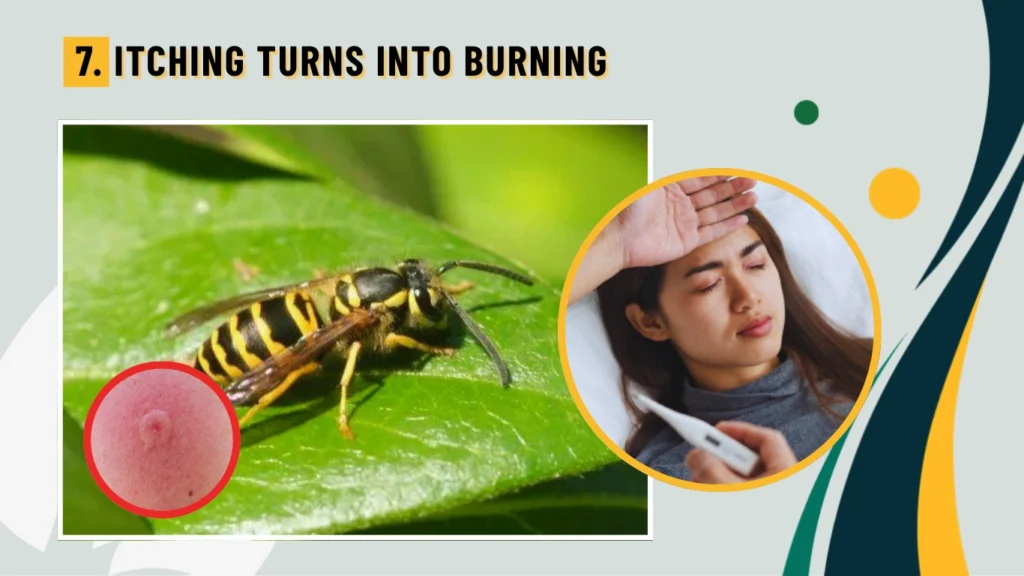
If you begin to feel feverish or develop chills, even without other cold or flu symptoms, your body could be reacting to a systemic infection from the sting site. A low-grade fever (above 100.4°F or 38°C) may be your immune system’s attempt to fight off invading bacteria. In more serious cases, fever is accompanied by fatigue, headache, and a general sense of being unwell. Chills, especially when paired with red streaks or swollen lymph nodes, suggest the infection may be moving beyond the skin. Do not delay seeking medical help if fever follows a sting—especially in children or the elderly.
10. Swollen Lymph Nodes
Your lymph nodes are part of the body’s immune defense system. When they become swollen, tender, or hard, it usually means your body is responding to an infection. After a wasp sting, the lymph nodes closest to the sting (often in the neck, armpit, or groin) may swell if bacteria have entered the lymphatic system. These nodes may feel like small, painful lumps under the skin. In some cases, swelling may be accompanied by fever, fatigue, or red streaks. Swollen lymph nodes after a sting are not normal and should be evaluated by a healthcare provider promptly.
How to Treat an Infected Wasp Sting

If you suspect a wasp sting has become infected, prompt treatment is essential to avoid complications like cellulitis or abscess formation. Mild infections can often be managed at home, but moderate to severe symptoms require medical attention. Below is a step-by-step approach for both situations.
Step-by-Step Home Treatment for Mild Infections
1. Clean the Area Thoroughly
Gently wash the sting site with warm water and a mild antibacterial soap. This removes bacteria and prevents further spread. Pat dry with a clean towel—do not rub.
2. Apply a Warm Compress
A warm (not hot) compress helps increase circulation and encourages the body to flush out infection. Hold it against the sting site for 10–15 minutes, 2–3 times per day.
3. Use Over-the-Counter Antiseptic Ointments
Apply a thin layer of an antibiotic cream such as Neosporin or polysporin to the sting area. Cover it with a sterile adhesive bandage to keep the wound clean.
4. Take Pain Relievers if Needed
You can take ibuprofen or acetaminophen to reduce pain and inflammation. These medications also help manage body aches or fever that may accompany a minor infection.
5. Monitor for Signs of Worsening
If symptoms improve within 24–48 hours, continue home care until the area heals completely. However, if the swelling, pain, or redness spreads—or new symptoms develop—seek medical care immediately.
When to See a Doctor
Call a doctor or visit urgent care if:
- You notice pus, red streaks, or swollen lymph nodes
- The sting is on your face, neck, eye, or inside your mouth
- You develop fever or chills
- The sting wound doesn’t improve after 48 hours of home treatment
- You’re immunocompromised, diabetic, or have poor circulation
Delaying treatment for an infected wasp sting can result in serious complications, including tissue damage or systemic infection.
Prescription Treatments a Doctor May Provide
If a healthcare provider confirms the infection, you may be prescribed:
- Oral antibiotics (like amoxicillin or cephalexin) to treat the infection internally
- Topical antibiotics or medicated creams if the infection is localized
- Drainage procedures if an abscess or pus pocket has developed under the skin
- Steroid creams to reduce inflammation and promote healing in more severe or persistent cases
Always take the full course of prescribed antibiotics, even if symptoms begin to improve early, to prevent recurrence or resistance.
How to Prevent Wasp Sting Infections
Prevention is the best defense when it comes to wasp sting infections. Although you can’t always avoid getting stung, you can take key steps to ensure the wound heals cleanly and quickly—minimizing the risk of bacteria causing further issues.
Clean the Area Immediately After a Sting
The first step to preventing infection is proper hygiene. As soon as you’re stung:
- Wash the area with mild soap and cool water
- Rinse gently to remove any venom or debris
- Pat the skin dry with a clean cloth
- Apply an antiseptic or antibacterial ointment right away
Keeping the sting site clean in the first few hours is critical to preventing bacteria from entering the skin.
Avoid Scratching the Sting Site
Scratching may offer temporary relief but it’s one of the main causes of infection. It introduces bacteria from your nails and irritates the wound further.
To prevent scratching:
- Take an oral antihistamine like Benadryl to reduce itching
- Apply a thin layer of calamine lotion or hydrocortisone cream
- Use cold compresses to soothe discomfort
- Keep fingernails short and clean
For children, consider covering the sting site with a breathable bandage to reduce temptation.
Monitor the Area Daily
It’s a good idea to take a photo of the sting area on Day 1, then compare it with how it looks each day after. Watch for changes in:
- Size of swelling or redness
- Coloration (e.g., increased redness, darkening)
- Presence of pus, crust, or unusual texture
- Pain level or heat in the area
If you see signs of infection or no signs of improvement after 48 hours, consult a medical professional.
